Critical thinking skills Reading Worksheets for Ages 3-7
9 filtered results
-
From - To
Our Critical Thinking Skills Reading Worksheets for Ages 3-7 are designed to foster cognitive development and enhance problem-solving abilities in young children. Through engaging and educational activities, these worksheets encourage kids to think analytically, make connections, and understand context within stories. Each worksheet is tailored to promote critical thinking and comprehension in a fun, easy-to-understand format. Ideal for early learners, these resources support the development of essential skills that form the foundation for lifelong learning and success. Explore our collection to give your child a head start in critical thinking while mastering reading fundamentals.
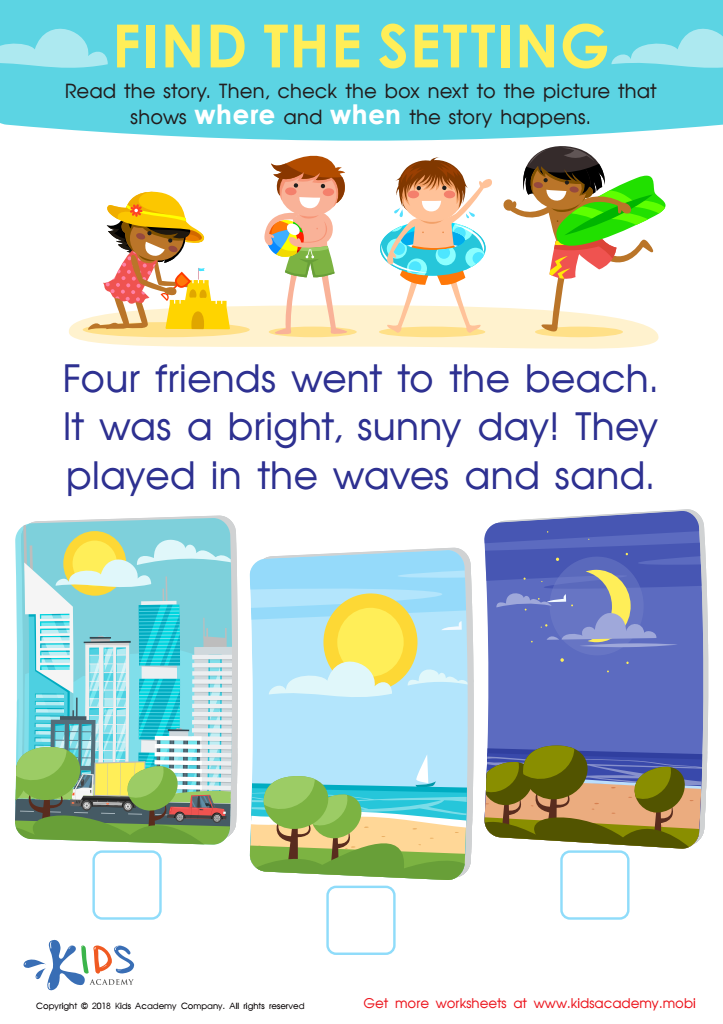
Find the Setting Worksheet
 Assign to My Students
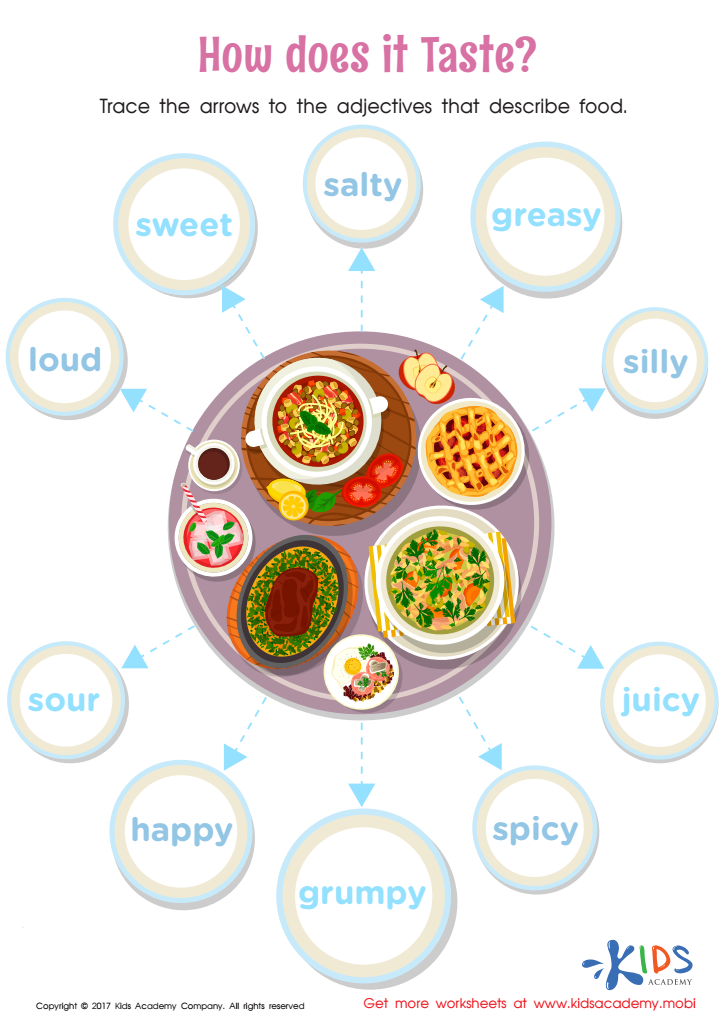
Food Adjectives Worksheet
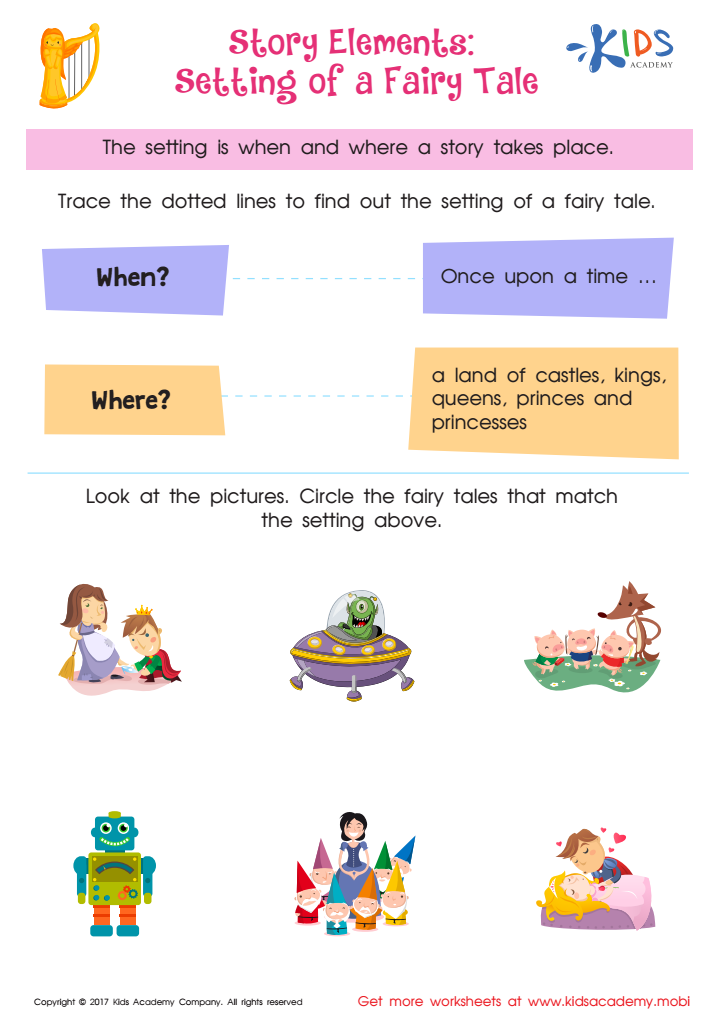
Story Elements: Setting of a Fairy Tale Printable
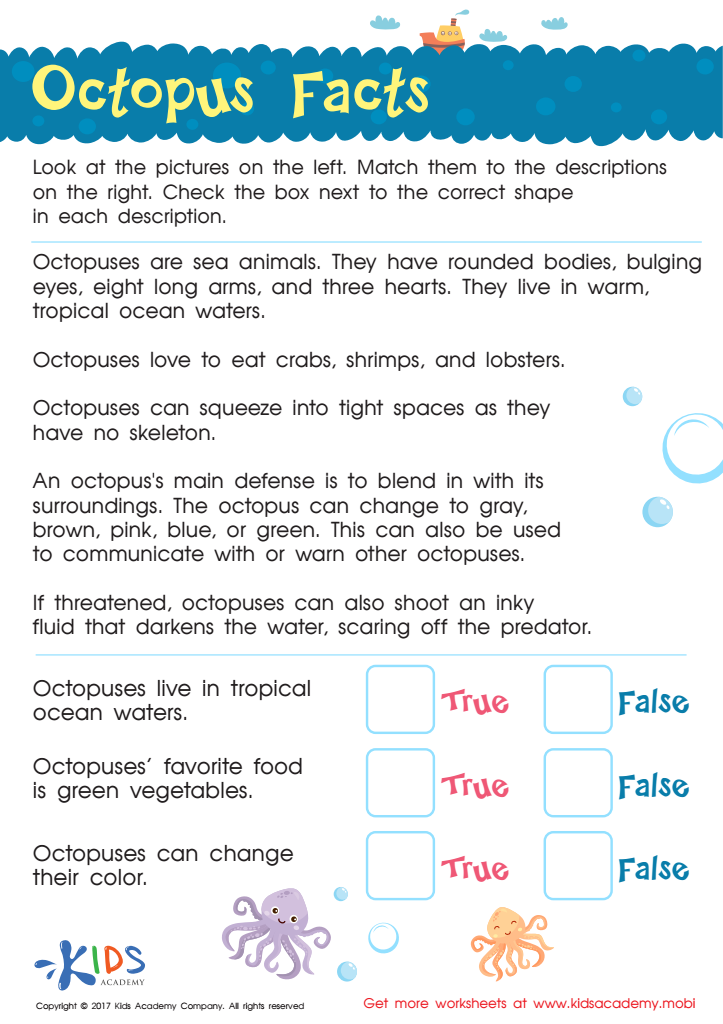
Octopus Facts Worksheet For Kids
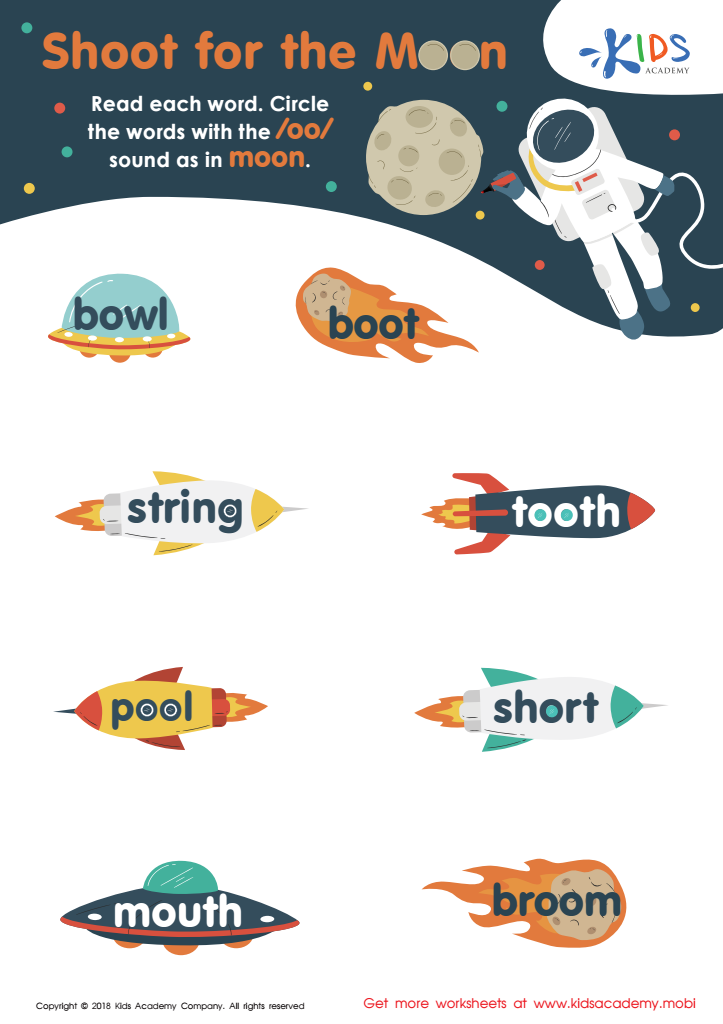
Reading: Shoot for the Moon Worksheet
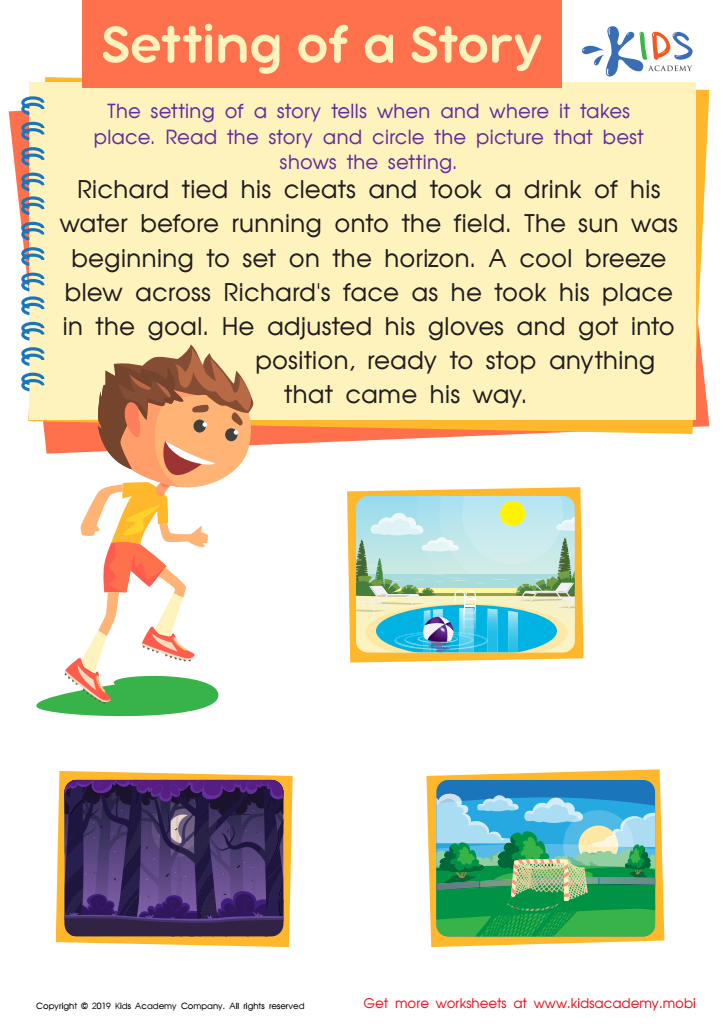
Setting of a Story Worksheet
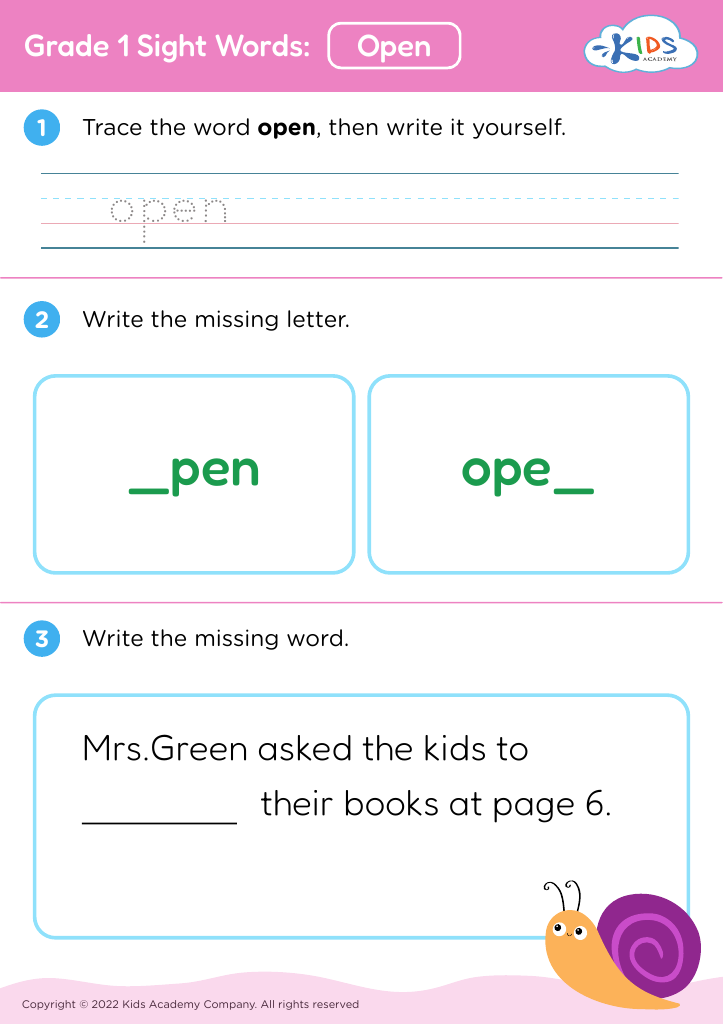
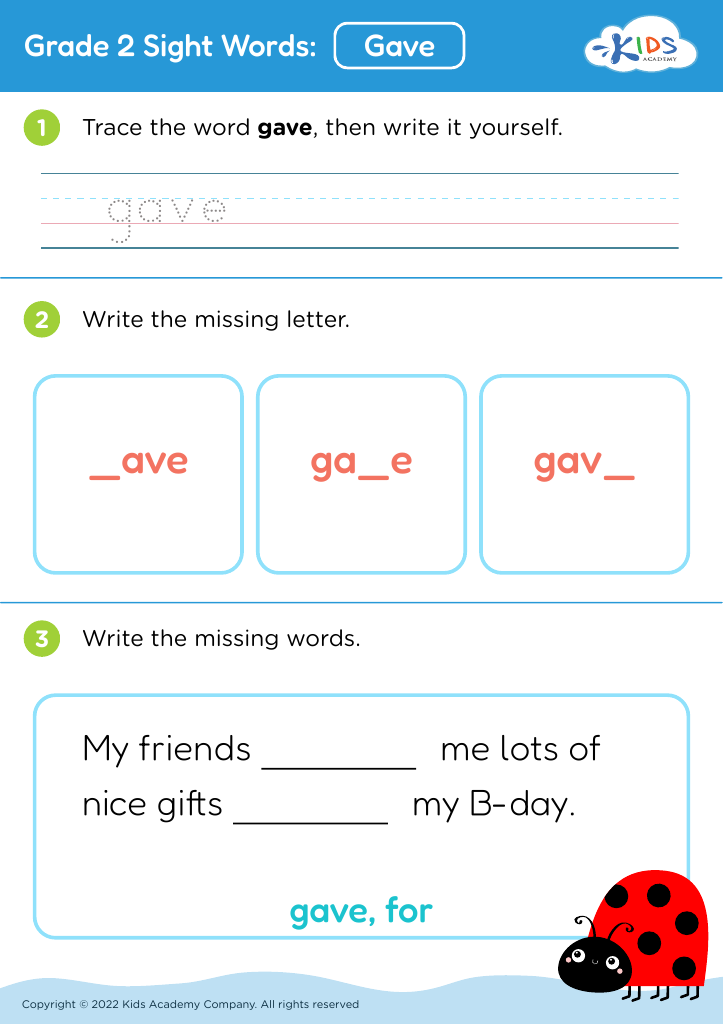
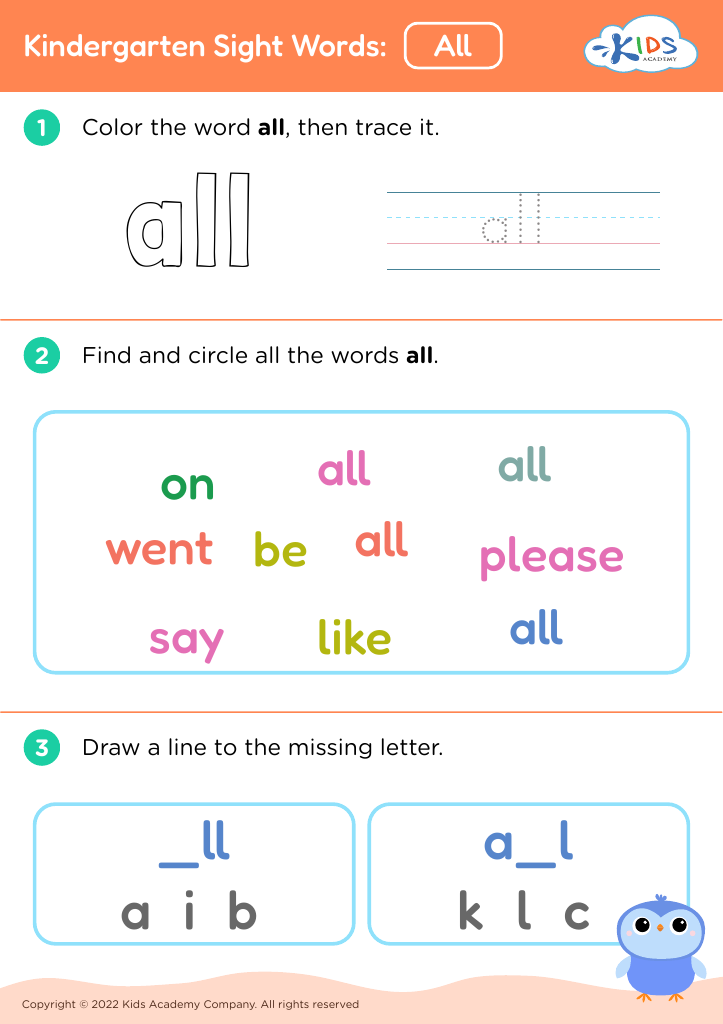







Critical thinking skills in reading are vital for children aged 3-7 as they lay the foundation for lifelong learning and informed decision-making. At this developmental stage, fostering critical thinking helps kids not only understand the literal meaning of text but also engage with it on a deeper level by comparing, predicting, and questioning.
For parents and teachers, nurturing these skills early ensures that children become active, rather than passive, learners. It encourages curiosity, promoting a natural desire to explore and comprehend the world around them. As children listen to stories or begin to read, they learn to connect the dots, make inferences, and evaluate information, enhancing their cognitive abilities.
Critical thinking during reading also fosters empathy, allowing children to see different perspectives, which is crucial for social development. It aids in the development of problem-solving skills, as children learn to analyze scenarios and think creatively about outcomes.
Moreover, in a world full of information, critical thinking equips young minds with the ability to discern fact from fiction, a necessary skill for navigating future academic challenges and daily situations.
In summary, emphasizing critical thinking in reading for young children is essential; it cultivates a thoughtful, inquisitive mindset, setting the stage for academic success and well-rounded personal growth.








