Fraction comparison Reading Worksheets for Ages 3-7
12 filtered results
-
From - To
Boost your child's mathematical skills with our engaging Fraction Comparison Reading Worksheets, designed specifically for ages 3-7. These worksheets introduce young learners to the concept of fractions through fun and interactive reading activities. With appealing illustrations and simple explanations, children will grasp the basics of fraction comparison while enhancing their reading comprehension. Perfect for early grade teachers and parents alike, our resources support diverse learning styles. Encourage analytical thinking and foster a love for math as children compare, recognize, and understand fractions. Explore our carefully crafted worksheets to make learning fractions an enjoyable adventure for your little ones!
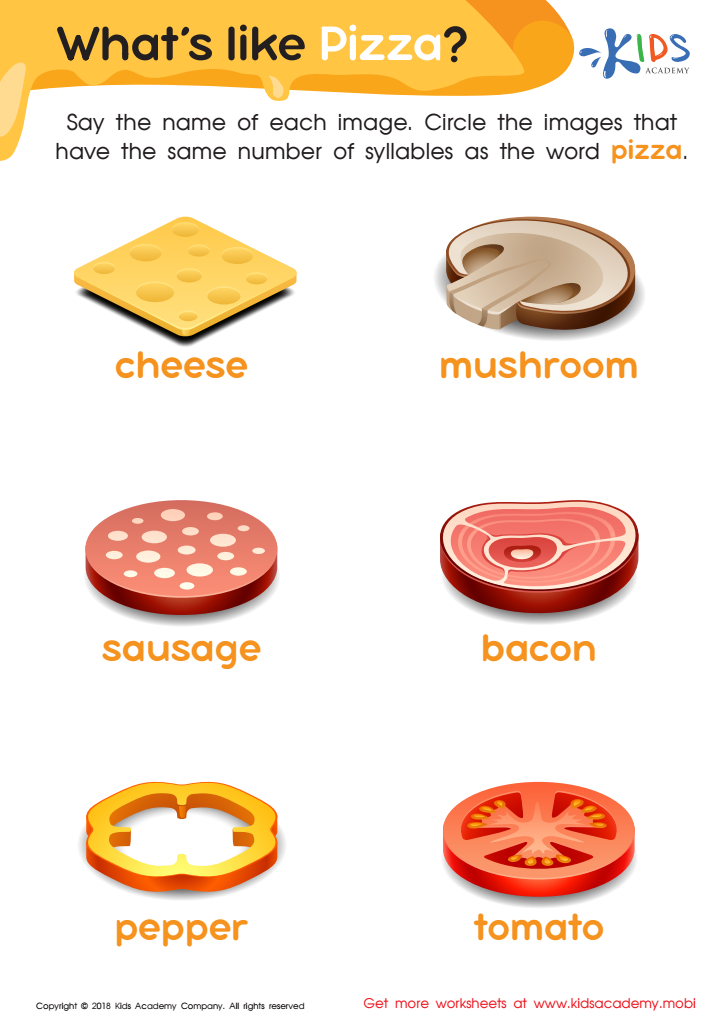
What's Like Pizza? Worksheet
 Assign to My Students
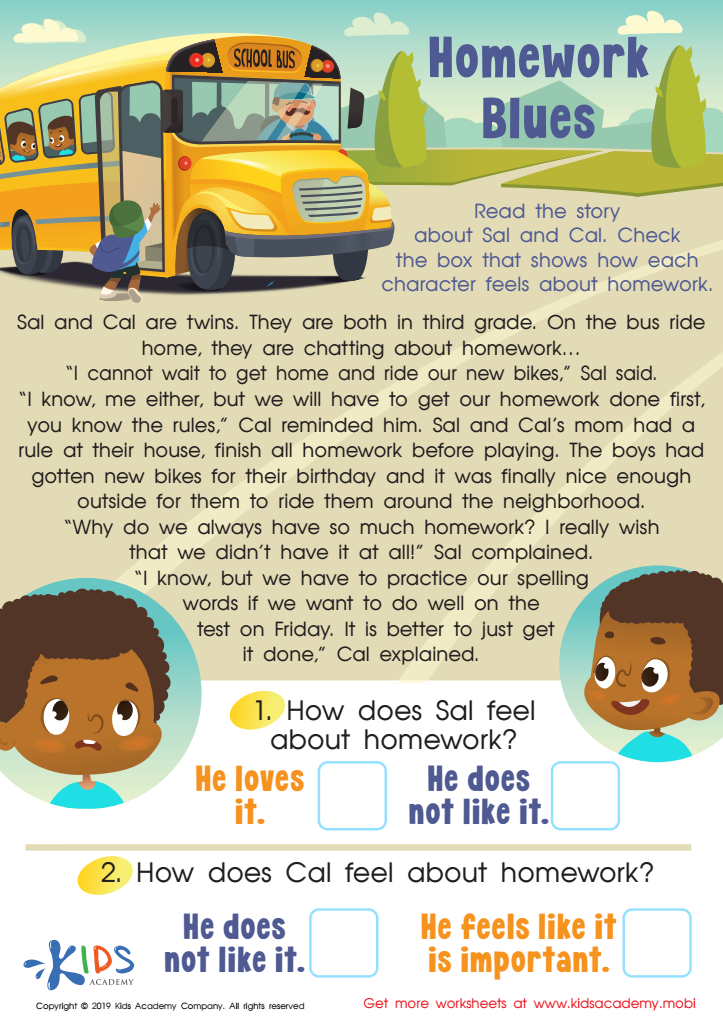
Homework Blues Worksheet
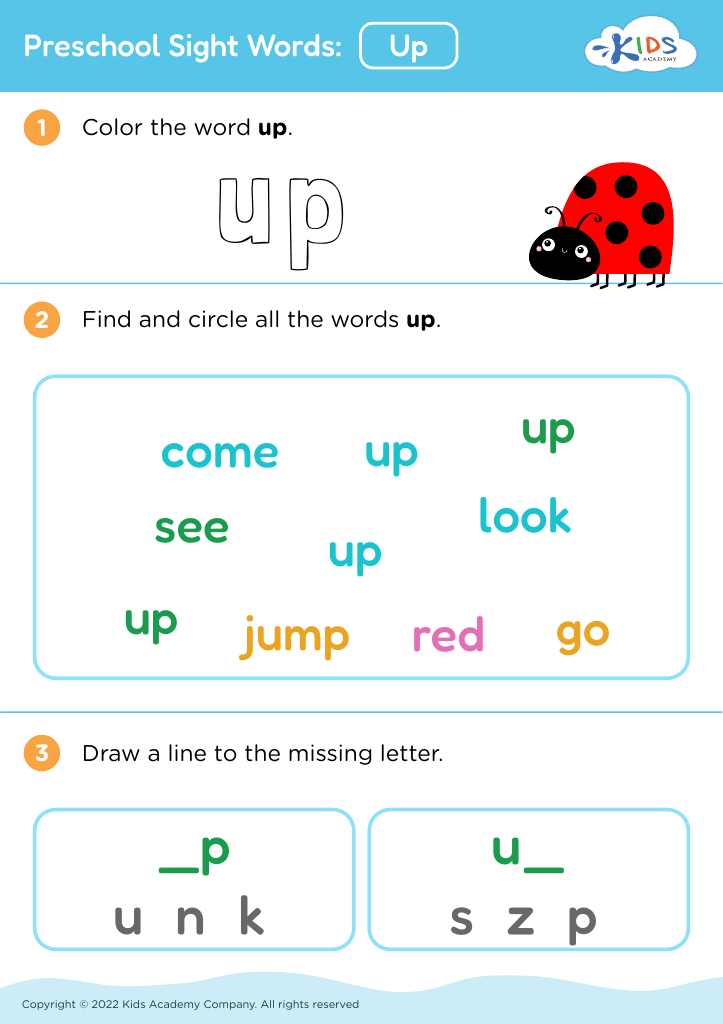
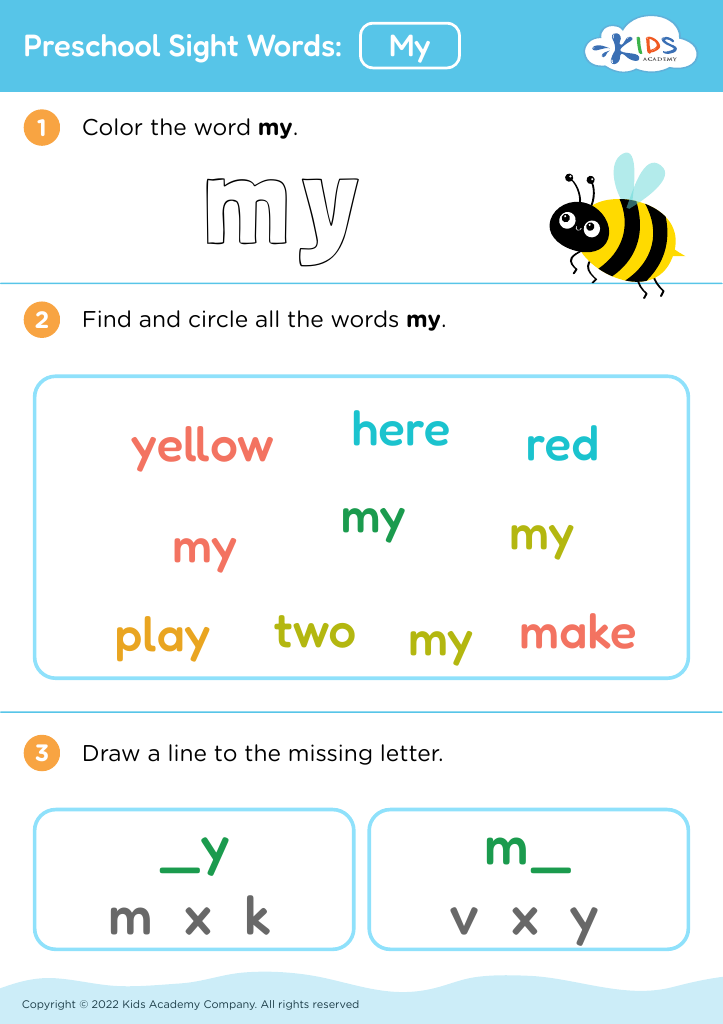







Fraction comparison reading is an essential skill for young learners aged 3 to 7, and both parents and teachers should prioritize it for several reasons. Firstly, understanding fractions lays the foundation for mathematical reasoning. Early exposure to the concept of fractions helps children grasp the notion of parts of a whole, which is critical for later mathematical concepts such as multiplication and division.
Secondly, fraction comparison fosters critical thinking skills. Children learn to assess and compare different quantities, helping them develop analytical skills they can use in various situations throughout their lives. Through engaging activities and discussions, kids gain confidence in expressing their reasoning.
Furthermore, incorporating fraction comparison into reading activities makes learning fun and meaningful. Picture books that illustrate fractions through relatable contexts—like sharing pizza or dividing candy—engage young minds and promote literacy alongside math comprehension.
Additionally, understanding fractions nurtures a sense of fairness and equity, as children learn about sharing and dividing resources. This encourages social skills such as cooperation and collaboration.
Ultimately, investing time in fraction comparison reading cultivates a love for learning and builds a solid mathematical foundation, ensuring that children are well-prepared for future academic challenges.








