Improving math skills Reading Worksheets for Ages 3-7
4 filtered results
-
From - To
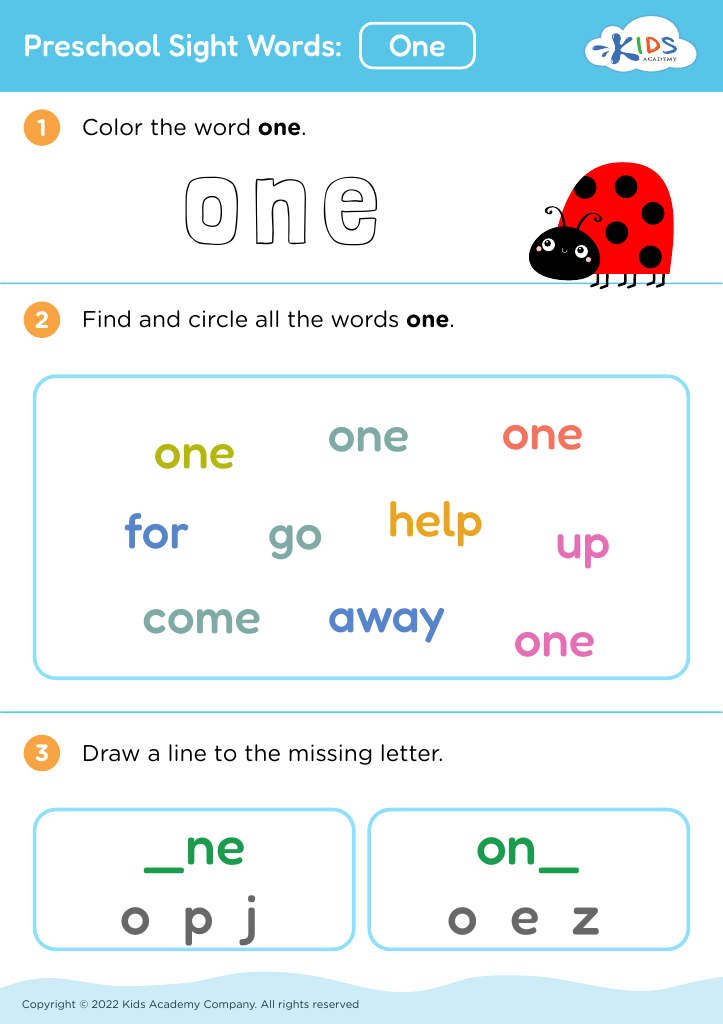
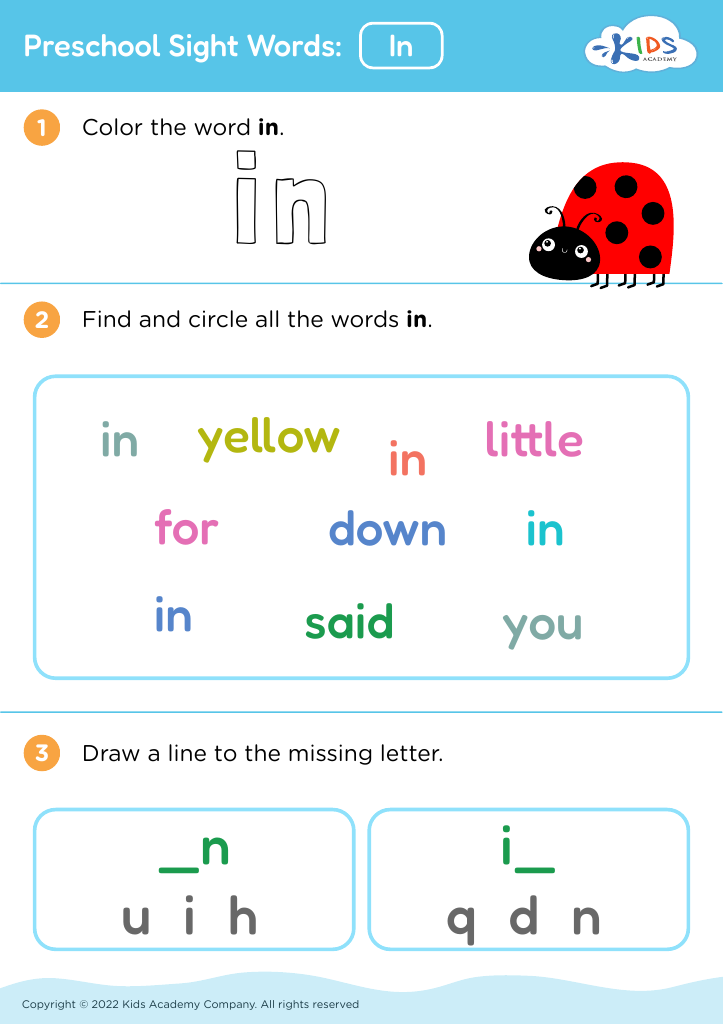
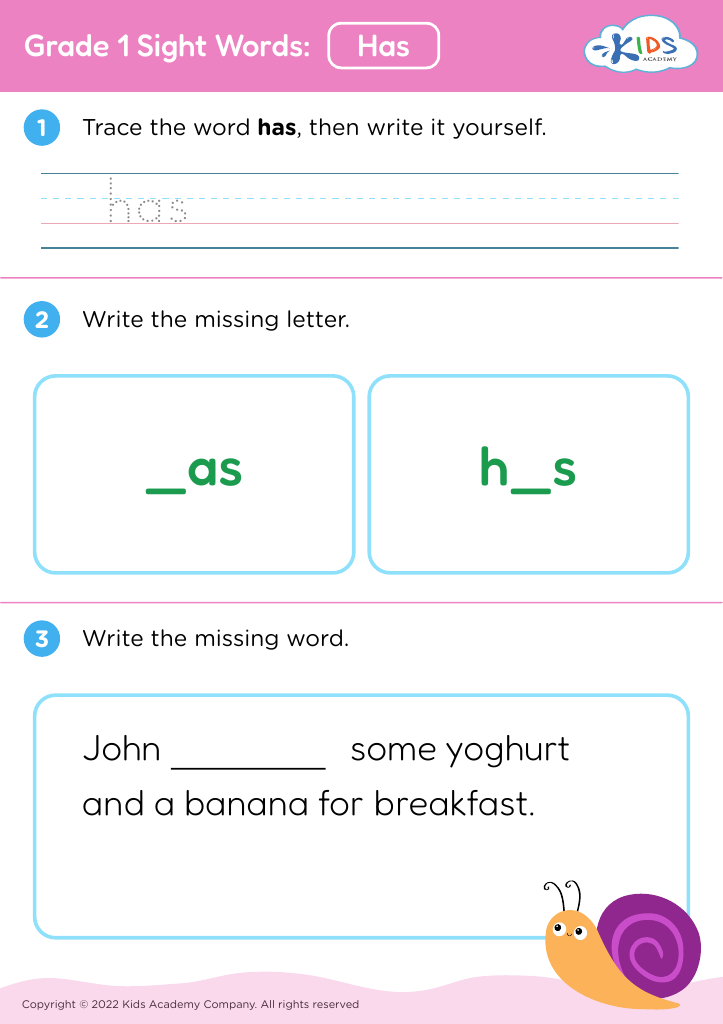
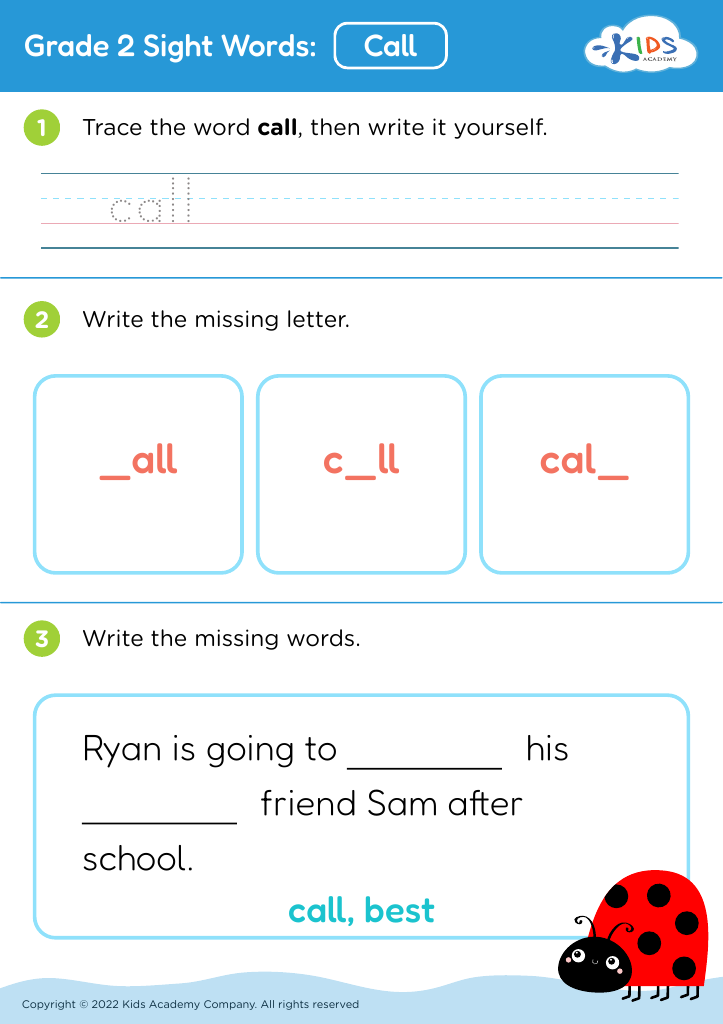
Explore our engaging "Improving Math Skills Reading Worksheets" designed for children ages 3 to 7. These worksheets combine essential math concepts with reading practice, making learning both effective and enjoyable. Perfect for early learners, these activities promote number recognition, basic addition, and problem-solving while enhancing reading comprehension. Each worksheet is carefully crafted to encourage critical thinking in a fun manner, fostering a love for both subjects. Parents and educators can easily access and print these resources, providing valuable support for young minds. Start your child's journey toward mathematical proficiency and reading confidence today with our delightful worksheets!








Improving math skills and reading for children aged 3-7 is crucial for several reasons. At this developmental stage, children are like sponges, absorbing information and forming foundational skills that will influence their educational trajectory. Early literacy enhances vocabulary, comprehension, and communication skills, while foundational math skills foster critical thinking and problem-solving abilities.
Strong reading abilities contribute to academic success across all subjects, as most learning requires some level of reading comprehension. By enhancing reading skills, children become more effective learners, engaging more fully with their environment.
Similarly, developing math skills from an early age promotes analytical thinking and cognitive development. Basic numeracy concepts, such as counting, shapes, and simple addition, lay the groundwork for more advanced mathematical concepts in later years. Engaging children in fun, hands-on activities that promote these skills makes learning enjoyable and establishes a love for education.
Moreover, proficient reading and math skills are closely linked to future academic achievement, self-esteem, and lifelong learning habits. Teachers and parents play a pivotal role in this developmental journey, and their involvement ensures that children have the tools they need to succeed academically and personally in a rapidly changing world. Thus, investing time and resources in enhancing these skills is essential.








