Moral understanding Reading Worksheets for Ages 3-7
5 filtered results
-
From - To
Discover our educational Moral Understanding Reading Worksheets tailored for children aged 3-7! These engaging and age-appropriate printables help young learners develop key reading skills while instilling foundational moral values. Each worksheet presents relatable stories and scenarios designed to teach lessons on kindness, honesty, empathy, and respect. Our resources foster a nurturing learning environment, where children can explore ethical concepts through fun activities. Perfect for parents and educators looking to build strong character and literacy skills concurrently, these worksheets make early moral education enjoyable and stimulating. Equip your kids with the tools to become both proficient readers and conscientious individuals.
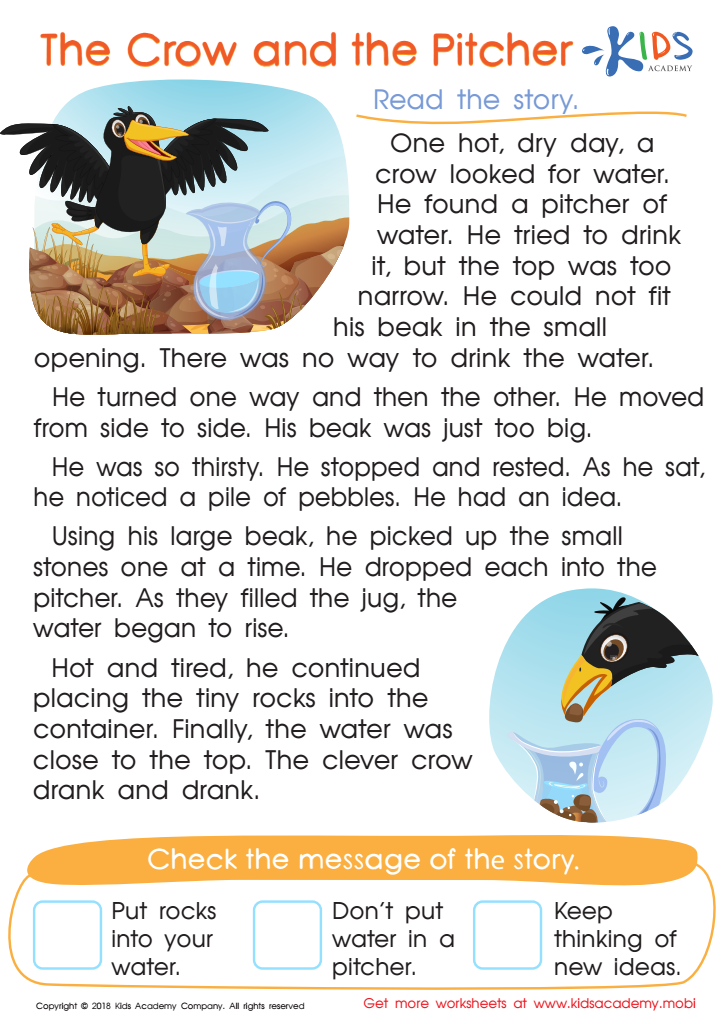
The Crow and the Pitcher Worksheet
 Assign to My Students
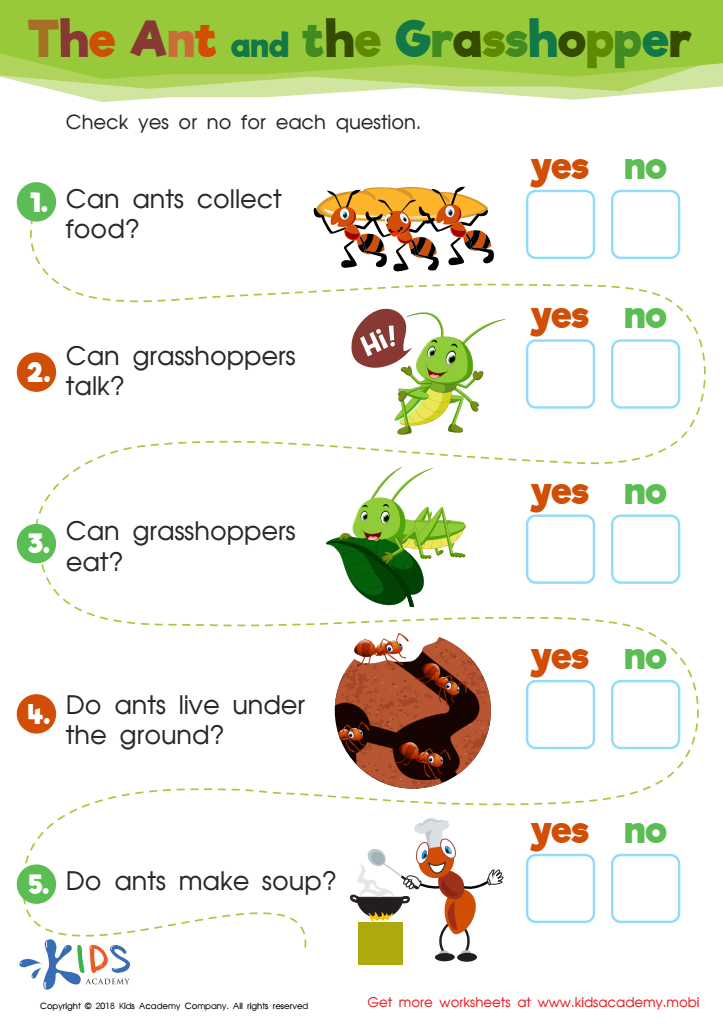
The Ant and The Grasshopper Worksheet
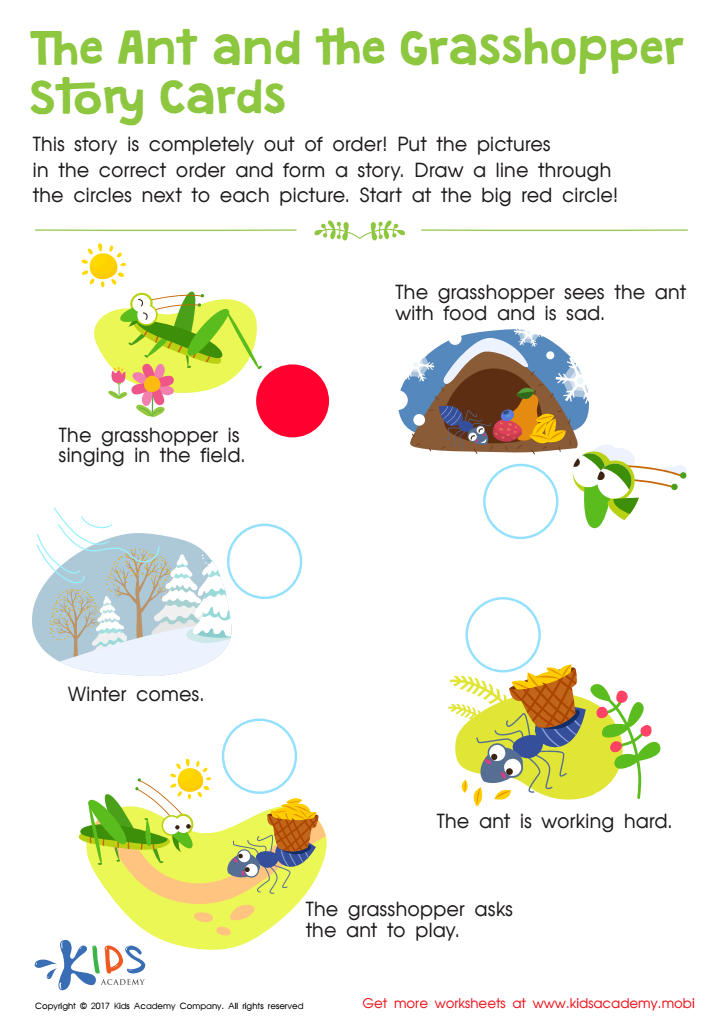
The Ant and The Grasshopper Worksheet
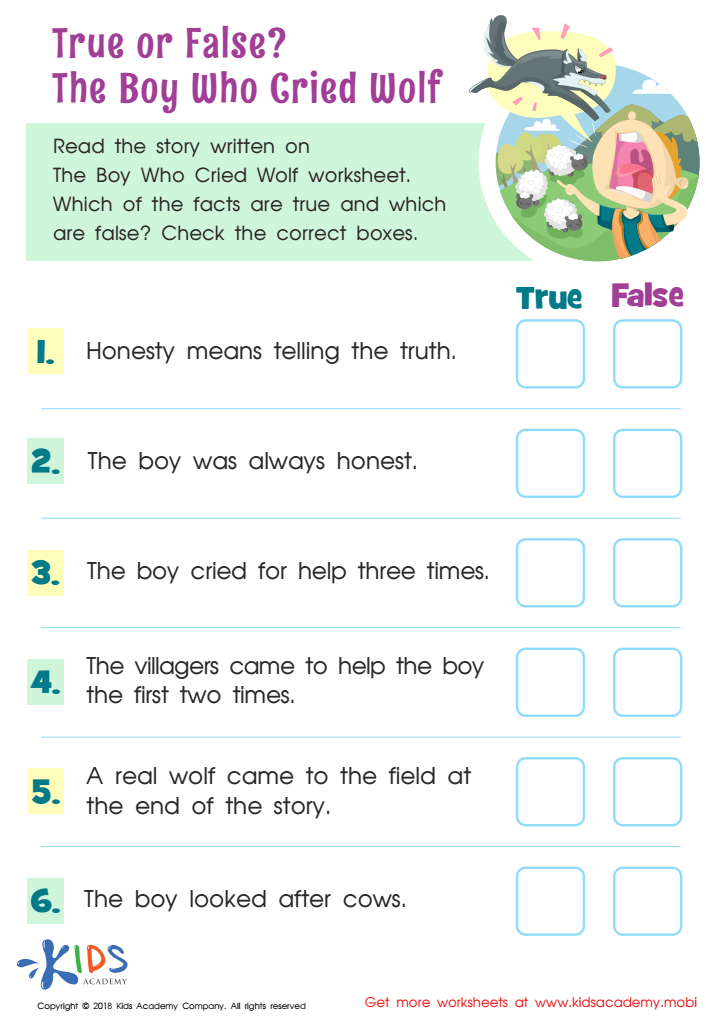
True or False? The Boy Who Cried Wolf Worksheet
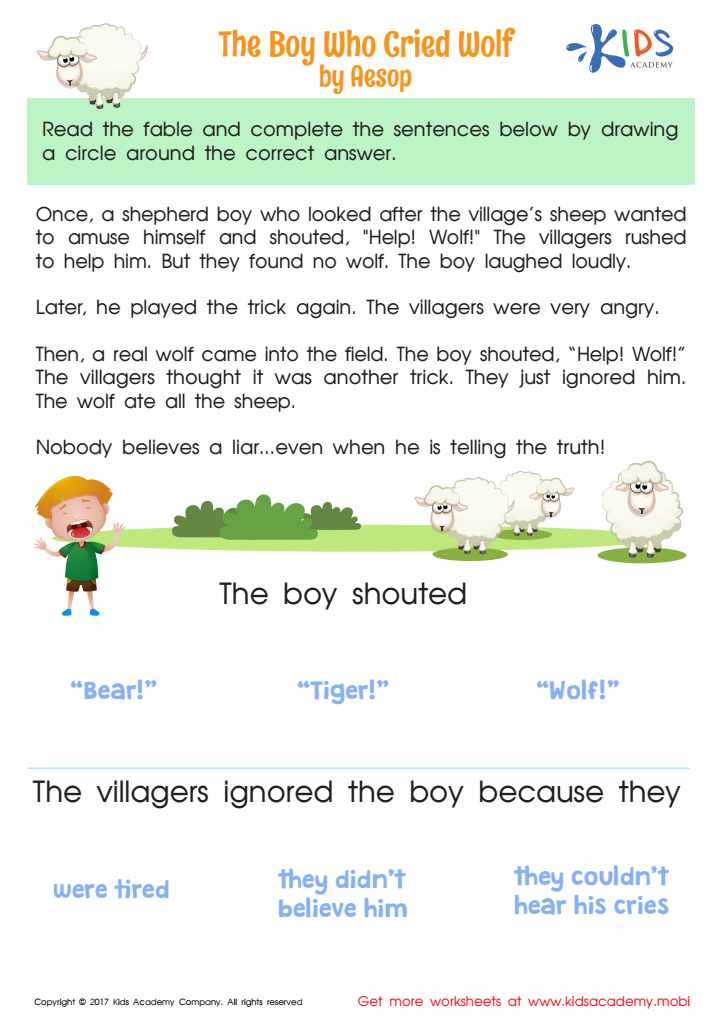
The Boy Who Cried Wolf Worksheet



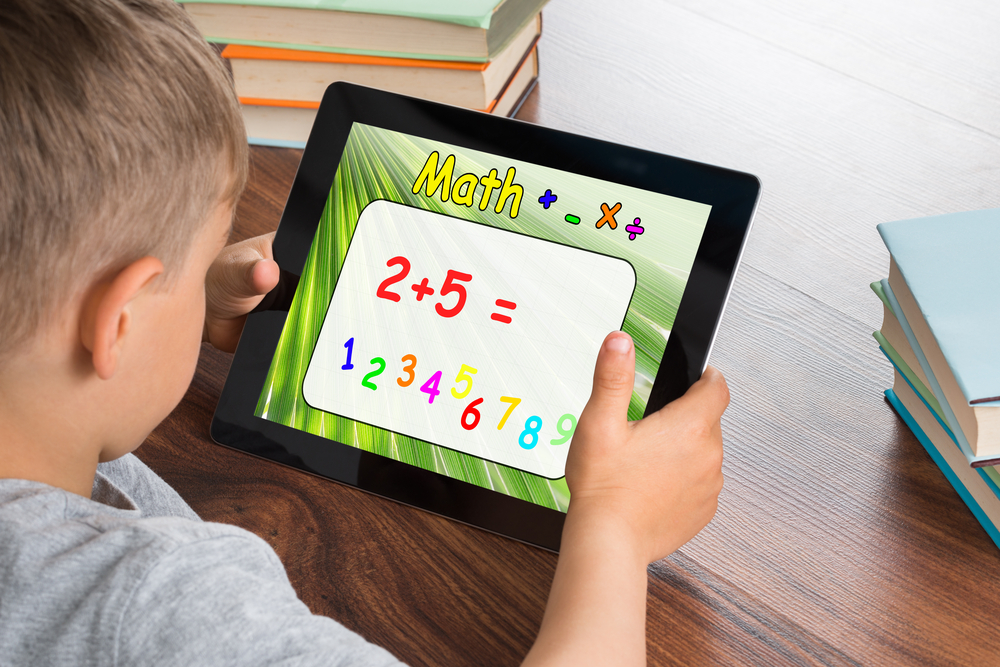


Parents and teachers should passionately embrace moral understanding reading for children ages 3-7 because it lays the groundwork for developing ethical values and social skills during these formative years. Young children are highly impressionable and absorb the world around them like sponges. When they encounter stories that illustrate kindness, empathy, honesty, and fairness, they begin to understand and internalize these principles.
Moral understanding reading helps cultivate compassion and understanding. For example, when a story shows a character helping a friend in need, children learn about the importance of helping others. These narratives make abstract concepts tangible and comprehensible for young minds. Moreover, moral stories initiate conversations between adults and children about right and wrong, encouraging critical thinking and reflection.
Additionally, these stories often involve conflicts and resolutions, providing children with conflict resolution tools and teaching them to navigate their own social interactions more constructively. Developing moral literacy at a young age can contribute to building a stronger sense of community, reducing bullying, and fostering an inclusive environment in classrooms and playgrounds.
Ultimately, moral understanding reading supports the holistic development of children, nurturing not just their cognitive skills but also their emotional and social growth. This foundation contributes to their becoming responsible, compassionate, and well-rounded individuals.








