Practice subtraction Reading Worksheets for Ages 3-7
3 filtered results
-
From - To
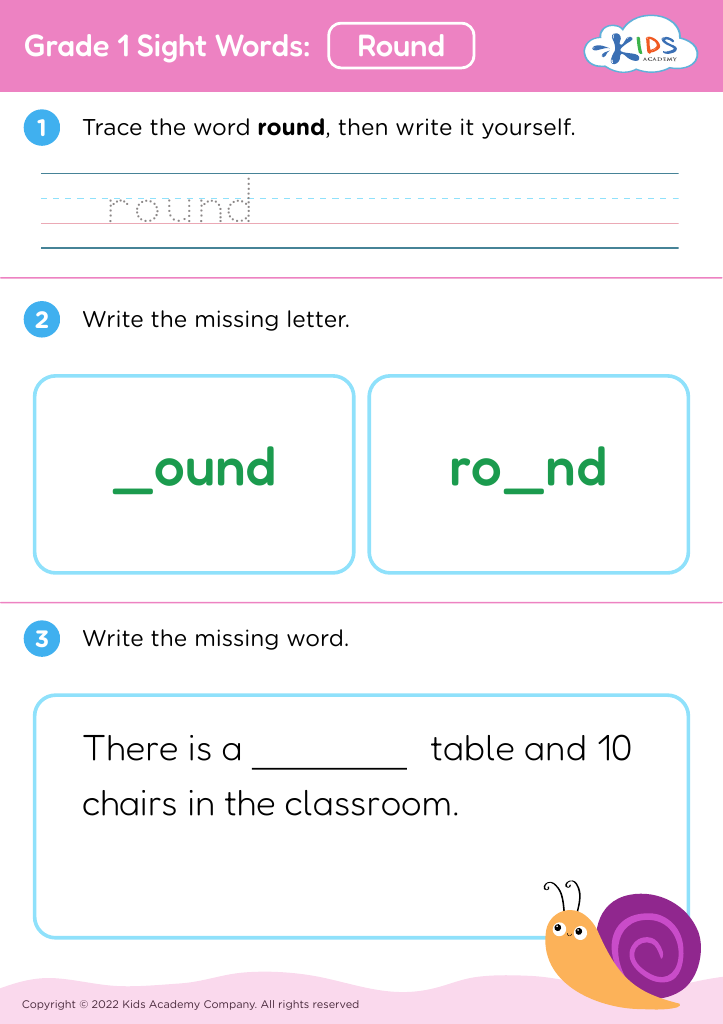
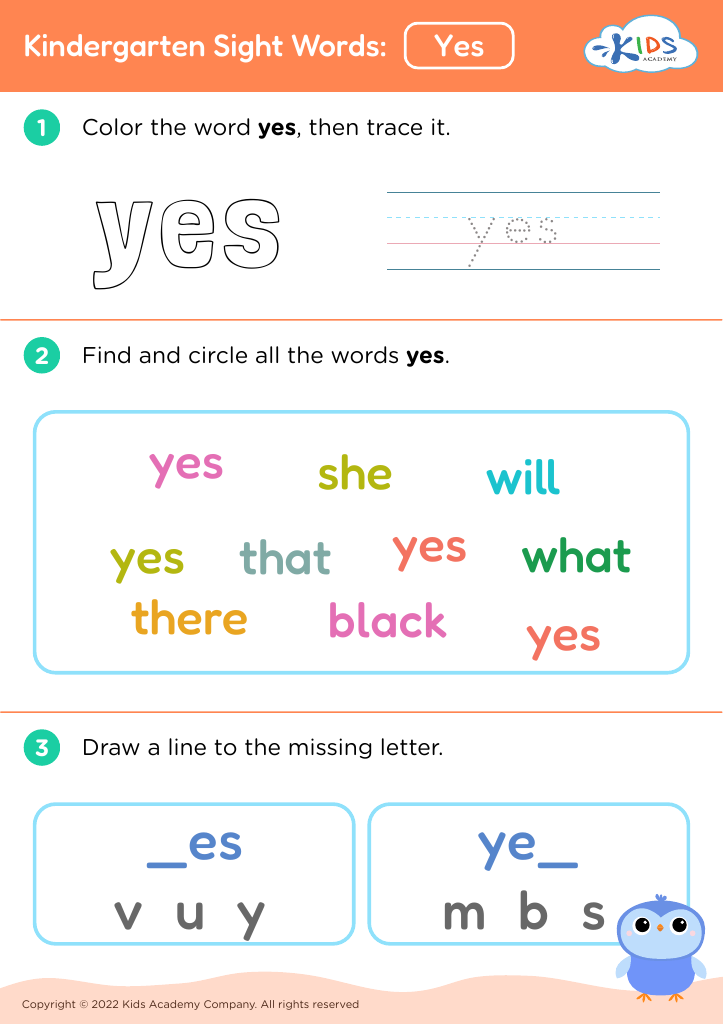
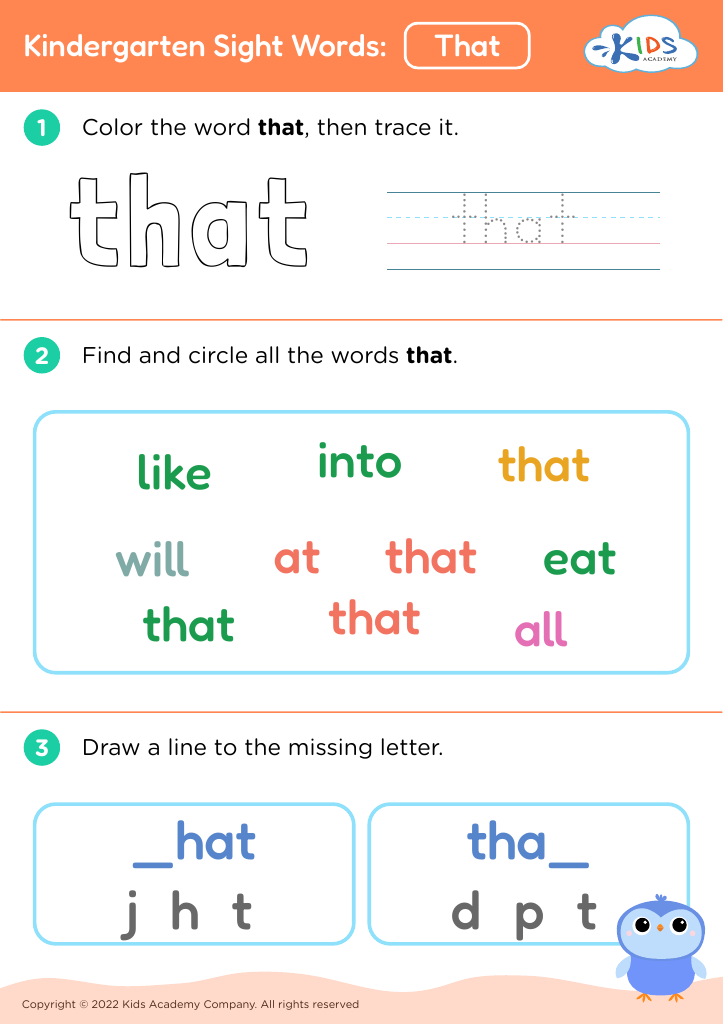
Enhance your child's math skills with our engaging subtraction practice reading worksheets, specially designed for children aged 3 to 7. These interactive and colorful worksheets make learning subtraction fun and approachable, providing a solid foundation in early mathematics. Children will enjoy practicing subtraction through various activities that incorporate reading, helping them to develop both their literacy and numeracy skills simultaneously. Ideal for home or classroom use, these worksheets foster independent learning and critical thinking. Give your little ones the tools they need to succeed in mathematics early on with our expertly crafted subtraction resources. Start their educational journey today!




.jpg)

.jpg)

Parents and teachers should prioritize practicing subtraction for children aged 3-7 as this foundational skill significantly impacts a child’s overall mathematical understanding. At this developmental stage, children are like sponges, eagerly absorbing new concepts. Engaging in subtraction activities fosters crucial cognitive skills such as problem-solving and critical thinking. Understanding subtraction helps children develop a sense of numeracy, aiding their confidence when tackling more complex mathematical tasks in later years.
Moreover, practicing subtraction also enhances language development. When discussing numbers and participating in related activities, children enrich their vocabulary and improve their communication skills. Regular practice can turn abstract concepts into tangible ideas—facilitating a more profound understanding of the world around them.
Subtraction practice can be enjoyable and interactive, allowing for a various approach, such as games, puzzles, and storytelling. Creating a fun learning environment encourages a positive attitude towards math, serving not only educational purposes but also motivating children to explore and explore further. Lastly, establishing a strong foundation in early mathematics can decrease the likelihood of encountering challenges in future academic settings, ultimately laying the groundwork for lifelong learning and development. In short, prioritizing subtraction practice is an investment in children’s future success, confidence, and enjoyment of learning.








