Problem Solving Reading Worksheets for Ages 3-7
3 filtered results
-
From - To
Discover engaging Problem Solving Reading Worksheets designed specifically for children ages 3 to 7. These interactive worksheets enhance critical thinking and comprehension skills by presenting age-appropriate challenges that prompt young learners to analyze text and select solutions. Perfect for home or classroom use, our worksheets encourage creativity and inquiry, making reading a fun and educational experience. With vibrant illustrations and relatable scenarios, children will be excited to master problem-solving techniques while gaining confidence in their reading abilities. Explore our collection today and empower your little ones to think critically and solve problems through the joy of reading!
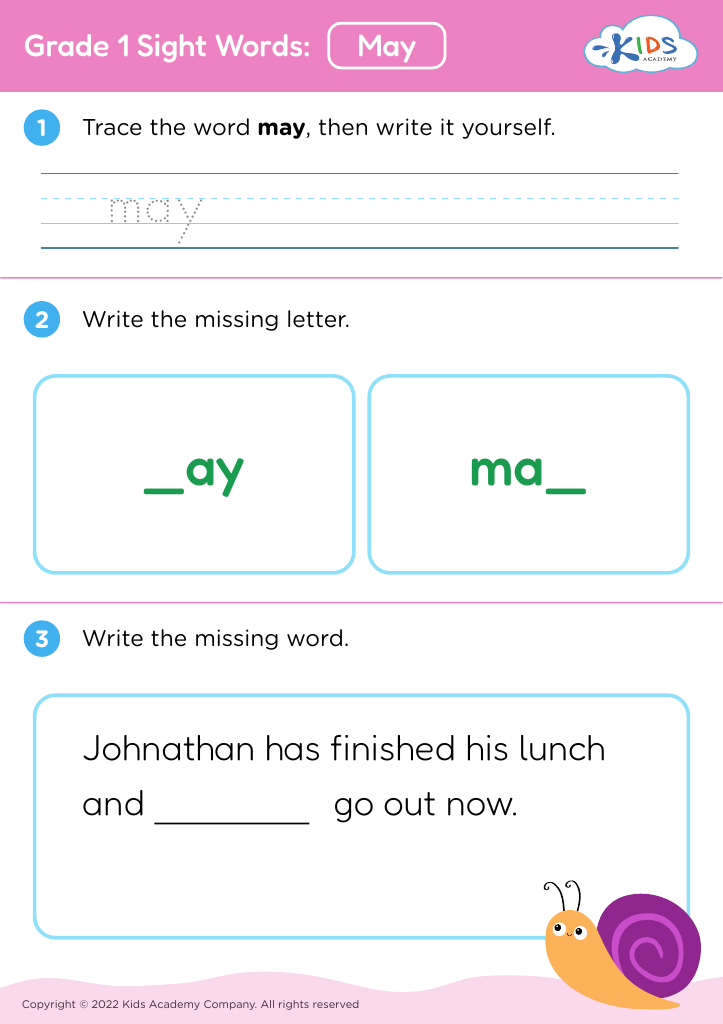
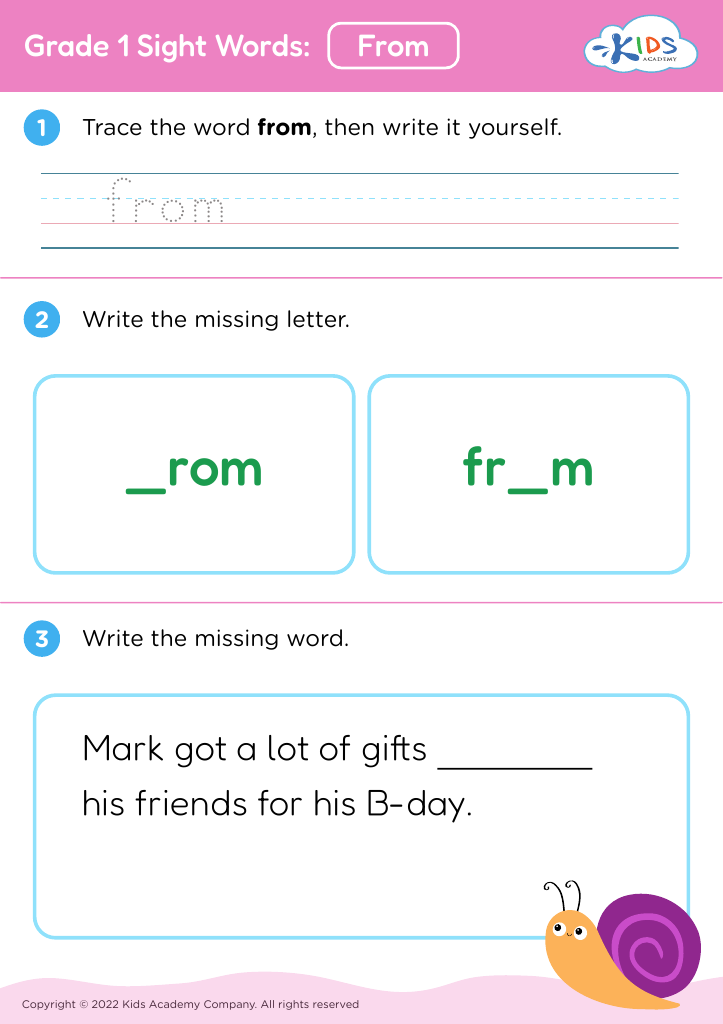
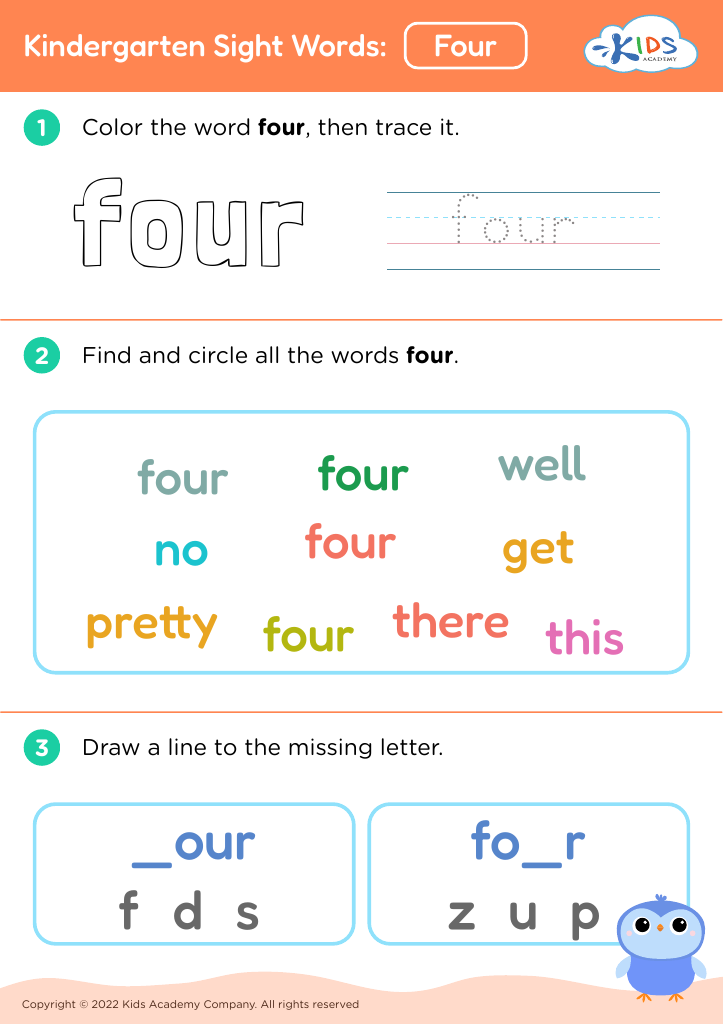







Problem Solving Reading for ages 3-7 is crucial for early development in children for several reasons. First, it fosters critical thinking skills. By engaging young readers with stories that present challenges and dilemmas, they learn to analyze situations, consider different perspectives, and devise solutions. This not only enhances cognitive skills but also encourages creativity and innovation.
Second, it promotes emotional intelligence as children relate to characters facing problems, building empathy and understanding. Discussing these characters’ emotions teaches young readers how to navigate feelings, which is essential for their social interaction and relationships.
Moreover, teaching problem-solving through reading embeds essential literacy skills. Children develop vocabulary and comprehension as they grapple with complex narratives. By examining the elements of stories, they learn sequencing and cause-and-effect relationships, which are fundamental components of reading proficiency.
Additionally, effective problem-solving equips children with life skills that extend beyond the classroom. By learning how to approach challenges early, they adopt a growth mindset, contributing to resilience and perseverance.
Ultimately, investing in Problem Solving Reading enriches children's academic journeys and prepares them for future psychological and emotional challenges, making it a vital focus for both parents and educators.








