Recognizing numbers Reading Worksheets for Ages 3-7
3 filtered results
-
From - To
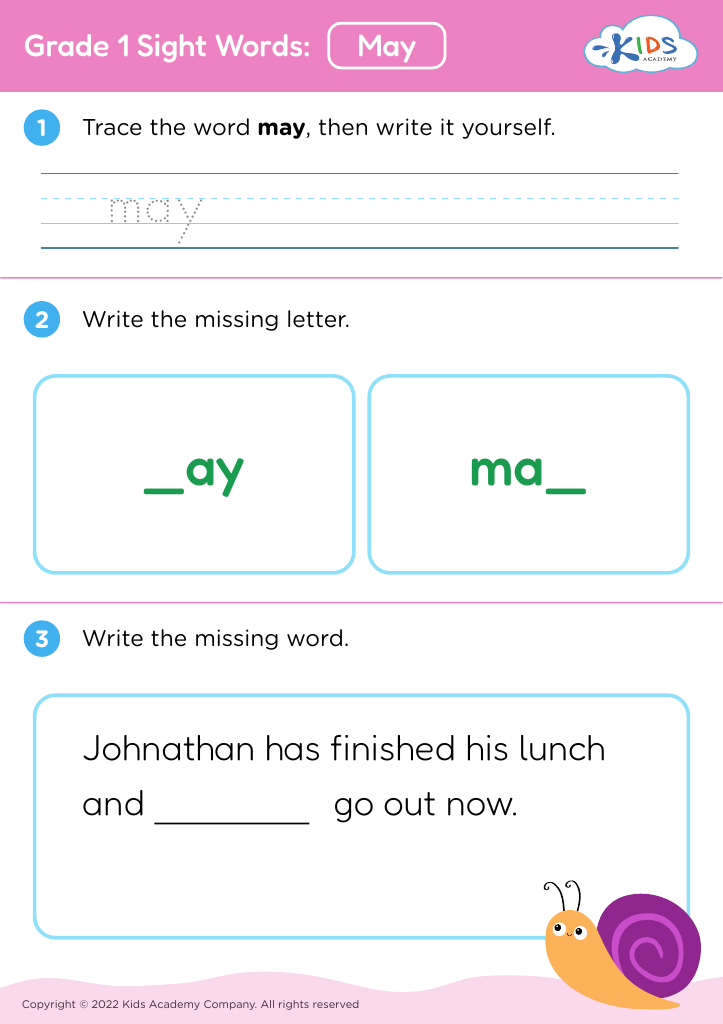
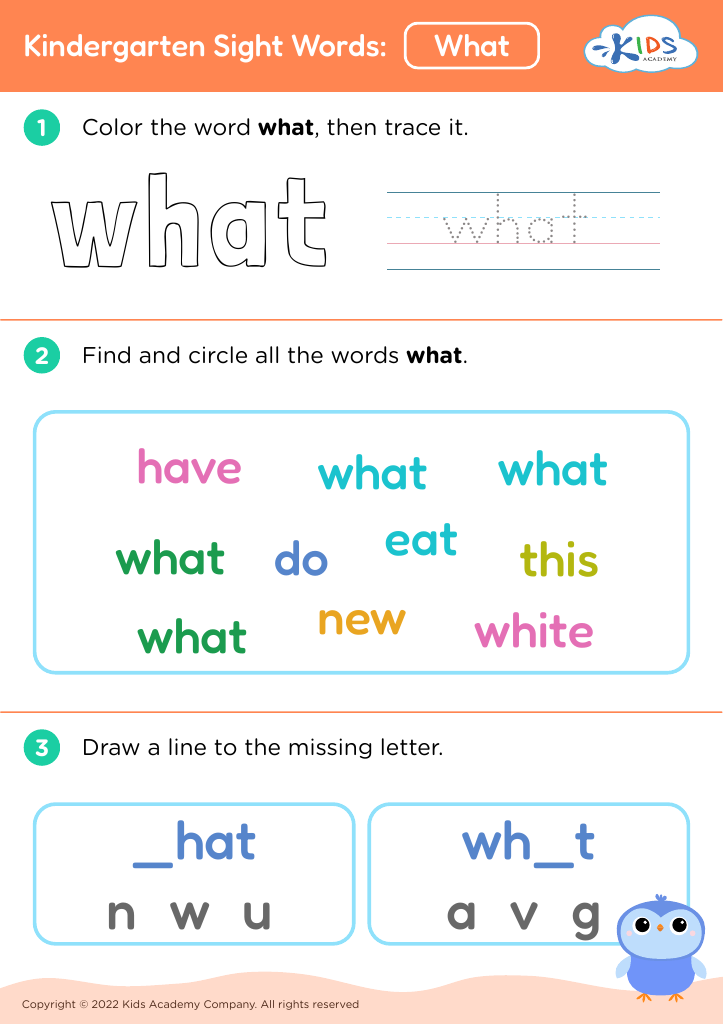
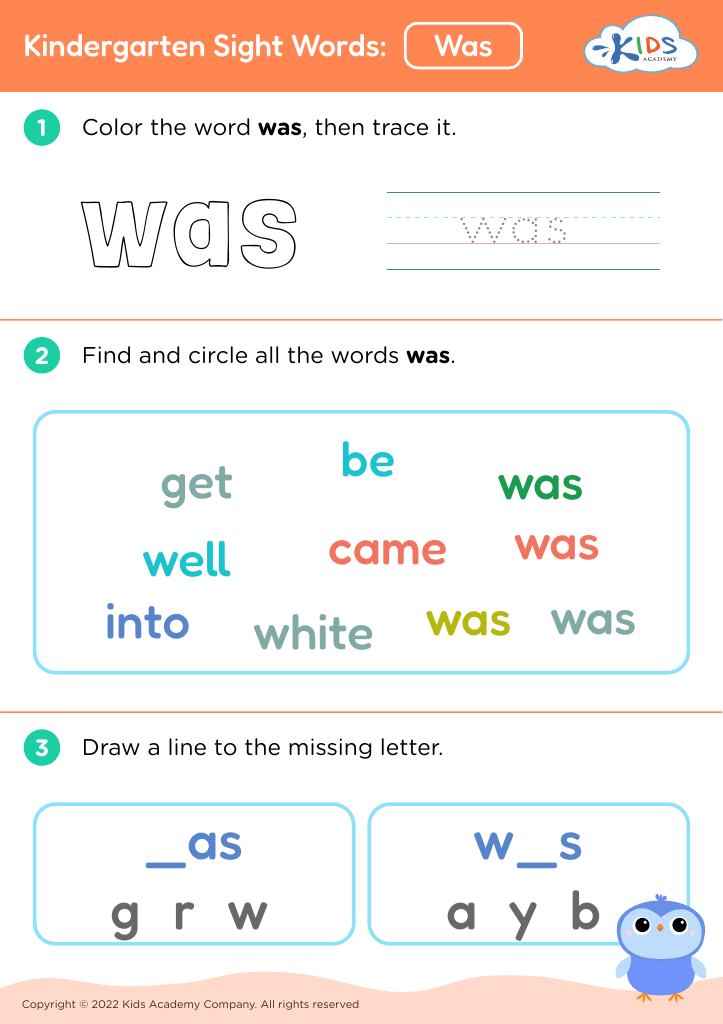
Unlock your child's math potential with our "Recognizing Numbers" reading worksheets, designed specifically for ages 3-7! These engaging and interactive worksheets introduce young learners to essential number recognition skills through fun activities that captivate their imagination. Each worksheet features colorful illustrations and straightforward exercises that make learning numbers enjoyable. Perfect for parents and educators, these resources foster early numeracy skills, helping children succeed in their educational journey. Whether you're teaching at home or in the classroom, our worksheets are a fantastic way to reinforce learning. Download now and watch your little ones confidently explore the world of numbers!






Recognizing numbers and developing early reading skills are crucial milestones for children aged 3-7, forming the foundation for their future academic success. During these formative years, children are like sponges, soaking up new information and experiences. When parents and teachers prioritize recognizing numbers and reading, they set the stage for essential cognitive development.
Understanding numbers helps children engage with basic mathematical concepts, fostering skills in counting, comparison, and problem-solving. Early familiarity with numbers contributes to numerical fluency, empowering children to approach math confidently as they progress in school.
Similarly, reading opens up a world of imagination, knowledge, and comprehension. Early exposure to letters, words, and stories enhances vocabulary, critical thinking, and communication skills. Reading together cultivates an appreciation for literature and storytelling, while also promoting language development and emotional intelligence.
Parents and teachers play a significant role in nurturing these skills. Engaging activities—like reading aloud, games that involve numbers, or storytelling—create joyful learning experiences. Attention to these basic skills not only prepares children for academic challenges but also instills a lifelong love for learning. Ultimately, recognizing numbers and reading form the stepping stones for a well-rounded education, equipping kids with the necessary tools to thrive in life.








