Sequencing events Reading Worksheets for Ages 3-7
3 filtered results
-
From - To
Introduce your child to the fundamental skill of sequencing events with our specially designed reading worksheets for ages 3-7. These engaging activities help young learners understand the logical order of events, enhancing their comprehension and storytelling abilities. Through colorful illustrations and simple text, children will practice arranging pictures, matching sentences, and identifying the beginning, middle, and end of stories. Perfect for early learners, these worksheets build critical thinking skills and set the foundation for effective reading and writing. Keep your little one entertained and educated with fun, interactive sequencing exercises!
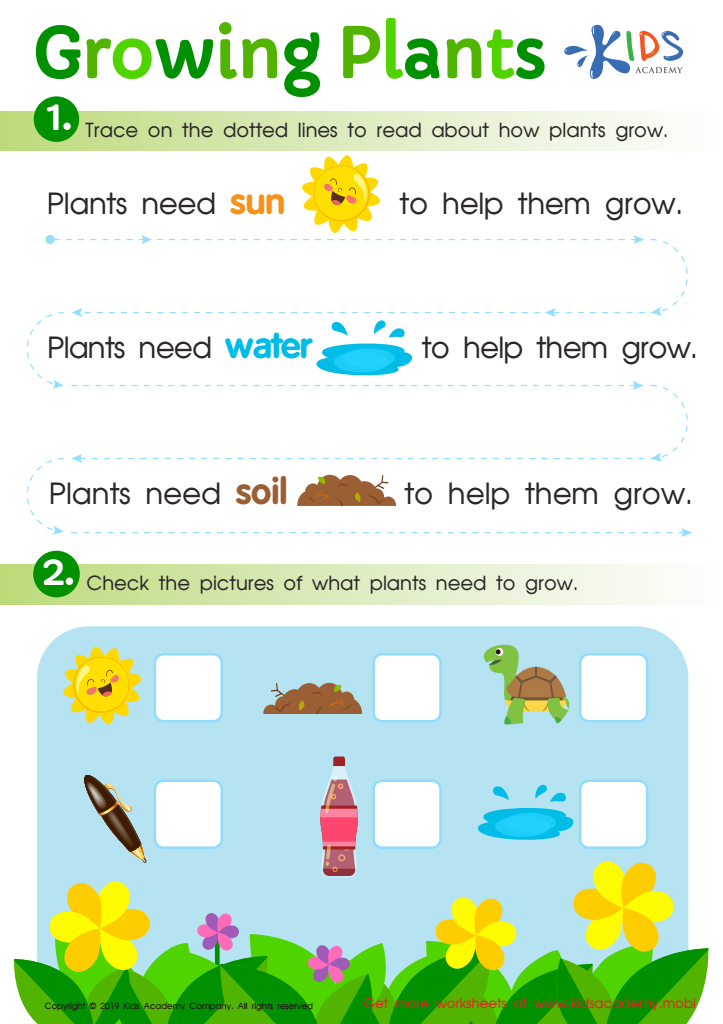
Growing Plants Worksheet
 Assign to My Students
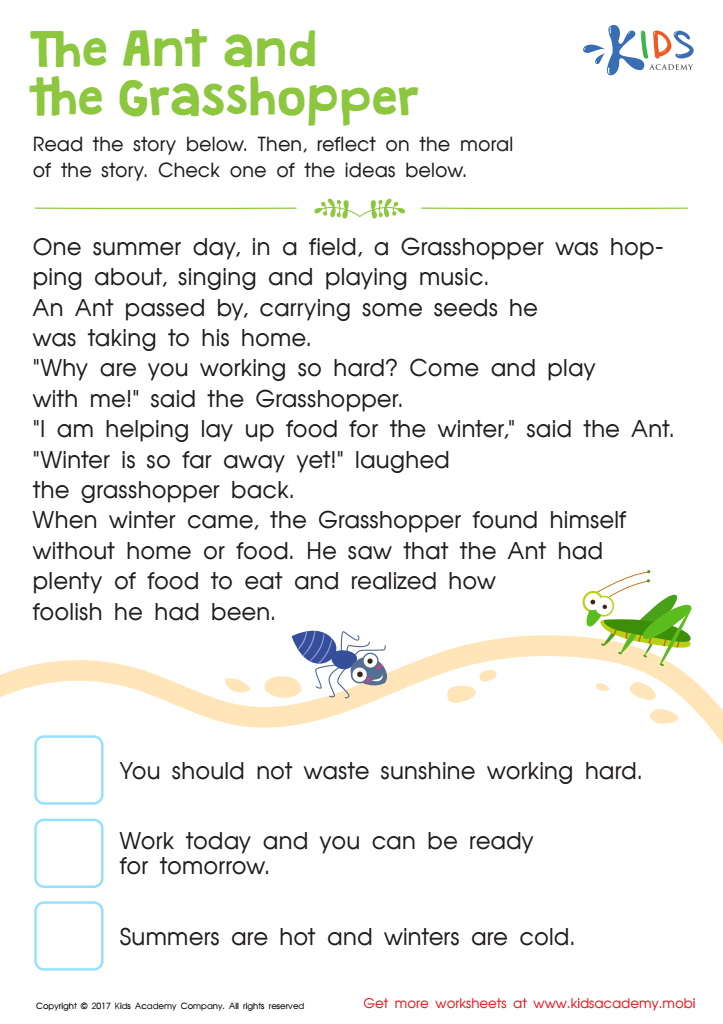
The Ant and The Grasshopper Printable
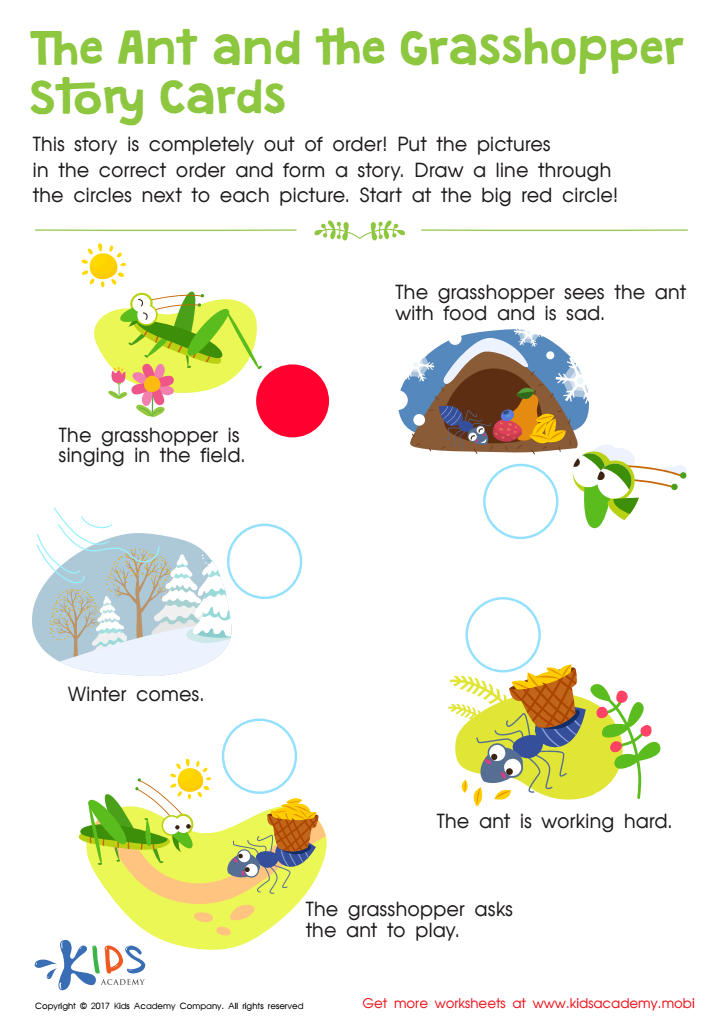
The Ant and The Grasshopper Worksheet



.jpg)


Teaching children to sequence events through reading is essential for their cognitive and language development. For ages 3-7, sequencing helps young minds understand the concept of order and the progression of time, which are foundational skills for everyday activities and future learning. When children grasp the idea that events happen in a particular sequence, they can start making sense of stories, follow instructions, and anticipate outcomes.
Parents and teachers should prioritize sequencing as it enhances comprehension skills. Knowing what happens first, next, and last enables children to retell stories in their own words, fostering creativity and improving their verbal communication. It also aids in developing critical thinking, as children learn to link causes with effects and understand that actions lead to consequences.
Moreover, sequencing supports the development of organizational skills. By recognizing patterns and routine sequences, children can manage daily tasks more confidently, such as getting dressed or following a school routine. Incorporating sequencing in reading activities not only makes learning engaging but also builds a solid foundation for writing skills, as children begin to structure their narratives cohesively.
Overall, focusing on sequencing during early reading helps children build indispensable skills that benefit their academic and personal lives, laying the groundwork for future success.








