Understanding directions Reading Worksheets for Ages 3-7
3 filtered results
-
From - To
Discover our "Understanding Directions Reading Worksheets" designed specifically for young learners aged 3-7. These engaging worksheets help children develop vital reading comprehension skills by focusing on following directions. With fun activities and colorful illustrations, your little ones will practice interpreting simple instructions, enhancing their ability to understand and follow complex ideas. Our resources support early literacy, boost confidence, and make learning enjoyable. Ideal for home or classroom use, these worksheets create opportunities for parents and teachers to encourage independent thinking and effective communication. Start your child’s journey toward mastering direction following with our easy-to-use, print-friendly materials today!
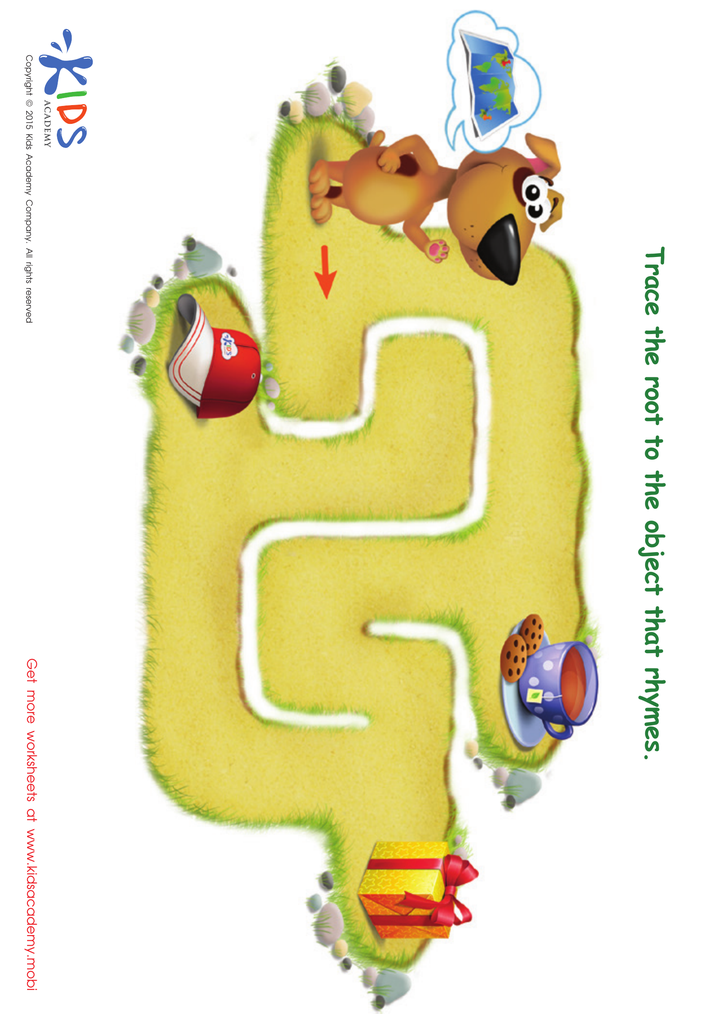
Map Rhyming Words Worksheet
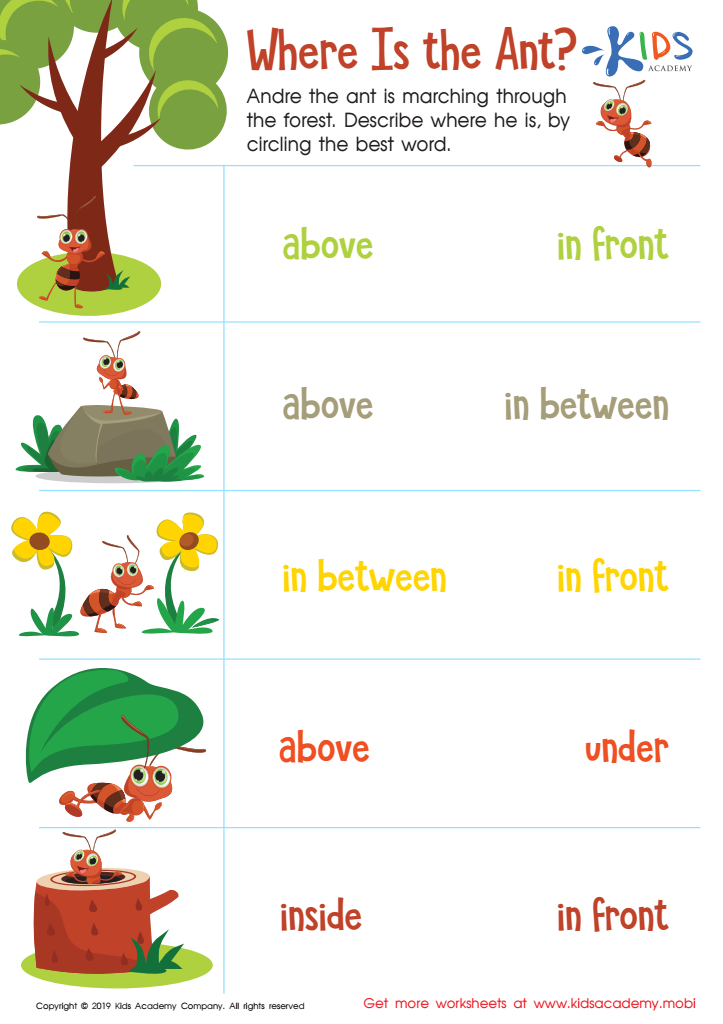
Where Is the Ant? Worksheet
 Assign to My Students
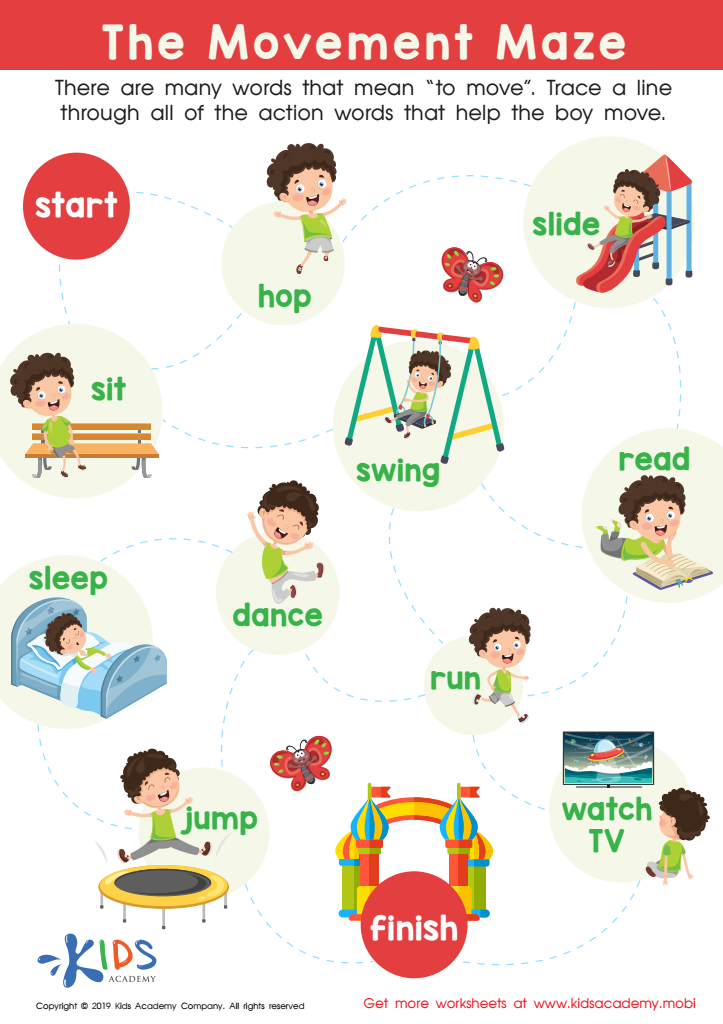
The Movement Maze Worksheet




.jpg)
Understanding directions through reading is crucial for children aged 3-7, as it lays the foundation for their cognitive and social development. This age group is a key period for language acquisition and comprehension skills. By encouraging young children to follow written directions, parents and teachers help them improve their basic literacy skills, such as vocabulary, syntax, and comprehension. These skills are essential for their academic success and overall communication proficiency later in life.
Moreover, comprehending directions fosters independence and problem-solving skills. As children learn to interpret instructions, they gain confidence in navigating tasks, from simple activities to more complex ones, which promotes a sense of achievement. This process encourages them to engage actively with their environment and influences their ability to work collaboratively with others.
Additionally, understanding directions is fundamental in fostering an enthusiasm for learning. Exciting educational tasks or games that involve directions can keep children engaged and motivated. Therefore, by emphasizing the importance of direction reading, parents and teachers not only enhance children's literacy skills but also support their social development and instill a lifelong love for learning. Investing time in this area essentially prepares children for a successful and confident transition into more formal education settings.








