
Understanding patterns Reading Worksheets for Ages 3-7
8 filtered results
Difficulty Level
Grade
Age
-
From - To
Subject
Activity
Standards
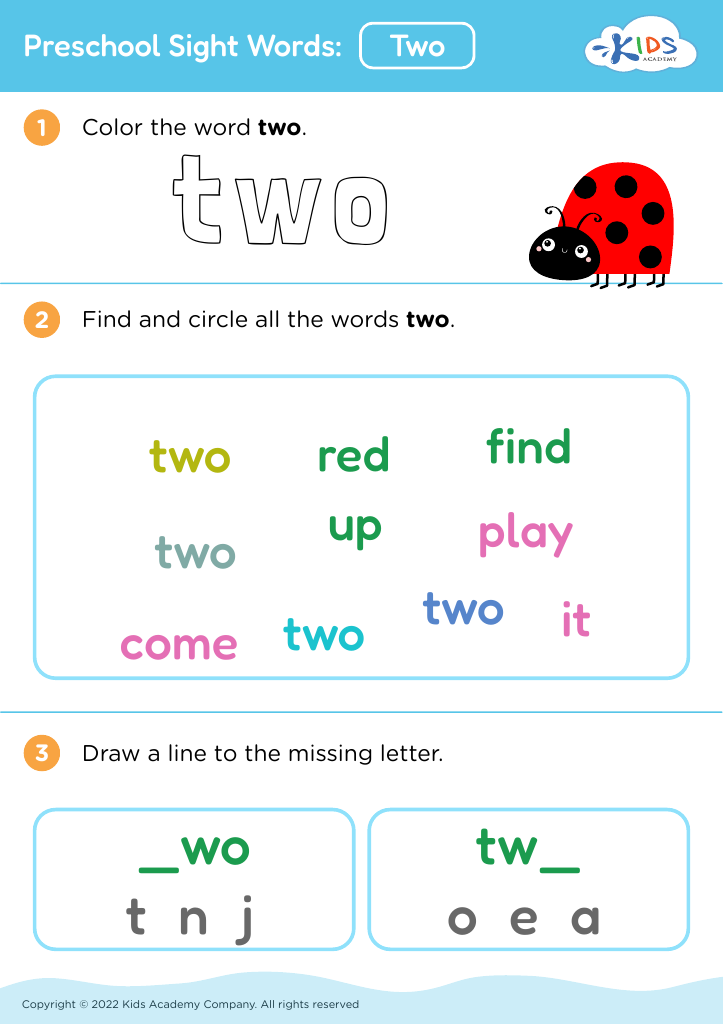
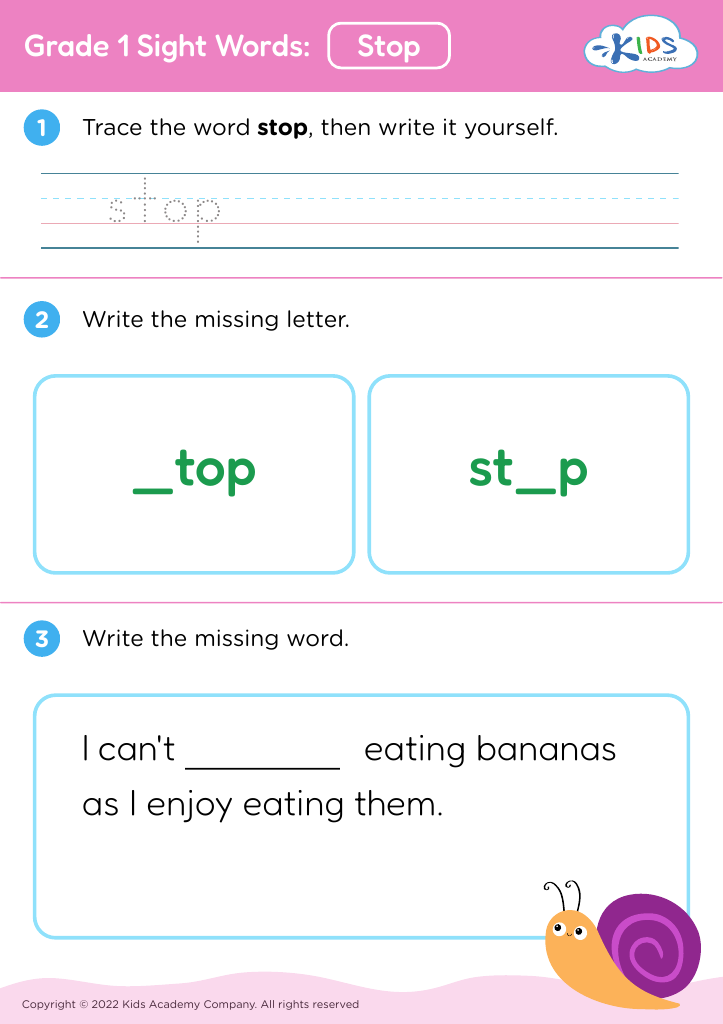
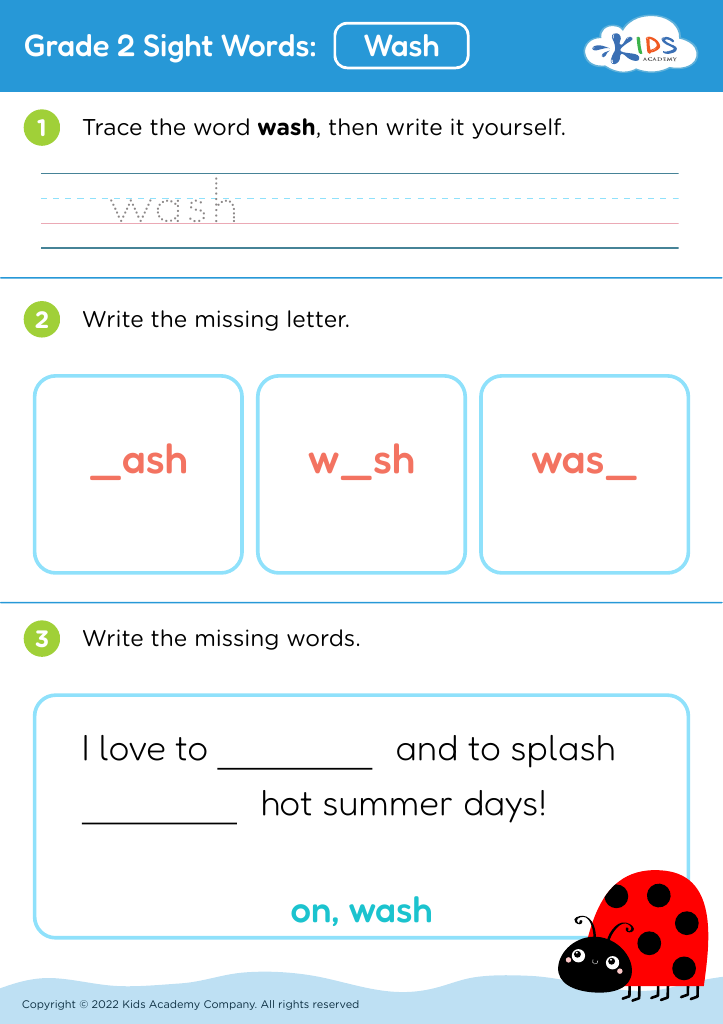
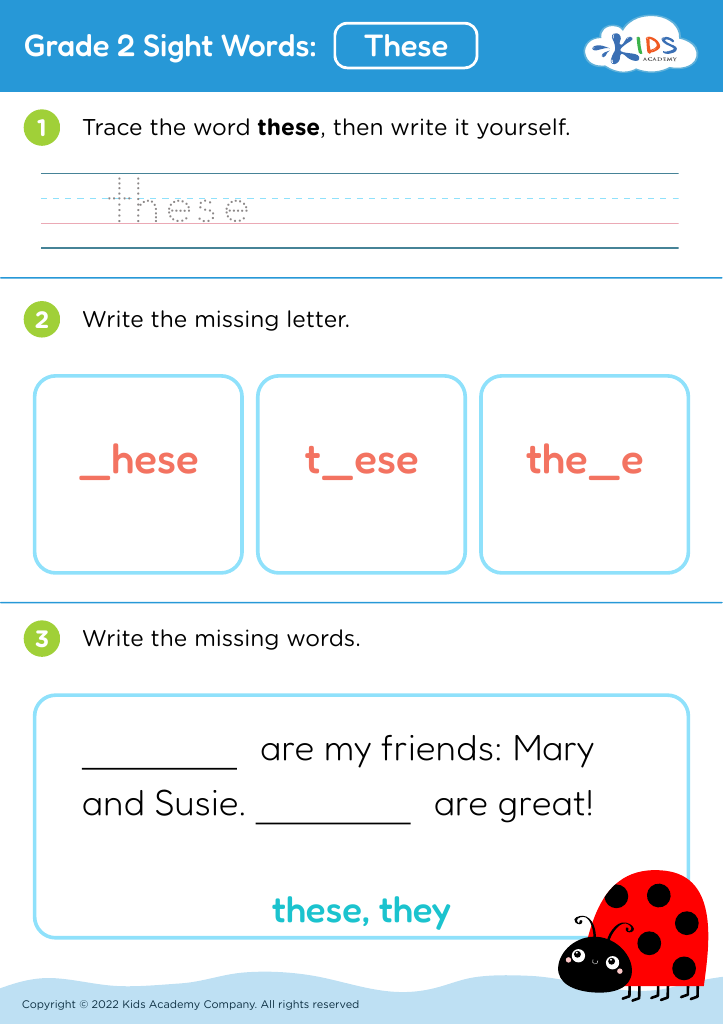
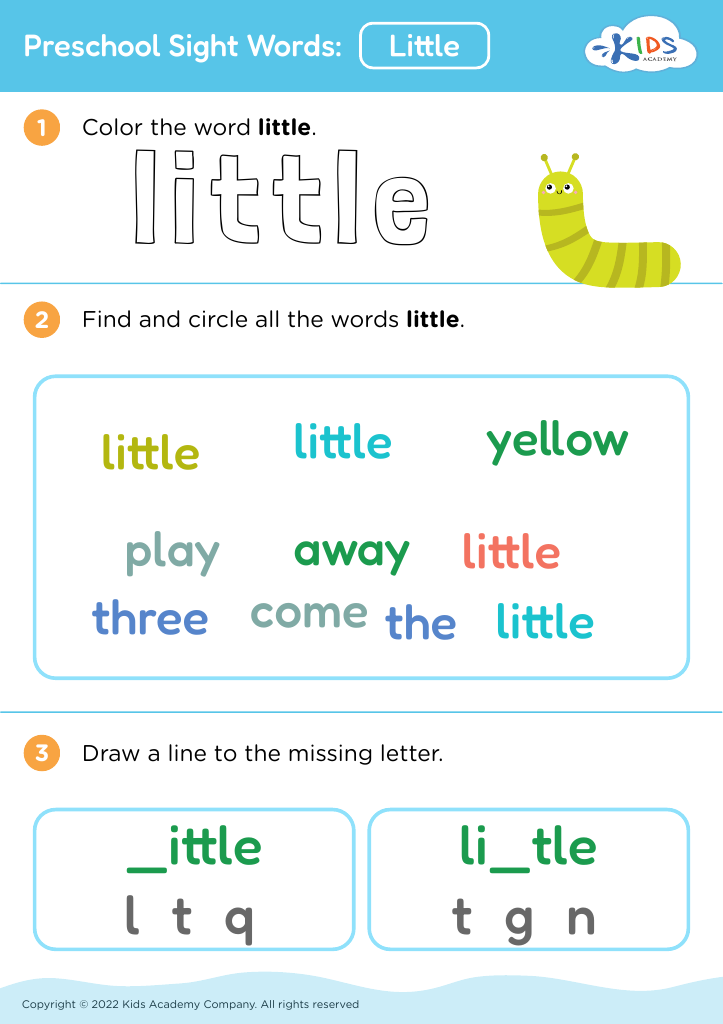
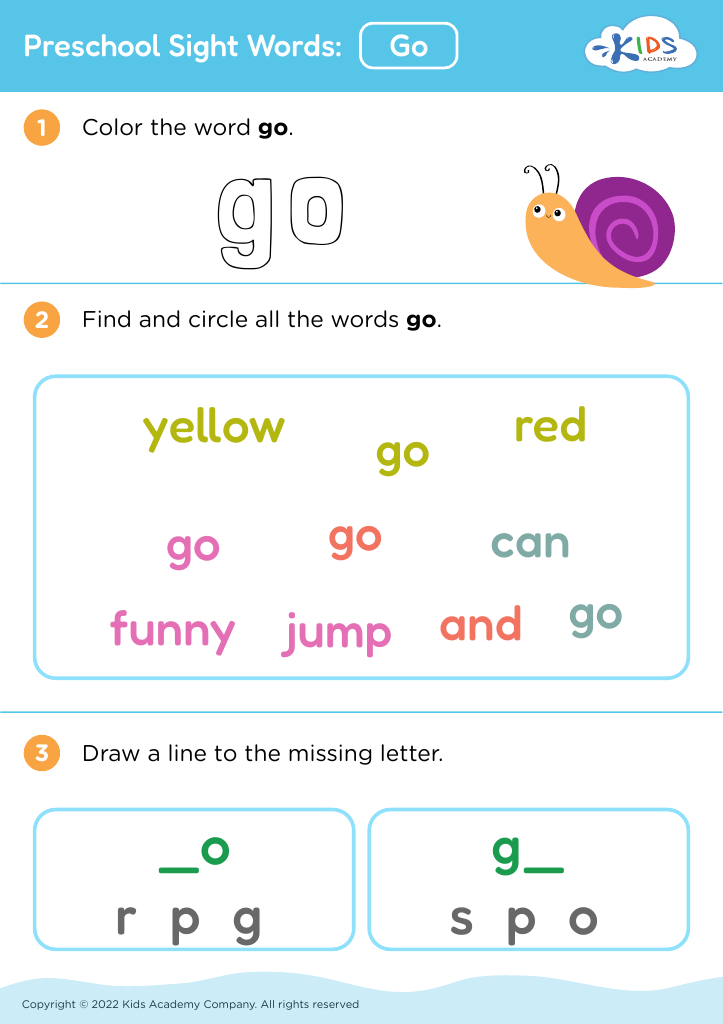
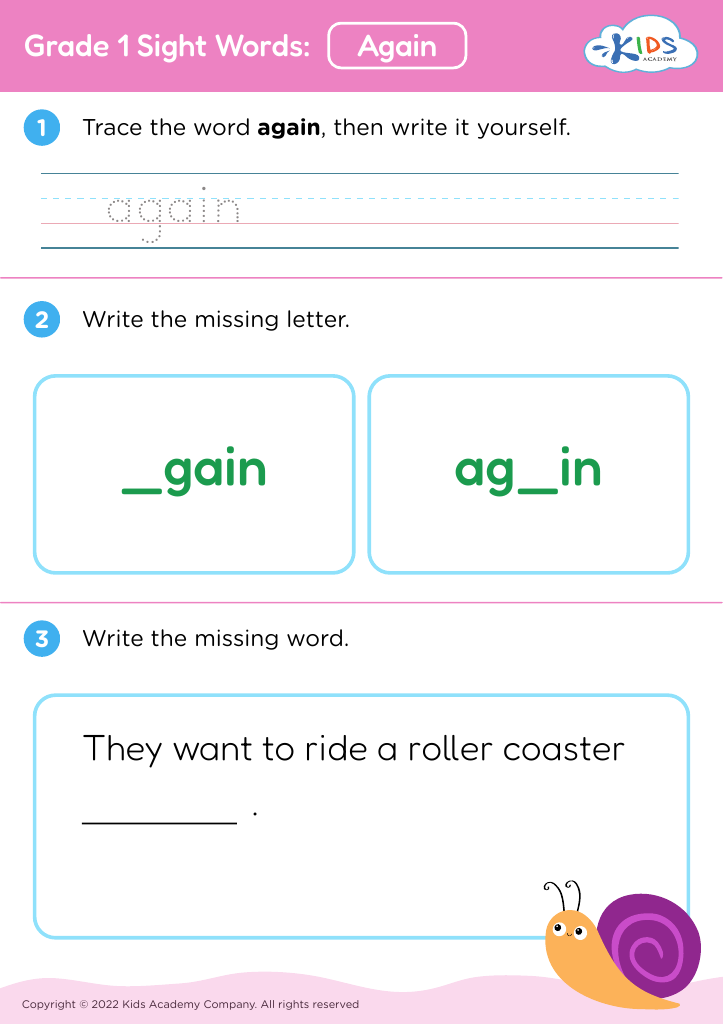
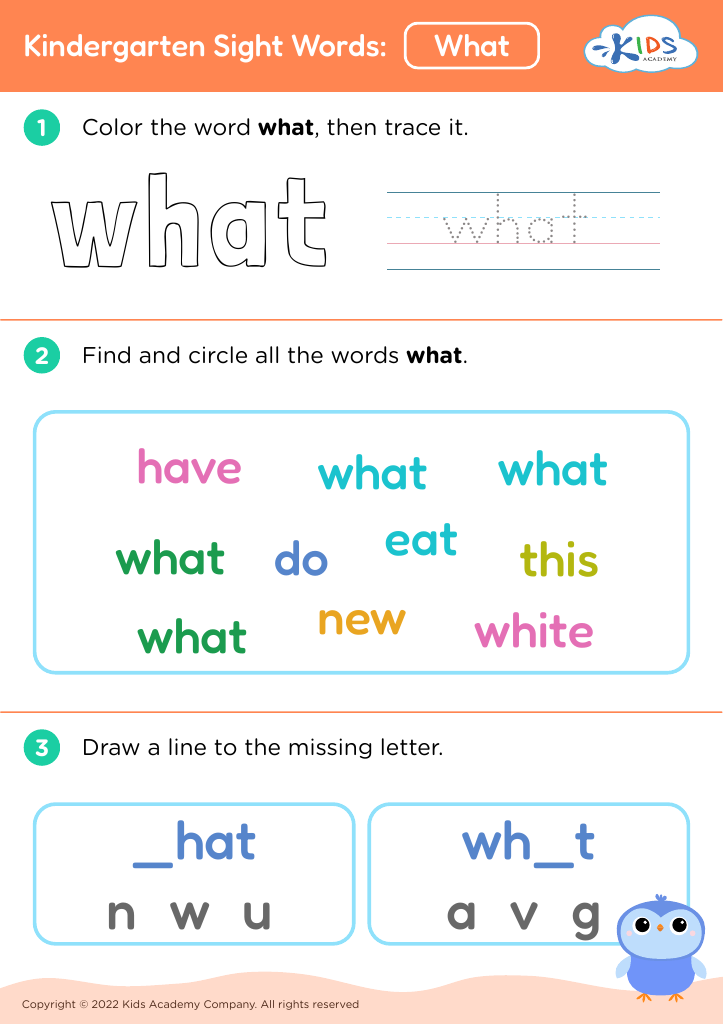
Explore our comprehensive "Understanding Patterns" Reading Worksheets designed specifically for children ages 3-7. These engaging worksheets help young learners recognize and understand patterns, a crucial skill that supports early reading development. With fun exercises, children will identify visual and auditory patterns, enhancing their critical thinking and comprehension abilities. Our printable resources are perfect for both classroom settings and home activities, making learning enjoyable and interactive. Boost your child’s cognitive skills while fostering a love for reading with our colorful and age-appropriate worksheets. Start paving the way for lifelong learning today! Visit our site to download and discover more enriching content.
Favorites
With answer key
Interactive
Join Kids Academy for Free
Who is primarily going to use this learning content?








Understanding patterns in reading for young children aged 3-7 is essential for several reasons. Firstly, recognizing patterns helps develop critical literacy skills. Children who can identify relationships between letters, words, and sounds are better equipped to understand complex language structures later on. This early familiarity lays the foundation for phonemic awareness, promoting efficient decoding abilities as they advance to more complex texts.
Secondly, patterns encourage cognitive development. Children engage deeply with stories when they anticipate narrative elements, such as repeated phrases or rhymes, fostering prediction skills and comprehension. This active participation makes reading more enjoyable and builds positive associations with literacy.
Moreover, understanding patterns enhances children's creativity. By noticing repetitive structures, they can create their own stories, fostering imagination and supporting language development. These skills are important not only in reading but across academic disciplines.
Finally, early exposure to reading patterns contributes to lifelong learning habits. Parents and teachers play a crucial role in nurturing these skills through engaging and interactive reading experiences. By prioritizing pattern recognition in reading, adults can enhance children's educational journeys, making them more effective learners and enthusiastic readers, ultimately preparing them for future academic success.








