
Visual perception Reading Worksheets for Ages 3-7
3 filtered results
Difficulty Level
Grade
Age
-
From - To
Subject
Activity
Standards
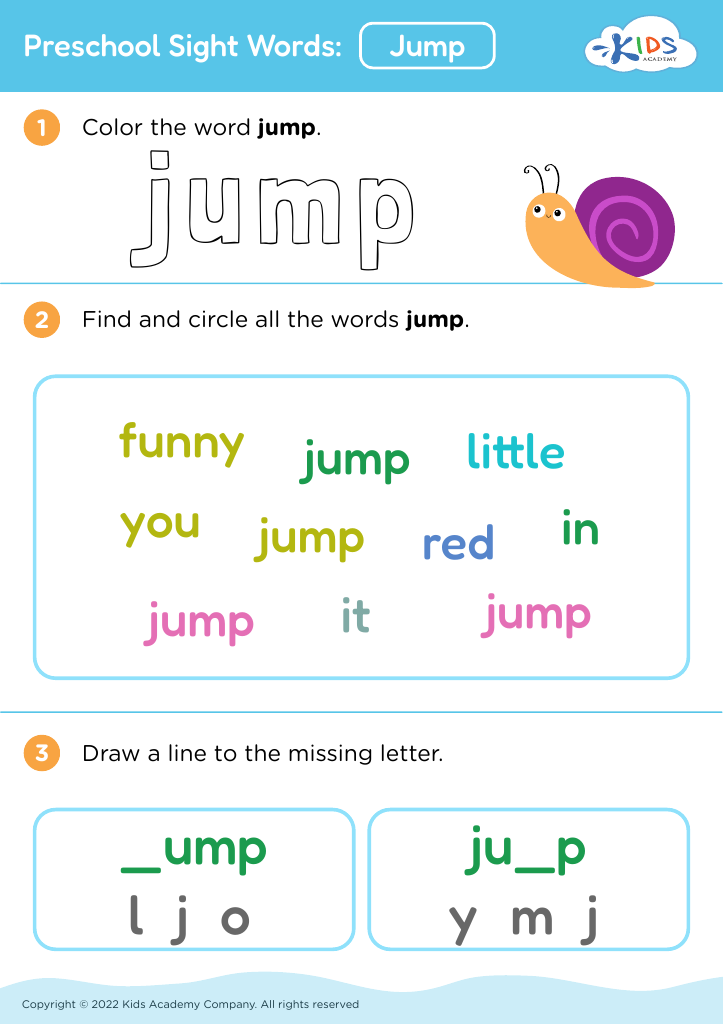
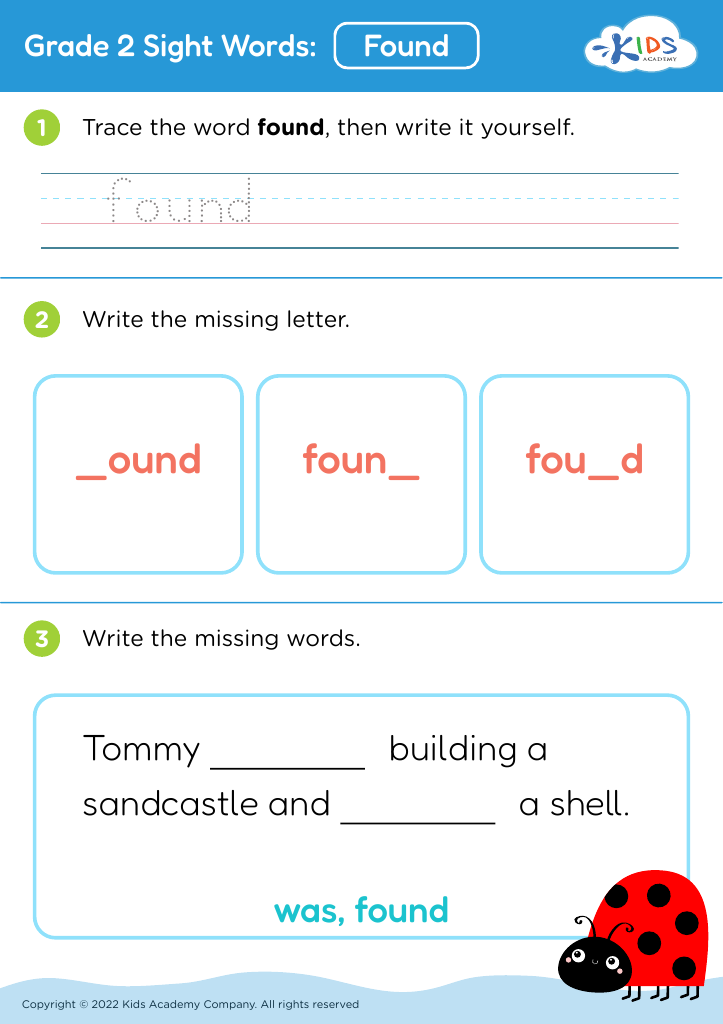
Enhance your child's reading skills with our engaging Visual Perception Reading Worksheets designed for ages 3 to 7. These worksheets foster critical visual processing abilities, which are essential for reading comprehension. Each activity encourages kids to identify shapes, patterns, and letters, laying a strong foundation for future literacy. Bright illustrations and interactive exercises make learning fun and effective, capturing young learners' attention. Perfect for parents and educators alike, these resources support cognitive development and promote independent learning. Download our Visual Perception Reading Worksheets today and watch your little ones cultivate essential skills while enjoying the learning journey!
Favorites
With answer key
Interactive
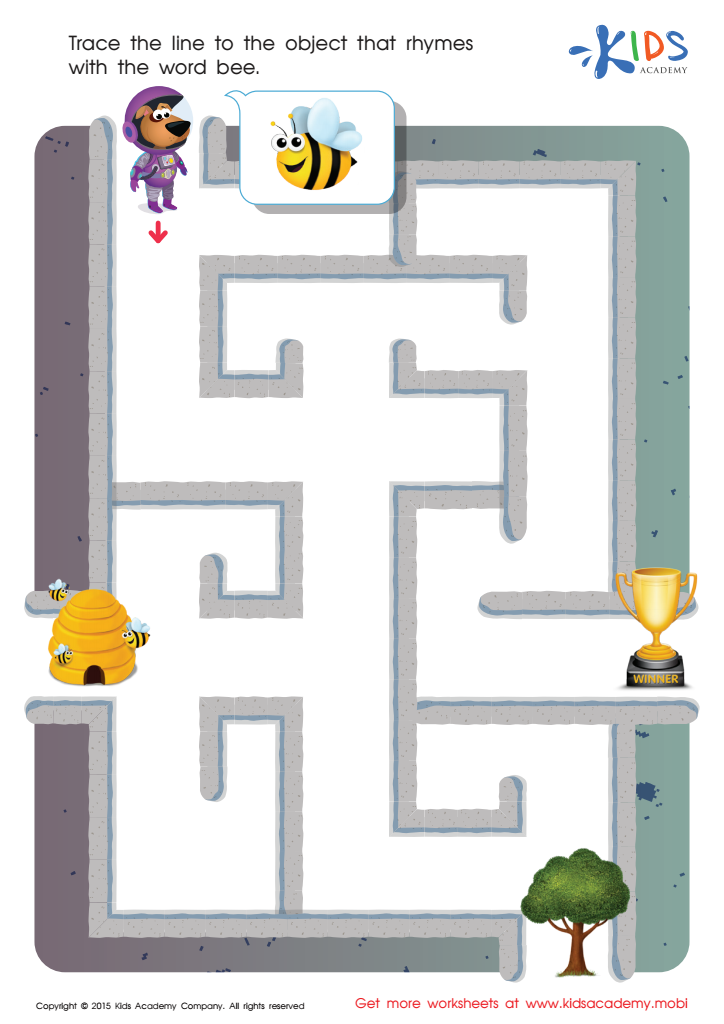
Bee Rhyming Words Worksheet
Download our new vocab builder worksheet and help our pup find rhymes. See how easy it is to trace the root between words! Make learning fun with our collection of English materials and worksheets. Get them now on our web site.
 Assign to My Students
Bee Rhyming Words Worksheet
Worksheet
Join Kids Academy for Free
Who is primarily going to use this learning content?





.jpg)


Visual perception is crucial for early reading development in children aged 3 to 7. Understanding visual perception helps parents and teachers recognize its impact on a child's ability to read, write, and understand information. At this young age, children's visual processing skills—including their ability to identify letters, decode words, and follow lines of text—are still developing.
When visual perception is strong, kids can distinguish between similar shapes and letters, recognize patterns, and notice differences in letters (like 'b' and 'd'). This foundational skill aids in reading fluency and comprehension, essential for academic success. Children who struggle with visual perceptual skills may find reading challenging or experience slow progress, which could lead to frustration and diminished self-esteem.
Engaging in activities that enhance visual perception—such as puzzles, matching games, and drawing—can significantly support this skill development. Educating parents and teachers about visual perception enhances their ability to nurture children’s readiness for reading, creating a supportive learning environment. Moreover, identifying any difficulties early allows for timely intervention, helping to set the stage for a positive educational experience. Investing in visual perception skills ensures that children build the confidence and capabilities needed for lifelong learning.








