Letter recognition Reading Comprehension Worksheets for Ages 3-7
3 filtered results
-
From - To
Explore our engaging Letter Recognition and Reading Comprehension Worksheets designed specifically for children ages 3-7. These resources support early literacy development by combining fun activities that help young learners identify letters and enhance their reading comprehension skills. Our worksheets feature colorful illustrations and age-appropriate exercises that promote letter recognition through interactive learning. With a focus on key skills like vocabulary and sentence structure, these worksheets make reading an enjoyable experience for young children. Perfect for home or classroom use, our materials empower caregivers and educators to foster a love of reading while building foundational literacy skills in a playful way.
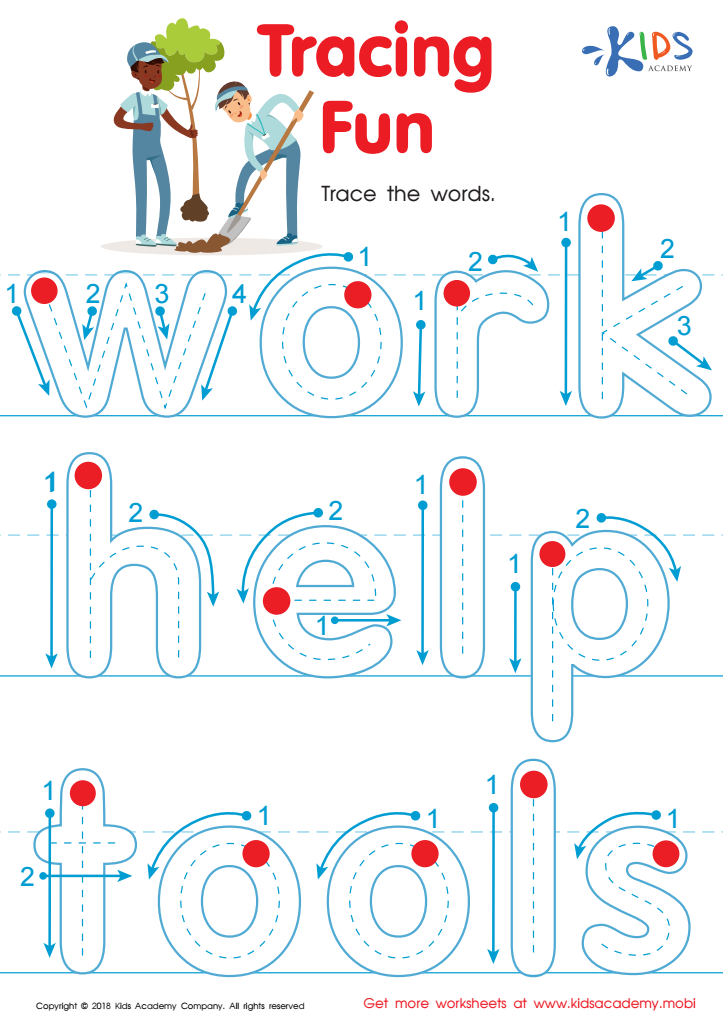
Tracing Fun Worksheet
 Assign to My Students
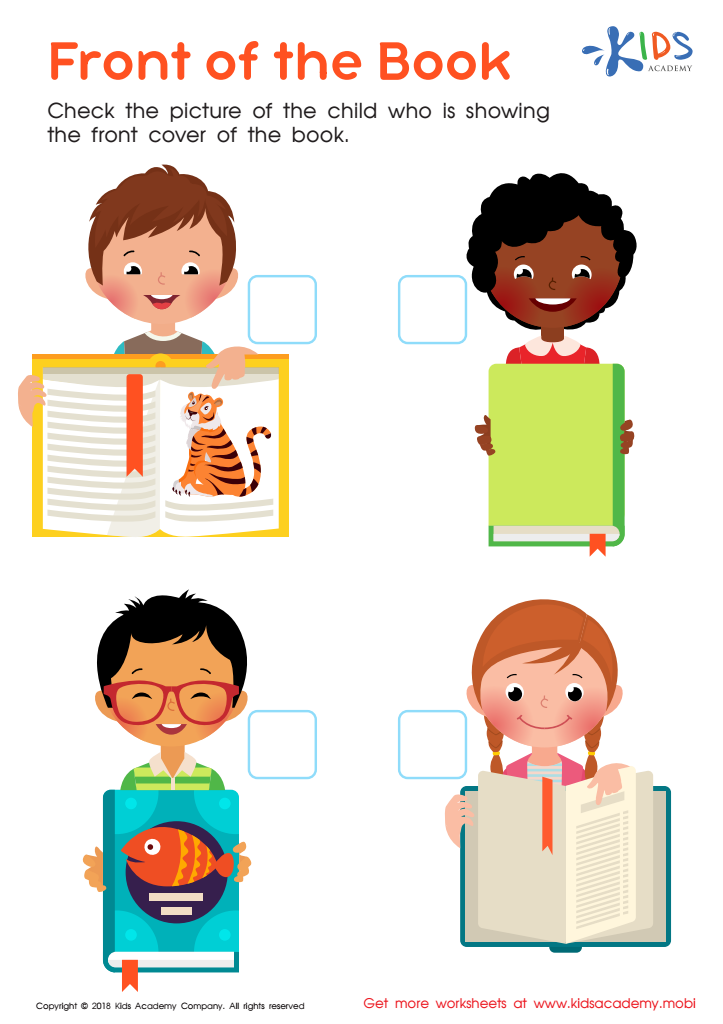
Front of the Book Worksheet
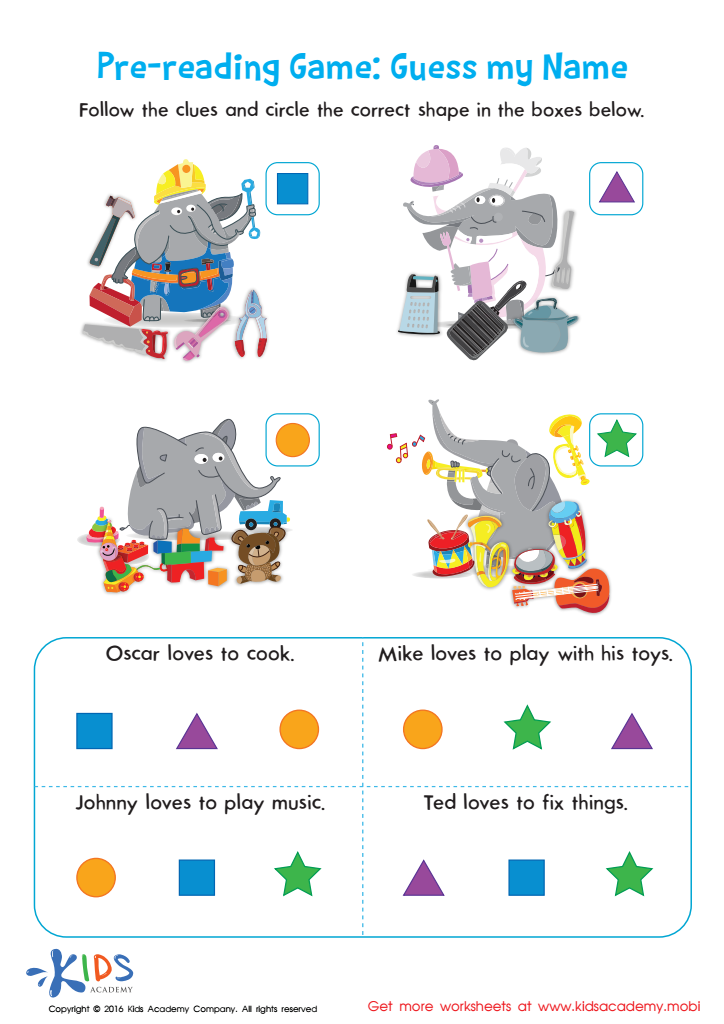
Pre Reading Worksheet Guess My Name


.jpg)




Letter recognition and reading comprehension are crucial developmental milestones for children aged 3-7. During these formative years, children develop foundational literacy skills that significantly impact their future academic success. Understanding letter recognition is vital, as it lays the groundwork for reading. Recognizing letters enables young learners to associate sounds with symbols, which is essential for phonics and word decoding. This skill not only empowers children to read but also boosts their confidence and enthusiasm for learning.
Reading comprehension, on the other hand, involves grasping the meaning of texts, which fosters critical thinking and interpretation skills. As children begin to read simple stories, they learn to make connections, summarize ideas, and comprehend themes, further enhancing their cognitive abilities. Comprehension skills encourage a love for reading and storytelling, pivotal components of language development and communication.
Both letter recognition and reading comprehension contribute to improved vocabulary, enhanced spelling abilities, and better overall academic performance. For parents and teachers, nurturing these skills sets a strong educational foundation, paving the way for lifelong learning and ensuring that children thrive in an increasingly literate society. Engaging in activities that promote these skills can turn reading into a joyful and enriching experience for young learners.








