Information retention Reading Non-Fiction Worksheets for Ages 3-7
3 filtered results
-
From - To
Boost your child's learning with our Information Retention Reading Non-Fiction Worksheets for ages 3-7 from Kids Academy. Designed to enhance comprehension and retention skills, these exciting and educational worksheets introduce young readers to a world of non-fiction. Engaging activities focused on critical thinking and recalling details will help children grasp essential concepts and facts. Bright and kid-friendly illustrations aid in retaining information effectively. These resources cater to various reading levels and are perfect for enhancing classroom lessons or home practice. Unlock your child’s potential and make learning fun with our expertly crafted worksheets. Explore today!
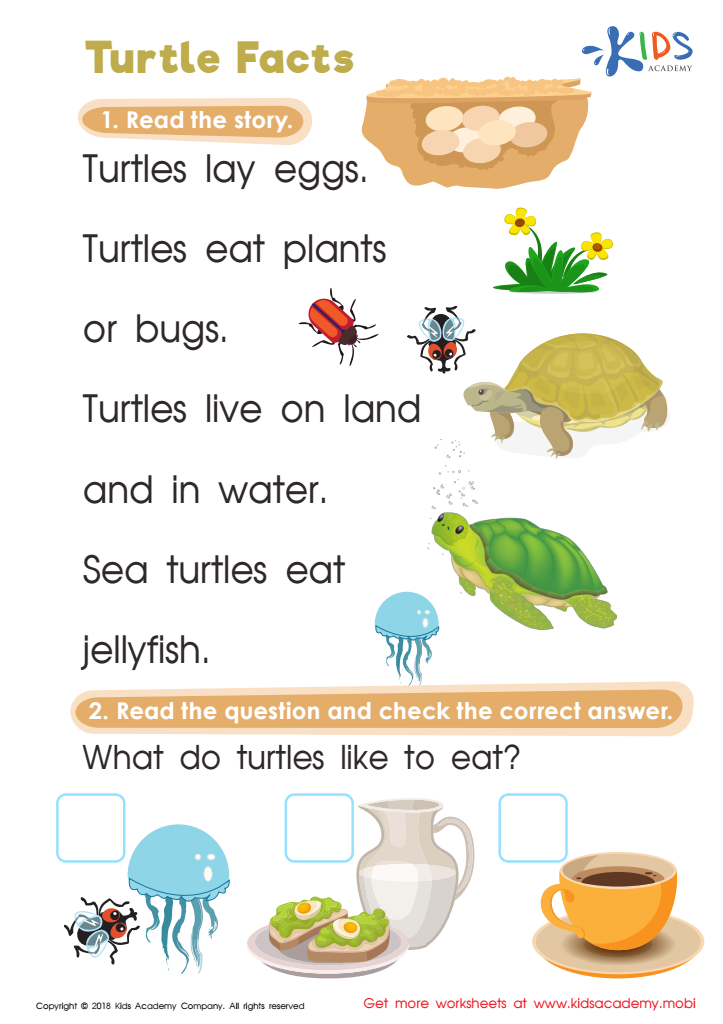
Turtle Facts Worksheet
 Assign to My Students
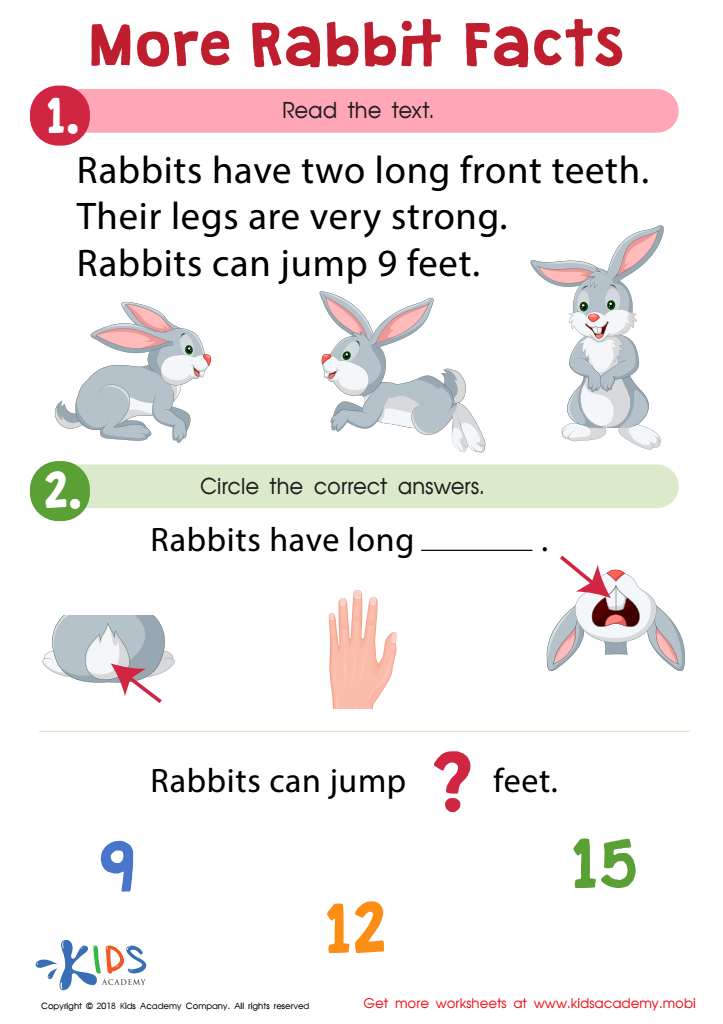
More Rabbit Facts Worksheet
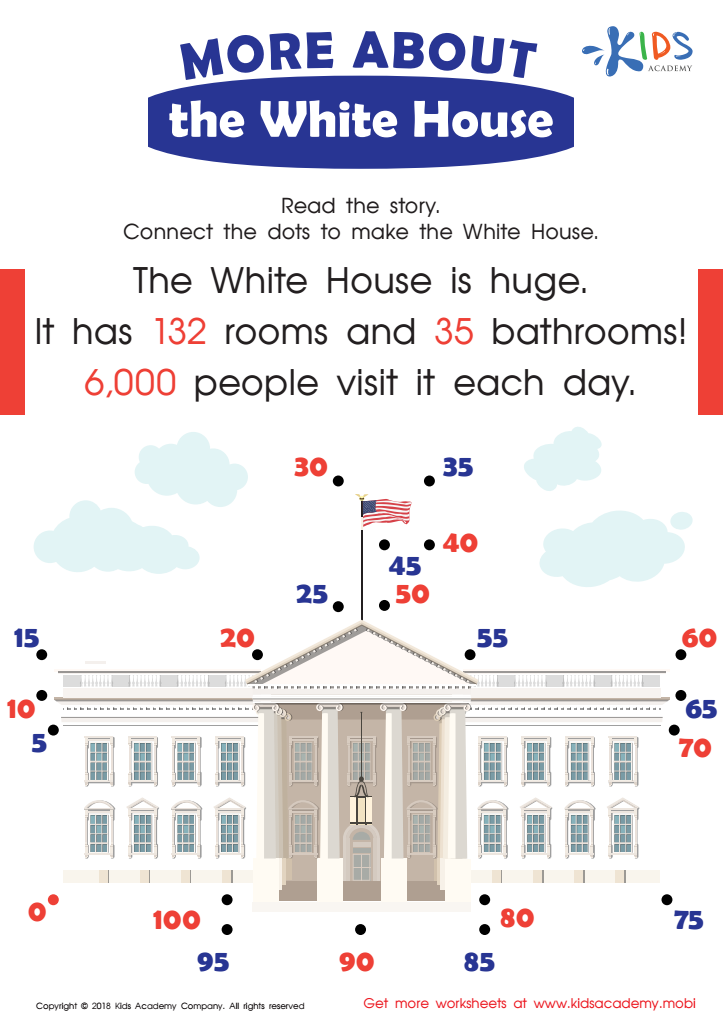
More About the White House Worksheet








Parents and teachers should prioritize information retention in reading non-fiction for children ages 3-7 because it lays the foundation for lifelong learning and cognitive development. At this young age, children's brains are highly receptive to new information, and reading non-fiction helps expand their vocabulary, comprehension, and critical thinking skills. Unlike fiction, non-fiction exposes children to facts about the world around them—science, nature, history, and technology—which stimulates curiosity and an eagerness to explore and understand real-world concepts.
Moreover, information retention through non-fiction reading supports the development of attention to detail and improves memory, which are crucial skills in both academic and everyday settings. It encourages children to ask questions, make connections, and develop problem-solving strategies, fostering a mindset that values knowledge and learning.
By introducing young children to non-fiction, parents and teachers help them build a diverse knowledge base that supports future educational pursuits. This early exposure can enhance their performance in school subjects, boost confidence, and instill a positive attitude towards learning.
Inserting engaging, age-appropriate non-fiction books into early reading routines ensures children retain vital informational content, affording them a strong, versatile educational foundation and a keener understanding of their environment.








