Reading comprehension Reading Non-Fiction Worksheets for Ages 3-7
33 filtered results
-
From - To
Unlock your child's reading potential with our engaging Reading Comprehension Non-Fiction Worksheets designed for ages 3-7. These interactive worksheets focus on essential reading skills, allowing young learners to explore a variety of informative topics while enhancing their comprehension abilities. Each worksheet is crafted to help children understand concepts, answer questions, and develop critical thinking skills through fun activities. Perfect for home or classroom use, these resources encourage a love for reading and learning in a rewarding way. Set your child on the path to literacy success with our carefully curated materials that make non-fiction both enjoyable and educational!
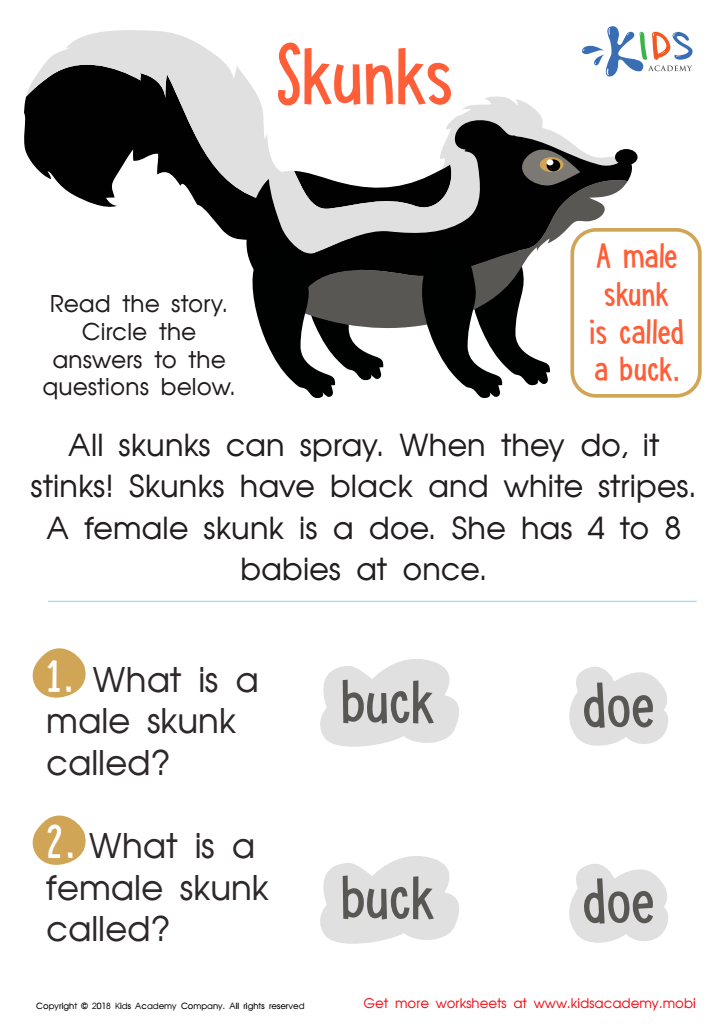
Skunks Worksheet
 Assign to My Students
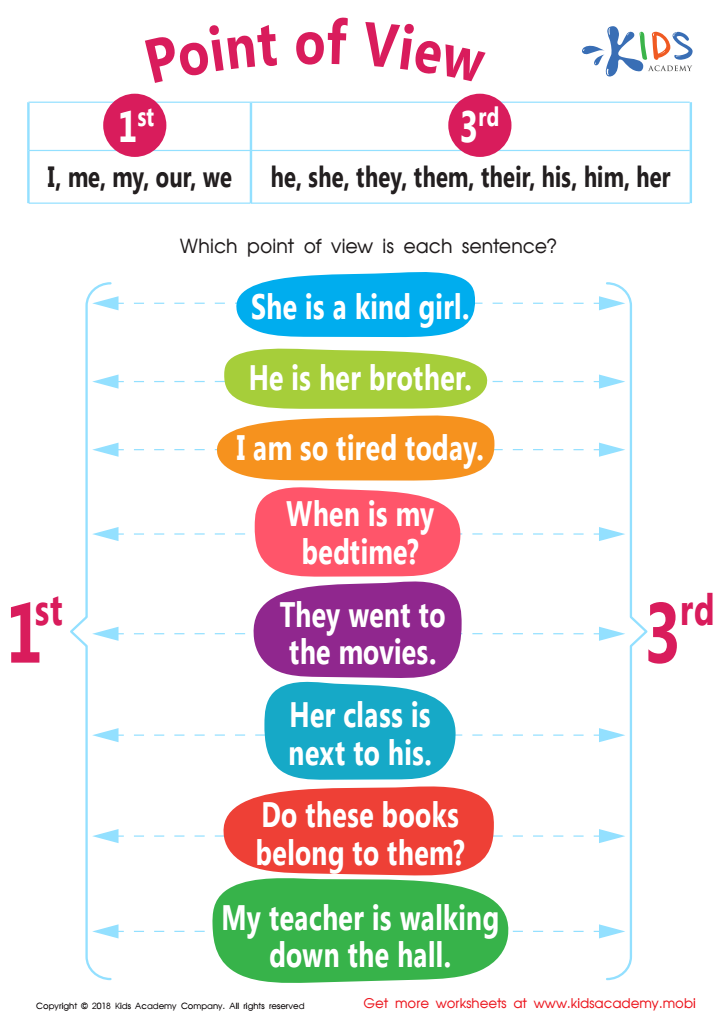
Point of View Worksheet
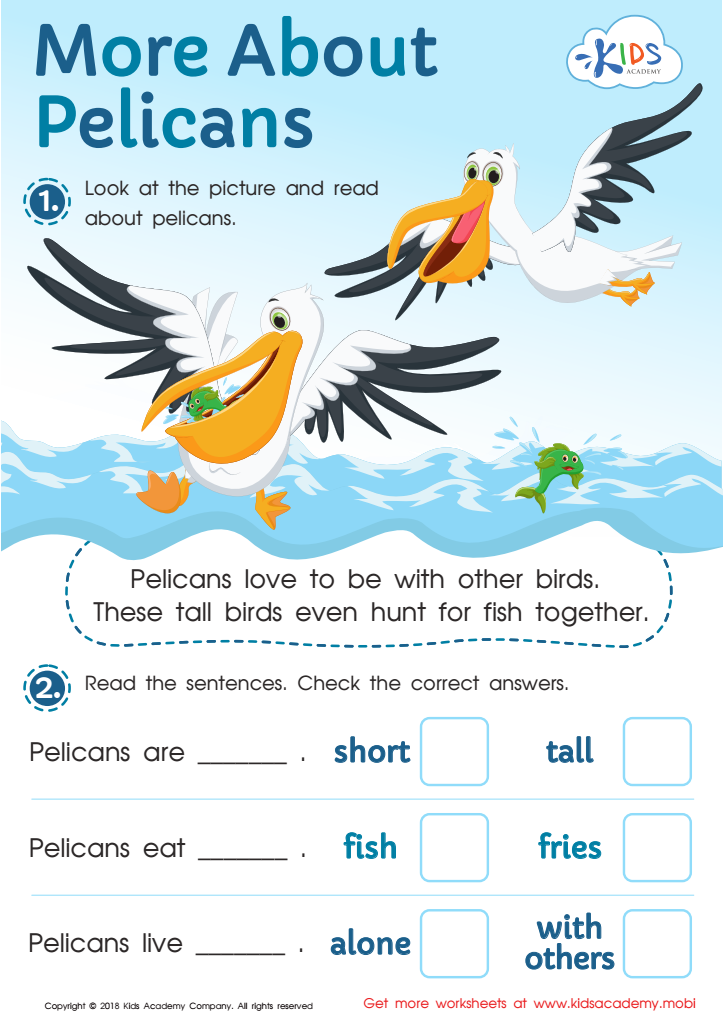
More About Pelicans Worksheet
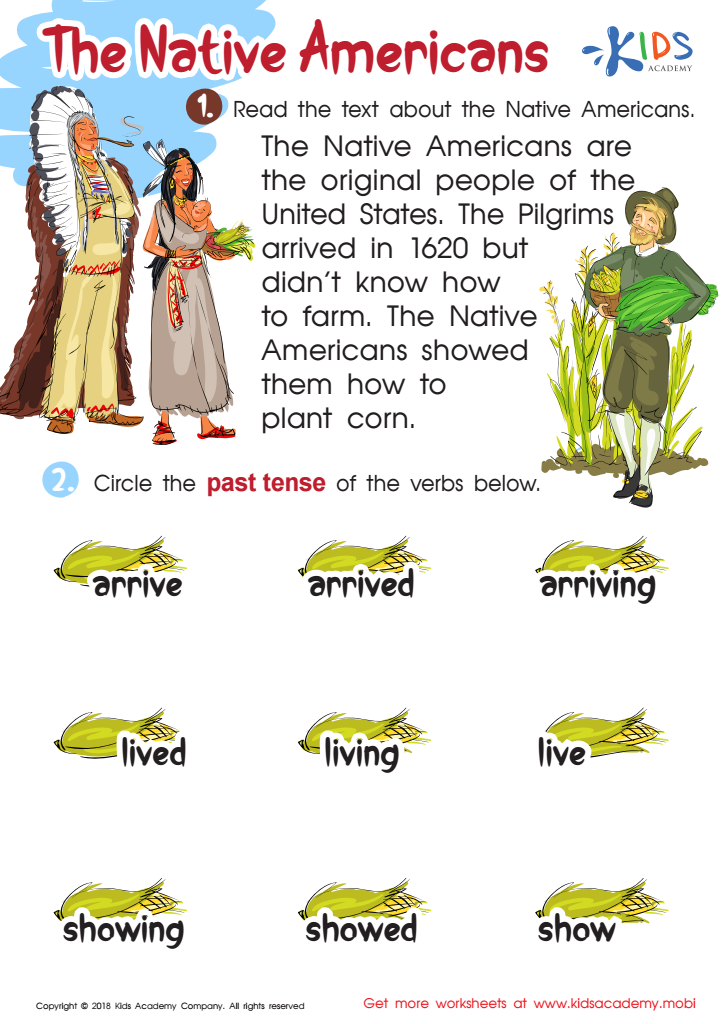
The Native Americans Worksheet
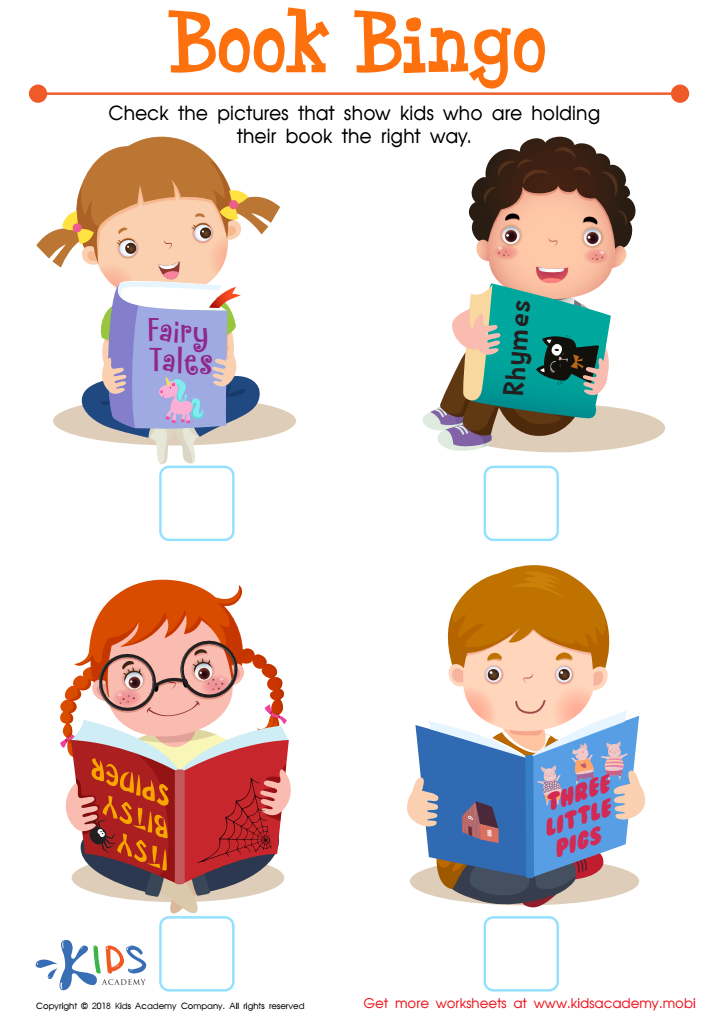
Book Bingo Worksheet
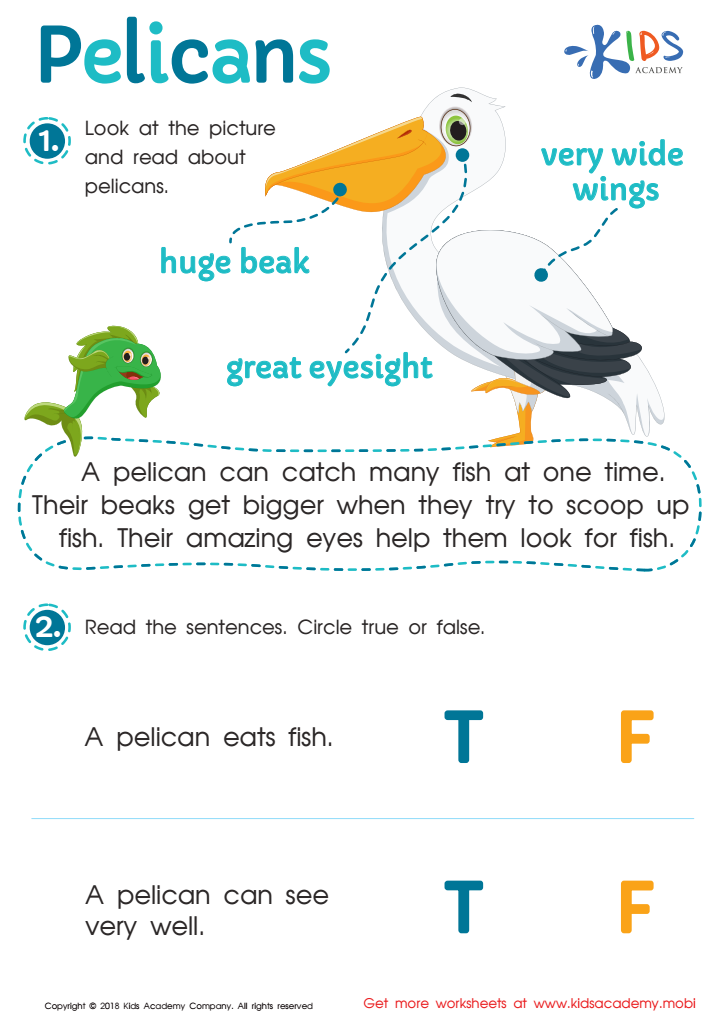
Pelicans Worksheet
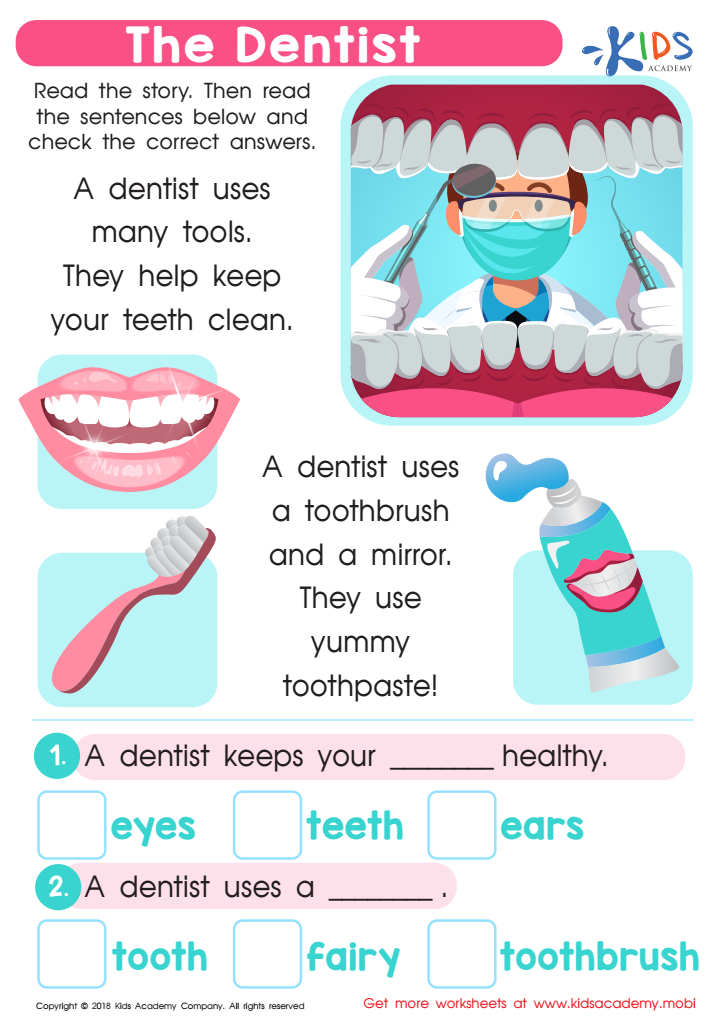
The Dentist Worksheet
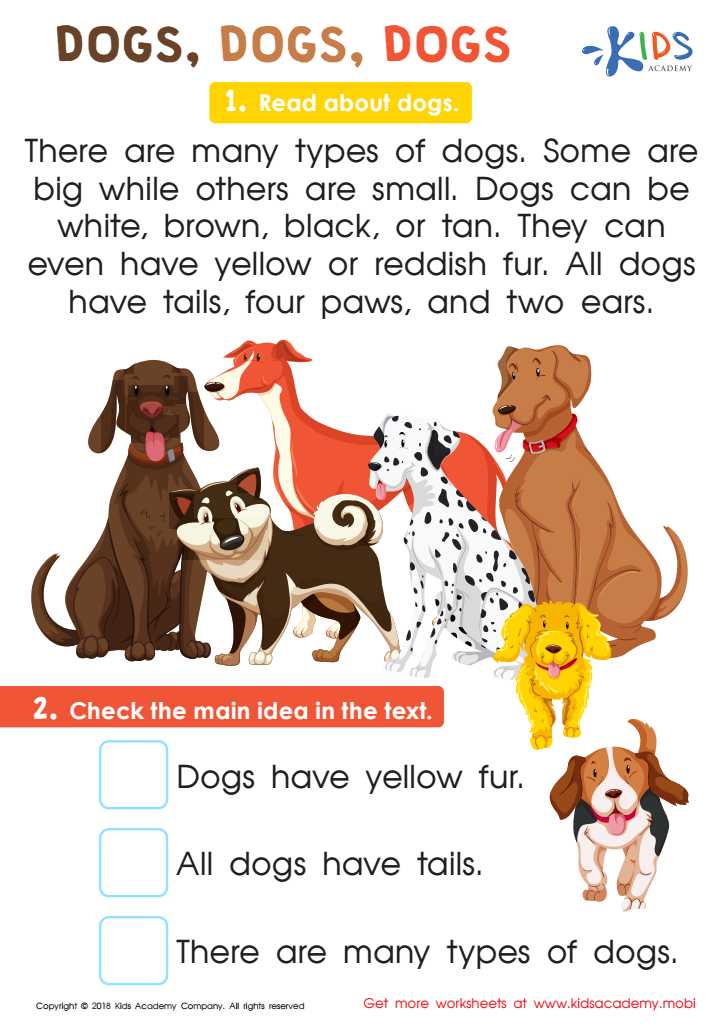
Dogs, Dogs Worksheet
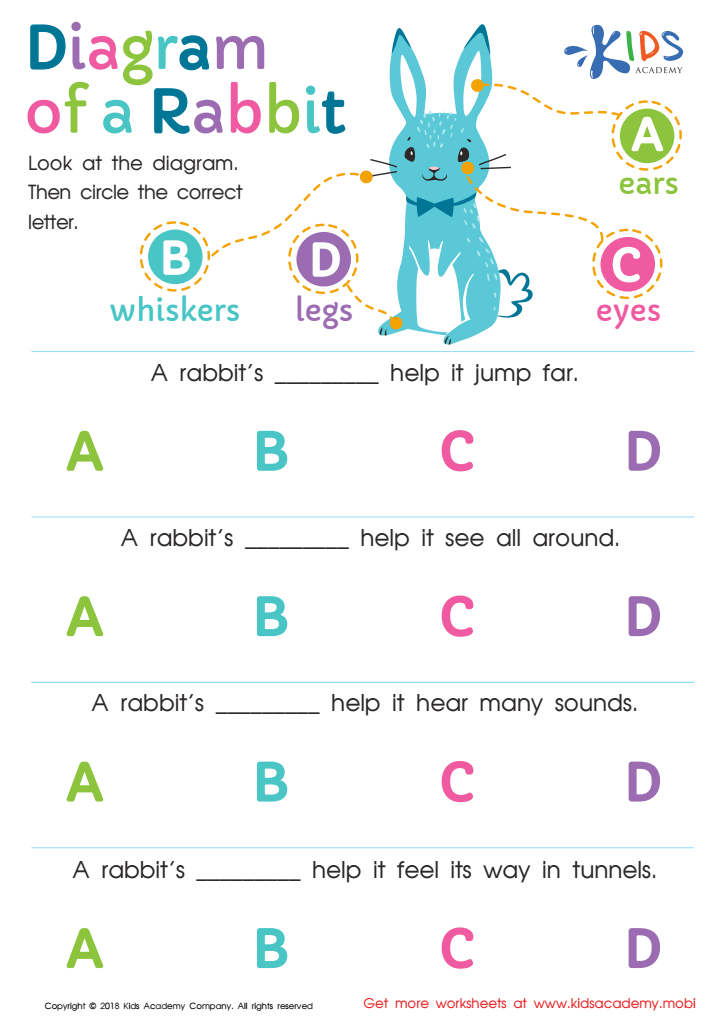
Diagram of a Rabbit Worksheet
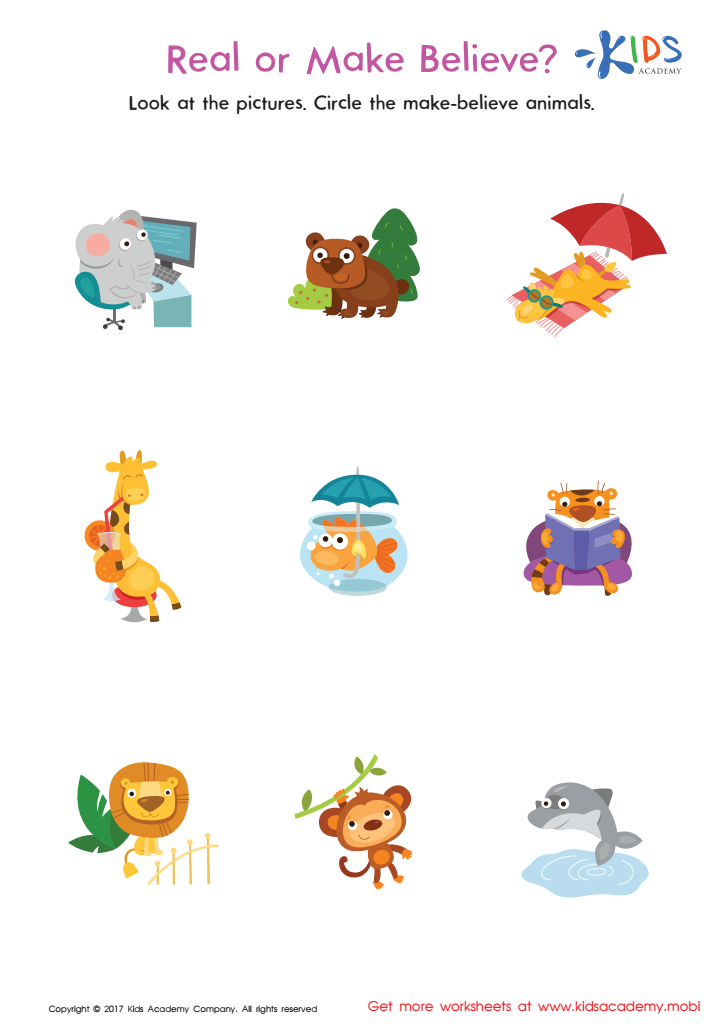
Fact or Make Believe Worksheet
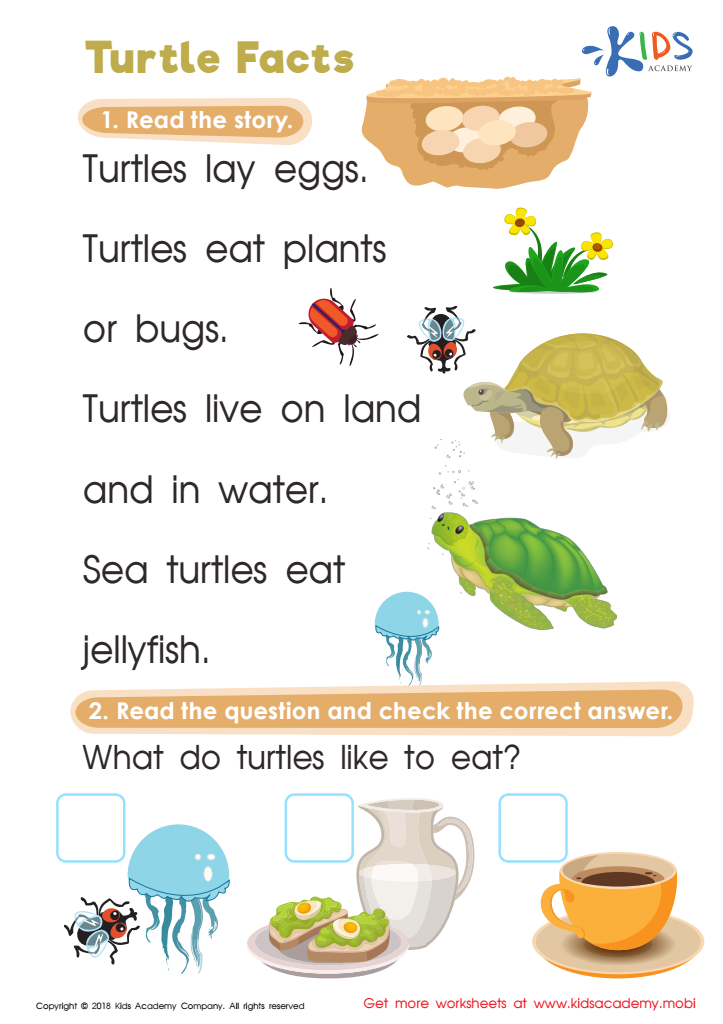
Turtle Facts Worksheet
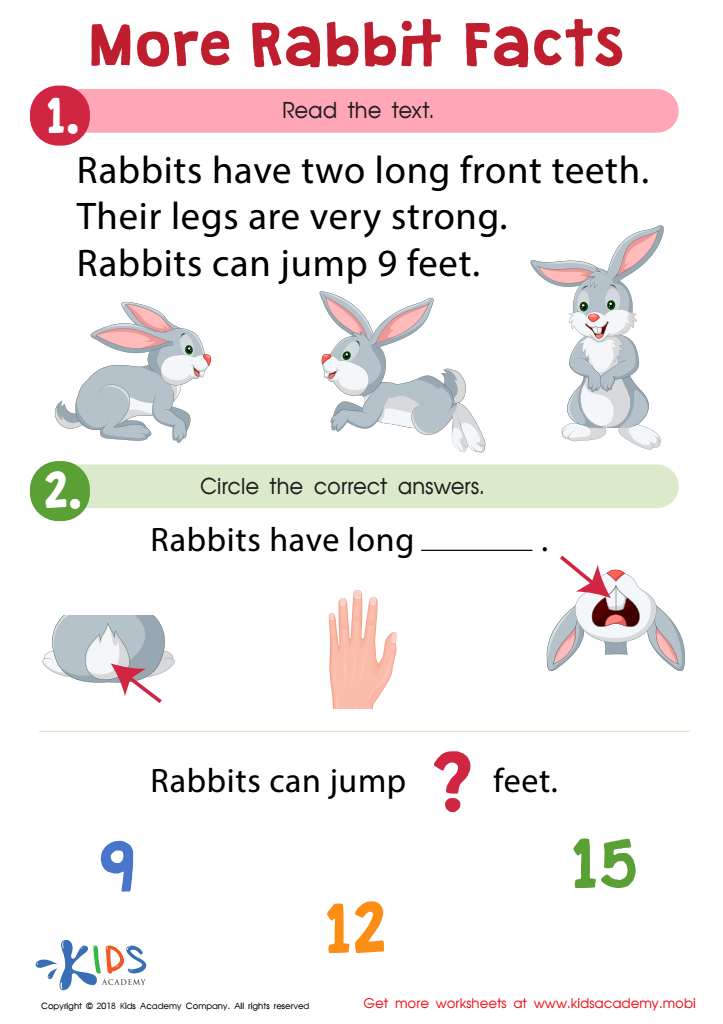
More Rabbit Facts Worksheet
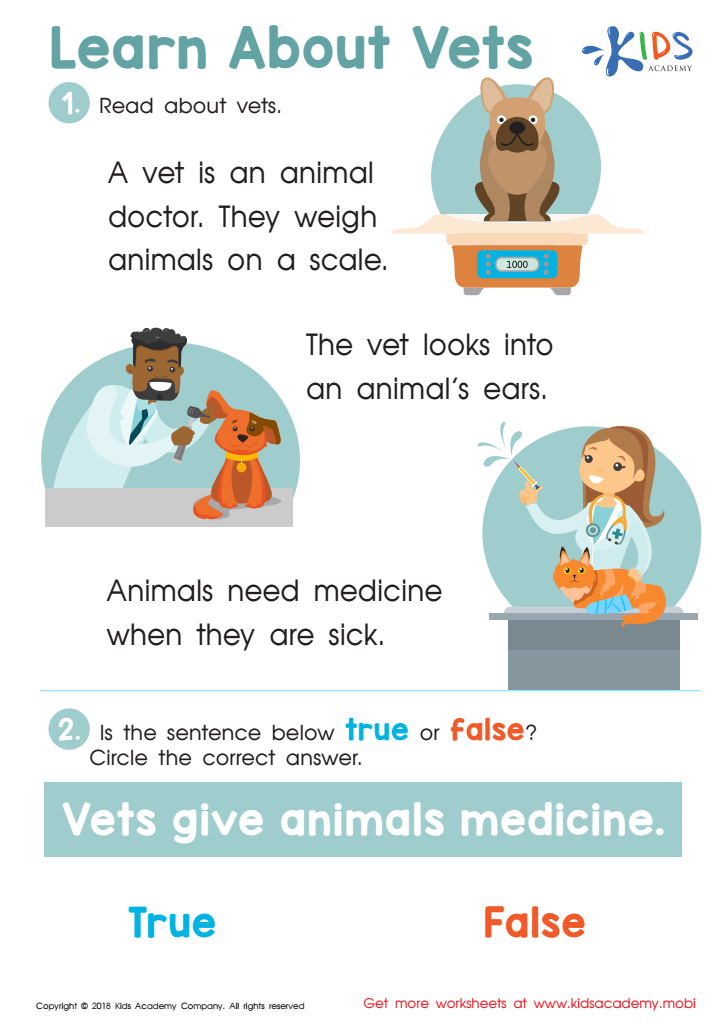
Learn About Vets Worksheet
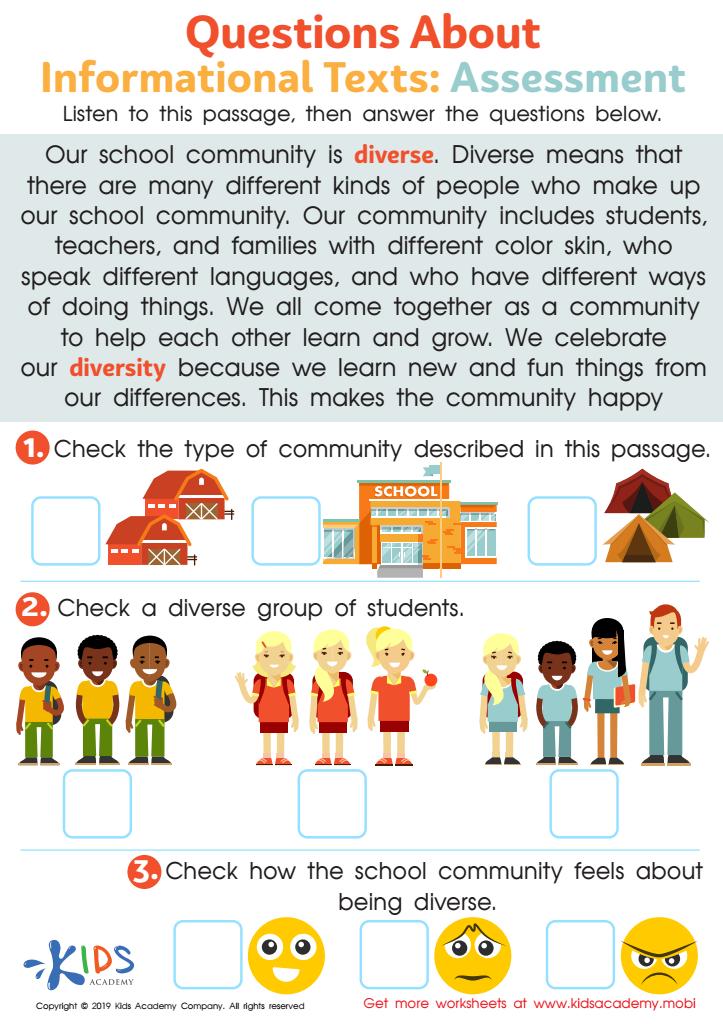
Questions About Informational Texts: Assessment 1 Worksheet
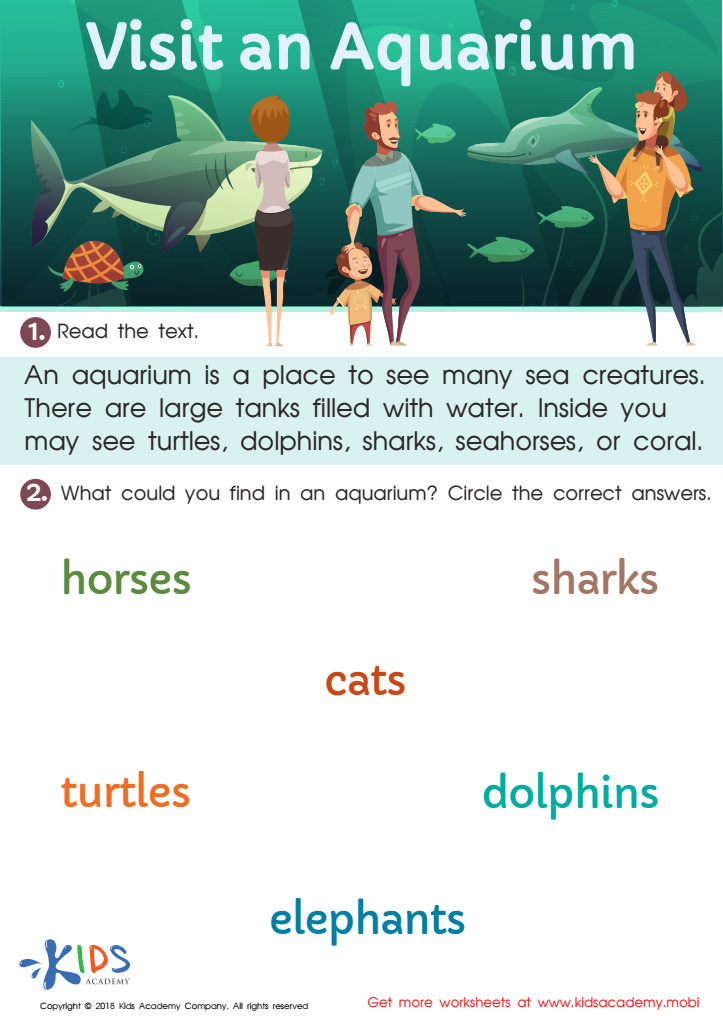
Visit an Aquarium Worksheet
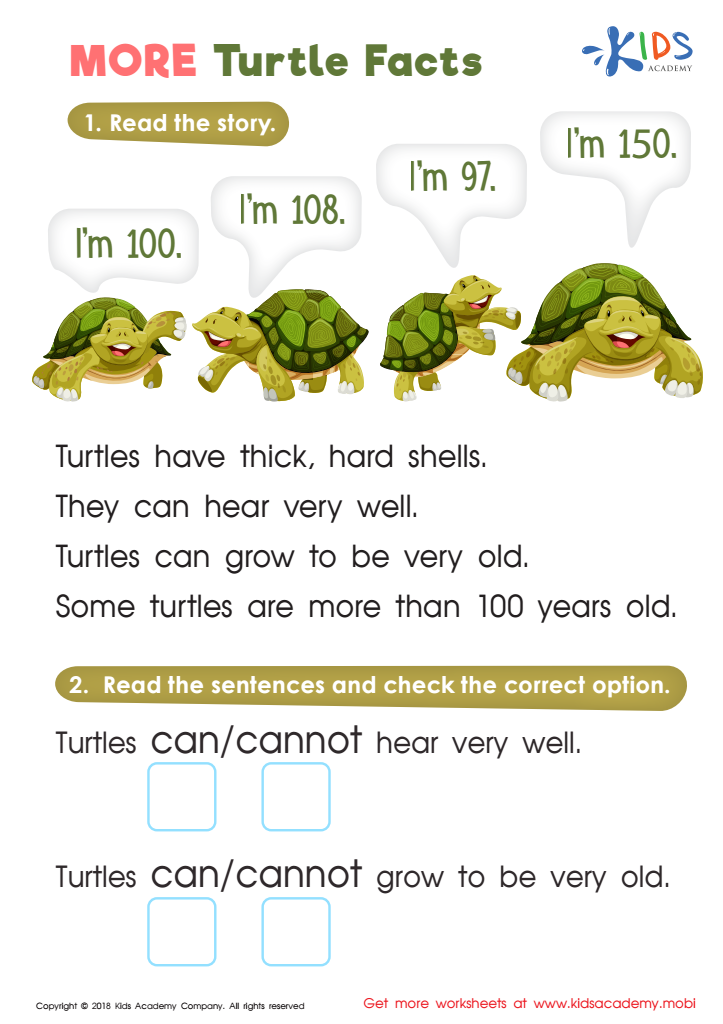
More Turtle Facts Worksheet
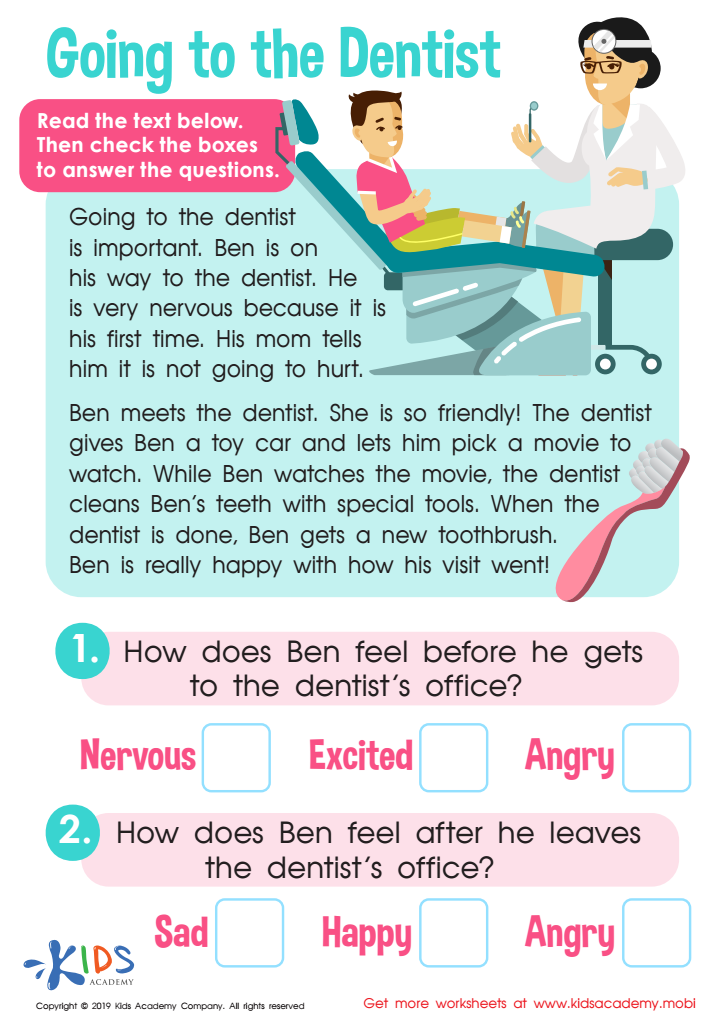
Going to the Dentist Worksheet
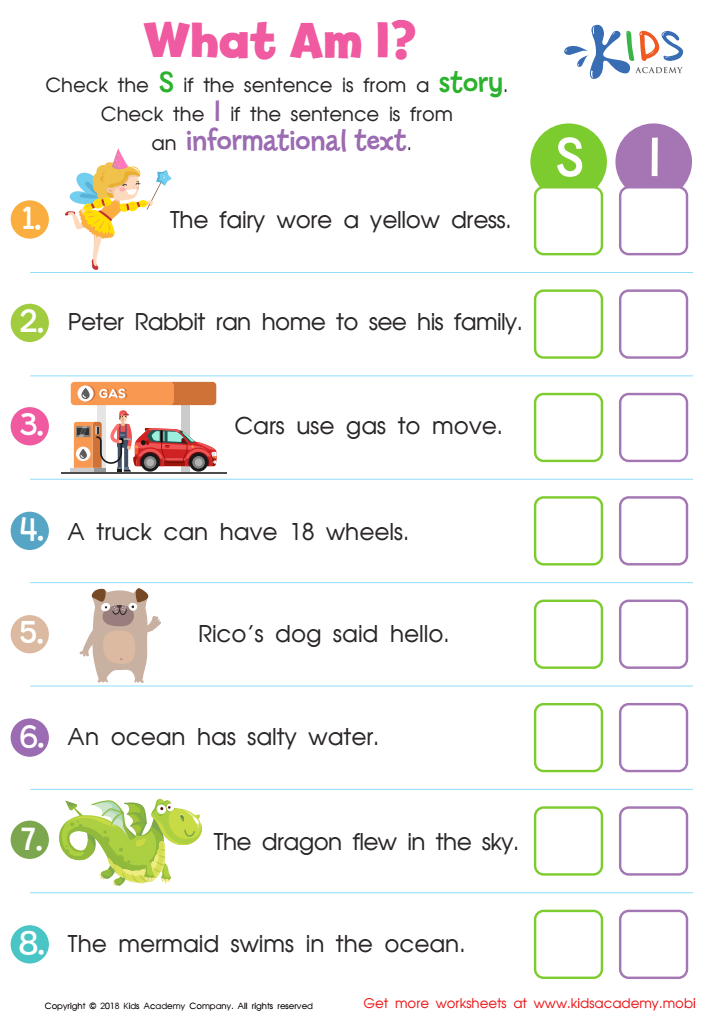
What Am I? Worksheet
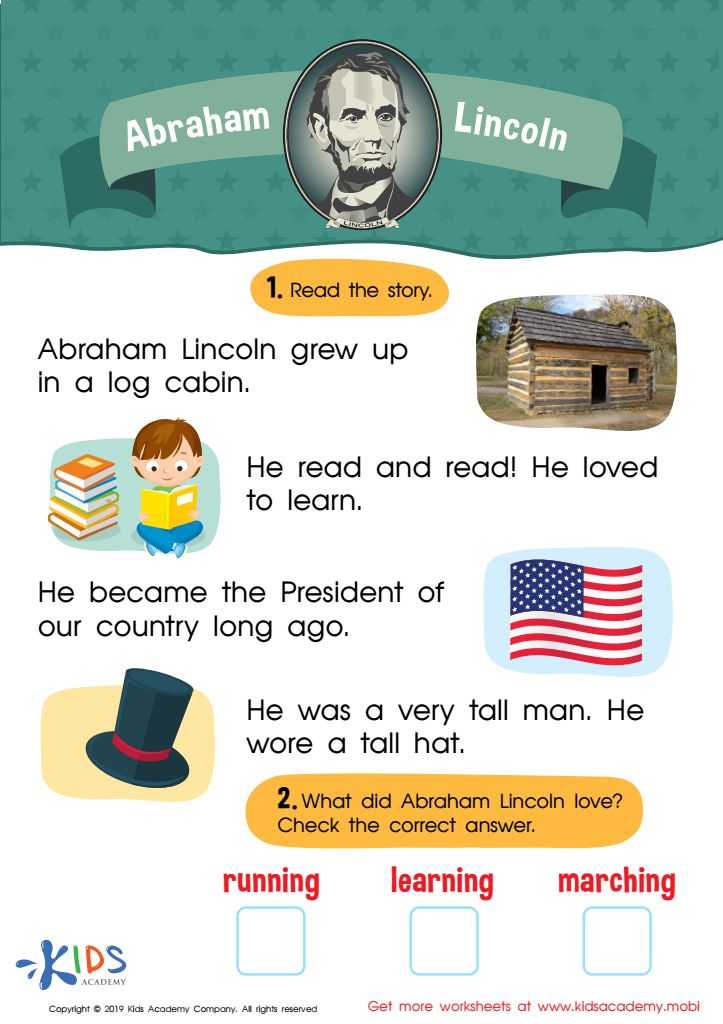
Abraham Lincoln Worksheet
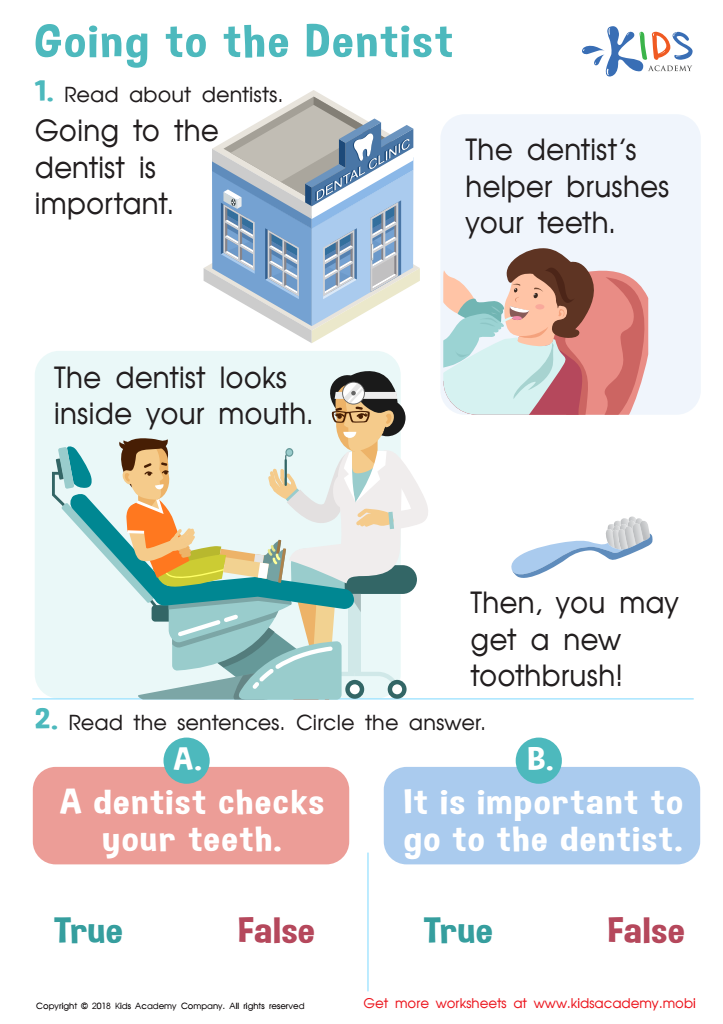
Going to the Dentist Part 2 Worksheet
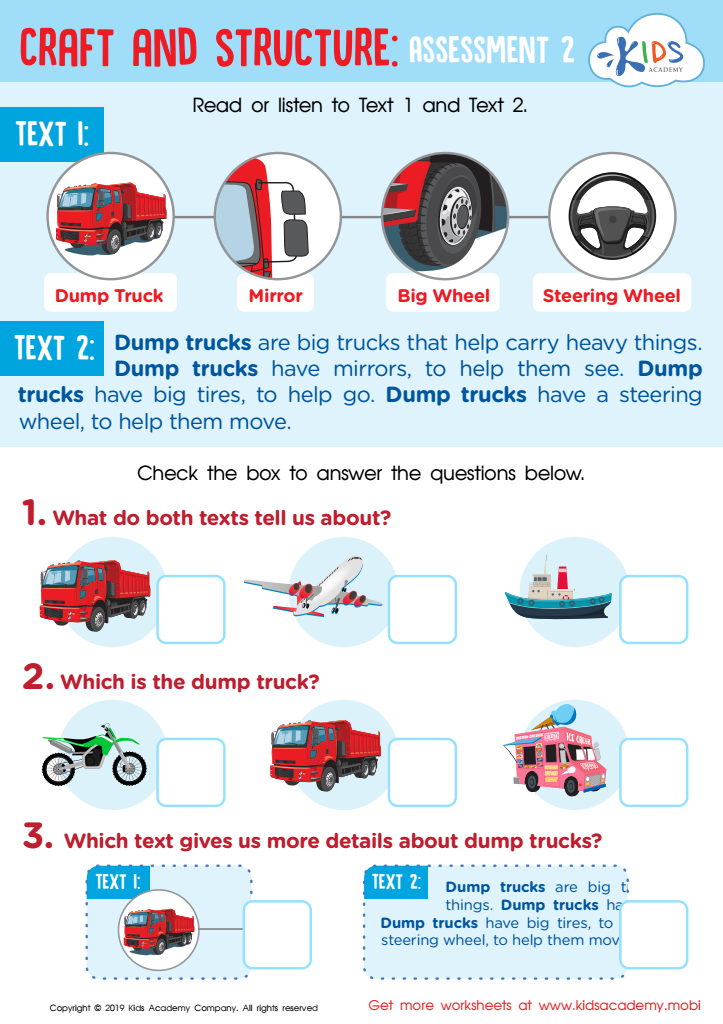
Craft and Structure: Assessment 2 Worksheet
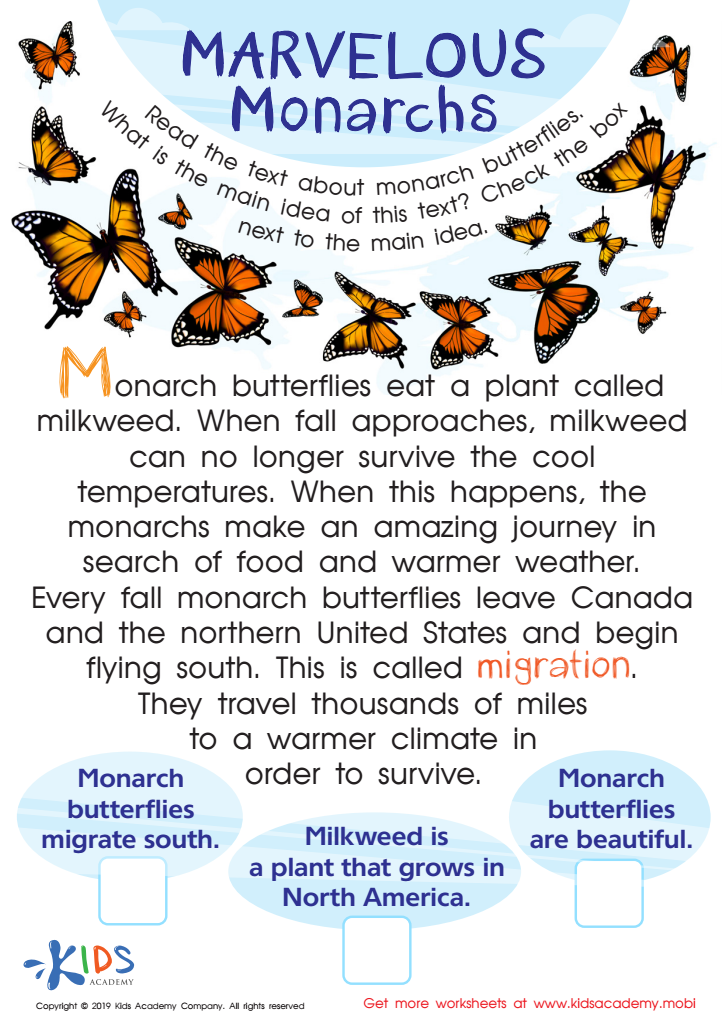
Marvelous Monarchs Worksheet
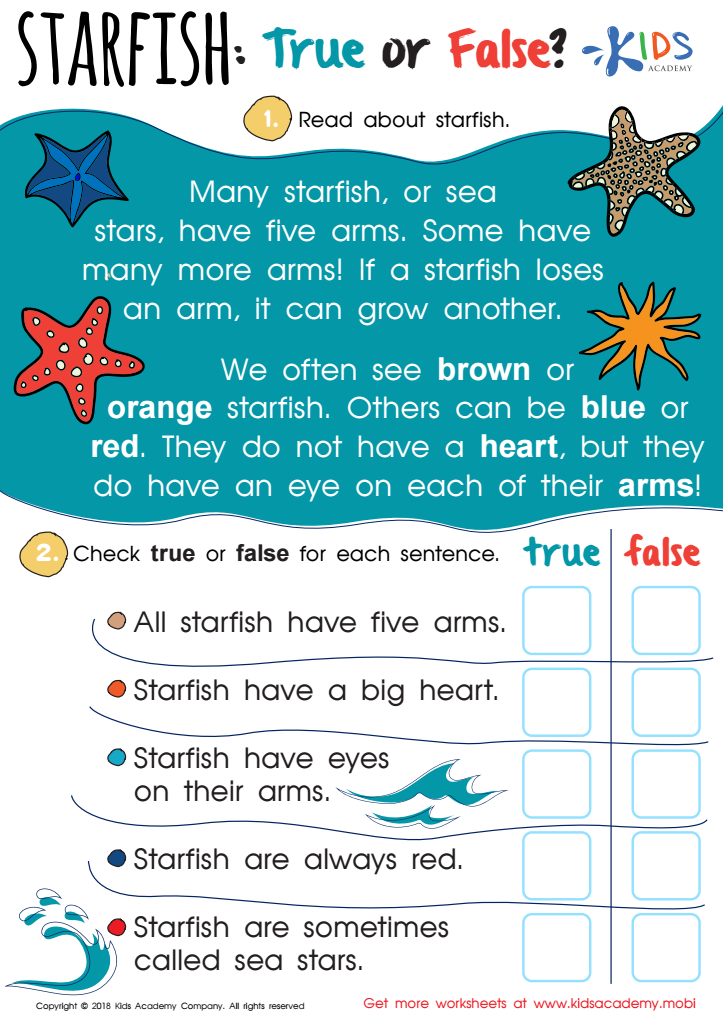
Starfish: True or False Worksheet
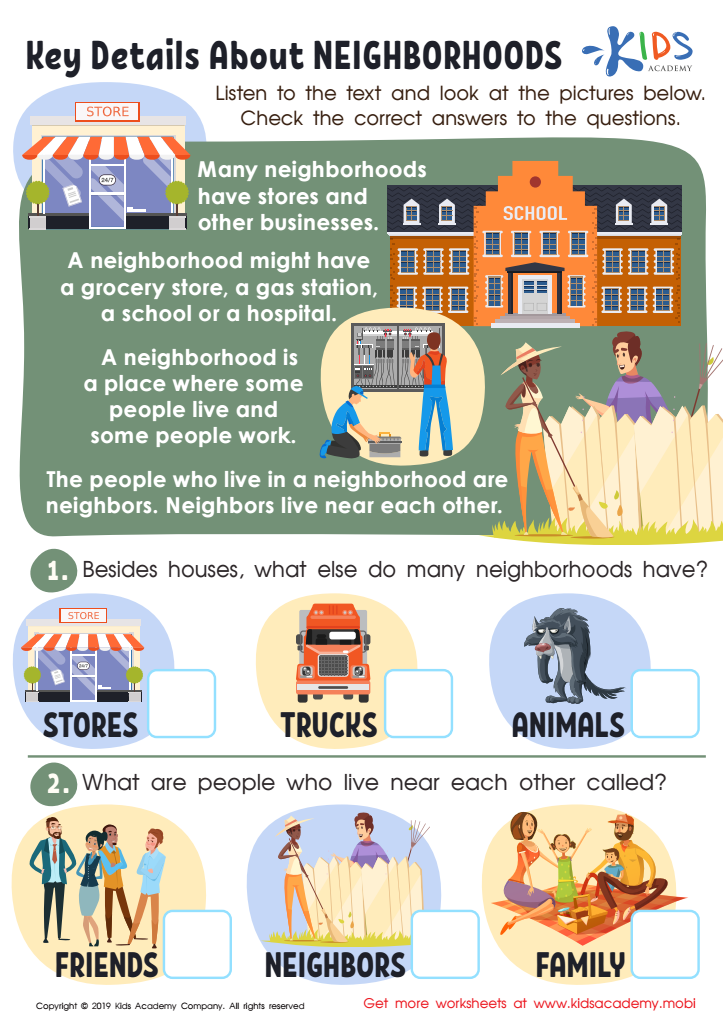
Key Details Neighborhoods Worksheet








Reading comprehension, especially in non-fiction, plays a crucial role in the development of children aged 3-7. During these early years, children's brains are rapidly developing, absorbing new information, and constructing knowledge about the world. Parents and teachers should care about non-fiction reading during this critical stage because it enhances vocabulary, fosters curiosity, and builds critical thinking skills.
Exposure to non-fiction materials, like informational books, articles, and visuals, helps children understand real-world concepts. It facilitates discussions about various topics, from nature and science to history and culture, allowing them to make connections between what they read and their everyday experiences. This learning deepens comprehension and encourages children's natural curiosity.
Moreover, non-fiction reading introduces young learners to diverse perspectives and facts, aiding in their analytical skills. Learning to differentiate between fiction and non-fiction helps them navigate various texts, which is crucial as they advance in their education.
By prioritizing reading comprehension and engaging with non-fiction, parents and teachers nurture a love for knowledge and lifelong learning in children. This investment sets the foundation for academic success and prepares them to explore complex subjects in the future. Ultimately, fostering these skills early empowers children to become informed, inquisitive individuals.








