Recognizing numbers Sight Words Worksheets for Ages 3-7
3 filtered results
-
From - To
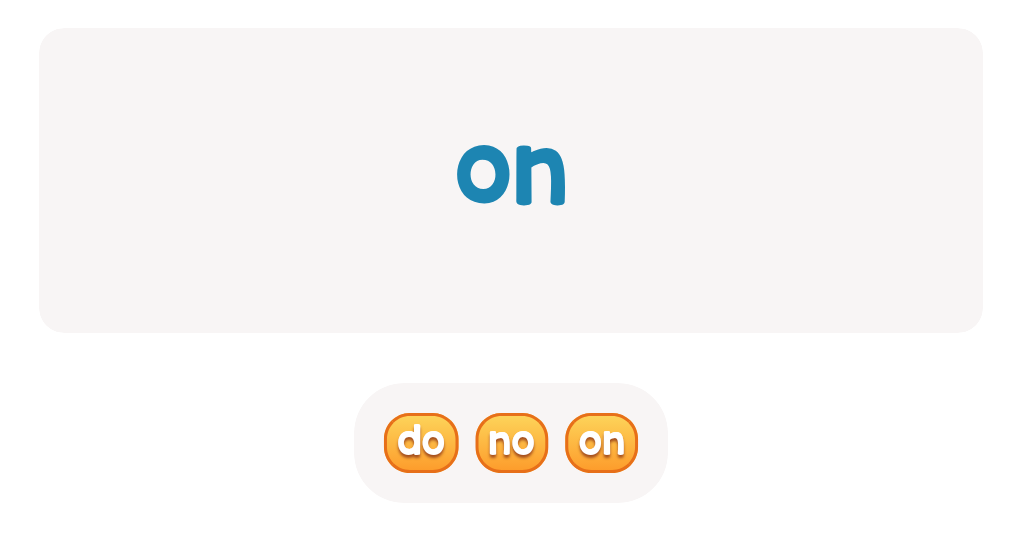
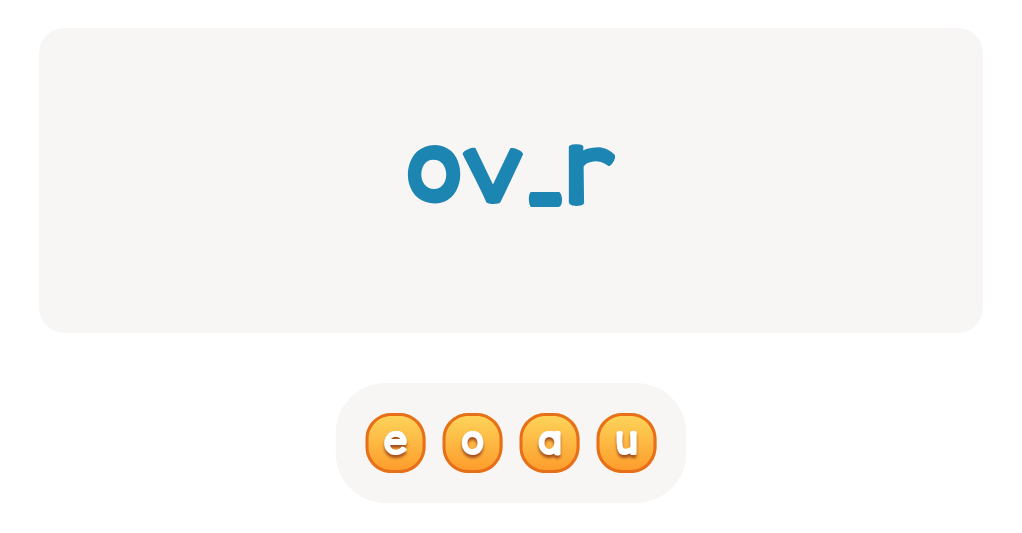
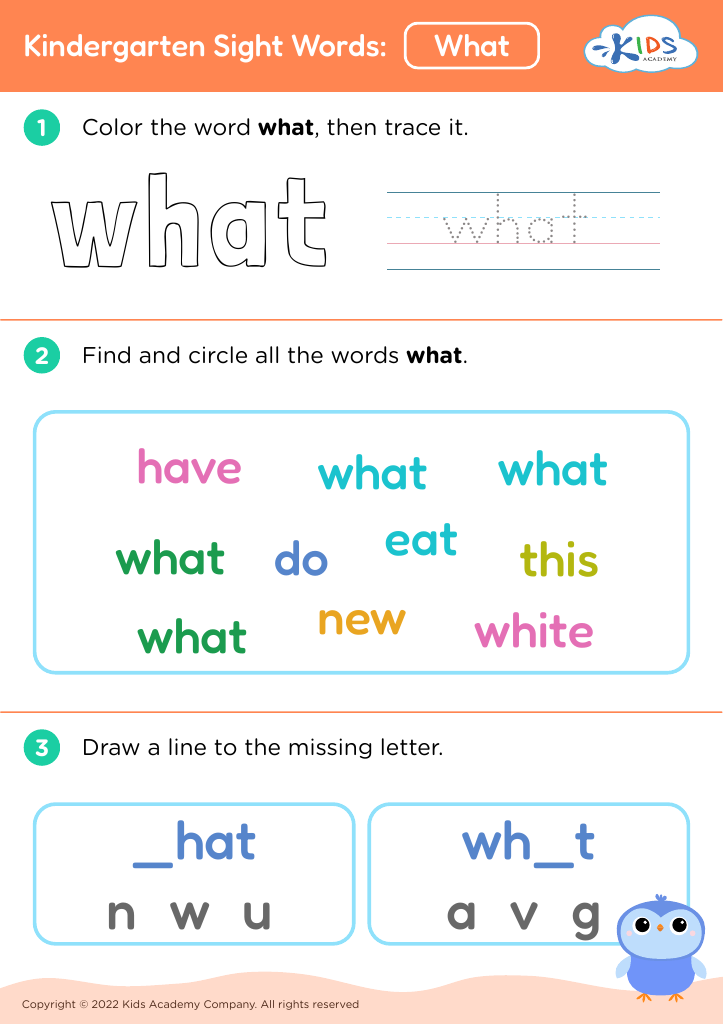
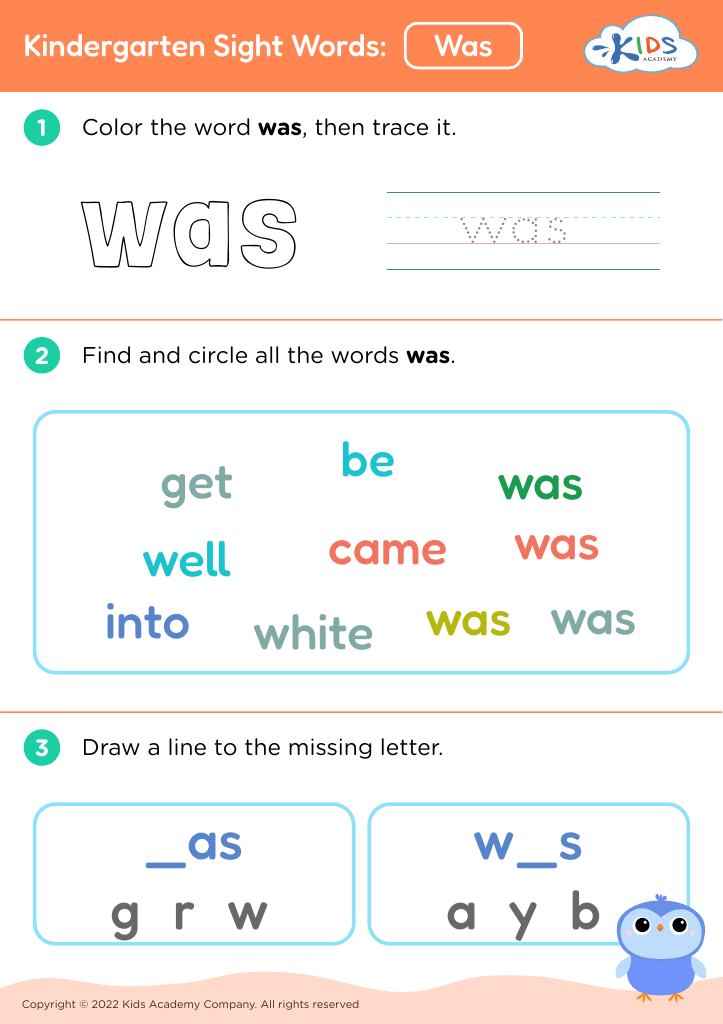
Discover our engaging "Recognizing Numbers Sight Words Worksheets" designed for children ages 3-7. These interactive resources help young learners master both number recognition and essential sight words, fostering foundational literacy and math skills. Each worksheet features colorful illustrations and enjoyable activities tailored to keep children motivated and excited about learning. With a variety of exercises that combine fun with essential learning objectives, our worksheets effectively support early education goals. Ideal for home or classroom use, they make learning numbers and sight words both effective and enjoyable. Download now to empower your child's educational journey today!







.jpg)





Recognizing number sight words for children aged 3-7 is vital for foundational learning and cognitive development. During these early years, children are like sponges, absorbing information that shapes their understanding of the world. Recognizing numbers is essential because it lays the groundwork for mathematical concepts. When children can identify numbers without counting, they are better prepared to grasp more complex number operations, fostering confidence in their mathematical abilities.
Moreover, sight words, typically used in early literacy, are equally important. Familiarity with common words allows children to read with fluency, making the reading process smoother and more enjoyable. When parents or teachers emphasize number sight words, children learn to associate symbols with their corresponding values and meanings, promoting literacy and numeracy.
Engaging children with number sight words through games, flashcards, or everyday contexts makes learning interactive and fun. Moreover, it encourages critical thinking as they start to make connections between numbers, words, and their environments. Ultimately, recognizing number sight words is a stepping stone for children, equipping them with essential skills that will support their academic journey and lifelong learning. So, investing time and effort into this aspect of early education is crucial for parents and teachers alike.