Vocabulary enhancement Physical Science Worksheets for Ages 3-7
6 filtered results
-
From - To
Discover our engaging Vocabulary Enhancement Physical Science Worksheets, specially designed for children aged 3-7. These worksheets provide fun and interactive activities that boost vocabulary related to fundamental physical science concepts. Through exciting exercises, kids will learn essential terms related to matter, energy, force, and motion. Our resources combine colorful visuals and easy-to-understand language, making science accessible and enjoyable for young learners. Perfect for homeschooling or classroom use, these worksheets encourage curiosity and enhance comprehension, fostering a love for science from an early age. Explore our collection to empower your child's learning journey today!
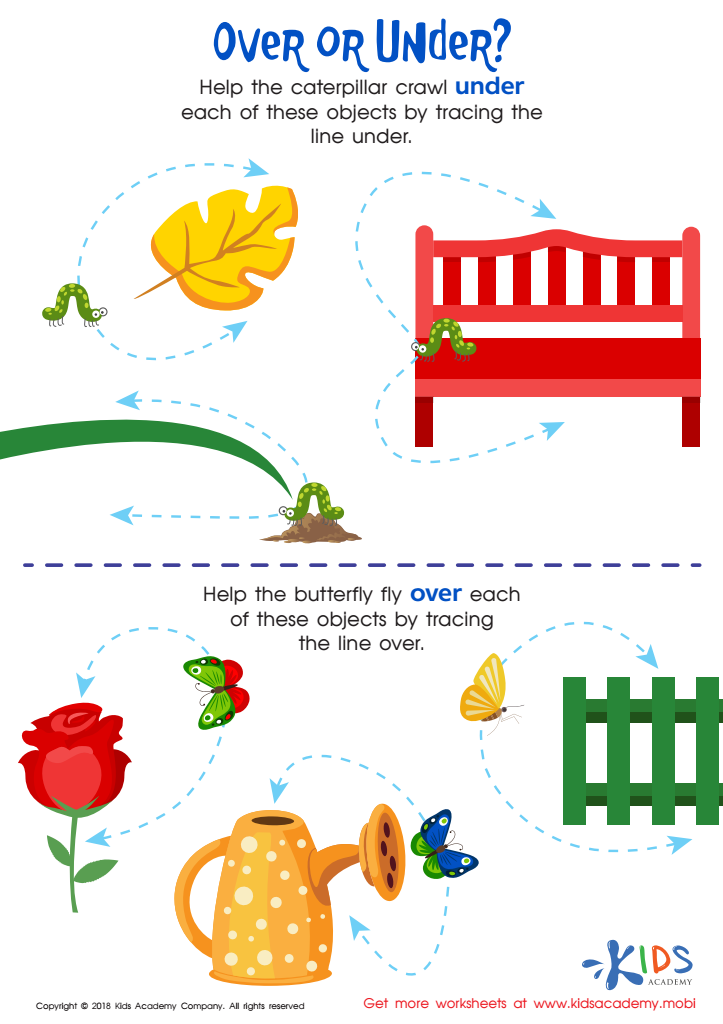
Over or Under? Worksheet
 Assign to My Students
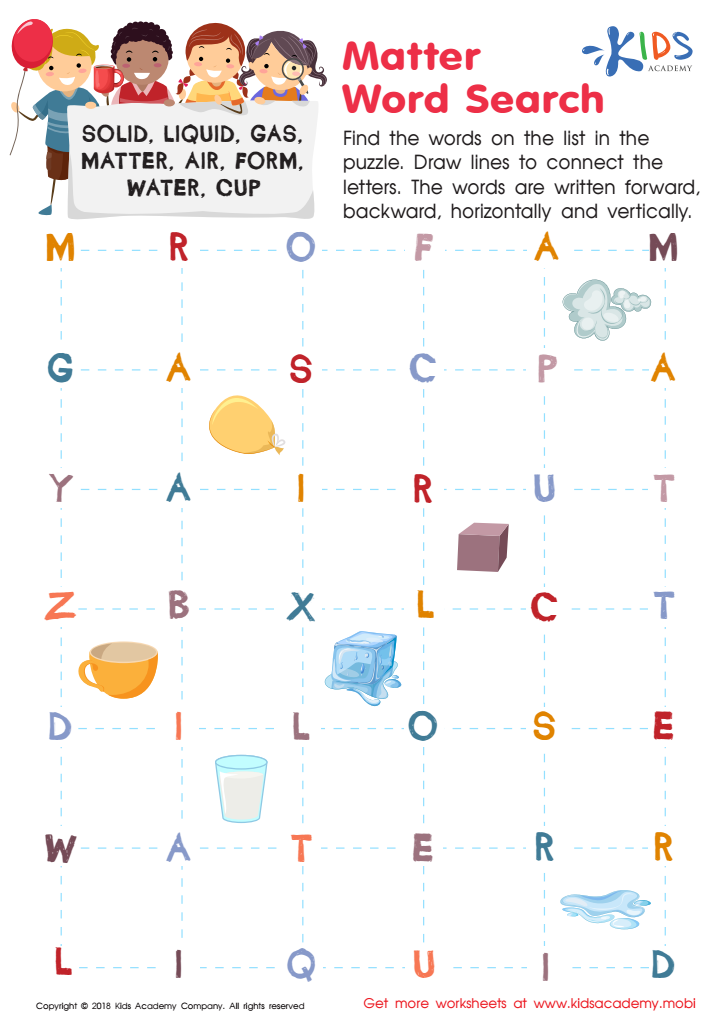
Matter Word Search Worksheet
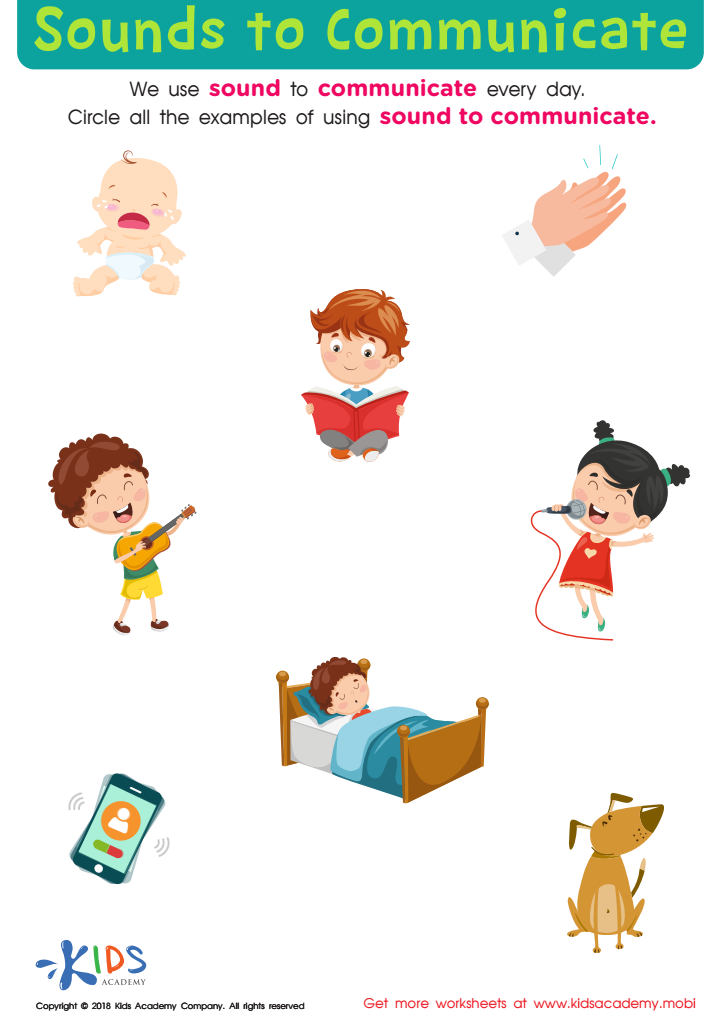
Sounds to Communicate Worksheet
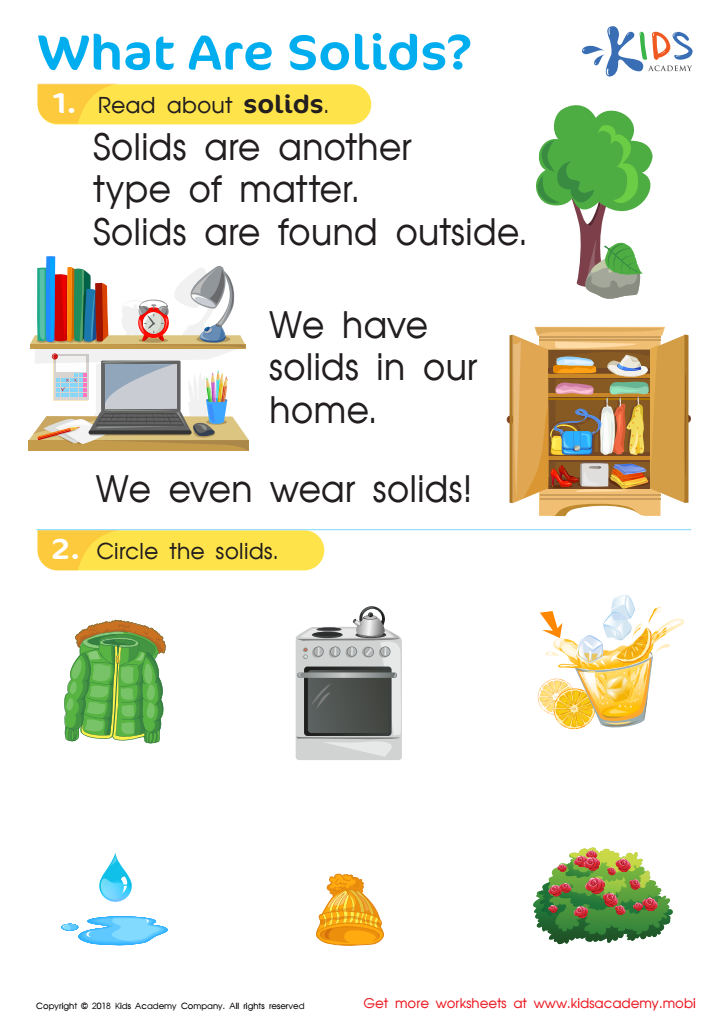
What Are Solids? Worksheet
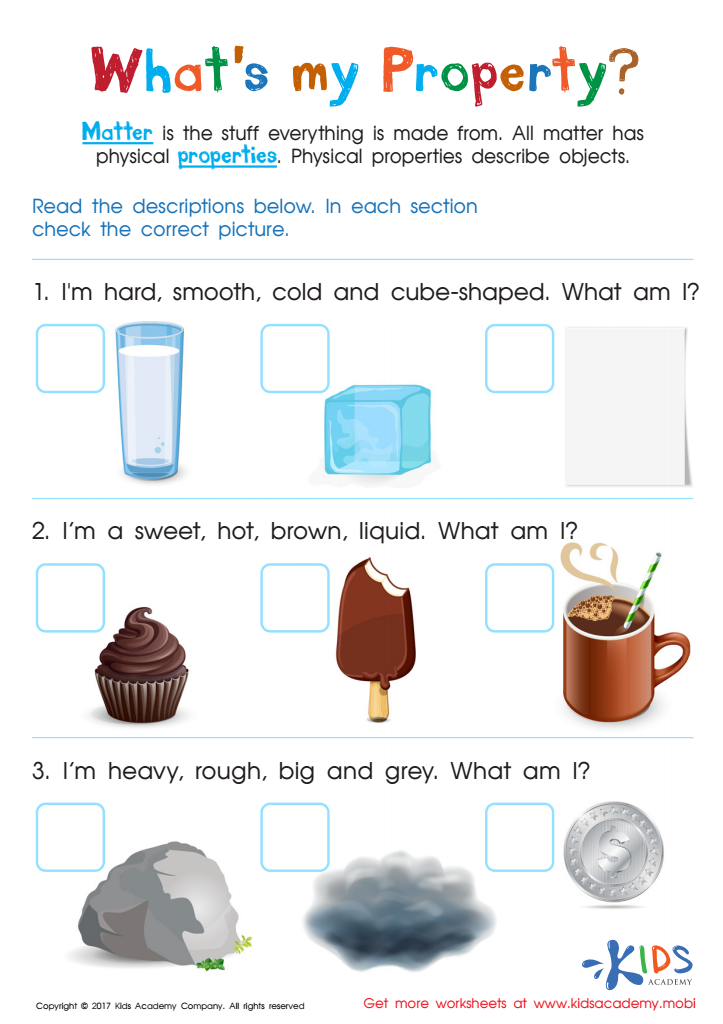
Physical Properties Of Matter Worksheet
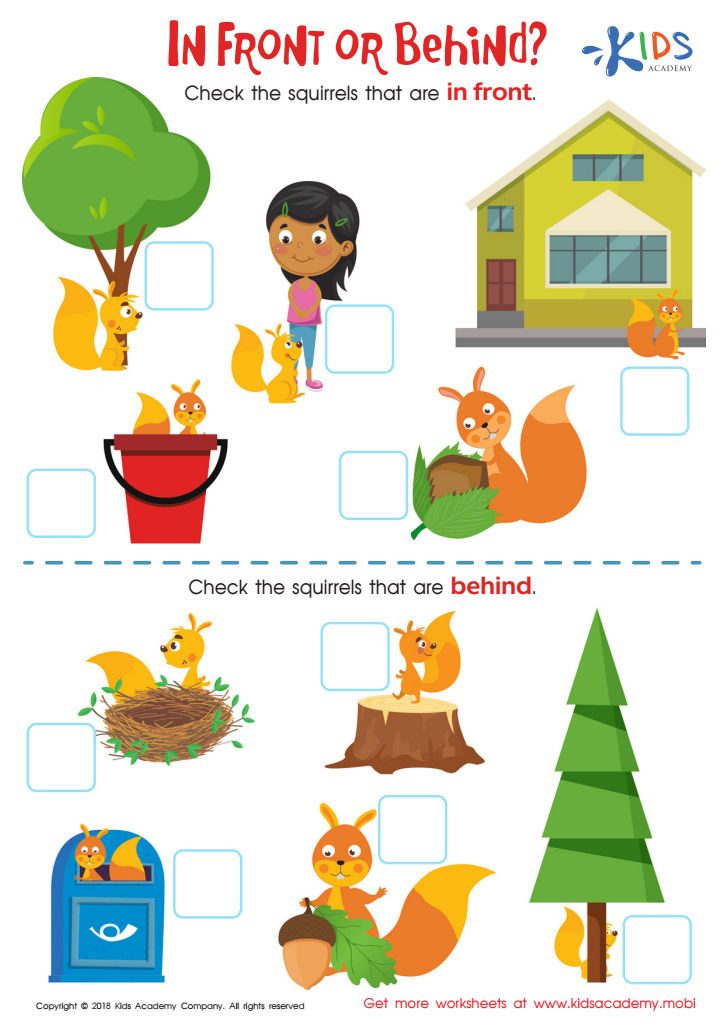
In Front or Behind: Part 2 Worksheet







Vocabulary enhancement in Physical Science for children aged 3-7 is essential for several reasons. At this stage, children are incredibly curious and actively learning about the world around them. Introducing specialized vocabulary related to Physical Science—such as "gravity," "force," "matter," and "energy"—helps build a strong lexical foundation that fosters critical thinking and scientific literacy.
Understanding these terms not only assists in comprehension but also empowers children to articulate their observations and questions about the physical world. Engaging them with playful activities and language that aligns with their interests turns learning into an interactive experience, enhancing retention and motivation.
Moreover, an enriched vocabulary encourages cognitive development and improves communication skills. When parents or teachers engage children in discussions using targeted vocabulary, they create opportunities for deeper inquiry and exploration. This practice also promotes language skills that contribute to literacy development, preparing them for future academic challenges.
Investing in vocabulary enhancement lays the groundwork for scientific inquiry, problem-solving, and creativity. By nurturing this area, caregivers support children's cognitive growth and ignite a lifelong passion for learning, science, and discovery. Prioritizing vocabulary development in Physical Science early on inspires future scientists, innovators, and informed citizens.







