Cultural awareness Geography Worksheets for Ages 3-7
7 filtered results
-
From - To
Welcome to our "Cultural Awareness Geography Worksheets" section designed for ages 3-7! Our engaging worksheets help young learners explore diverse cultures and communities around the world. Crafted with vibrant illustrations and child-friendly content, these resources promote curiosity and understanding of different customs, traditions, and lifestyles. Through interactive activities and exercises, children will enhance their spatial awareness, develop critical thinking skills, and foster a sense of respect and empathy toward others. Perfect for home or classroom use, our worksheets aim to cultivate a global perspective in early education, encouraging kids to appreciate the richness of cultural diversity as they learn about geography.
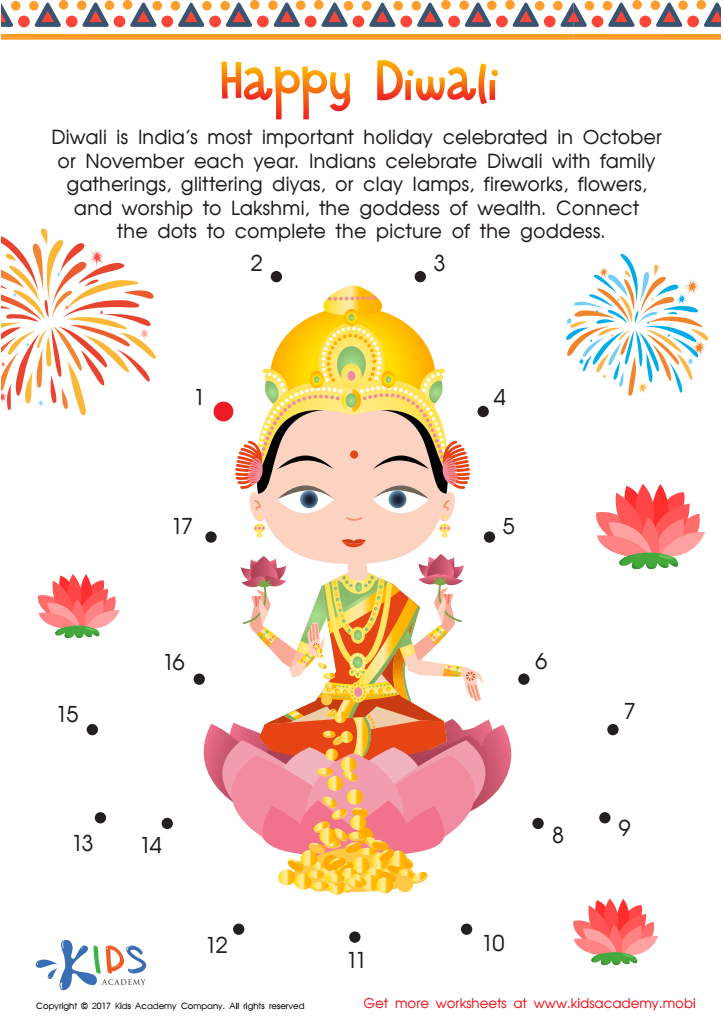
Happy Diwali Printable
 Assign to My Students
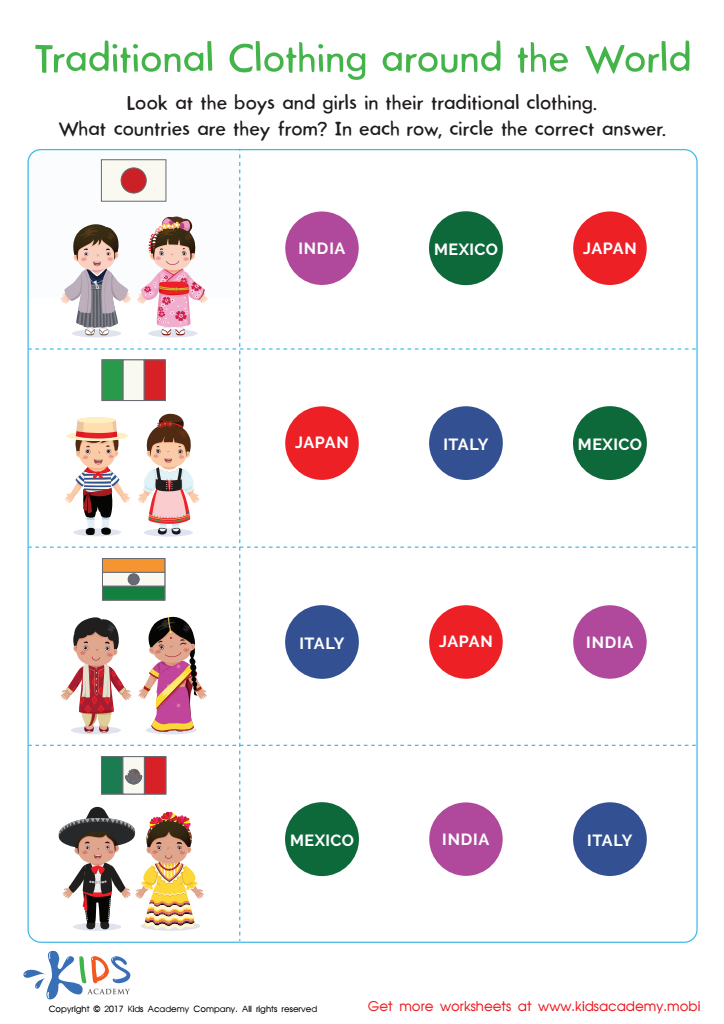
Traditional Clothing Worksheet
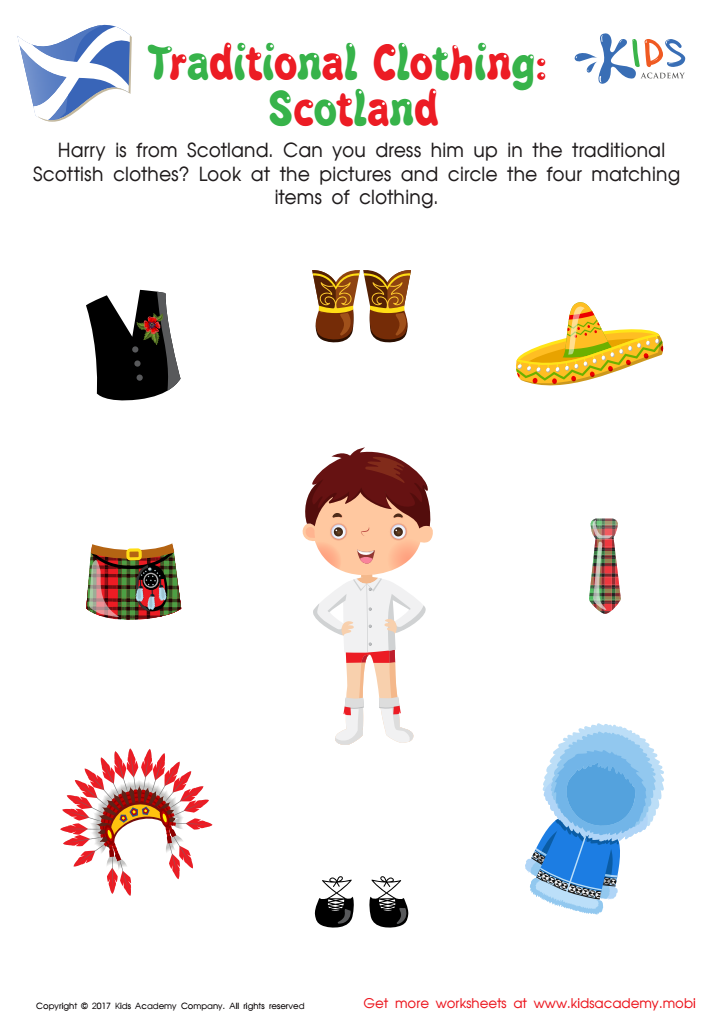
Traditional Clothing in Scotland Worksheet
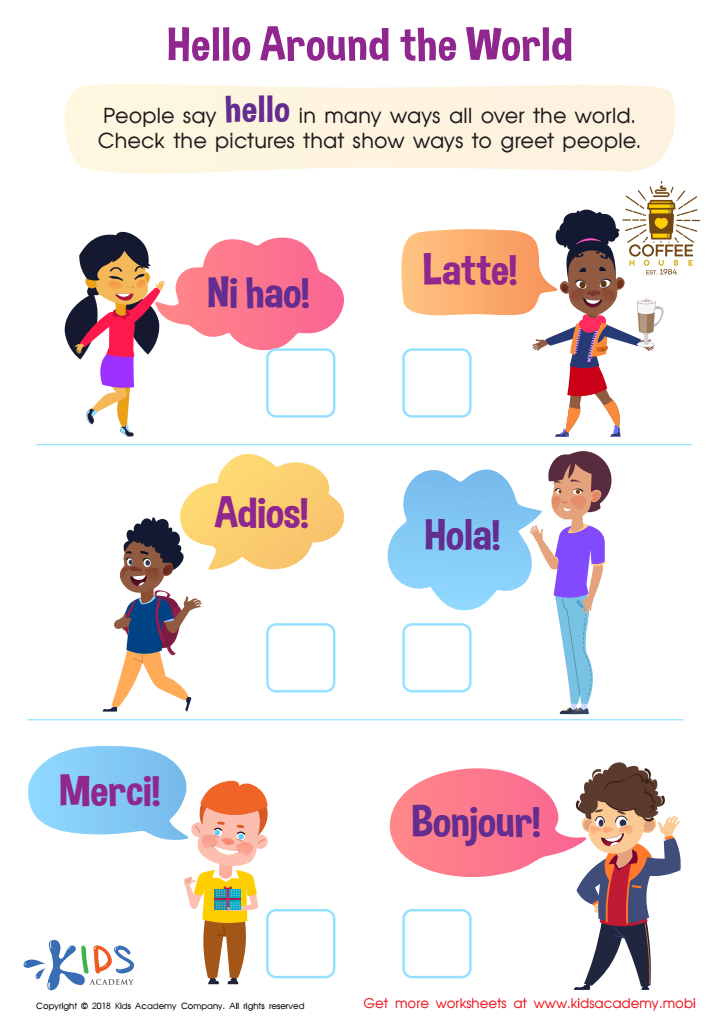
Hello Around the World Worksheet
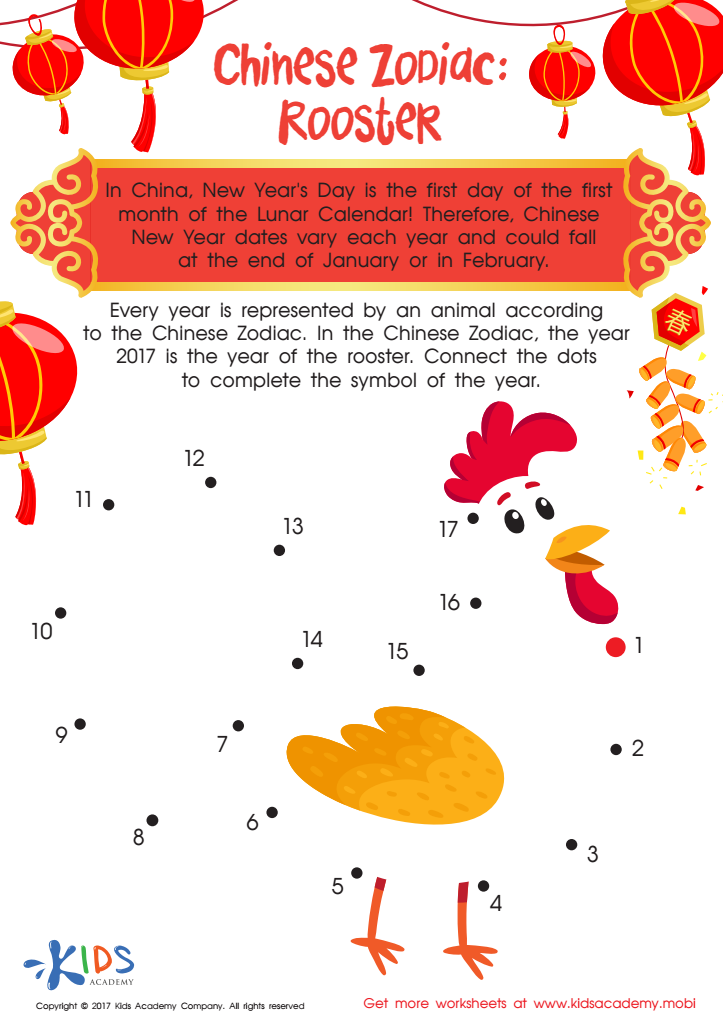
Chinese Zodiac Printable
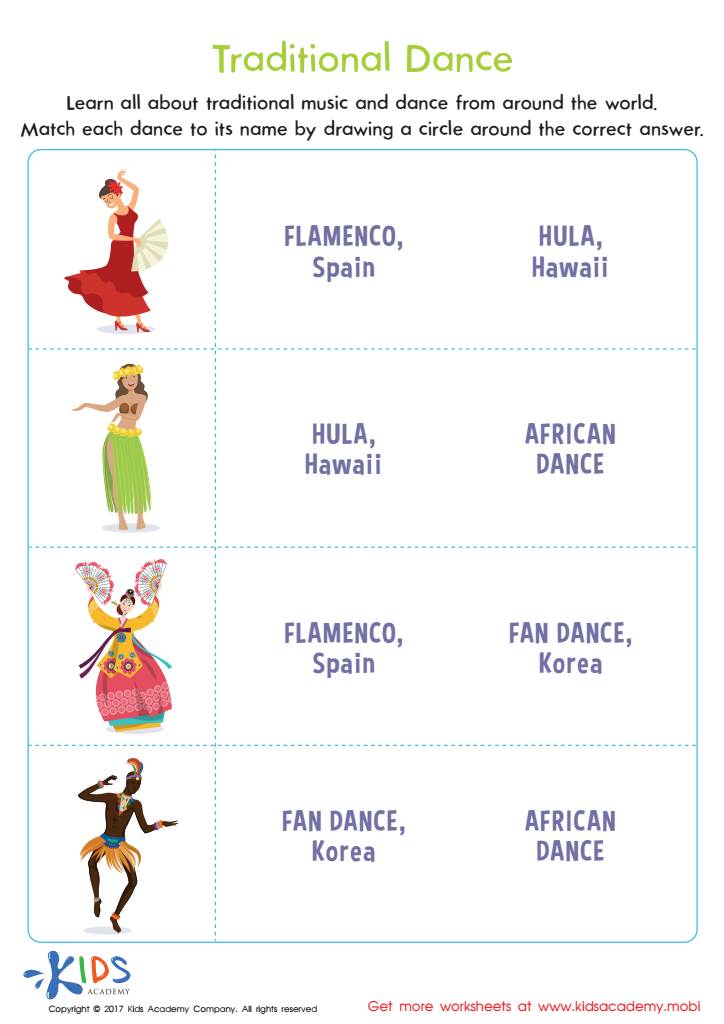
Traditional Dance Printable
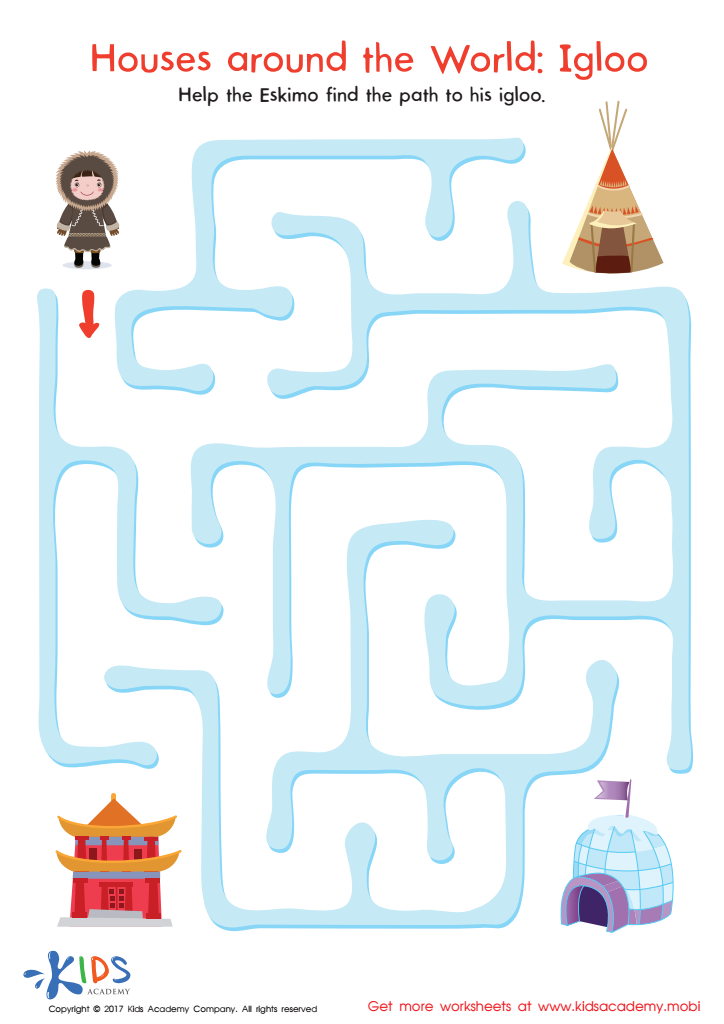
Houses Around the World: Igloo Printable




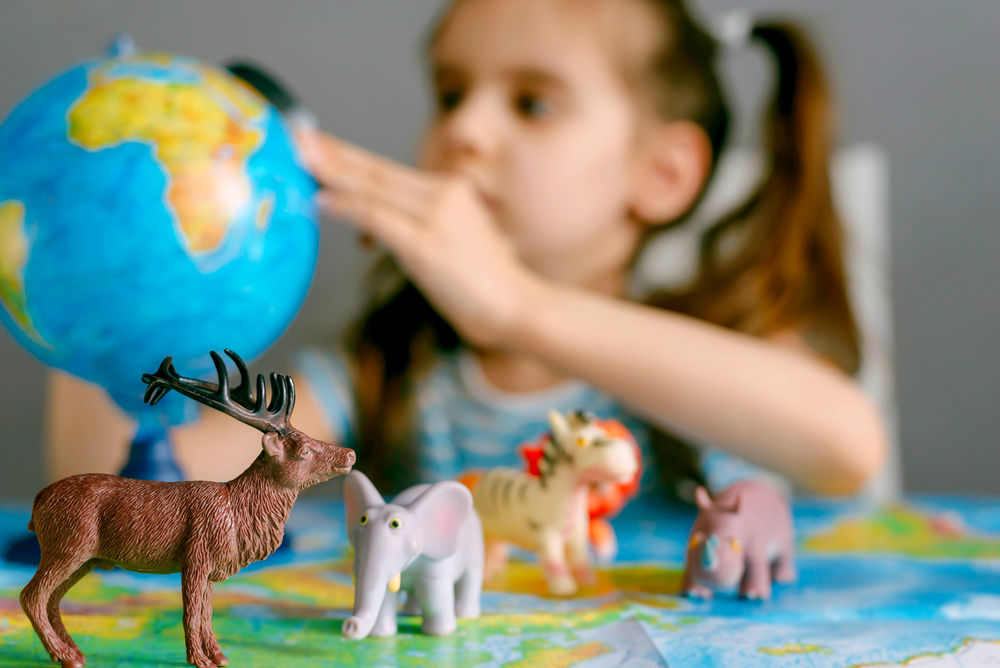


Cultural awareness and geography are crucial subjects for children aged 3-7, as they lay the groundwork for understanding diversity, fostering empathy, and building global citizenship. At this early age, children are naturally curious and open to learning about the world around them. Introducing cultural awareness helps them appreciate different customs, traditions, and lifestyles, promoting a sense of inclusivity and acceptance.
Moreover, learning about geography provides context to these cultural lessons, helping children visualize where different communities exist and how they interact with their environment. It enriches their understanding of the world by incorporating maps, landscapes, and landmarks, making abstract concepts more tangible and engaging.
Teachers and parents play a pivotal role in this formative process. Incorporating culturally relevant materials and activities into their curriculum or daily life makes learning dynamic and relatable. This not only develops critical thinking skills but also equips children with the tools to navigate a multicultural world.
By instilling cultural awareness and geographical knowledge early on, we prepare children to become empathetic, informed individuals who celebrate diversity and understand their role in a global community. Ultimately, it fosters a foundation for lifelong learning and respect for others.








