Spatial awareness Social Studies Worksheets for Ages 3-7
7 filtered results
-
From - To
Discover our engaging Spatial Awareness Social Studies Worksheets, designed specifically for children ages 3 to 7. These interactive resources foster essential spatial skills that enhance understanding of the world around them. Our worksheets encourage kids to explore concepts such as direction, position, and relationships between objects, laying a strong foundation for future learning in geography and social studies. Featuring colorful images and age-appropriate activities, these worksheets keep young learners intrigued and motivated. Perfect for both home and classroom settings, our materials facilitate hands-on learning, promoting critical thinking and problem-solving skills. Download today and watch your child's spatial awareness thrive!
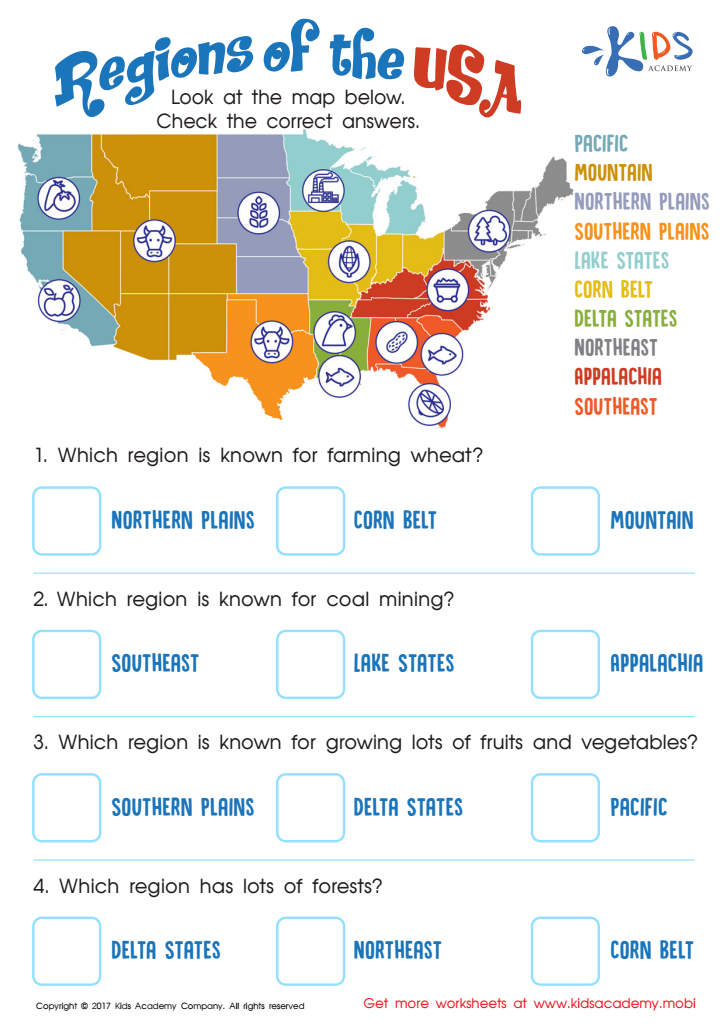
Regions of the USA Worksheet
 Assign to My Students
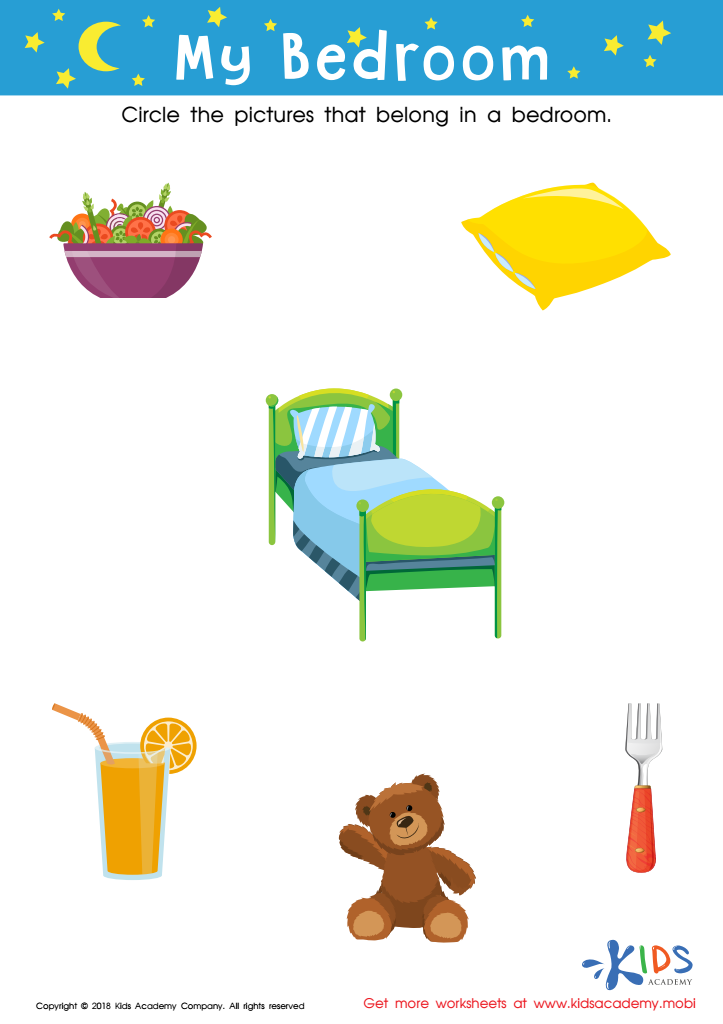
My Bedroom Worksheet
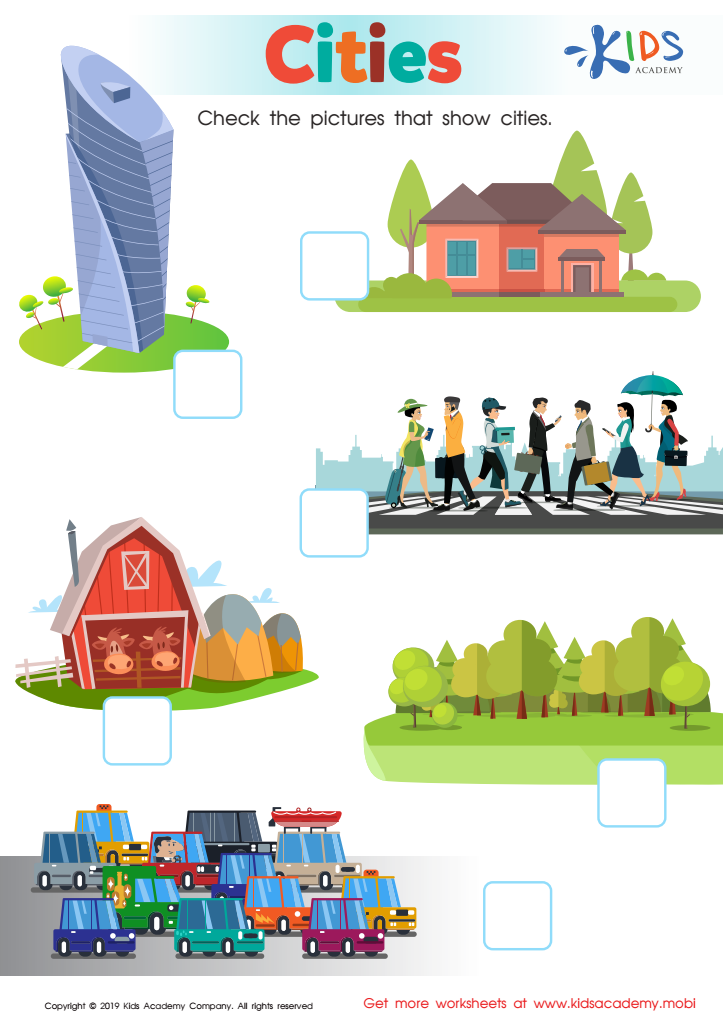
Cities Worksheet
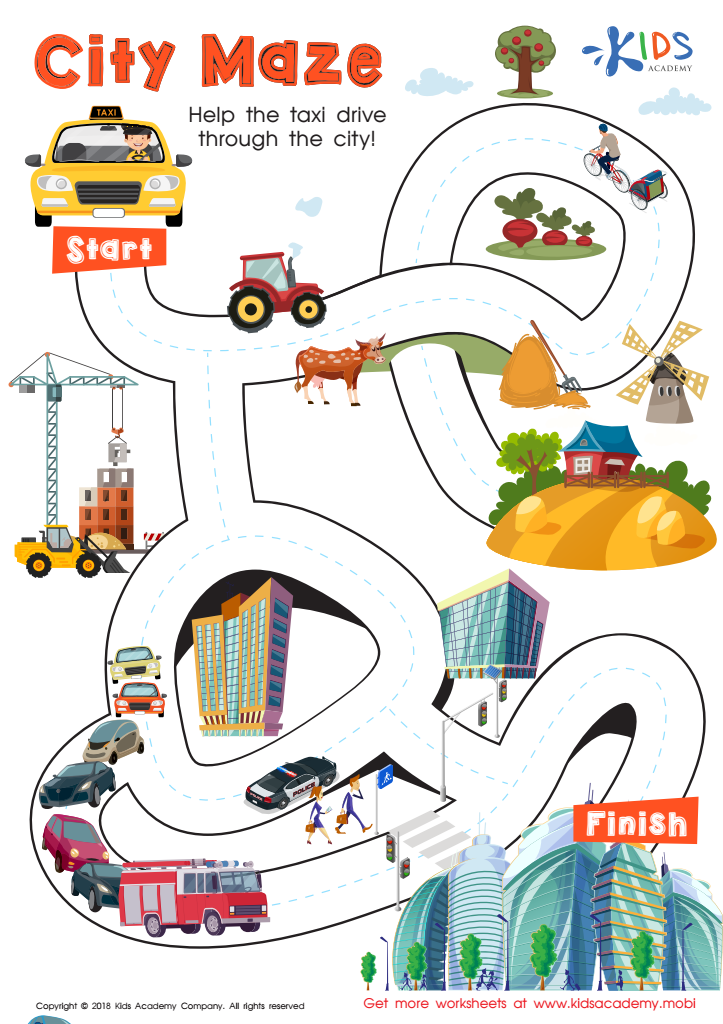
City Maze Worksheet
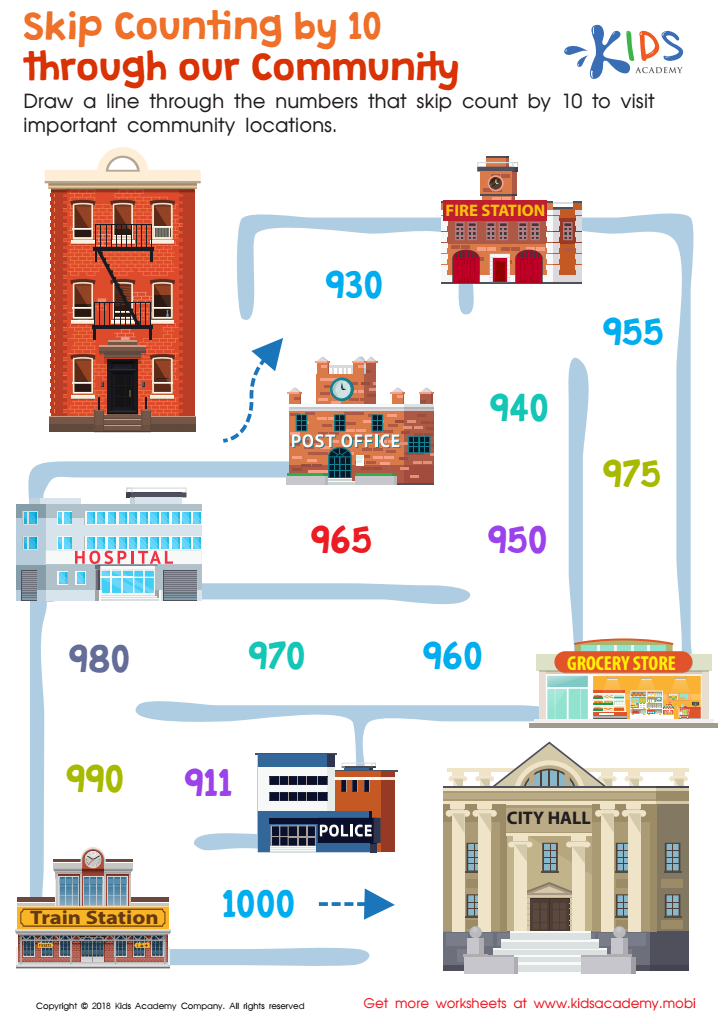
Skip Counting by 10 Through Our Community Worksheet
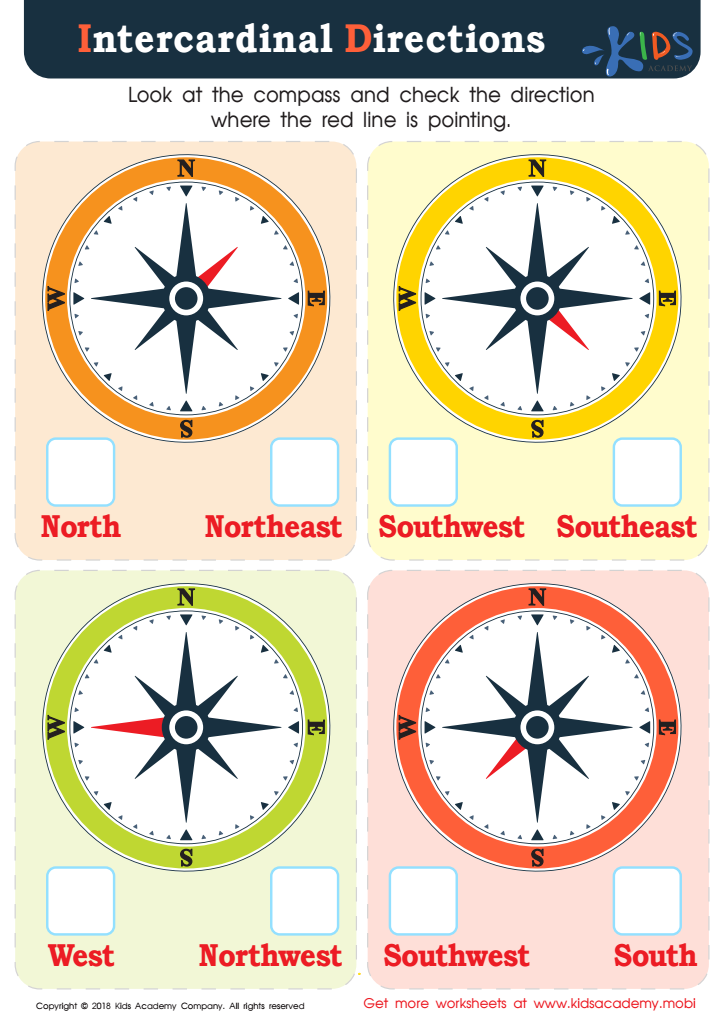
Intercardinal Directions Worksheet
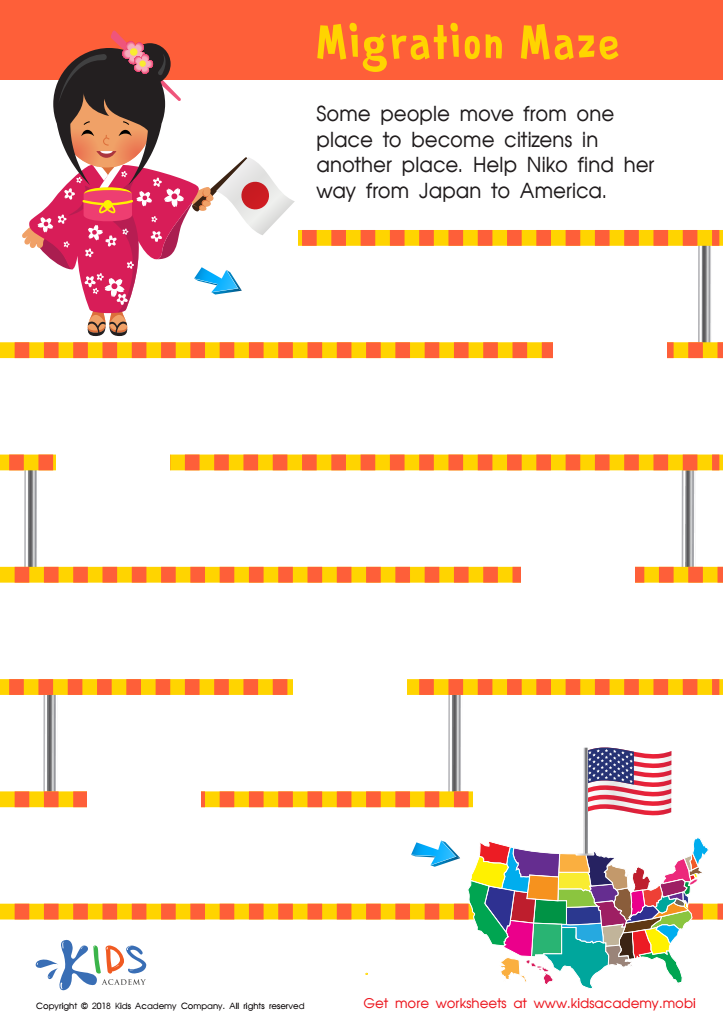
Migration Maze Worksheet


.jpg)




Spatial awareness and understanding social studies are crucial for children aged 3-7 as they form the foundation for cognitive development and social understanding. Spatial awareness involves recognizing how objects relate to each other in space, which is fundamental for skills like navigation, problem-solving, and coordination. Children learn to comprehend maps, directions, and locations, fostering their ability to interact with the environment confidently.
Incorporating social studies at this early age helps children develop an awareness of their community and encounters with diverse cultures, traditions, and values. Understanding their place within a larger social context enables children to cultivate empathy, respect, and a sense of belonging.
By weaving together spatial awareness and social studies, educators and parents help young learners develop critical thinking, communication skills, and a sense of agency. For example, activities like mapping their neighborhood or exploring local history can empower children to use spatial skills while simultaneously learning about their role in society.
Ultimately, fostering these competencies nurtures creativity and collaboration in children, essential traits for thriving in a globalized world. Parents and teachers should prioritize these subjects in early education, recognizing their significant role in holistic child development.