Counting practice World Around Us Worksheets for Ages 3-7
3 filtered results
-
From - To
Explore our engaging Counting Practice worksheets designed for children aged 3-7 in the World Around Us series. These worksheets blend fun and learning, nurturing essential counting skills through colorful illustrations and interactive activities. Designed to enhance both number recognition and basic math skills, they help young learners explore everyday objects and nature while practicing their counting. Ideal for parents and educators, our user-friendly resources are easy to print and integrate into any early education curriculum. Spark your child’s curiosity about the world while building a strong numerical foundation. Dive into counting adventures today with our captivating worksheets!
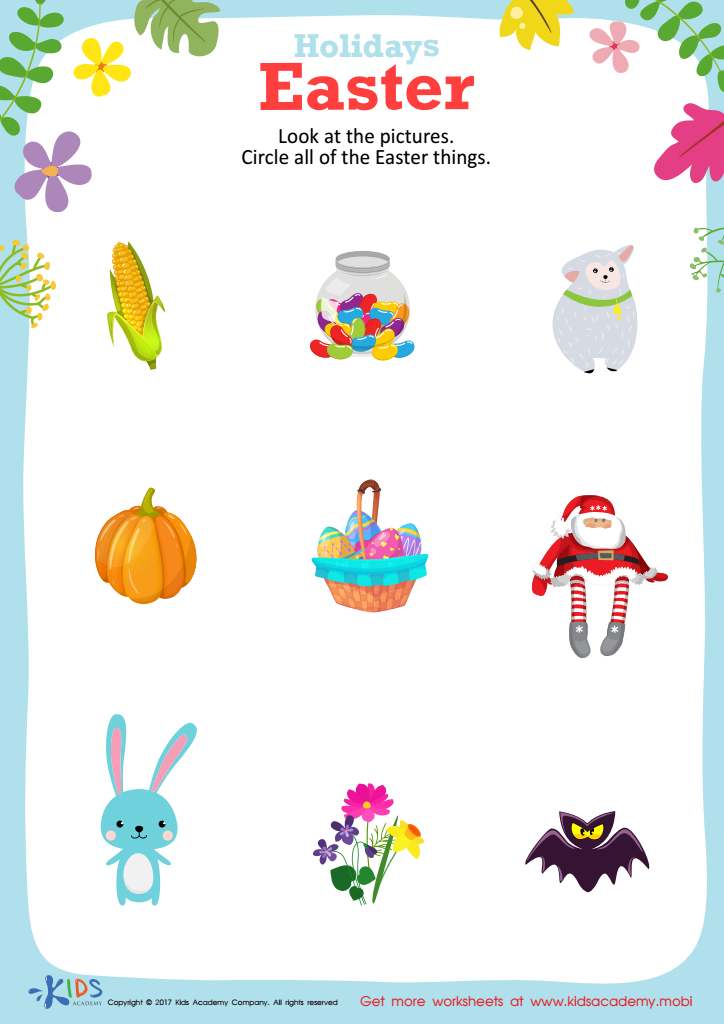
Easter Holiday Printable
 Assign to My Students
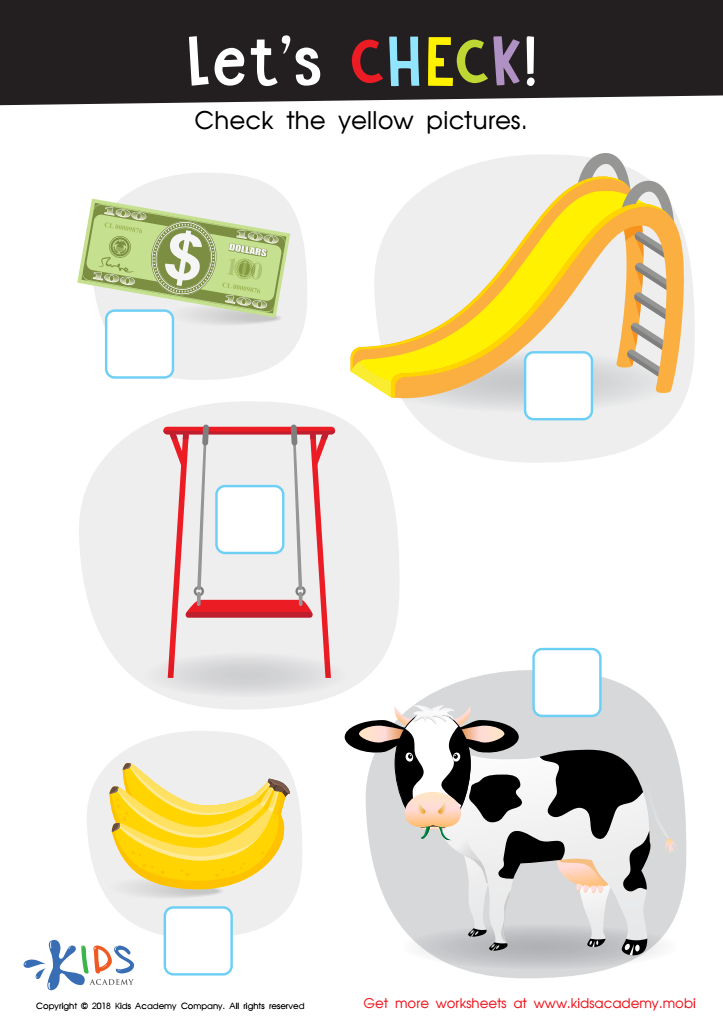
Let's Check! Worksheet







Counting practice in the context of the “World Around Us” is essential for children aged 3-7 because it lays the foundation for their mathematical understanding and cognitive development. At this critical stage, children are naturally curious, and linking counting to familiar surroundings cultivates that curiosity while enhancing learning.
Engaging in counting activities allows children to connect numbers with real-world objects and experiences, promoting better retention and comprehension. For instance, counting leaves on a tree or apples in a basket makes learning interactive and fun. This approach also encourages cognitive skills such as problem-solving, recognition of patterns, and logical thinking.
Additionally, counting can aid in language development as children learn to verbalize their thoughts mathematically. Teachers and parents fostering this practice are not just teaching numbers; they are nurturing a child's ability to explore and understand their environment. In these formative years, early counting experiences can significantly impact later academic success. Ultimately, involving children in counting activities related to the world around them enriches their learning experience, making it relevant and enjoyable, while also laying a crucial groundwork for their future mathematical skills.