Filters

7 filtered results

Clear all filters
Favorites
With answer key
Interactive

7 filtered results

Difficulty Level

Grade


Discover our engaging Reading Comprehension Community Worksheets designed specifically for children ages 3 to 7! These worksheets focus on developing essential reading skills through fun and interactive activities related to community themes. Each resource helps young learners improve their ability to understand texts, draw connections, and express their thoughts. With vibrant illustrations and age-appropriate content, these worksheets encourage exploration of the world around them while fostering a love for reading. Ideal for parents and educators, our worksheets provide a solid foundation for literacy development. Start your child's exciting reading journey today with our comprehensive and enjoyable materials!

Check out this FREE Trial Lesson on Community for age 3-7!

Doctors & Nurses

Favorites
With answer key
Interactive
  • 3-7
  • Reading comprehension
  • Community
Feelings and emotions worksheet

Feelings and Emotions Worksheet

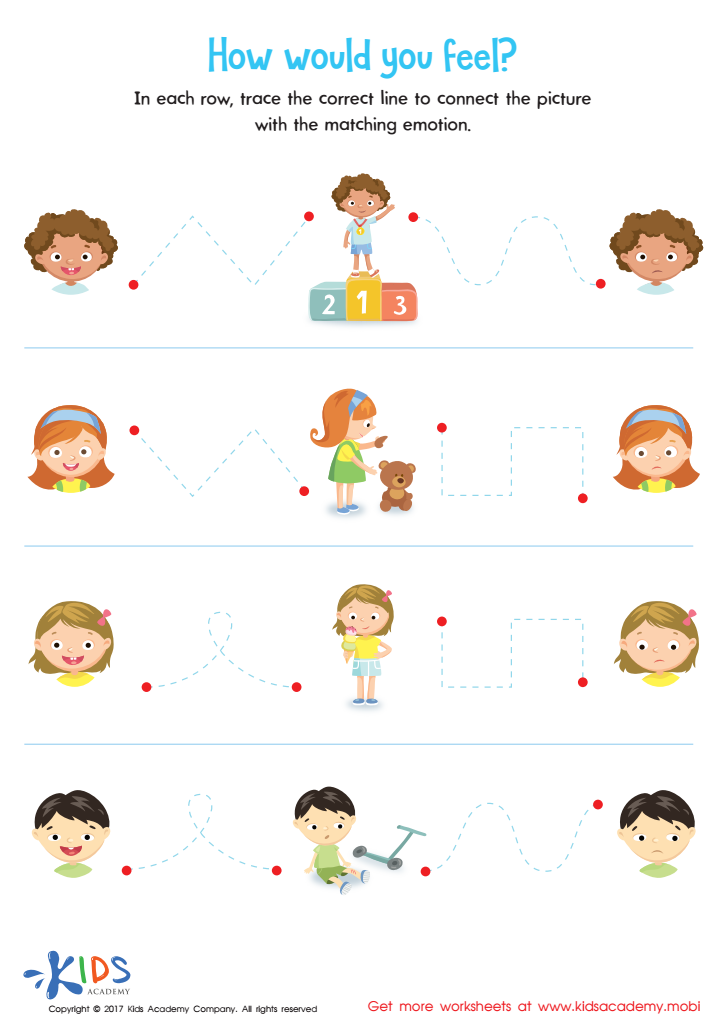
Kids must learn how to deal with situations and handle their own emotions. This worksheet helps them practice empathy and resilience, making them more self-aware and confident. It also helps them to relate their life experiences to common disappointments and develop coping mechanisms.
Feelings and Emotions Worksheet
Worksheet
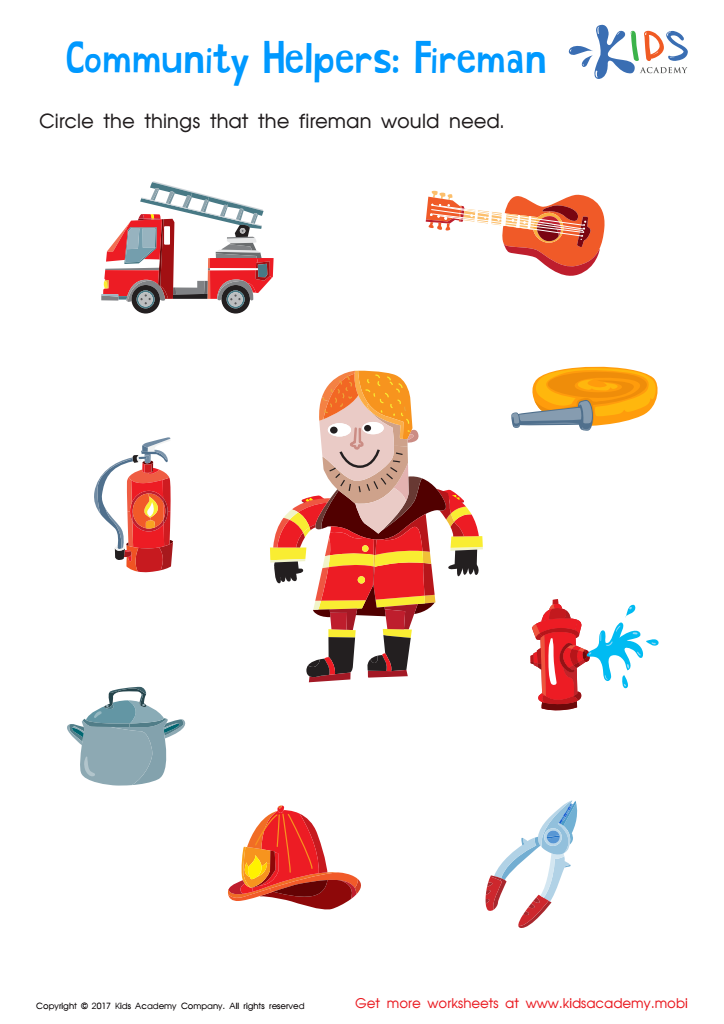
Community Helpers Fireman

Fireman Worksheet

Kids love firemen and their big fire engines! Inspire your child to learn about their duties with this fun fireman worksheet. It'll help your child understand the role of firemen, as well as develop matching and problem solving skills. Get your kid started on understanding a key role in society and have fun too!
Fireman Worksheet
Worksheet
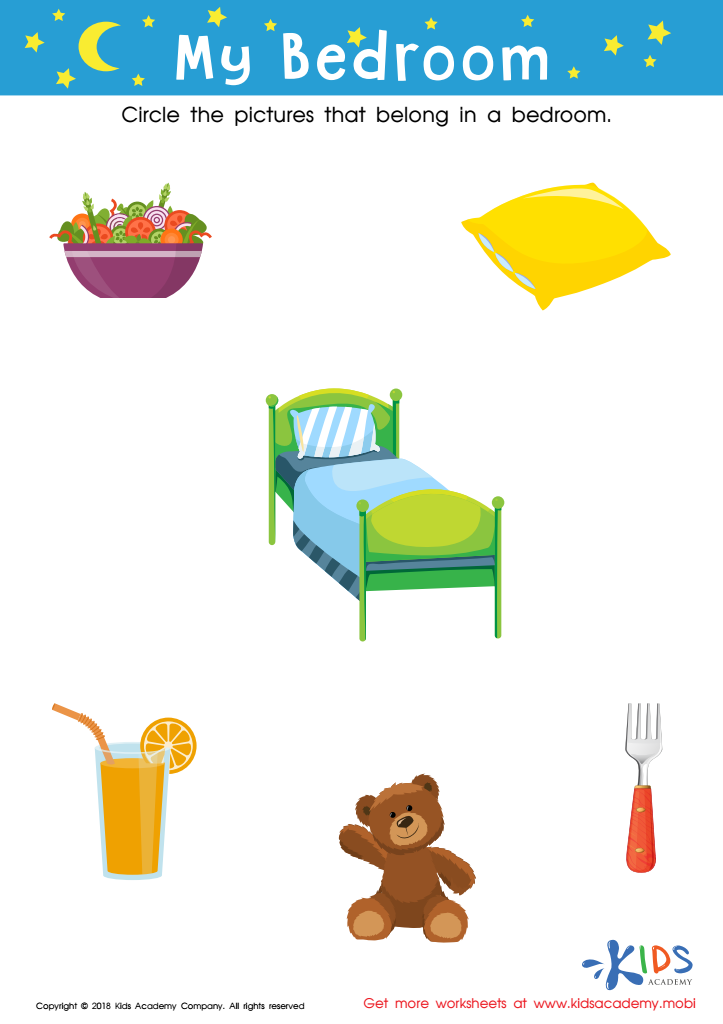
My Bedroom Worksheet

My Bedroom Worksheet

Your child's room is their special space, where only a few are allowed in. You may have let them choose some special decorations, like wall stickers and toys. This exercise will be easy for your child, as they know their bedroom well. Ask them to circle the pictures that belong in a bedroom.
My Bedroom Worksheet
Worksheet
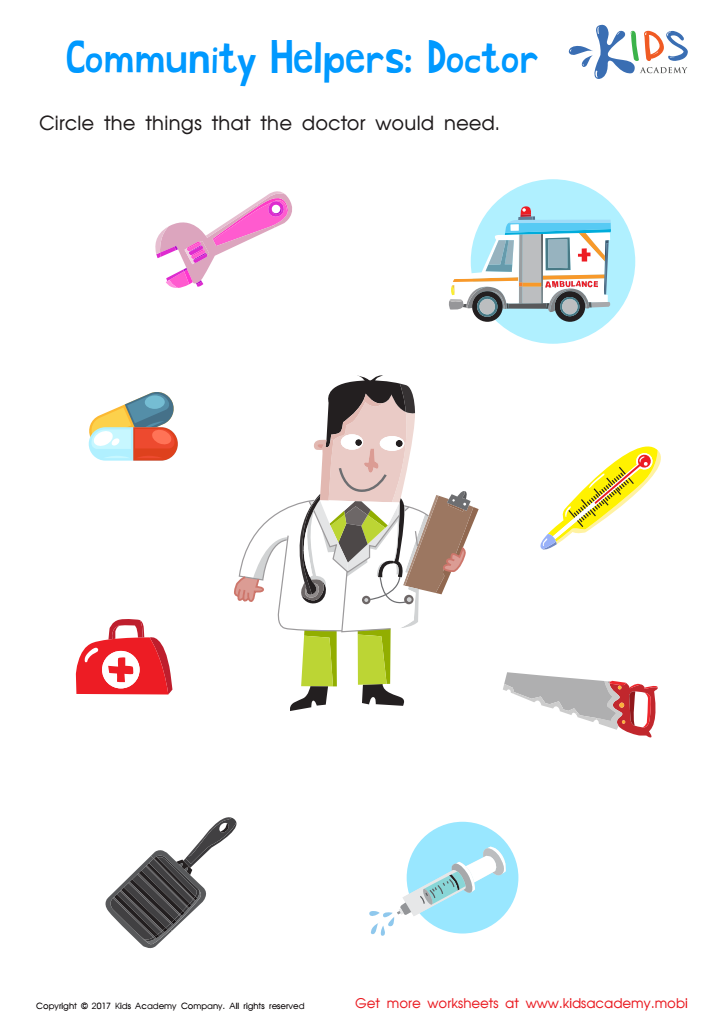
Community Helpers Doctor

Doctor Community Helpers Worksheet

Doctor Community Helpers Worksheet
Worksheet
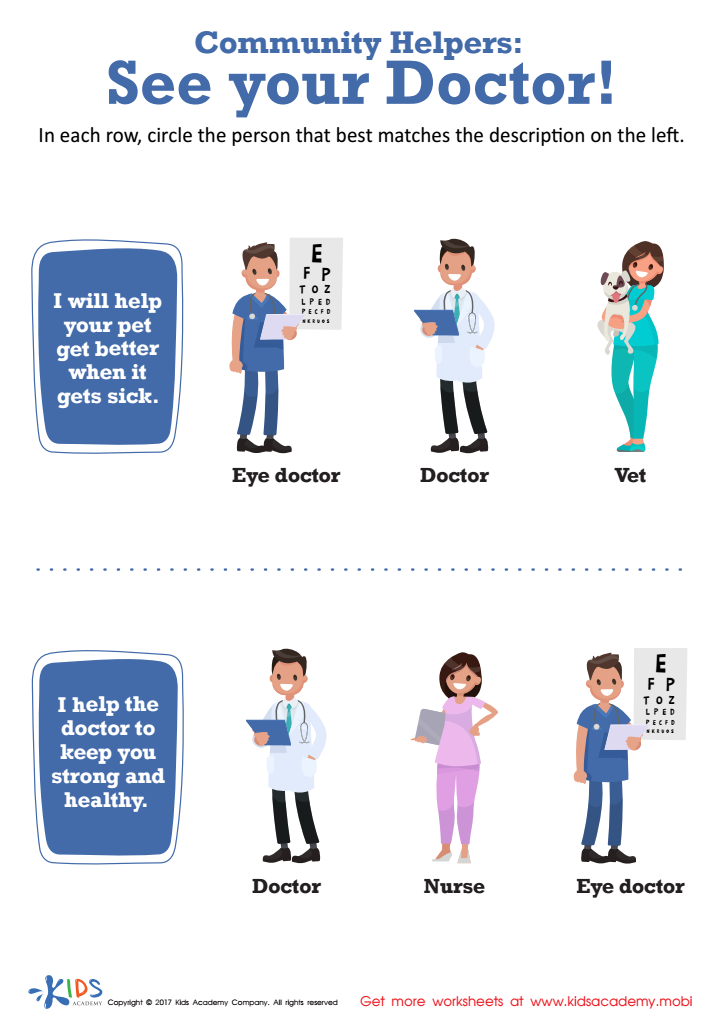
See Your Doctor Worksheet

See Your Doctor (Part 2) Printable
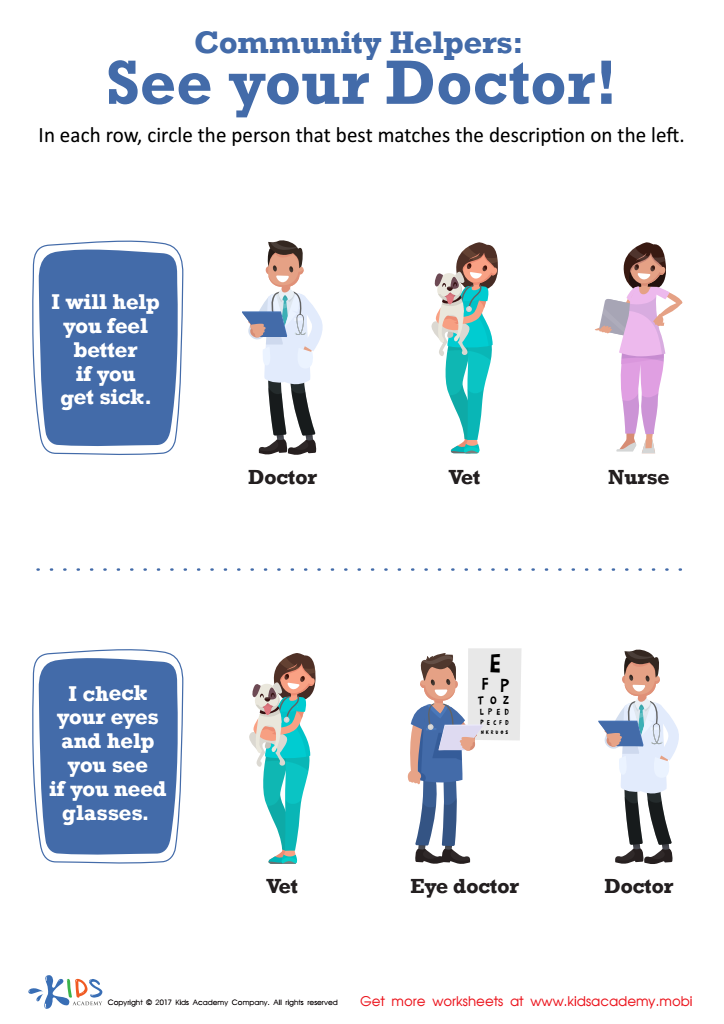
Nurses, vets and eye doctors fulfill important needs in our communities. With this worksheet, your child can recognize and classify different types of doctors and explore potential interests. Learn more about the people in our community, and start a conversation about potential interests. A great way to make your child think about different types of doctors!
See Your Doctor (Part 2) Printable
Worksheet
See Your Doctor Worksheet

See Your Doctor (Part 1) Printable

Your child may be scared of doctors, but this worksheet can help them appreciate them. It teaches about different types of doctors and helps them understand more about their community. Learning about different professions is a great way to discover potential interests, so let's get started with community helpers!
See Your Doctor (Part 1) Printable
Worksheet
Community Helpers Printable Worksheet

Learn about Community Helpers Printable

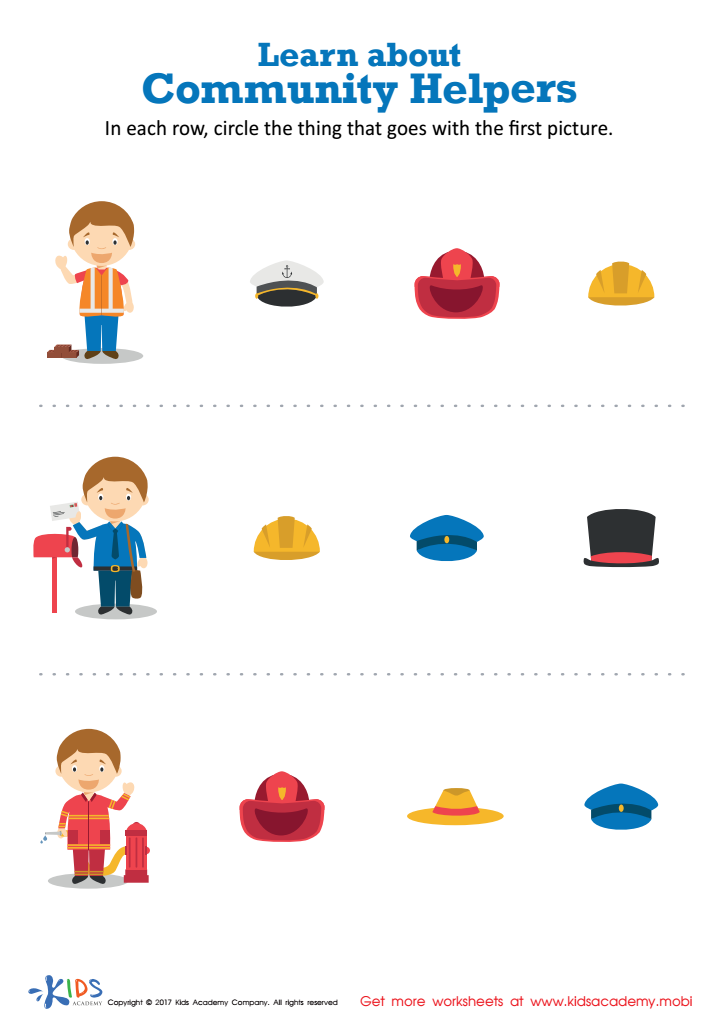
Introduce your little one to the amazing and hard-working people in the community with this free worksheet. It will help them use matching and observational skills to match the correct hat to its worker and recognize community helpers. Perfect for early learners, this worksheet uses familiar images to help them gain a deeper appreciation for their community helpers!
Learn about Community Helpers Printable

Worksheet


Parents and teachers should prioritize reading comprehension in children aged 3-7 because it lays the foundation for lifelong learning and academic success. During early childhood, children develop critical thinking and language skills that are essential for understanding texts. Engaging with a Reading Comprehension Community can enhance these skills in several ways.

Firstly, such communities provide access to a variety of age-appropriate resources, including books, activities, and games that stimulate language development and comprehension skills. These resources help children learn to make predictions, infer meanings, and summarize stories, fostering a love for reading.

Secondly, participating in a community encourages collaborative learning, where parents, educators, and children can share insights and strategies. This collaboration nurtures an environment where children feel supported and are more motivated to engage with texts.

Moreover, discussions in a reading community help parents and teachers understand how to understand reading behaviors uniquely for each child, catering to diverse learning styles and needs. Ultimately, a strong comprehension foundation not only enriches a child’s academic journey but also promotes critical life skills, such as effective communication and problem-solving, essential for future challenges. Investing in this early stage is crucial for cultivating confident and competent learners.