Color Identification Writing Worksheets for Ages 3-7
3 filtered results
-
From - To
Enhance your child's understanding of colors with our engaging Color Identification Writing Worksheets, designed for ages 3 to 7. These worksheets provide a fun and interactive way for young learners to recognize and practice writing color names, reinforcing their color vocabulary in an entertaining format. Each sheet features colorful illustrations that captivate children’s attention while promoting fine motor skills through tracing and writing exercises. Perfect for at-home learning or classroom activities, our resources support early literacy development and help children make connections between colors and the world around them. Dive into a colorful learning adventure and spark your child's creativity today!
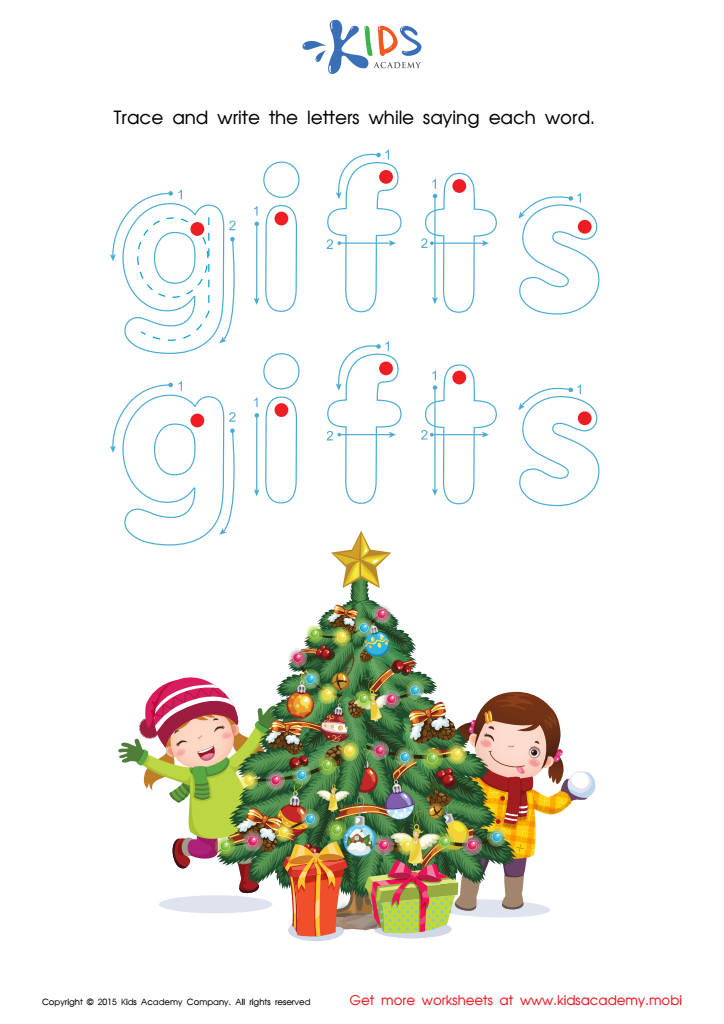
Christmas Tree Tracing Winter Words Worksheet
 Assign to My Students
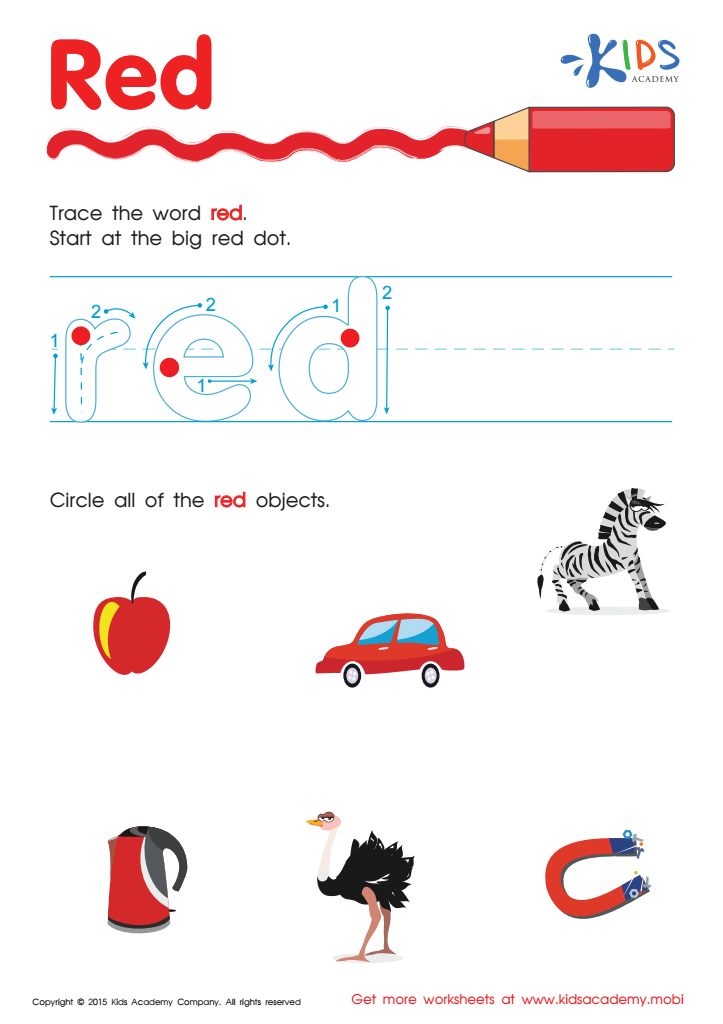
Red Tracing Color Words Printable
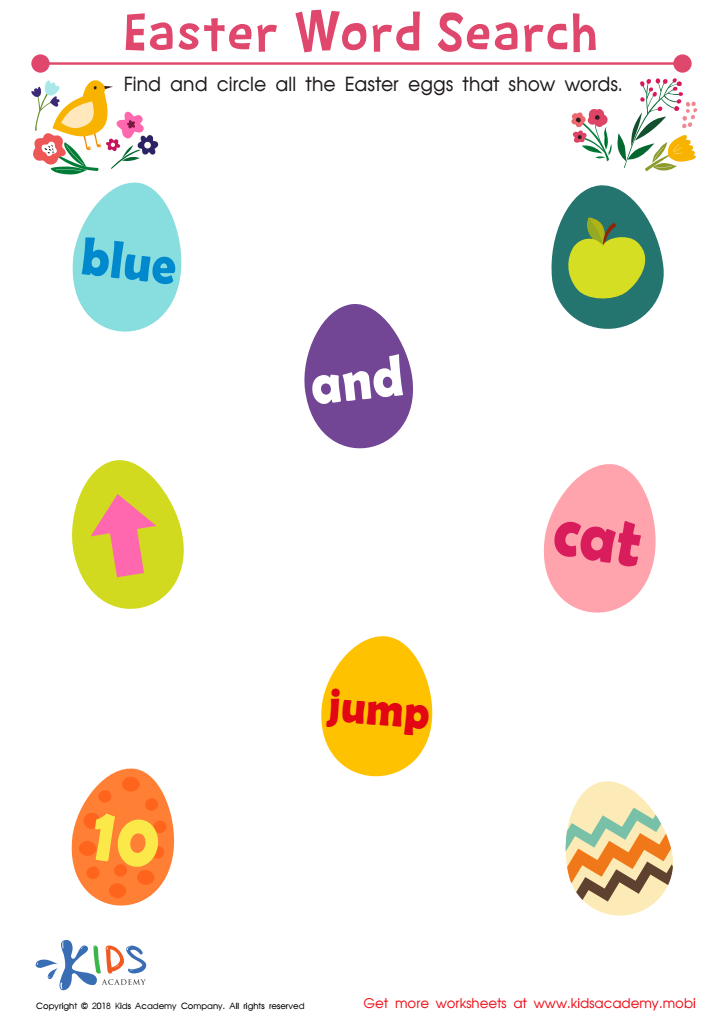
Easter Word Search Worksheet



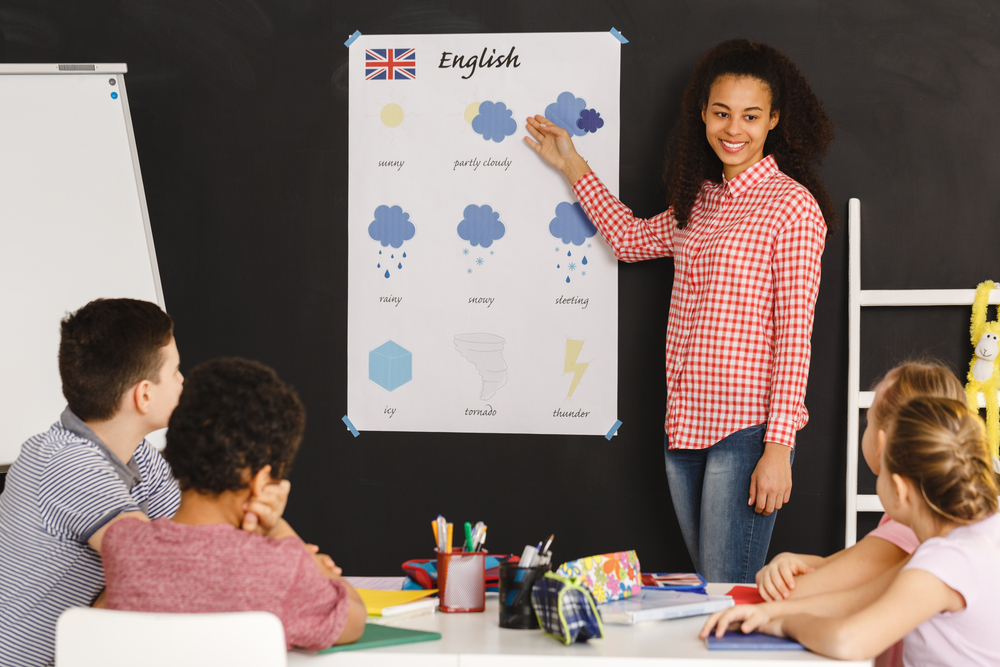




Color identification is a fundamental skill that significantly impacts early childhood development. For children aged 3-7, recognizing and naming colors is not just about art or play; it lays the groundwork for cognitive, language, and social skills.
Firstly, color identification enhances cognitive development as children learn to categorize and differentiate between objects. This skill is essential for later understanding complex concepts in math and science. Secondly, it boosts language development; as children learn color names, they expand their vocabulary and improve their communication skills. Practicing color identification fosters conversations between parents, teachers, and children, deepening relational bonds.
Moreover, engaging in color-related activities can promote social skills. Group games or projects centered around colors encourage teamwork, turn-taking, and sharing, essential aspects of social interaction at this age.
Additionally, mastering color identification helps with emotional expression—children often use colors to convey feelings, enabling them to articulate their emotions more effectively. This interplay between color and expression is crucial for their social-emotional development.
In summary, fostering color identification in early learners offers a multifaceted approach to their growth, supporting cognitive, language, social, and emotional skills, making it a vital area of focus for parents and teachers alike.








