Improving vocabulary Writing Worksheets for Ages 3-7
5 filtered results
-
From - To
Discover our engaging "Improving Vocabulary Writing Worksheets" designed specifically for children ages 3 to 7! These worksheets are perfect for enhancing young learners' vocabulary and writing skills through fun and interactive activities. Each worksheet features colorful illustrations and exciting prompts that encourage creativity and exploration. As kids practice selecting the right words to complete sentences, they build confidence in their language abilities. Perfect for home or classroom use, our resources cater to various learning styles, making vocabulary building enjoyable. Give your child the tools to express themselves effectively and watch their language skills flourish with our thoughtfully crafted worksheets!
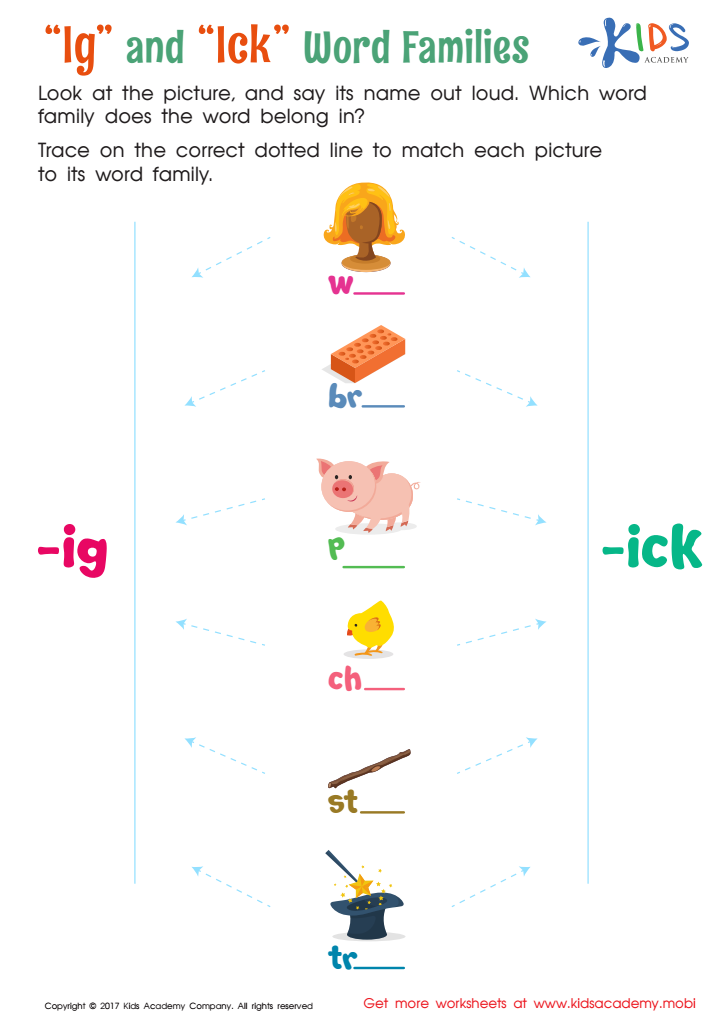
Words Families "ig" and "ick" Spelling Worksheet
 Assign to My Students
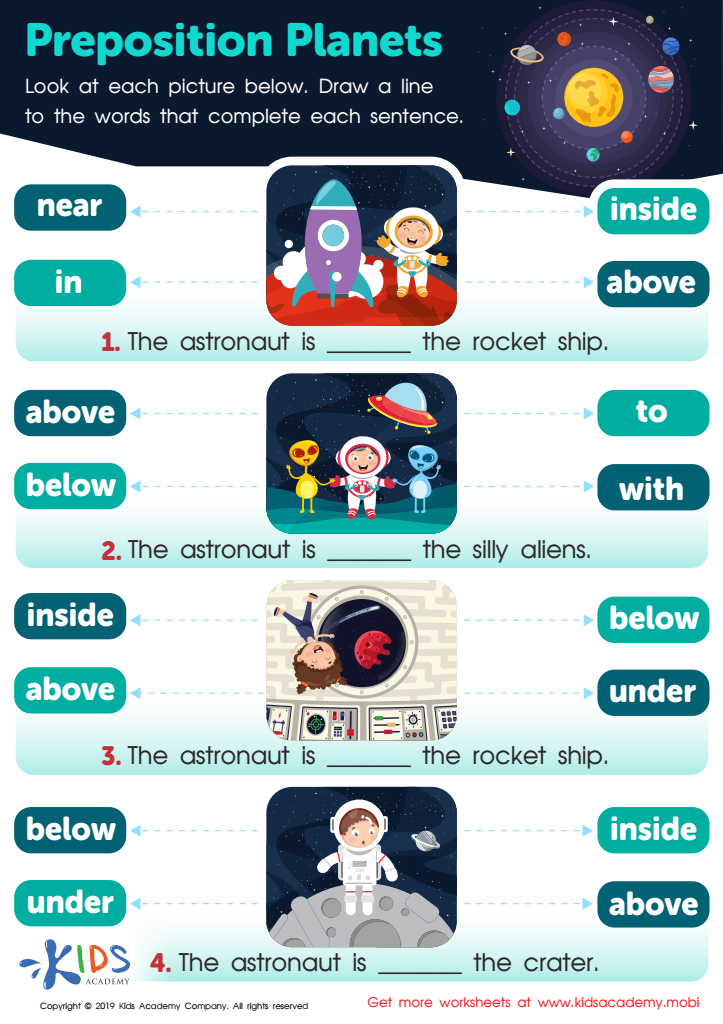
Preposition Planets Worksheet
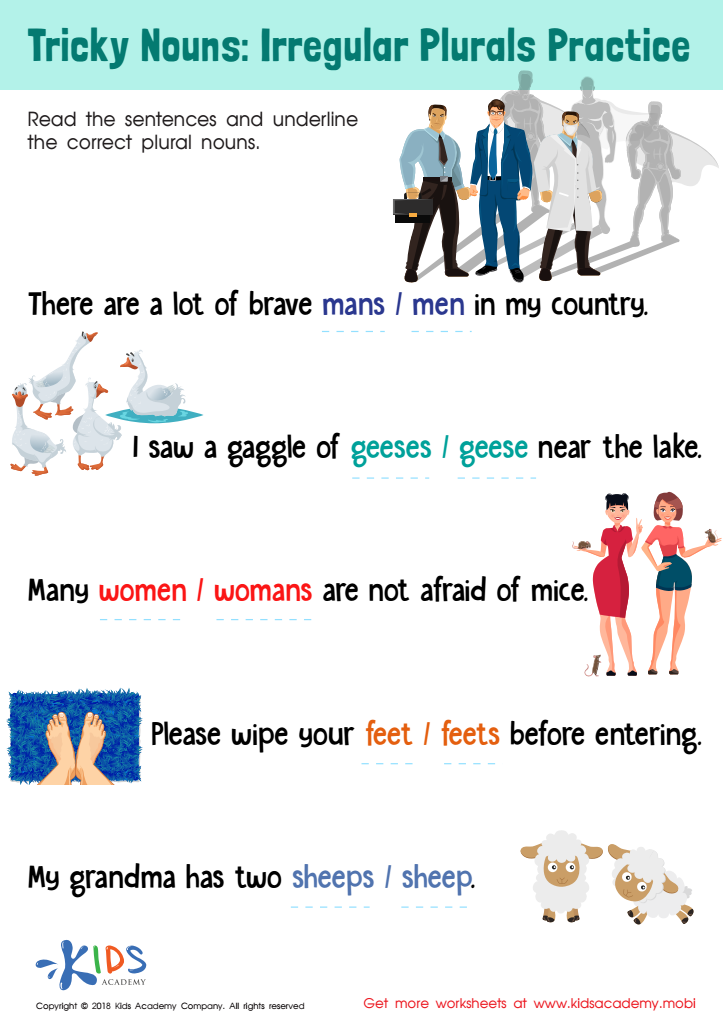
Tricky Nouns: Irregular Plurals Practice Worksheet
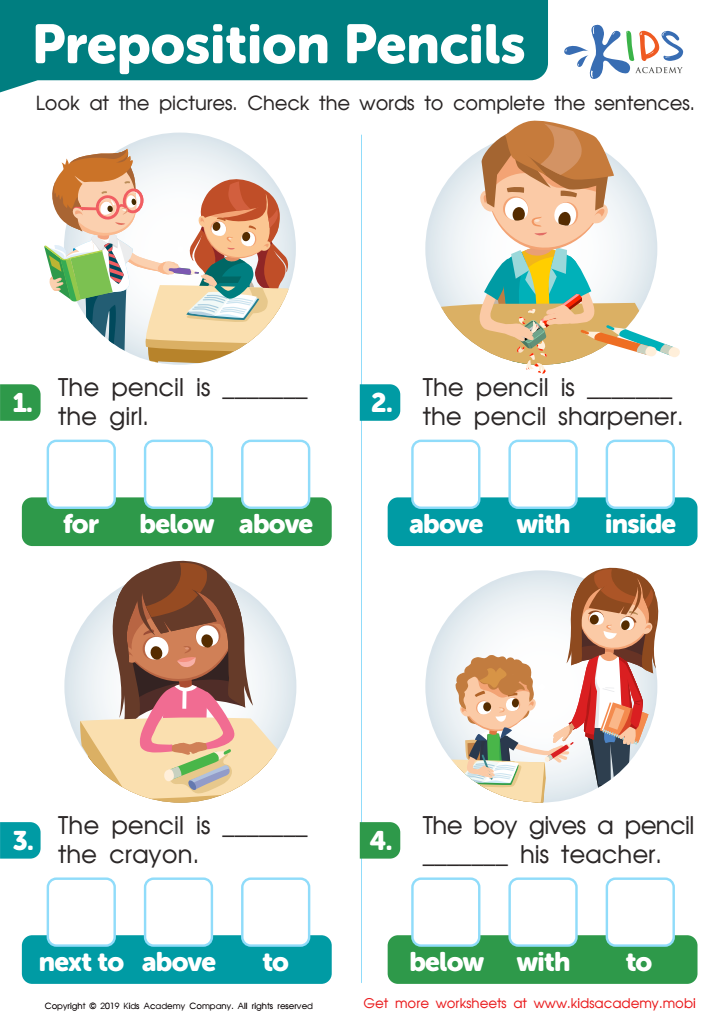
Preposition Pencils Worksheet
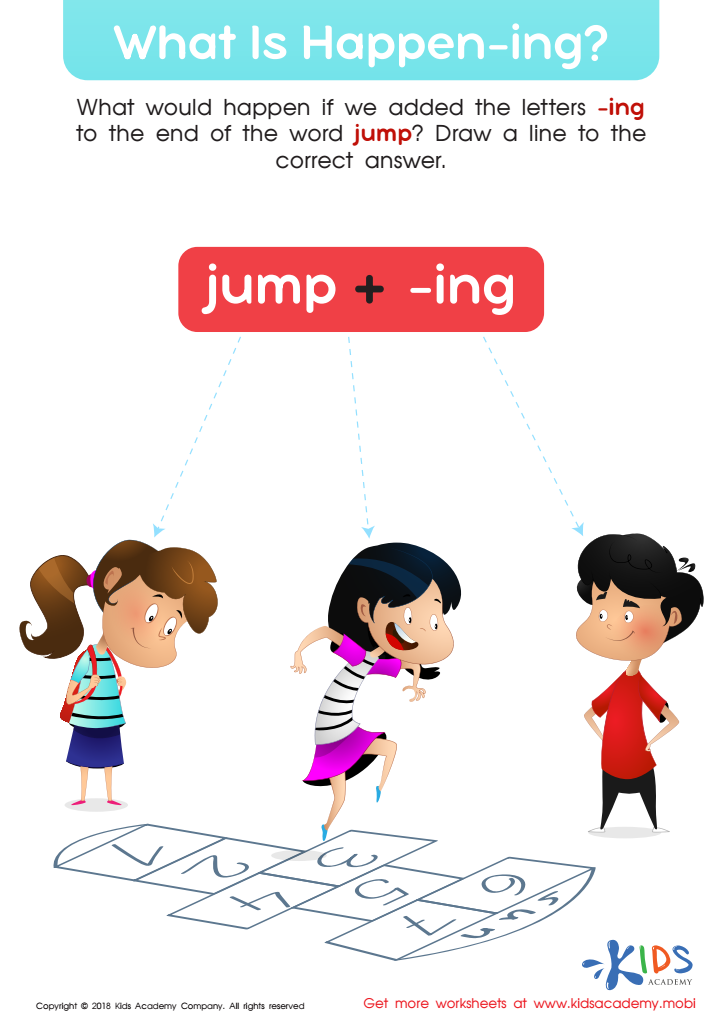
What Is Happen-Ing? Worksheet




.jpg)
.jpg)

Improving vocabulary and writing skills for children aged 3-7 is vital for their cognitive and social development. At this age, children are in a critical phase of language acquisition, and an enriched vocabulary enhances their ability to express thoughts, feelings, and ideas. Parents and teachers should care about this development because a robust vocabulary lays the foundation for reading comprehension and academic success later in life.
A solid vocabulary also cultivates critical thinking skills, allowing children to articulate their understanding and engage in meaningful conversations. This engagement fosters confidence and encourages a love for reading and writing—a pivotal step in lifelong learning.
Moreover, expanding vocabulary contributes to social skills, as children learn to communicate effectively with peers and adults. This can lead to improved relationships and collaboration skills. Engaging in vocabulary-building activities—like storytelling, singing, or interactive games—supports not just language skills, but also strengthens bonds between children and their caregivers.
Ultimately, investing in vocabulary and writing skills during these formative years sets the stage for future academic achievement and personal growth, making it a priority for both parents and educators to ensure children thrive in their learning journey.








