Phonics practice Alphabet Worksheets for Ages 3-8
19 filtered results
-
From - To
Discover a fun and effective way to enhance early literacy skills with our Phonics Practice Alphabet Worksheets designed for ages 3-8. These engaging, colorful printables help young learners recognize letters, understand letter sounds, and improve their reading and writing abilities. Our expertly crafted worksheets encourage hands-on practice, making phonics learning an enjoyable adventure. Suitable for both classroom and home use, they support educators and parents in laying a strong foundation for spelling and phonemic awareness. Head over to our Kids Academy website to access these invaluable resources and transform phonics practice into a delightful experience!
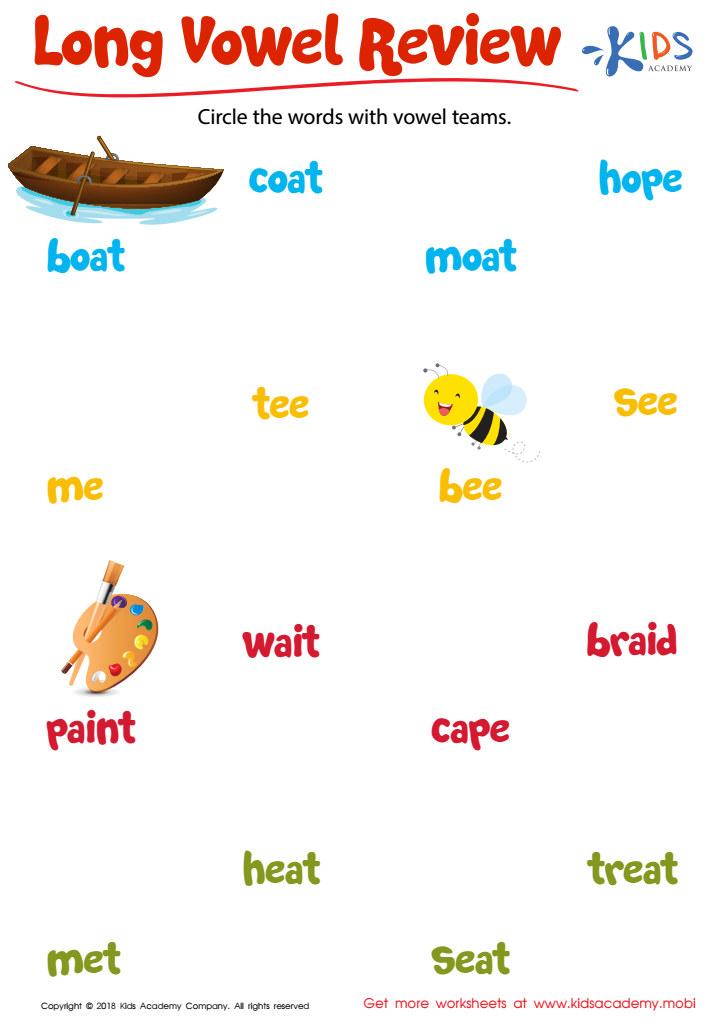
Long Vowel Review Worksheet
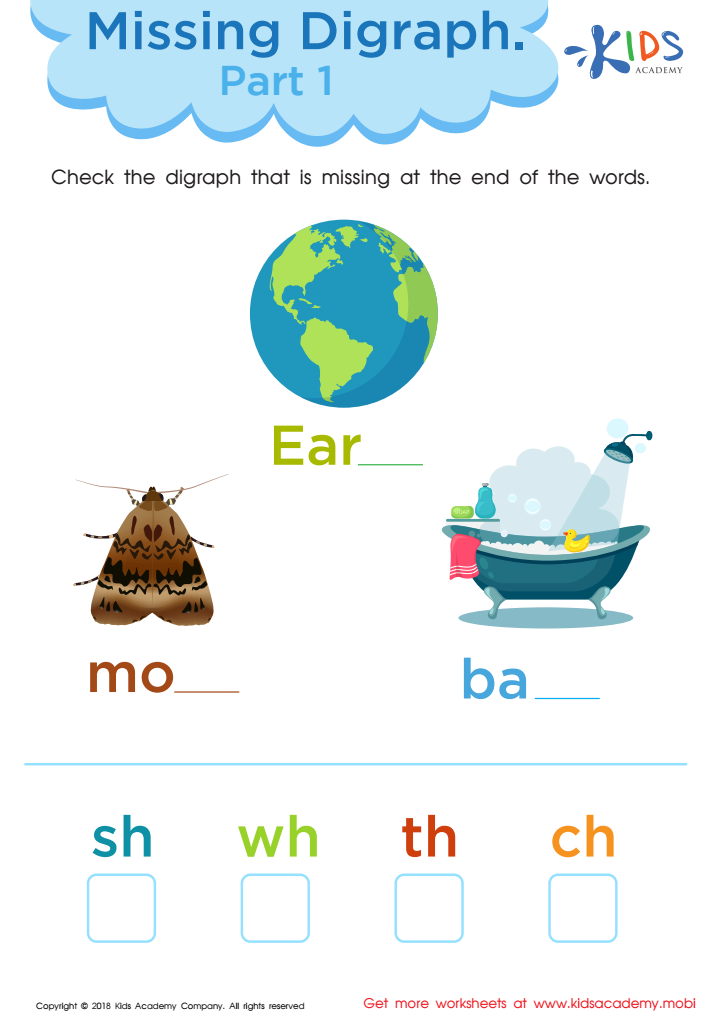
Missing Digraph: Part 1 Worksheet
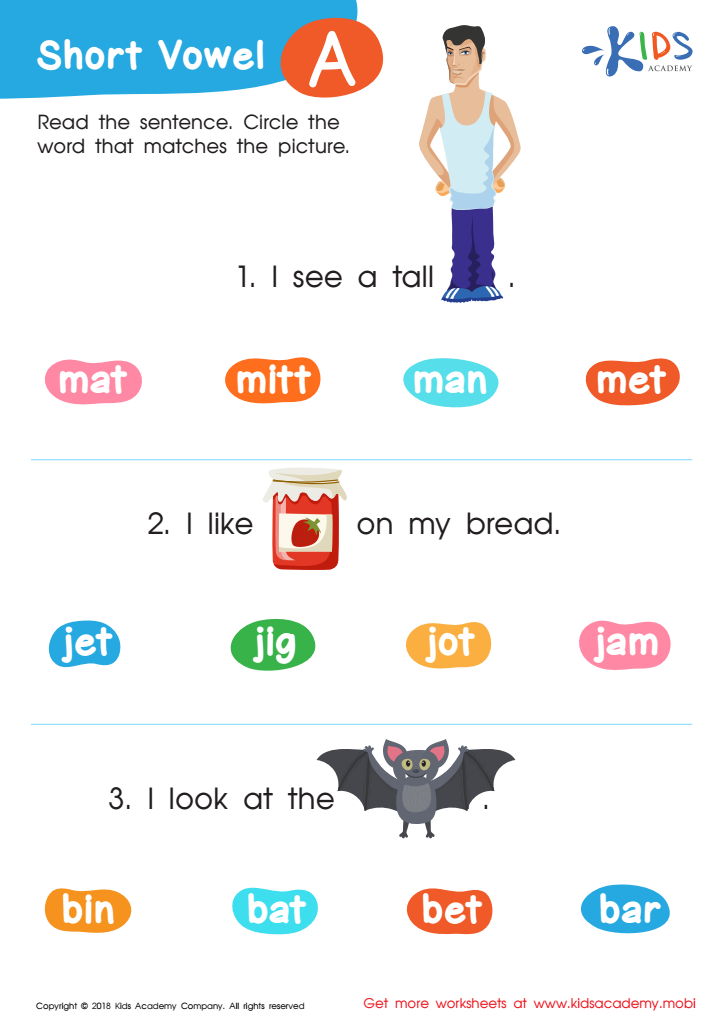
Short Vowel /a/ Worksheet
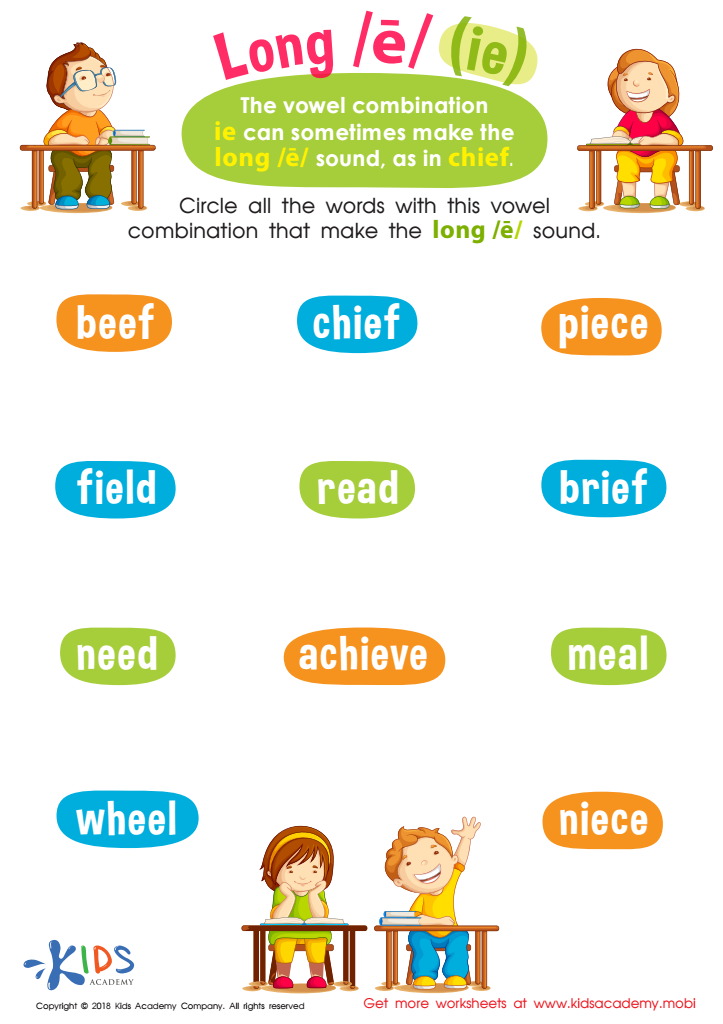
Reading: Long E and IE Worksheet
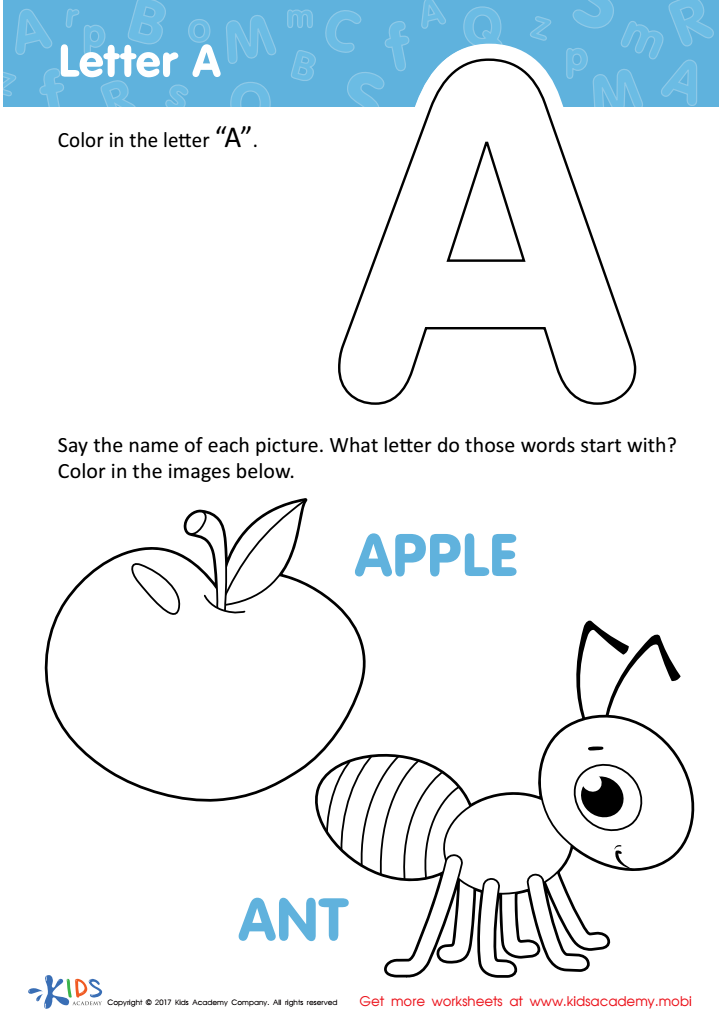
Letter A Coloring Sheet
 Assign to My Students
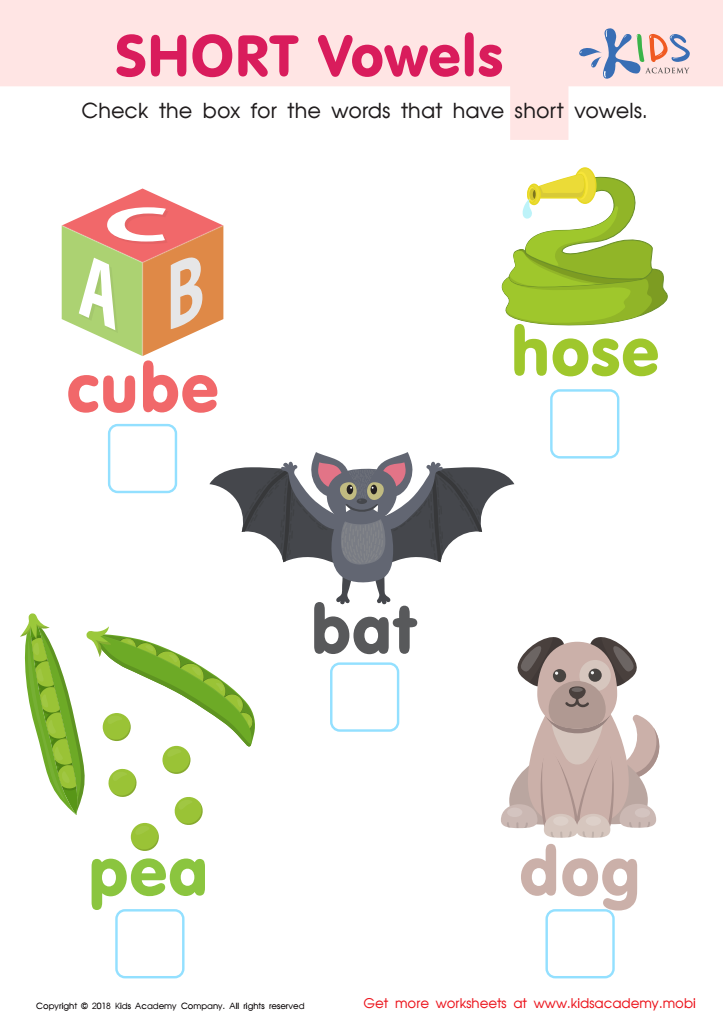
short vowels Worksheet
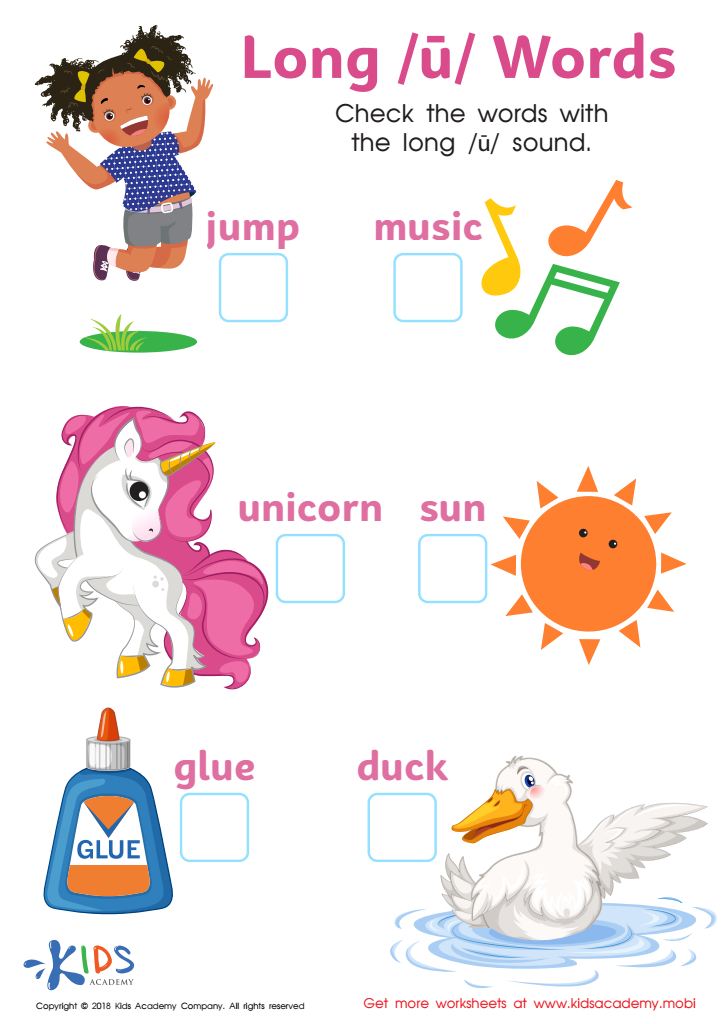
Long U Words Reading Worksheet
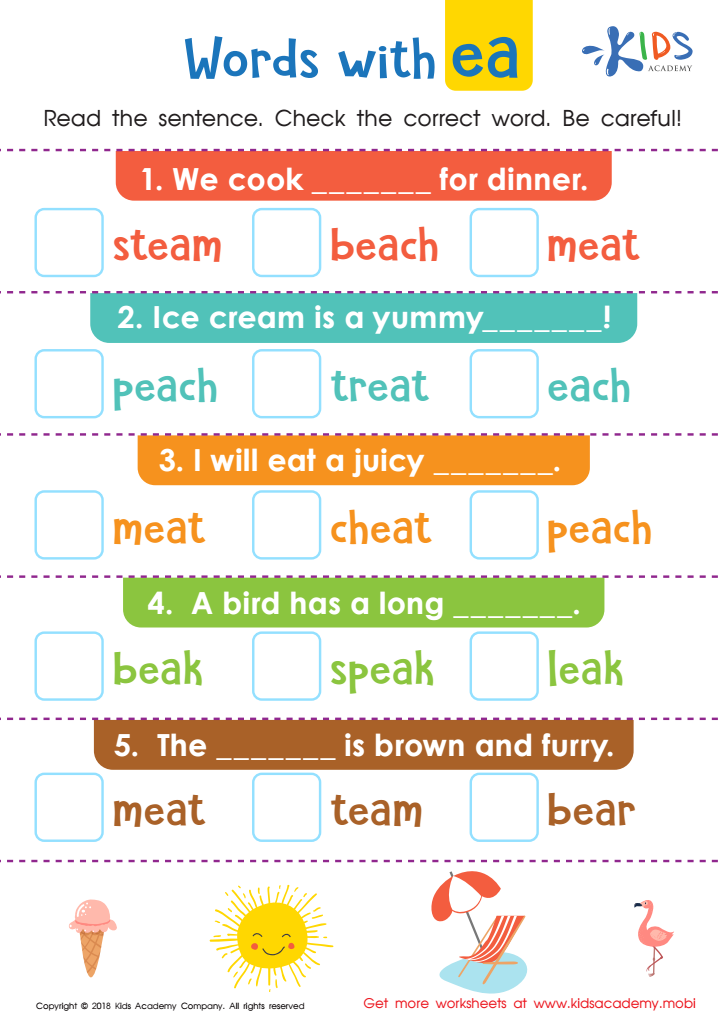
Words with ea Worksheet
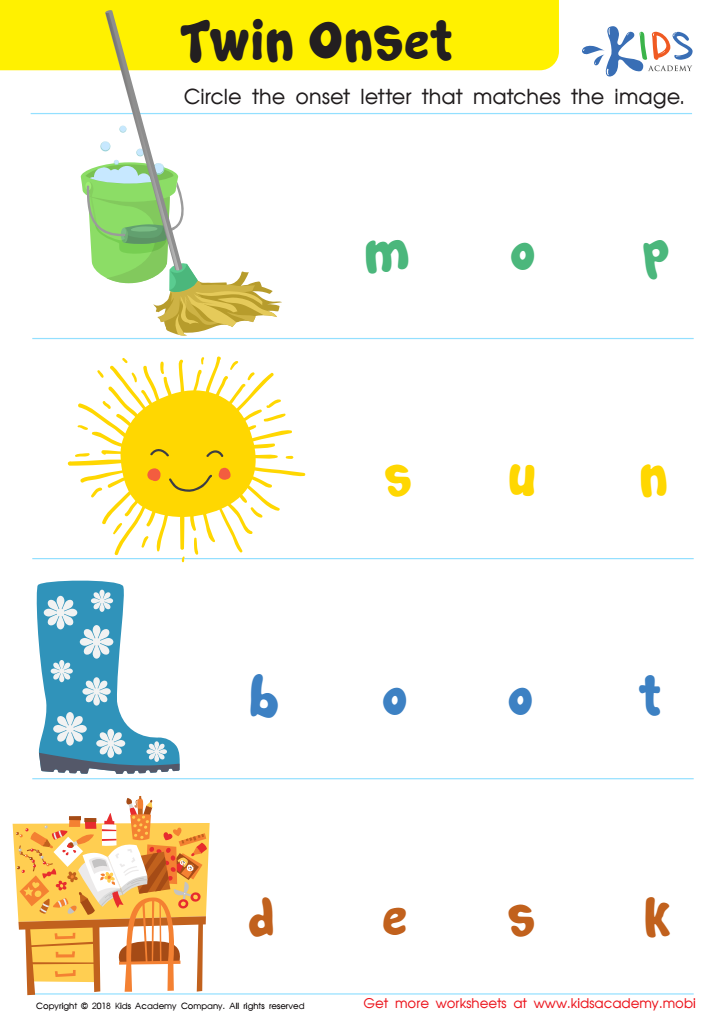
Twin Onset Worksheet
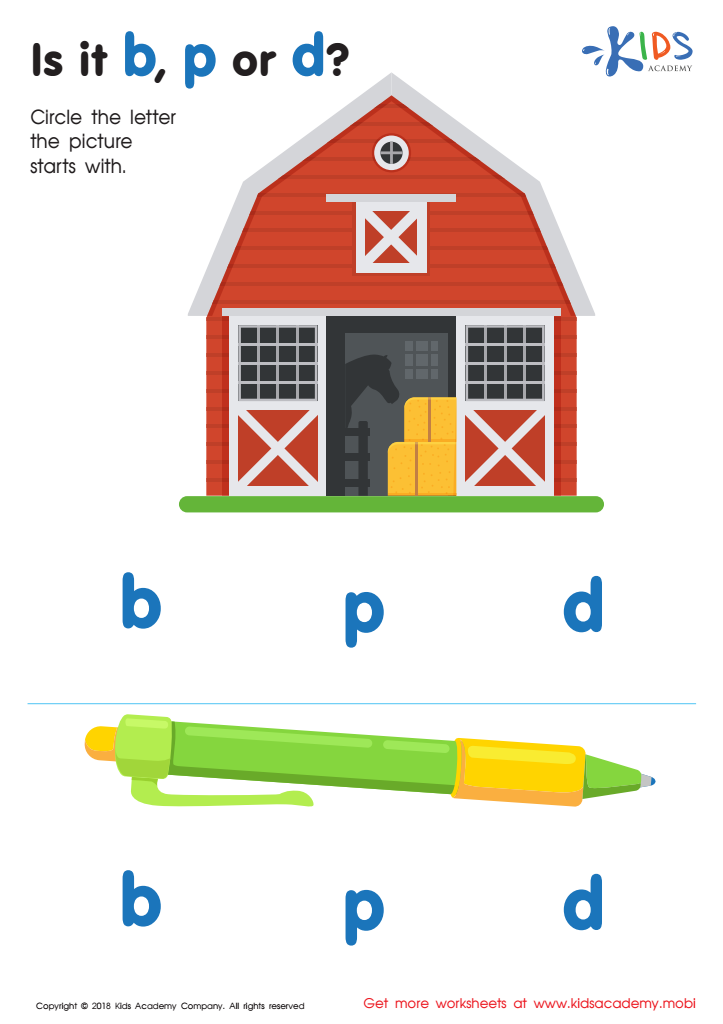
Is it b, p or d? Worksheet
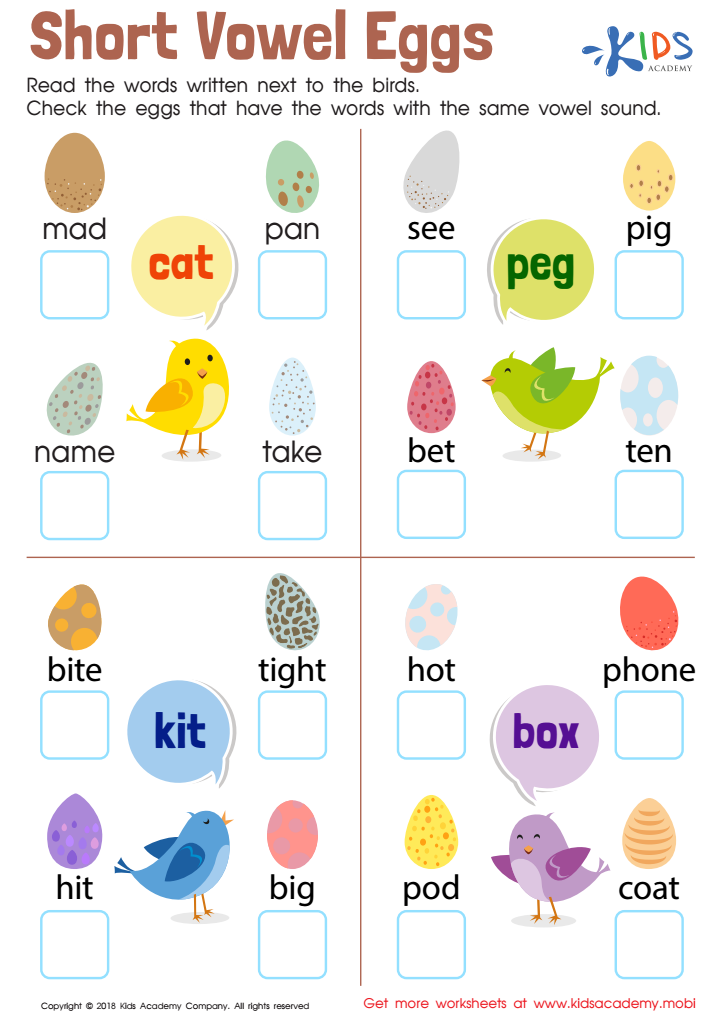
Short Vowel Eggs Worksheet
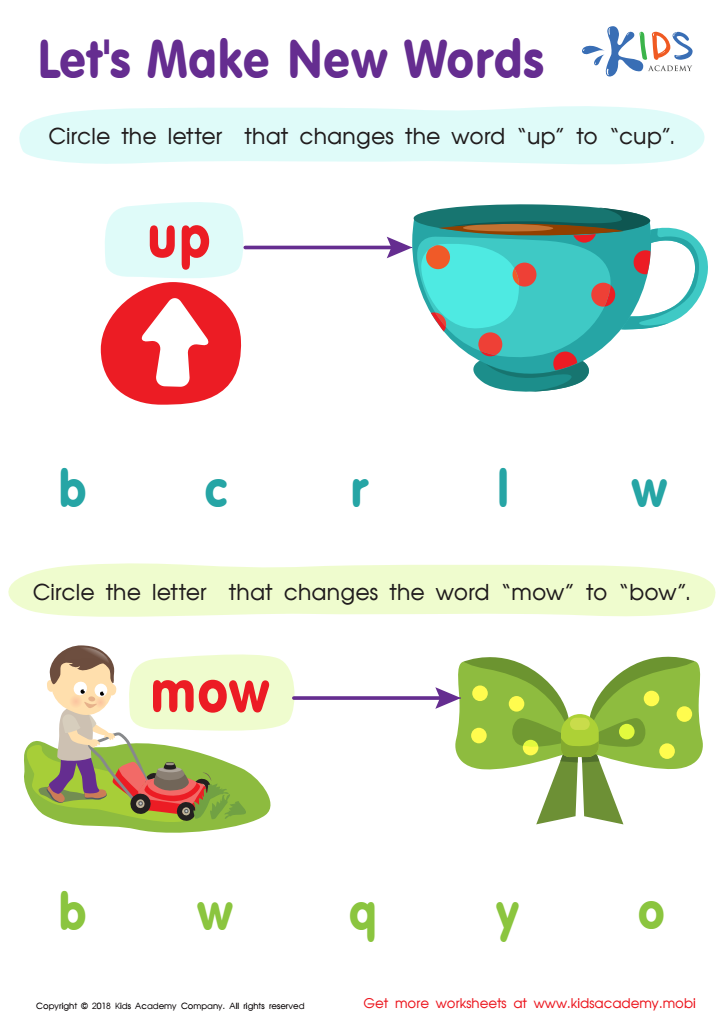
Let's Make New Words Worksheet
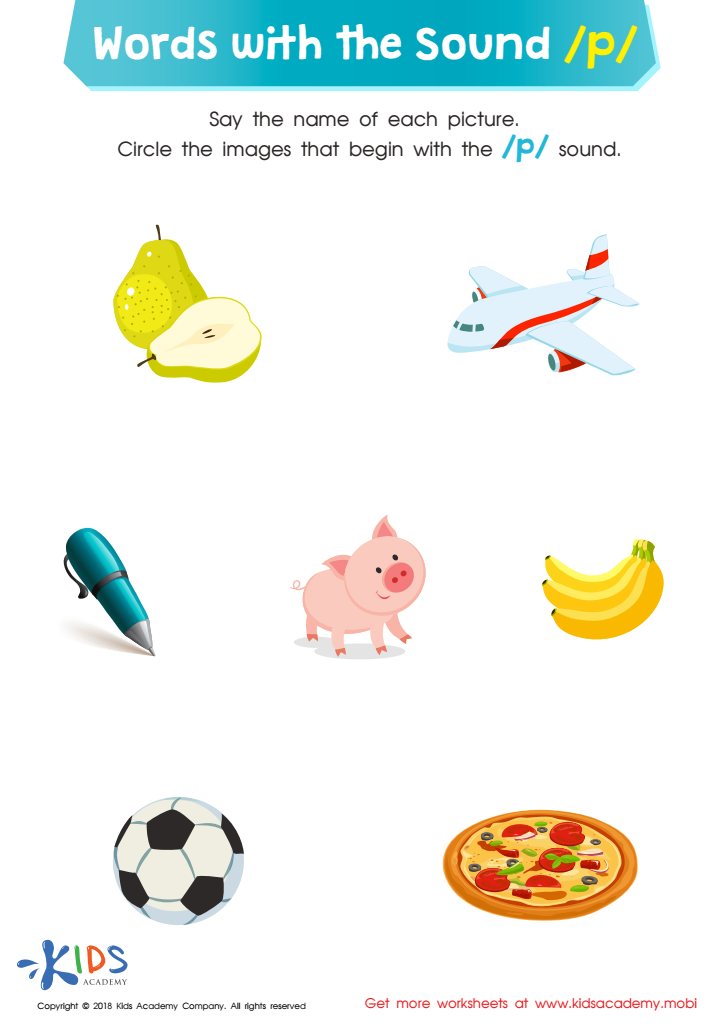
Words with sound p Reading Worksheet
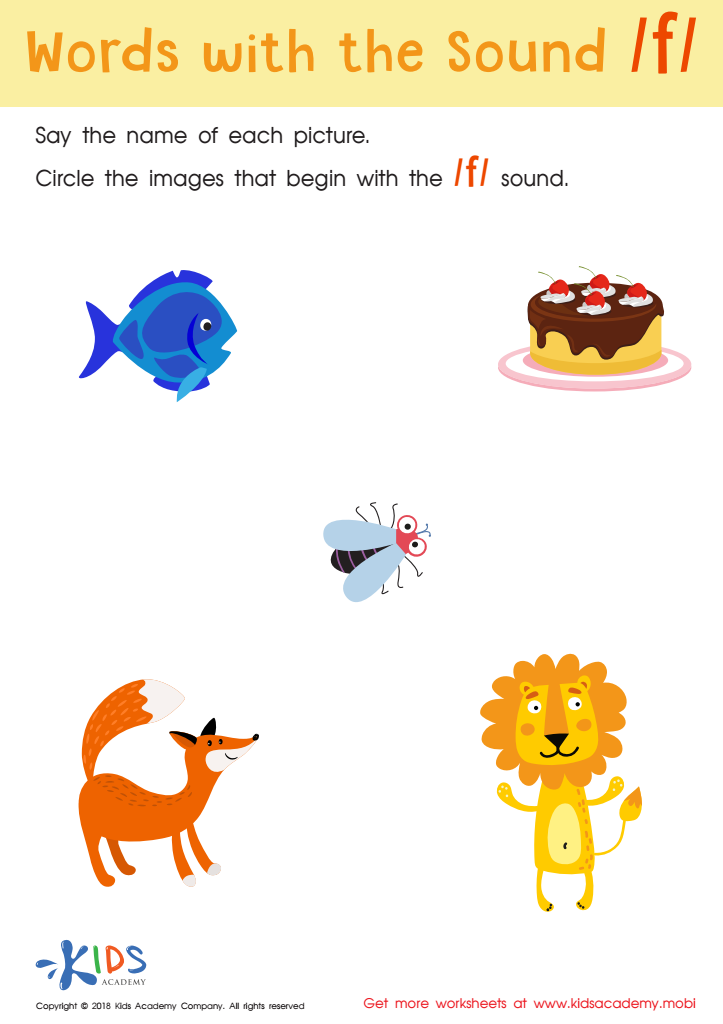
Words with sound f Reading Worksheet
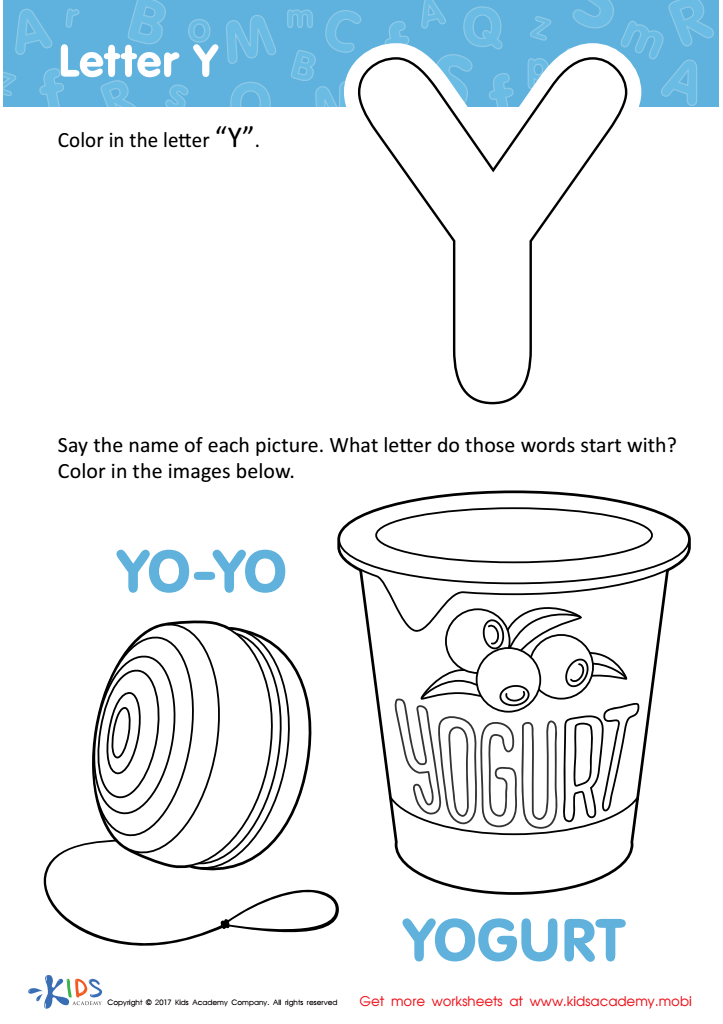
Letter Y Coloring Sheet
Assign to My Students
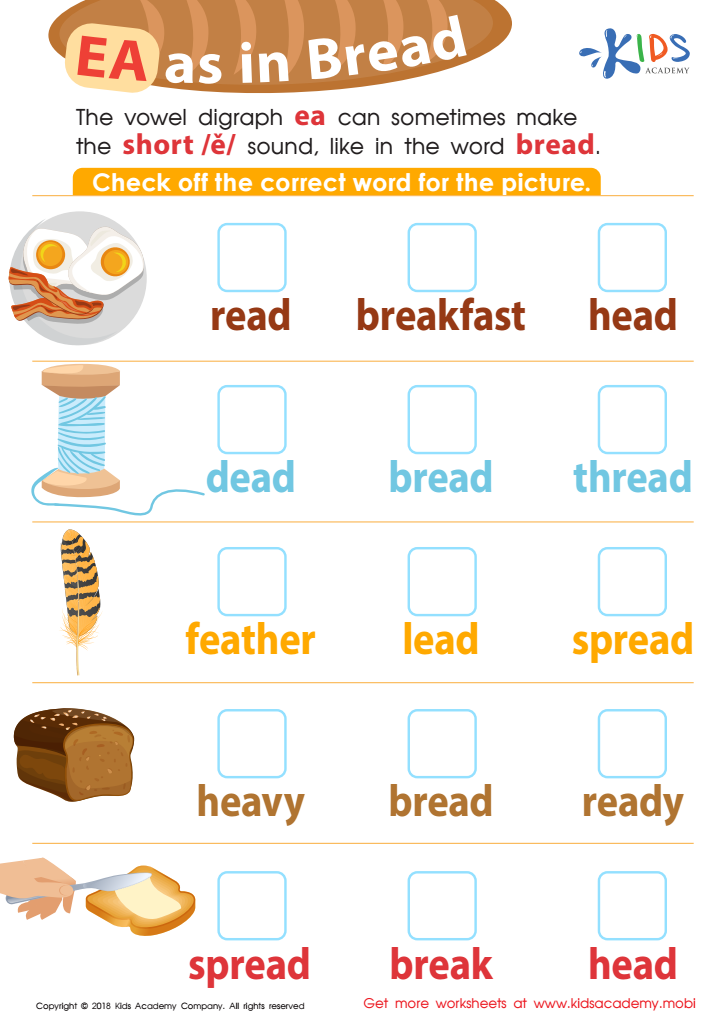
Reading: EA as in Bread Worksheet
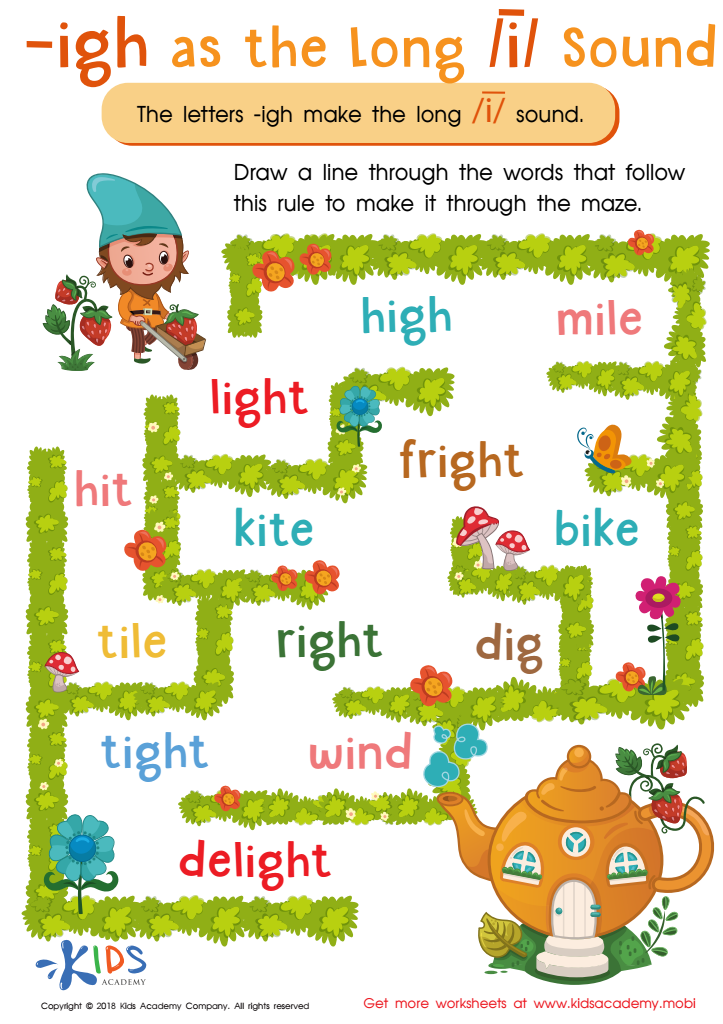
Reading: IGH as Long I Worksheet
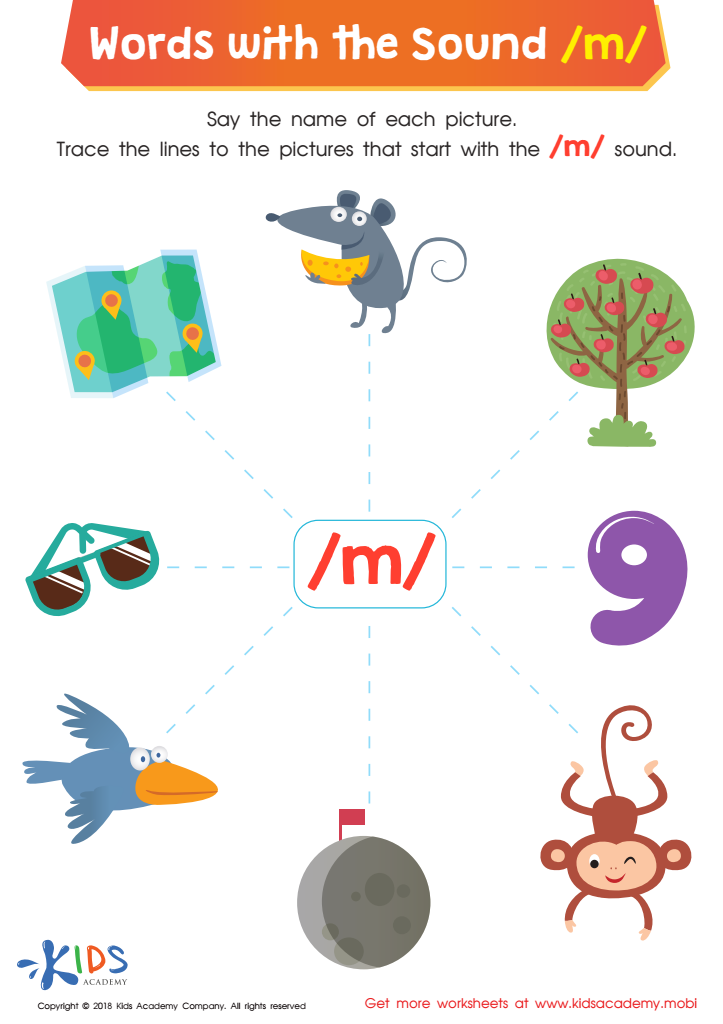
Words with Sound M Reading Worksheet
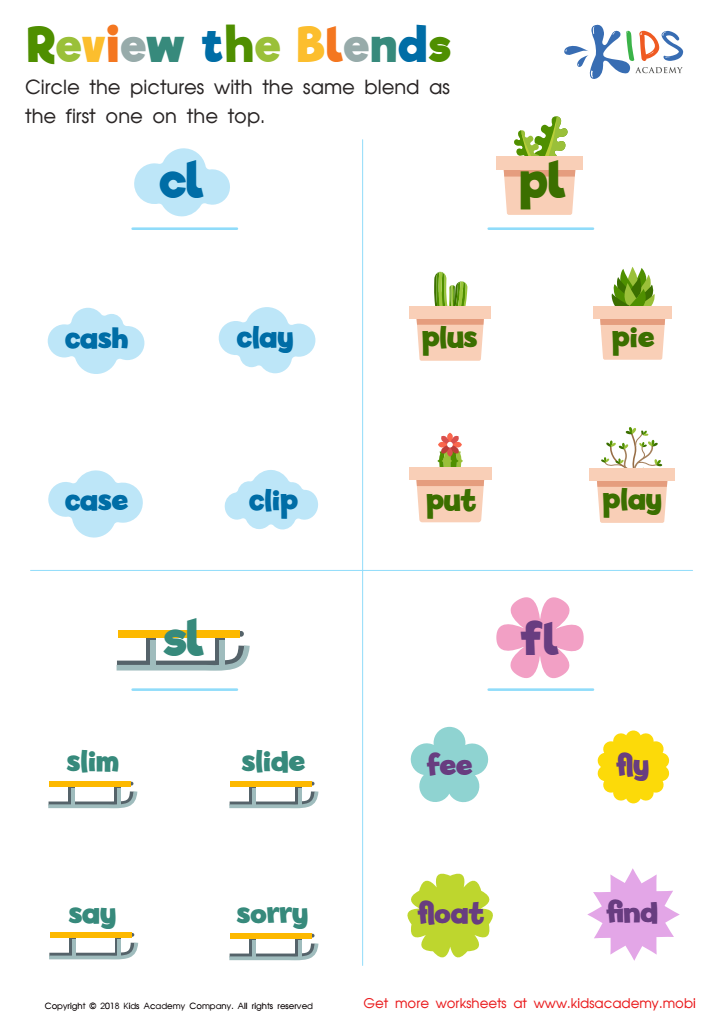
Review the Blends Worksheet








Phonics practice and alphabet recognition are critical foundations for early literacy, particularly for children aged 3-8. At these formative stages, brains are highly receptive to language acquisition, making it the ideal time to instill core reading skills.
Phonics teaching focuses on relationship between sounds and their corresponding letters or groups of letters. Learning these sound-letter connections aids children in decoding new words, a key skill for fluent reading. Exposing young learners to phonics helps cultivate phonemic awareness, the ability to hear and manipulate sounds in spoken words, which is a strong predictor of reading success.
Alphabet knowledge is equally important. Being familiar with letter shapes and names allows children to understand that written text is a code for spoken language. This correlation lays the groundwork for effective communication, enriching vocabulary, and enhancing comprehension skills. Alphabet familiarity also supports other academic areas such as writing, spelling, and even critical thinking.
Furthermore, sustained phonics practice develops cognitive skills like memory, attention to detail, and problem-solving. By mastering these fundamentals, children embark on a lifelong journey of reading enjoyment and academic achievement, thus fostering a positive attitude toward learning.
In sum, investing time in phonics and alphabet activities during these early years equips children with essential tools for educational growth and successful lifelong learning.







