Reading comprehension Alphabet Worksheets for Ages 3-8 - Page 4
96 filtered results
-
From - To
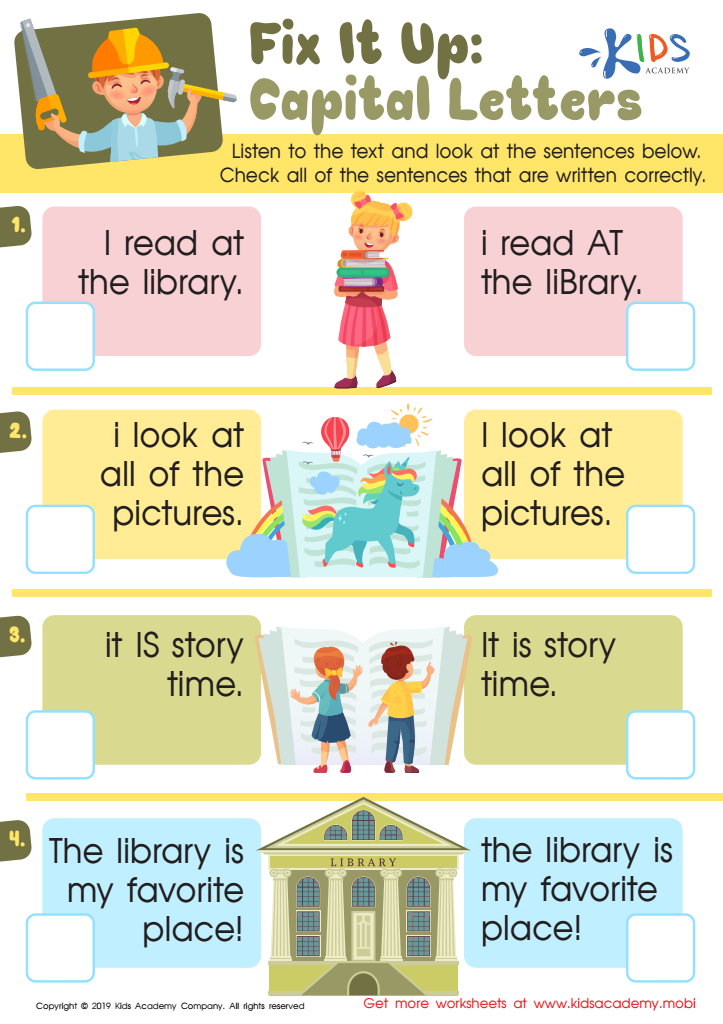
Fix Capital Letters Worksheet
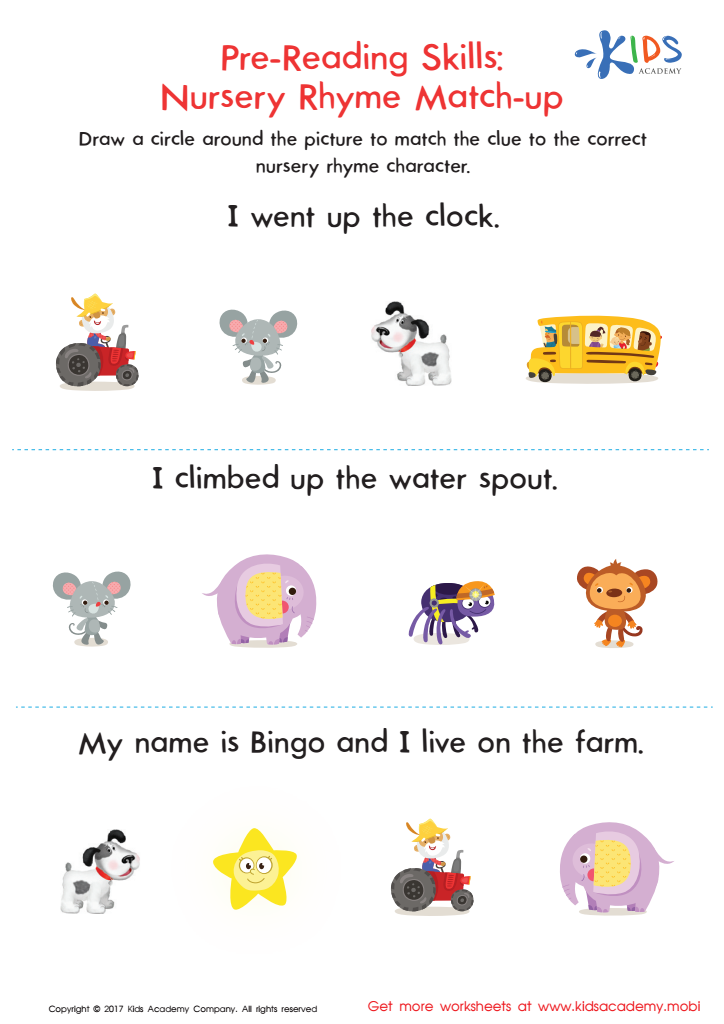
Nursery Rhyme Match–Up Worksheet
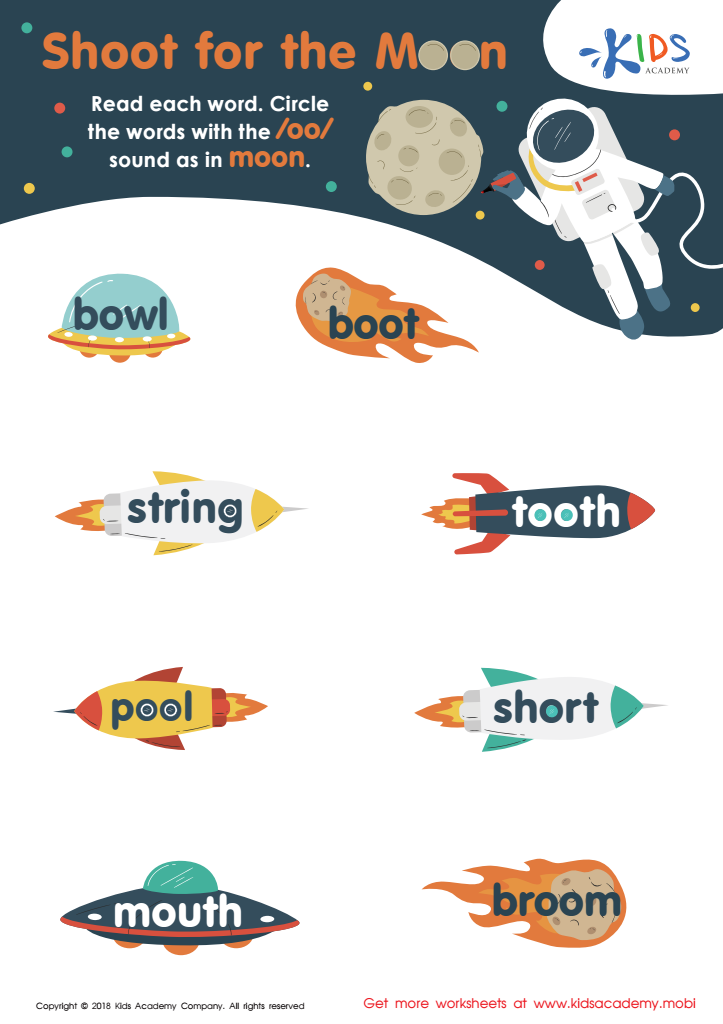
Reading: Shoot for the Moon Worksheet
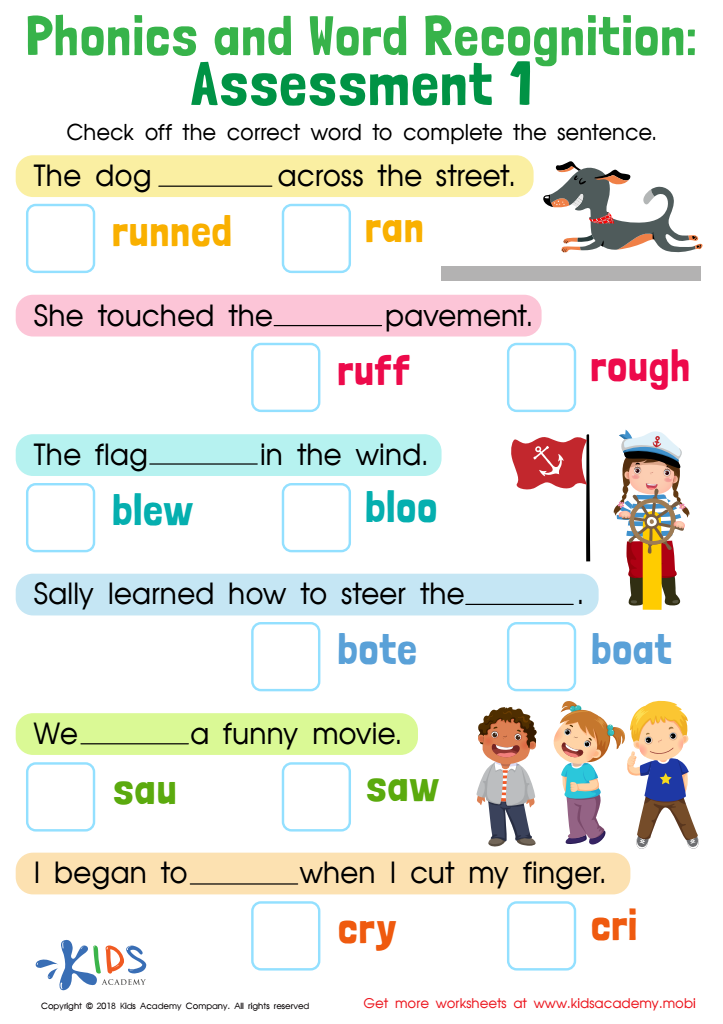
Phonics and Word Recognition: Assessment 1 Worksheet
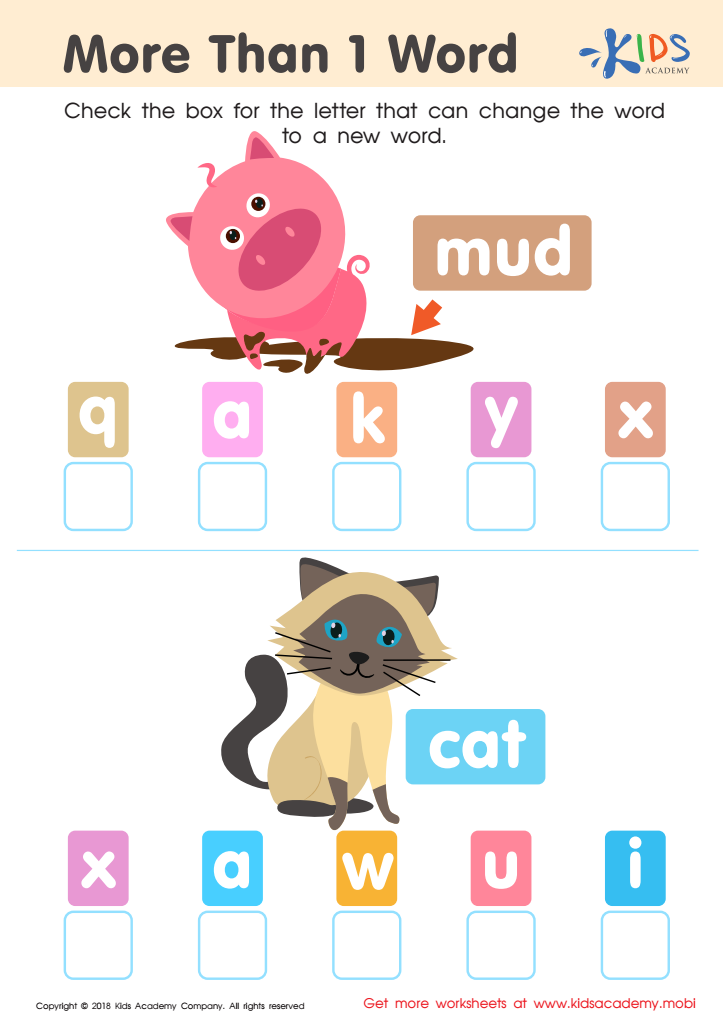
More than 1 word Worksheet
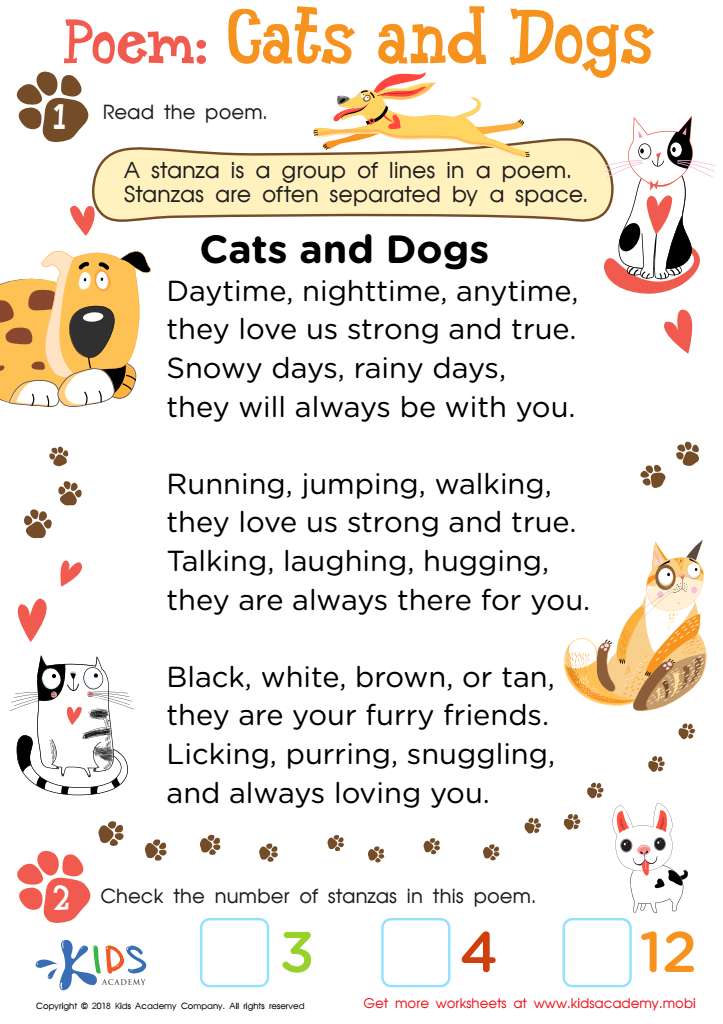
Poem: Cats and Dogs Worksheet
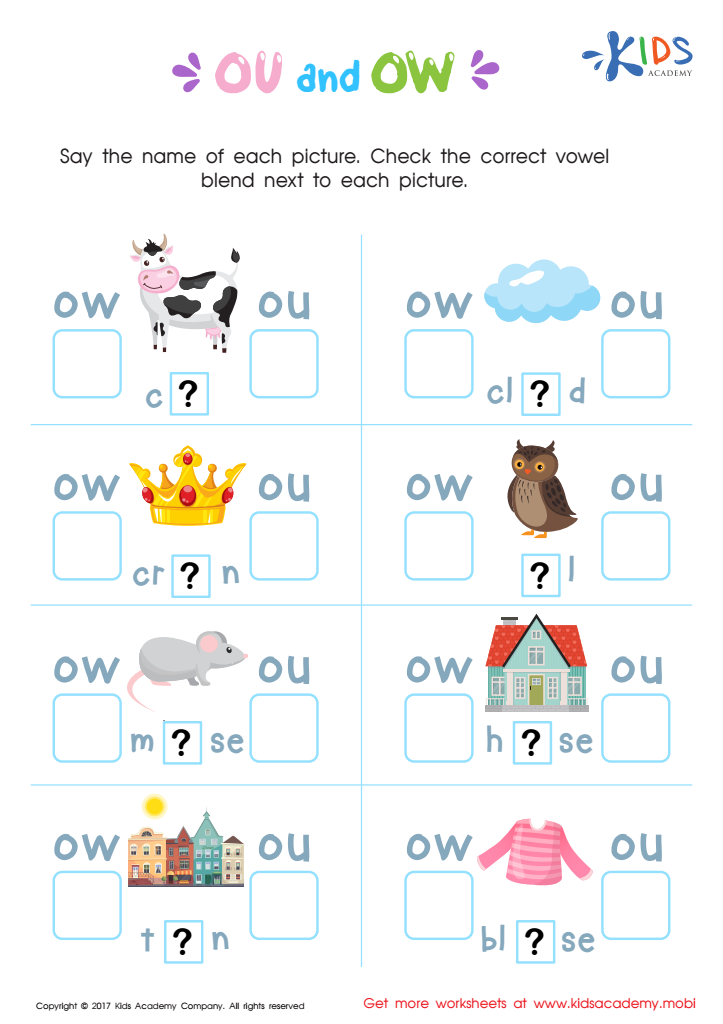
OU and OW Words Worksheet
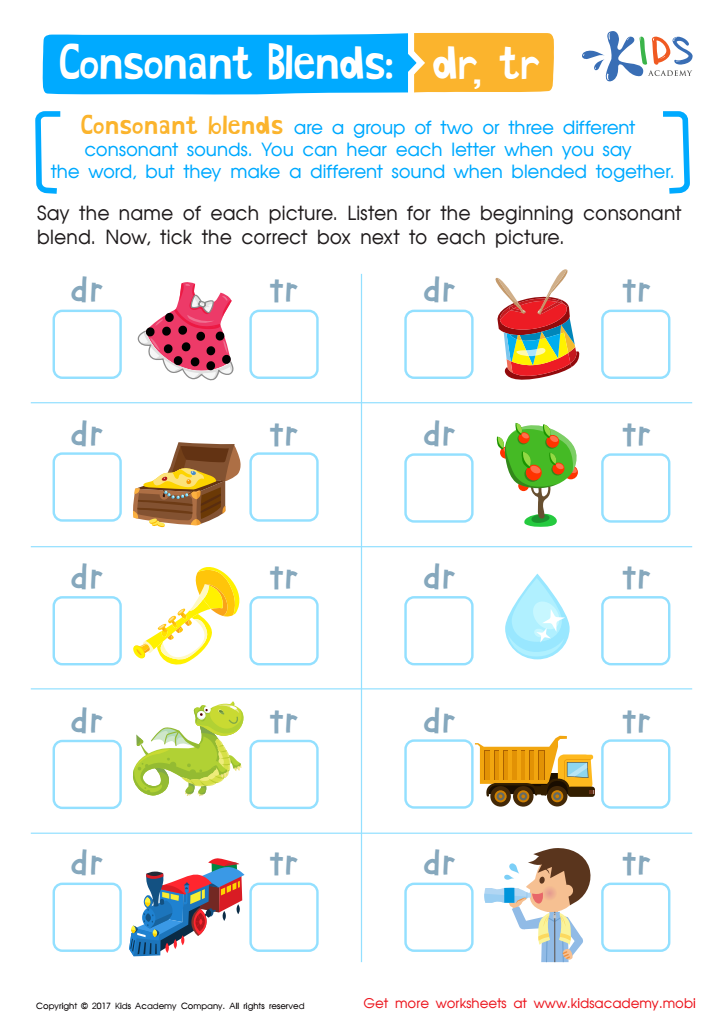
Consonant Blends: "Dr" and "Tr" Printable
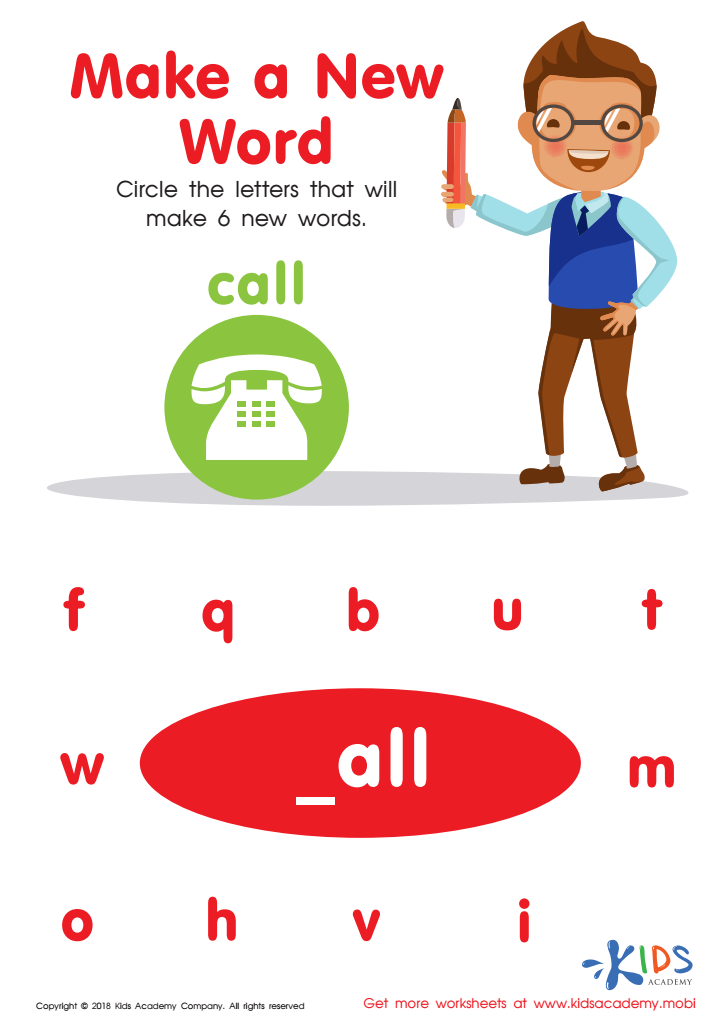
Make a New Word Worksheet
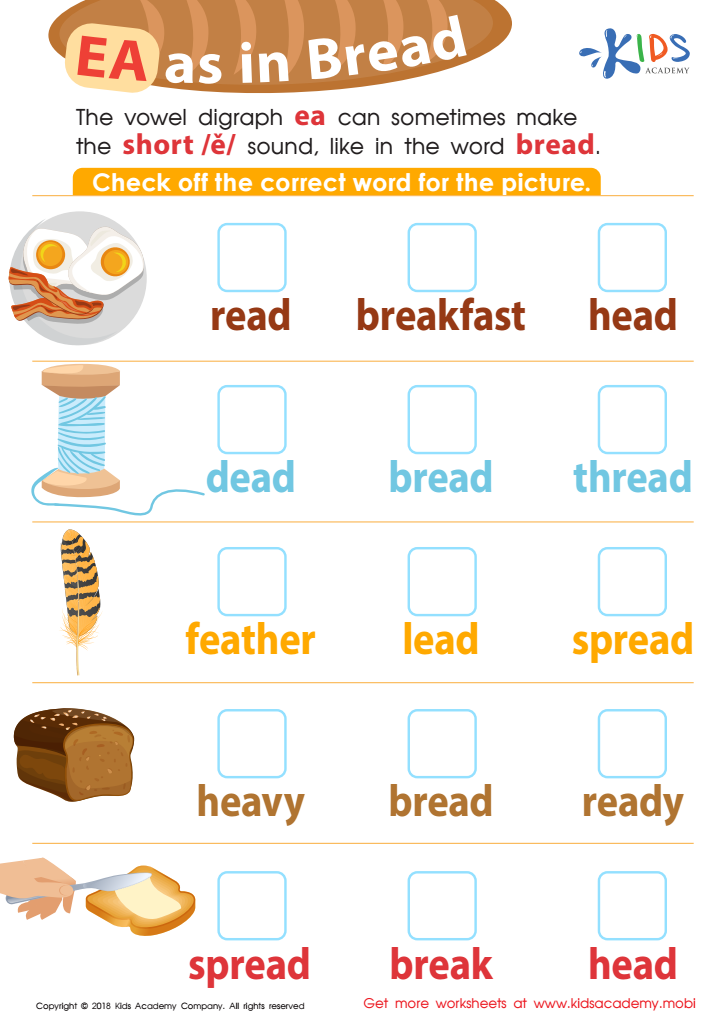
Reading: EA as in Bread Worksheet
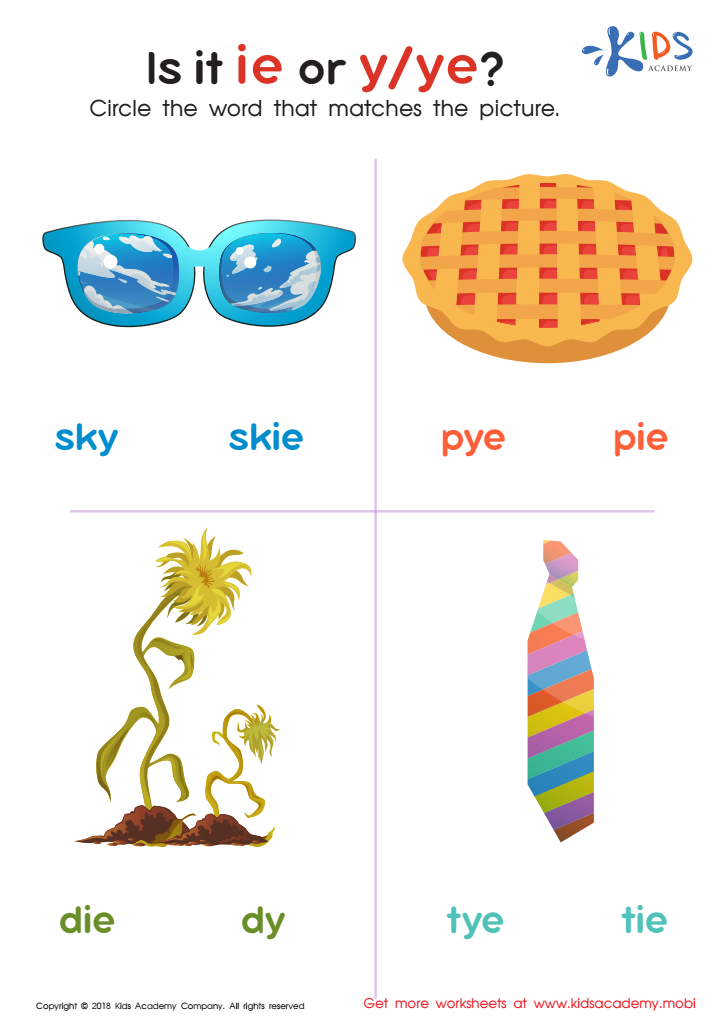
Is It IE or Y/Ye? Worksheet

Long and Short E Worksheet
 Assign to My Students
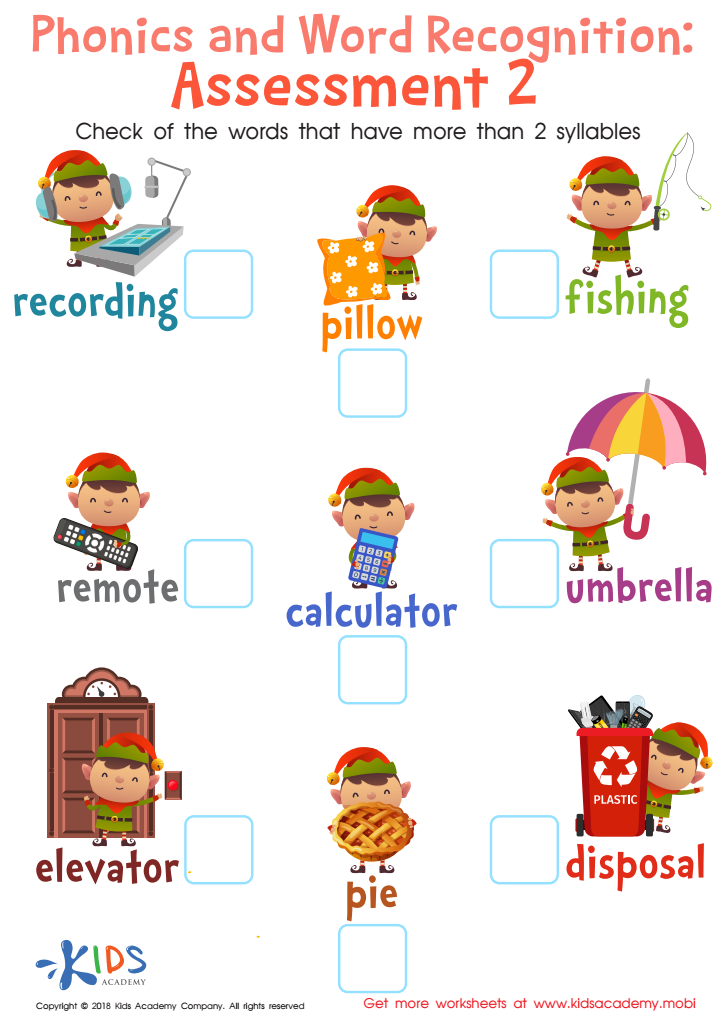
Phonics and Word Recognition: Assessment 2 Worksheet
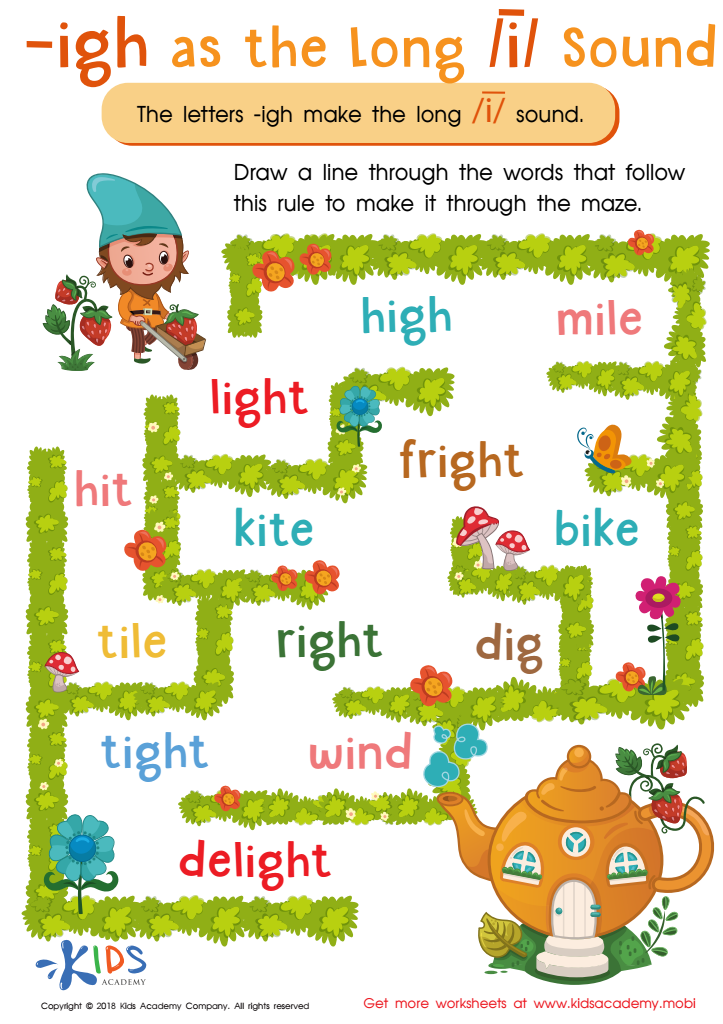
Reading: IGH as Long I Worksheet
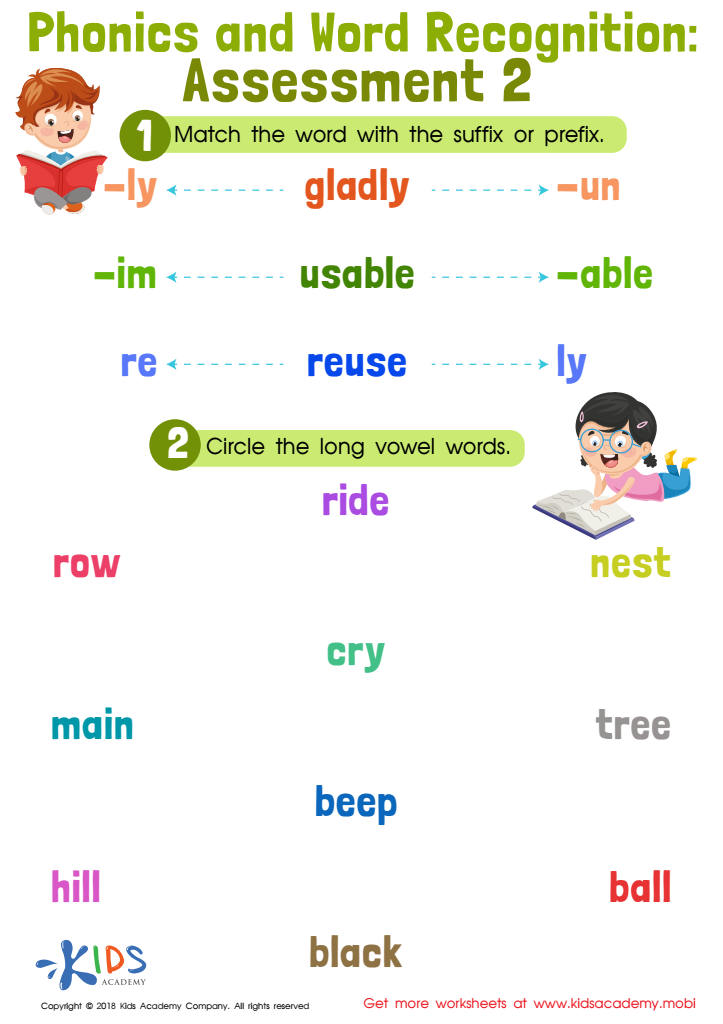
Phonics and Word Recognition: Assessment 2
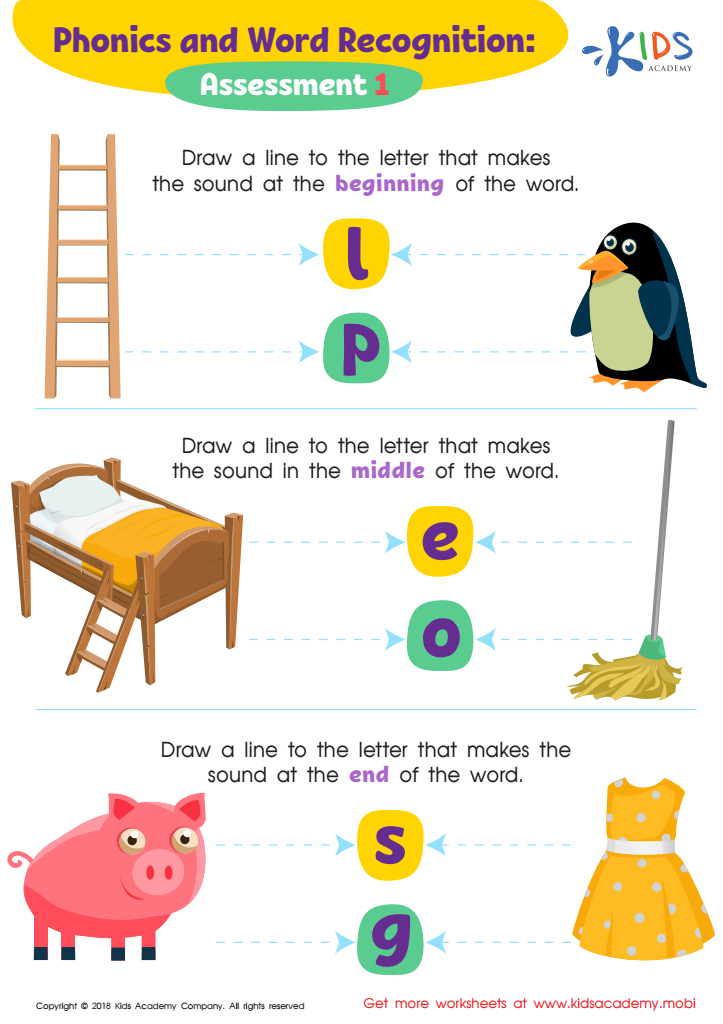
Phonics and Word Recognition: Assessment 1 ELA Worksheet
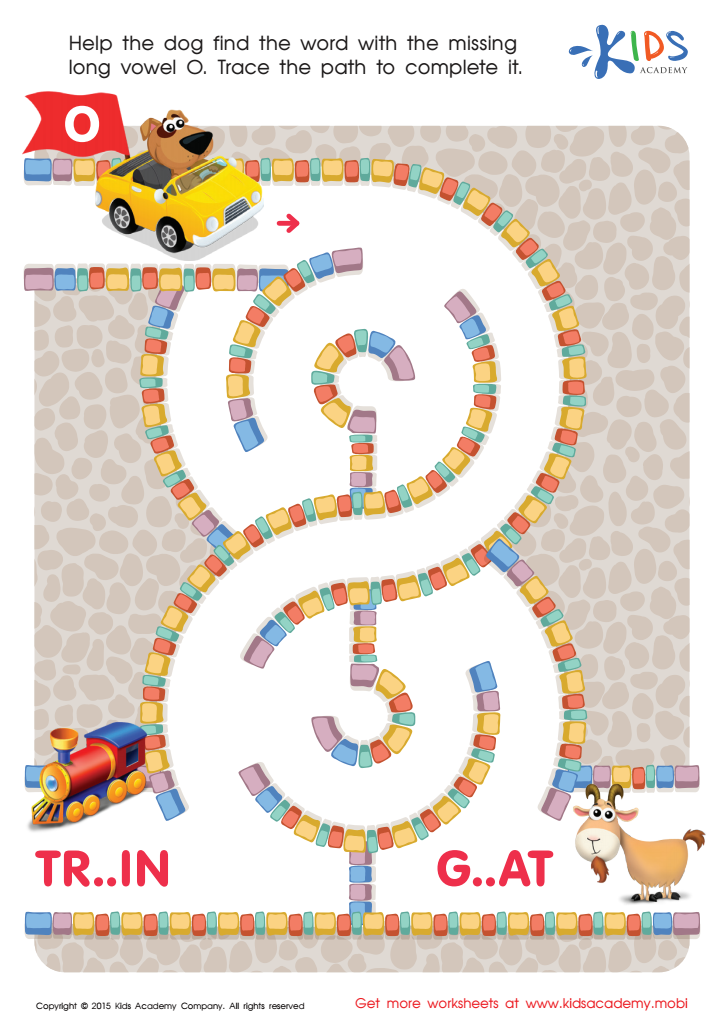
Long Vowel Sound O Worksheet
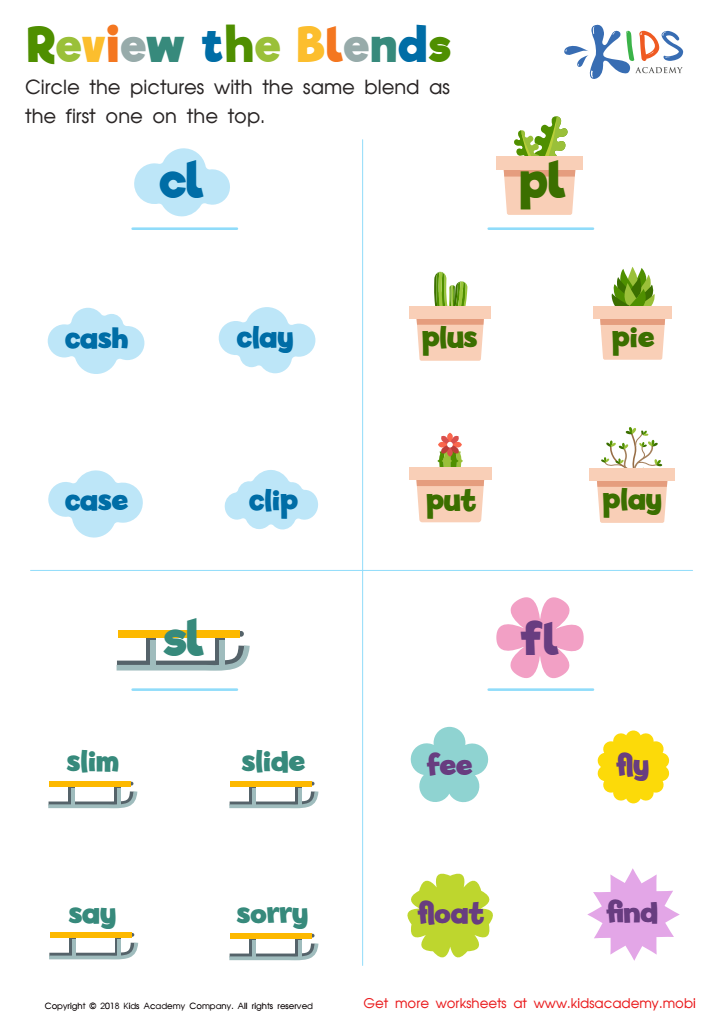
Review the Blends Worksheet
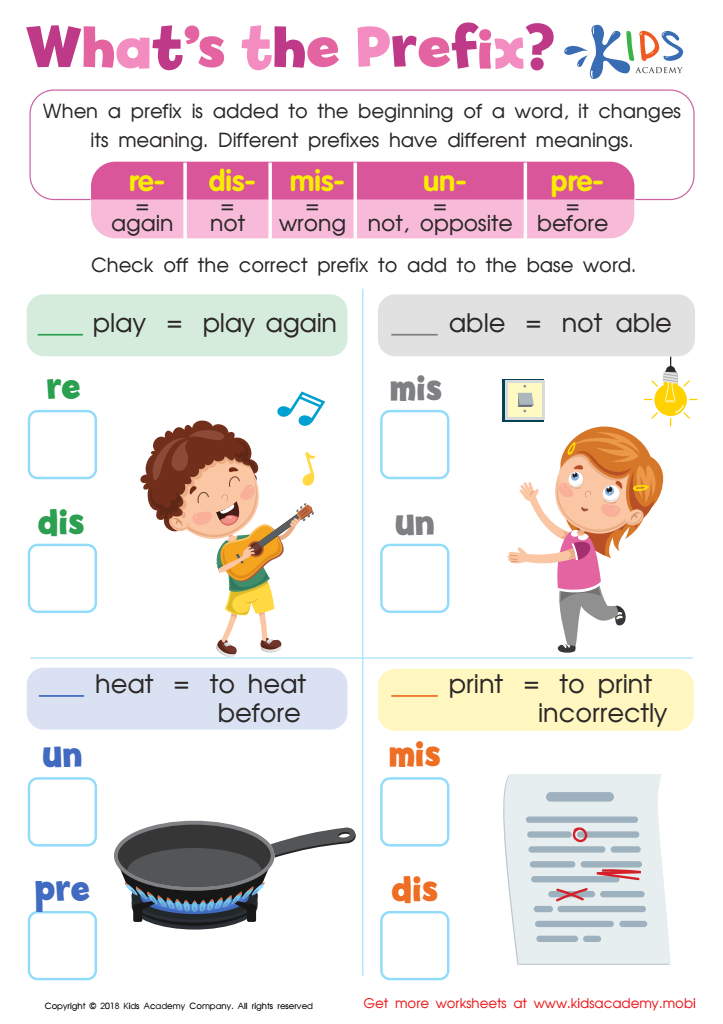
Reading: What Is the Prefix Worksheet
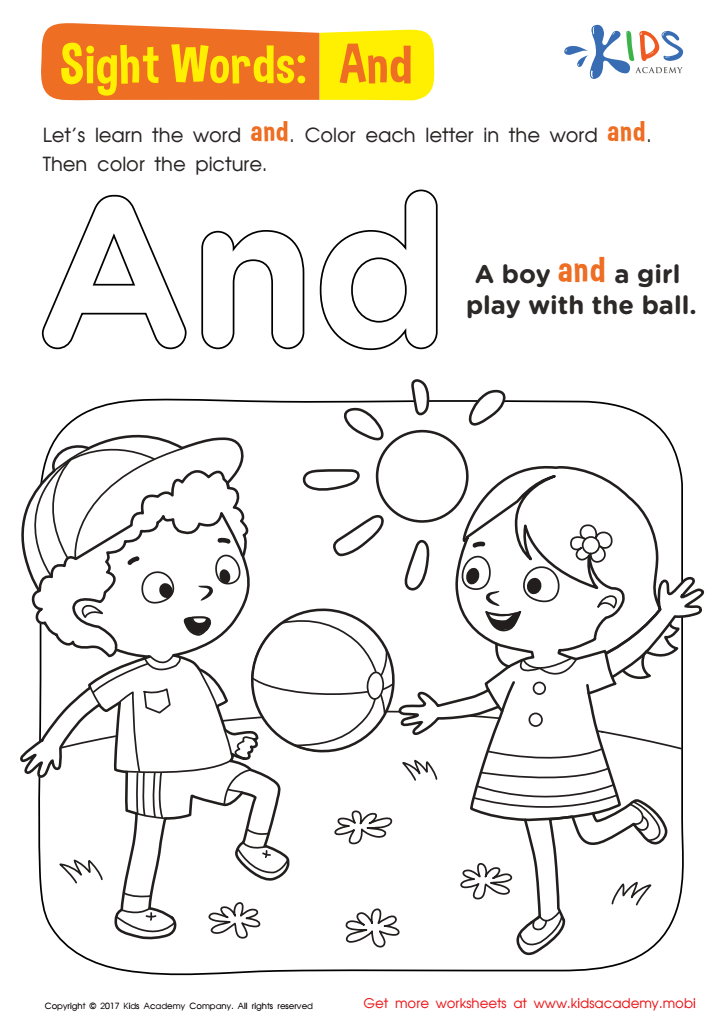
And Worksheet Sight Words Worksheet
Assign to My Students
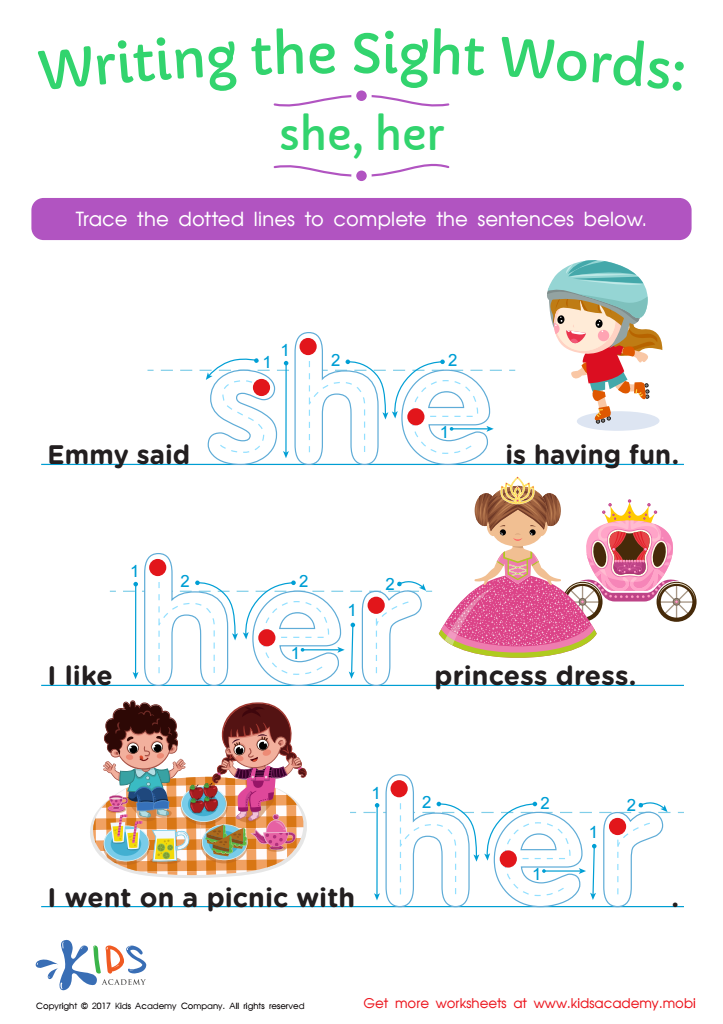
She, Her Printable Sight Words Worksheet
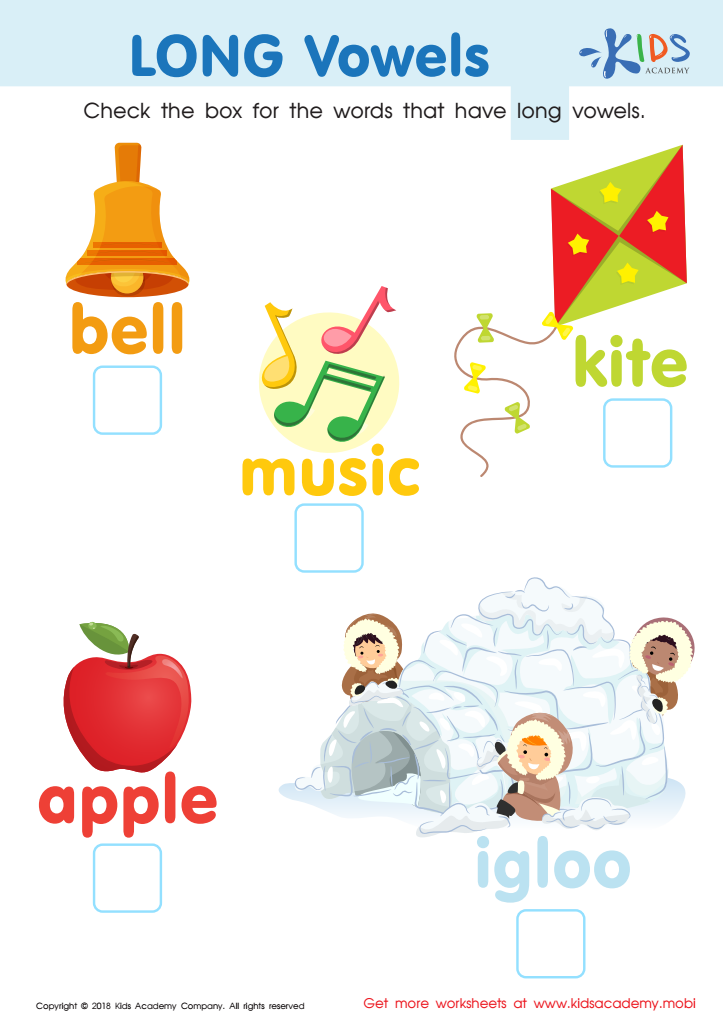
long vowels Worksheet
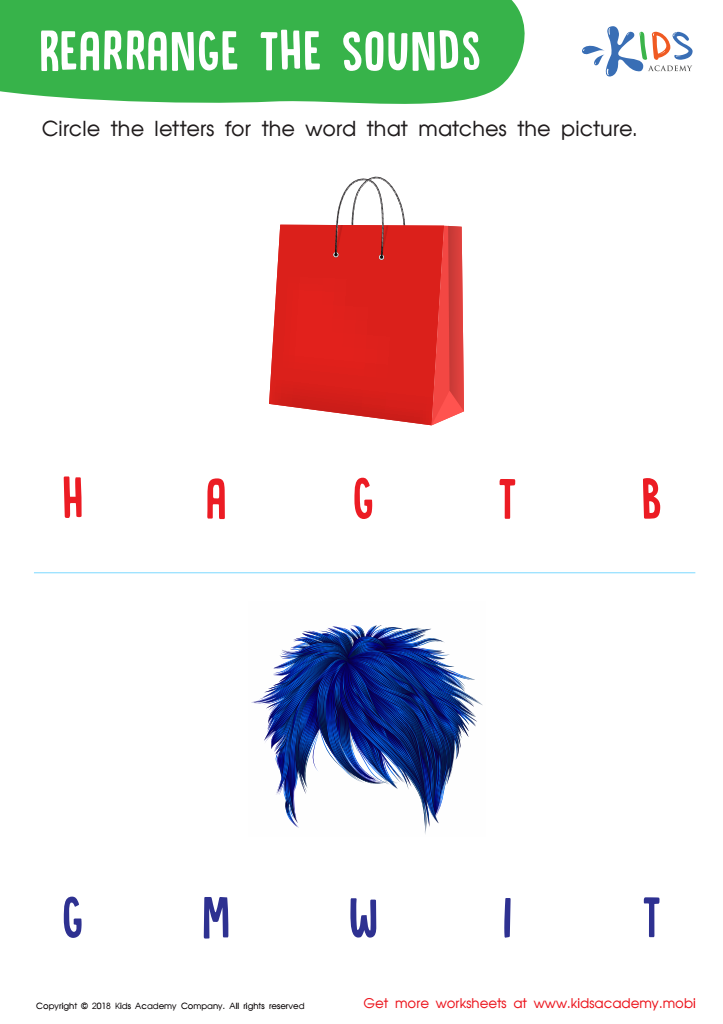
Rearrange the Sounds Worksheet
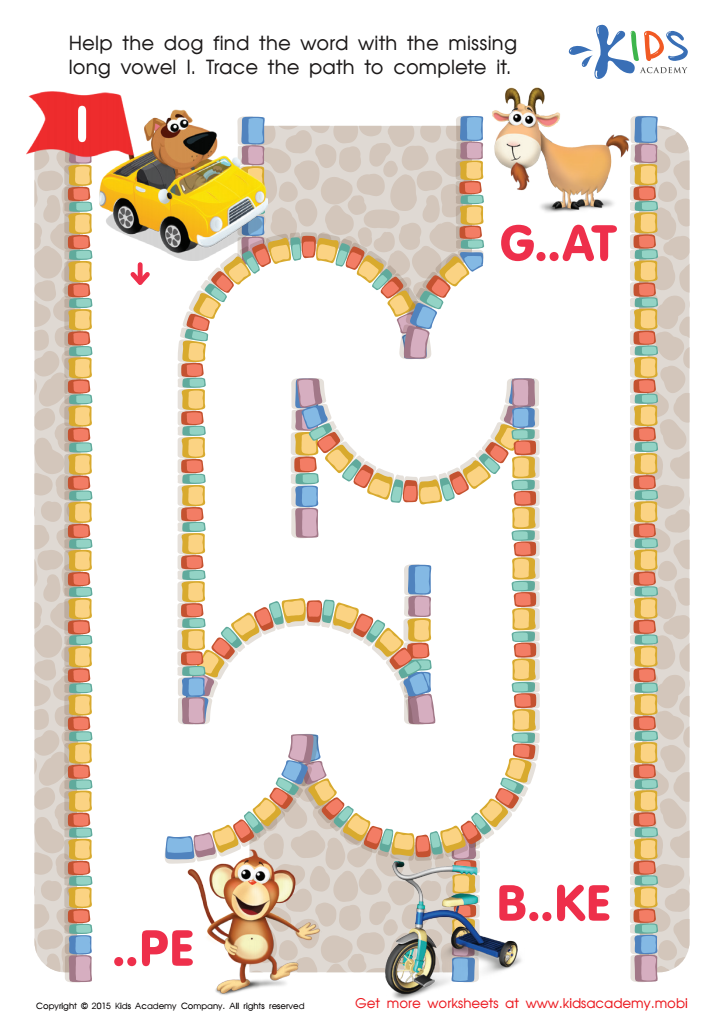
Long Vowel Sound I Worksheet







Parents and teachers should prioritize reading comprehension and alphabet learning for children aged 3-8 because these foundational skills are crucial for their long-term academic and personal success. At this age, children are in a critical period of cognitive development where they are highly receptive to new information. By fostering early literacy skills, adults help children develop crucial brain connections that support language, cognition, and social-emotional growth.
Understanding the alphabet goes beyond merely recognizing letters; it equips children with the building blocks to decode words and comprehend texts. Early proficiency in alphabet knowledge and reading comprehension enables children to read independently, sparking their curiosity and a lifelong love for learning. This becomes the cornerstone for academic success across all subjects, as nearly every area of study relies on the ability to comprehend and process written information.
Moreover, strong reading skills are linked to higher levels of empathy and emotional intelligence. Stories expose children to diverse perspectives, fostering a sense of empathy and cultural awareness.
In essence, investing time and resources into developing these foundational literacy skills during the early years sets children on a trajectory for academic achievement, emotional well-being, and enriched interpersonal relationships. Therefore, it is imperative for both parents and teachers to emphasize and nurture reading comprehension and alphabet knowledge in early childhood.







