Filters

126 filtered results

Clear all filters
Favorites
With answer key
Interactive

126 filtered results

Difficulty Level

Grade


Subject

    Check out this FREE Trial Lesson on Letter Recognition for age 3-8!

    D

    Favorites
    With answer key
    Interactive
    • 3-8
    • Letter Recognition
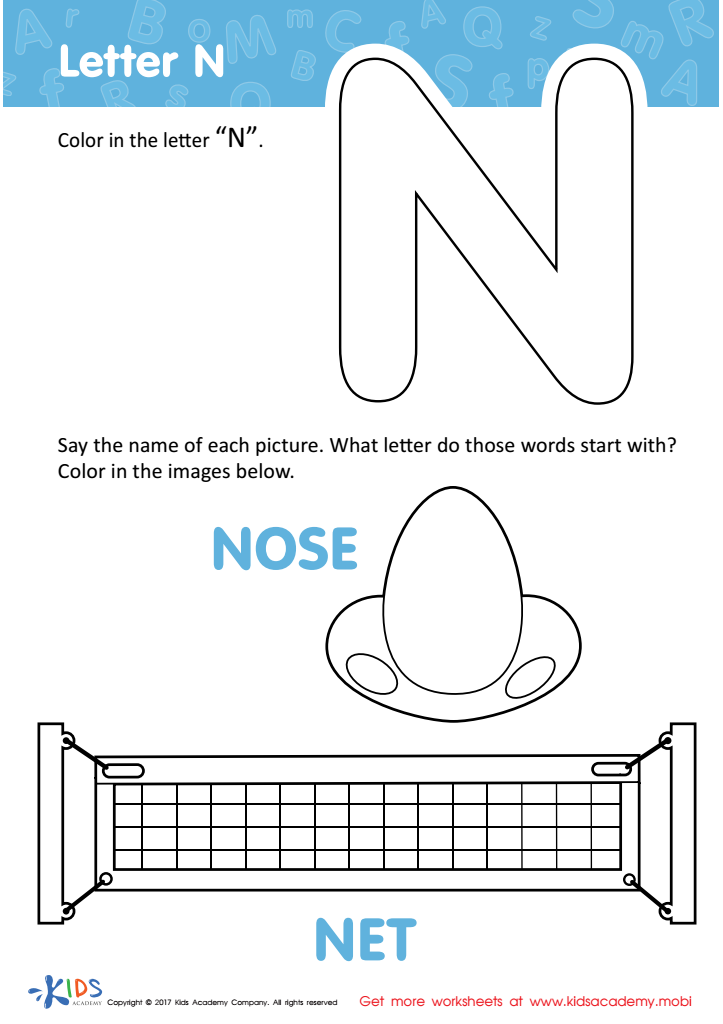
    Letter N Coloring Page
    Letter N Coloring Page

    Letter N Coloring Sheet

    Let your child get creative and learn the alphabet with this letter "N" coloring page! It's a fun way to recognize the letter, featuring a body part all kids know. Coloring and reinforcing recognition of "N" will help your child have fun while learning!
    Download (PDF)
    Assign to My Students
    Letter N Coloring Sheet
    Worksheet
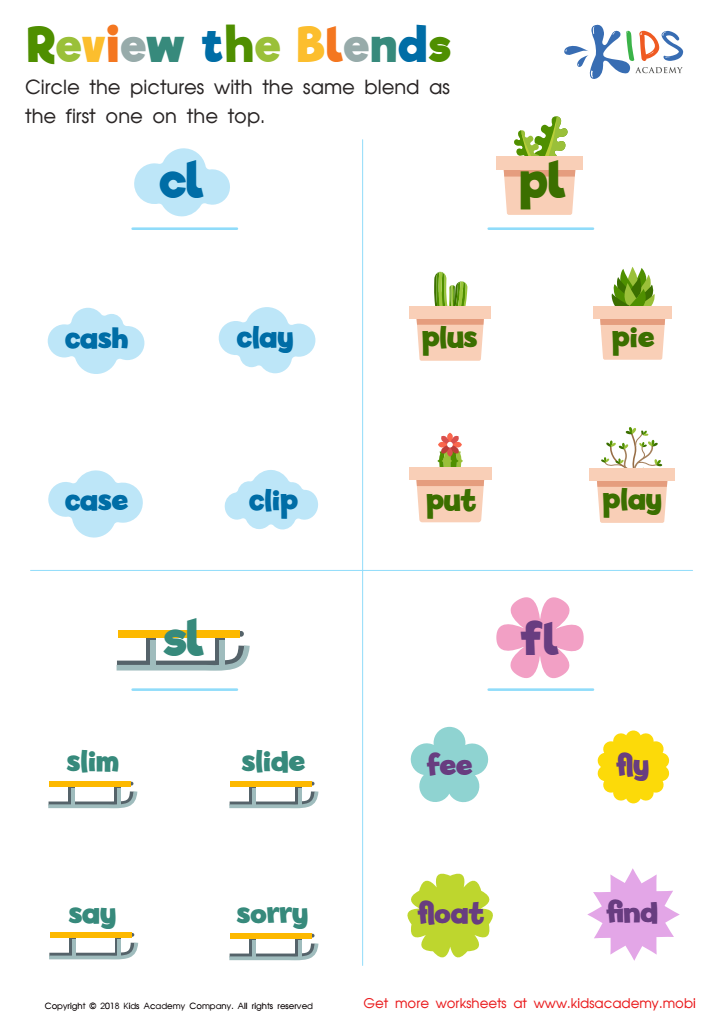
    Review the Blends Worksheet
    Review the Blends Worksheet

    Review the Blends Worksheet

    Consonant blends are two or three consonants that make a sound when pronounced together. L-blends like cl, bl, sl, fl and 3-letter blends like str, slp are common. This phonics worksheet helps early readers identify words containing two letter L-blends. Students must circle the words then read them aloud.
    Review the Blends Worksheet
    Worksheet
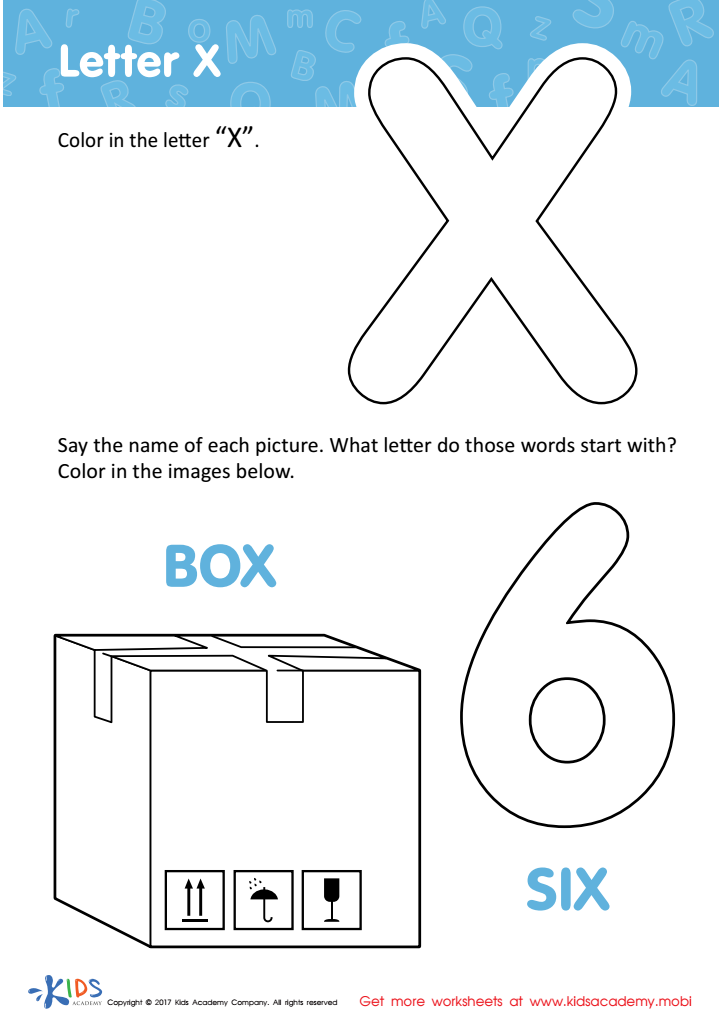
    Letter X Coloring Page
    Letter X Coloring Page

    Letter X Coloring Sheet

    Help your little learner find the letter "X" with this coloring page. Go over the sounds it makes and how to find it at the end of words. Unlock the mystery of this unique letter - it's one of the most challenging but rewarding letters to learn!
    Download (PDF)
    Assign to My Students
    Letter X Coloring Sheet
    Worksheet
    letter d worksheets
    letter d worksheets

    Letter D Tracing Page

    Trace and write capital and lowercase letter "D" with our free printable alphabet worksheet! Be careful not to mix up "b" and "d" - just look at the ducks and write their first letter. The dolphin wants to join the fun too - do you like dolphins? Get more fun worksheets and activities at Kids Academy!
    Letter D Tracing Page
    Worksheet
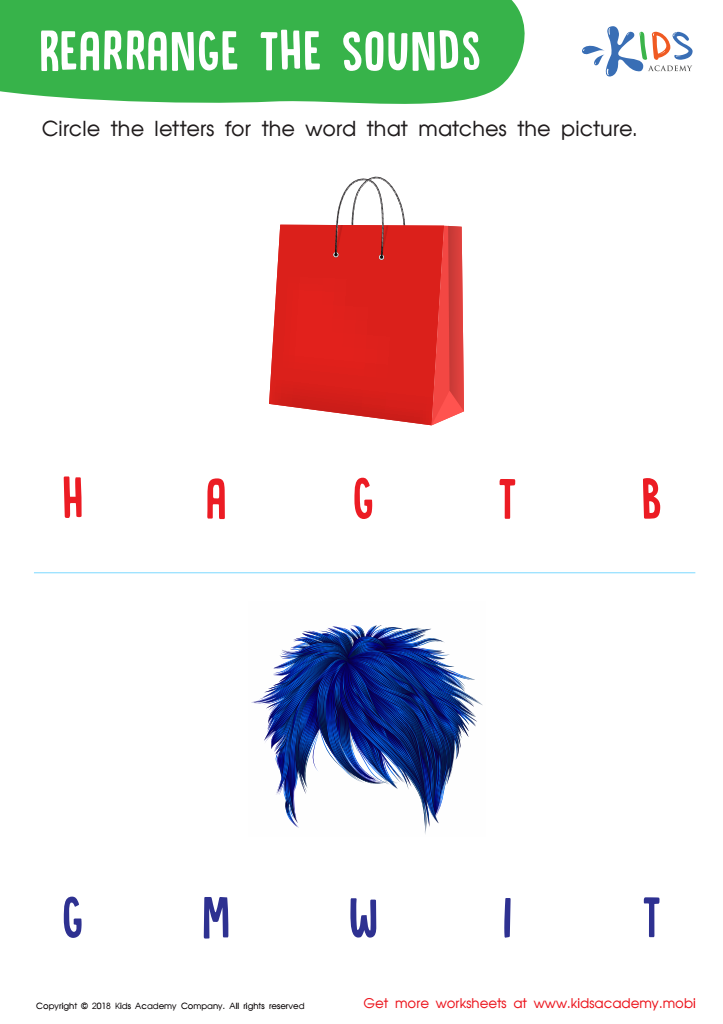
    Rearrange the Sounds Worksheet
    Rearrange the Sounds Worksheet

    Rearrange the Sounds Worksheet

    Ask students if they can identify the objects in the worksheet and spell the words. Guide them to find and circle the letters that match the picture. This exercise should be easy-peasy for advanced spellers.
    Rearrange the Sounds Worksheet
    Worksheet
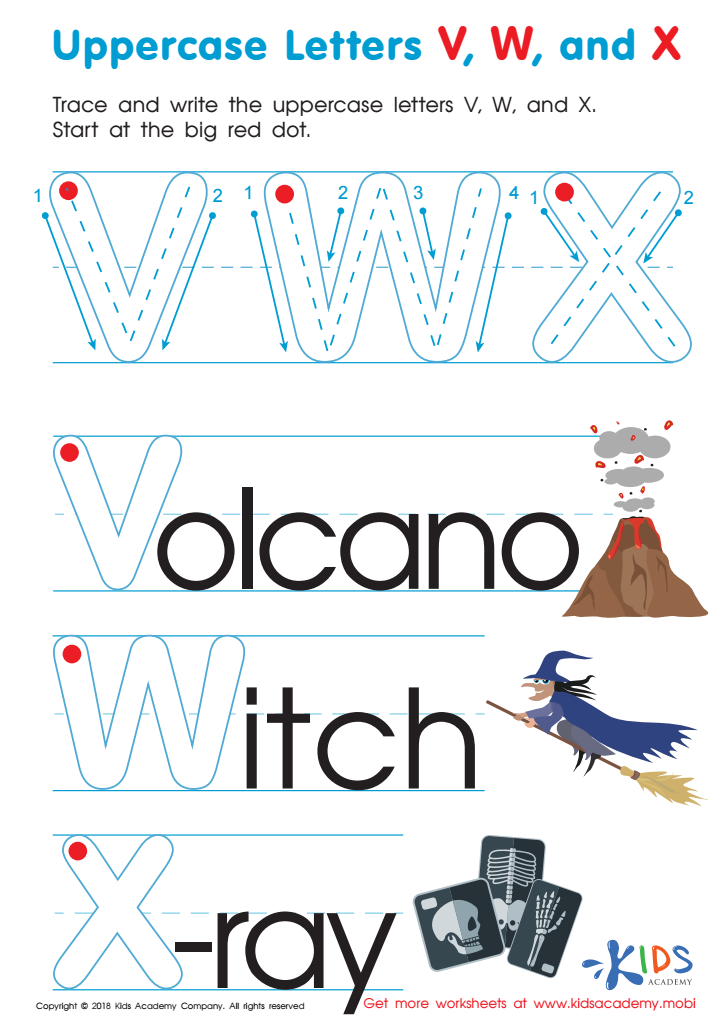
    Uppercase Letters V, W, and X Worksheet

    Uppercase Letters V, W, and X Worksheet

    Uppercase Letters V, W, and X Worksheet

    This worksheet is perfect for kids struggling to write uppercase letters V, W, and X. Warm up their brains first by having them name words starting with these letters. Then, help them trace and write each letter from the big red dot. With your assistance, they will quickly sharpen their writing skills.
    Uppercase Letters V, W, and X Worksheet

    Worksheet


    ... 5 6

    Letter recognition is a foundational skill for young learners aged 3-8, playing a crucial role in early literacy development. First and foremost, recognizing letters helps children understand the alphabetic principle—the idea that letters represent sounds and can be combined to form words. This understanding is essential for reading and writing, skills that are fundamental to academic success.

    Moreover, early letter recognition fosters confidence in young children as they begin to decode words independently. When they can identify letters and their corresponding sounds, they become more enthusiastic readers, often leading to a lifelong love for books. Children who grasp letter recognition also tend to perform better in later educational settings, making it a significant predictor of future literacy skills.

    Additionally, engaging parents or teachers in letter recognition activities can enhance a child's learning experience. It creates opportunities for bonding as caregivers explore letters through games, stories, and interactive activities. Encouraging a supportive environment allows children to develop linguistic skills in a fun, engaging manner. Ultimately, promoting letter recognition is an impactful step toward ensuring every child has the tools they need for effective communication, critical thinking, and academic achievement in their formative years.