Letter Recognition Worksheets for Ages 3-8 - Page 5
126 filtered results
-
From - To
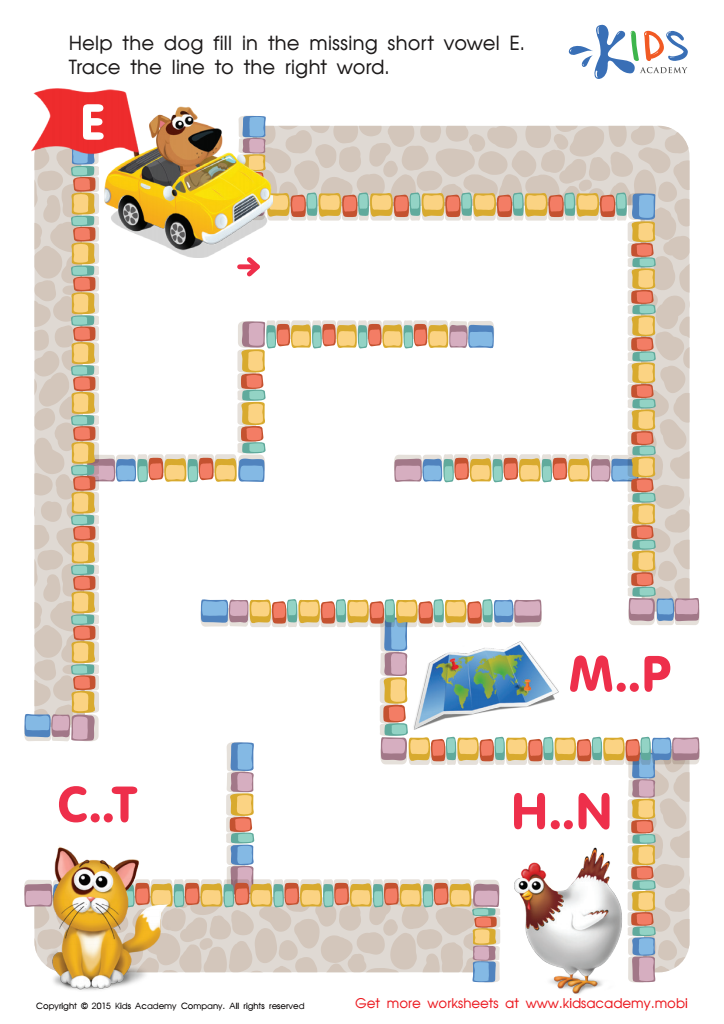
Short Vowel Sound E Worksheet
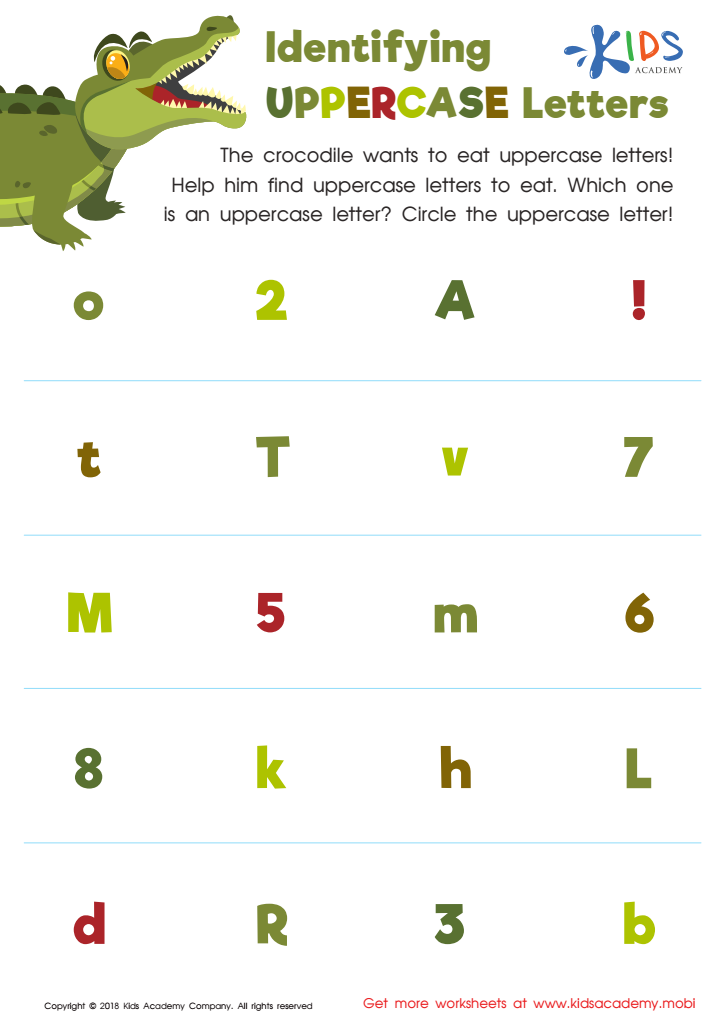
Identifying Uppercase Letters Worksheet
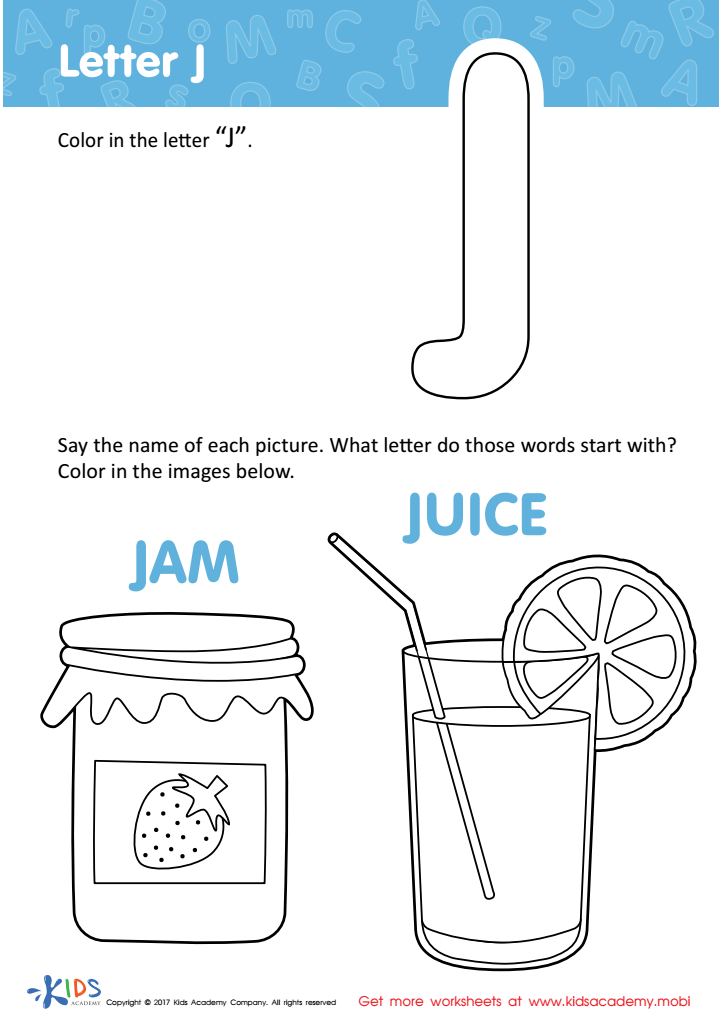
Letter J Coloring Sheet
 Assign to My Students
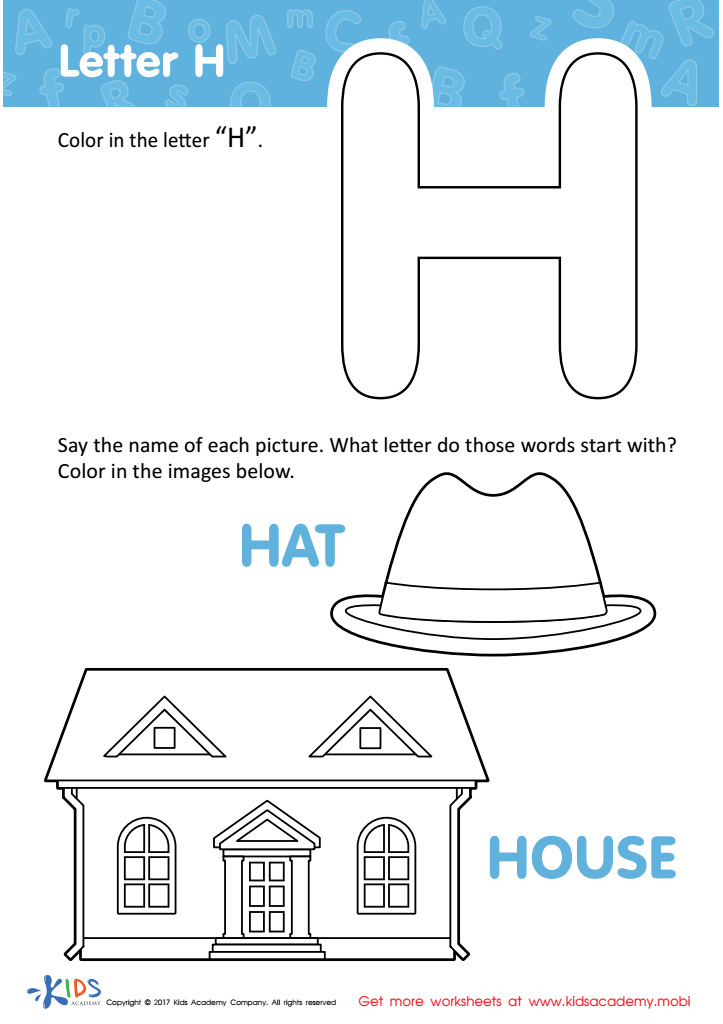
Letter H Coloring Sheet
Assign to My Students
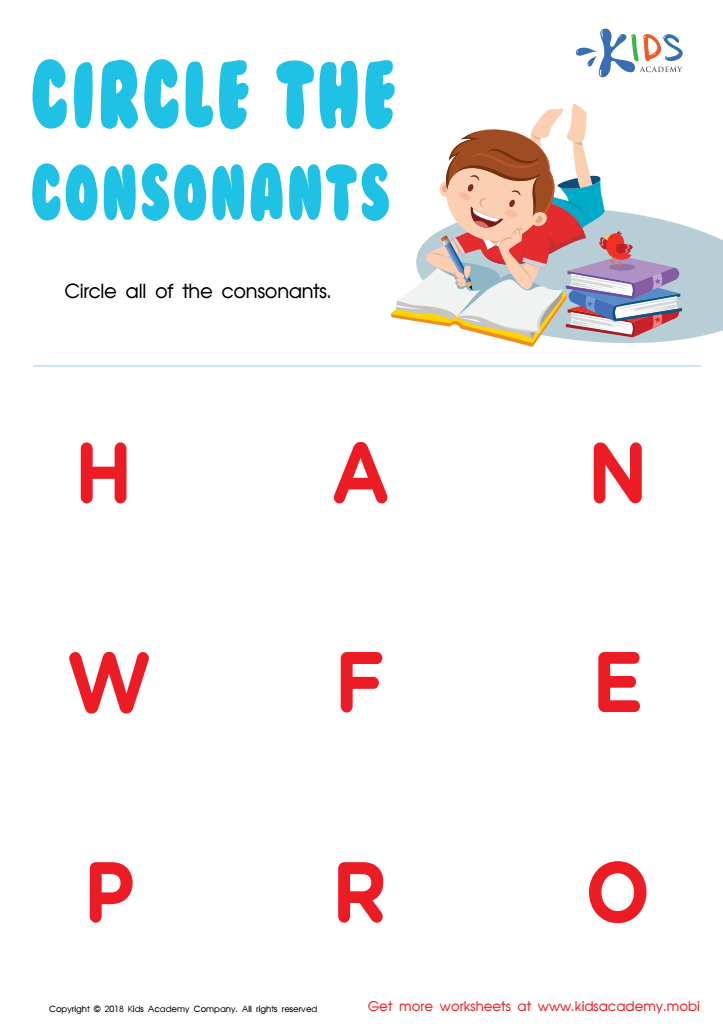
Circle the Consonants Worksheet
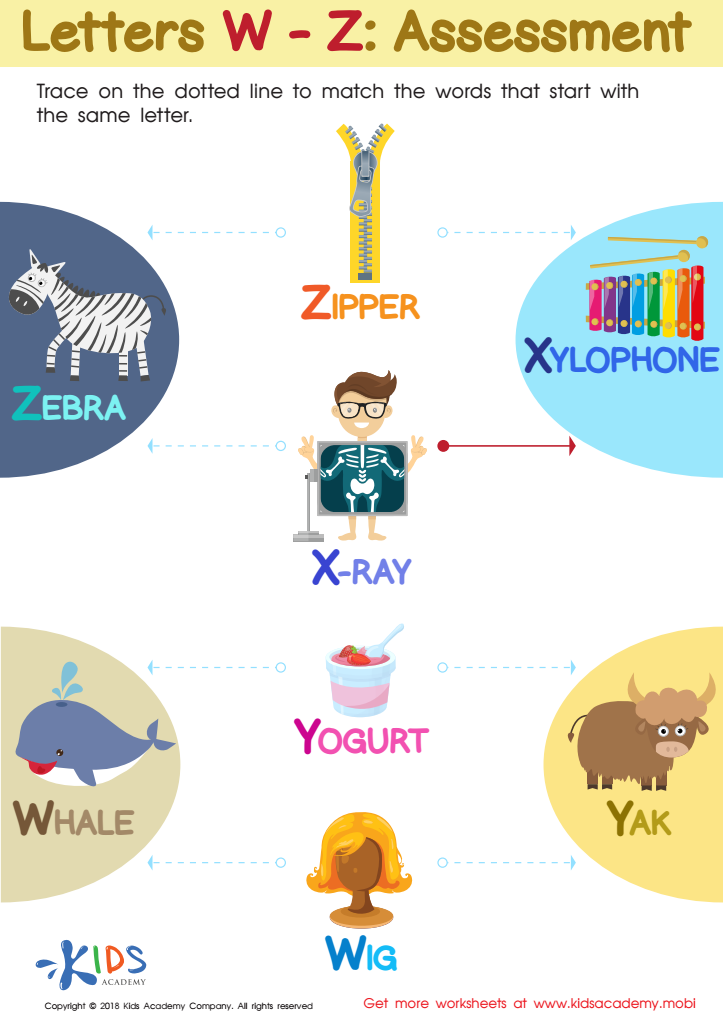
Letters W–Z Tracing Worksheet
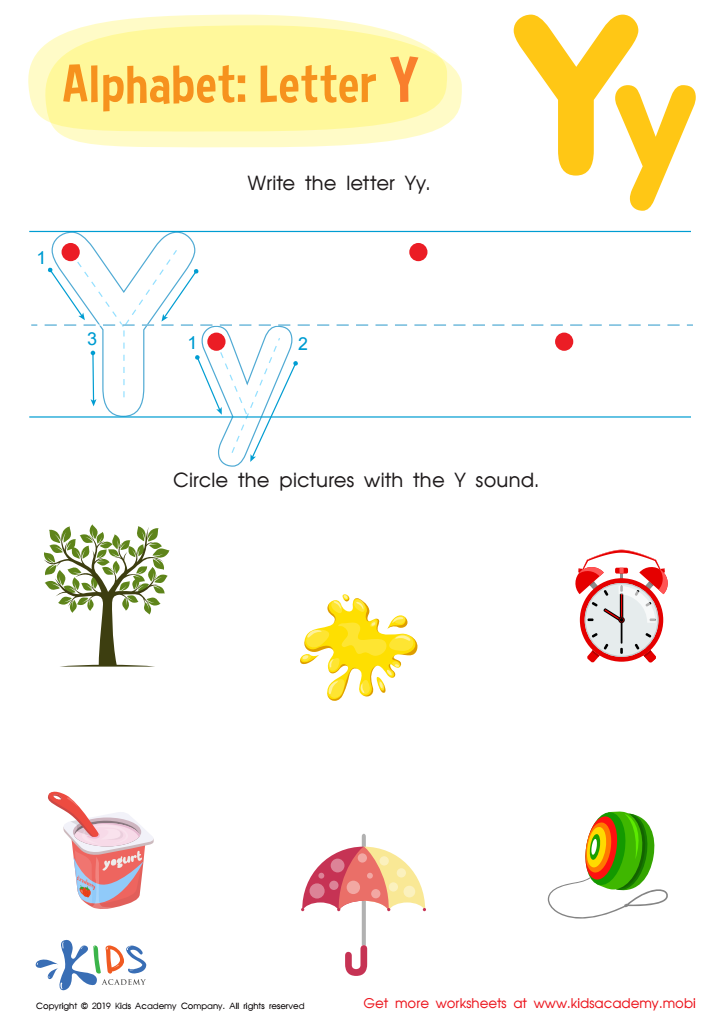
Letter Y Tracing Worksheet
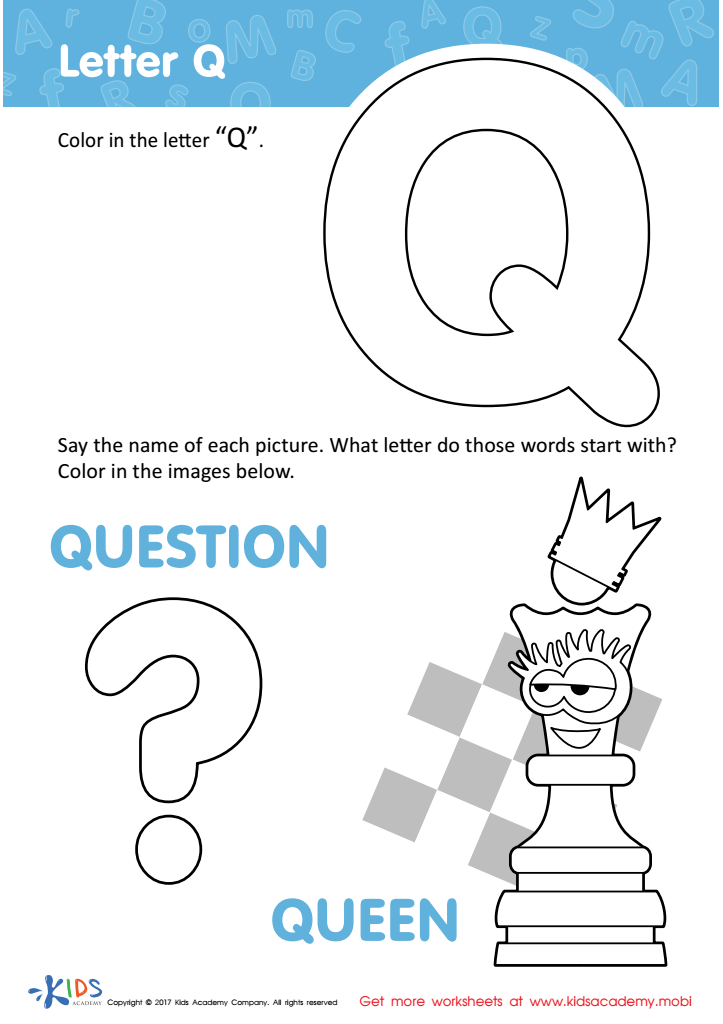
Letter Q Coloring Sheet
Assign to My Students
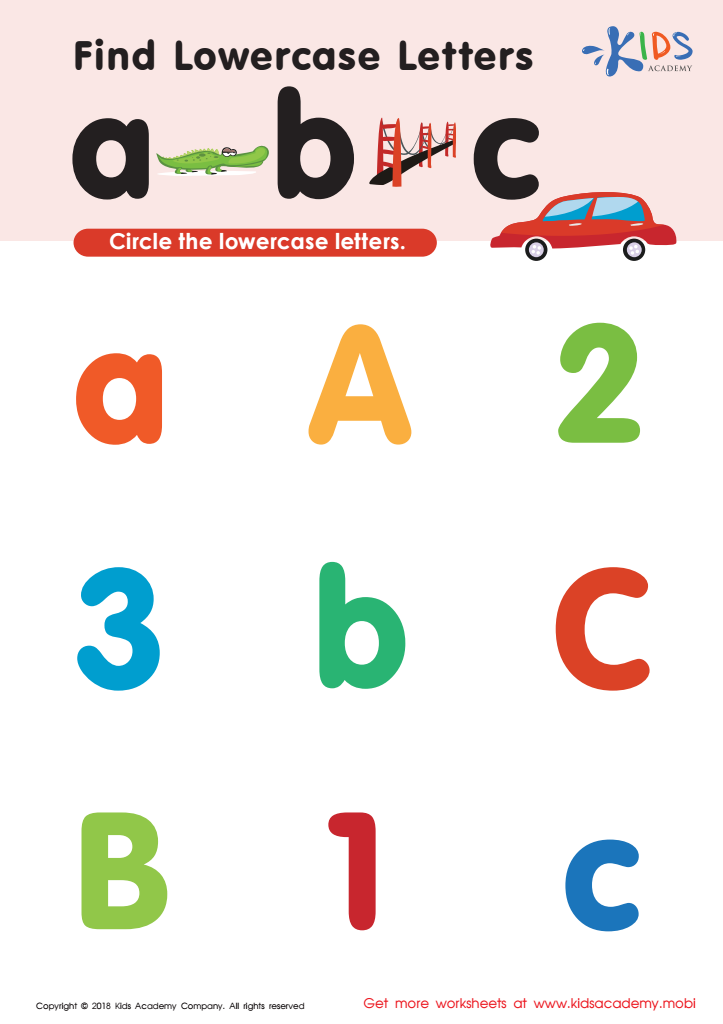
Find lowercase letters a b c Worksheet
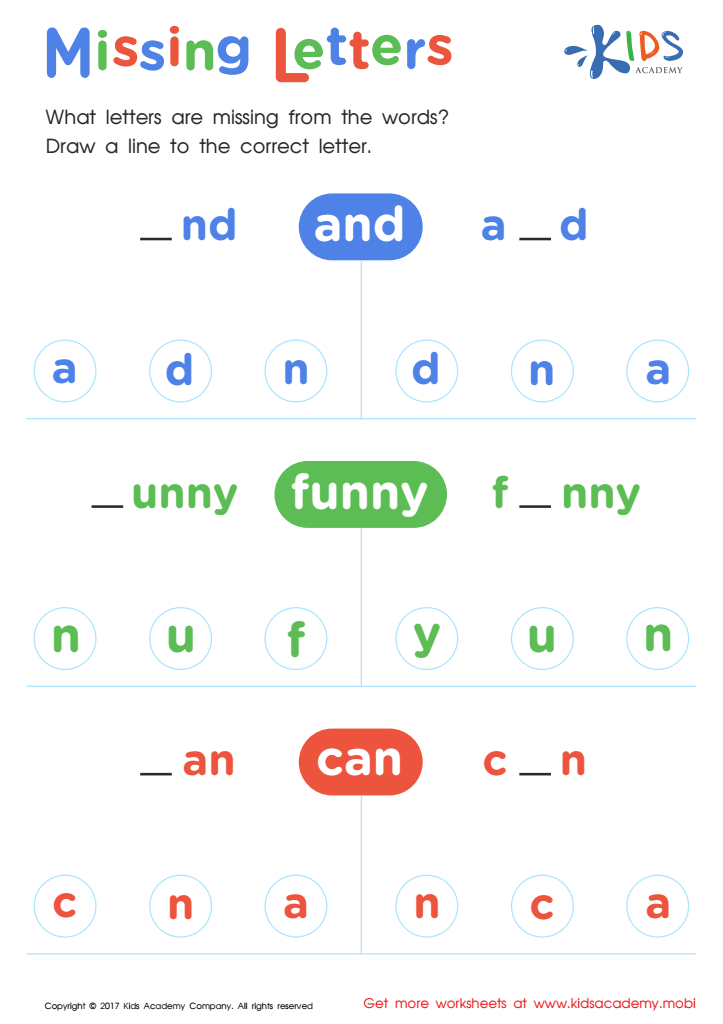
Missing Letters Worksheet
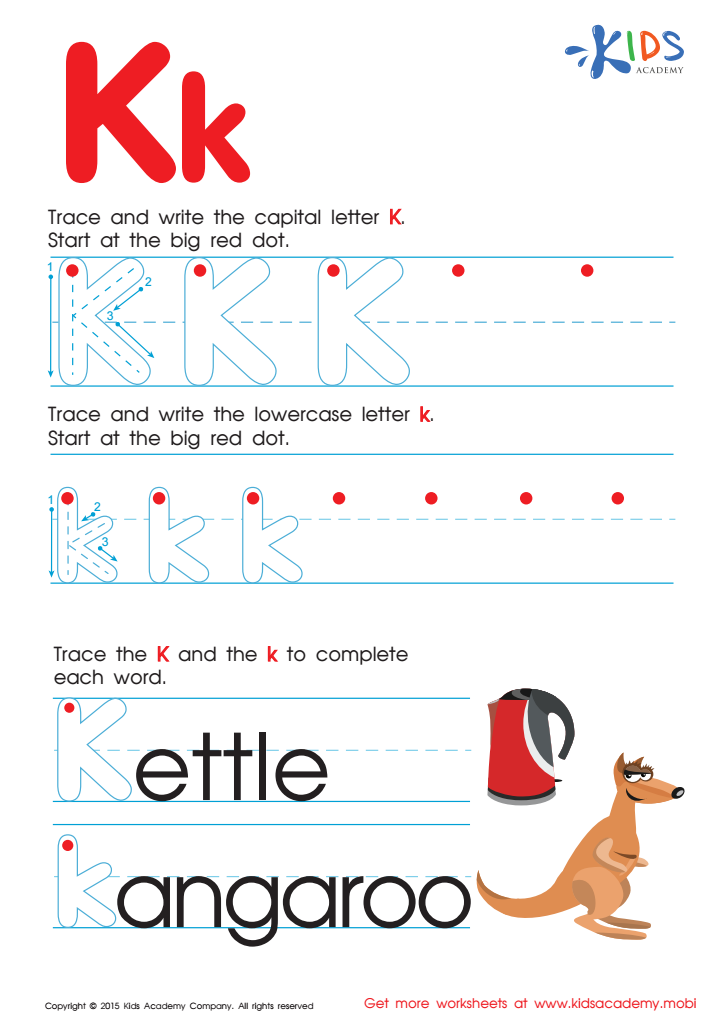
Letter K Tracing Page
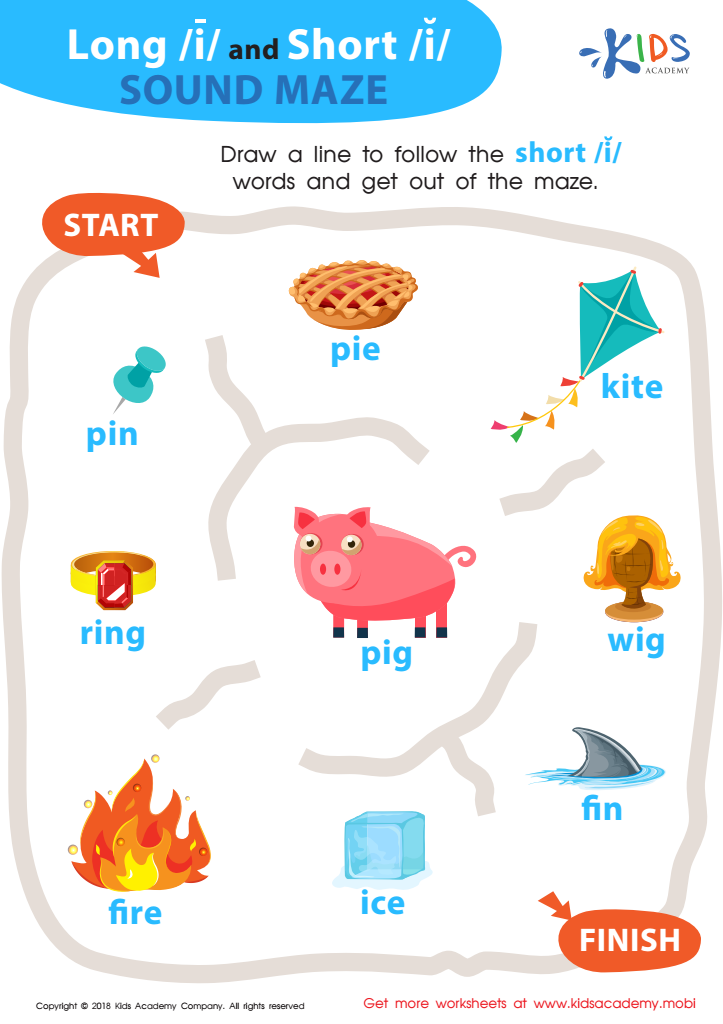
Reading: Long I and Short I Sound Maze Worksheet
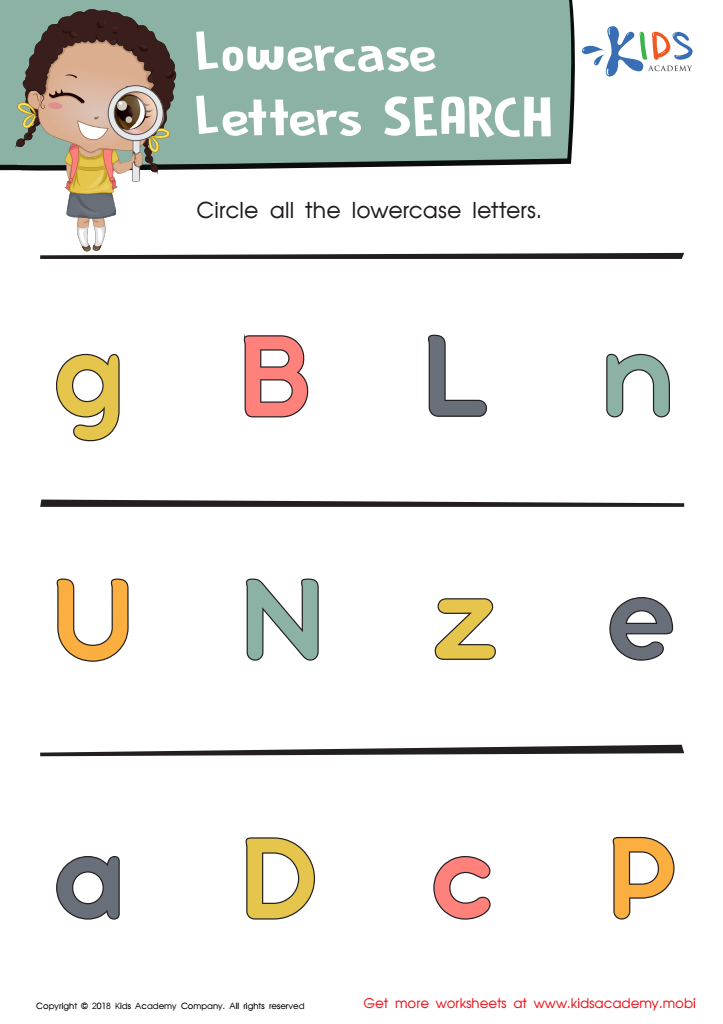
Lowercase Letters Search: Assessment Worksheet
Letter Y Coloring Sheet
Assign to My Students
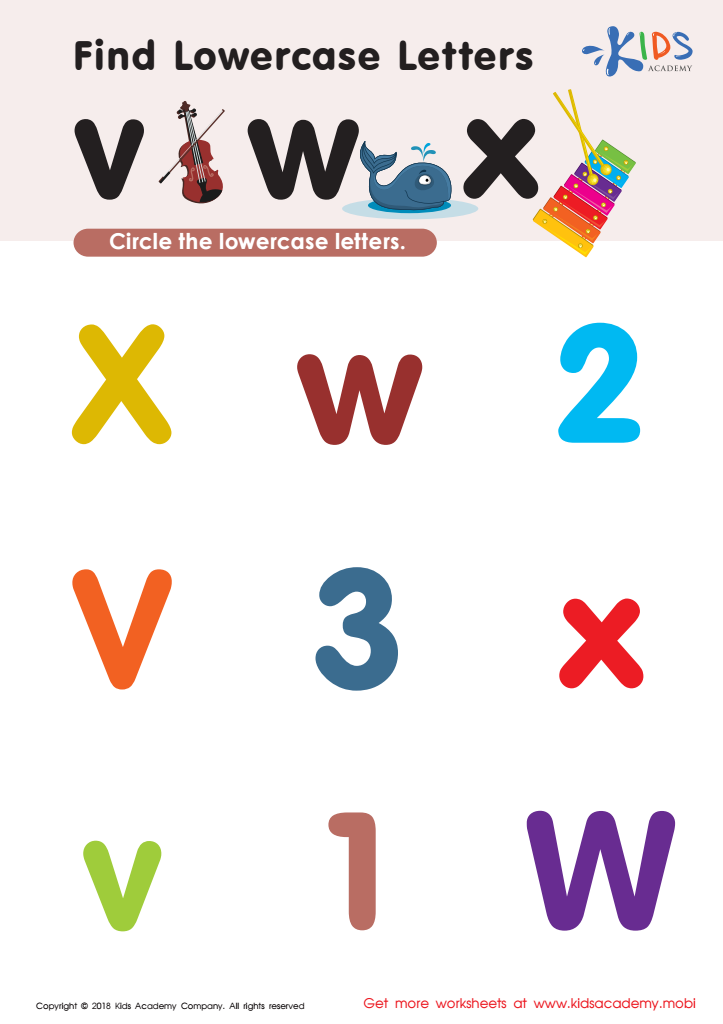
Find Lowercase Letters v w x Worksheet
Letter K Coloring Sheet
Assign to My Students
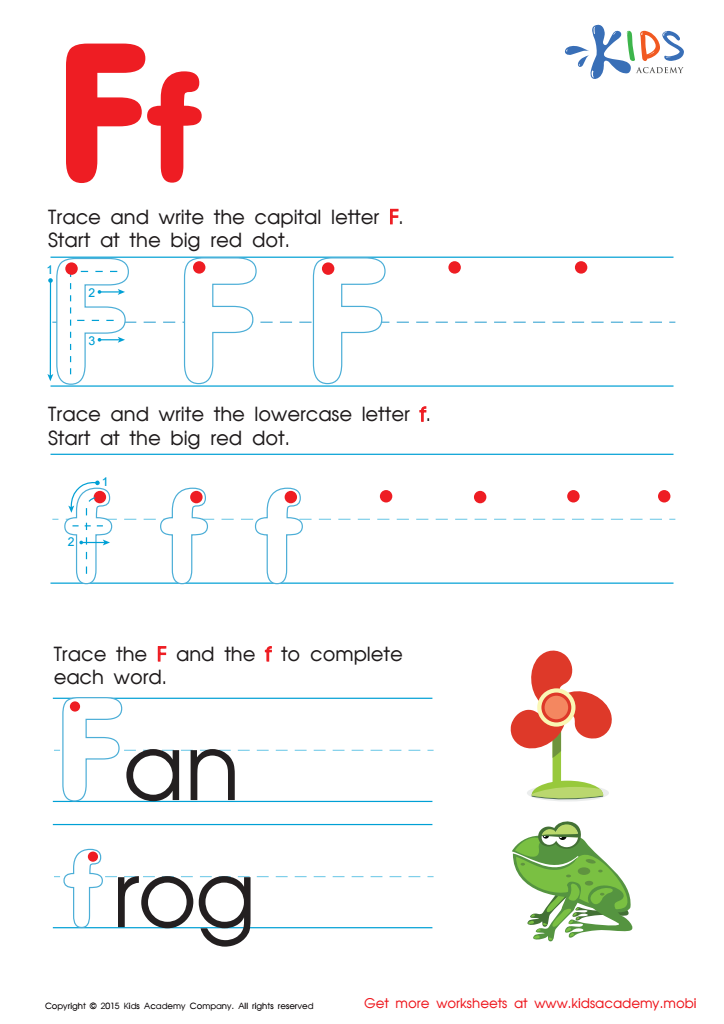
Letter F Tracing Page
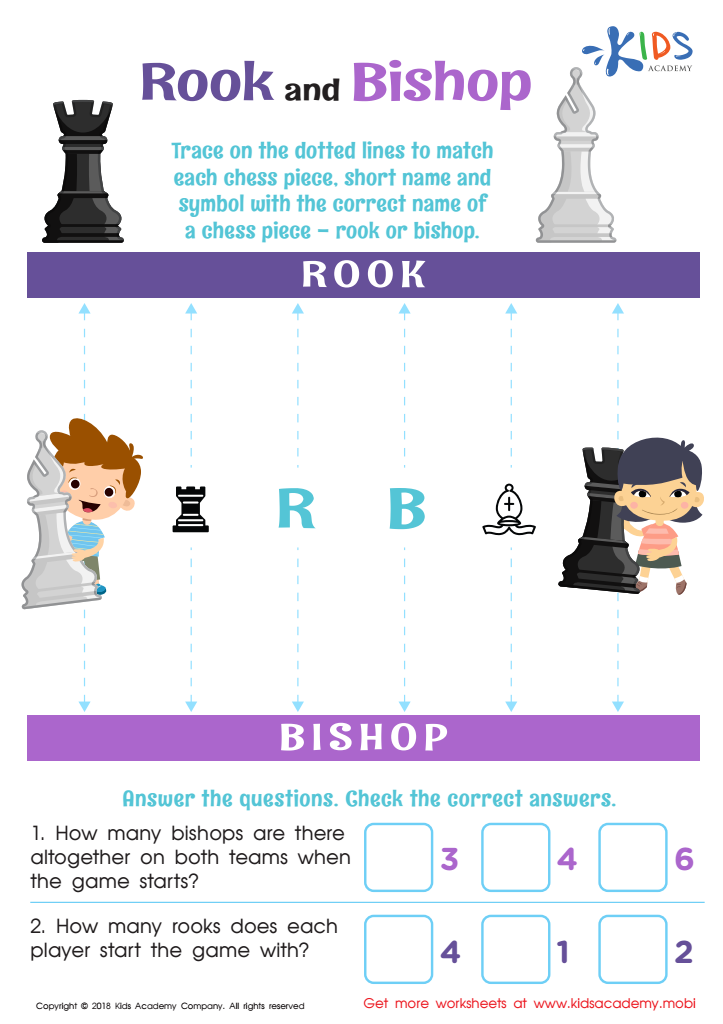
Rook and Bishop Worksheet
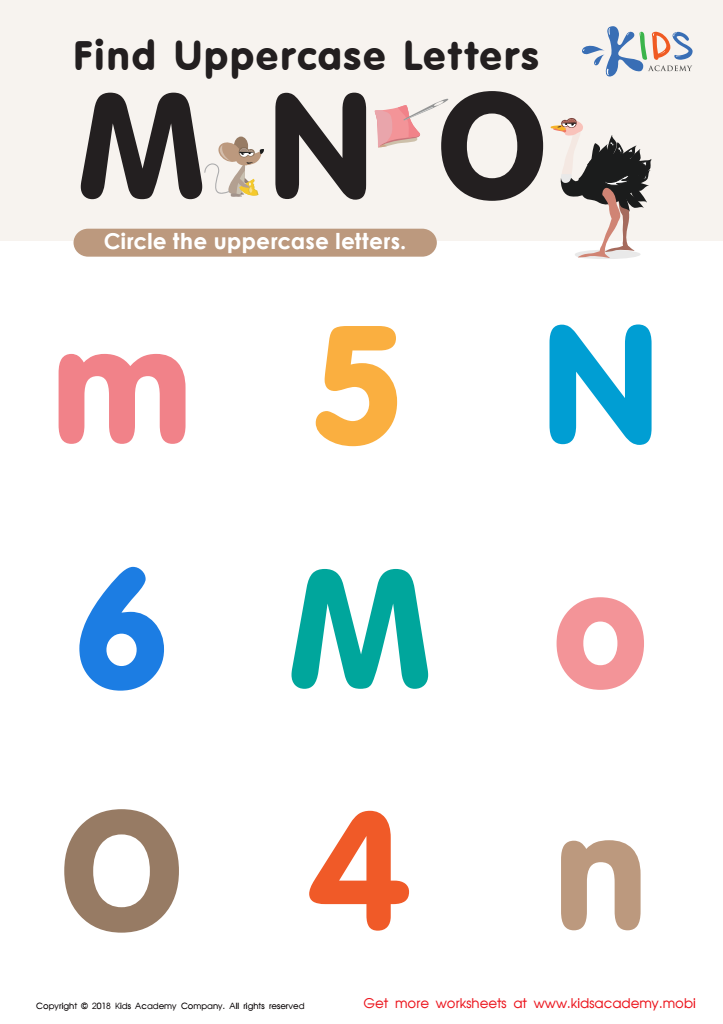
Find Uppercase Letters M, N, and O Worksheet
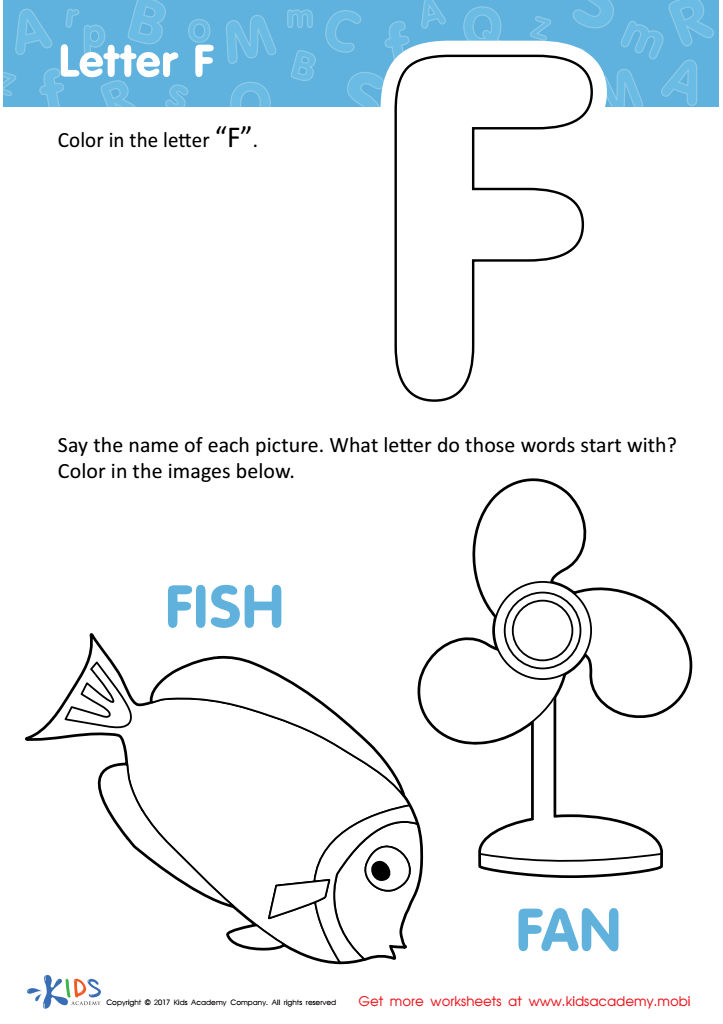
Letter F Coloring Sheet
Assign to My Students
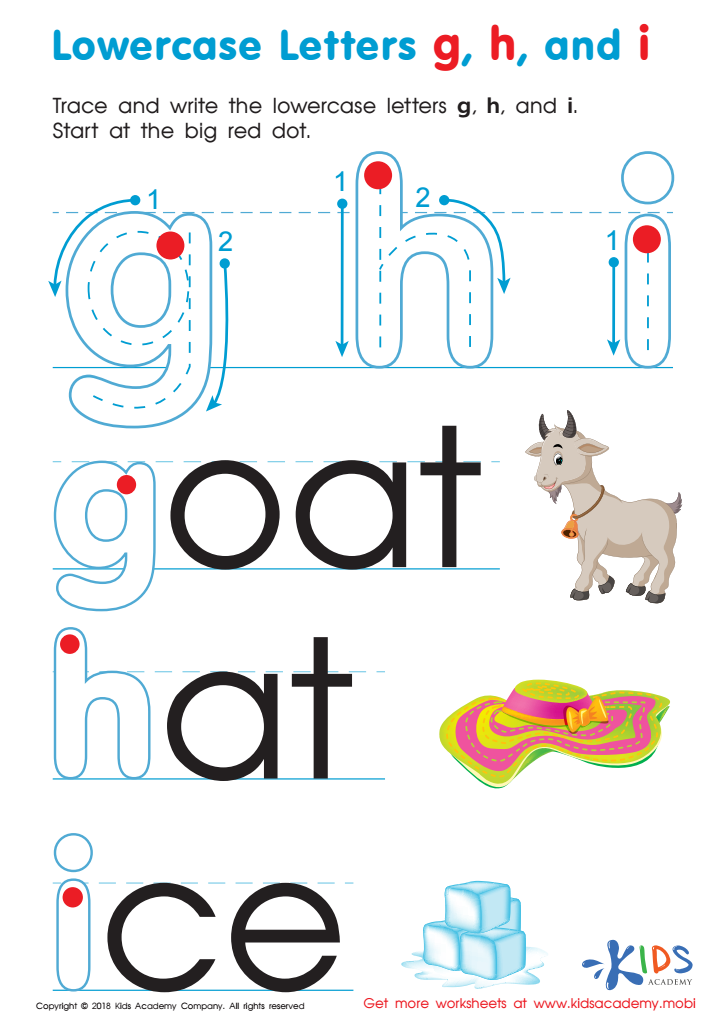
Lowercase Letters g h i Worksheet
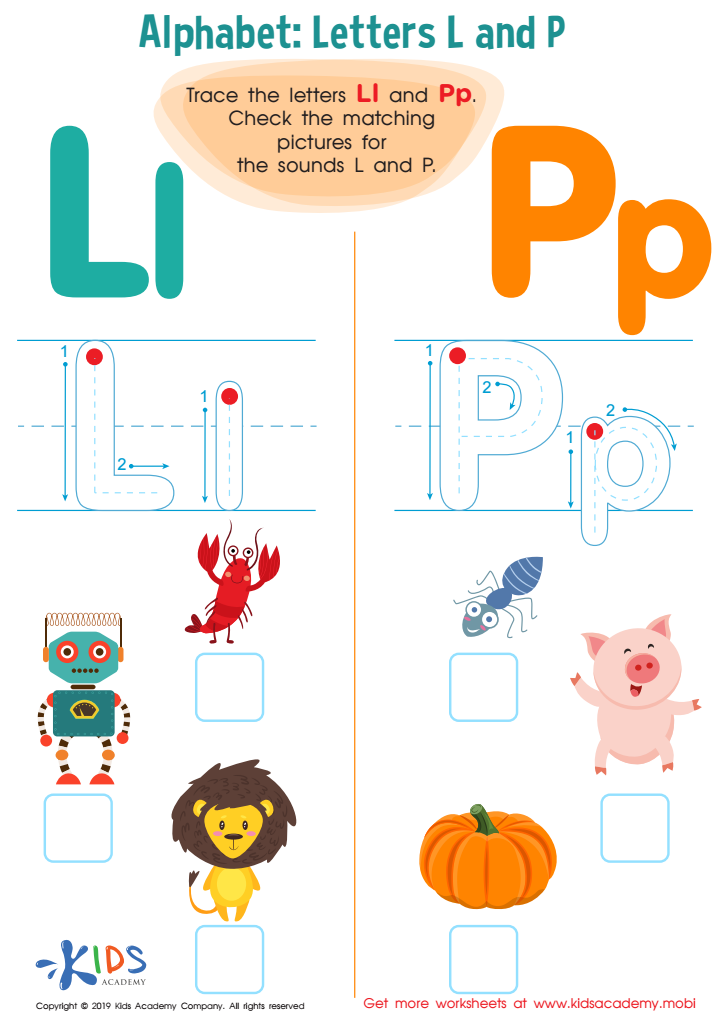
Letter L and P Tracing Worksheet
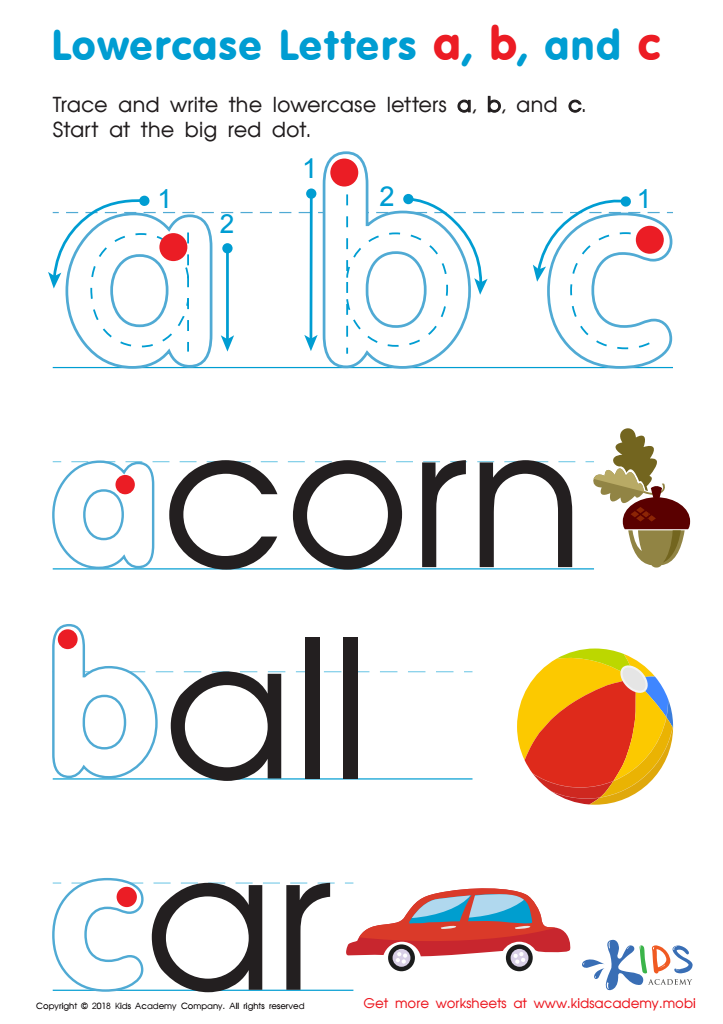
Lowercase Letters a b c Worksheet
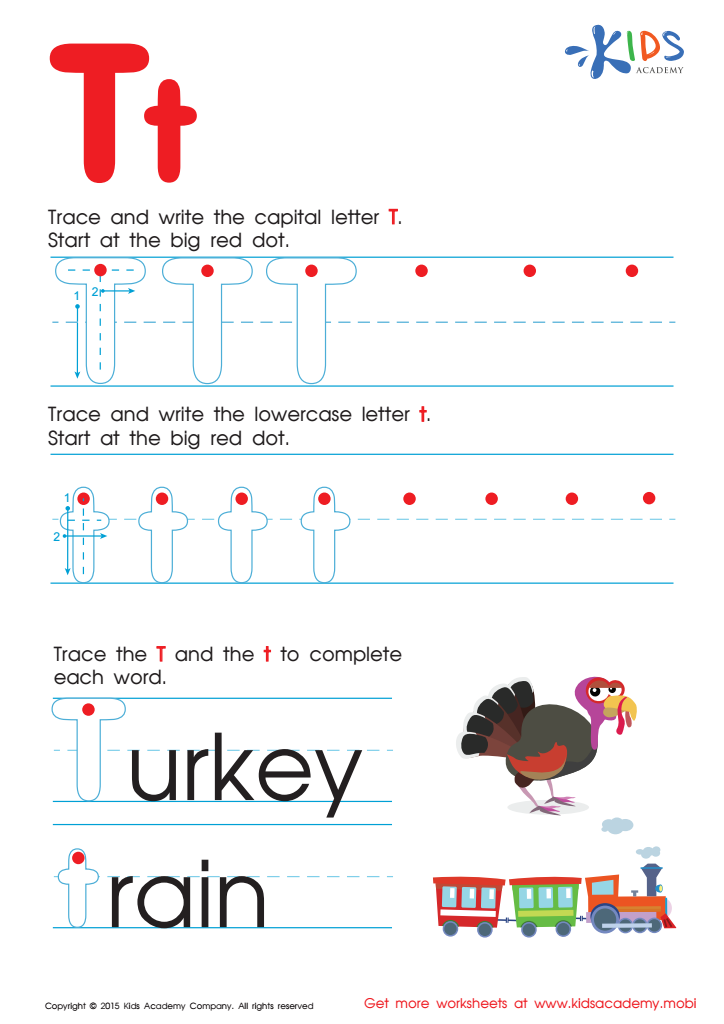
Letter T Tracing Page








Letter recognition is a foundational skill for young learners aged 3-8, playing a crucial role in early literacy development. First and foremost, recognizing letters helps children understand the alphabetic principle—the idea that letters represent sounds and can be combined to form words. This understanding is essential for reading and writing, skills that are fundamental to academic success.
Moreover, early letter recognition fosters confidence in young children as they begin to decode words independently. When they can identify letters and their corresponding sounds, they become more enthusiastic readers, often leading to a lifelong love for books. Children who grasp letter recognition also tend to perform better in later educational settings, making it a significant predictor of future literacy skills.
Additionally, engaging parents or teachers in letter recognition activities can enhance a child's learning experience. It creates opportunities for bonding as caregivers explore letters through games, stories, and interactive activities. Encouraging a supportive environment allows children to develop linguistic skills in a fun, engaging manner. Ultimately, promoting letter recognition is an impactful step toward ensuring every child has the tools they need for effective communication, critical thinking, and academic achievement in their formative years.







