Animal identification Worksheets for Ages 3-8 - Page 2
52 filtered results
-
From - To
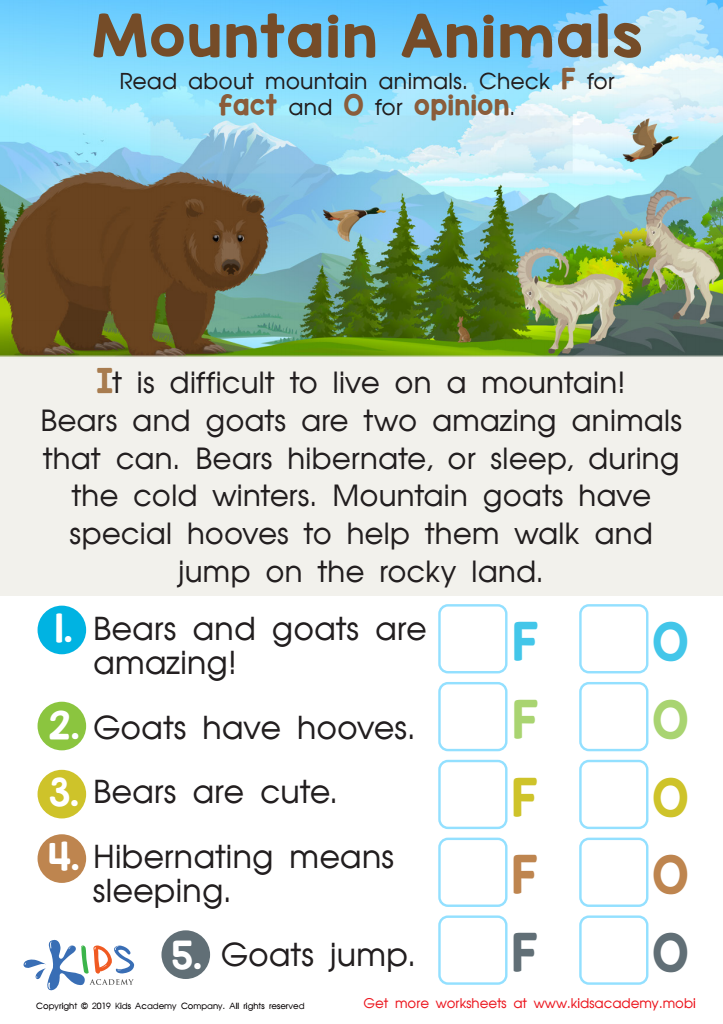
Mountain Animals Worksheet
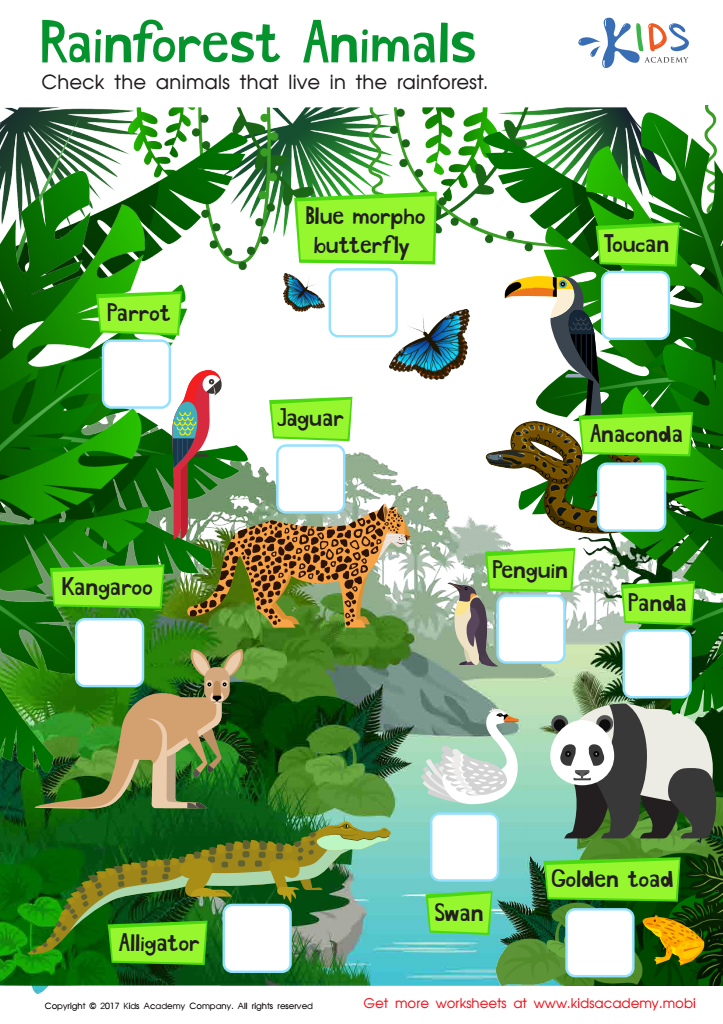
Rainforest Animals Worksheet
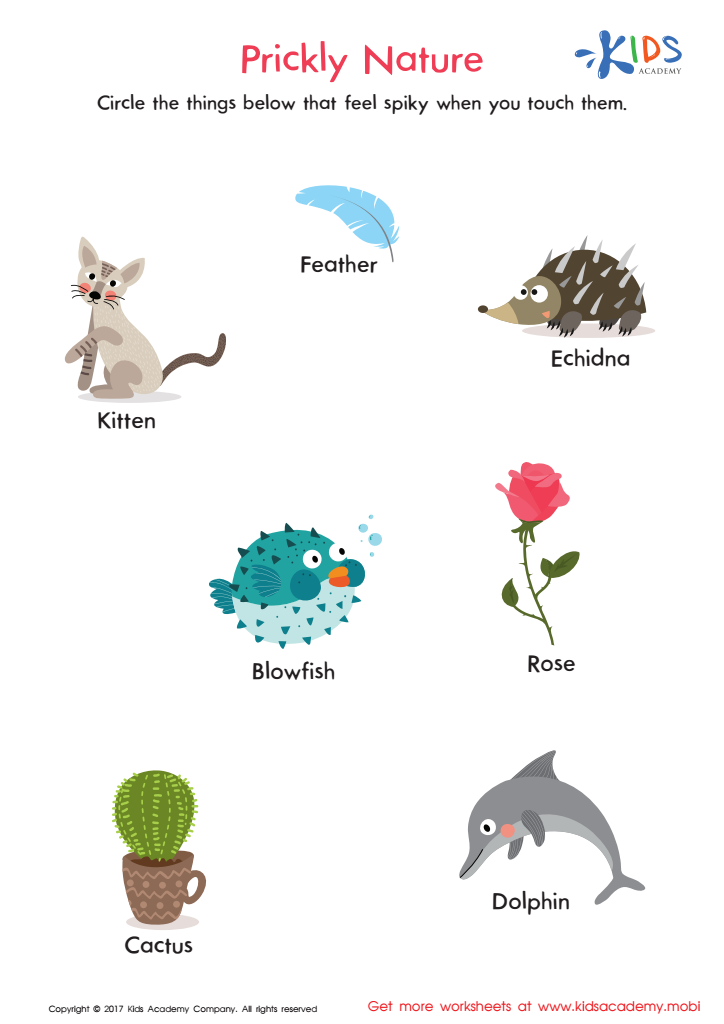
Prickly Nature Worksheet
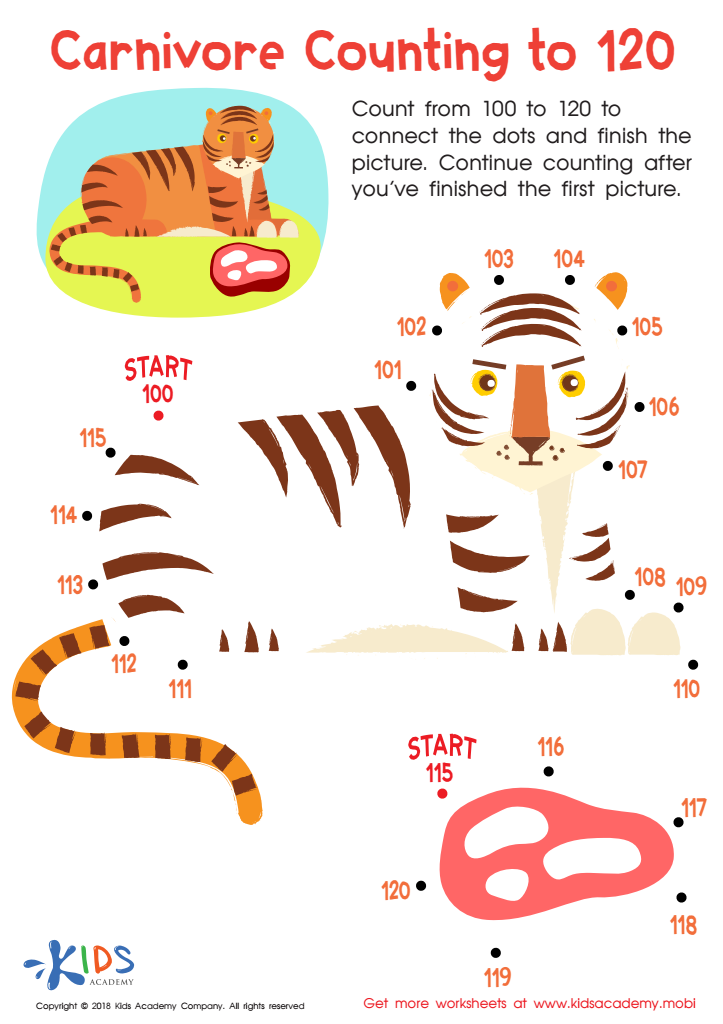
Carnivore Counting to 120 Worksheet
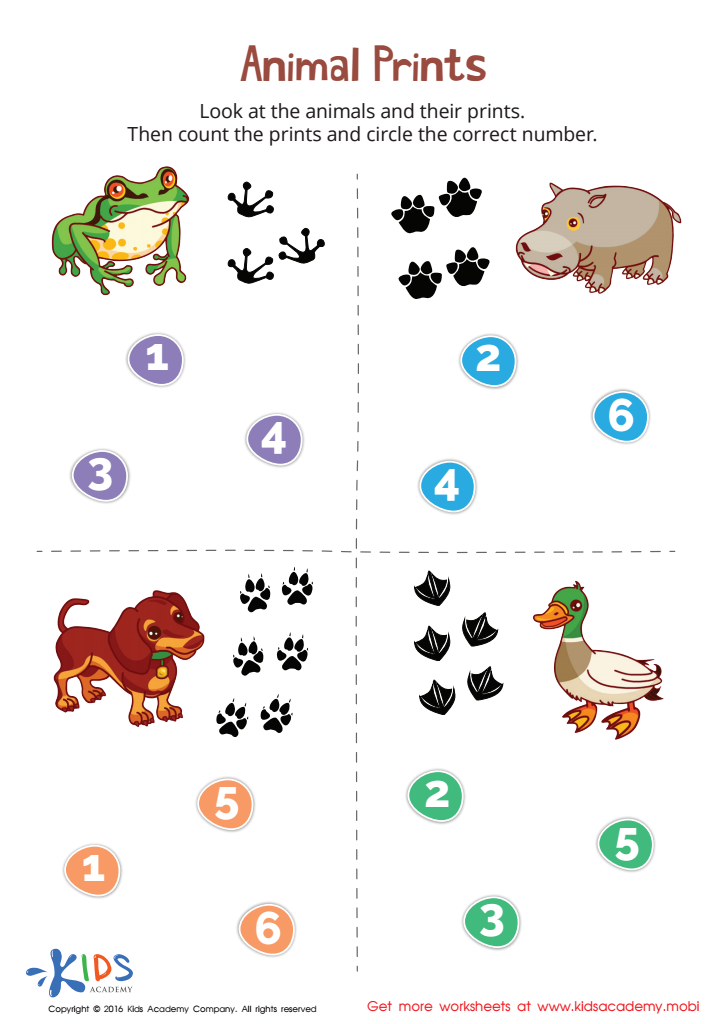
Animal Prints Match-Up Worksheet
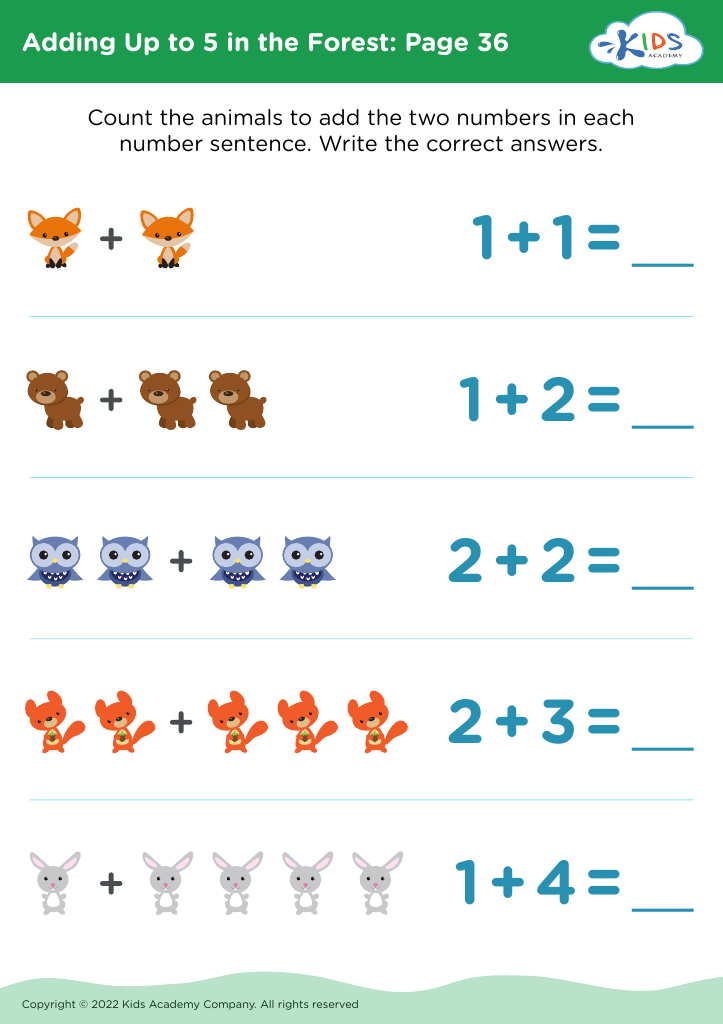
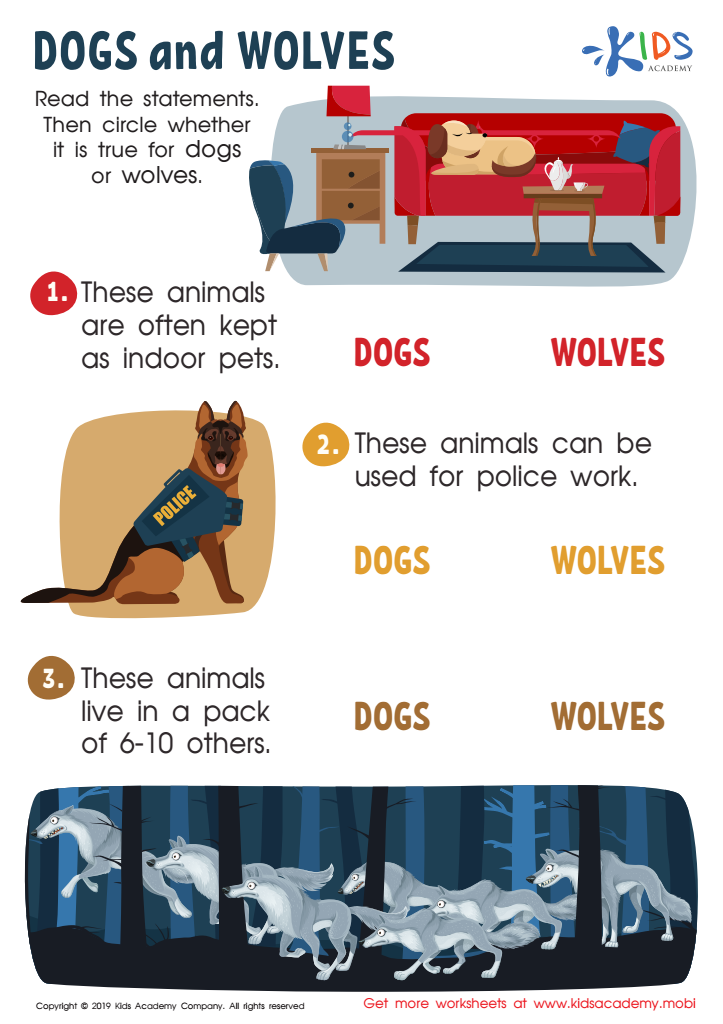
Dogs and Wolves Worksheet
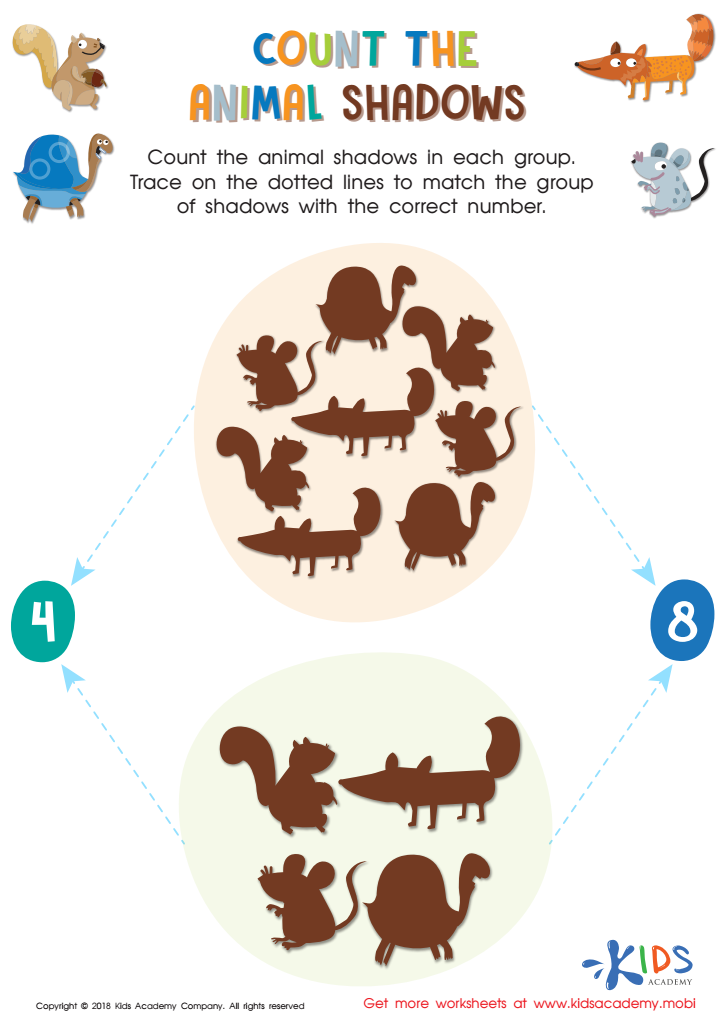
Count the Animal Shadows Worksheet
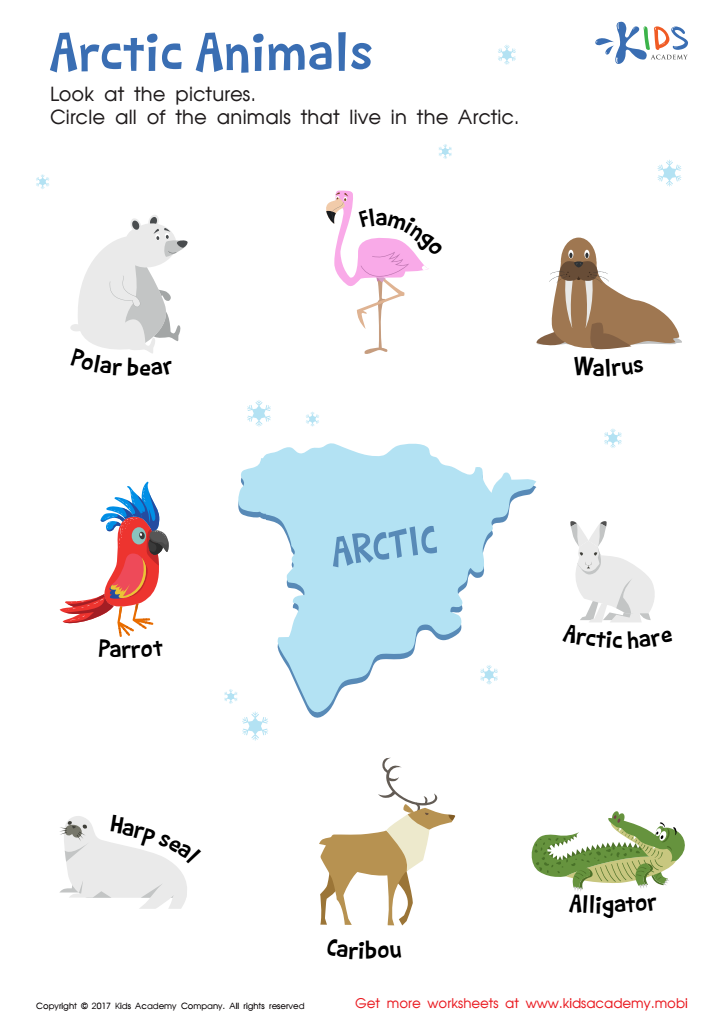
Arctic Animals Worksheet
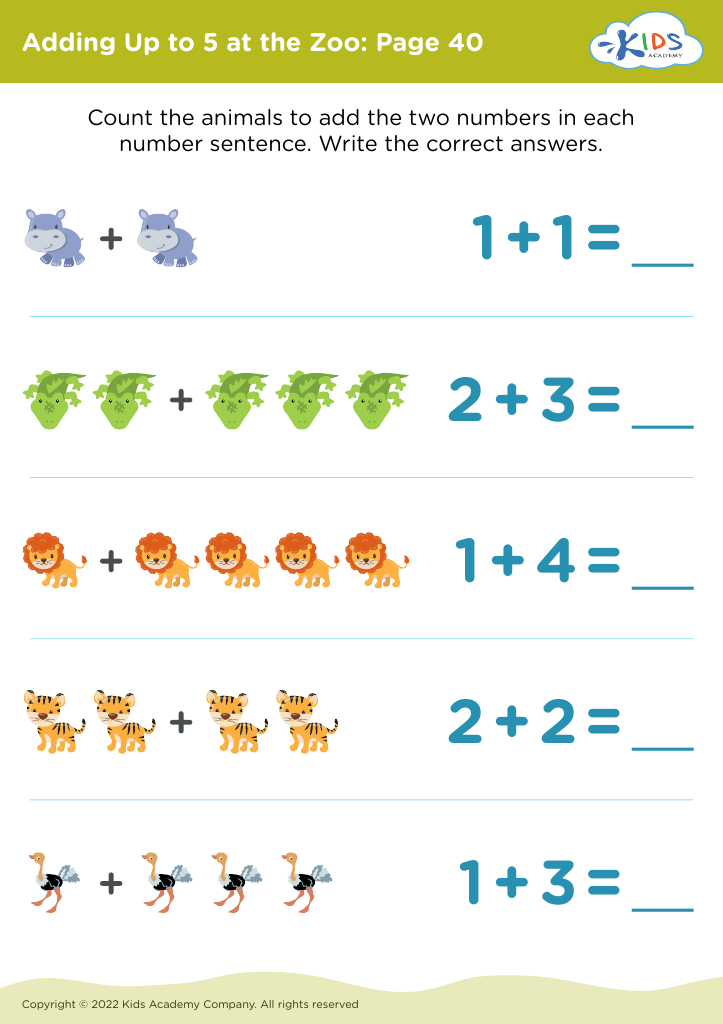
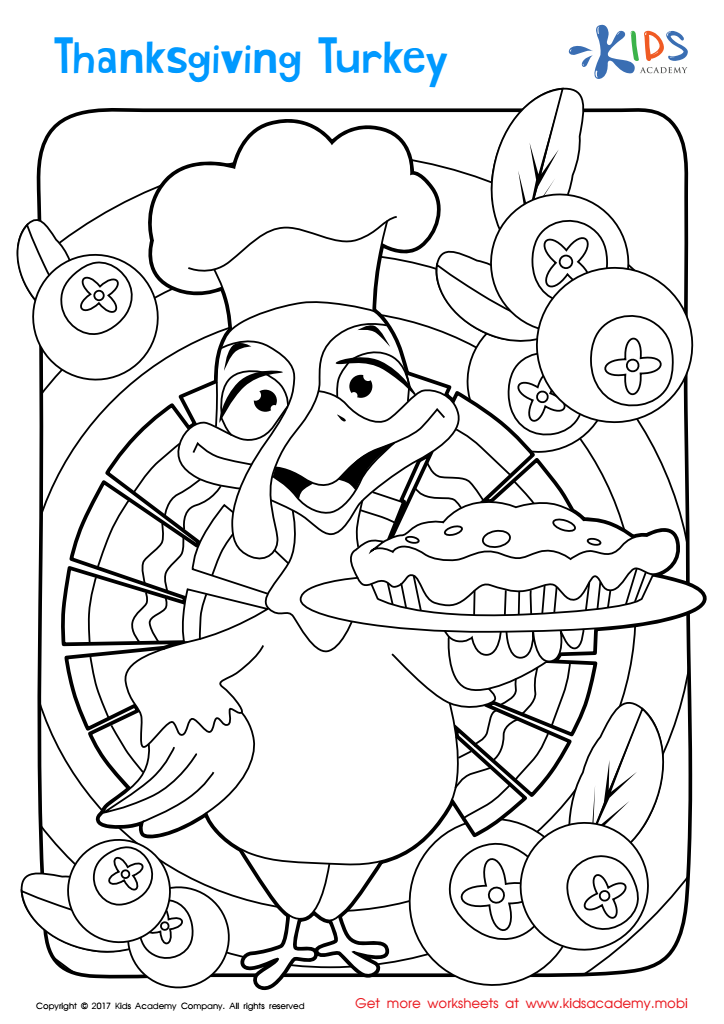
Turkey Thanksgiving Day Worksheet
 Assign to My Students
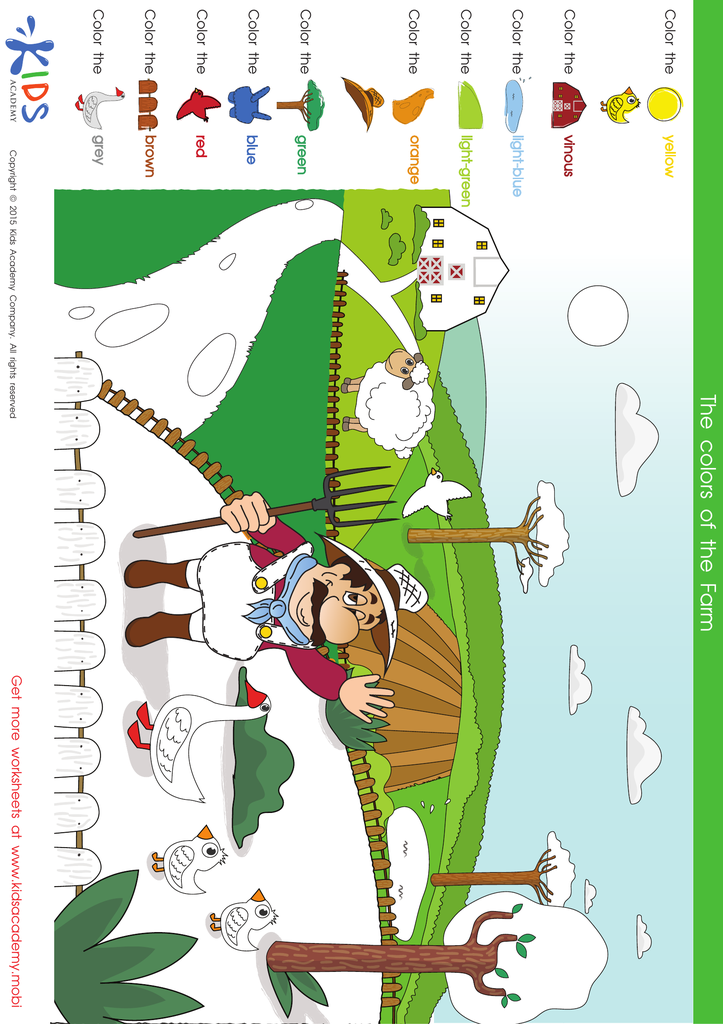
Color the Farmer and His Geese Coloring Pages
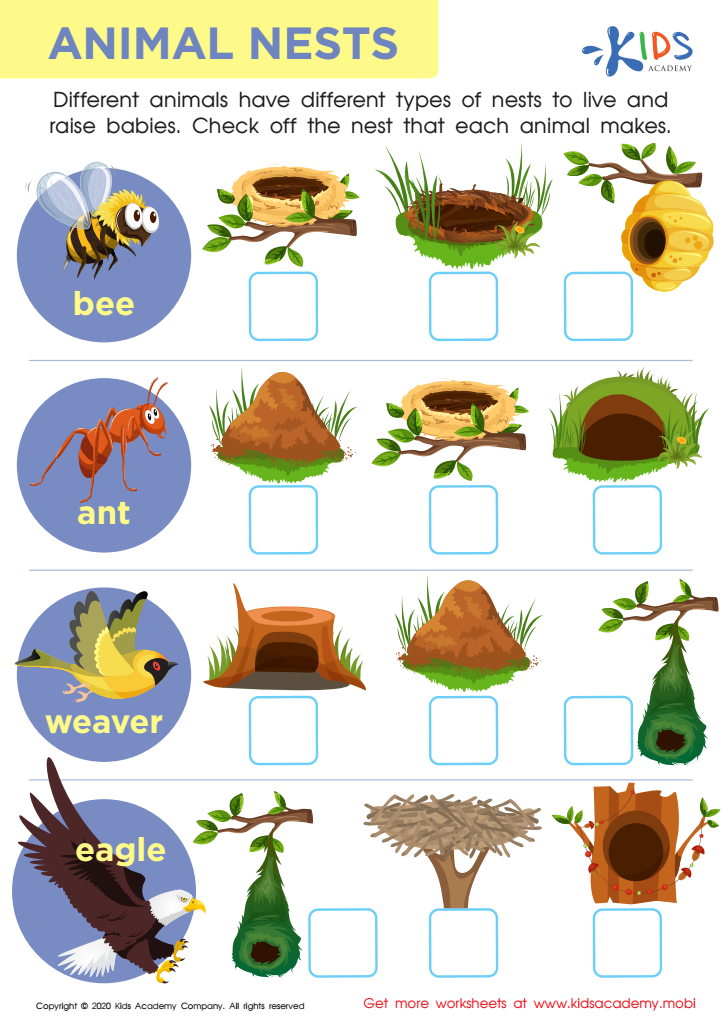
Animal Nests Worksheet
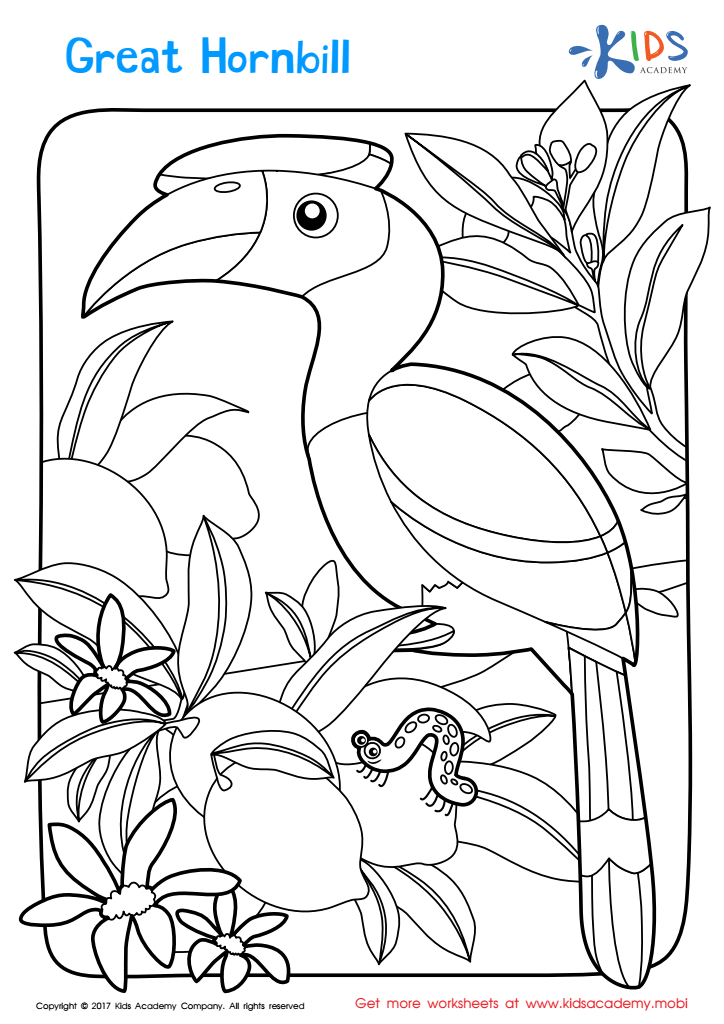
Great Hornbill Worksheet
Assign to My Students
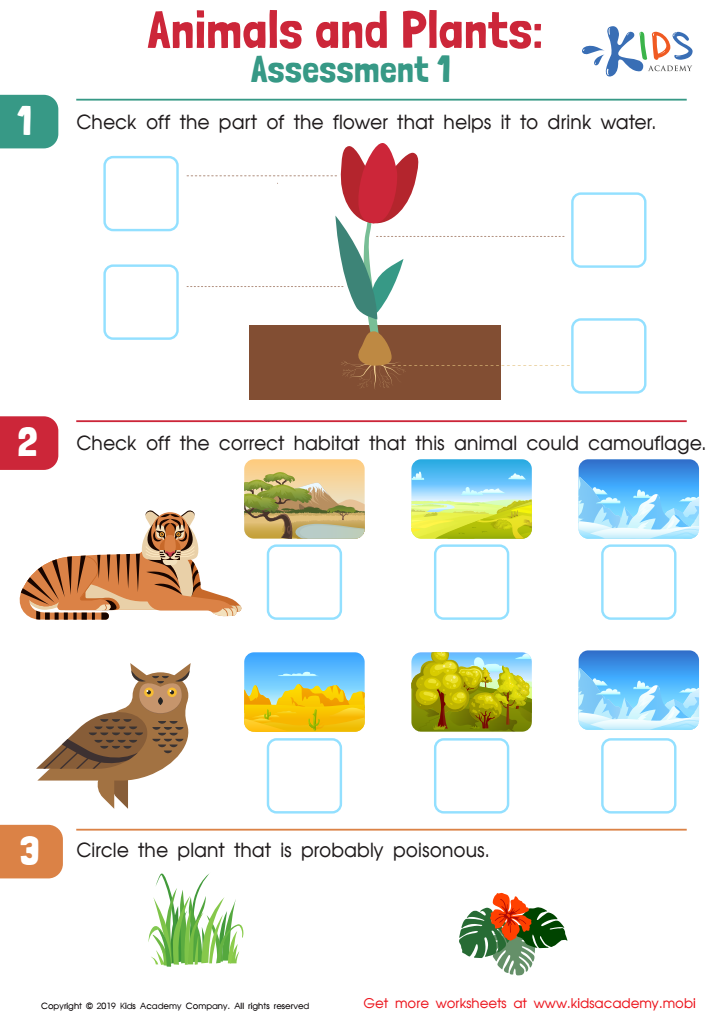
Animals and Plants: Assessment 1 Worksheet








Animal identification is an essential aspect of early childhood education as it enhances cognitive and social development in children aged 3-8. At this formative stage, children are naturally curious about the world around them, and learning to identify animals fosters this curiosity. It aids in the development of vocabulary and language skills, as children learn the names of various animals, their traits, and their habitats.
Moreover, recognizing different animals can ignite discussions about nature, ecosystems, and the importance of biodiversity. These discussions instill a sense of environmental stewardship from a young age, encouraging respect and compassion for living creatures.
Animal identification also promotes critical thinking and observational skills. By distinguishing between different animals, children practice categorization, comparison, and problem-solving skills.
Additionally, incorporating animals into learning activities, such as stories, songs, and games, makes learning interactive and enjoyable. It enhances engagement and retention of information.
Ultimately, understanding animal identification aids in holistic development, laying the groundwork for responsible citizenship and empathy, crucial traits to carry into adulthood. Therefore, parents and teachers should embrace opportunities for children to explore and learn about animals as a vital part of their growth and education.








