Cultural Understanding Worksheets for Ages 3-8
3 filtered results
-
From - To
Introduce young learners to the rich tapestry of global cultures with our engaging Cultural Understanding Worksheets for Ages 3-8. These thoughtfully designed printable activities aim to expand children's horizons and foster essential life skills such as empathy, curiosity, and respect for diversity. Ideal for classroom and home settings, each worksheet offers fun and interactive exercises that explore traditions, languages, and lifestyles from around the world. Help your child build a solid foundation in cultural awareness while enhancing their learning experience. Visit Kids Academy to download free worksheets and start your exciting journey into global citizenship today!
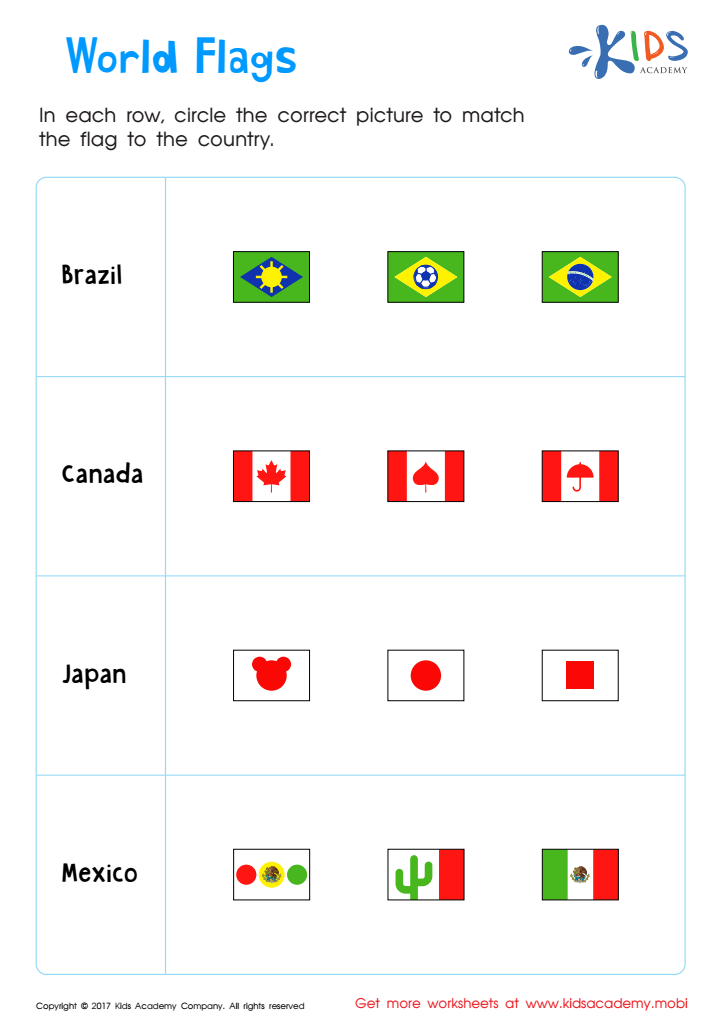
World Flags Printable
 Assign to My Students
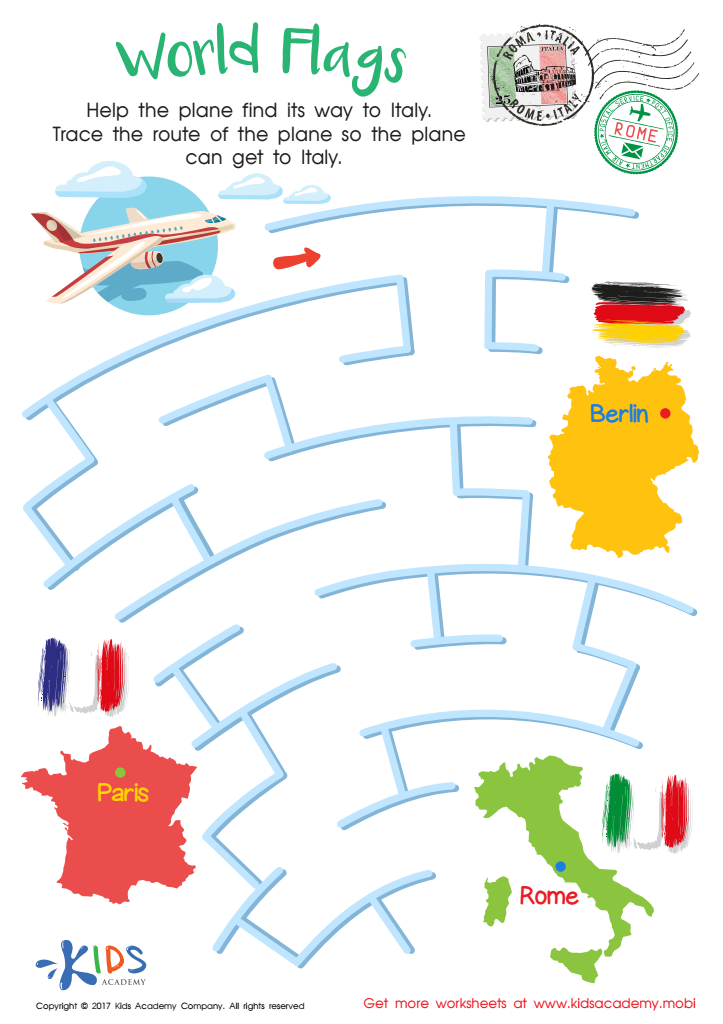
World Flags Maze Worksheet
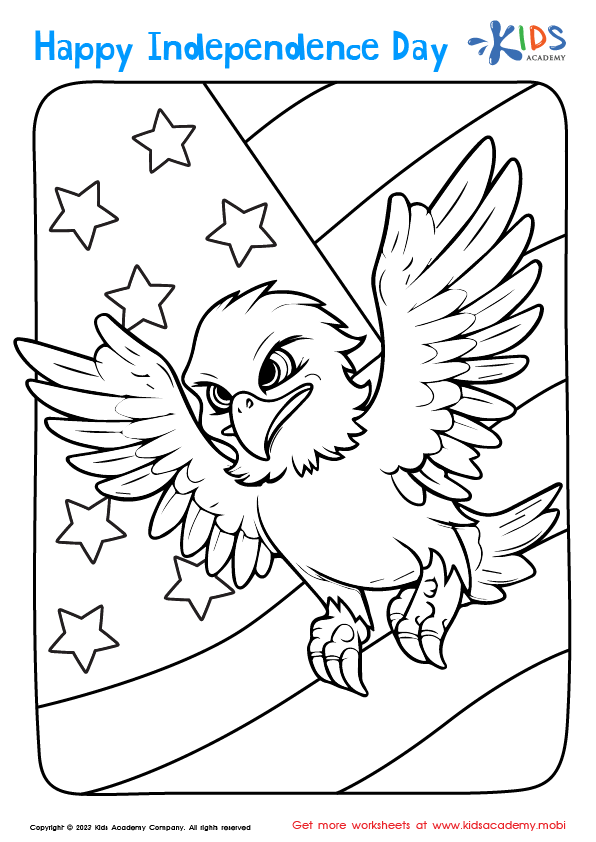


.jpg)





Cultural understanding is crucial for young children aged 3-8 because these formative years shape their future attitudes, perceptions, and behaviors. Parents and teachers play a pivotal role in fostering an appreciation for diversity, which helps build empathy, respect, and inclusivity early in life. By introducing children to various cultures through stories, foods, traditions, and languages, they learn to appreciate that while people might have unique differences, they also share universal human values such as love, kindness, and community.
Teaching cultural understanding at a young age helps prevent the development of stereotypes and prejudice. When children understand and celebrate differences, they are more likely to grow into adults who collaborate effectively in diverse workplaces and communities. Moreover, it promotes self-esteem in children from different cultural backgrounds as they see their identities and traditions respected and valued.
Additionally, in our increasingly globalized world, being culturally literate is indispensable. It prepares young minds to interact harmoniously with peers from around the globe, makes them more adaptable, and widens their perspectives. When children are educated about diversity, they become vision carriers of a cohesive society that values mutual respect and understanding. This lays a stronger foundation for peace and cooperation in the future.








