Data analysis skills Worksheets for Ages 3-8
3 filtered results
-
From - To
Unlock your child's potential with our engaging Data Analysis Skills Worksheets designed specifically for ages 3-8! These interactive resources help young learners develop essential analytical skills through colorful, age-appropriate activities. Children will explore concepts such as sorting, comparing, and interpreting data in a fun and accessible way. Our worksheets promote critical thinking and problem-solving skills while making learning enjoyable. They are perfect for both classroom settings and at-home learning. Equip your little ones with the foundational skills they need for future academic success. Dive into our collection and watch your child thrive as they discover the exciting world of data analysis!
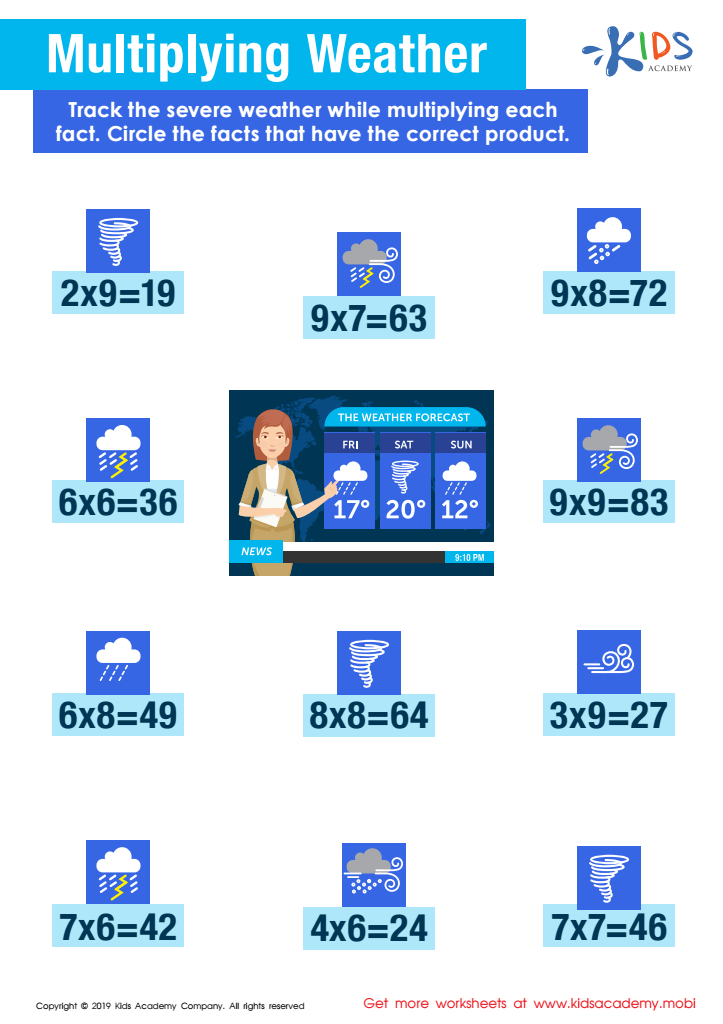
Multiplying Weather Worksheet
 Assign to My Students

Birdy Graph Matching Worksheet
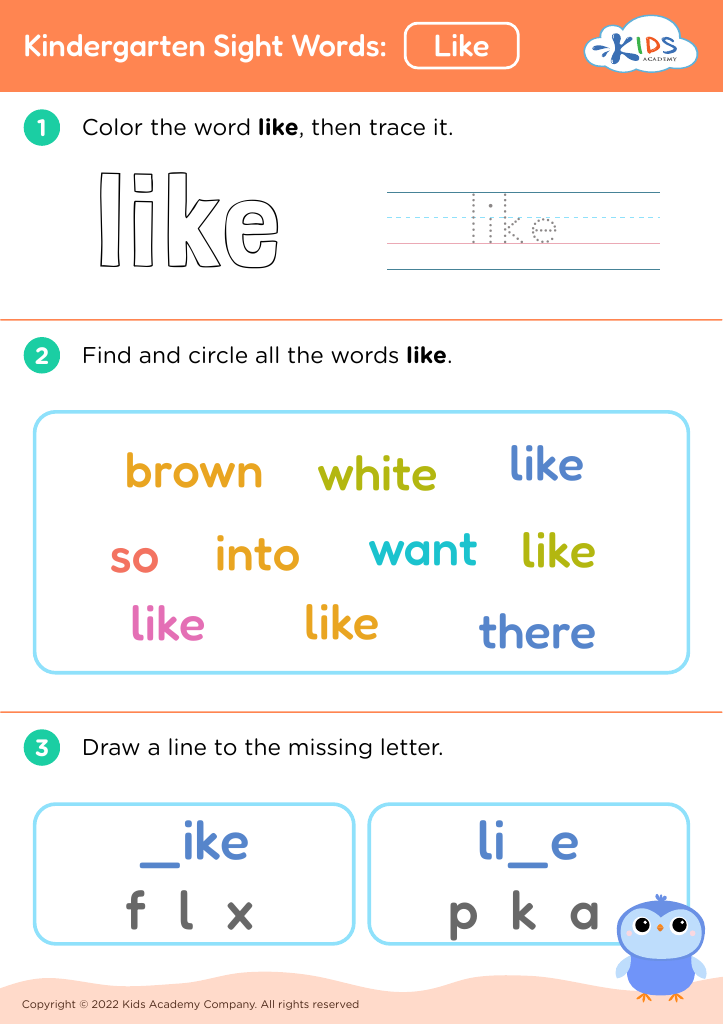


.jpg)




Data analysis skills are increasingly vital, even for young learners aged 3-8, as they underpin critical thinking, problem-solving, and decision-making abilities. By developing these skills early on, children learn to make sense of the world around them through the collection and interpretation of information.
Parents and teachers should care because early exposure to data analysis fosters curiosity and encourages children to explore their environment. For instance, counting objects during play or categorizing toys teaches basic data concepts. These foundational skills evolve as children progress, guiding them in understanding patterns, trends, and relationships in everyday situations.
Moreover, in a world driven by technology, foundational data literacy becomes crucial. As children grow, being able to analyze simple data sets can enhance learning in math, science, and social studies. It also equips them with essential skills they will need in higher education and careers.
By nurturing data analysis skills at a young age, parents and teachers empower children to develop strong cognitive abilities and confidence in their analytical capabilities. This prepares them not just for academic success but also for becoming informed, engaged citizens in an increasingly data-driven society. Early intervention in teaching these skills can lead to a lifelong appreciation for learning and evidence-based thinking.








