Fraction comparison Worksheets for Ages 3-8
47 filtered results
-
From - To
Explore our engaging Fraction Comparison Worksheets designed for children aged 3 to 8! Perfect for early learners, these worksheets introduce the essential concepts of fractions through fun and interactive activities. Kids will discover how to compare fractions using visuals, helping to build a solid foundation in math. Each worksheet features colorful illustrations and easy-to-follow instructions, ensuring an enjoyable learning experience. Ideal for classroom use or at-home practice, our resources cater to developing fine motor skills and critical thinking. Start your child's journey in understanding fractions today and watch their confidence soar! Access our Fraction Comparison Worksheets now for endless learning fun!
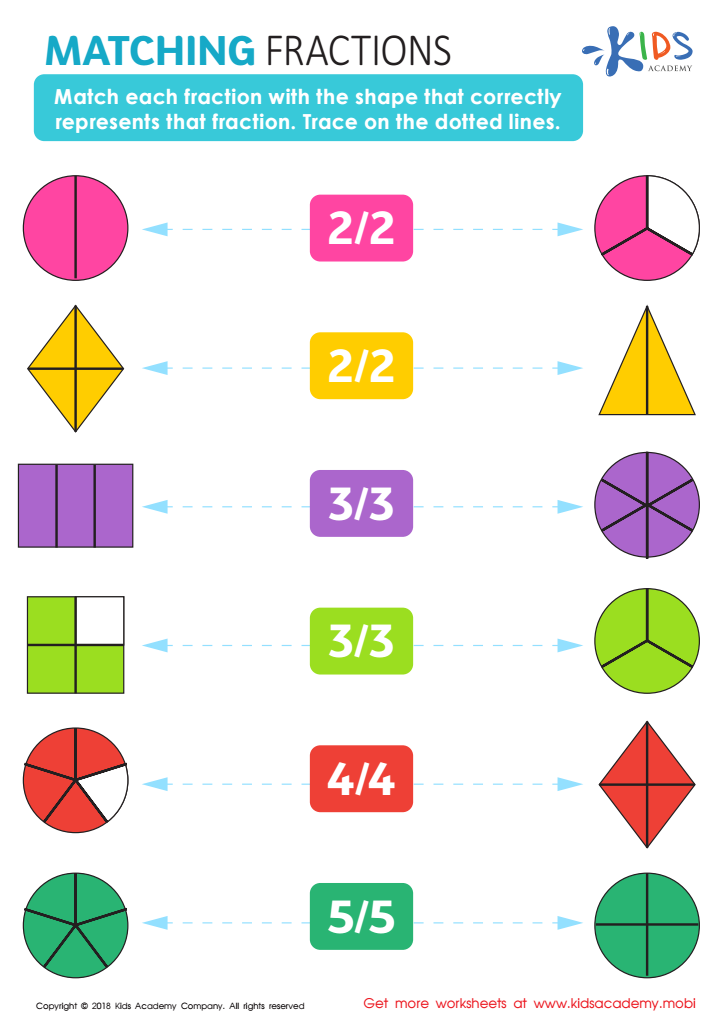
Matching Fractions Worksheet
 Assign to My Students
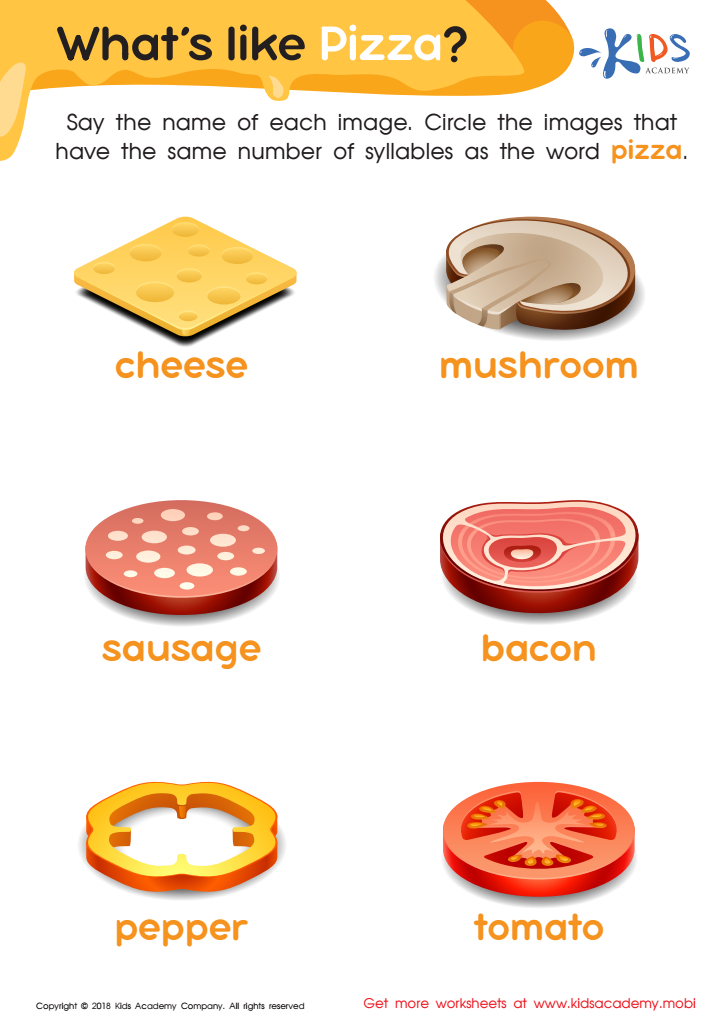
What's Like Pizza? Worksheet
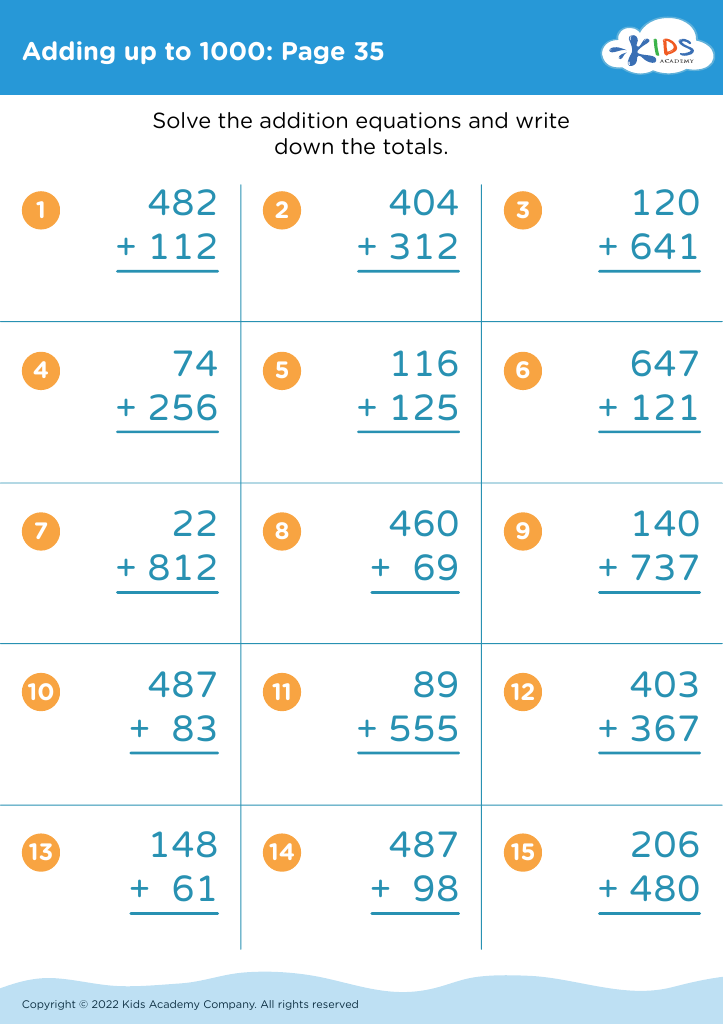
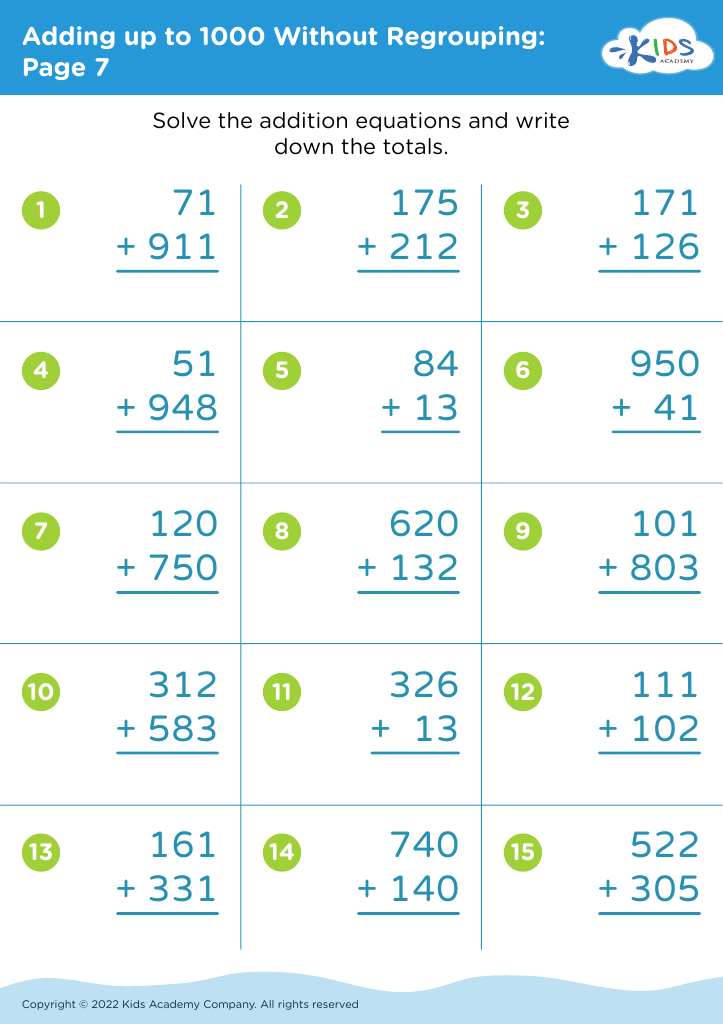
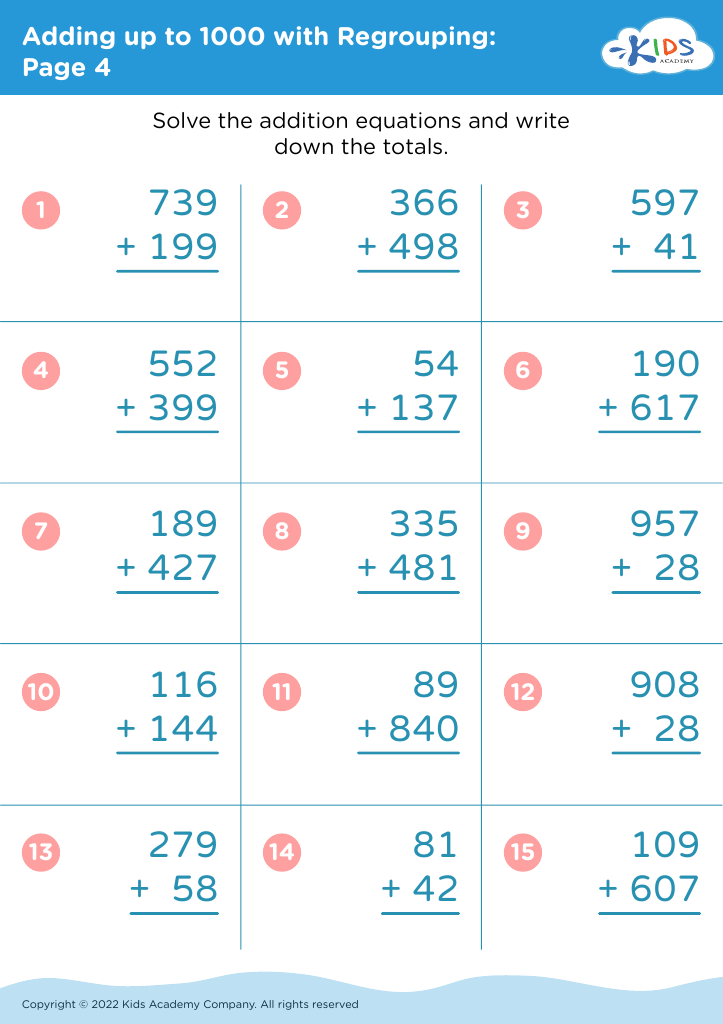
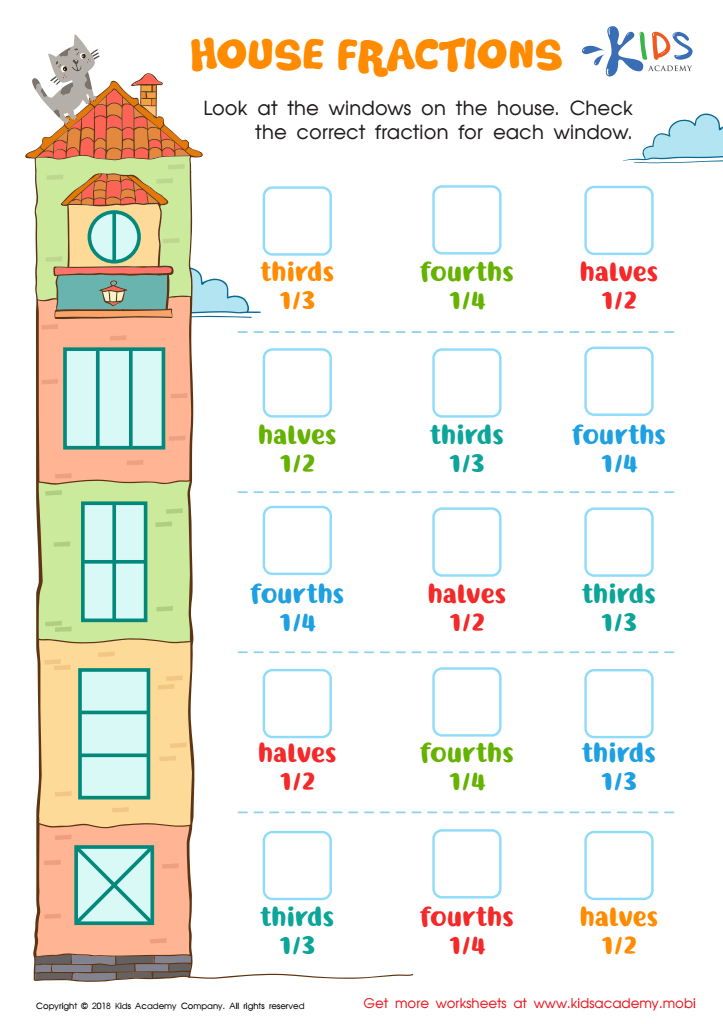
House Fractions Worksheet
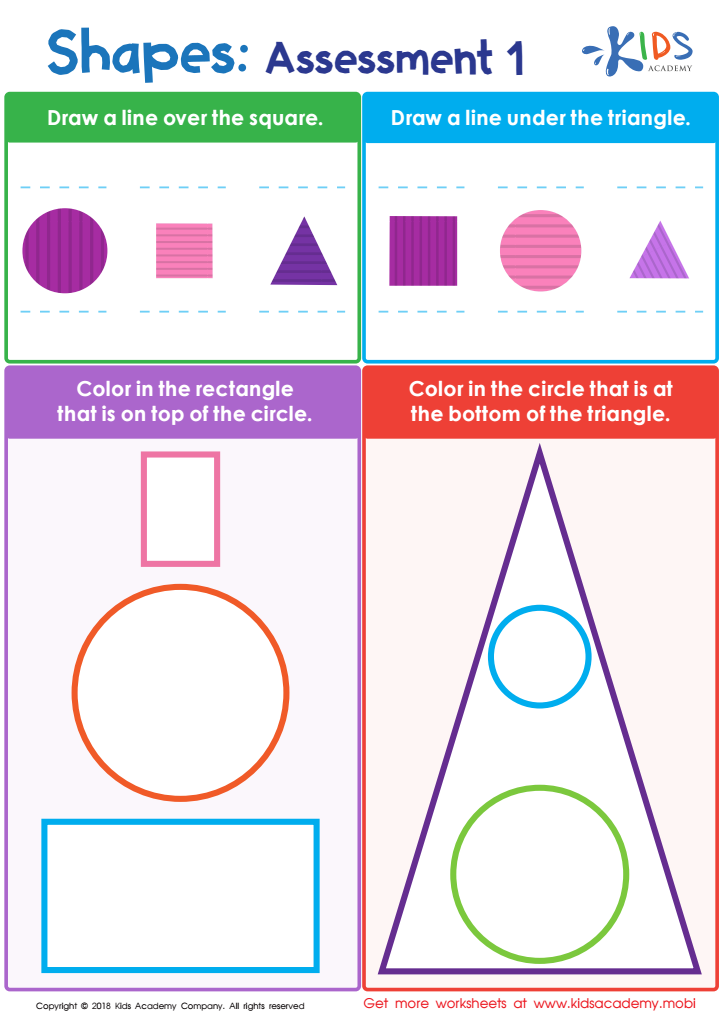
Shapes: Assessment 1 Worksheet
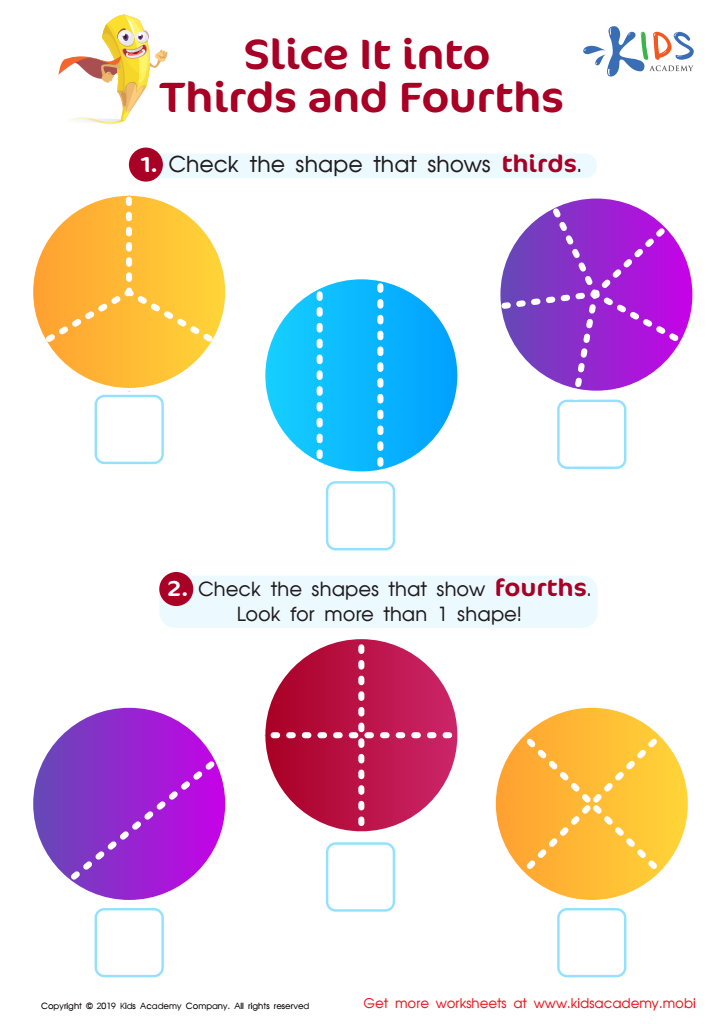
Slice in Thirds Fourths Worksheet





Understanding fraction comparison is crucial for children aged 3-8, as it lays the foundation for their mathematical reasoning abilities. At this formative stage, children begin to grasp fundamental concepts of division, scale, and proportion, which are essential in many real-life situations, from cooking to sharing resources equitably. By comparing fractions, children learn critical thinking and analytical skills, enabling them to solve problems effectively.
Moreover, early exposure to fractions helps demystify mathematics for young learners. When parents and teachers actively engage in discussions about fractions—whether through practical activities, visual aids, or storytelling—they not only bolster computational skills but also foster a positive attitude toward math. This encourages children to explore and appreciate the subject, building their confidence.
Crucially, understanding fractions sets the stage for more complex mathematics encountered in later grades, ensuring that children have a solid grasp of concepts as they progress in their education. Furthermore, teaching fraction comparison supports collaborative and social skills, as children often work together to solve problems. In nurturing these skills, parents and teachers contribute to children's holistic development, guiding them toward becoming confident thinkers and problem solvers prepared for future academic challenges.








