Improving numeracy skills Worksheets for Ages 3-8
5 filtered results
-
From - To
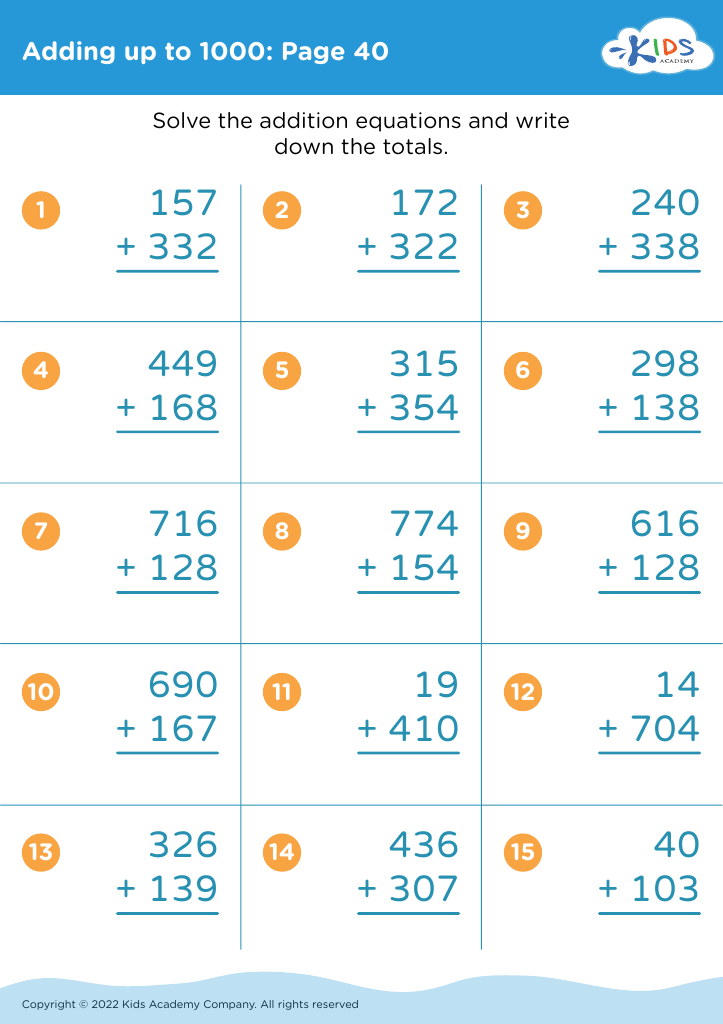
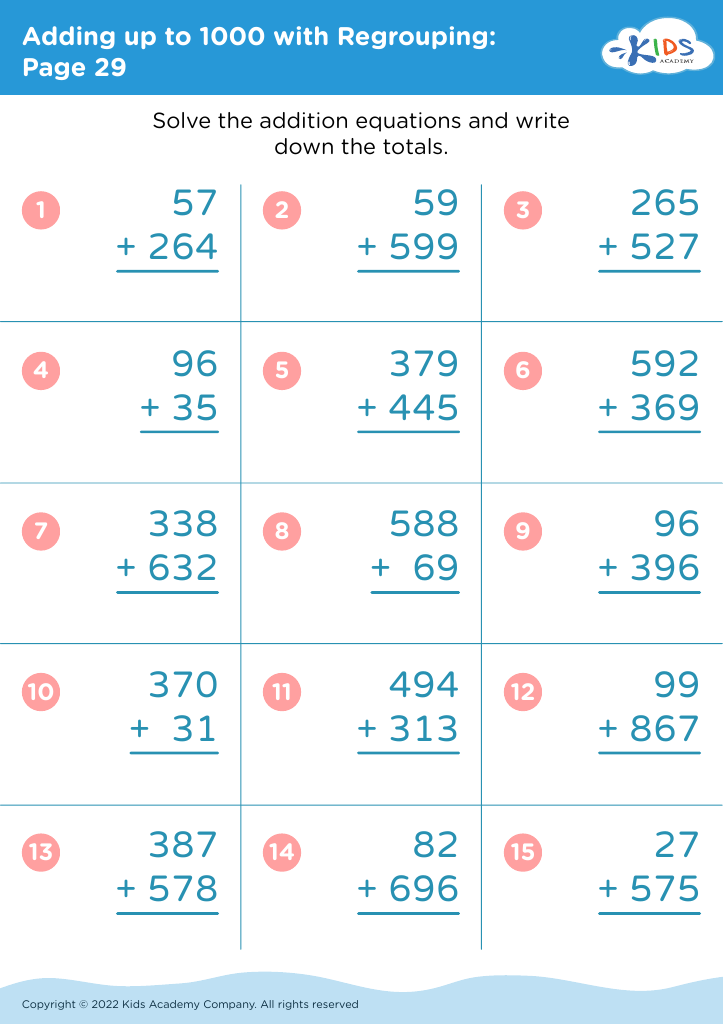
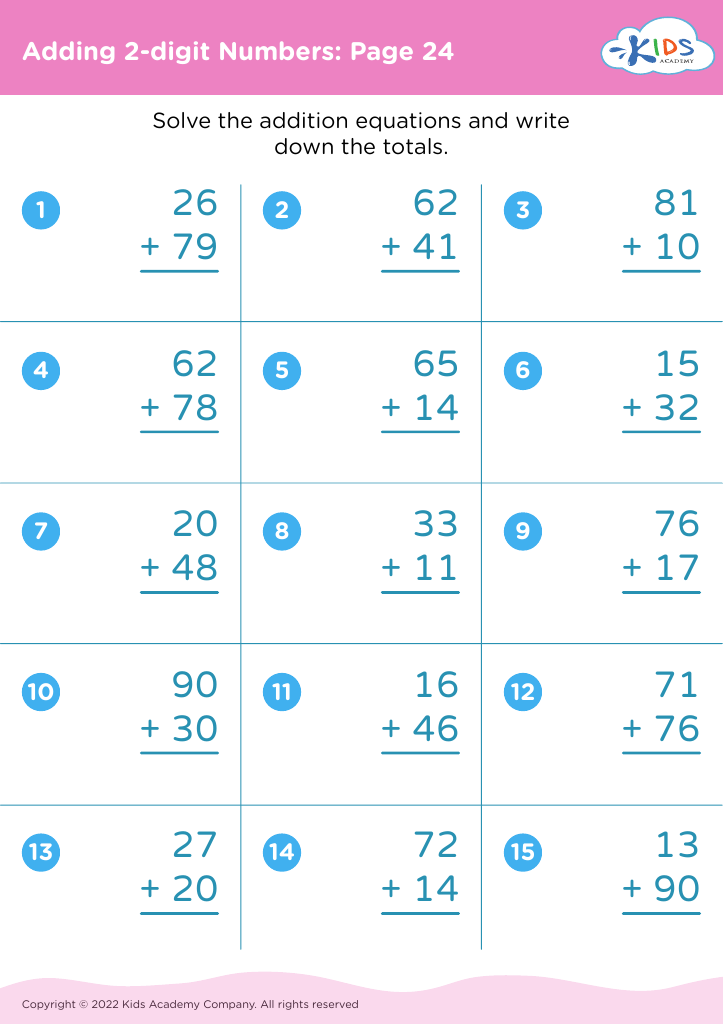
Discover our comprehensive collection of "Improving Numeracy Skills Worksheets for Ages 3-8," designed to make early math learning fun and effective. These engaging worksheets cover essential math topics such as number recognition, counting, addition, subtraction, and shapes. Perfect for preschool to 2nd grade, they provide age-appropriate challenges that develop foundational skills. Aligned with educational standards, our worksheets support classroom learning and homeschooling alike. Unlock your child's math potential with exciting activities that turn everyday learning into an adventure, fostering a love for numbers from an early age. Visit Kids Academy to explore and download our numeracy-building resources today.
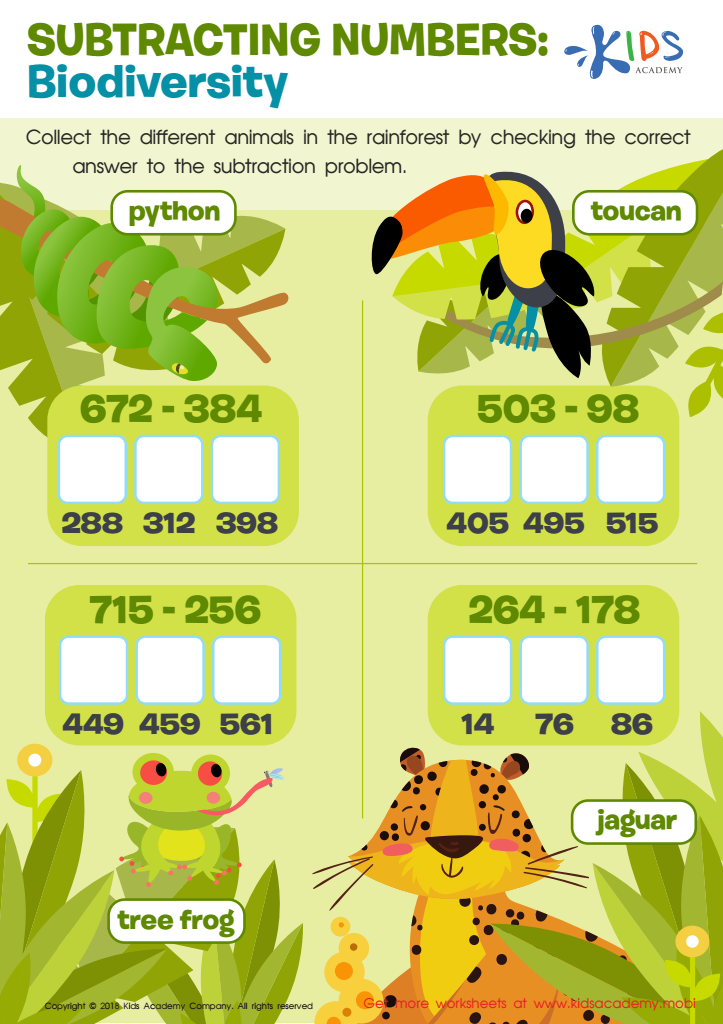
Subtracting Numbers: Biodiversity Worksheet
 Assign to My Students
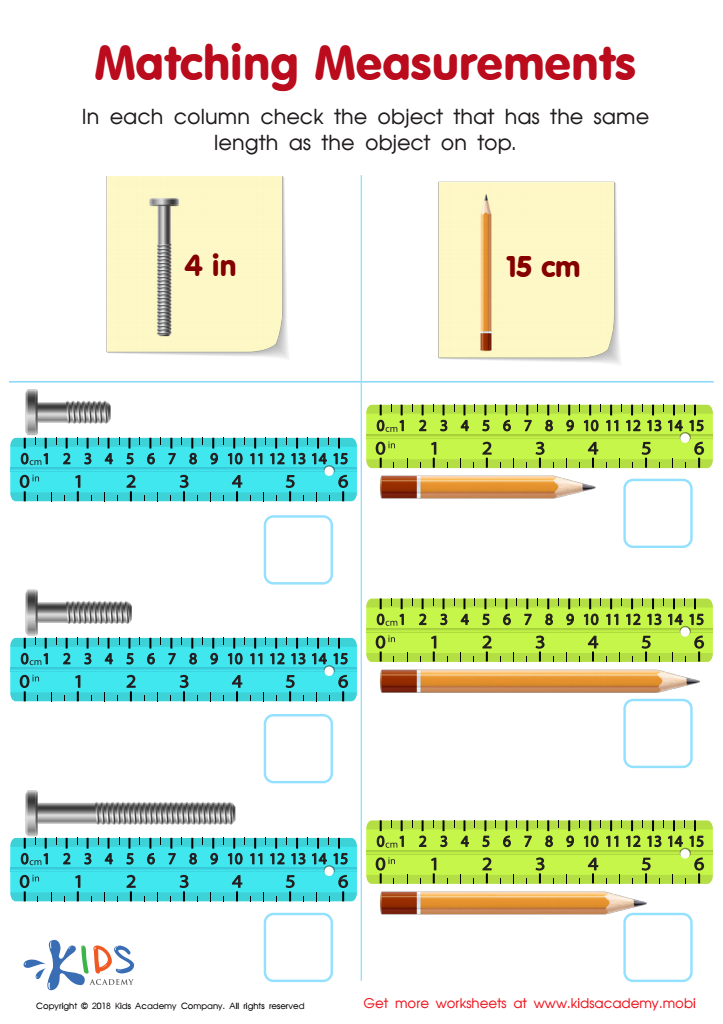
Matching Measurements Worksheet





Improving numeracy skills for children ages 3-8 is crucial, laying a solid foundation for future academic success and real-world problem-solving abilities. At this formative stage, young brains are exceptionally receptive to learning basic mathematical concepts such as counting, pattern recognition, and simple arithmetic. By cultivating strong numeracy skills early on, parents and teachers provide children with the tools needed to approach more advanced mathematics with confidence and enthusiasm.
Strong numeracy skills also play a significant role in cognitive development, enhancing logical thinking, spatial awareness, and memory. These abilities are not only essential for academic pursuits but also for daily life, helping children understand and manage tasks like measuring ingredients for a recipe, telling time, or organizing objects. Furthermore, early familiarity with math can reduce anxiety associated with the subject, encouraging a more positive attitude and greater persistence when faced with challenges.
Societal benefits are also notable; improved numeracy in early childhood can lead to better financial literacy and job prospects in adulthood, as numerate individuals are generally better equipped to navigate the complexities of the modern world. Thus, investing time and resources in developing these skills during the early years can yield long-term benefits, fostering capable, confident, and well-rounded individuals.








