Logical Reasoning Worksheets for Ages 3-8
66 filtered results
-
From - To
Enhance your child's cognitive growth with our expertly designed Logical Reasoning Worksheets for Ages 3-8. These engaging activities are tailored to spark curiosity and boost critical thinking skills early on. From sorting and classifying to pattern recognition and problem-solving, our colorful, interactive worksheets make learning fun and effective. Ideal for preschool through second grade, they support foundational math, reading, and beyond, fostering a love for learning. Equip your young learner for academic success and everyday practical reasoning with Kids Academy's reliable, teacher-approved resources. Explore now and watch their logical reasoning abilities flourish!
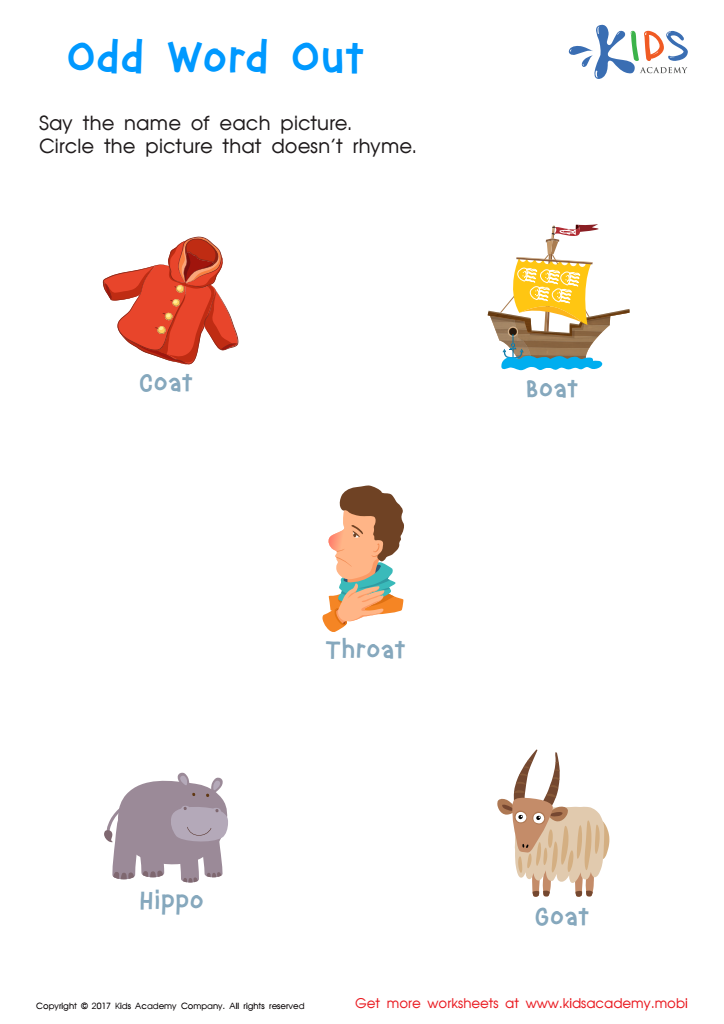
Odd Word Out Rhyming Worksheet
 Assign to My Students
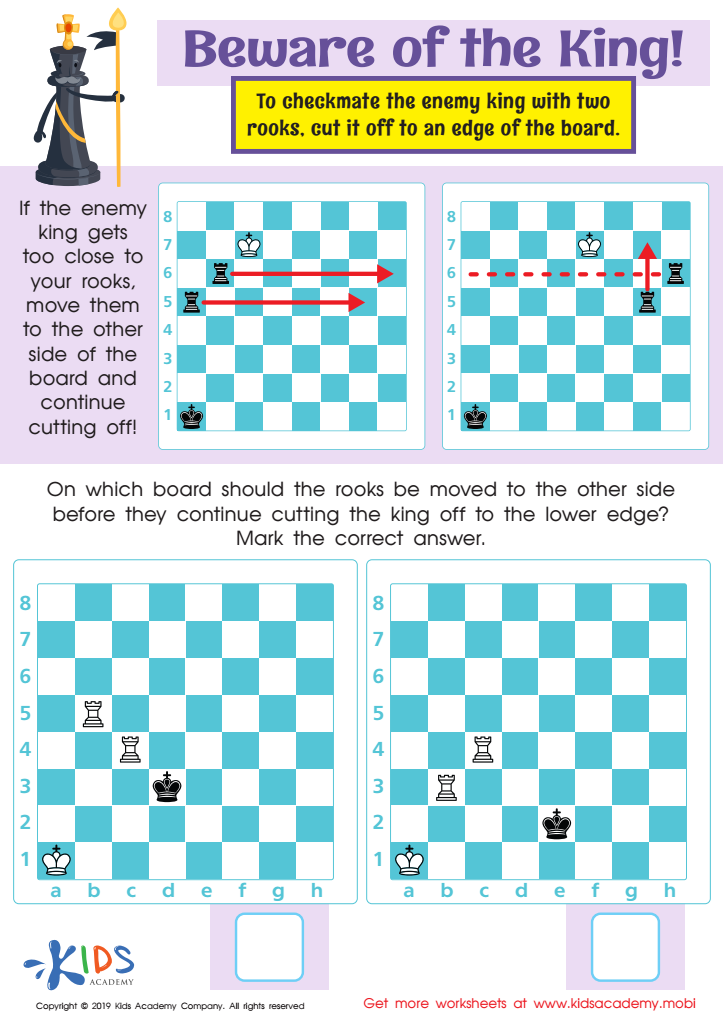
Beware of the King! Worksheet
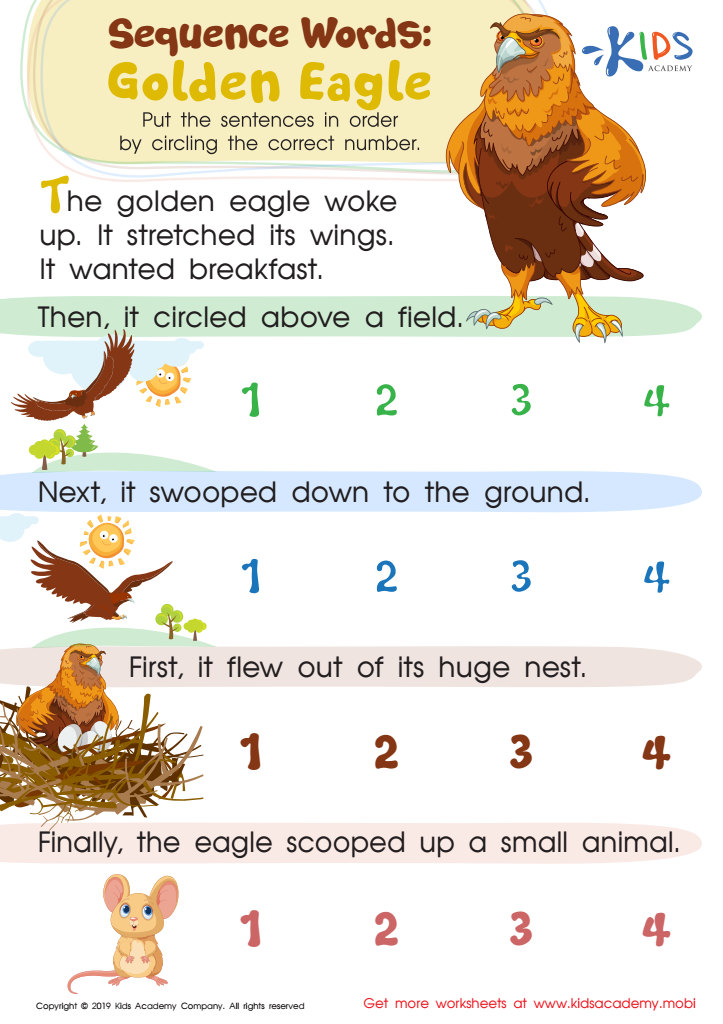
Sequence Word Eagle Worksheet
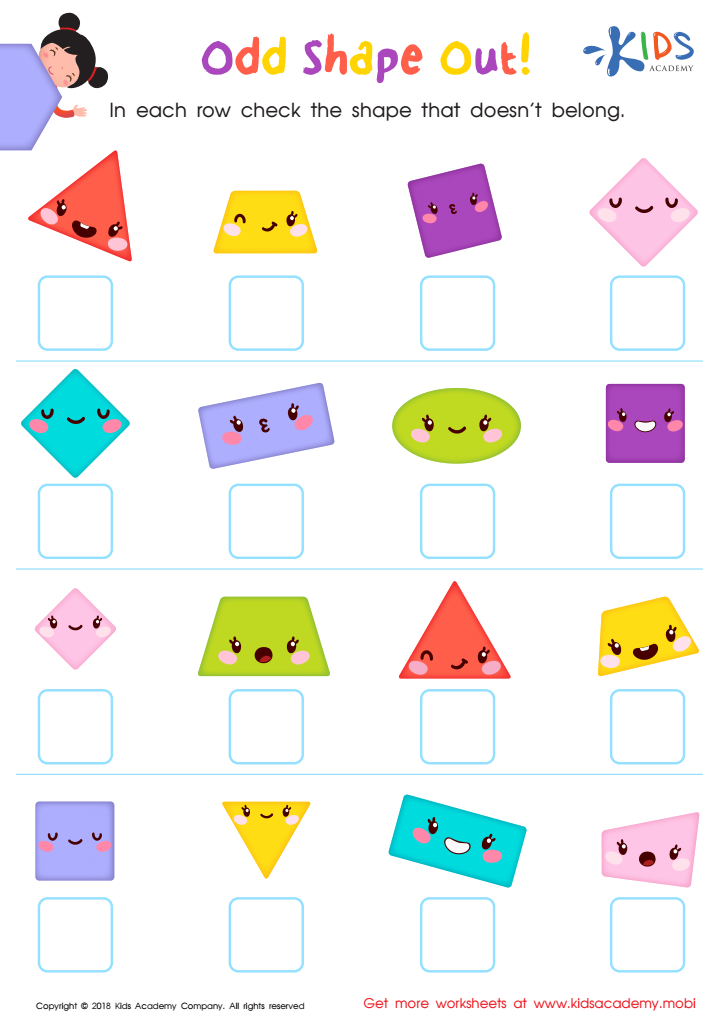
Odd Shape Out Worksheet for Grade 3
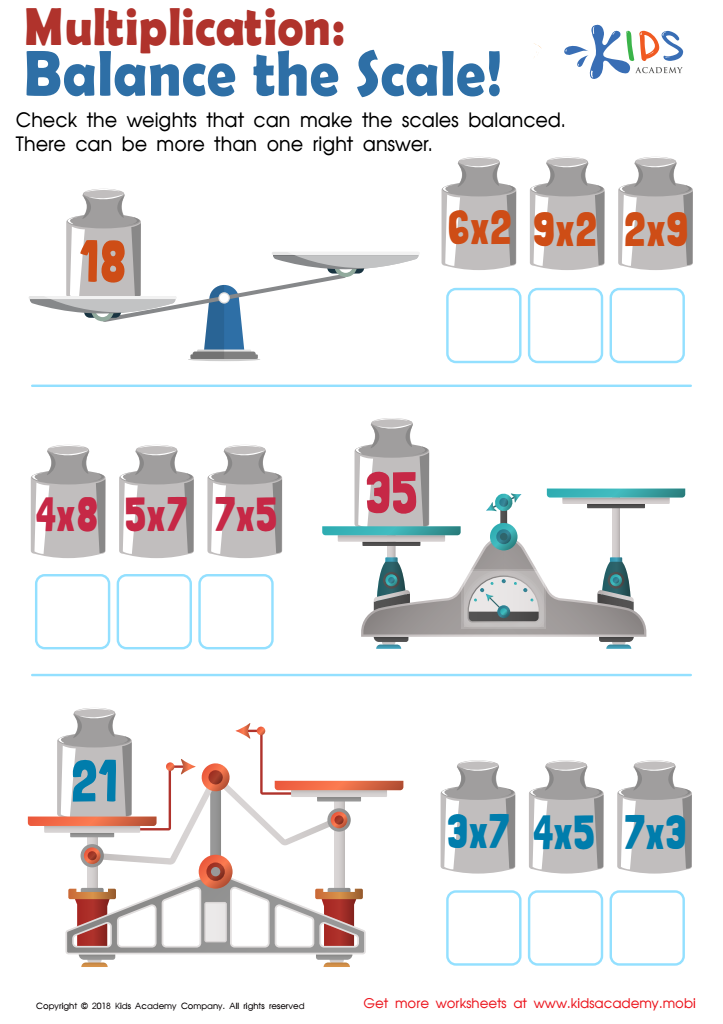
Balance the Scales Multiplication Worksheet
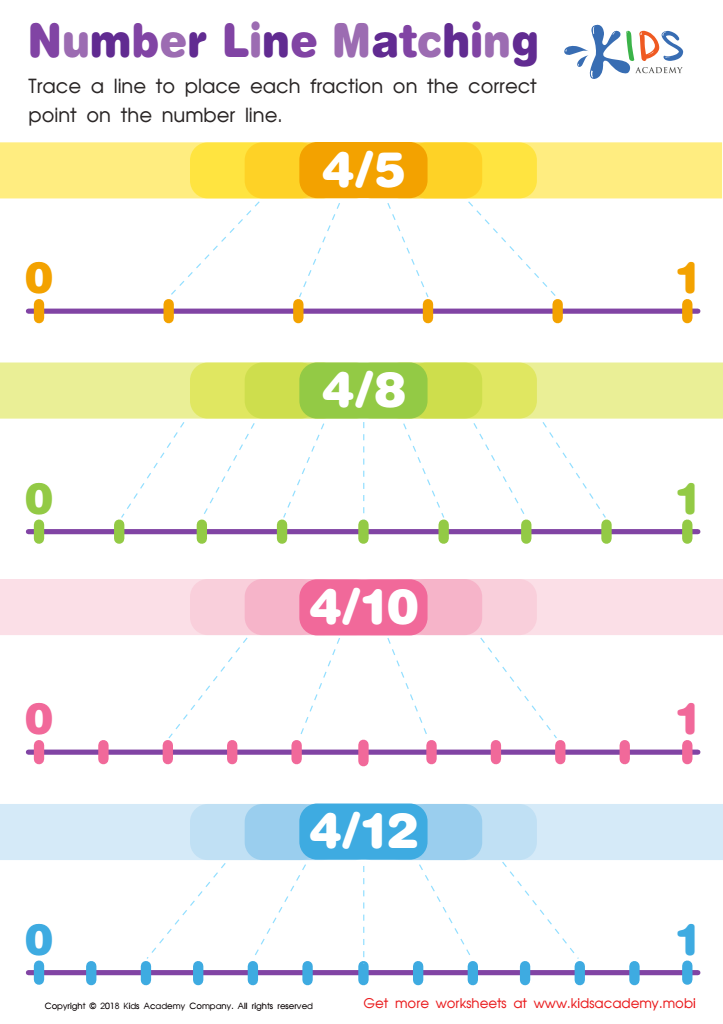
Number Line Matching Worksheet
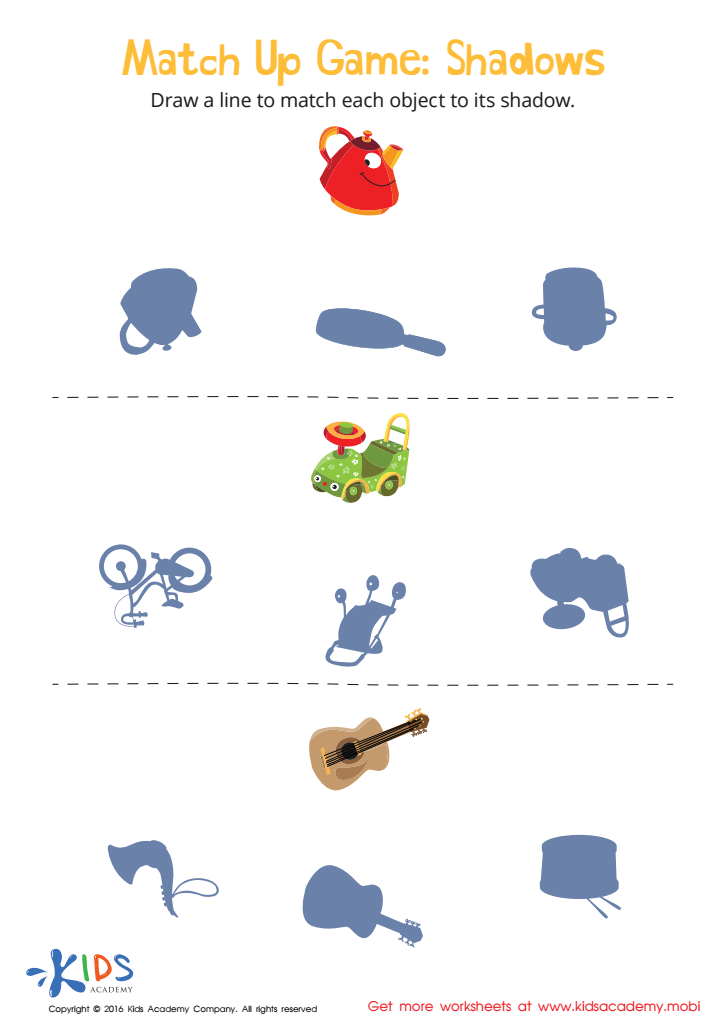
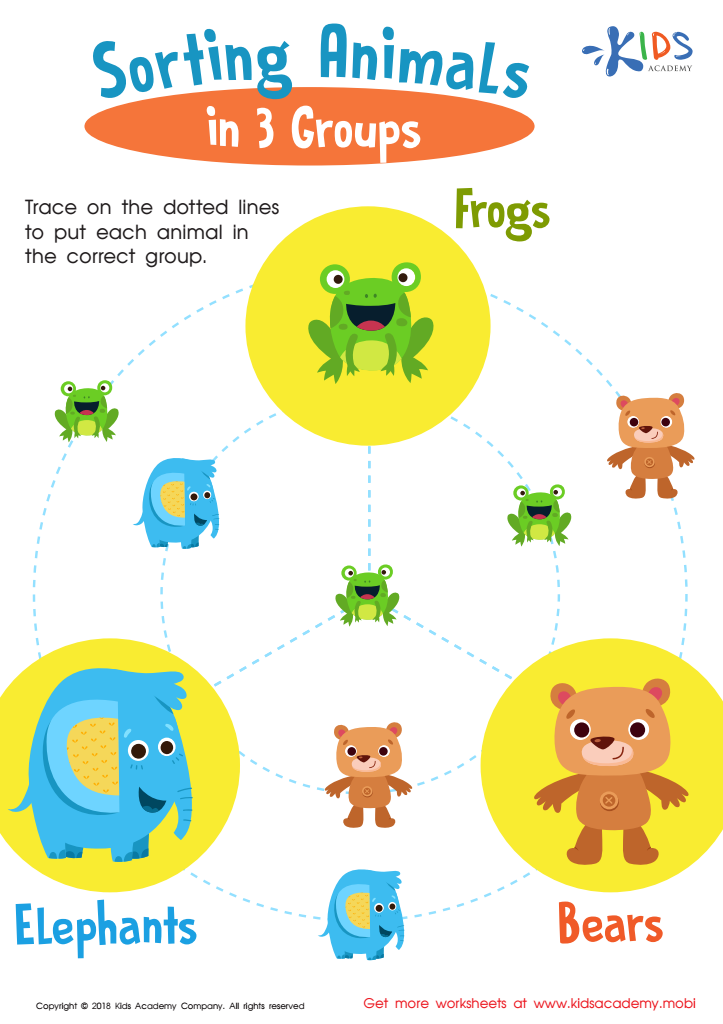
Sorting Animals in 3 Groups Worksheet
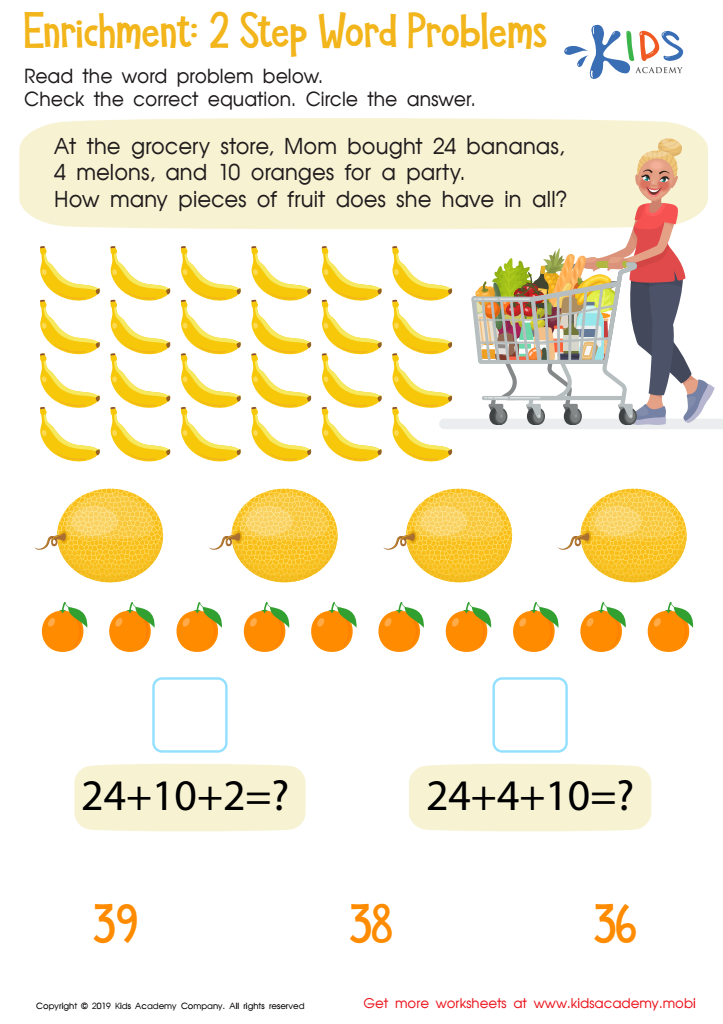
Enrichment -2 Step Word Problems Worksheet
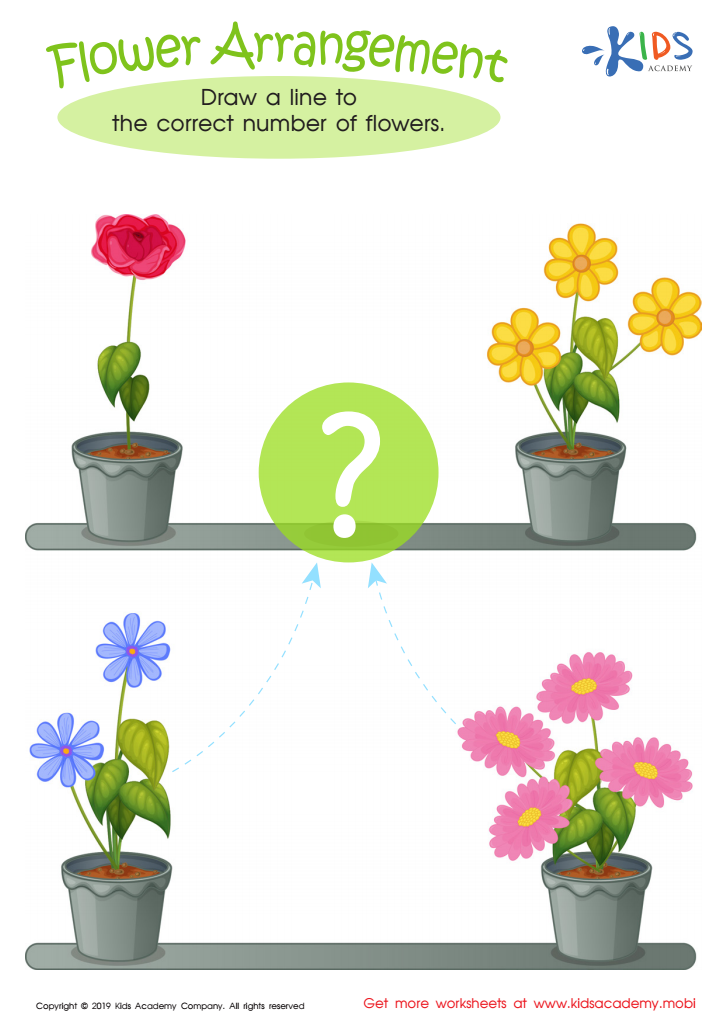
Flower Arrangement Worksheet
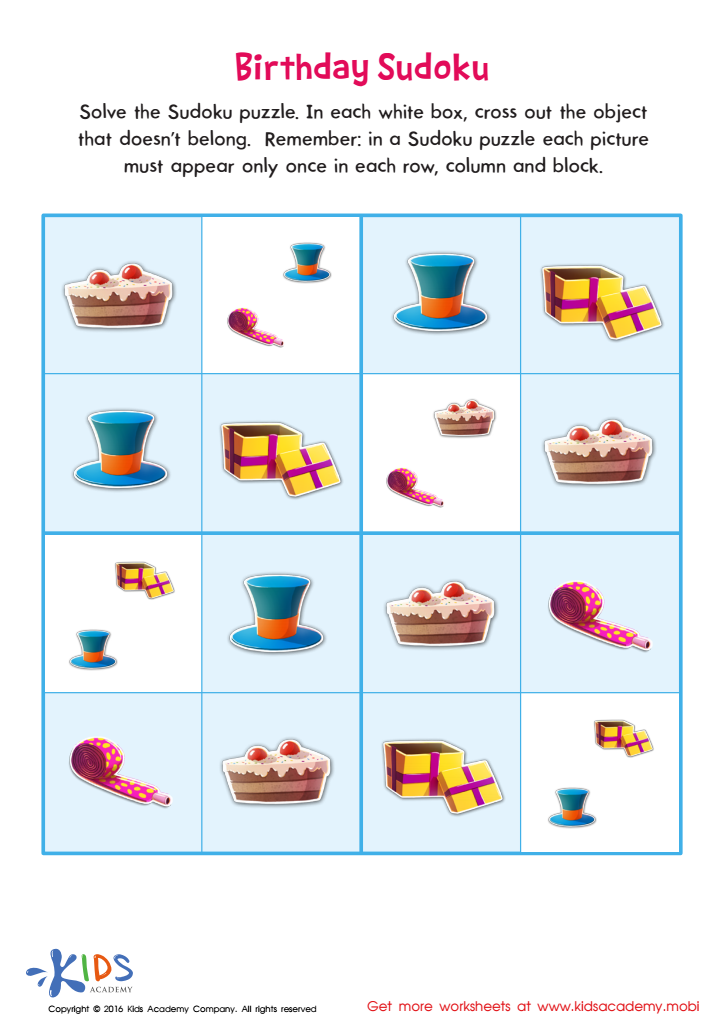
Birthday Sudoku Sorting Worksheet
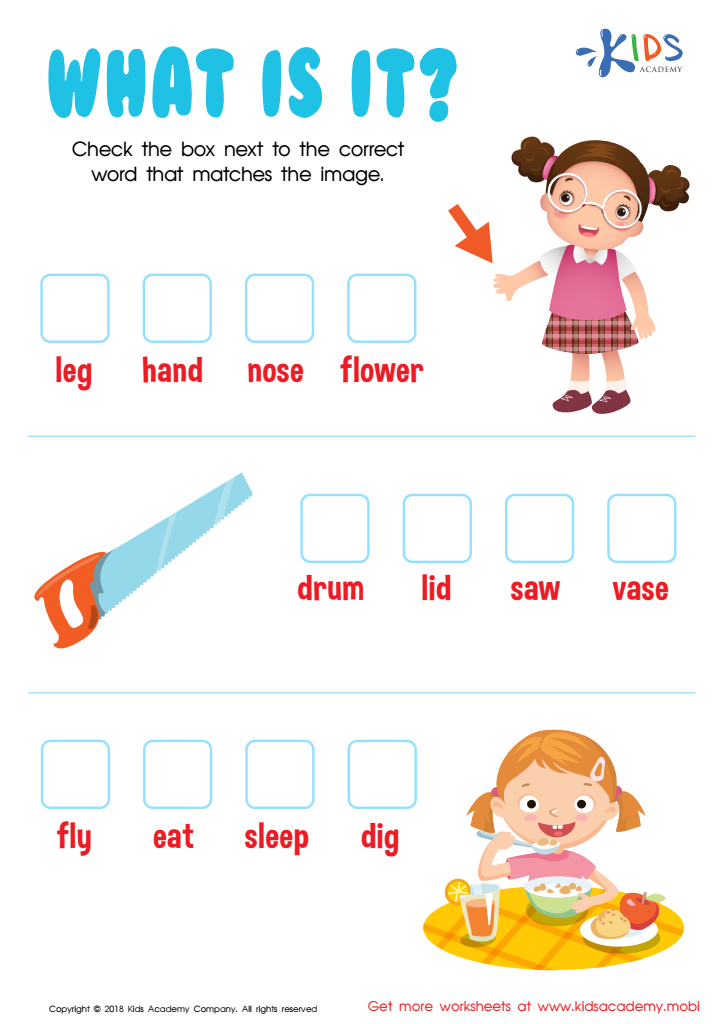
What Is It? Worksheet
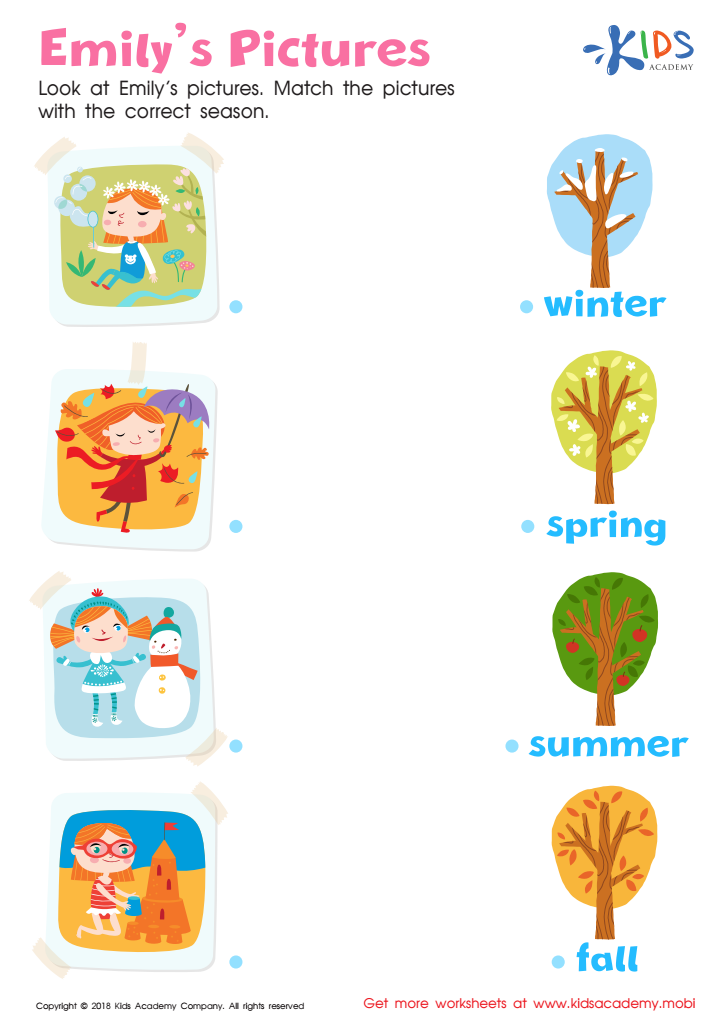
Emily's Pictures Worksheet
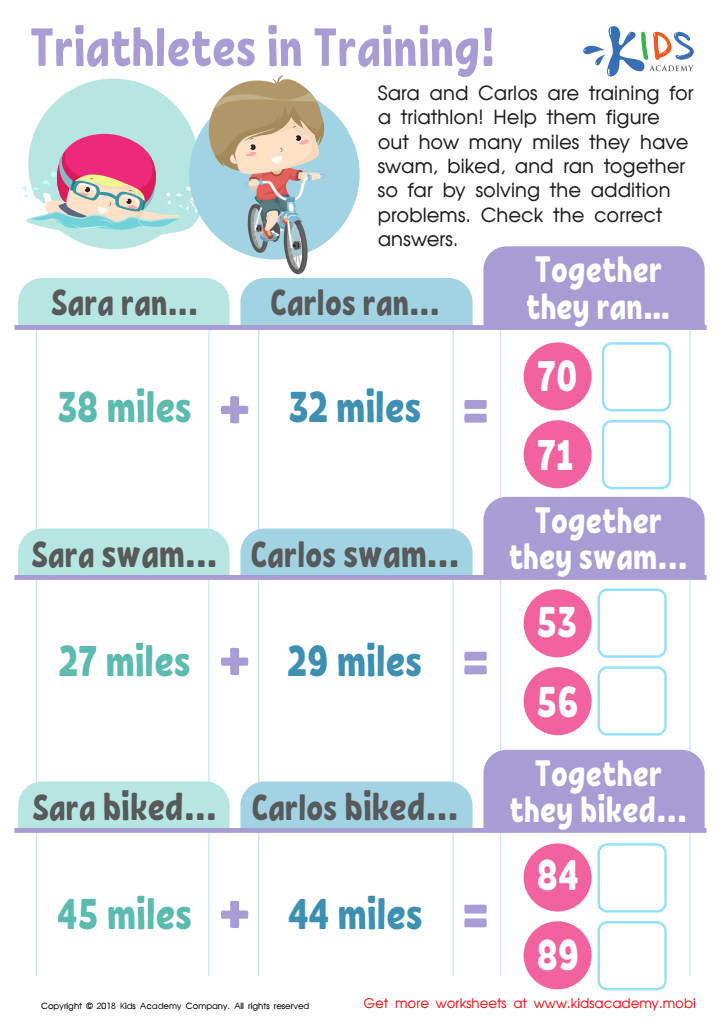
Triathletes in Training Worksheet
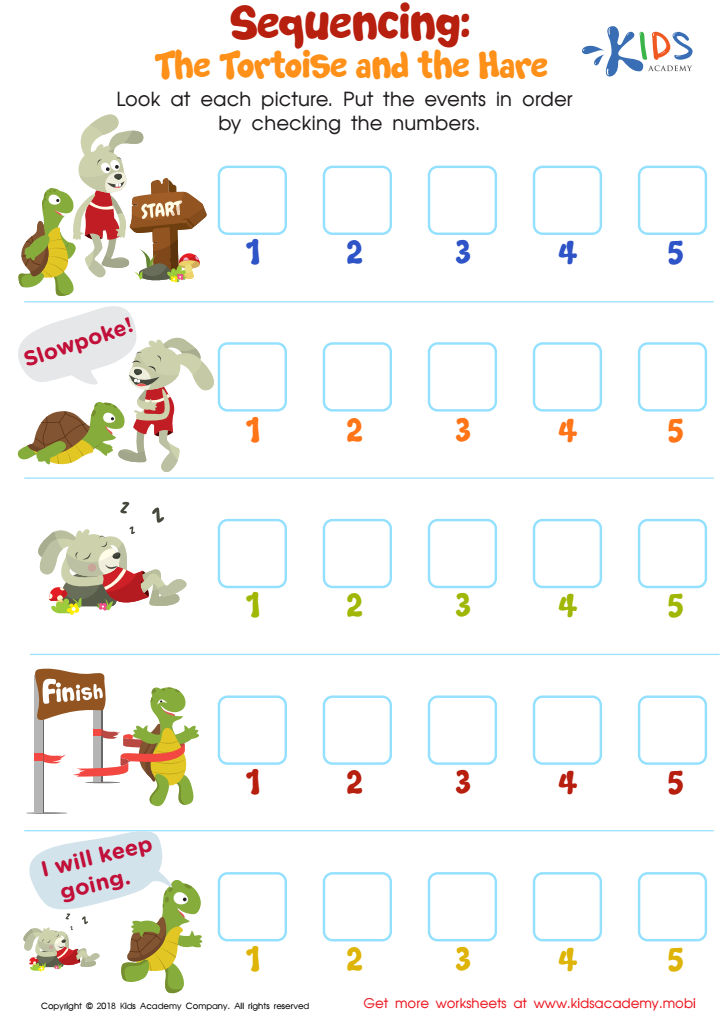
Sequencing: The Tortoise and the Hare Worksheet
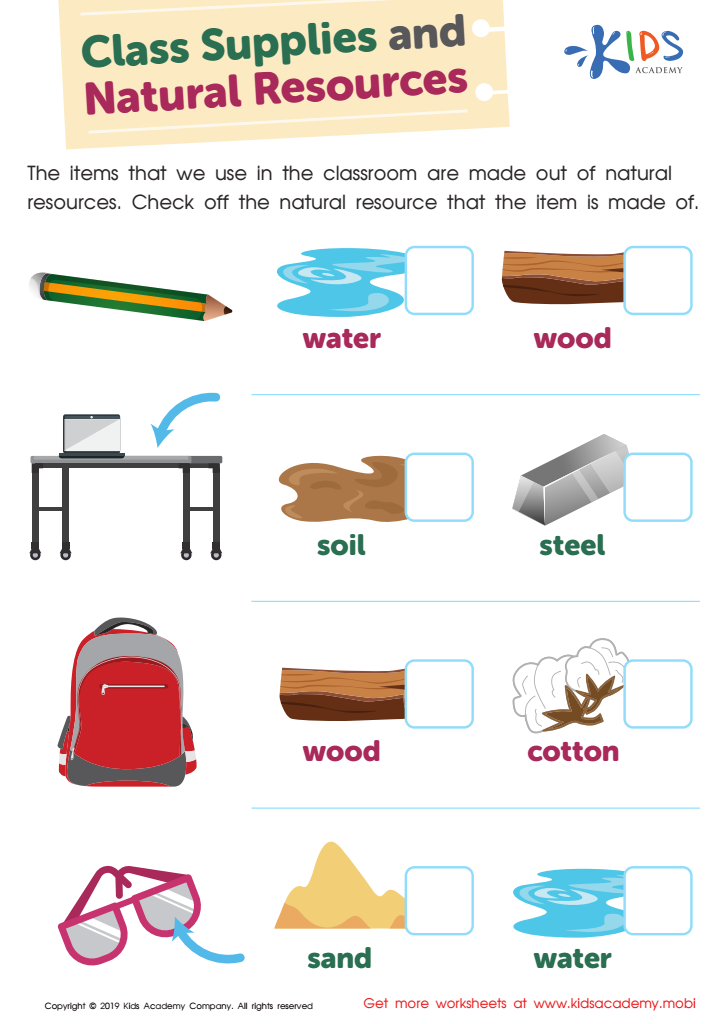
Class Supplies and Natural Resources Worksheet
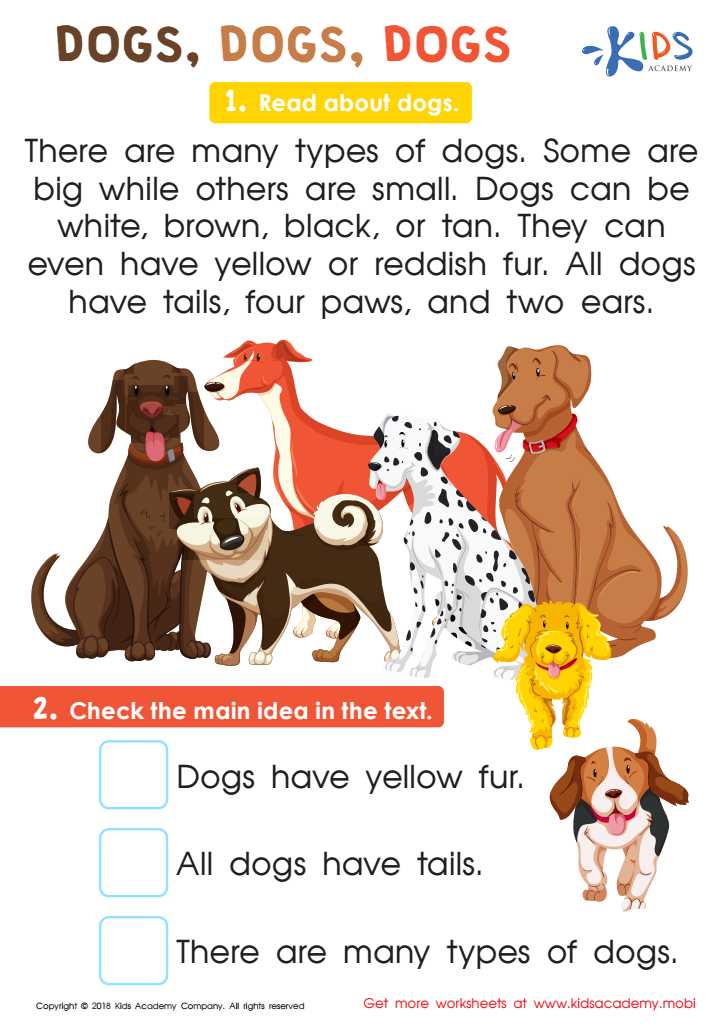
Dogs, Dogs Worksheet
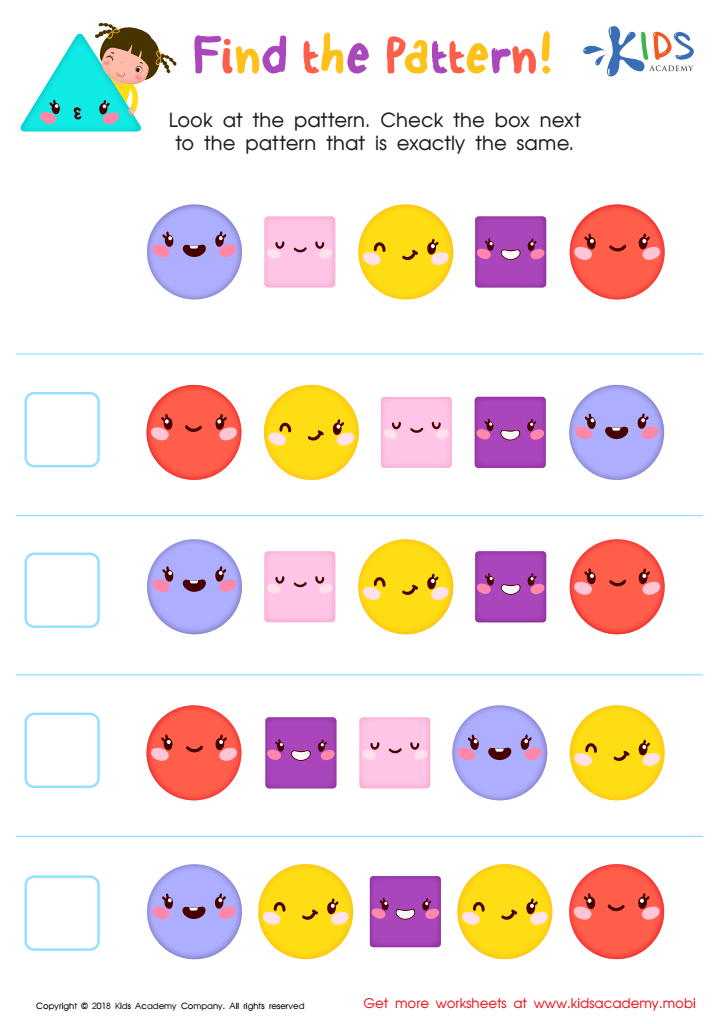
Find the Pattern Worksheet
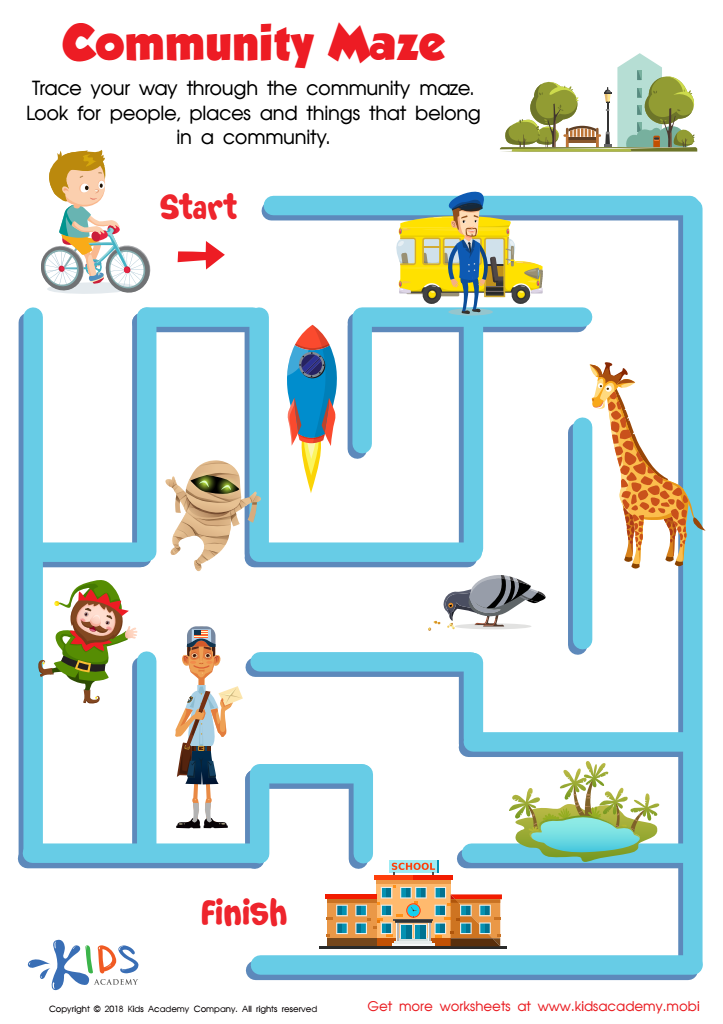
Community Maze Worksheet
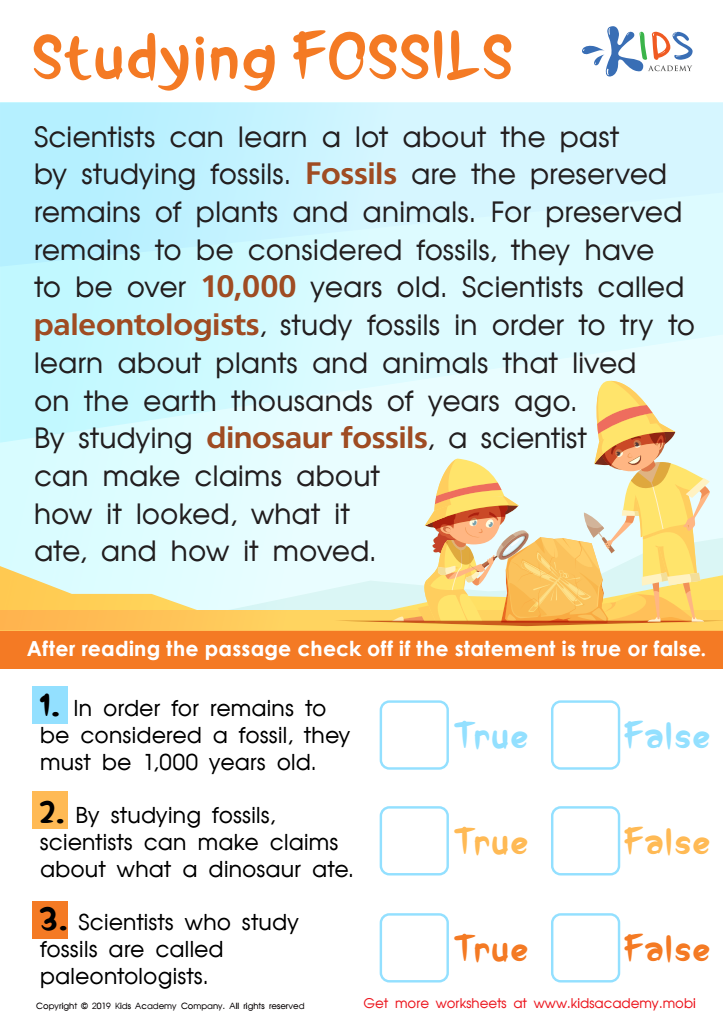
Studying Fossils Worksheet
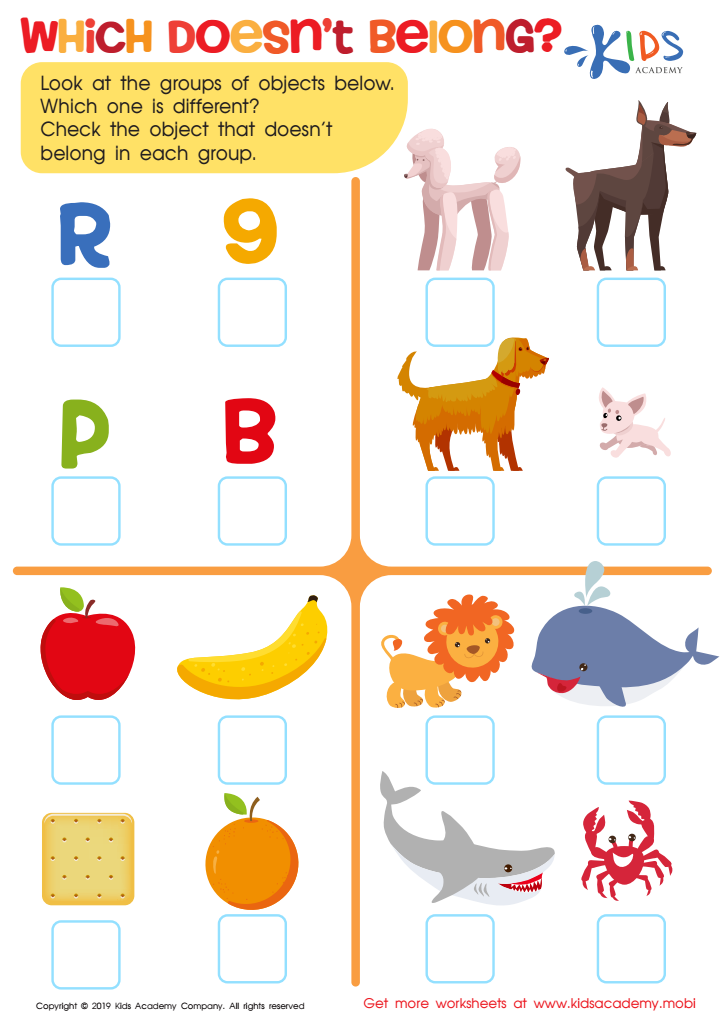
Which Doesn't Belong? Worksheet
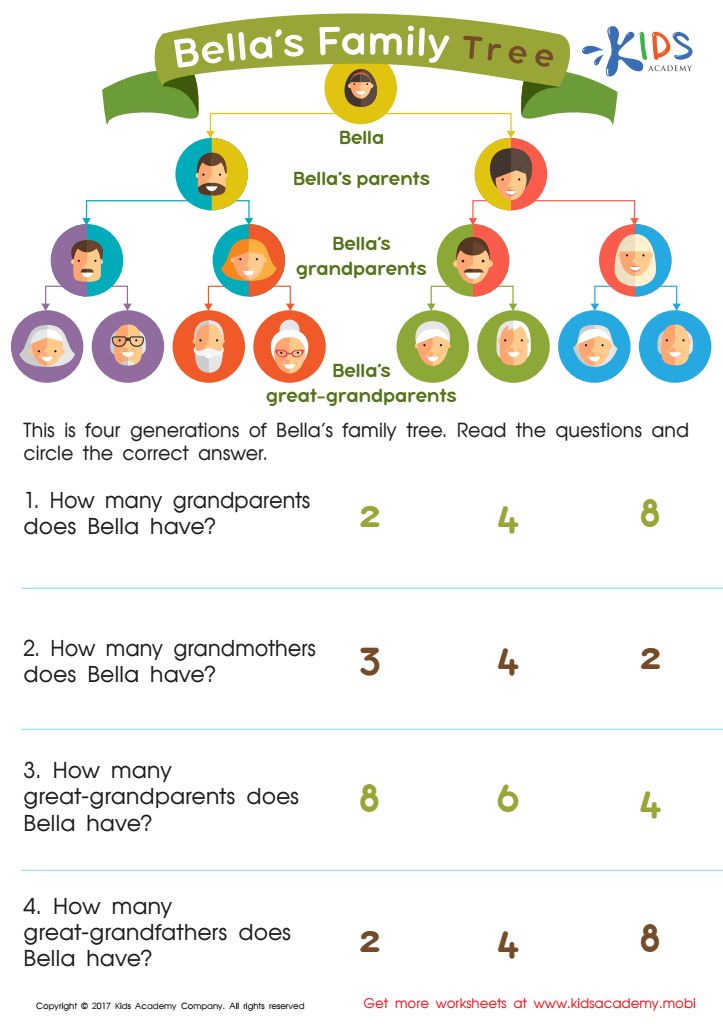
Bella's Family Tree Worksheet
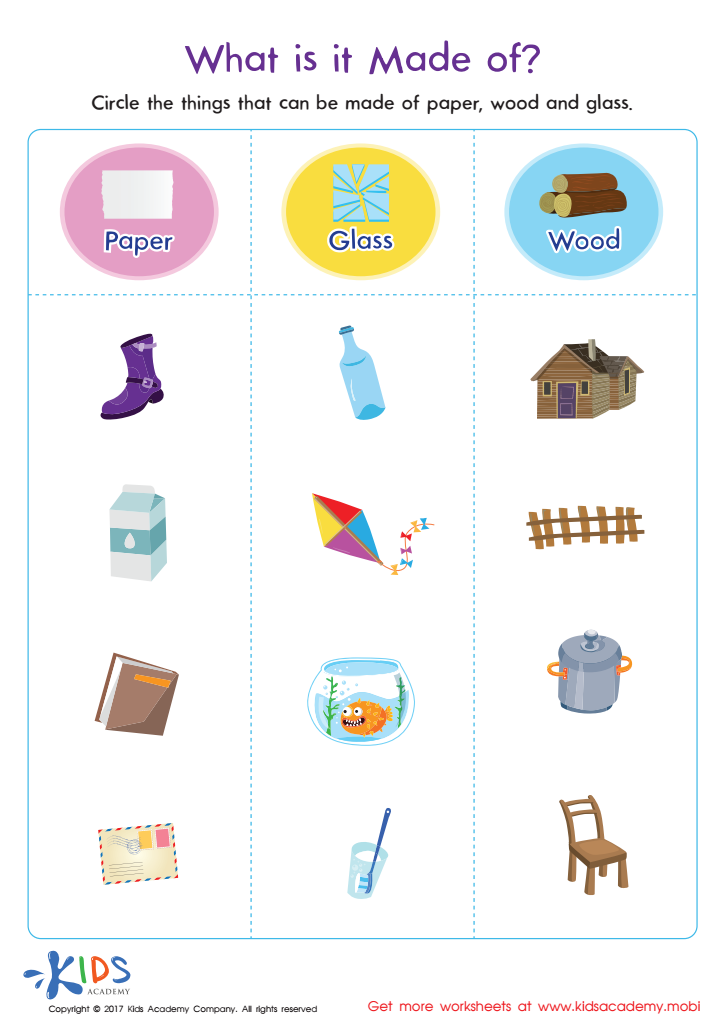








Logical reasoning is pivotal for children aged 3-8 as it lays the foundation for both academic success and everyday life problem-solving. At this formative stage, children begin to understand relationships, patterns, and cause-and-effect, which are crucial for learning across various subjects, including math, science, and reading comprehension. Introducing logical reasoning early enhances critical thinking skills, helping children make sound decisions and reason through challenges.
For parents and teachers, fostering logical reasoning can ensure children develop a structured approach to thinking, whereby they actively explore, ask questions, and derive conclusions. This competency is not only vital for cognitive development but also boosts confidence. Children learn to trust their judgment and become more independent learners, capable of tackling complex tasks as they grow.
Moreover, early proficiency in logical reasoning sets a positive trajectory for future learning. Children proficient in this skill demonstrate better organizational abilities, enhanced attention to detail, and improved memory. They are adept at following instructions and understanding sequences, which can translate to better performance in technological and scientific endeavors later.
Finally, nurturing logical reasoning fosters a love for learning. Engaging in activities that bolster logic — like puzzles, games, and problem-solving exercises — can make learning enjoyable and stimulate curiosity. Consequently, children develop a lifelong passion for discovery and education.








