Recognize shapes Worksheets for Ages 3-8
12 filtered results
-
From - To
Nurture early geometrical skills and boost cognitive development with our "Recognize Shapes Worksheets" for ages 3-8! Designed specifically to engage young minds, these worksheets provide a fun and interactive way to learn about various shapes. As children trace, color, and match, they enhance their visual-spatial awareness and fine motor skills. Perfect for preschool and elementary students, these resources make learning exciting and easy. Explore a diverse collection tailored to support both classroom lessons and at-home education. Ignite a love for learning and shape recognition with these expertly crafted worksheets from Kids Academy today!
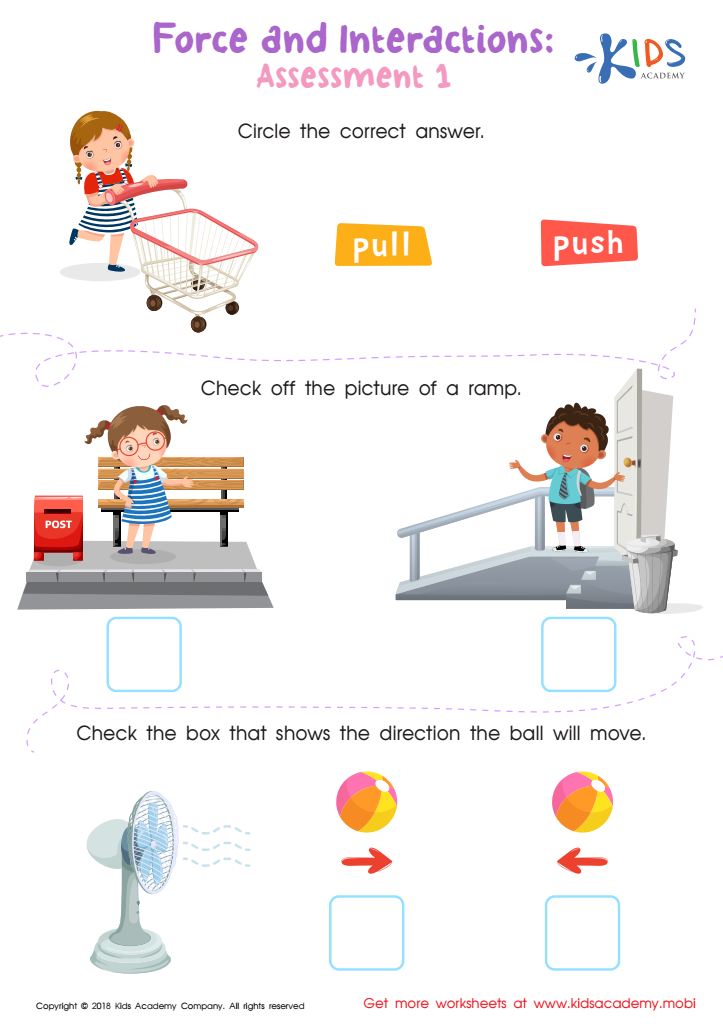
Force and Interactions: Assessment 1 Worksheet
 Assign to My Students
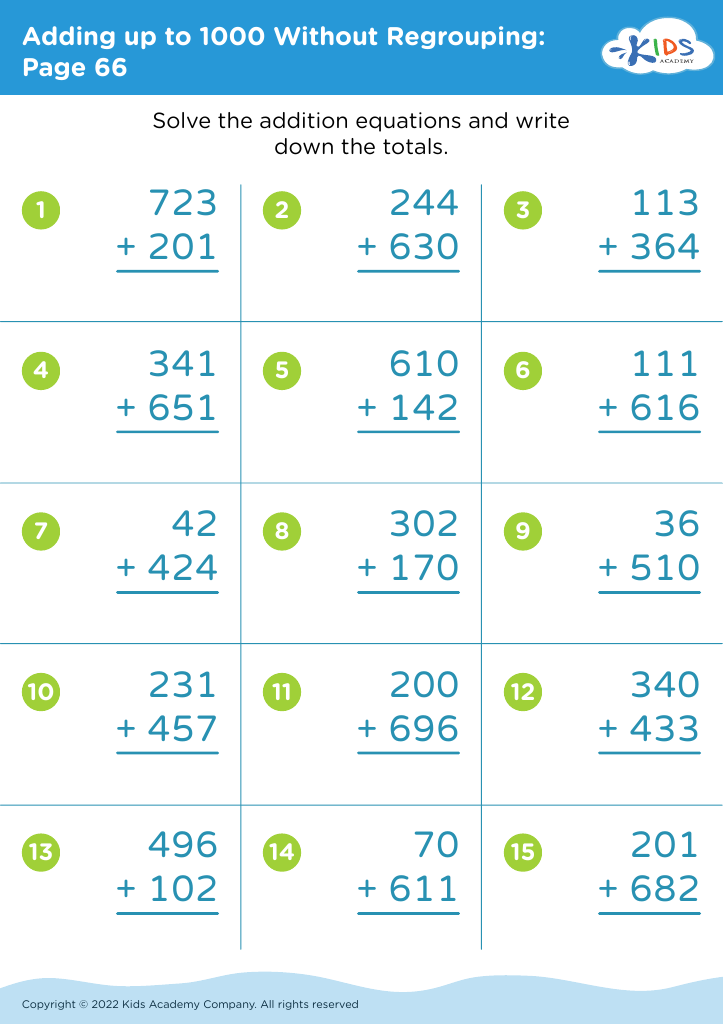
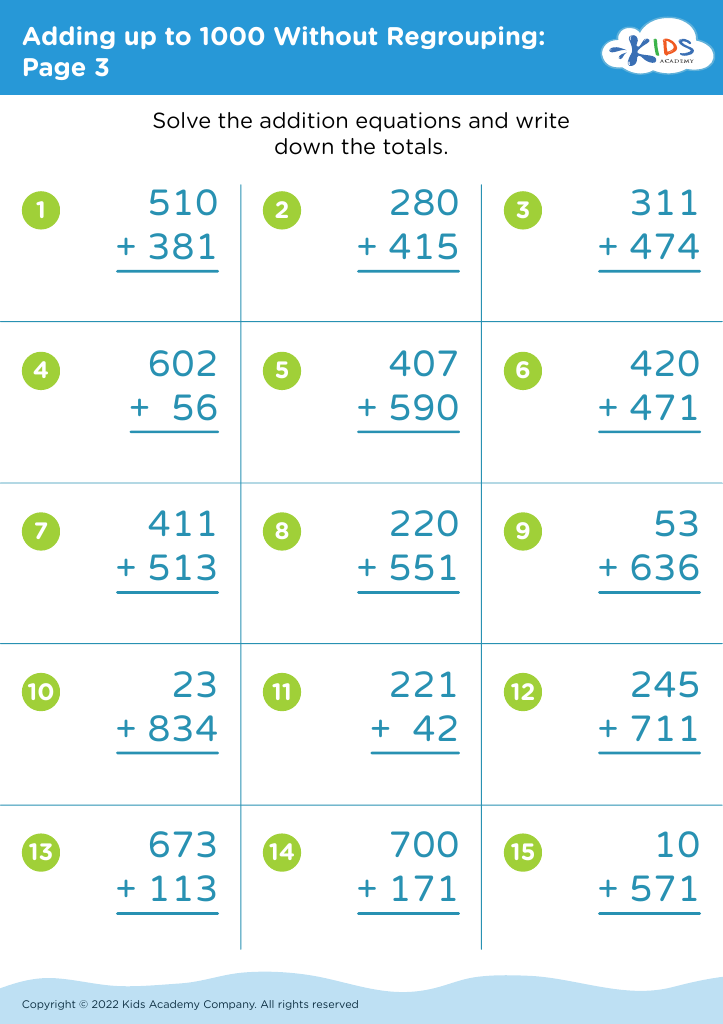
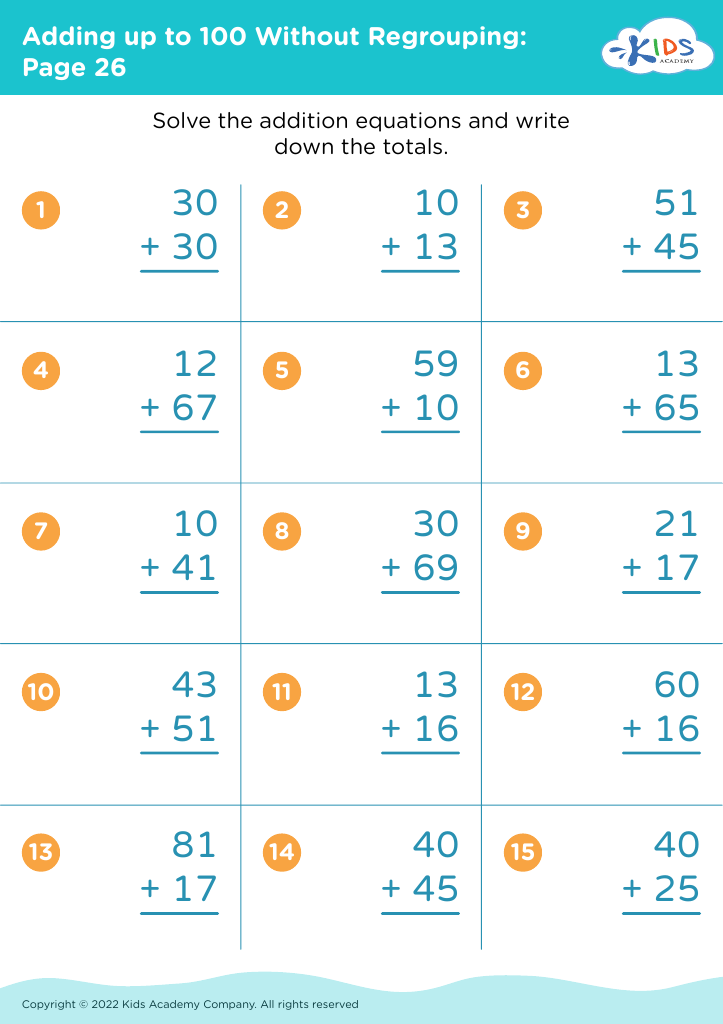
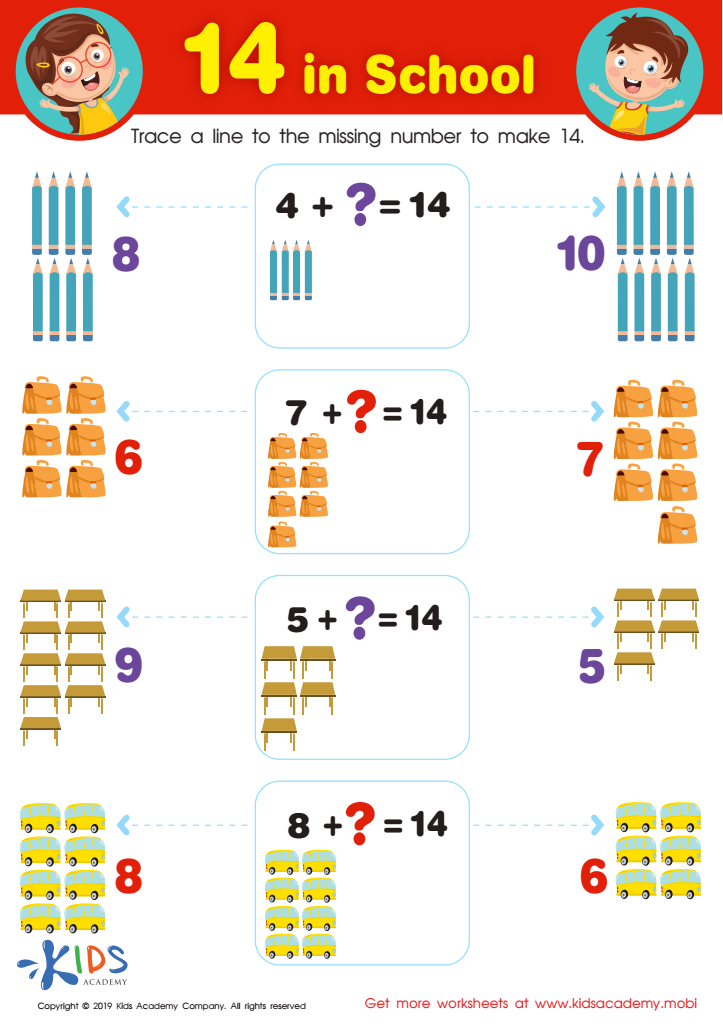
14 in School Worksheet
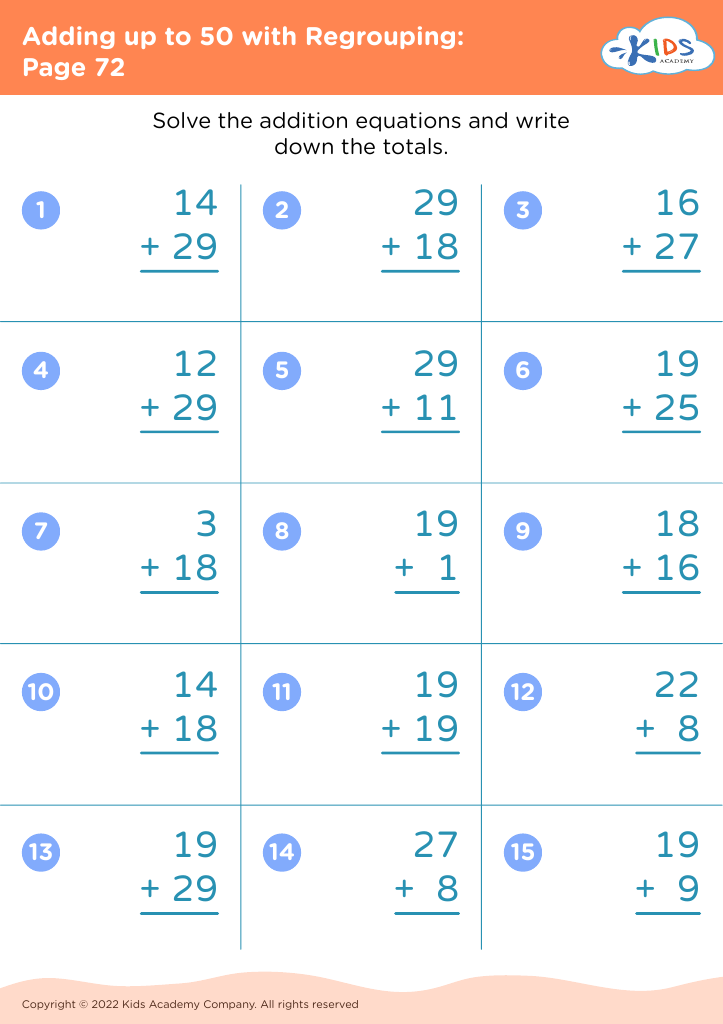
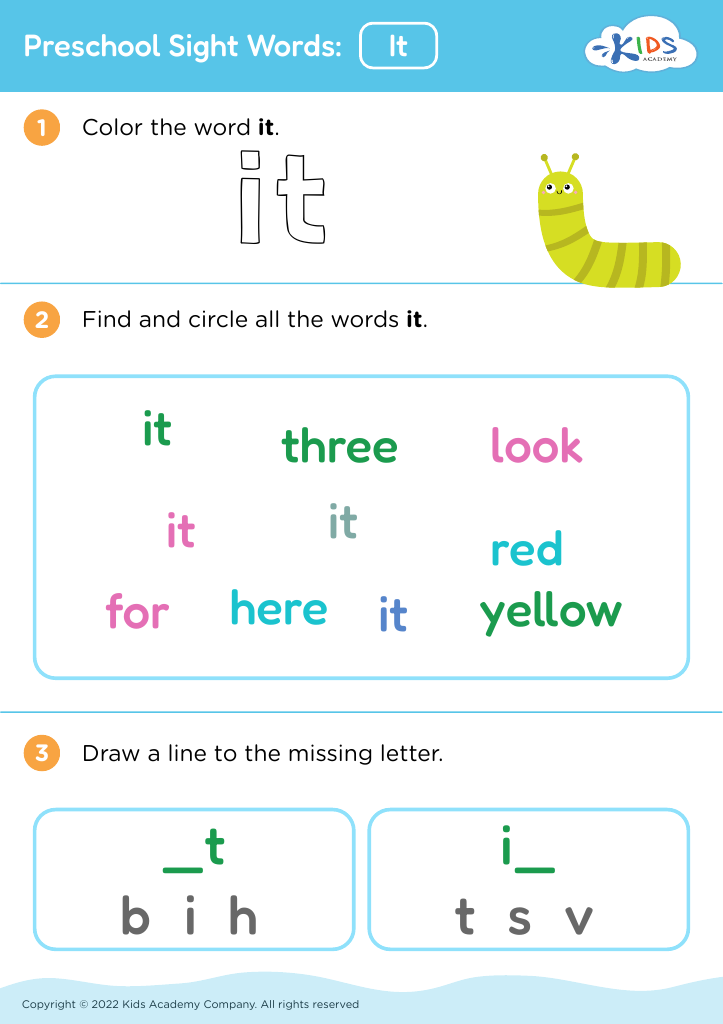
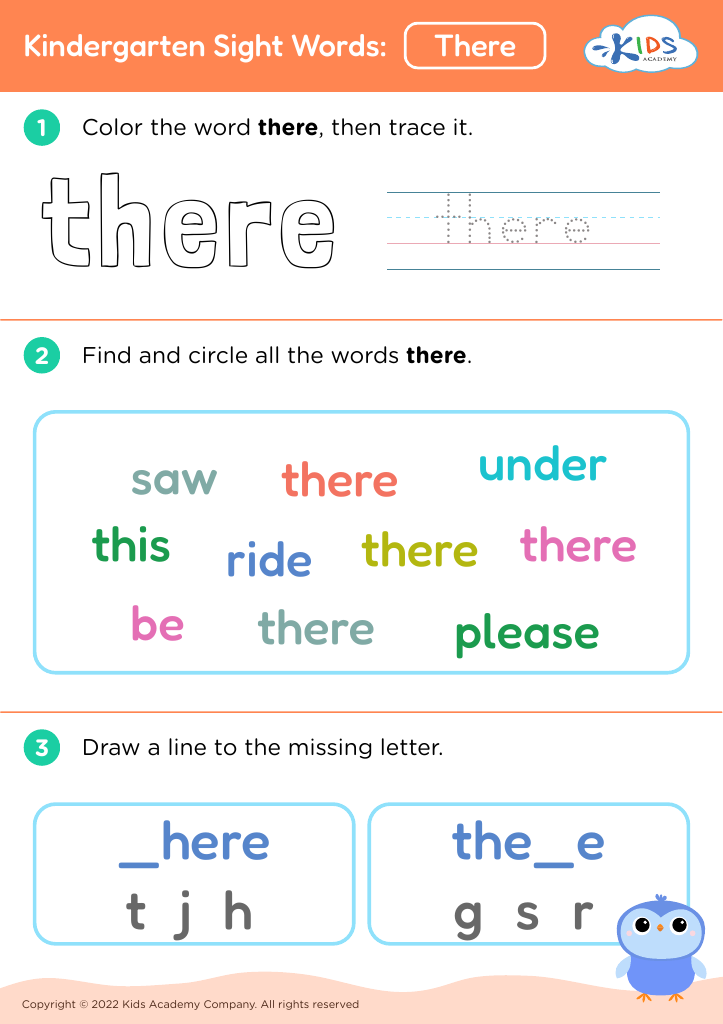







.jpg)
Recognizing shapes is fundamental for children aged 3-8 as it underpins essential cognitive and motor skills. For instance, discerning and naming shapes enhances a child’s visual-spatial awareness, crucial for reading and writing. When kids identify shapes, they often explore how these elements fit together to form larger structures, fostering early problem-solving and critical thinking abilities.
Understanding shapes also lays the groundwork for more advanced mathematical concepts. Shapes introduce children to geometry through tangible experiences, encouraging them to notice patterns, symmetry, and spatial relationships, which are vital for higher-level math. For example, distinguishing between a square and a rectangle introduces concepts such as side length and angles, pre-empting more sophisticated ideas they will encounter later.
Moreover, recognizing shapes helps develop fine motor skills. Activities like drawing, cutting, or assembling shapes improve coordination and dexterity, reinforcing other academic tasks such as handwriting. These skills are not only academically beneficial but also help children in daily activities, enhancing their independence and confidence.
Socially, identifying and playing with shapes often involves collaborative activities, promoting teamwork and communication. Whether constructing block towers with peers or discussing shape characteristics in the classroom, these interactions serve as meaningful opportunities to develop social skills and language. Overall, fostering shape recognition is integral to a child’s early development across multiple domains.








