Discover engaging Sequencing Events Worksheets designed for children ages 3-8 at Kids Academy! These educational activities help young learners develop critical thinking and comprehension by arranging stories, daily routines, and events in the correct order. Our vibrant, easy-to-follow worksheets make mastering sequencing fun and interactive. They enhance memory, foster creativity, and strengthen logical thinking skills necessary for reading and comprehension. Perfect for classroom use or homeschooling, these printable resources support early learning in a playful yet effective way. Unlock your child's potential with our carefully crafted sequencing exercises and watch their confidence soar!

Check out this FREE "Sequencing events" Trial Lesson for age 3-8!

Folktales

Favorites
With answer key
Interactive
  • 3-8
  • Sequencing events
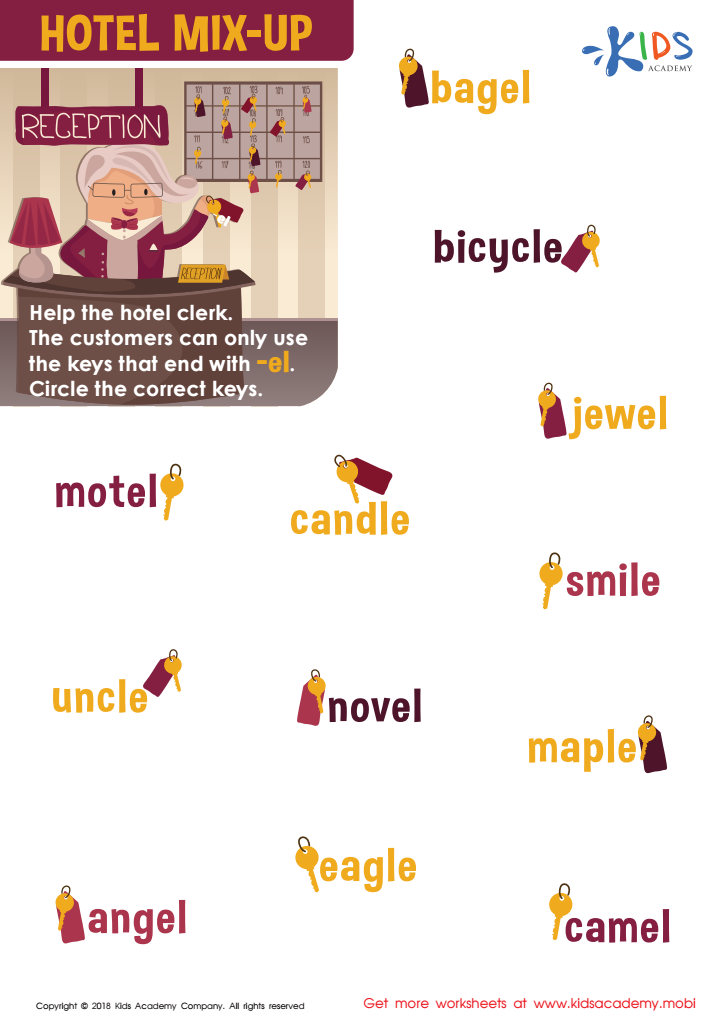
Hotel Mix-up Worksheet

Hotel Mix-up Worksheet

Before doing this worksheet, explain to your kids what a hotel is. It's a building where guests can stay for a few days and pay for their stay. In this exercise, the hotel clerk needs help finding the correct keys. Have your kids circle words ending with -el to find the right ones.
Hotel Mix-up Worksheet
Worksheet
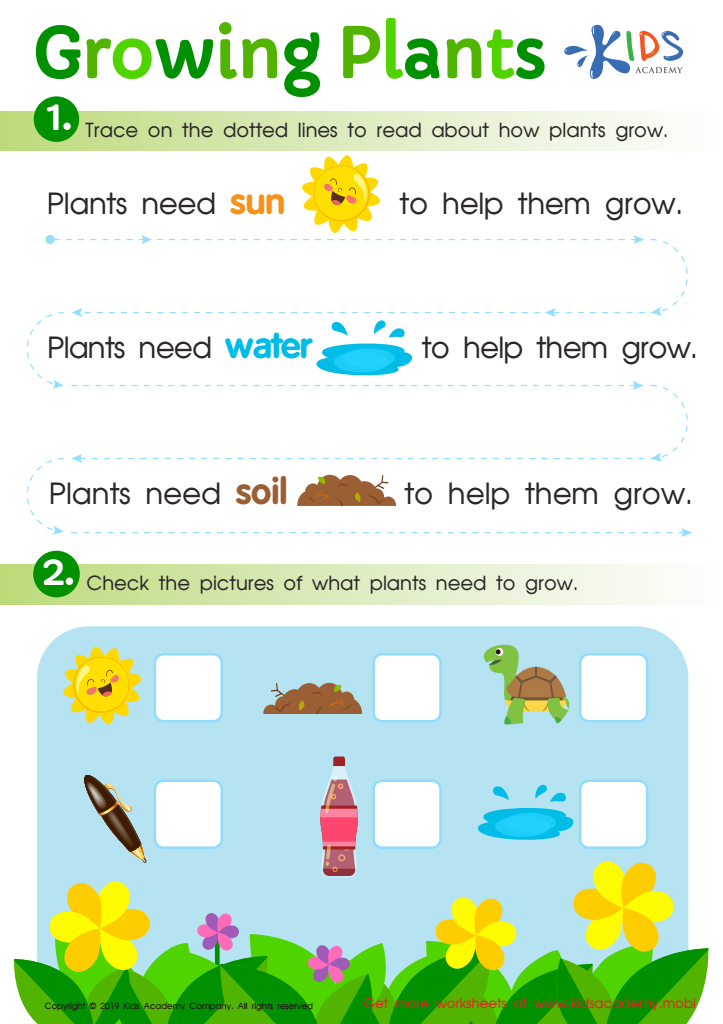
Growing Plants Worksheet

Growing Plants Worksheet

Young gardeners and scientists can learn about what helps plants grow with this fun PDF worksheet. Kids will trace lines to practice left-to-right patterning and use pictures from the rebus story to guide them. Learn that plants need sunshine, water and soil, then check off pictures of what each plant needs. It's an engaging and educational way to help their plants become big and strong.
Growing Plants Worksheet
Worksheet
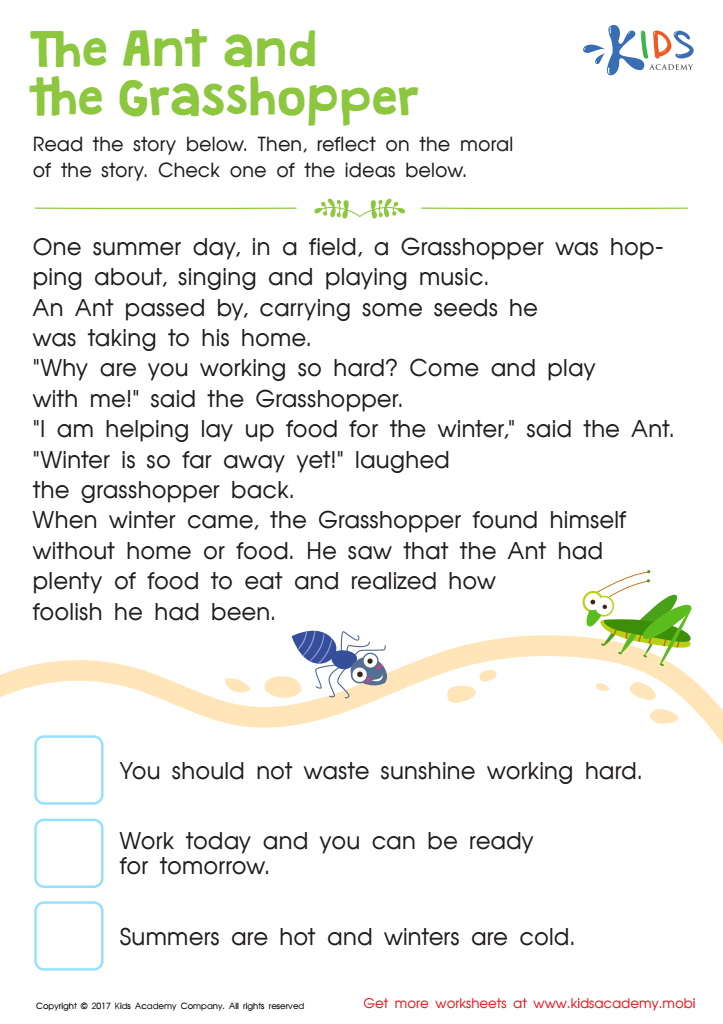
The Ant and the Grasshopper worksheet PDF

The Ant and The Grasshopper Printable
Aesop's fables have clear messages, which make them memorable and loved by children and adults. Use Kids Academy's ant and grasshopper worksheet to help your child reflect on stories and discover the life lesson.
The Ant and The Grasshopper Printable
Worksheet
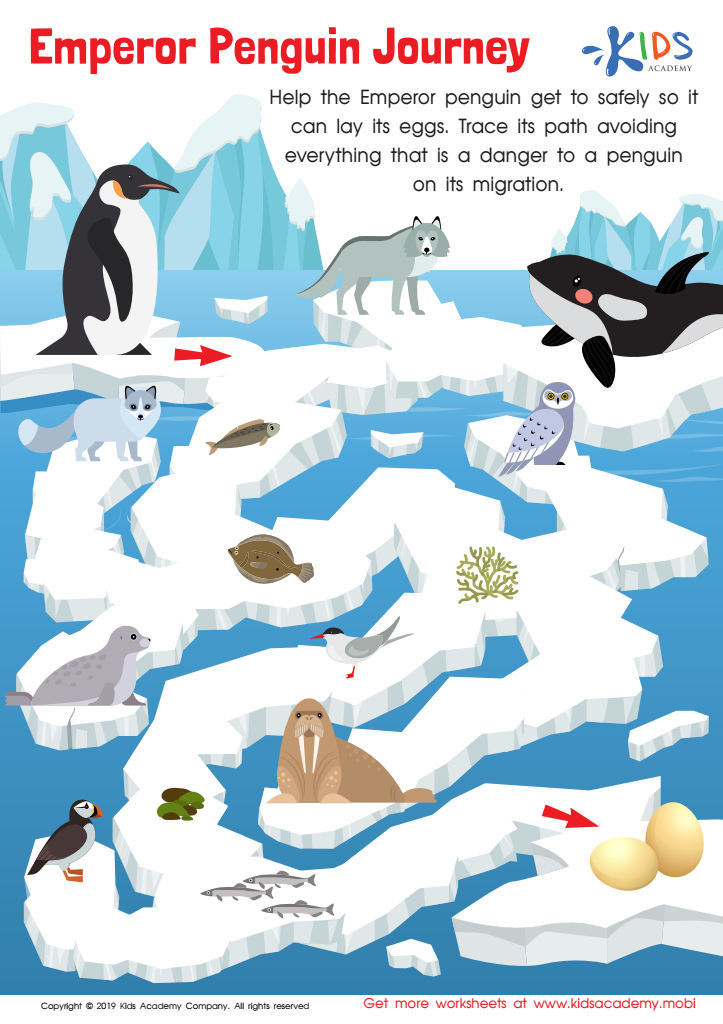
Emperor Penguin Journey Worksheet

Emperor Penguin Journey Worksheet

Kids love learning about animal habitats! This bright worksheet on Emperor Penguins is a fun way for your child to explore the risks of migration. Download the free PDF and help the penguin make its way through the maze and to its eggs - all while stimulating fine motor skills. Kids will have a blast helping the Emperor Penguin waddle to safety!
Emperor Penguin Journey Worksheet
Worksheet
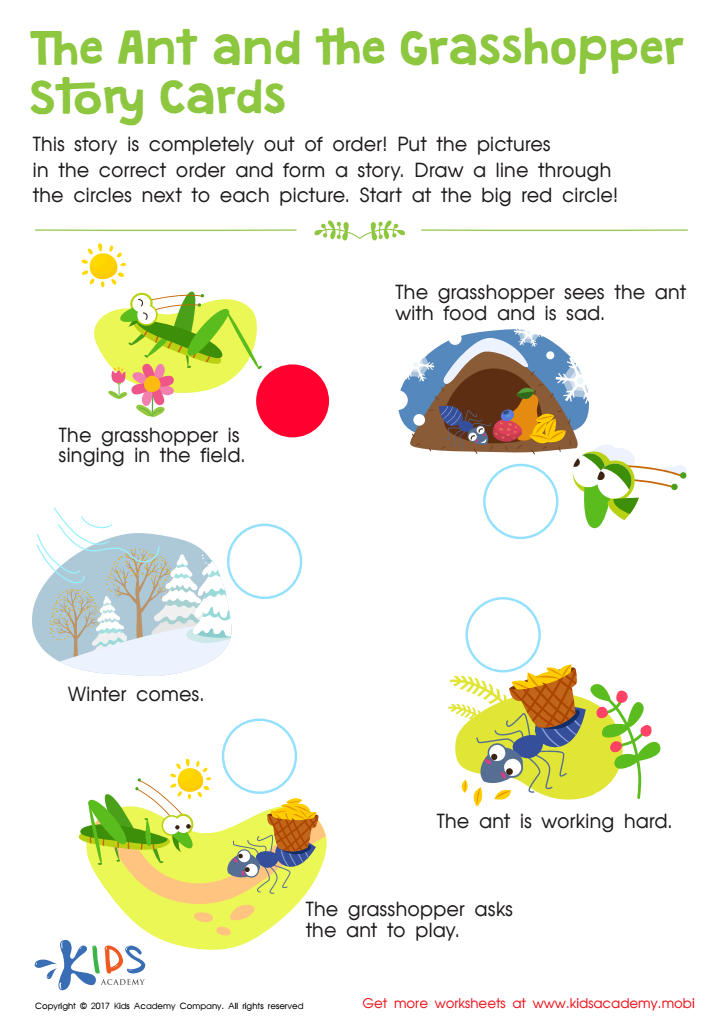
The Ant and the Grasshopper worksheet PDF

The Ant and The Grasshopper Worksheet
This worksheet uses the beloved childhood fable "The Ant and the Grasshopper" to teach your child about plot and order of events. Your child must read the events and put them in the right order. Once completed, review the story with your child to ensure its accuracy.
The Ant and The Grasshopper Worksheet
Worksheet
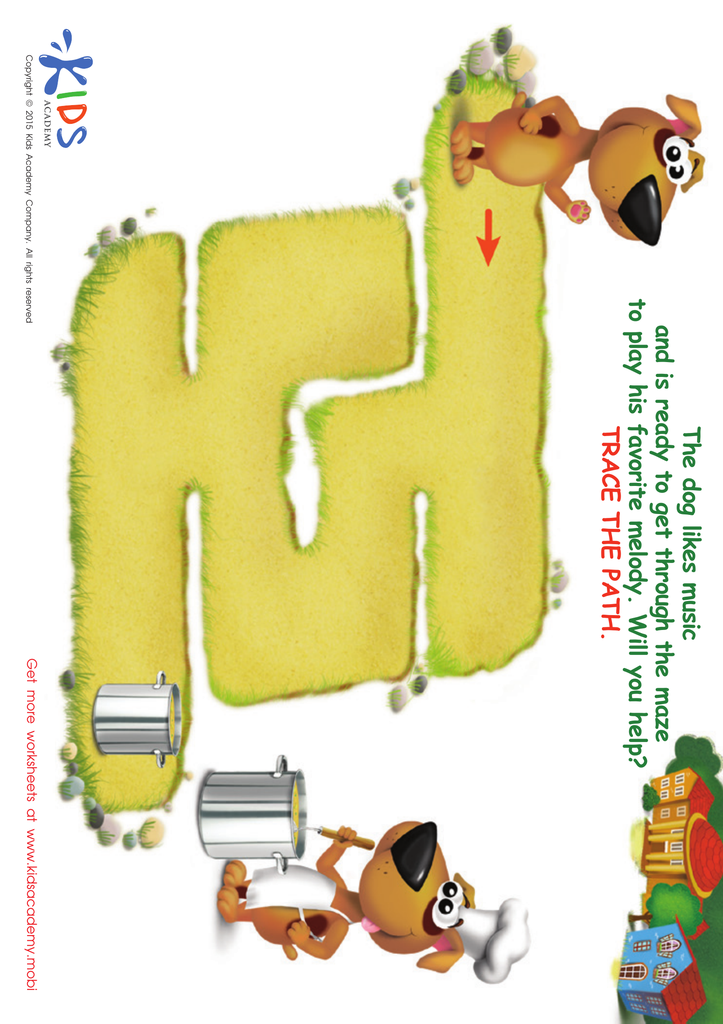
Printable PDF Mazes For Kids: Cook

Cook Maze Worksheet

Let your kids find their way to the pan with the help of our challenging mazes. Get them today at Kids Academy!
Cook Maze Worksheet
Worksheet
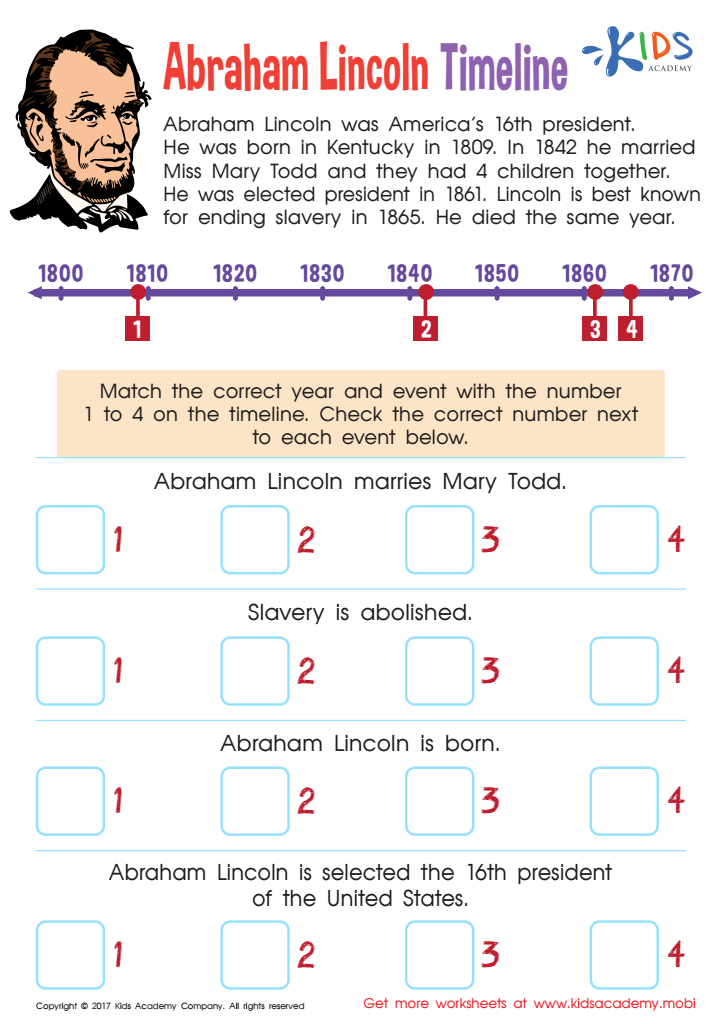
Abraham Lincoln Timeline Worksheet


Abraham Lincoln Timeline Worksheet
Revised (76 words): Let's review America's most important president with this Abraham Lincoln timeline worksheet! Kids will read the paragraph and answer the questions using the timeline to increase their reading comprehension skills.
Abraham Lincoln Timeline Worksheet

Worksheet


Sequencing events is fundamental for young children's cognitive and language development. For ages 3-8, understanding the order of events helps children comprehend the world around them and lays the groundwork for literacy skills. When parents and teachers focus on sequencing, they empower children to organize thoughts, tell stories, and understand cause-and-effect relationships. This skill is crucial for both reading comprehension and mathematical problem-solving.

In everyday life, children encounter numerous routines and processes, from brushing their teeth to getting ready for school. Practicing sequencing allows them to follow instructions correctly, fostering independence and confidence. It builds their vocabulary, as they learn to use transitional words like "first," "then," and "last."

Moreover, sequencing aids social-emotional development by improving their understanding of past experiences and how actions lead to consequences. For instance, they learn that sharing toys can lead to making friends. Engaging activities like storytelling, playing with picture cards, and sequencing games make learning this skill fun and impactful.

For parents and teachers, prioritizing sequencing in early education supports holistic growth. It ensures children are better prepared for the structured learning environments of school while also honing critical life skills that set the stage for future success.