Critical Thinking 2D Shapes Worksheets for Ages 3-8
5 filtered results
-
From - To
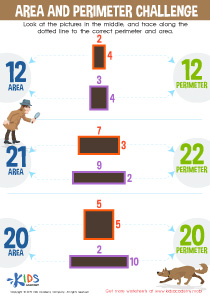
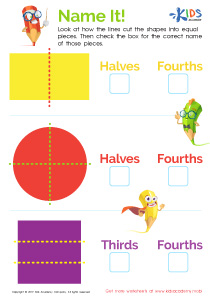
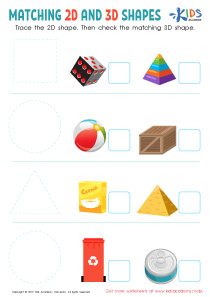
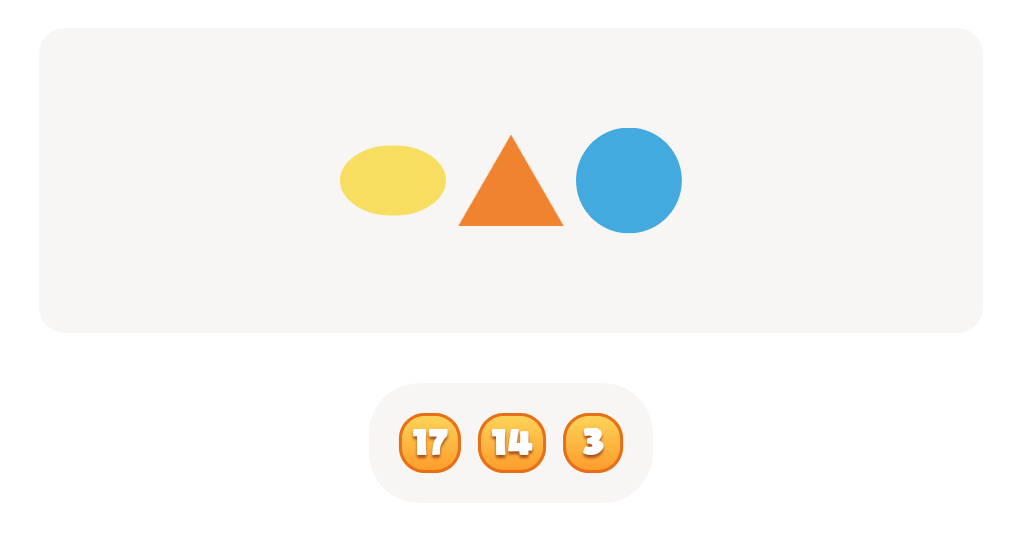
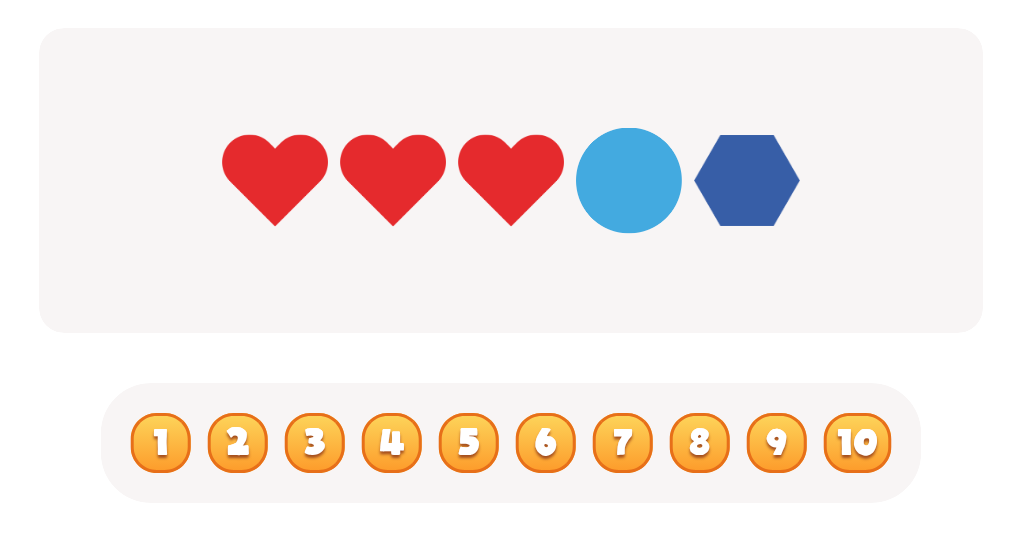
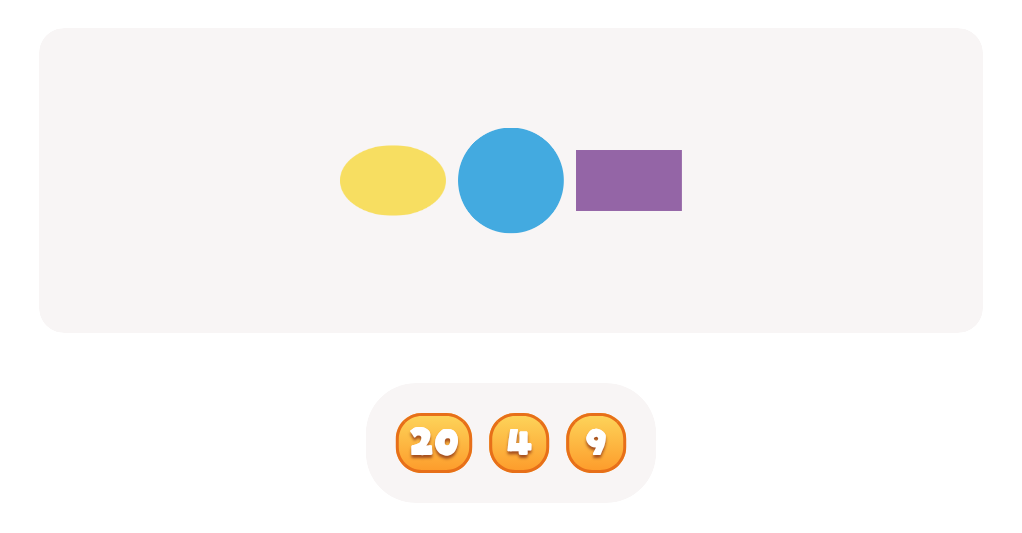
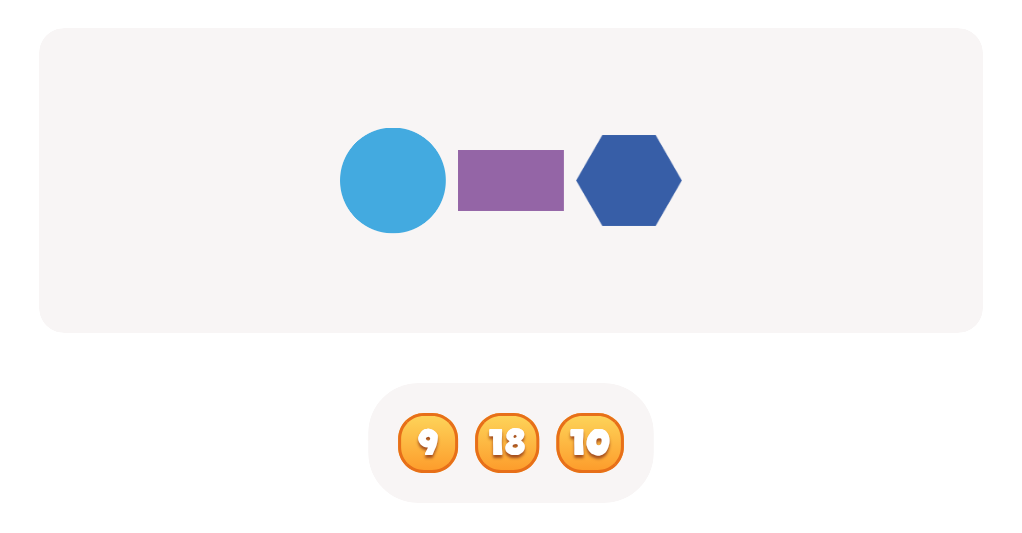
Introduce your young learners to the exciting world of geometry with our "Critical Thinking 2D Shapes Worksheets for Ages 3-8." Specially crafted to enhance cognitive development, these worksheets encourage children to identify, compare, and contrast different 2D shapes. Through engaging activities, they will not only build essential math skills but also boost their creative problem-solving abilities. Perfect for early learners, these fun and educational worksheets will spark your child’s curiosity and foster a love for learning from an early age. Get ready to watch your child excel in both math and critical thinking with our expertly designed resources!
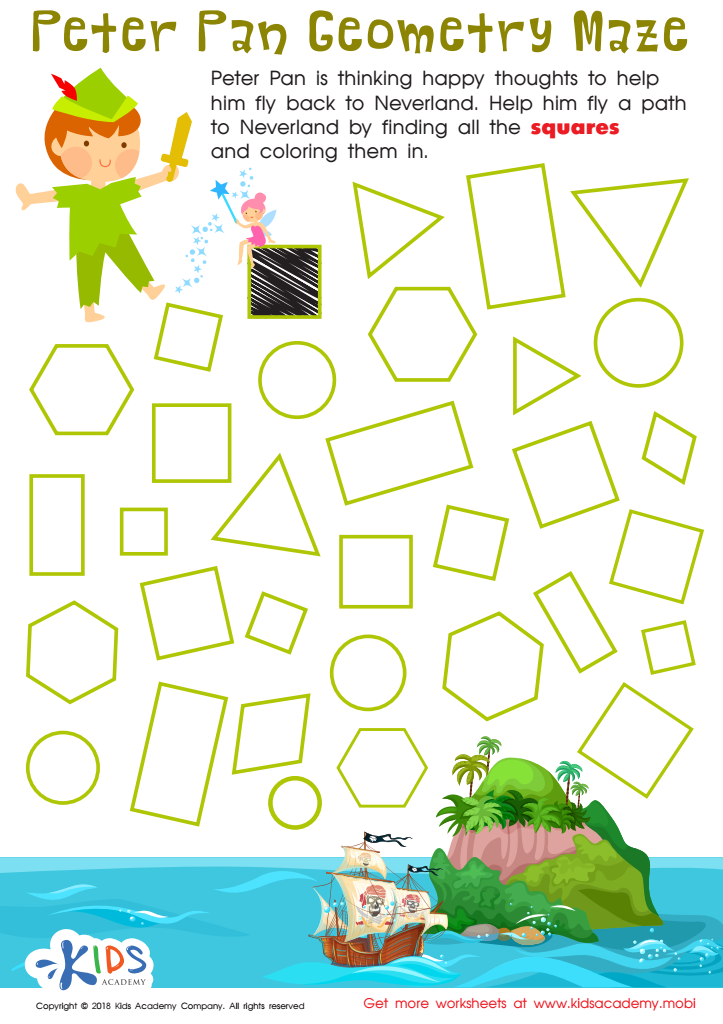
Peter Pan Worksheet
 Assign to My Students


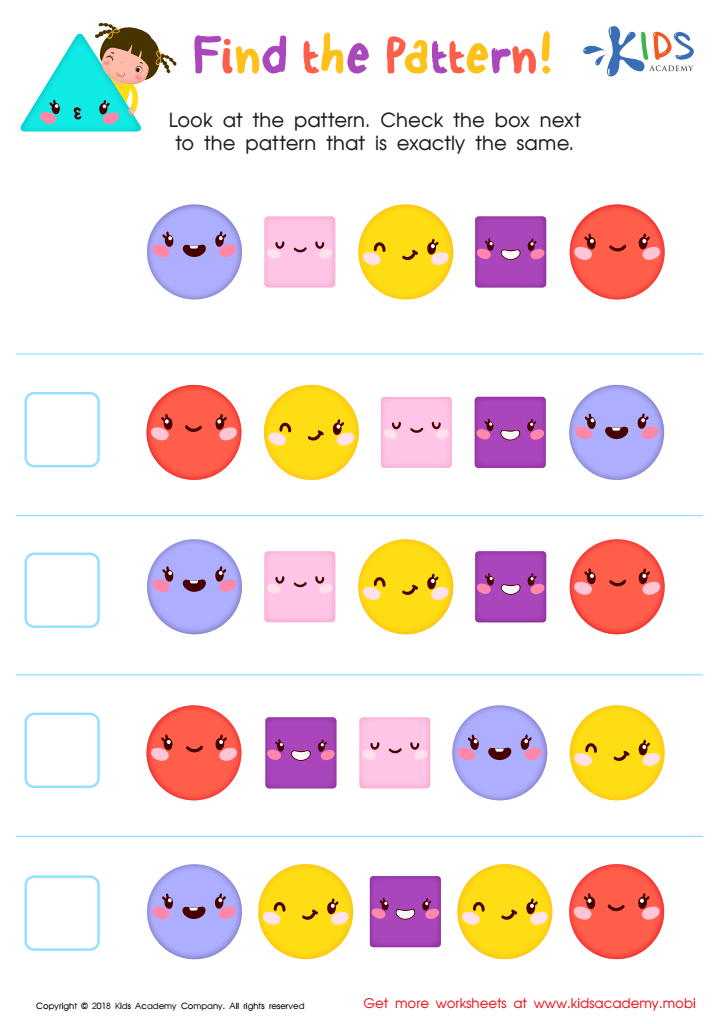
Find the Pattern Worksheet
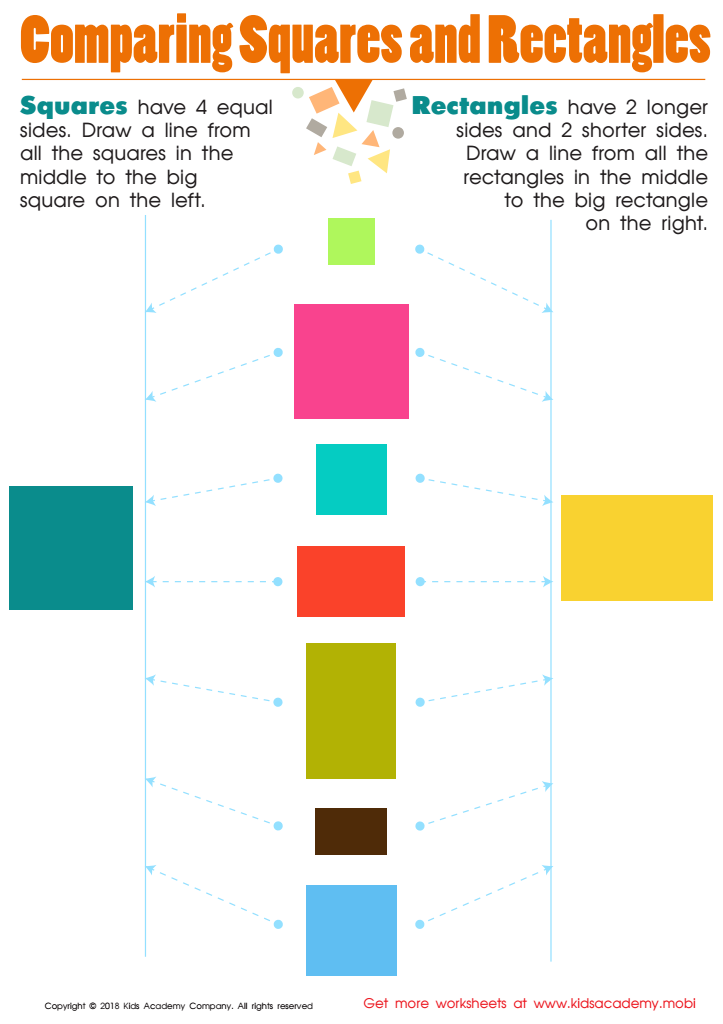
Comparing Squares Rectangles Worksheet
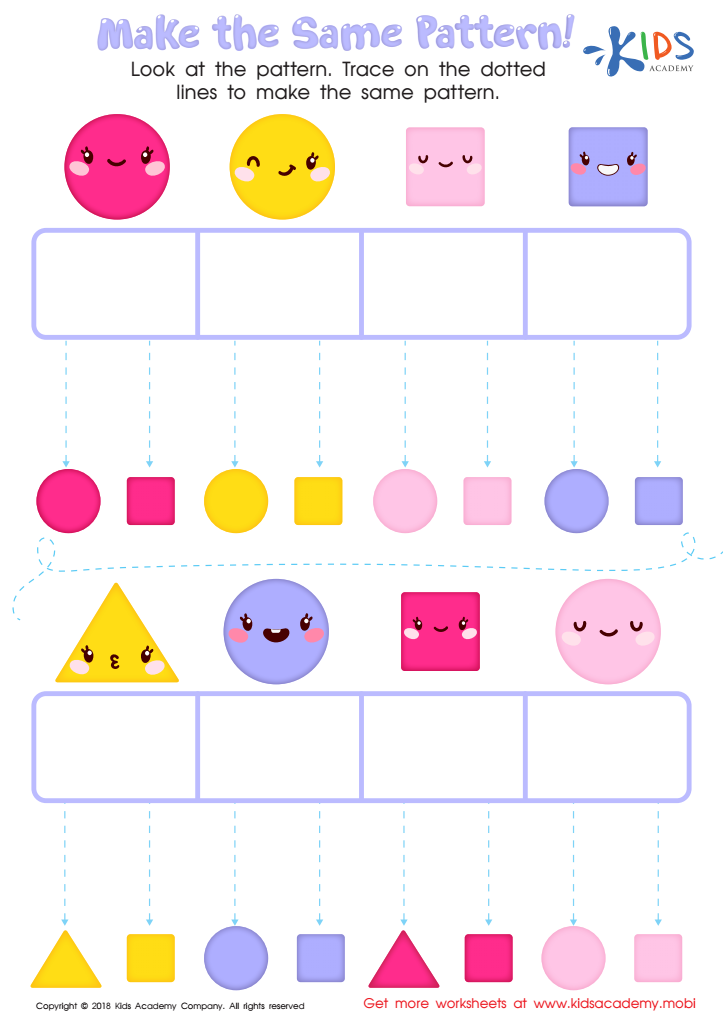
Make the Same Pattern Worksheet
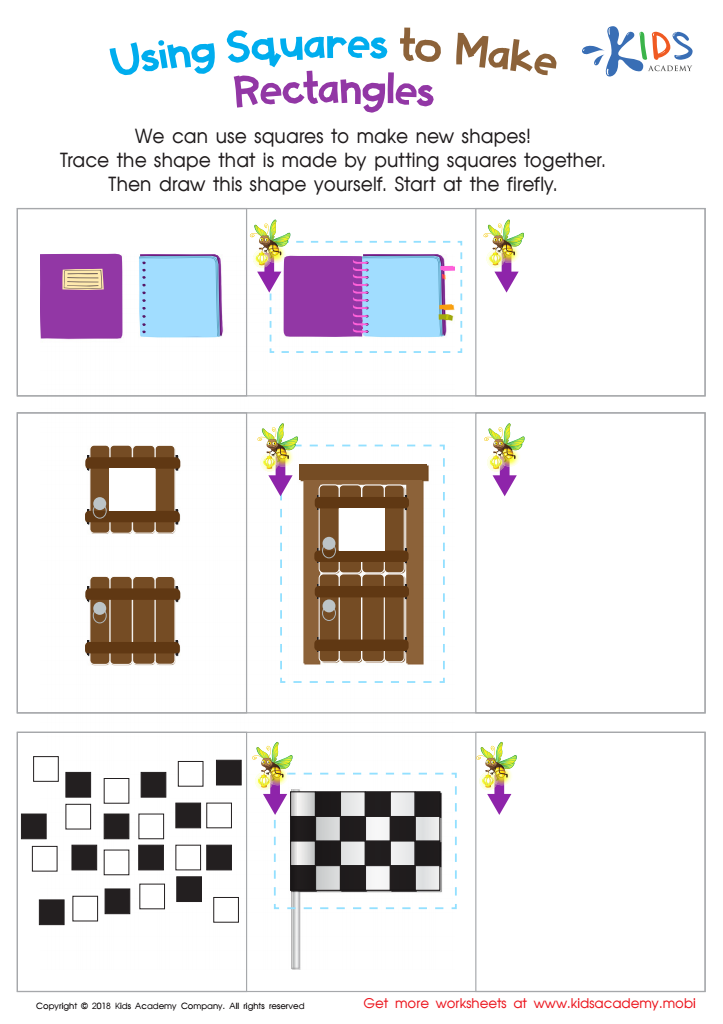
Using Squares to Make Rectangles Worksheet








Introducing children aged 3-8 to Critical Thinking using 2D shapes is vital for several reasons. Firstly, it enhances cognitive development by promoting problem-solving skills and logical reasoning. When kids interact with shapes and their properties—like sides, angles, and symmetry—they begin to understand relationships and patterns, fostering analytical thinking.
Additionally, early exposure to geometric concepts forms a strong foundation for future mathematical learning. Recognizing shapes, comparing their sizes, and understanding spatial relations are skills directly applicable to more advanced topics in math and science. This early engagement also aids in the development of visual-spatial intelligence, which is crucial for tasks involving navigation and understanding environments.
Critical thinking with 2D shapes also enhances language skills. As children describe shapes and their attributes, they learn new vocabulary and improve their ability to articulate thoughts clearly. Activities like sorting shapes or creating patterns encourage descriptive and comparative language use, important components of effective communication.
Lastly, it supports creativity and self-expression. When children use shapes to create pictures or solve puzzles, they explore their imagination in a structured way, bridging creativity with logical structuring. Involving parents or teachers in these activities offers guidance, reinforcing learning while fostering a supportive, engaging environment that nurtures curiosity and enthusiasm for exploration.