Filters

73 filtered results

Clear all filters
Favorites
With answer key
Interactive

73 filtered results

Difficulty Level

Grade


Subject

    Discover our interactive "Adding Up to 100 Without Regrouping" worksheets, specially designed for children ages 3-8! These engaging worksheets help young learners enhance their addition skills without the complexity of regrouping. Each worksheet features colorful images and practical exercises that encourage counting and number recognition, making math both fun and accessible. Perfect for homeschooling, classrooms, or additional practice, our resources support skill development in a structured yet enjoyable way. Watch as your child gains confidence in their math abilities and develops a solid foundation for future learning. Download and explore our worksheets today for endless math fun!
    Check out this FREE Trial Lesson on Adding up to 100 Without Regrouping for age 3-8!

    T

    Favorites
    With answer key
    Interactive
    • 3-8
    • Adding up to 100 Without Regrouping
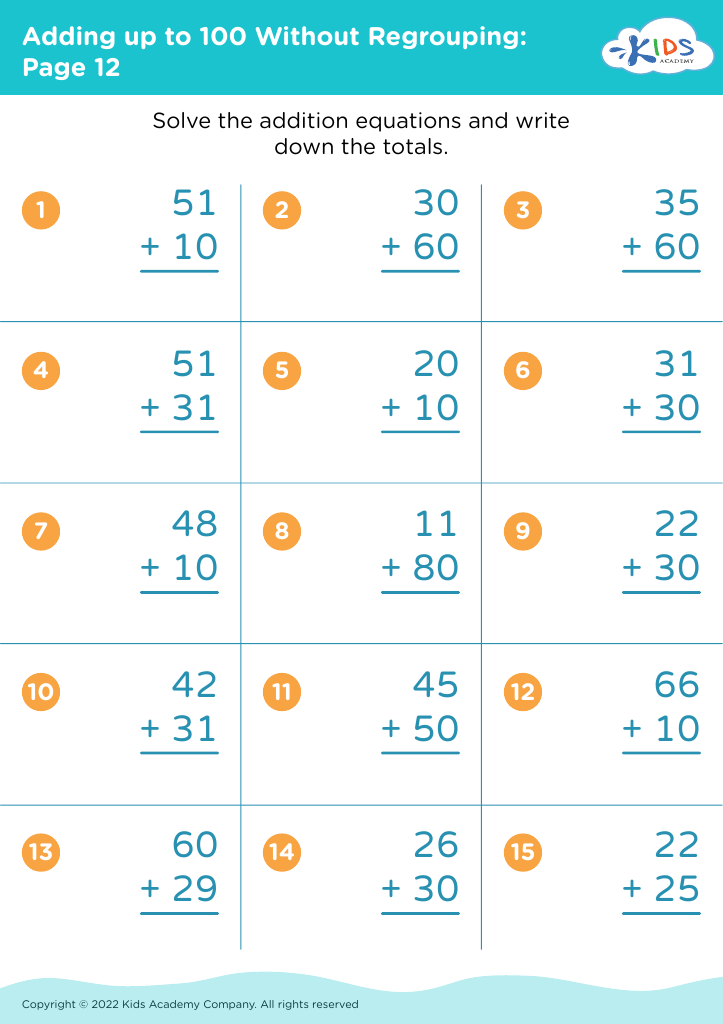
    Adding up to 100 Without Regrouping: Page 12
    Adding up to 100 Without Regrouping: Page 12
    Adding up to 100 Without Regrouping: Page 12
    Worksheet
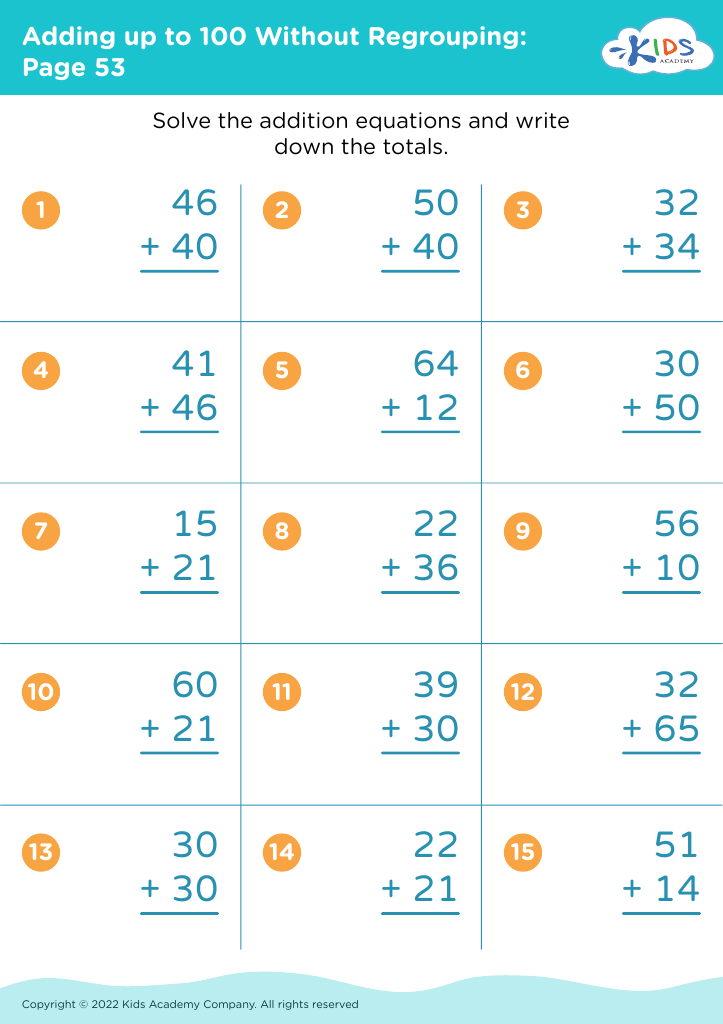
    Adding up to 100 Without Regrouping: Page 53
    Adding up to 100 Without Regrouping: Page 53
    Adding up to 100 Without Regrouping: Page 53
    Worksheet
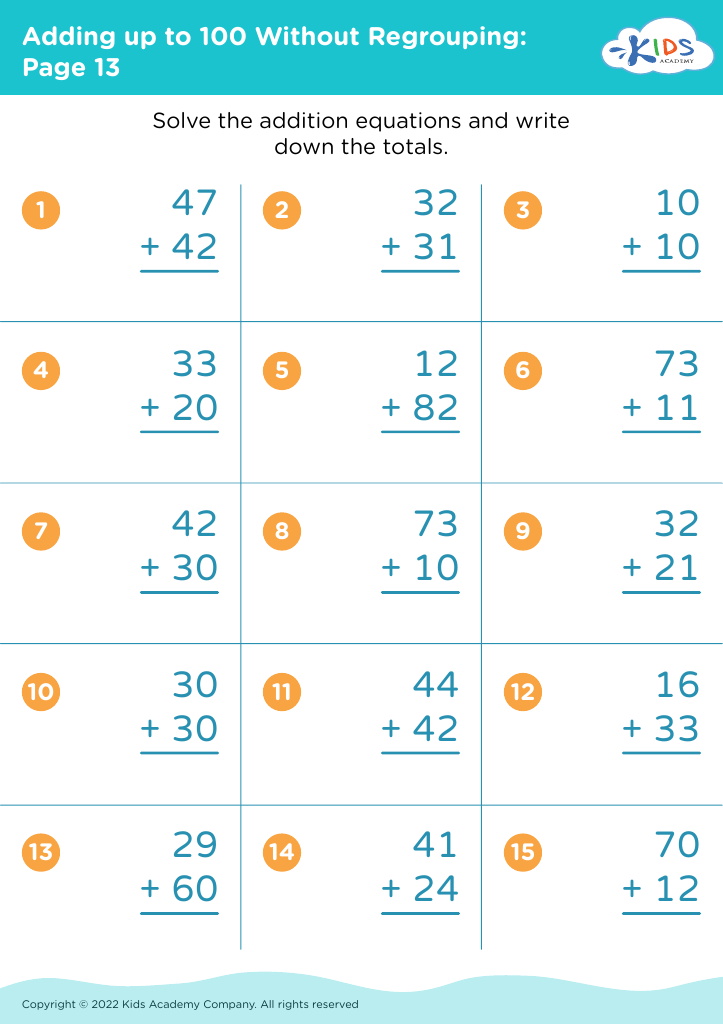
    Adding up to 100 Without Regrouping: Page 13
    Adding up to 100 Without Regrouping: Page 13
    Adding up to 100 Without Regrouping: Page 13
    Worksheet
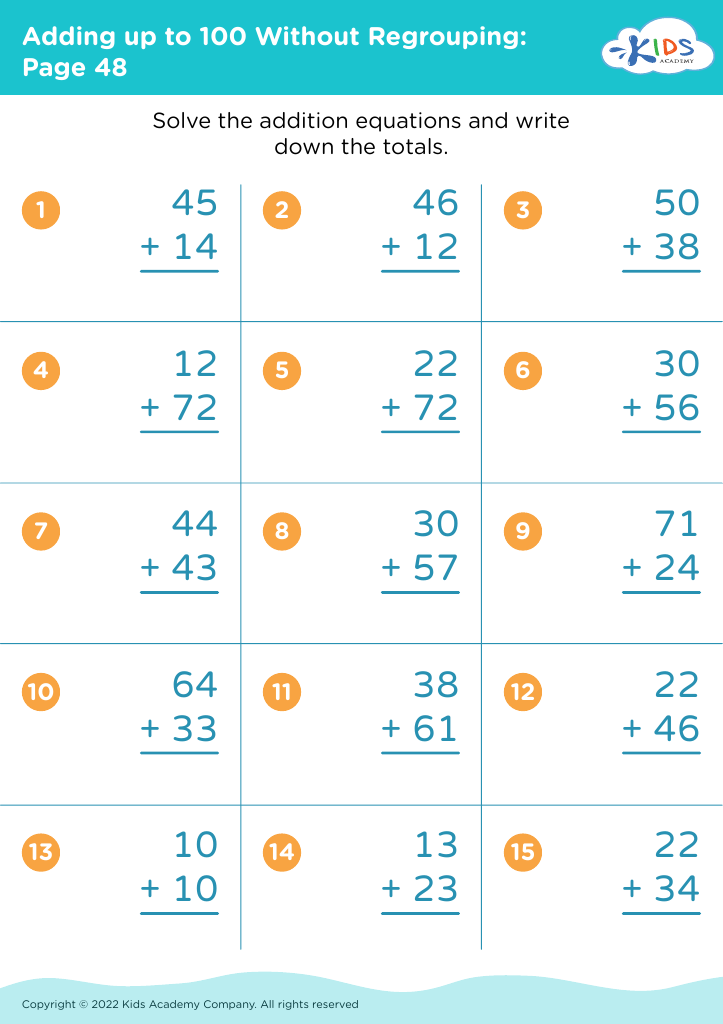
    Adding up to 100 Without Regrouping: Page 48
    Adding up to 100 Without Regrouping: Page 48
    Adding up to 100 Without Regrouping: Page 48
    Worksheet
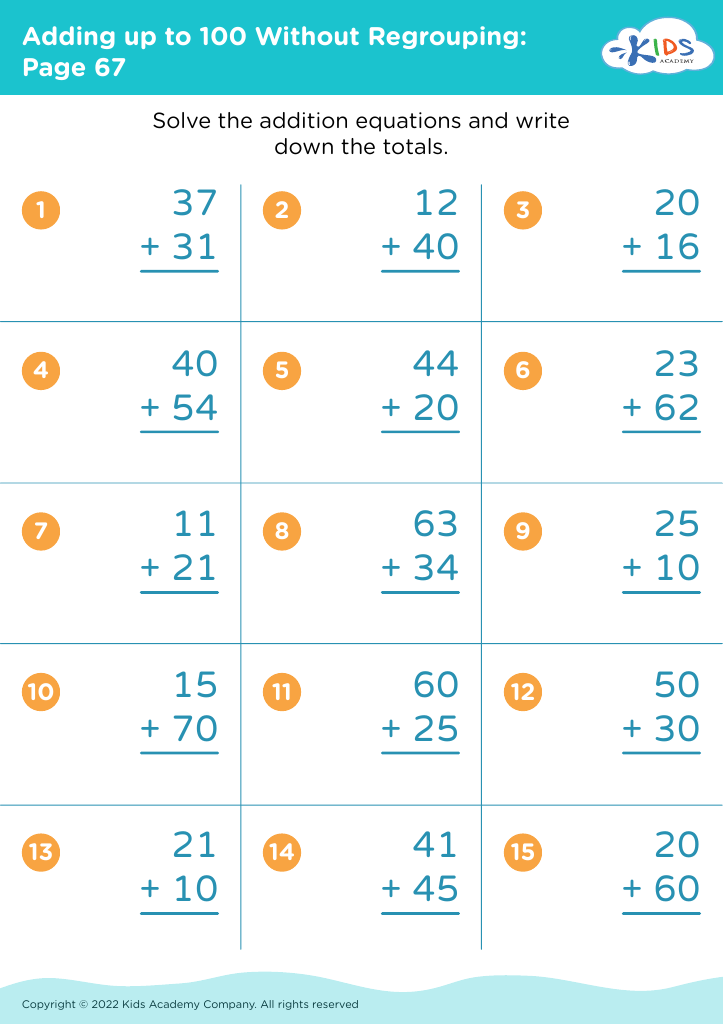
    Adding up to 100 Without Regrouping: Page 67
    Adding up to 100 Without Regrouping: Page 67
    Adding up to 100 Without Regrouping: Page 67
    Worksheet
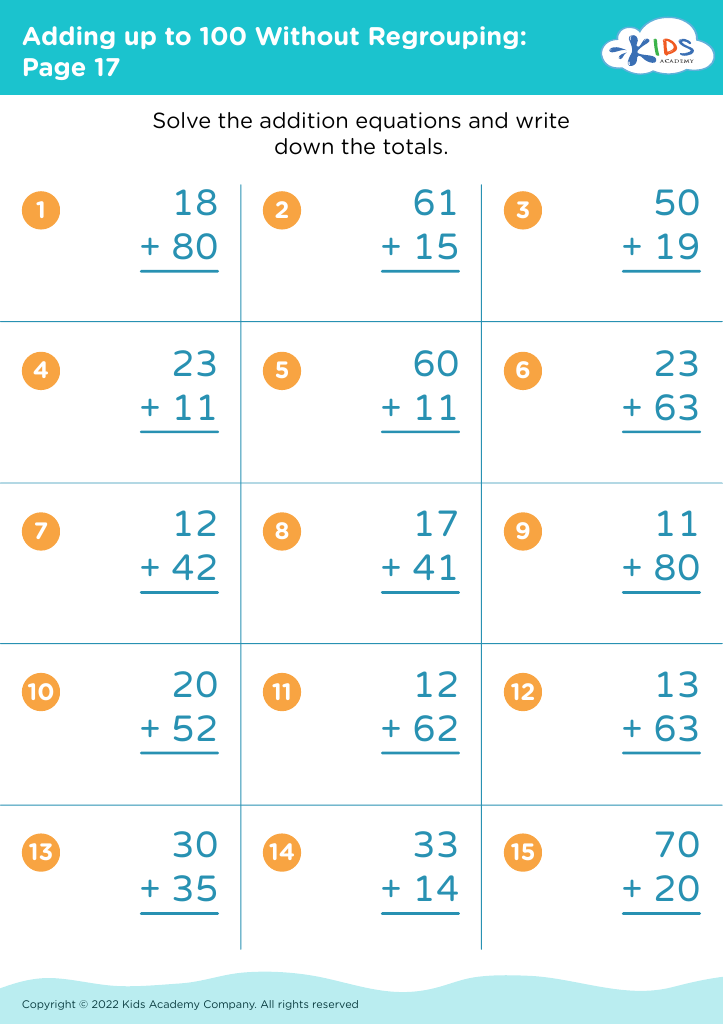
    Adding up to 100 Without Regrouping: Page 17
    Adding up to 100 Without Regrouping: Page 17
    Adding up to 100 Without Regrouping: Page 17
    Worksheet
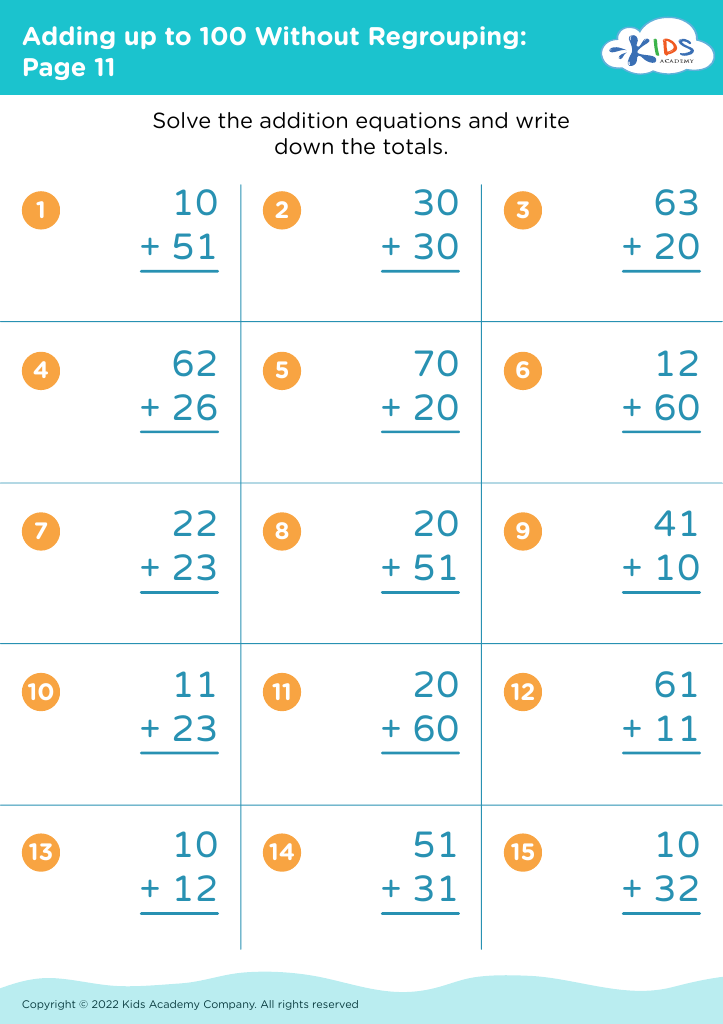
    Adding up to 100 Without Regrouping: Page 11
    Adding up to 100 Without Regrouping: Page 11
    Adding up to 100 Without Regrouping: Page 11
    Worksheet
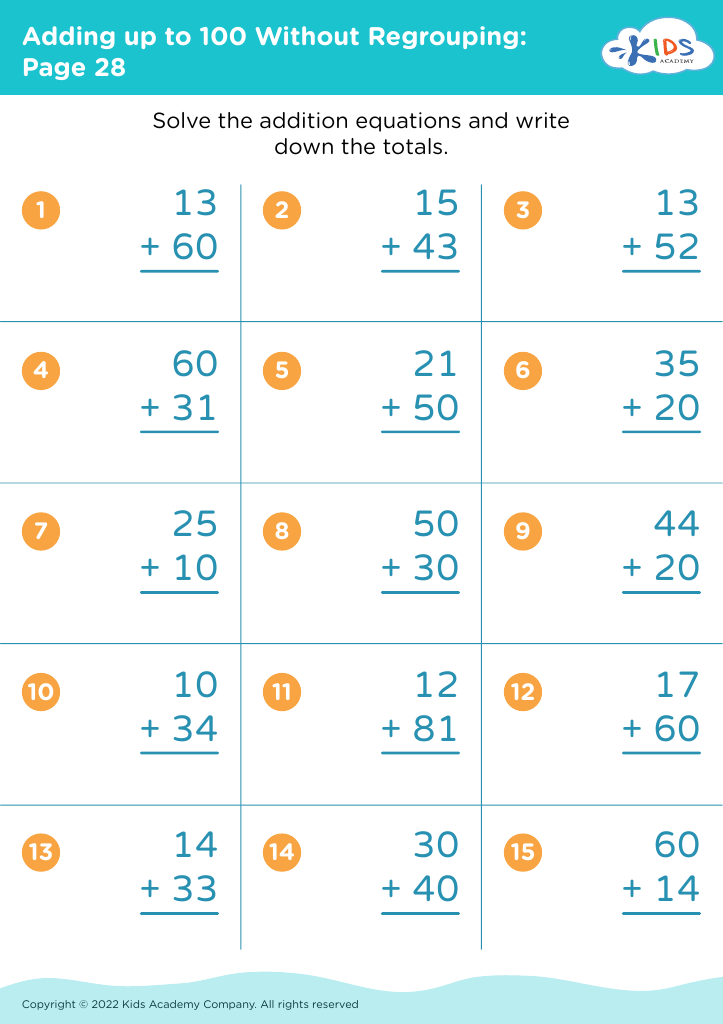
    Adding up to 100 Without Regrouping: Page 28
    Adding up to 100 Without Regrouping: Page 28
    Adding up to 100 Without Regrouping: Page 28
    Worksheet
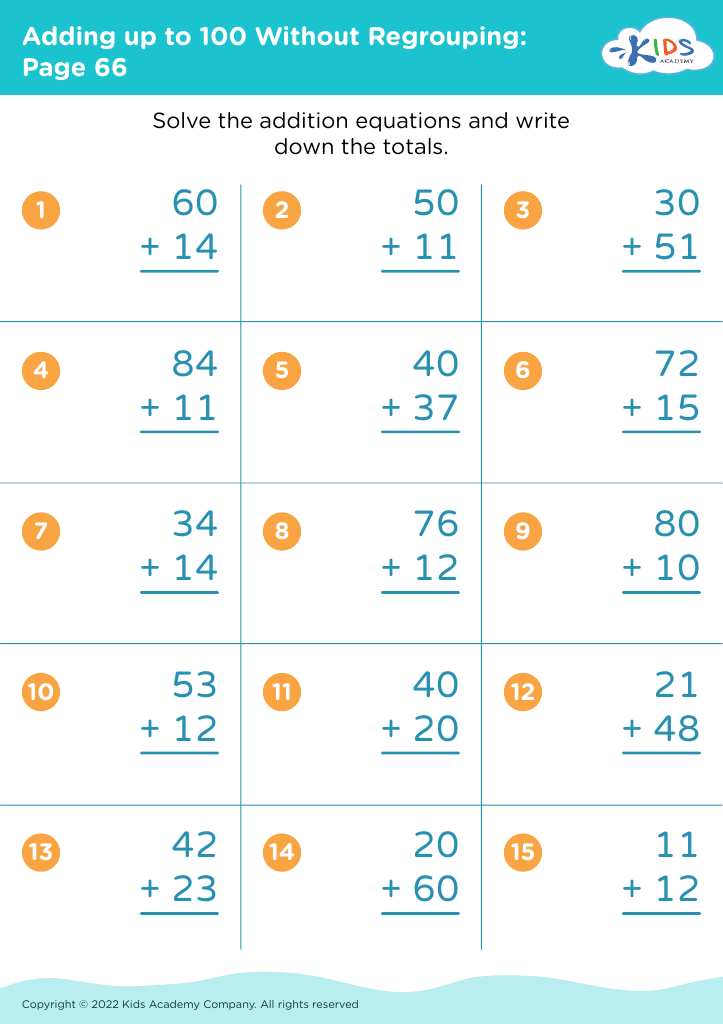
    Adding up to 100 Without Regrouping: Page 66
    Adding up to 100 Without Regrouping: Page 66
    Adding up to 100 Without Regrouping: Page 66
    Worksheet
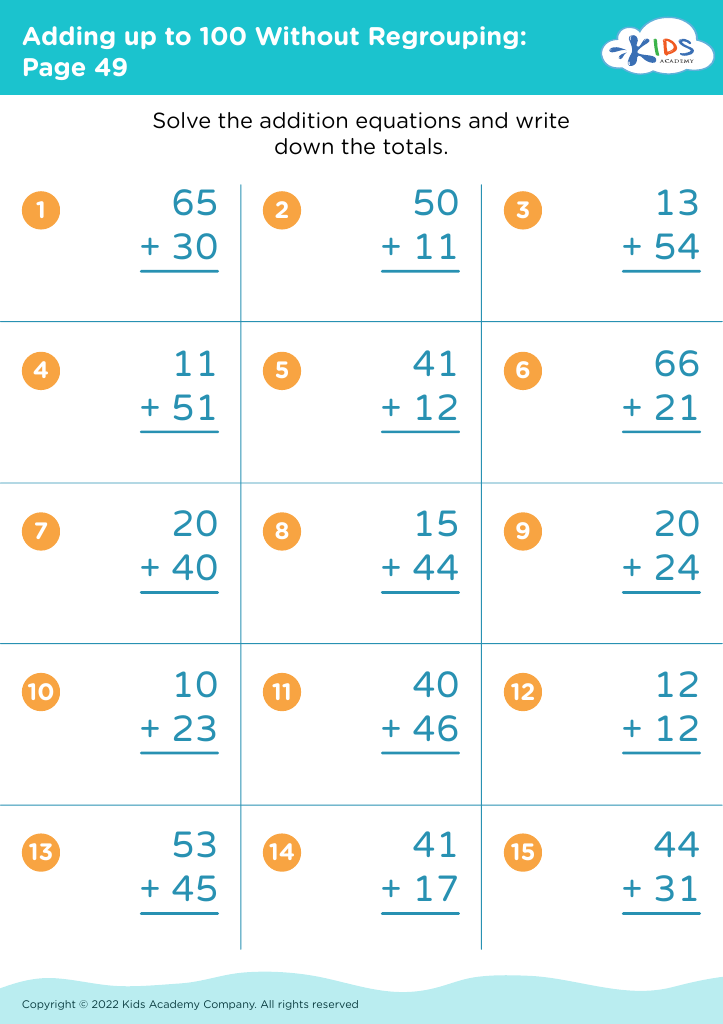
    Adding up to 100 Without Regrouping: Page 49
    Adding up to 100 Without Regrouping: Page 49
    Adding up to 100 Without Regrouping: Page 49
    Worksheet
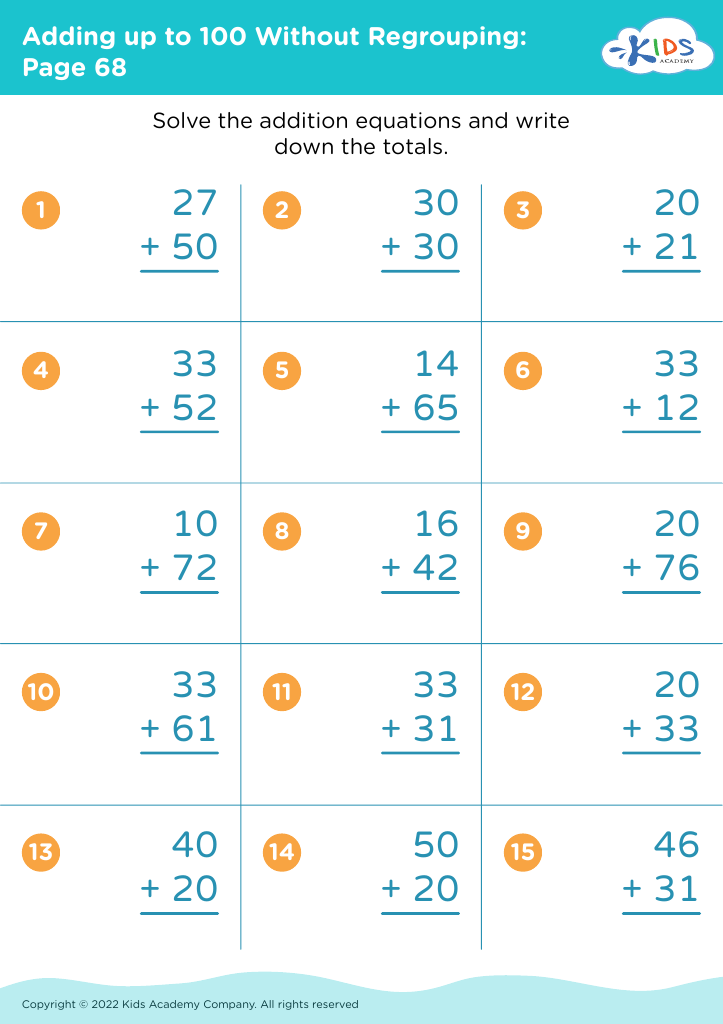
    Adding up to 100 Without Regrouping: Page 68
    Adding up to 100 Without Regrouping: Page 68
    Adding up to 100 Without Regrouping: Page 68
    Worksheet
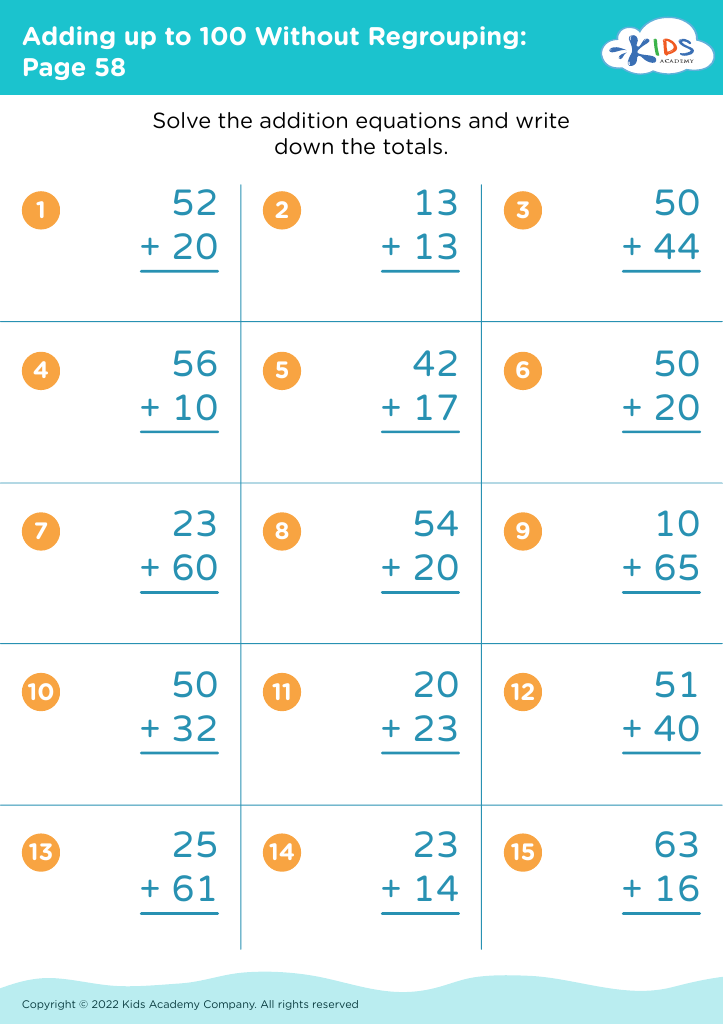
    Adding up to 100 Without Regrouping: Page 58
    Adding up to 100 Without Regrouping: Page 58
    Adding up to 100 Without Regrouping: Page 58
    Worksheet
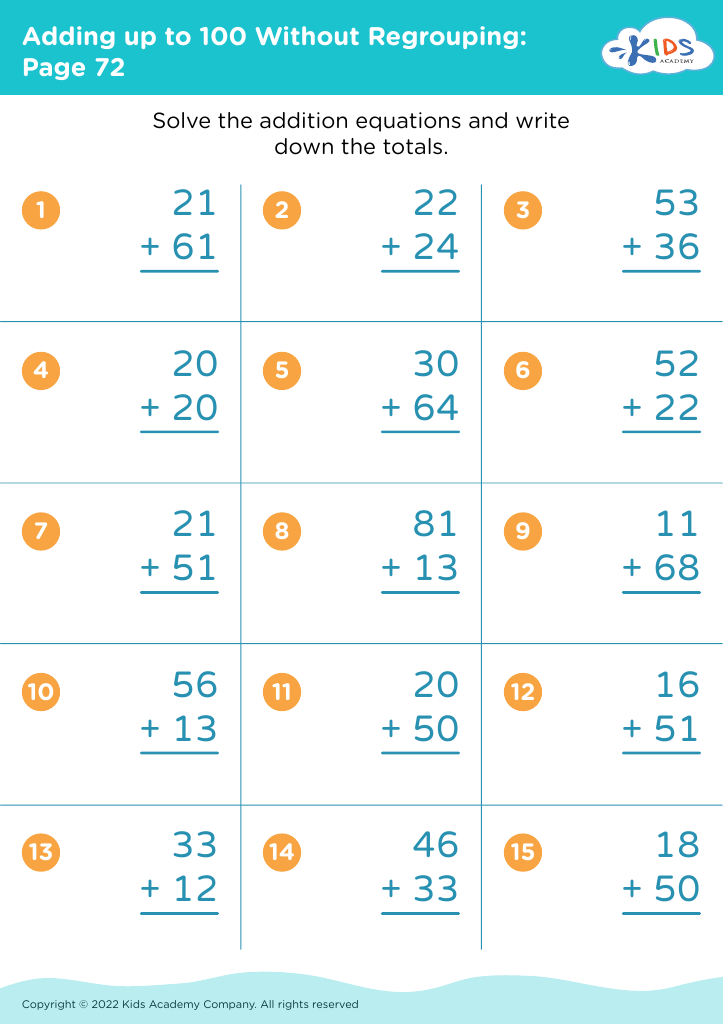
    Adding up to 100 Without Regrouping: Page 72
    Adding up to 100 Without Regrouping: Page 72
    Adding up to 100 Without Regrouping: Page 72
    Worksheet
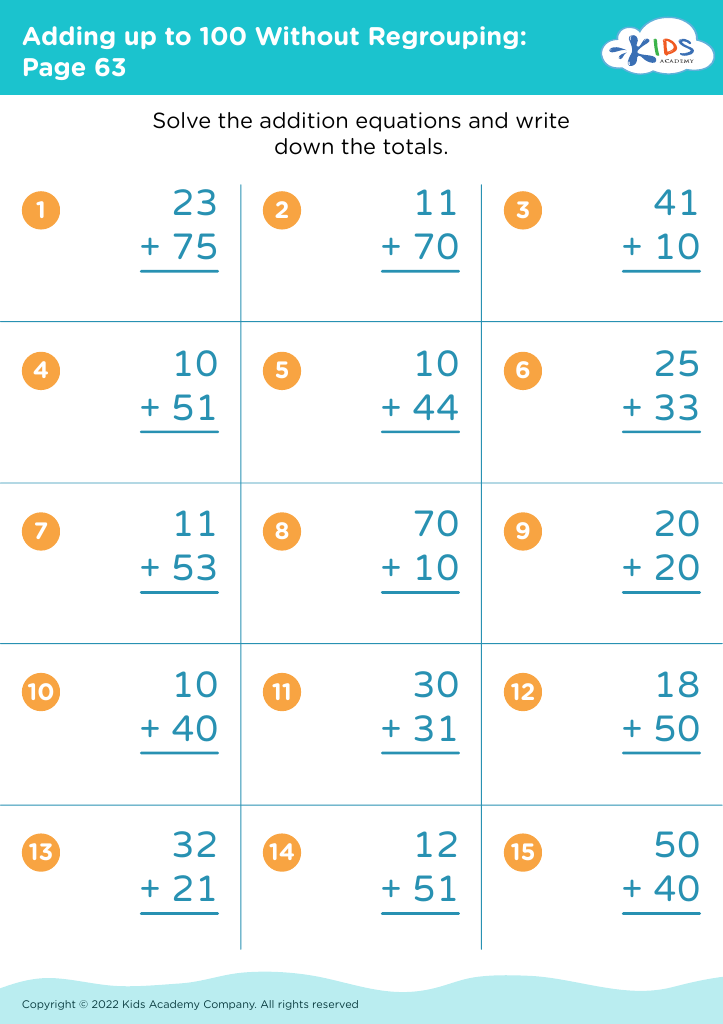
    Adding up to 100 Without Regrouping: Page 63
    Adding up to 100 Without Regrouping: Page 63
    Adding up to 100 Without Regrouping: Page 63
    Worksheet
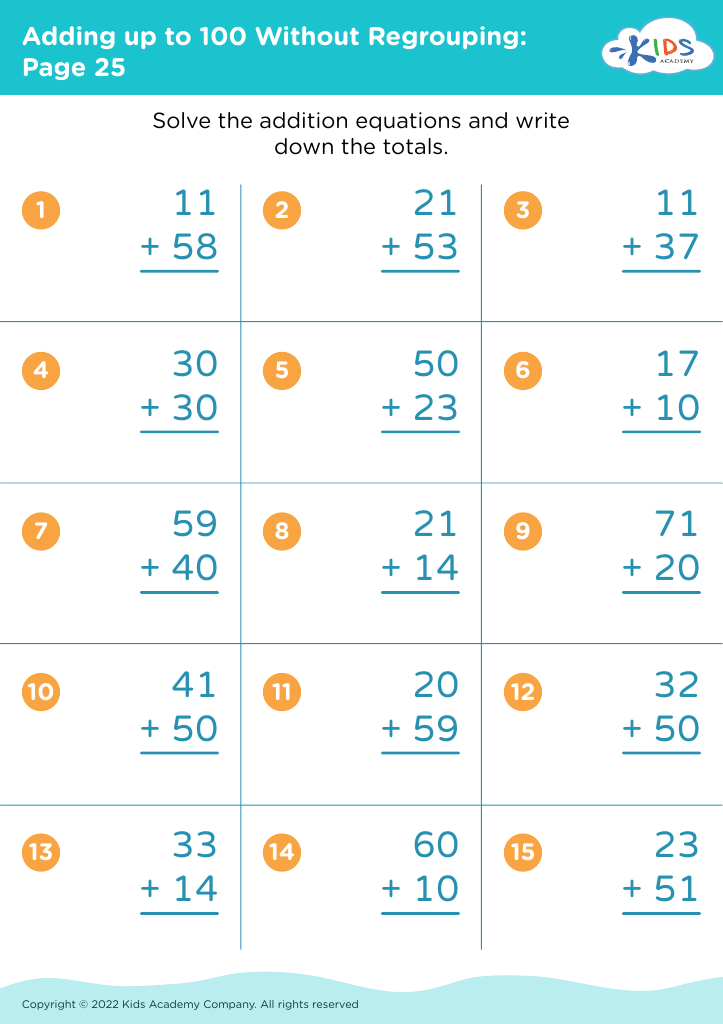
    Adding up to 100 Without Regrouping: Page 25
    Adding up to 100 Without Regrouping: Page 25
    Adding up to 100 Without Regrouping: Page 25
    Worksheet
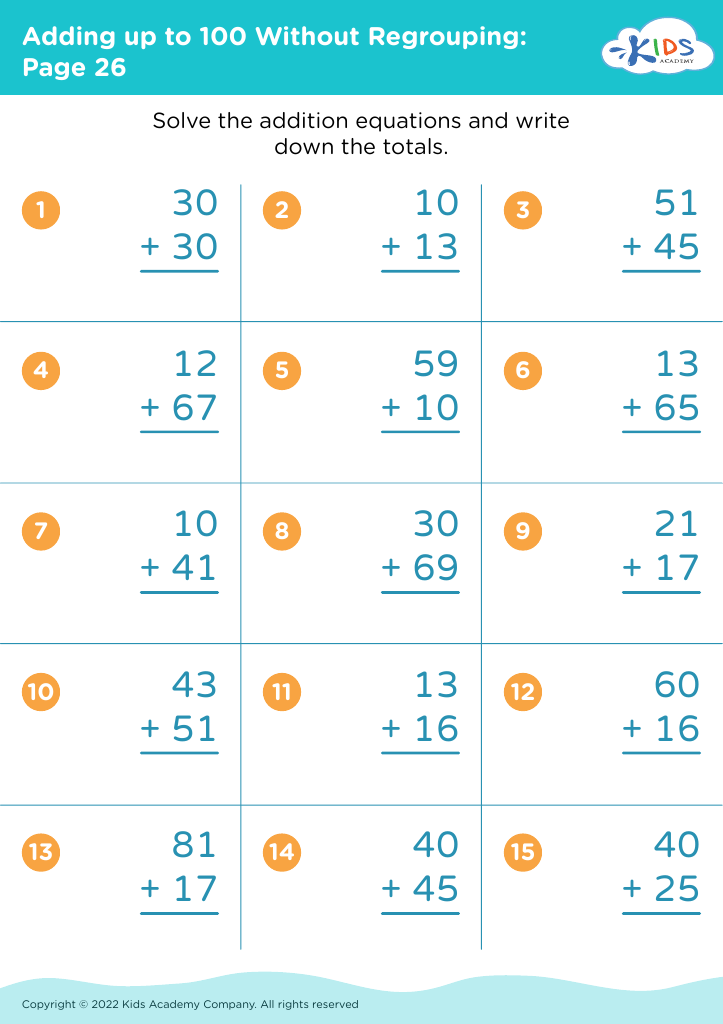
    Adding up to 100 Without Regrouping: Page 26
    Adding up to 100 Without Regrouping: Page 26
    Adding up to 100 Without Regrouping: Page 26
    Worksheet
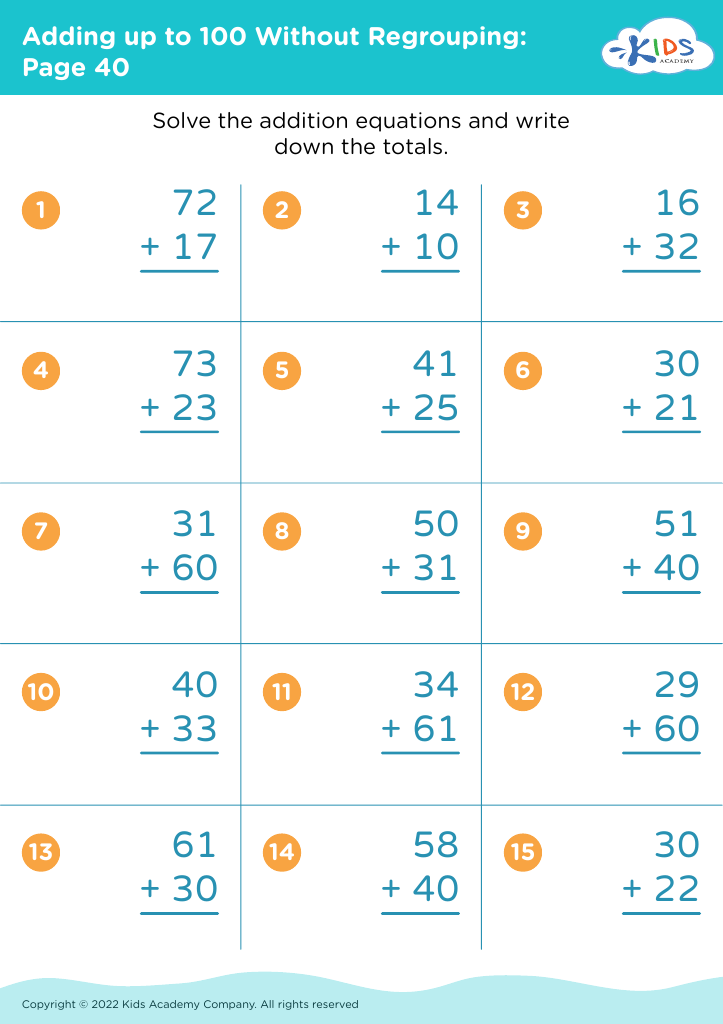
    Adding up to 100 Without Regrouping: Page 40
    Adding up to 100 Without Regrouping: Page 40
    Adding up to 100 Without Regrouping: Page 40
    Worksheet
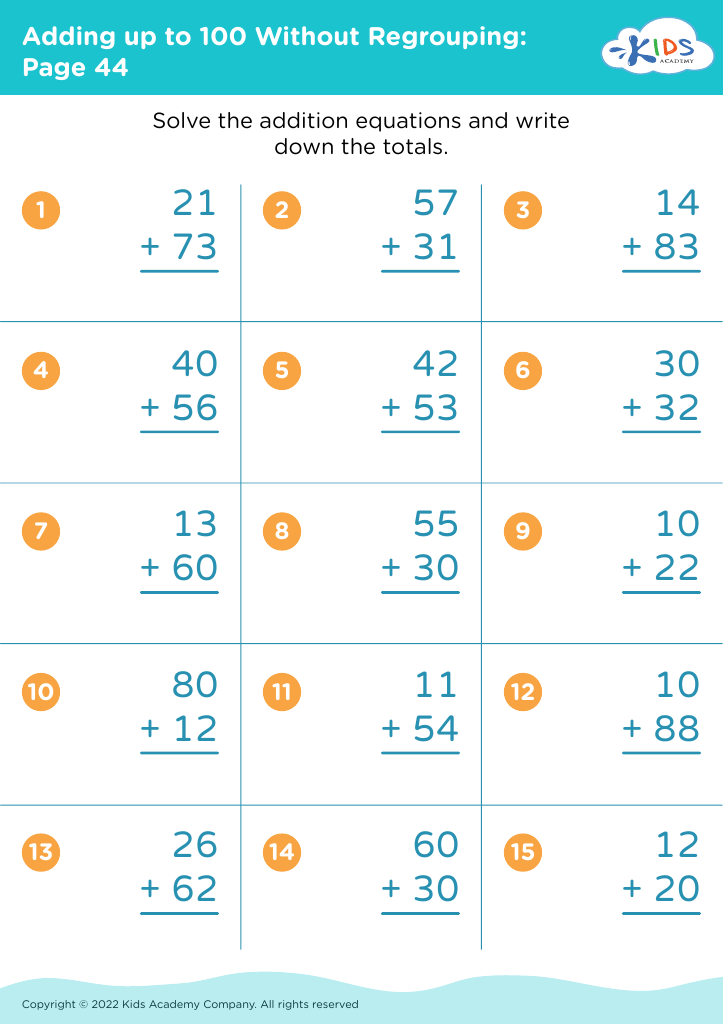
    Adding up to 100 Without Regrouping: Page 44
    Adding up to 100 Without Regrouping: Page 44
    Adding up to 100 Without Regrouping: Page 44
    Worksheet
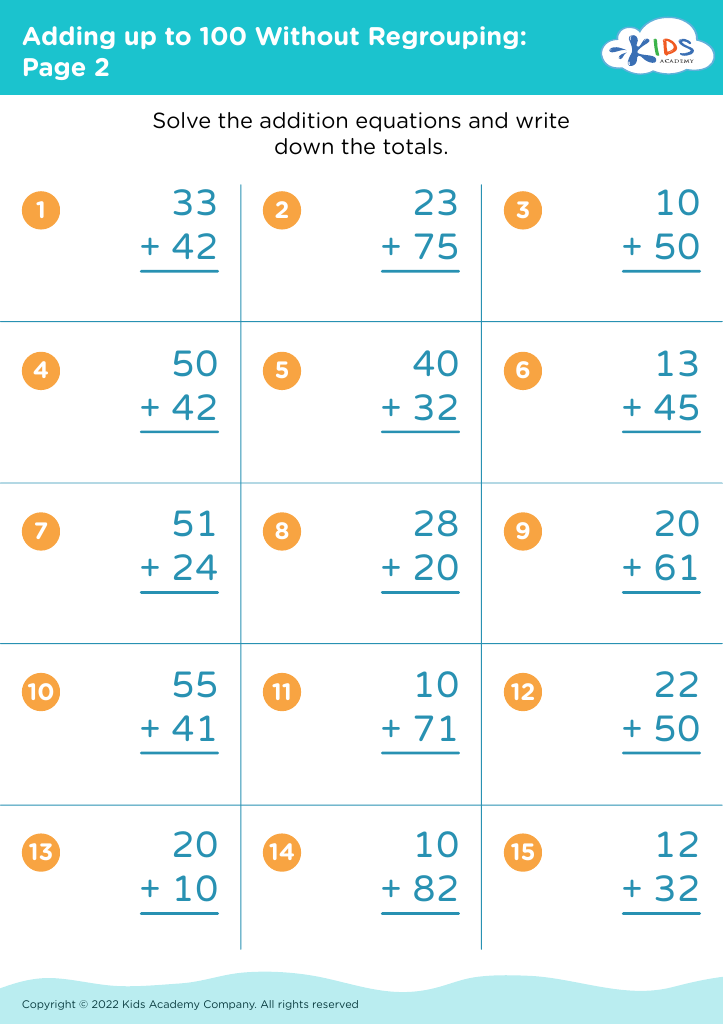
    Adding up to 100 Without Regrouping: Page 2
    Adding up to 100 Without Regrouping: Page 2
    Adding up to 100 Without Regrouping: Page 2
    Worksheet
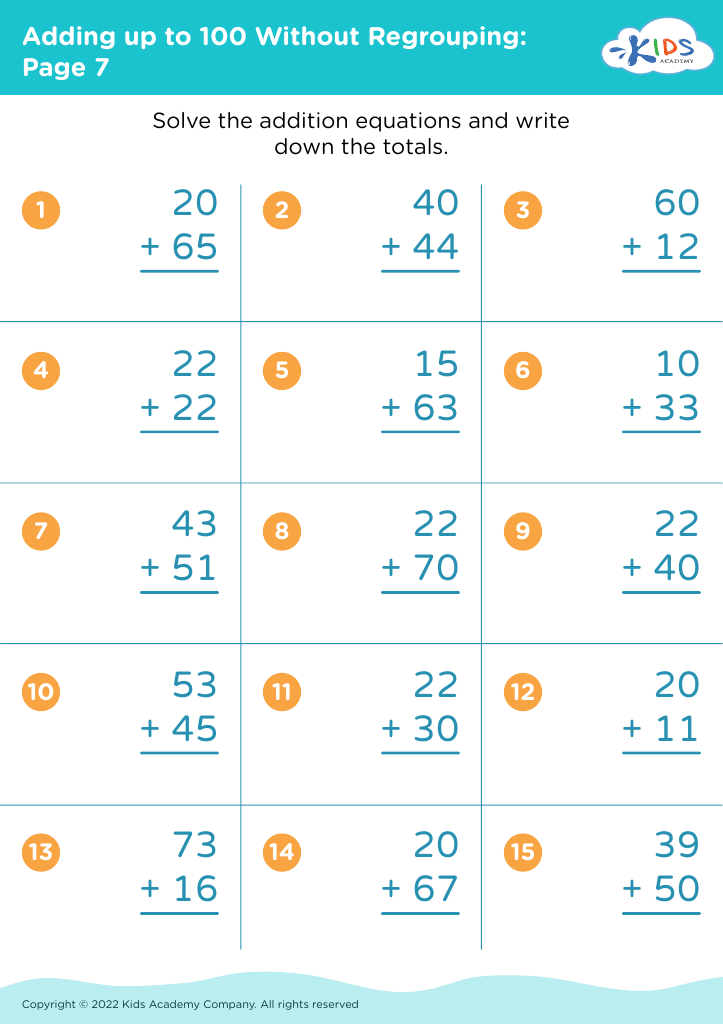
    Adding up to 100 Without Regrouping: Page 7
    Adding up to 100 Without Regrouping: Page 7
    Adding up to 100 Without Regrouping: Page 7
    Worksheet
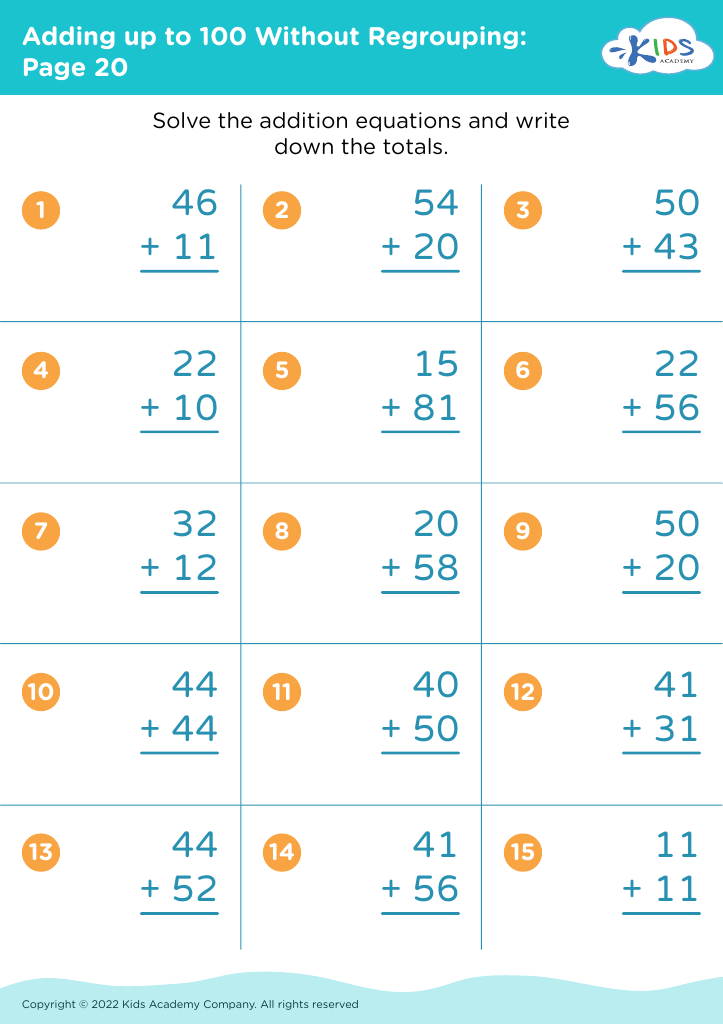
    Adding up to 100 Without Regrouping: Page 20
    Adding up to 100 Without Regrouping: Page 20
    Adding up to 100 Without Regrouping: Page 20
    Worksheet
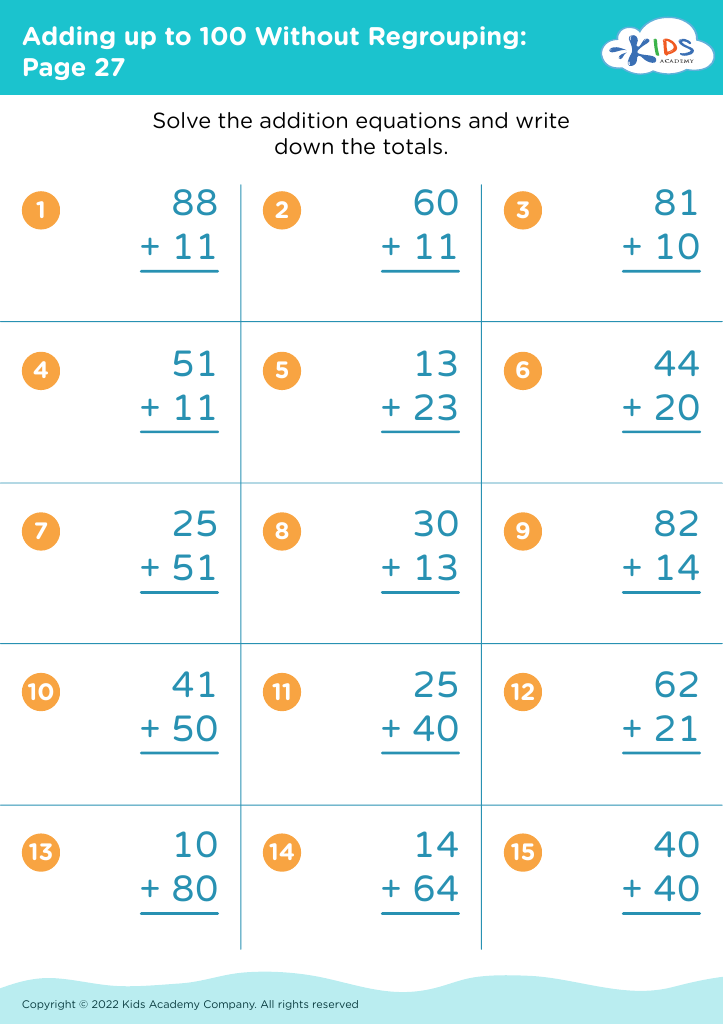
    Adding up to 100 Without Regrouping: Page 27
    Adding up to 100 Without Regrouping: Page 27
    Adding up to 100 Without Regrouping: Page 27
    Worksheet
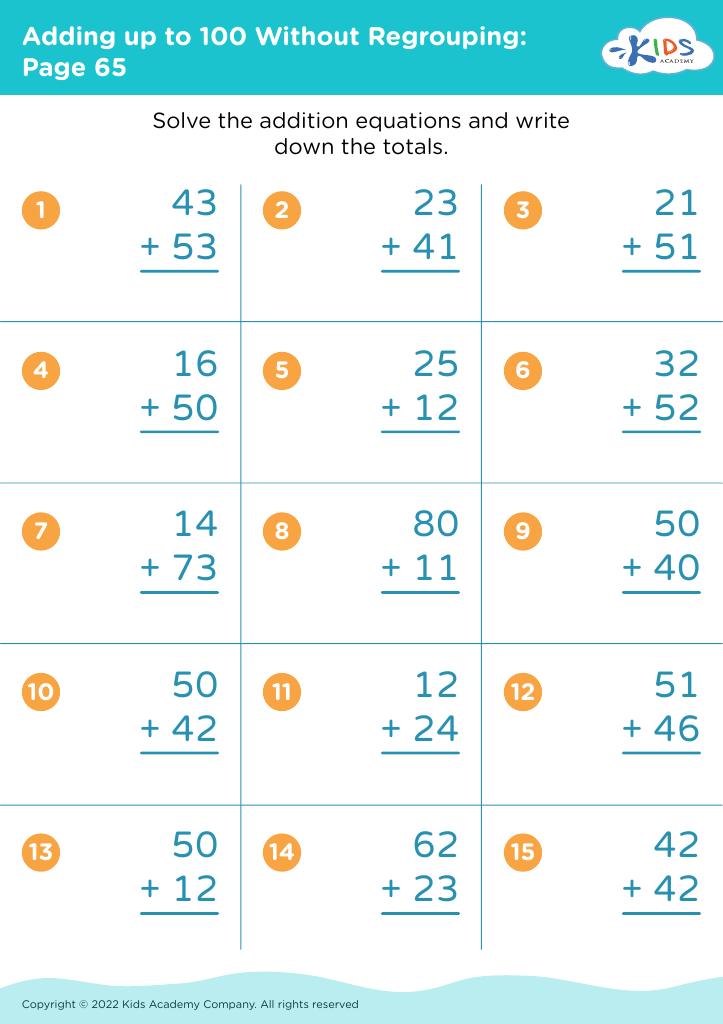
    Adding up to 100 Without Regrouping: Page 65
    Adding up to 100 Without Regrouping: Page 65
    Adding up to 100 Without Regrouping: Page 65
    Worksheet
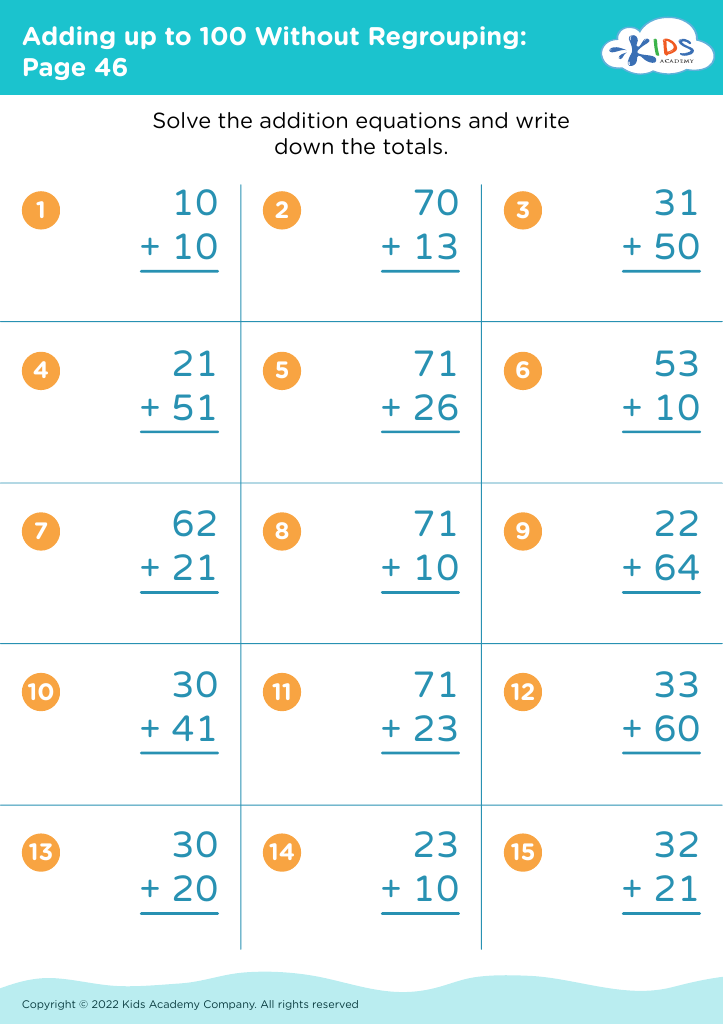
    Adding up to 100 Without Regrouping: Page 46
    Adding up to 100 Without Regrouping: Page 46
    Adding up to 100 Without Regrouping: Page 46
    Worksheet


    Understanding the concept of "Adding up to 100 Without Regrouping" is crucial for children aged 3-8 as it lays the foundation for essential mathematical skills. At this age, children are developing their number sense and beginning to recognize relationships between numbers. Teaching them to add numbers without regrouping fosters confidence while solidifying their grasp of addition.

    For parents and teachers, promoting this skill is significant for several reasons. Firstly, it encourages mental math abilities, allowing children to quickly and accurately retrieve information without relying solely on calculators or counting aids. This can enhance problem-solving skills, which are vital not only in mathematics but also in everyday life situations.

    Moreover, this understanding can help children progress smoothly to more complex mathematical concepts, such as regrouping and bigger number sums, easing any future frustrations in their learning journey. Additionally, it supports a positive learning experience, as achieving targets can motivate children to take on new challenges. Ultimately, a solid foundation in simple addition enhances overall academic literacy, equipping children with the skills necessary to succeed in various subjects beyond math. Thus, investing time in this essential area can have long-lasting benefits for young learners.