Cognitive Development Addition & Subtraction Worksheets for Ages 3-8 - Page 4
122 filtered results
-
From - To
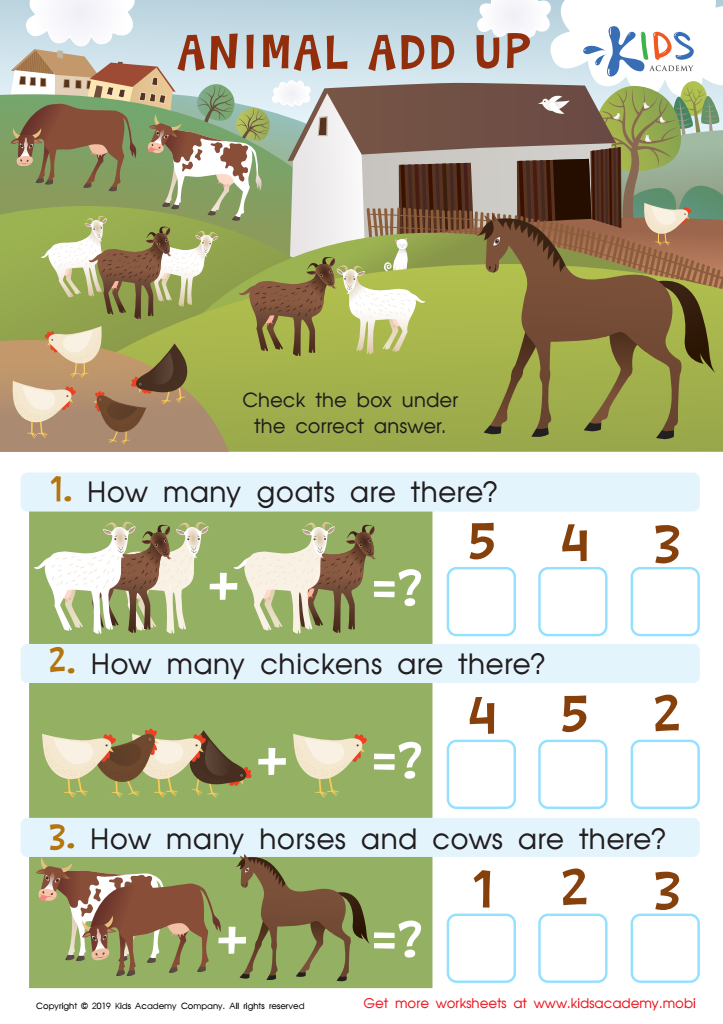
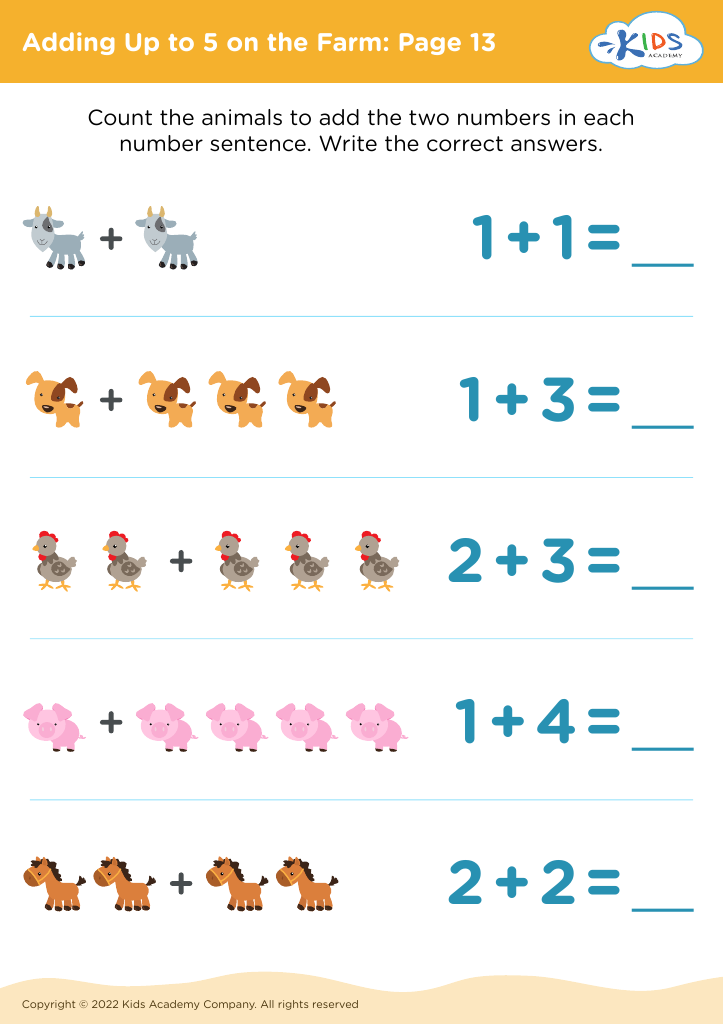
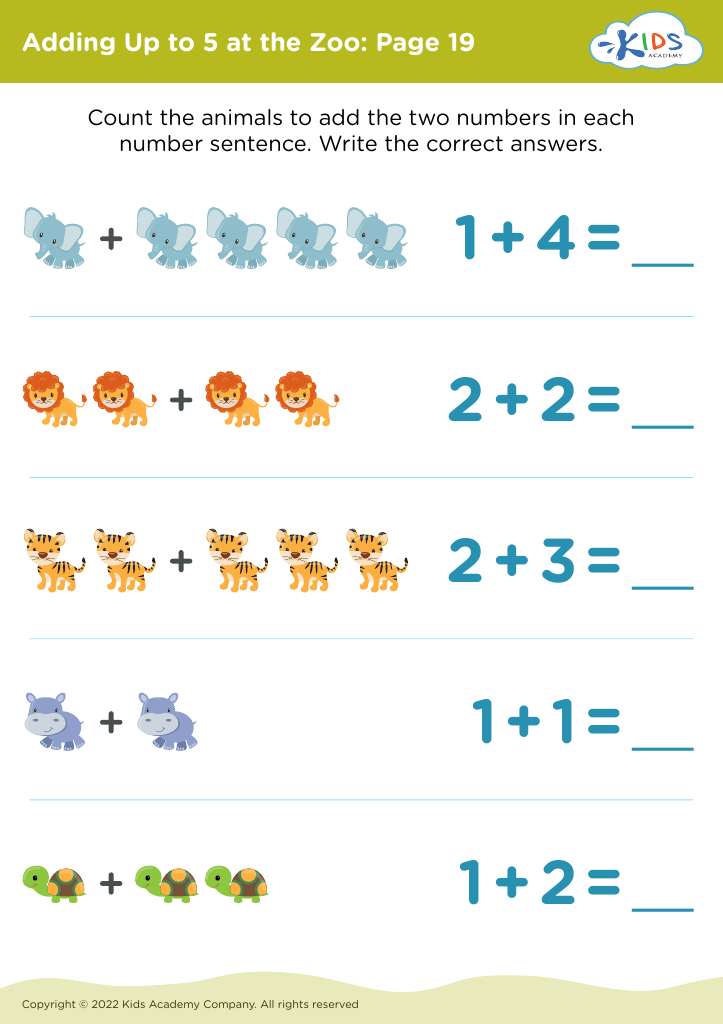
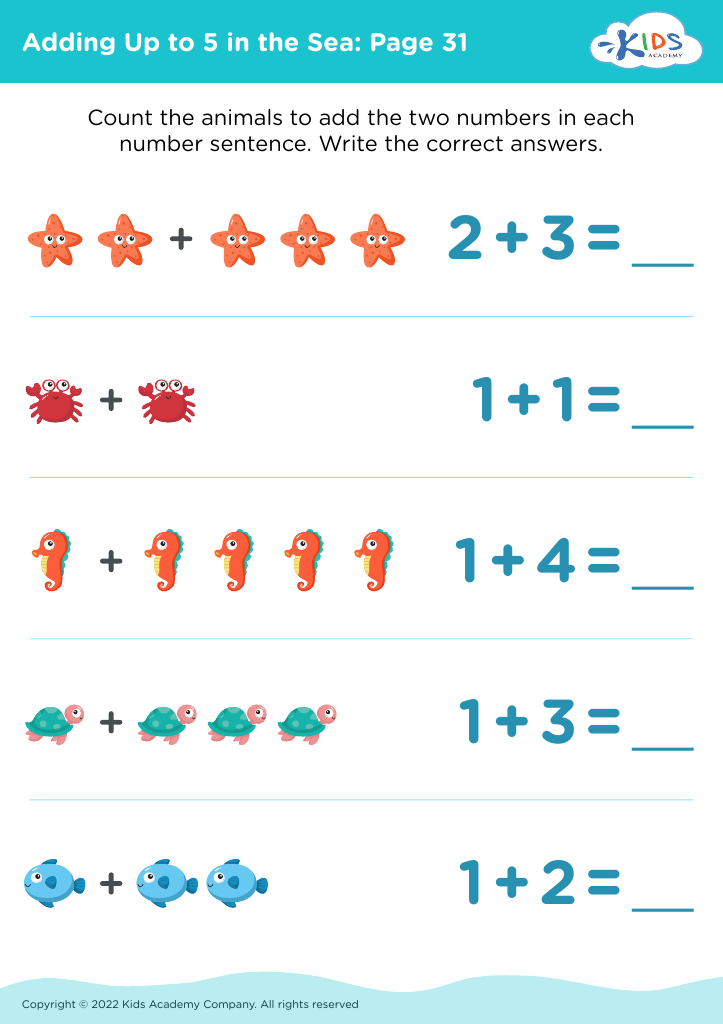
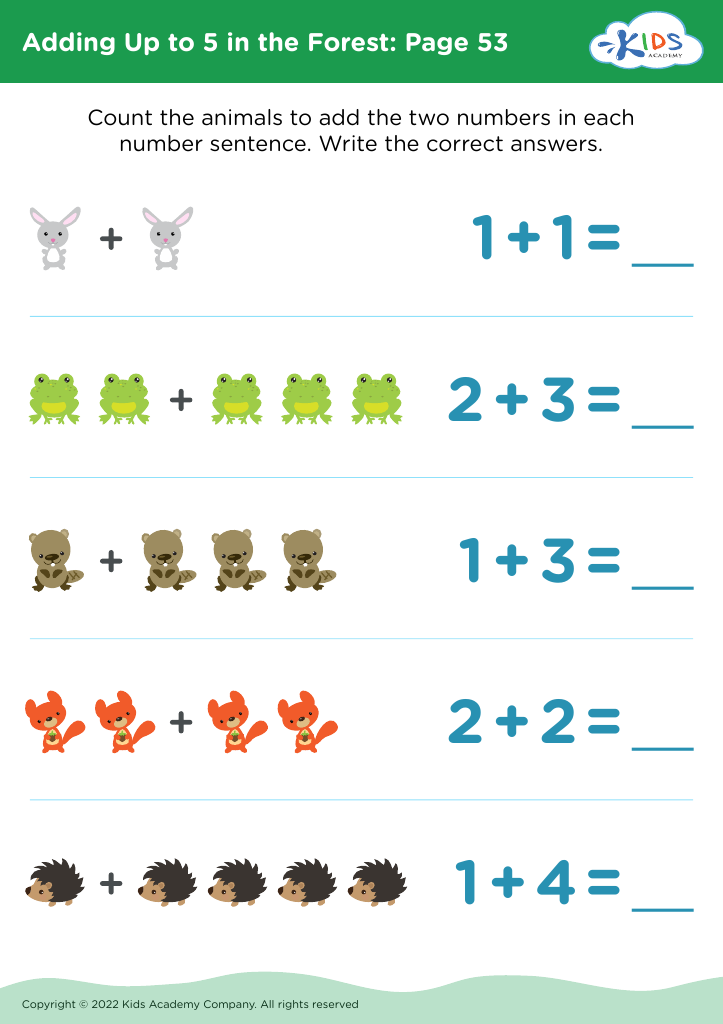
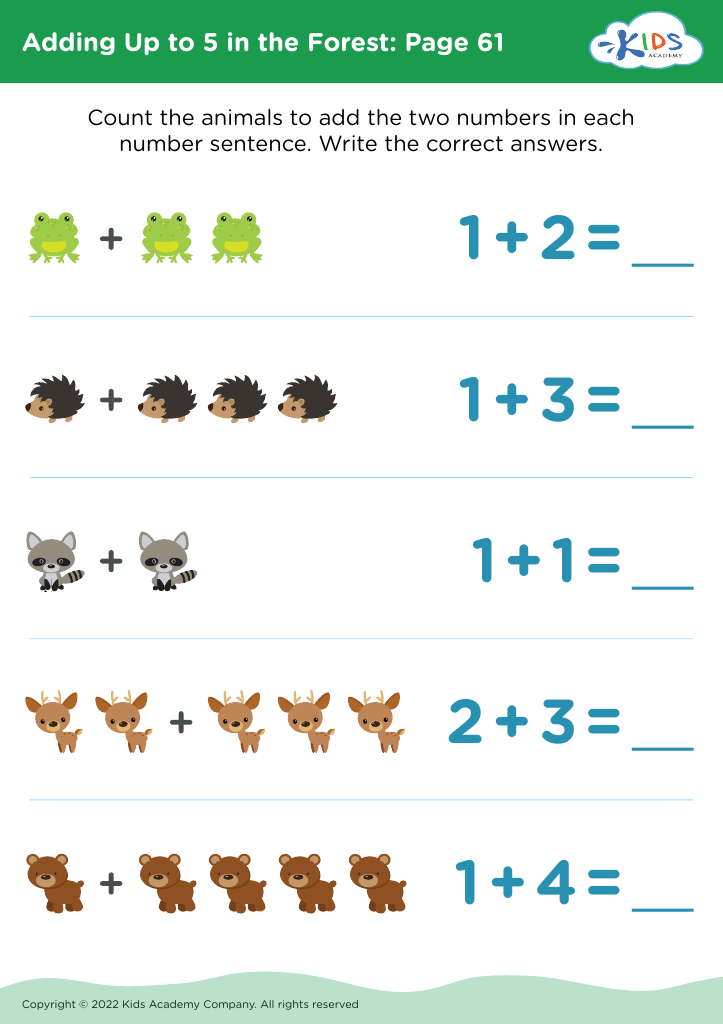
Animal Add Up Worksheet
 Assign to My Students
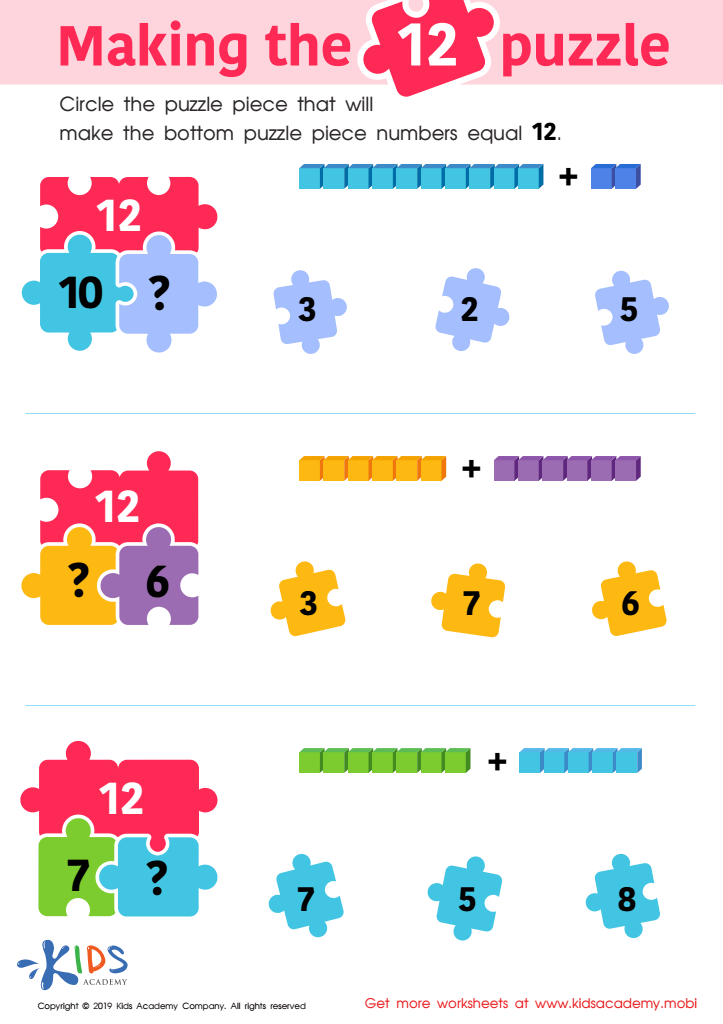
Making the 12 Puzzle Worksheet
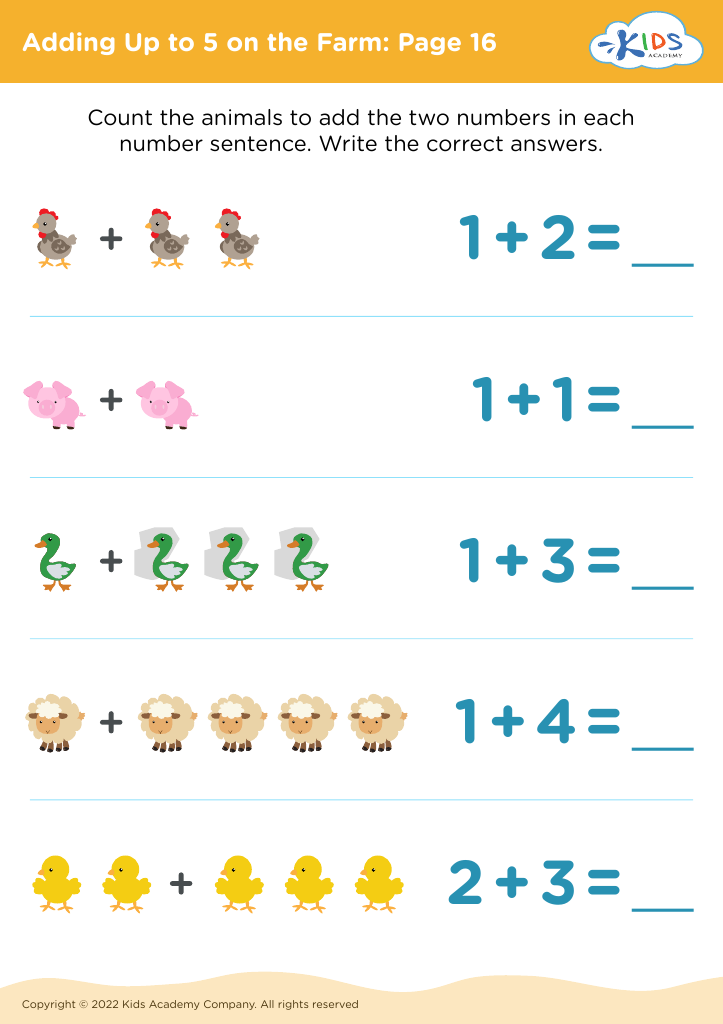
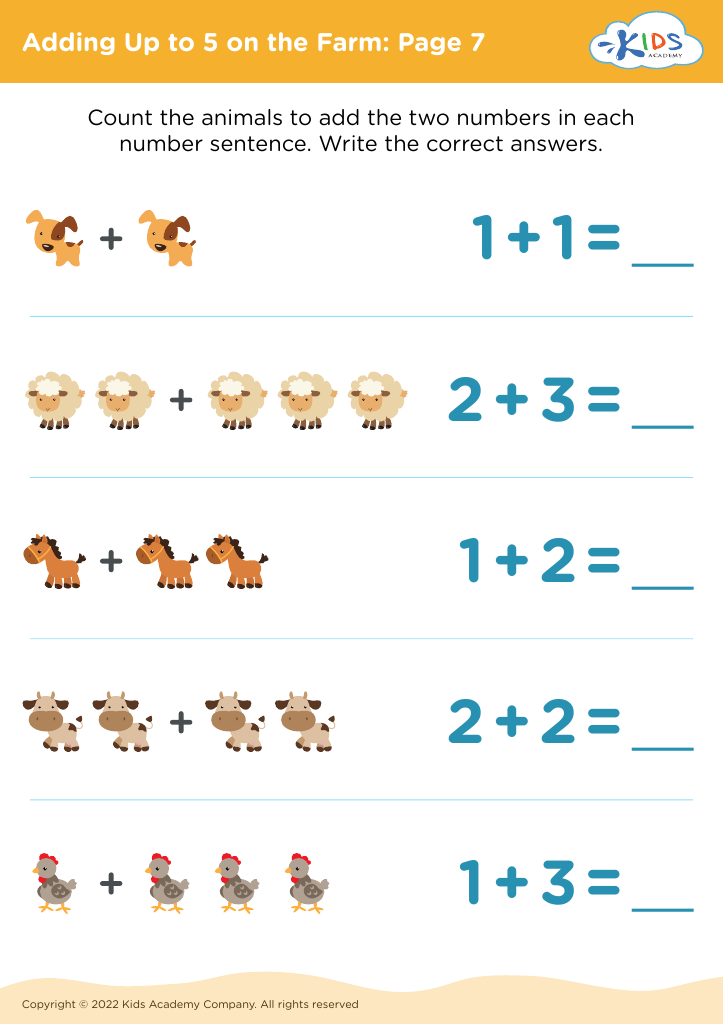
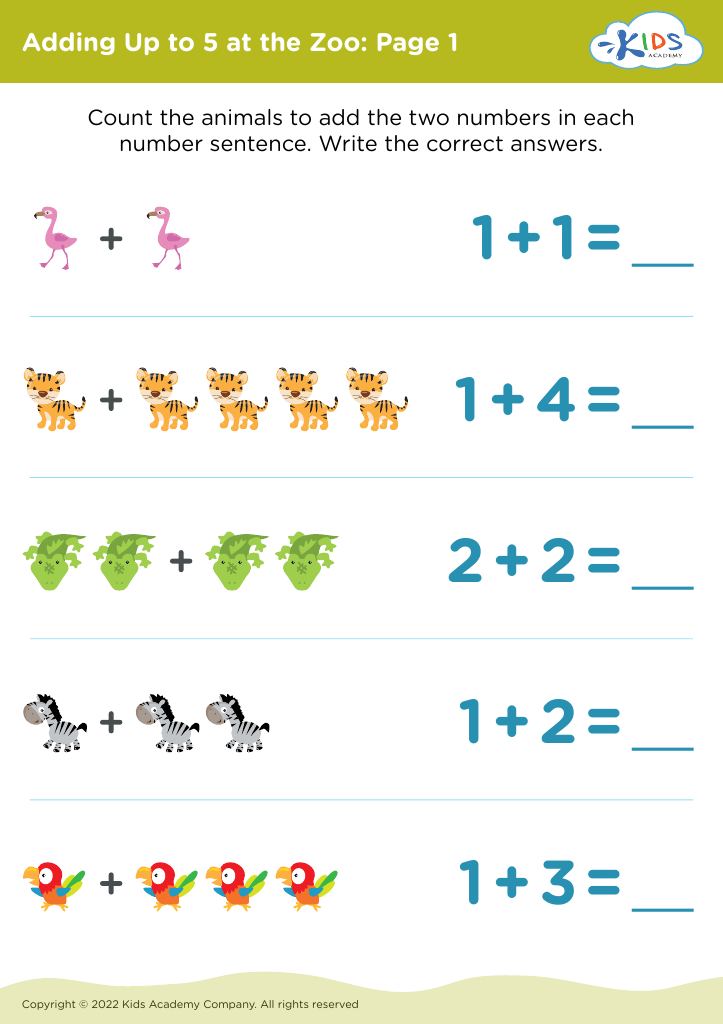
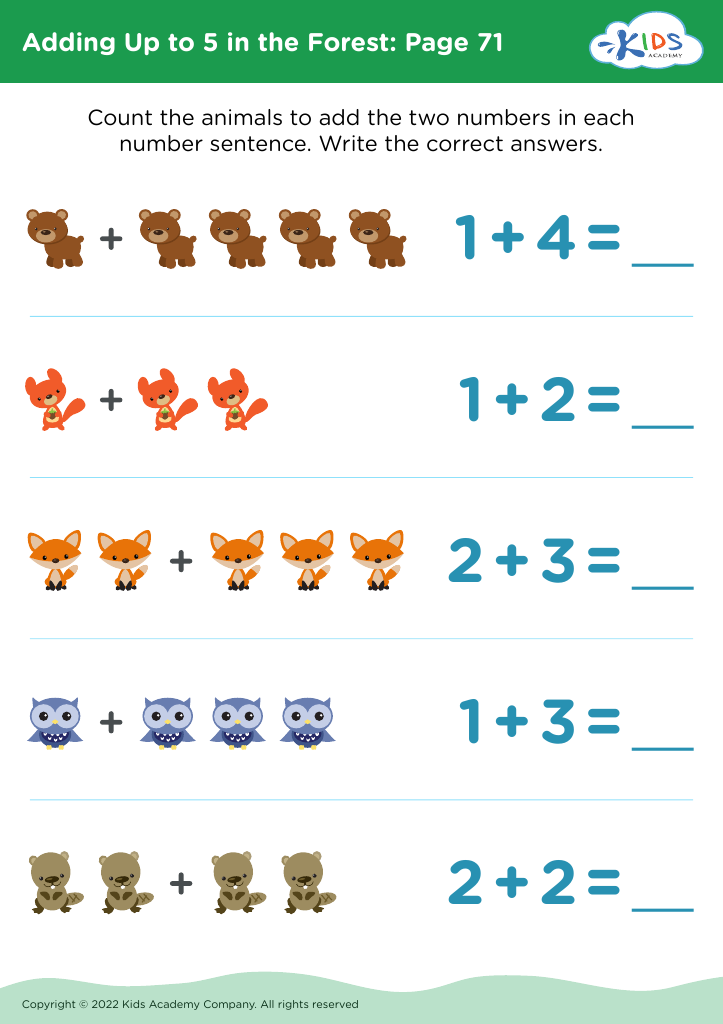
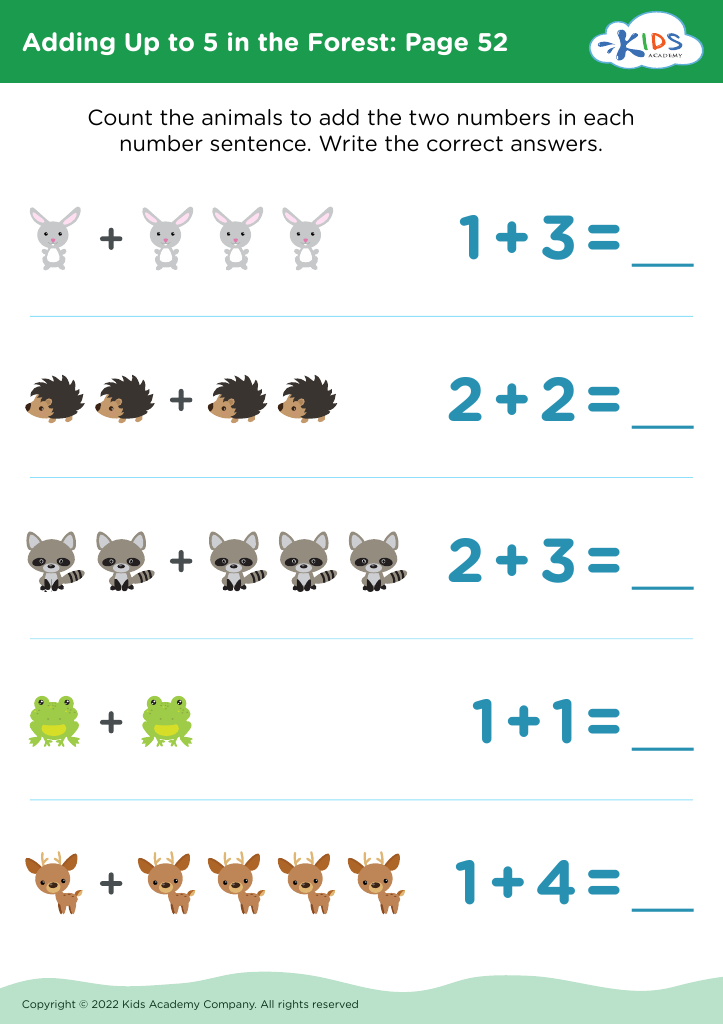
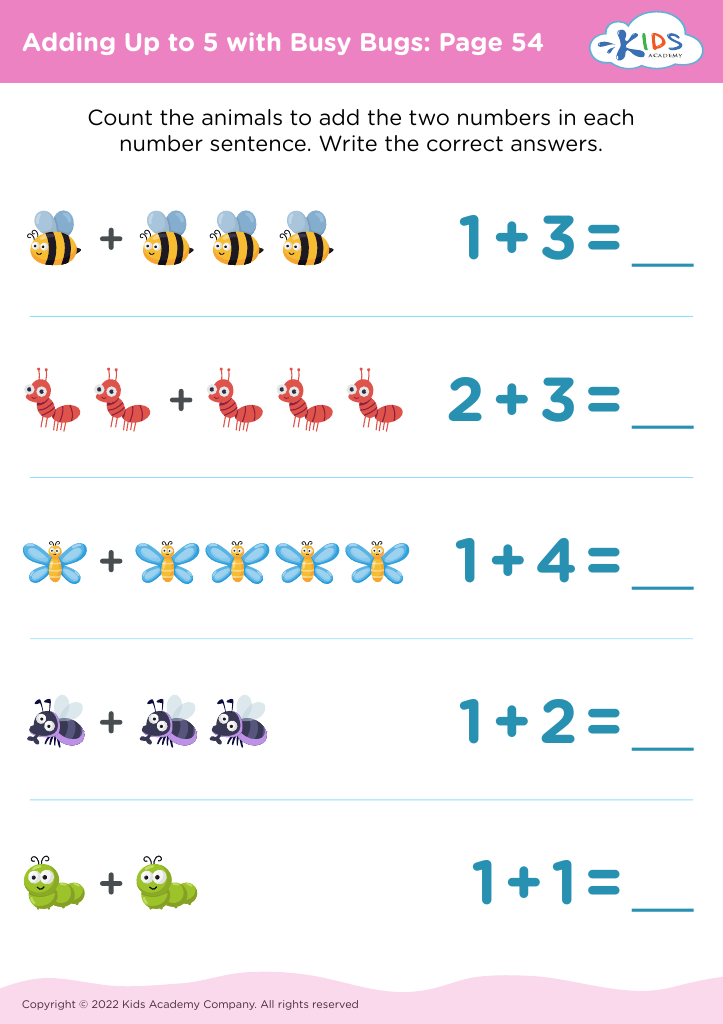
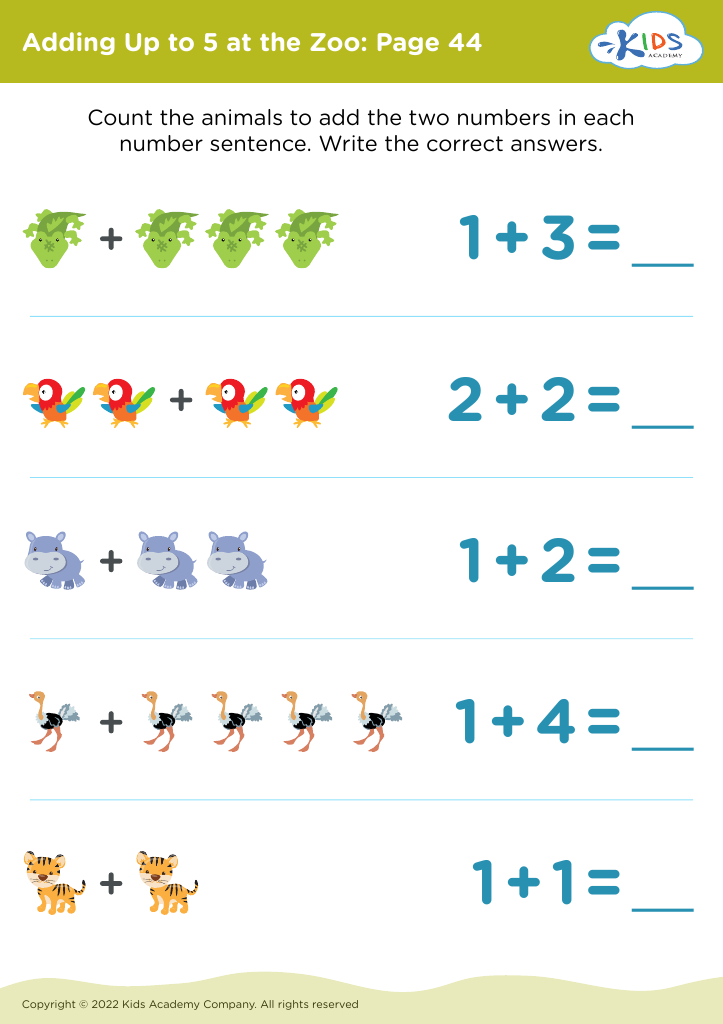
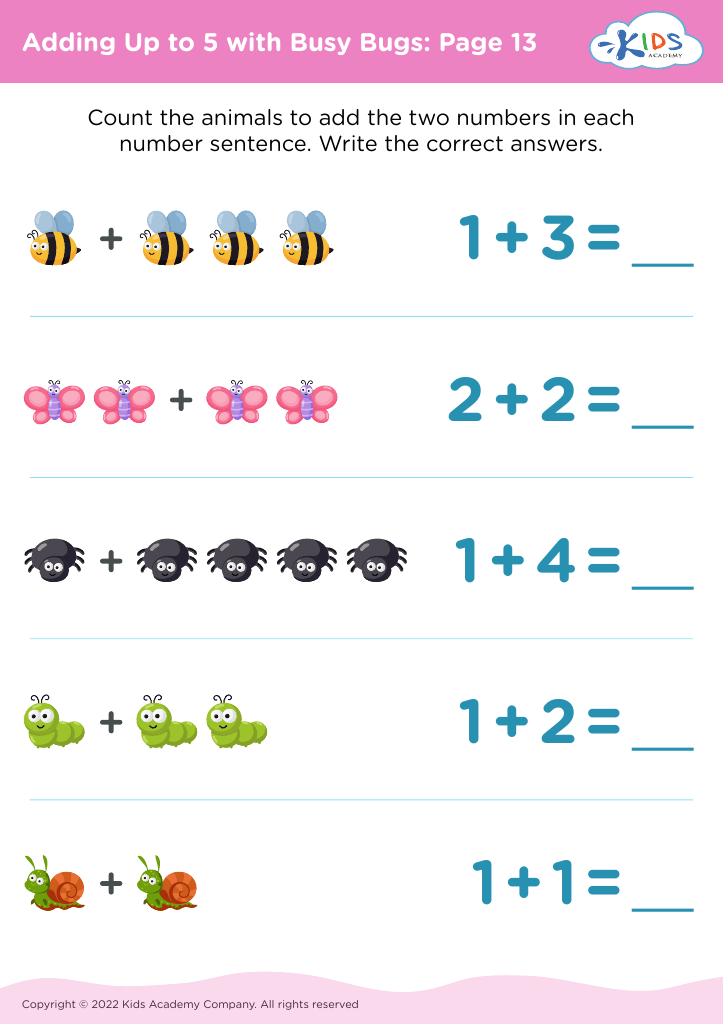
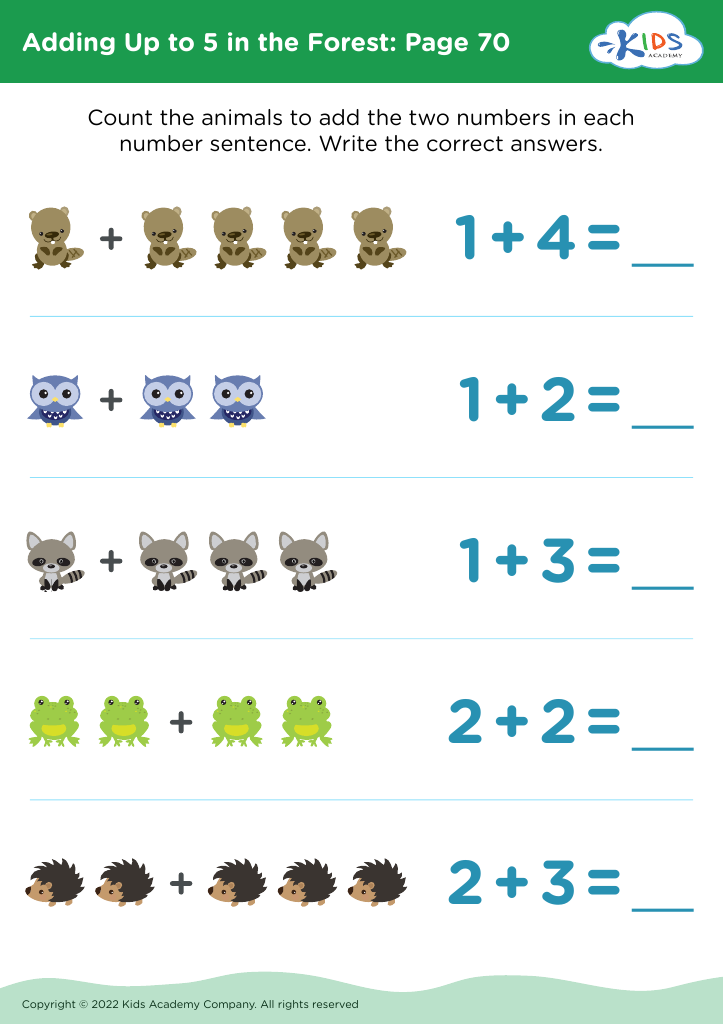
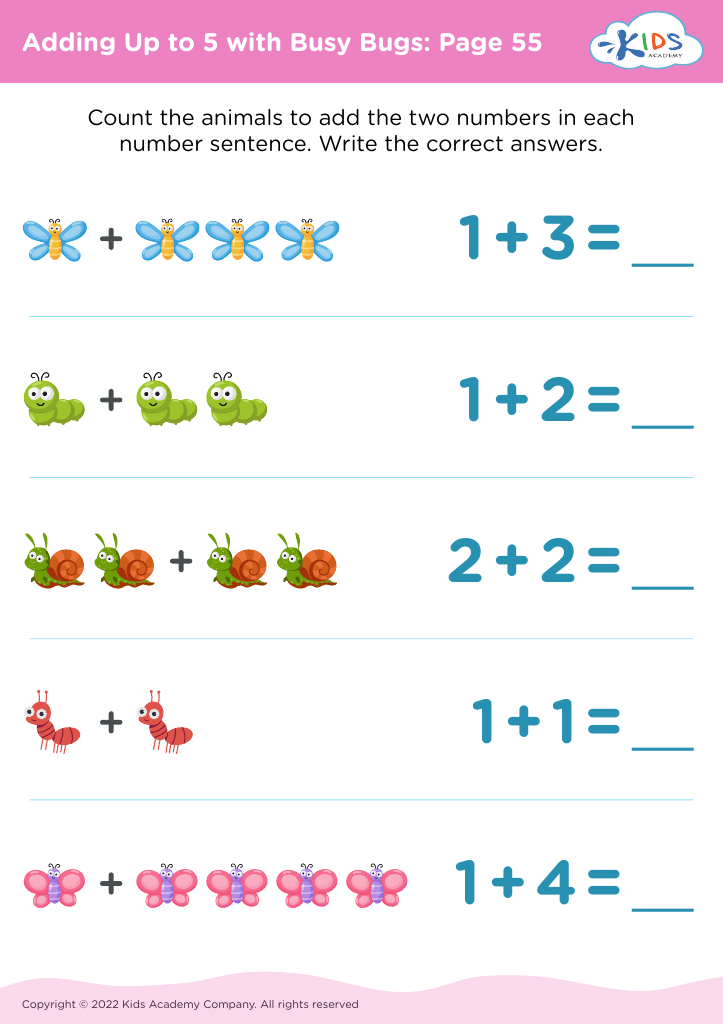
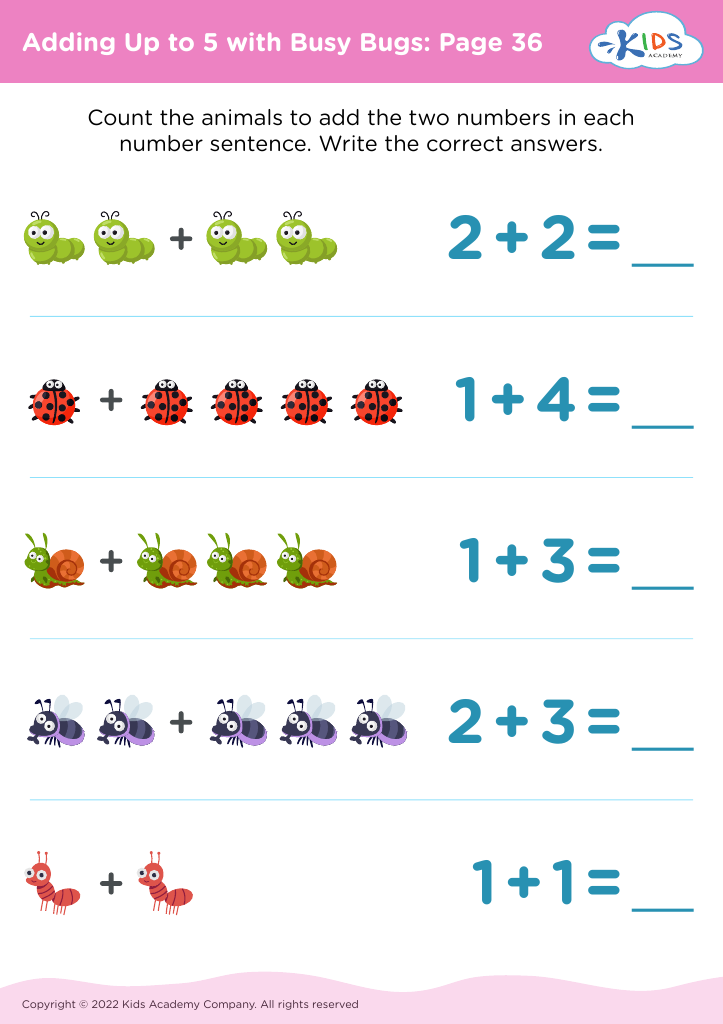
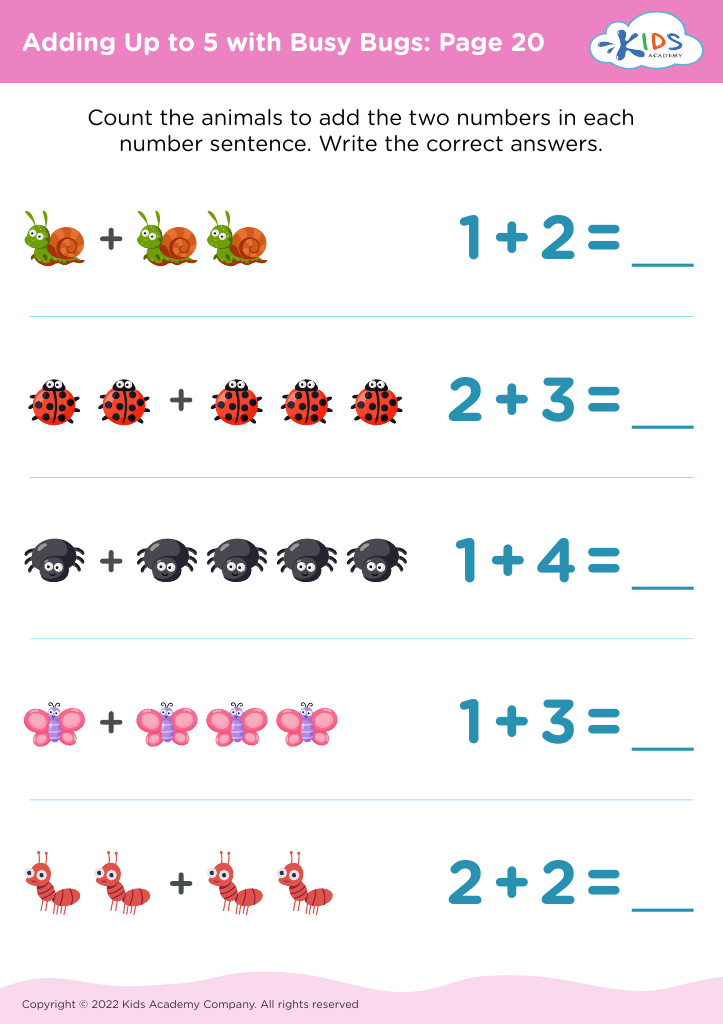








Cognitive development in early childhood, particularly in addition and subtraction, is crucial for building a strong foundation for mathematical understanding. For parents and teachers, fostering these skills between ages 3-8 is essential as it directly impacts a child's problem-solving abilities, logical reasoning, and critical thinking. During these formative years, children's brains are highly receptive to learning new concepts, making it a pivotal time to introduce basic arithmetic.
Engaging children in activities involving addition and subtraction promotes not only math skills but also enhances their overall cognitive functioning. Play-based learning methods, such as using manipulatives, games, and real-life scenarios, make learning fun and interactive, allowing children to develop a positive attitude toward math. Moreover, proficiency in simple calculations boosts children's confidence, reducing math anxiety as they progress through school.
Additionally, mastering simple addition and subtraction lays the groundwork for more advanced mathematical concepts encountered later in their educational journey. As such, parents and teachers should prioritize these skills, as they are integral not only to academic success but also to everyday life, enabling children to navigate situations involving counting, budgeting, and time management throughout their lives.








