Problem-Solving Skills Addition & Subtraction Worksheets for Ages 3-8 - Page 9
215 filtered results
-
From - To
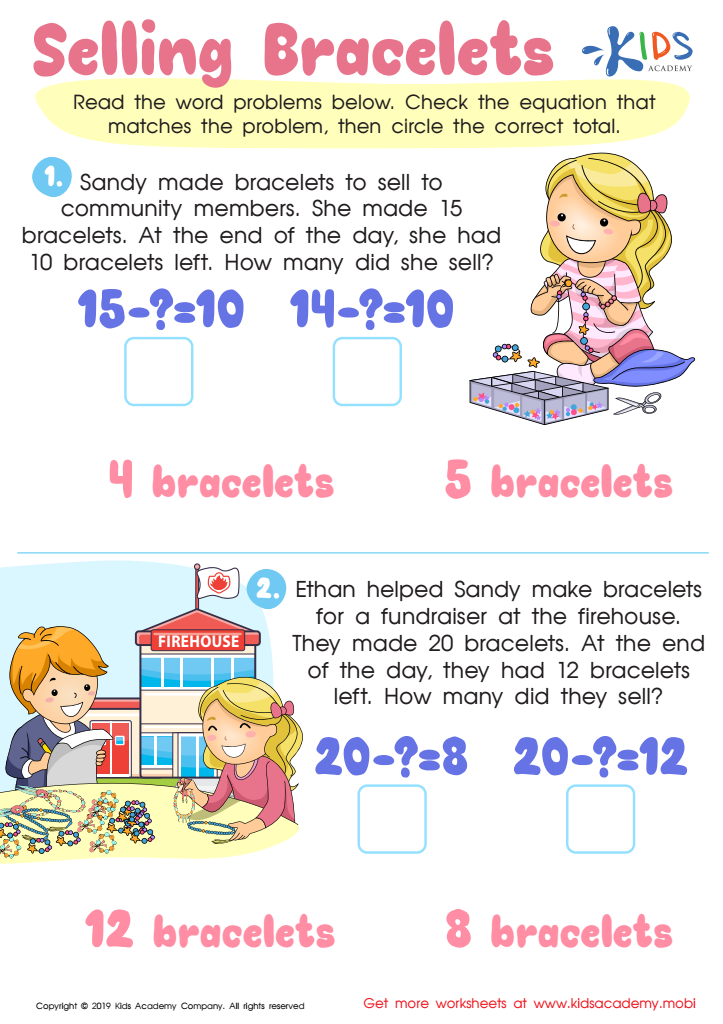
Selling the Bracelets Worksheet
 Assign to My Students
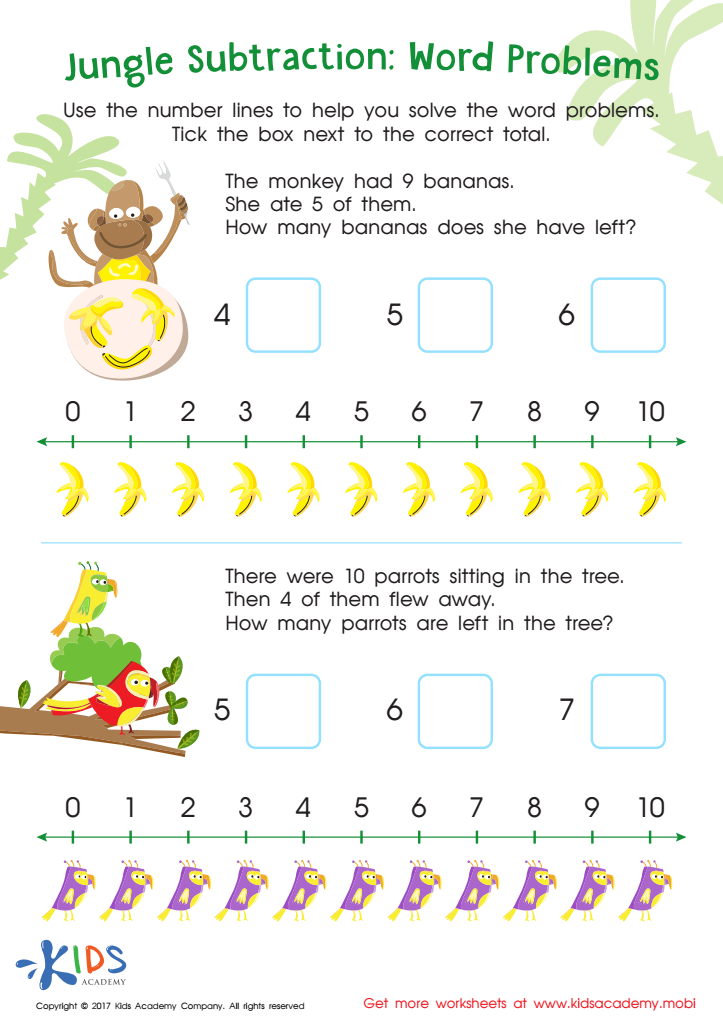
Jungle Subtraction Word Problems Substraction Worksheet
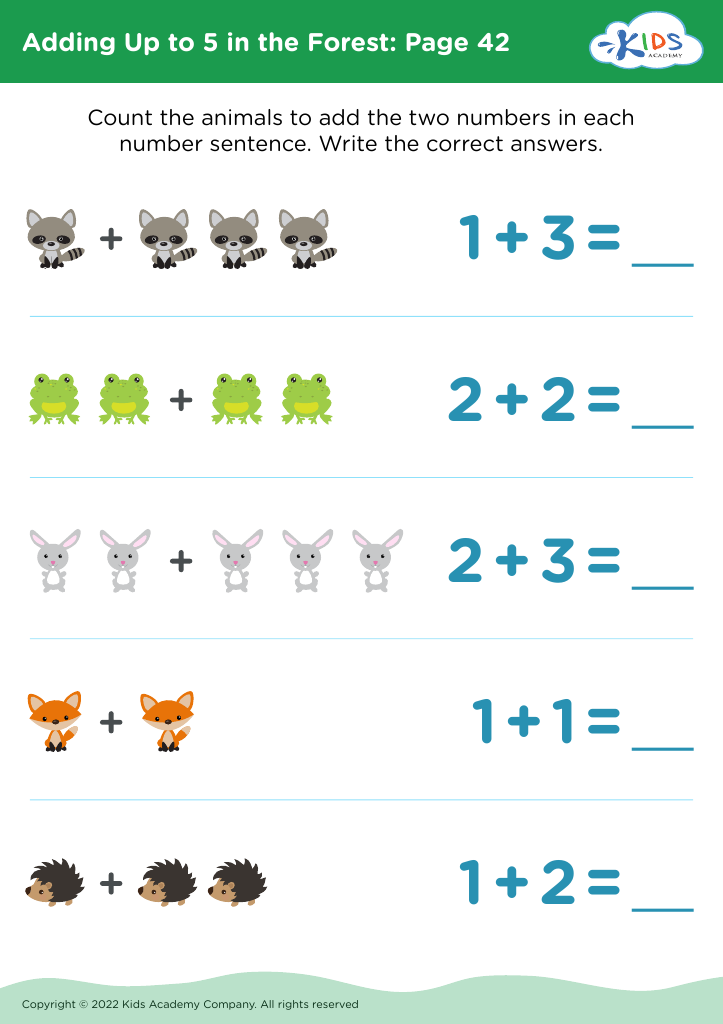
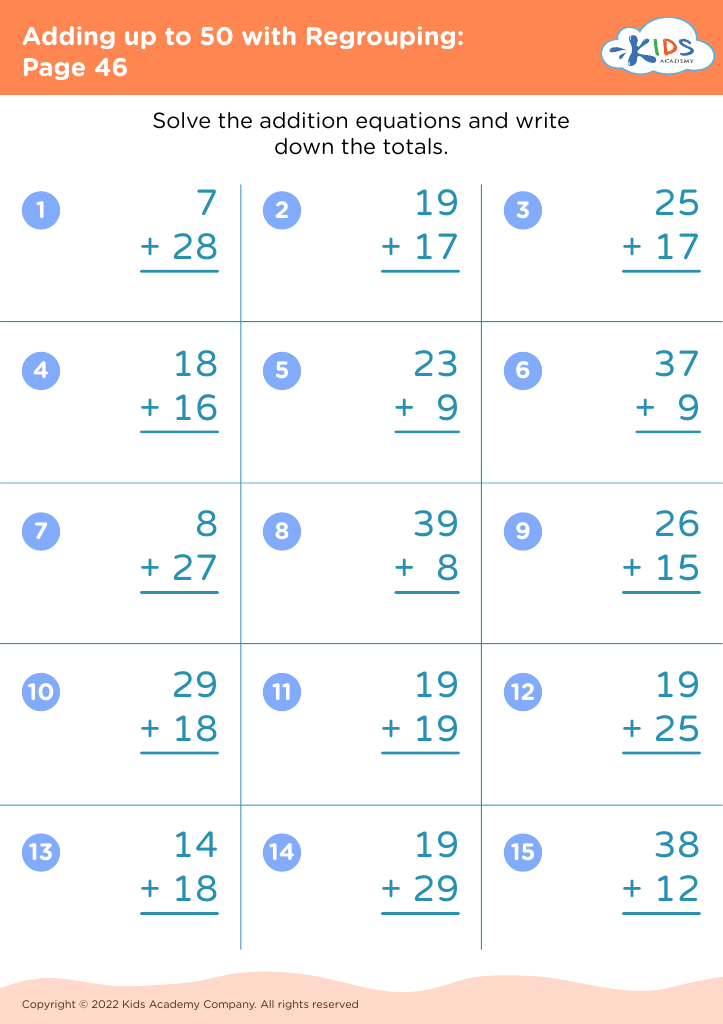
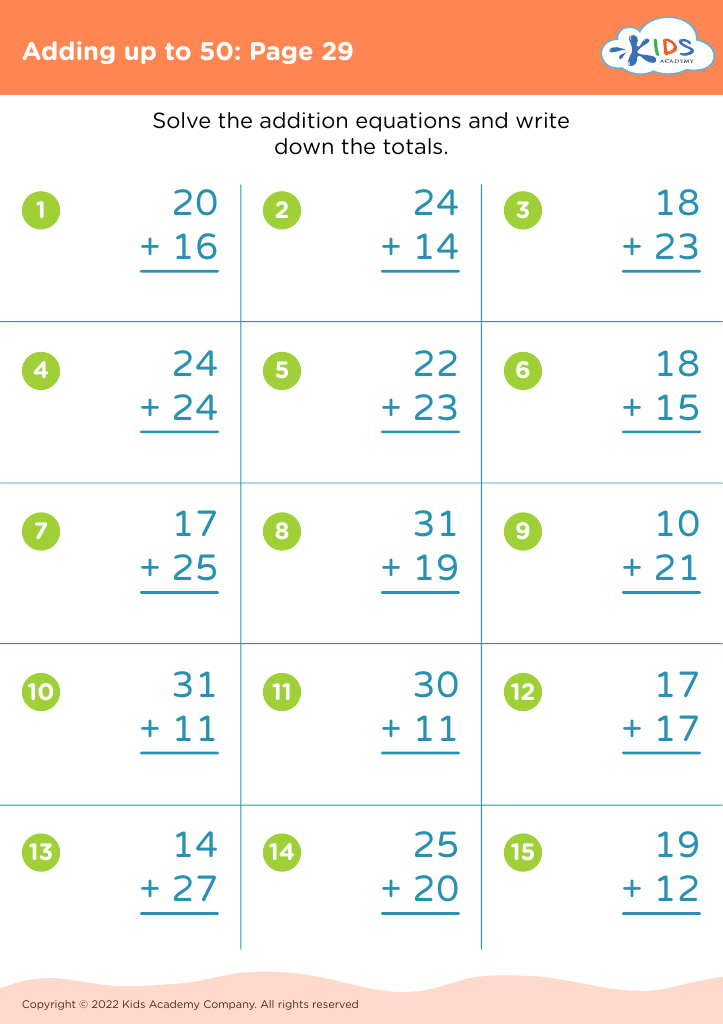
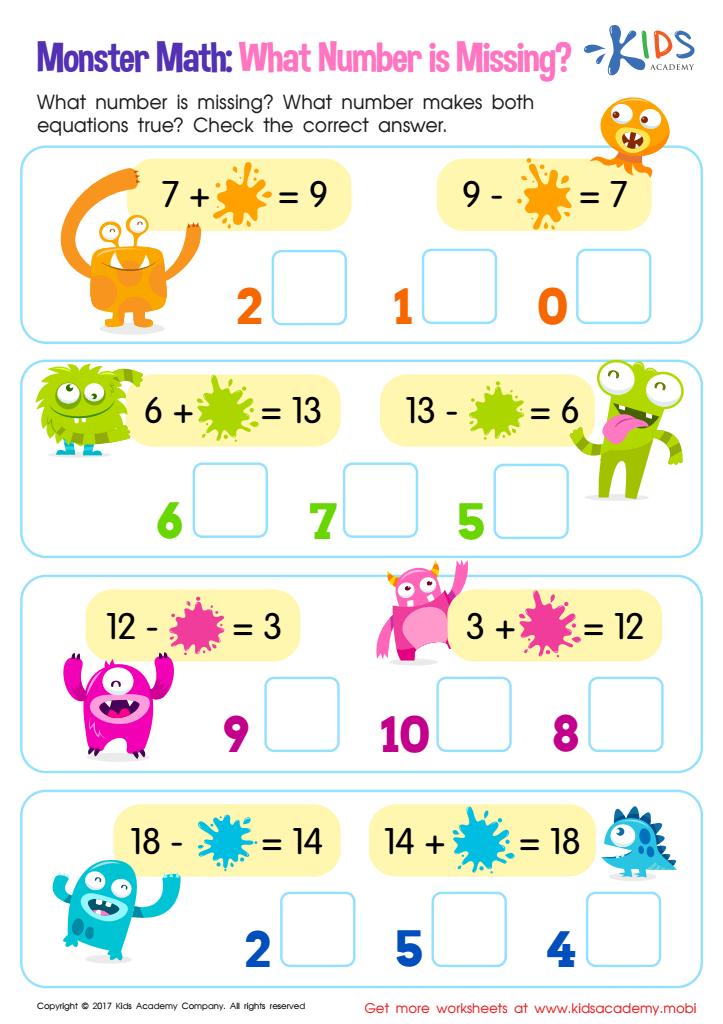
Missing Number: Monster Math Worksheet
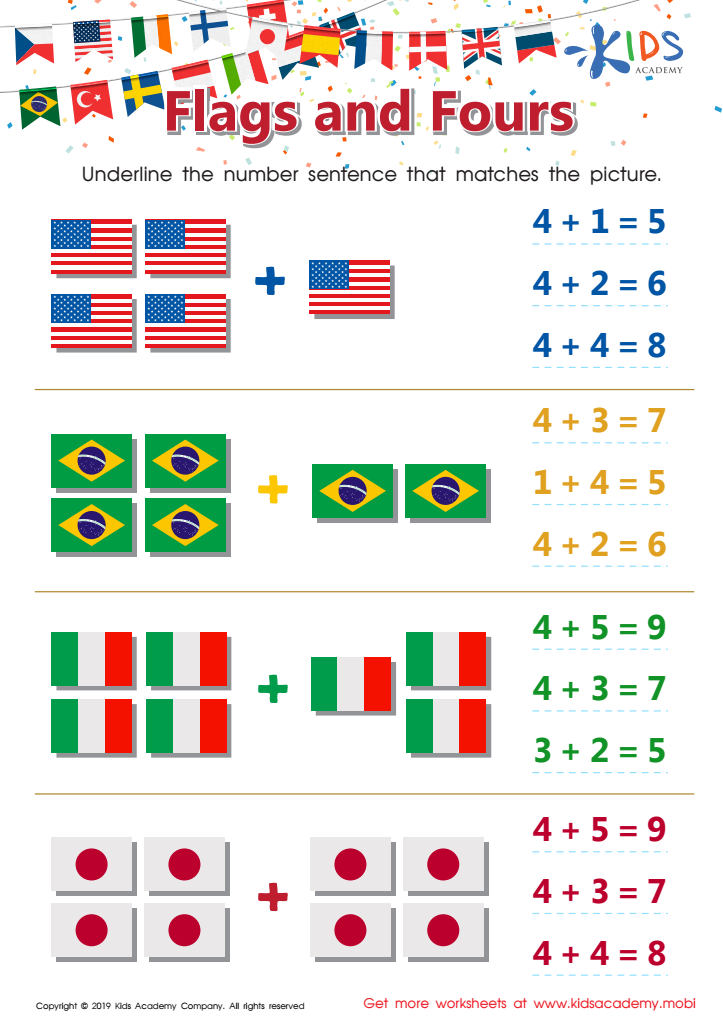
Flags and Fours Worksheet
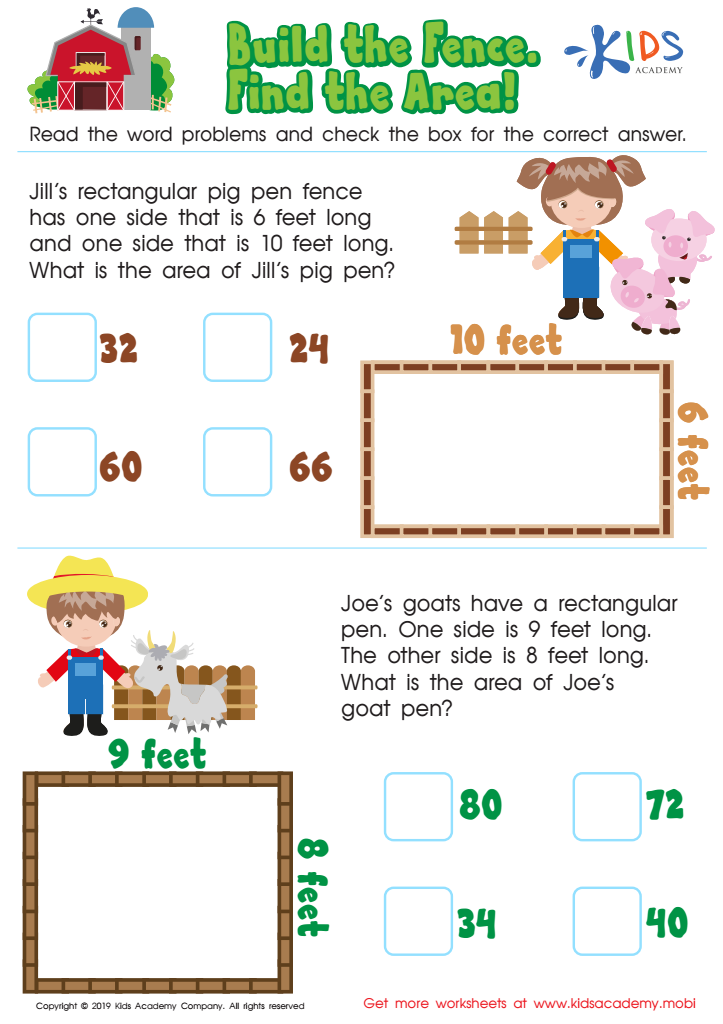
Build the Fence, Find the Area Worksheet
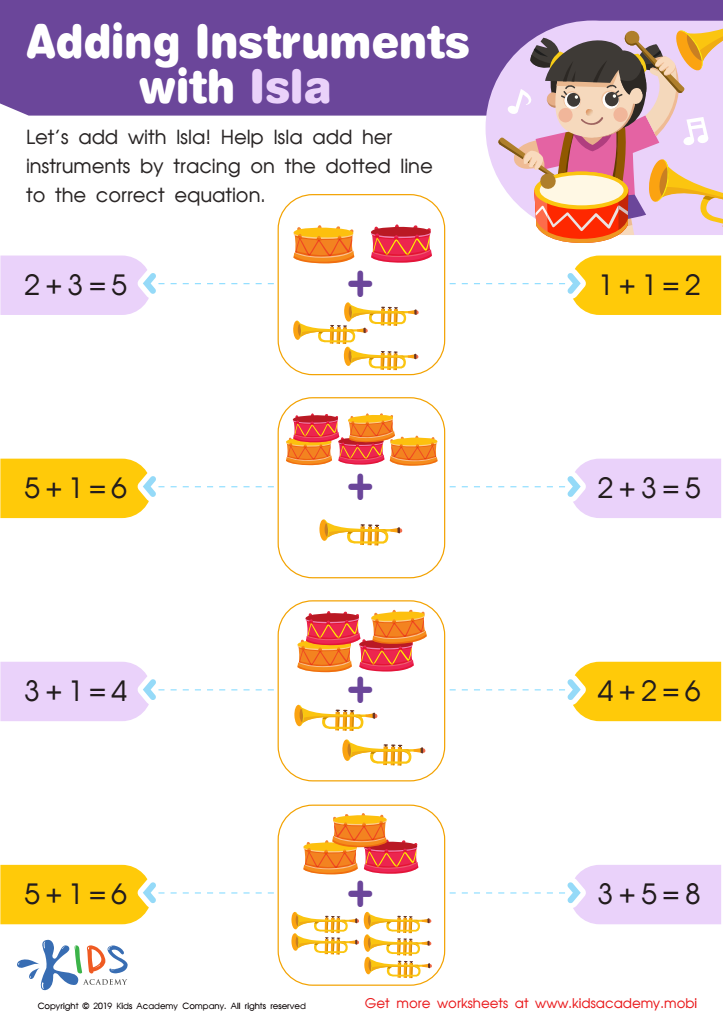
Adding Instruments with Isla Worksheet
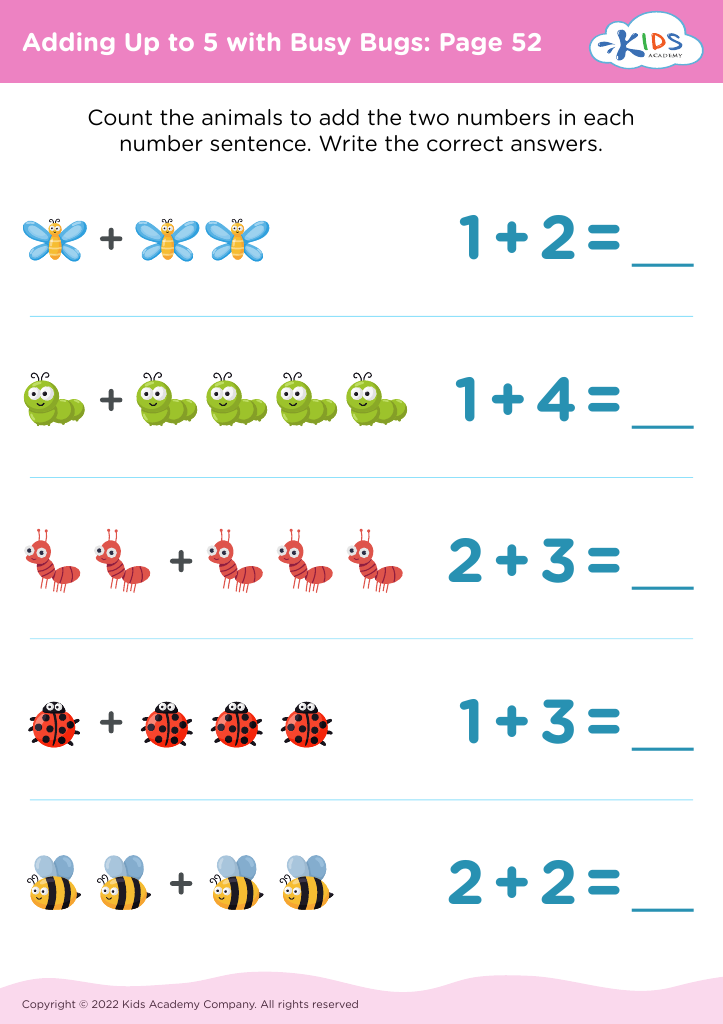
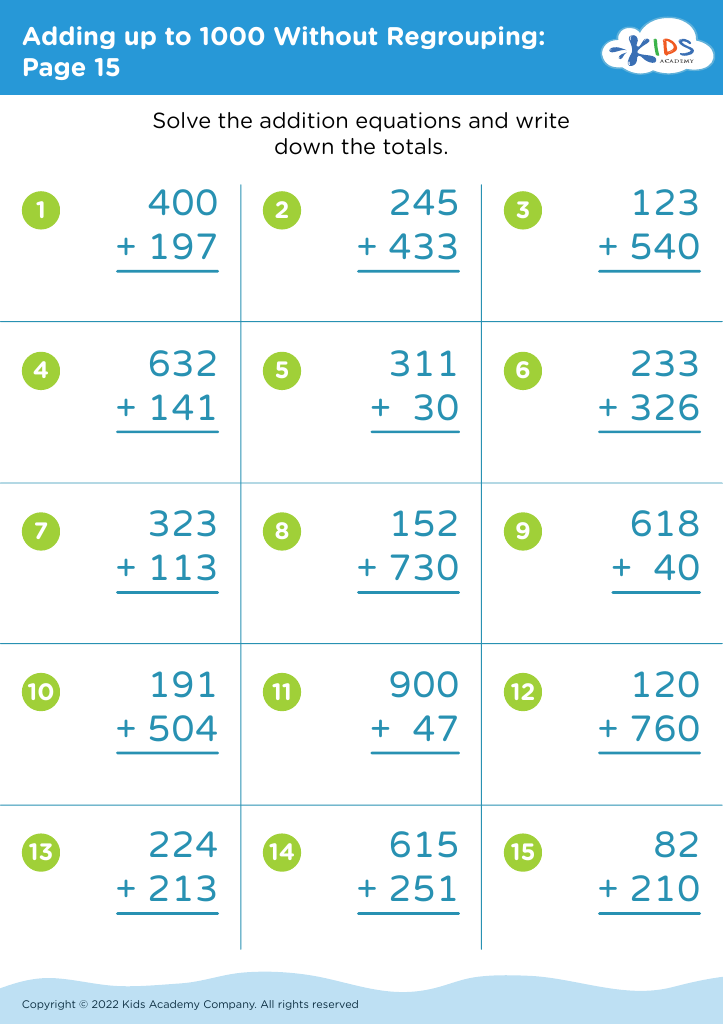








Parents and teachers should prioritize problem-solving skills in addition and subtraction for children aged 3-8 because these foundational skills are crucial for cognitive development and daily life. Early mathematical skills provide the building blocks for advanced concepts in later years. Engaging children in problem-solving using addition and subtraction nurtures critical thinking, enabling them to analyze situations, make decisions, and understand relationships between numbers.
When children learn to solve problems using addition and subtraction, they not only enhance their numerical skills but also build confidence in their abilities. This sense of achievement creates a positive learning environment where curiosity is promoted. Furthermore, these skills help children relate math to real-world situations, such as counting toys or sharing snacks, making learning relevant and enjoyable.
Encouraging problem-solving also fosters persistence; children learn that overcoming challenges is part of the learning process. By cultivating these essential skills, parents and teachers empower children to tackle more complex problems in the future. Ultimately, strong problem-solving abilities in addition and subtraction set the stage for success in all subjects, encouraging a lifelong love for learning and critical thinking. Nurturing these skills within young children lays a sturdy foundation for their academic journey and overall life skills.








