Understanding quantity Addition & Subtraction Worksheets for Ages 3-8
27 filtered results
-
From - To
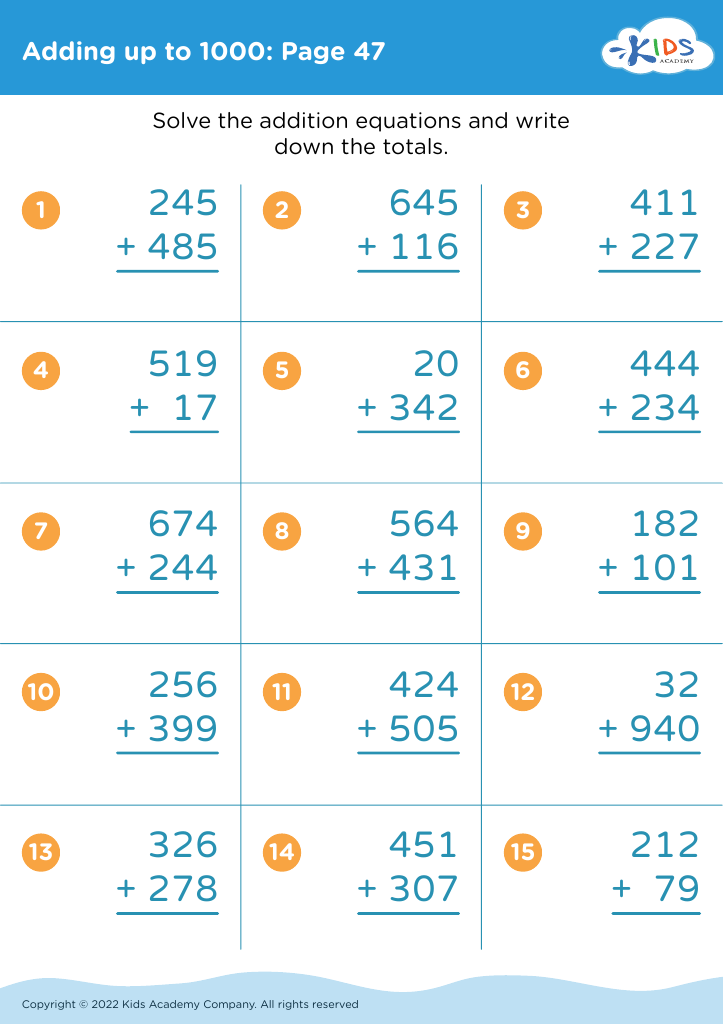
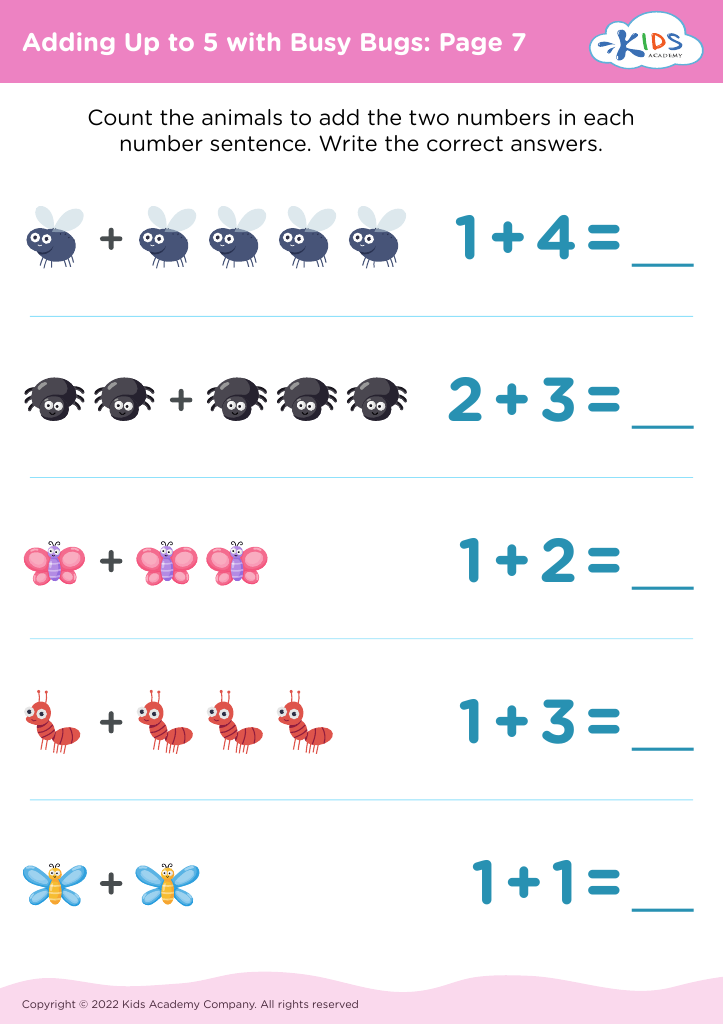
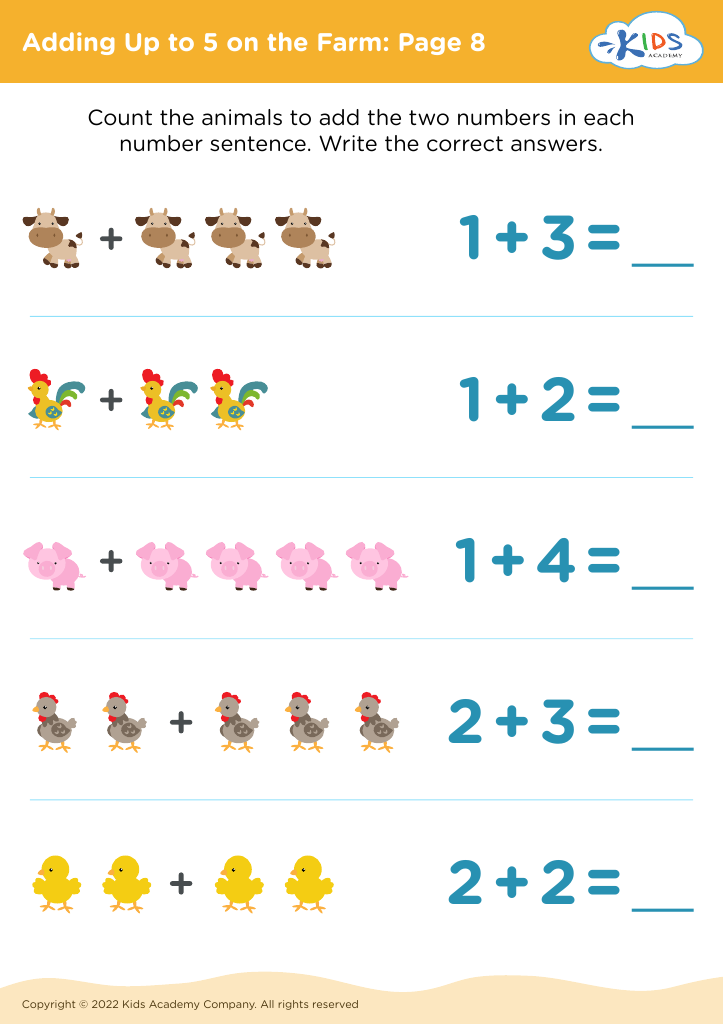
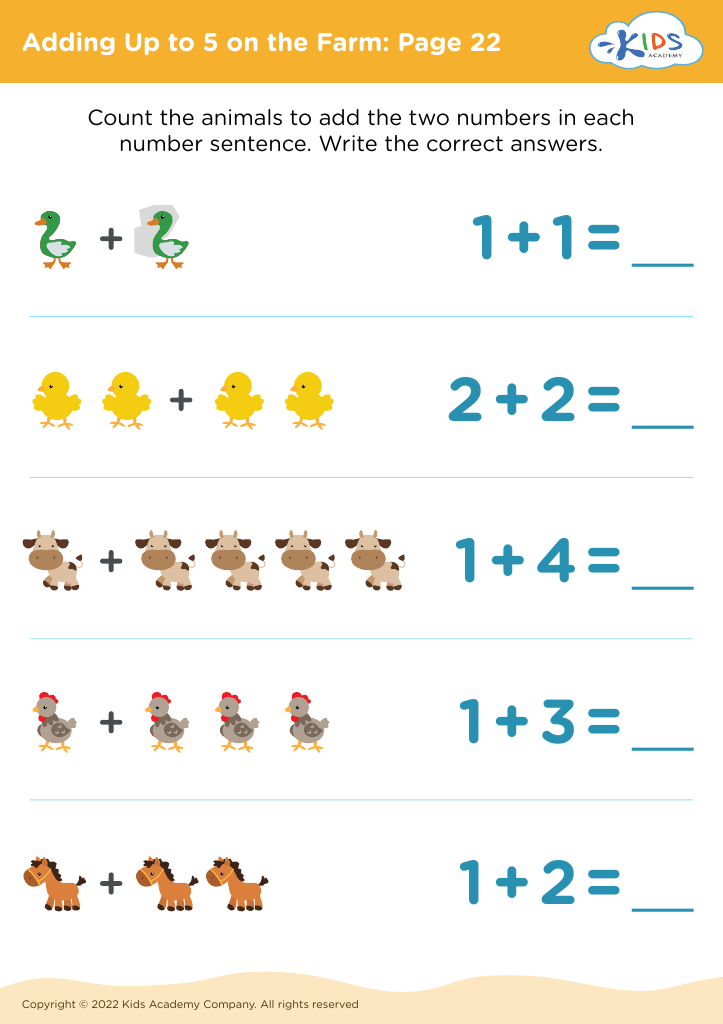
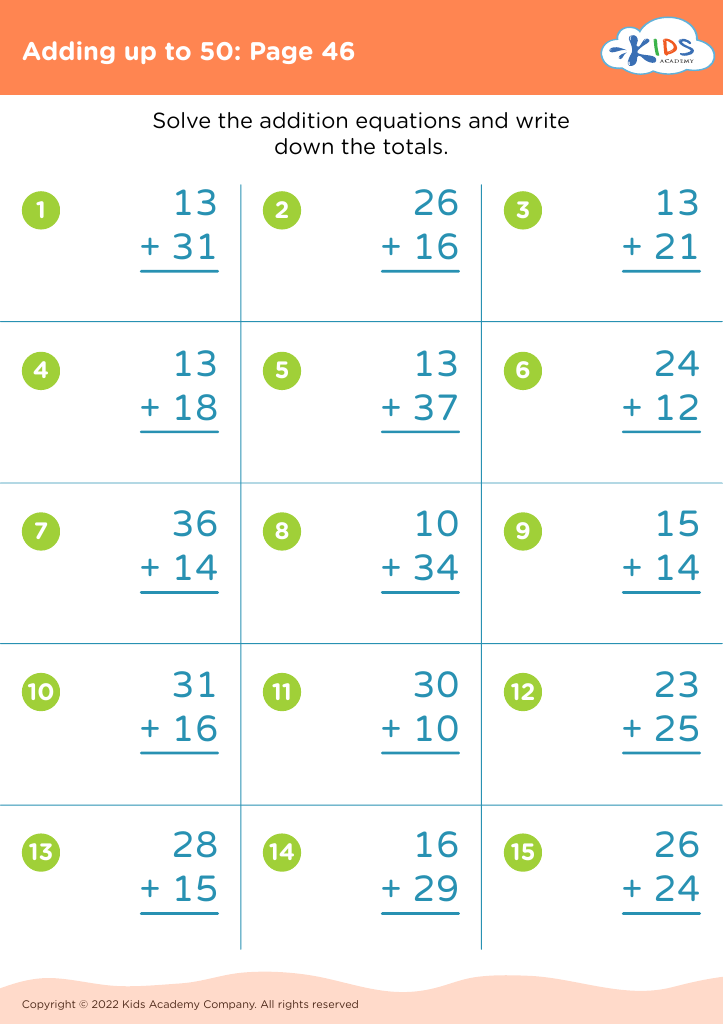
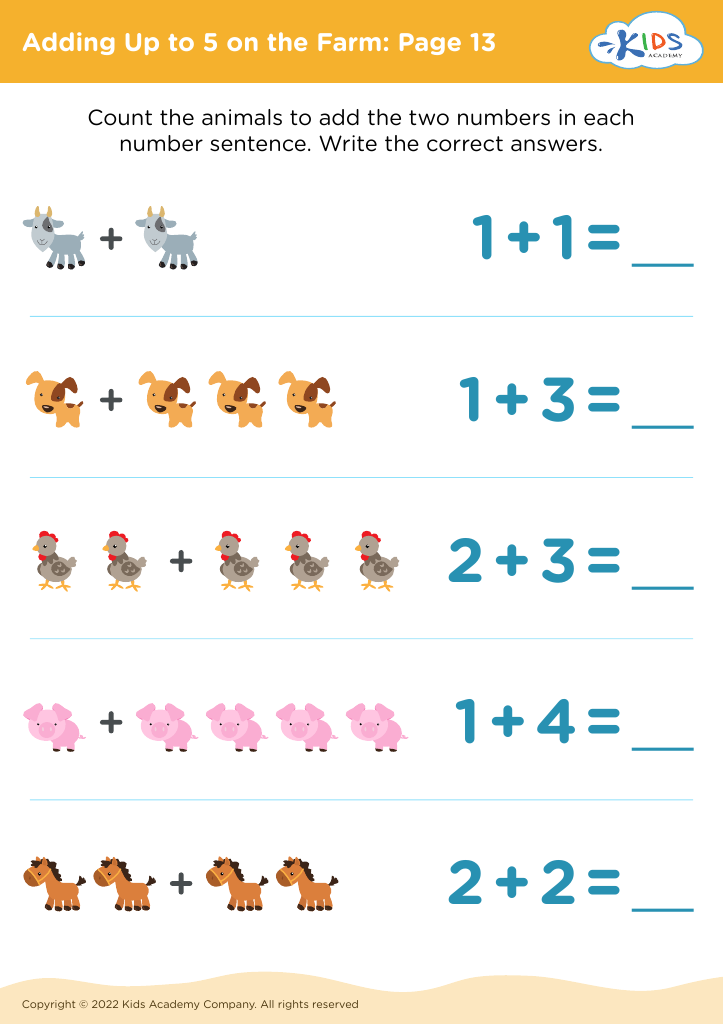
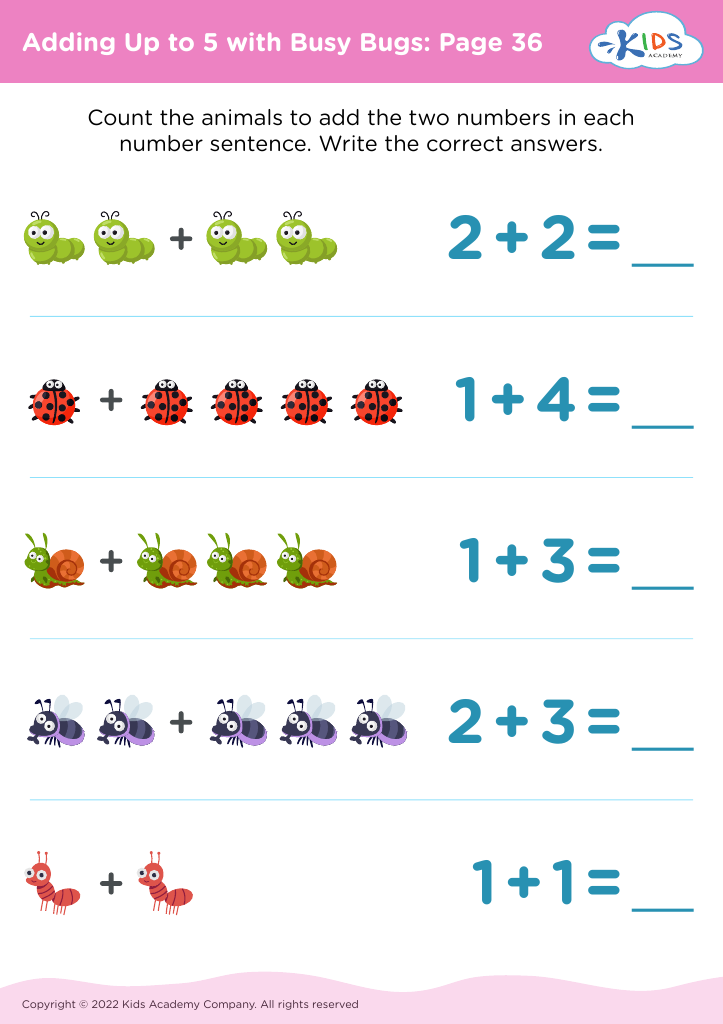
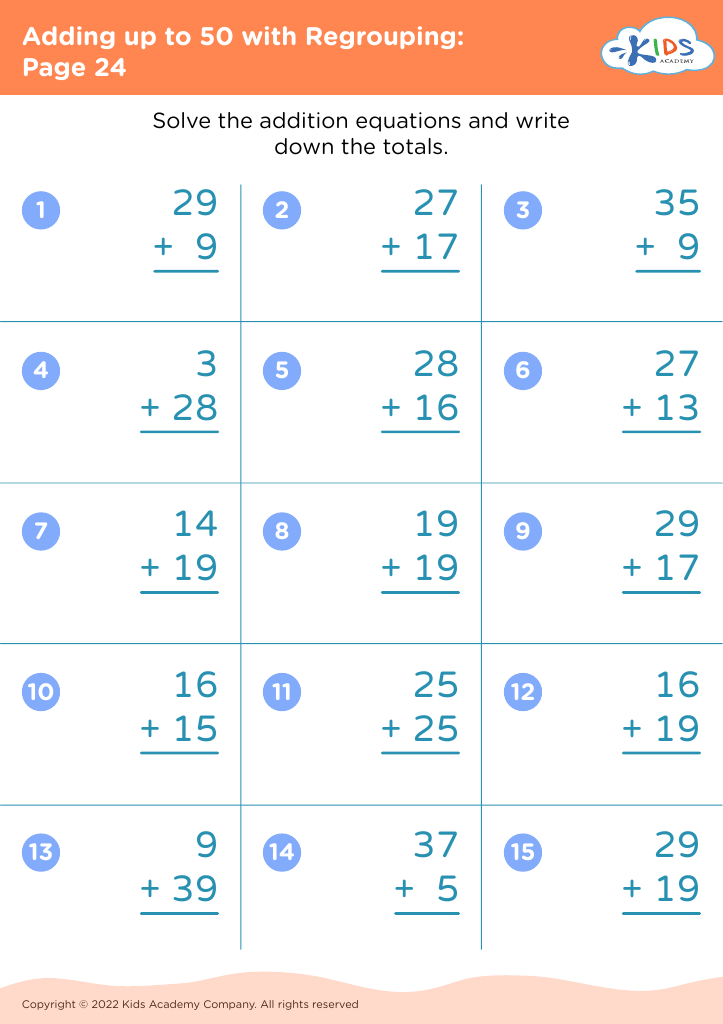
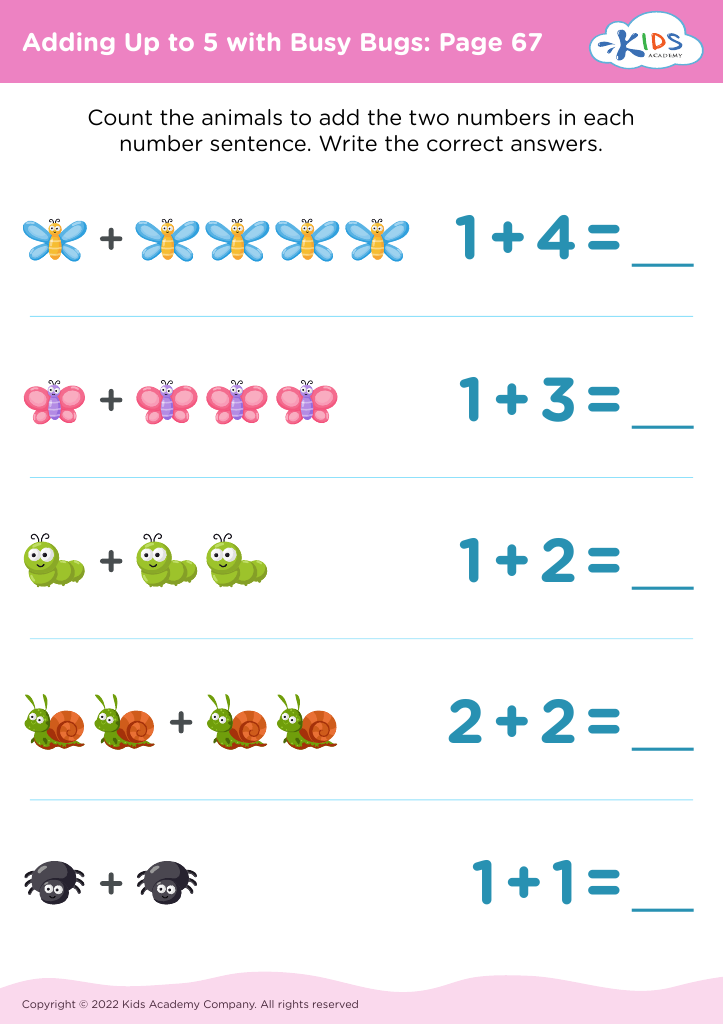
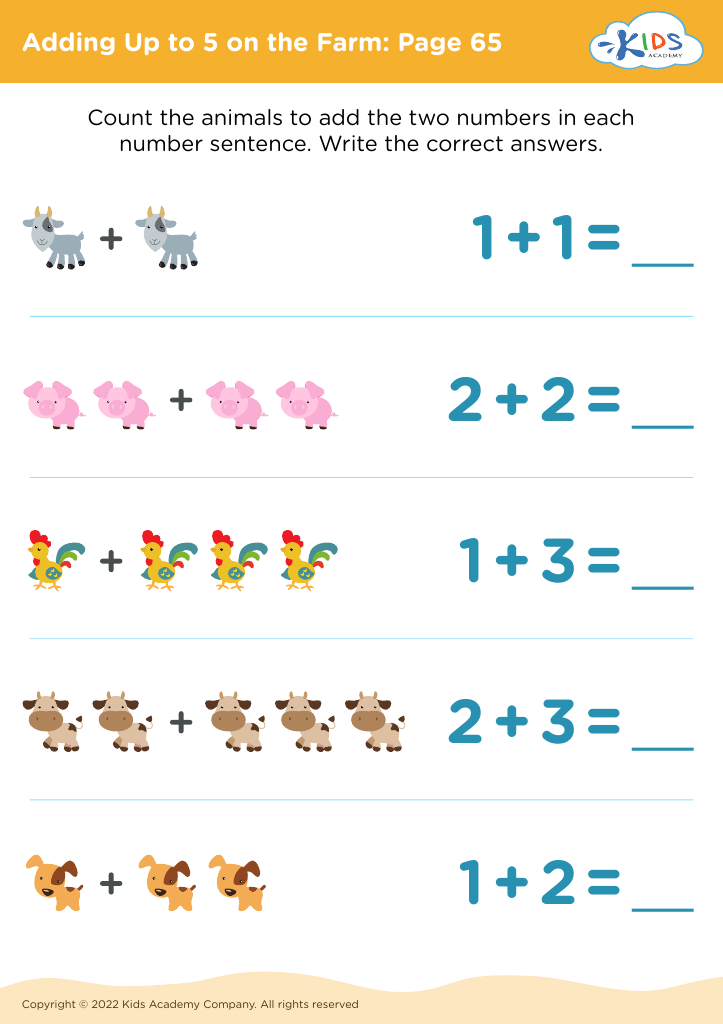
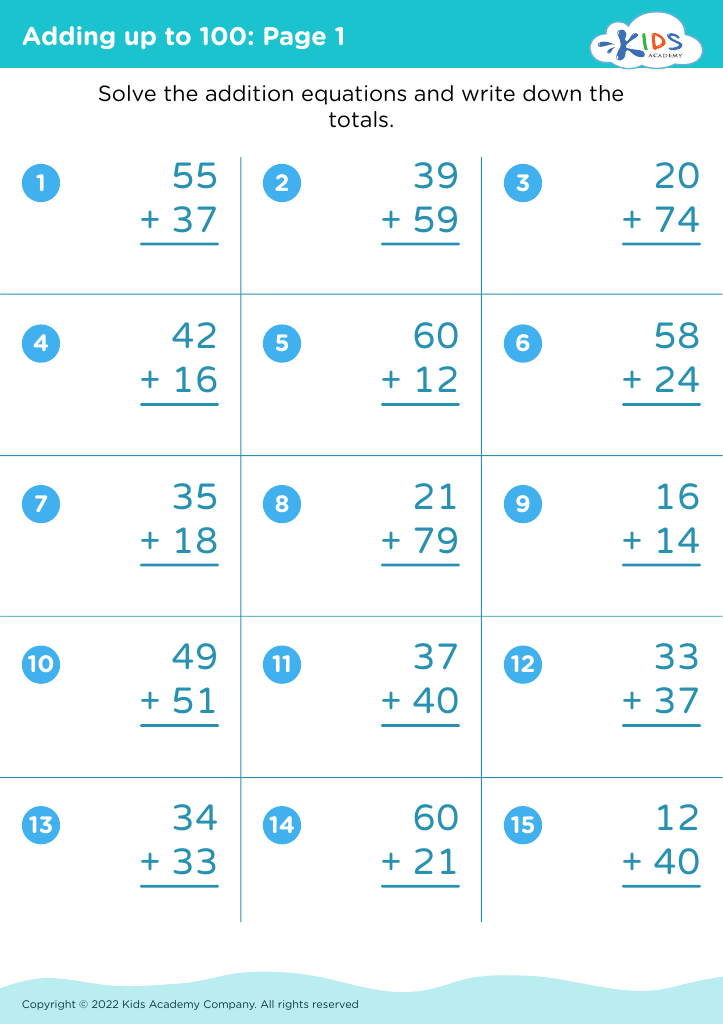
Explore our "Understanding Quantity Addition & Subtraction Worksheets" designed for children aged 3-8. These engaging worksheets help young learners grasp essential math concepts through fun, interactive activities that focus on quantity recognition and basic arithmetic operations. Tailored to develop foundational skills, our resources utilize colorful visuals and relatable themes that spark interest. With a variety of exercises, including counting, matching, and problem-solving, children can practice adding and subtracting in a supportive environment. Ideal for parents and educators alike, these worksheets promote early numeracy skills, ensuring a solid mathematical foundation for future learning success. Get started today for a fun math journey!
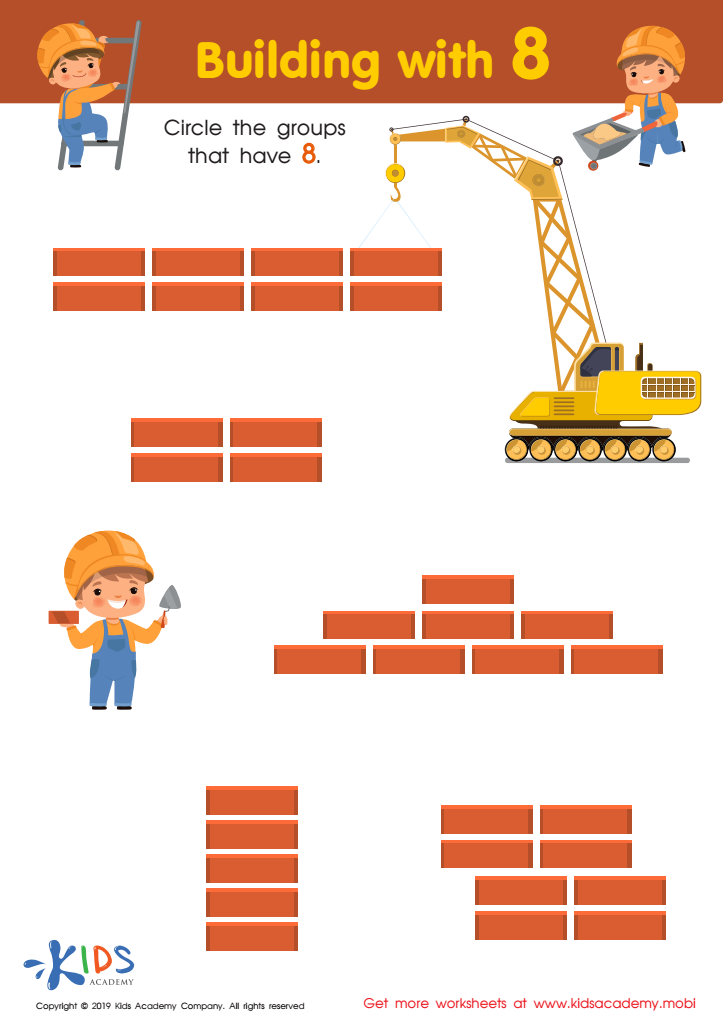
Building with 8 Worksheet
 Assign to My Students
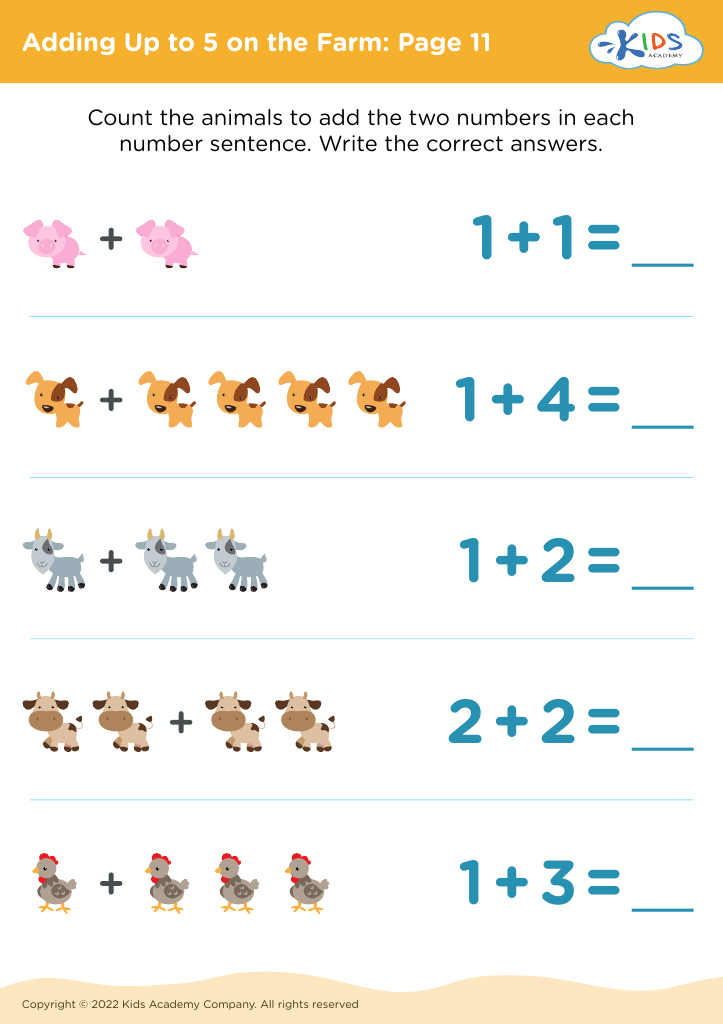
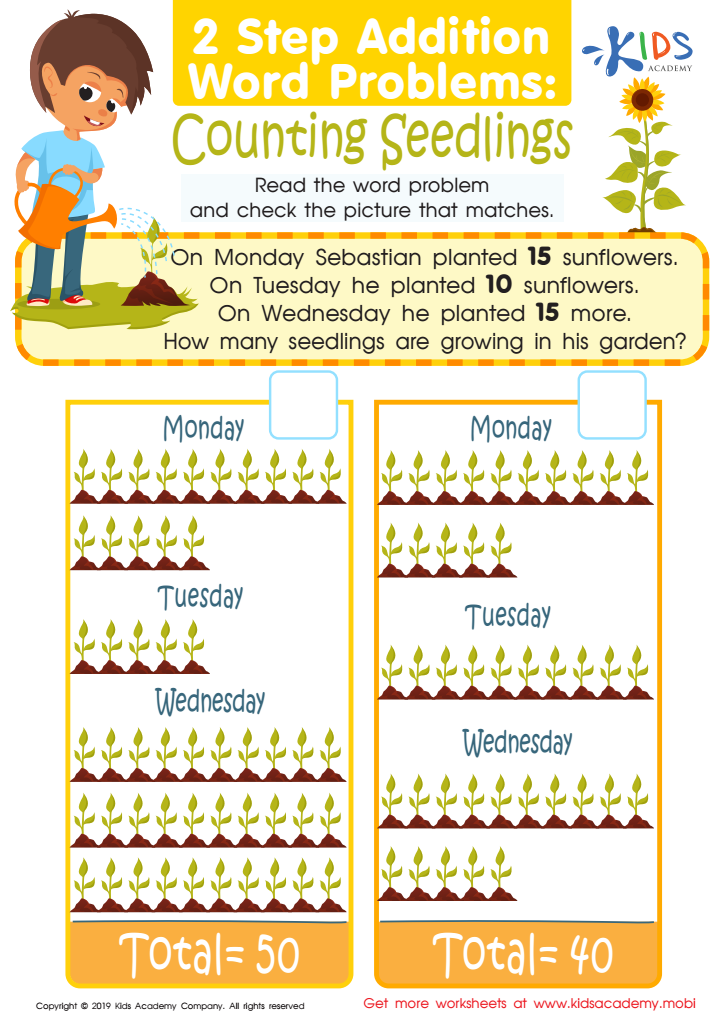
Counting Seedlings Worksheet
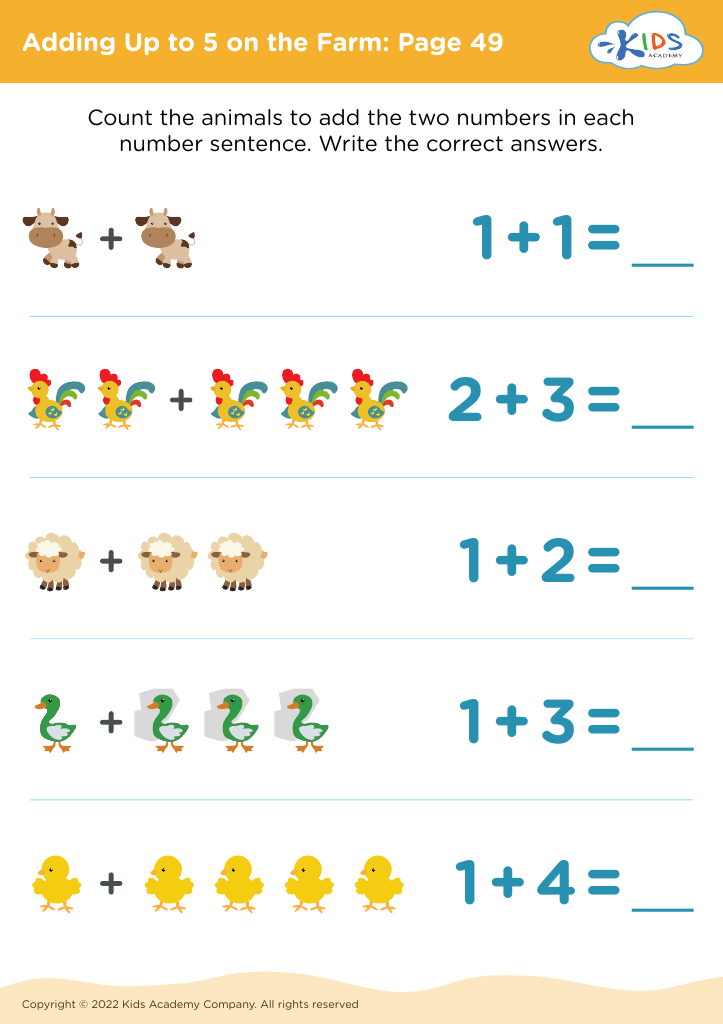
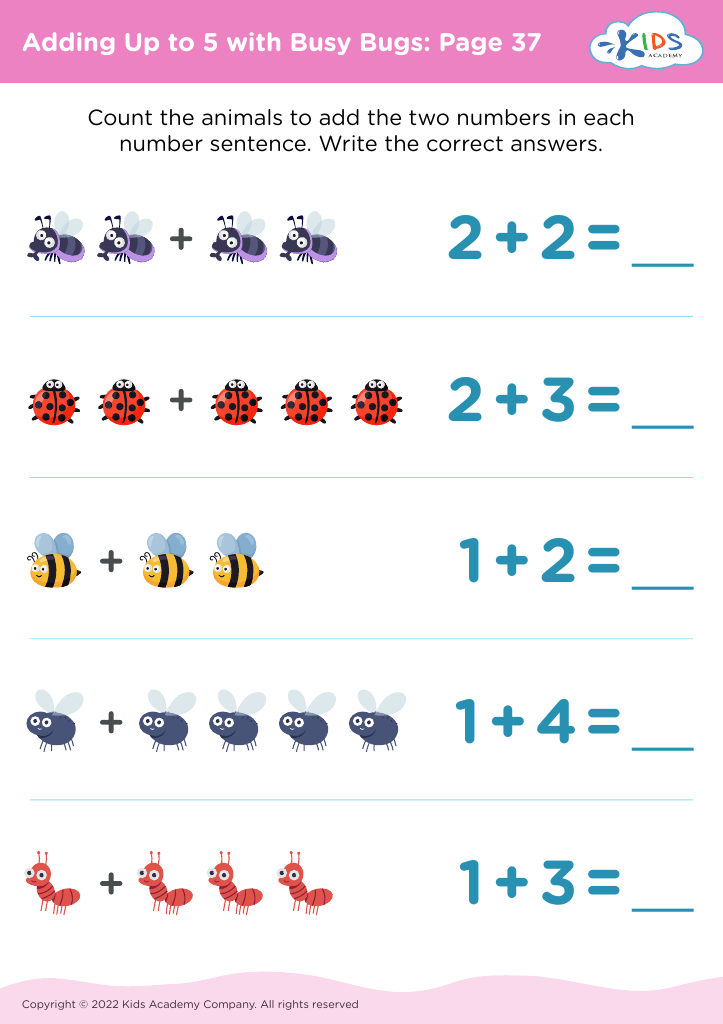
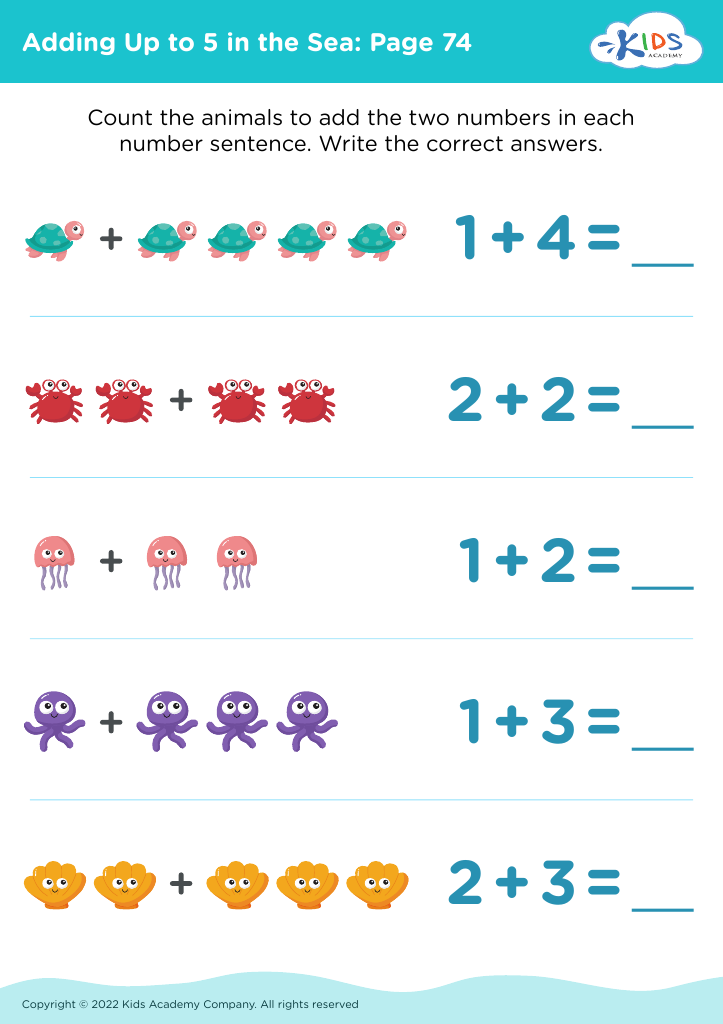
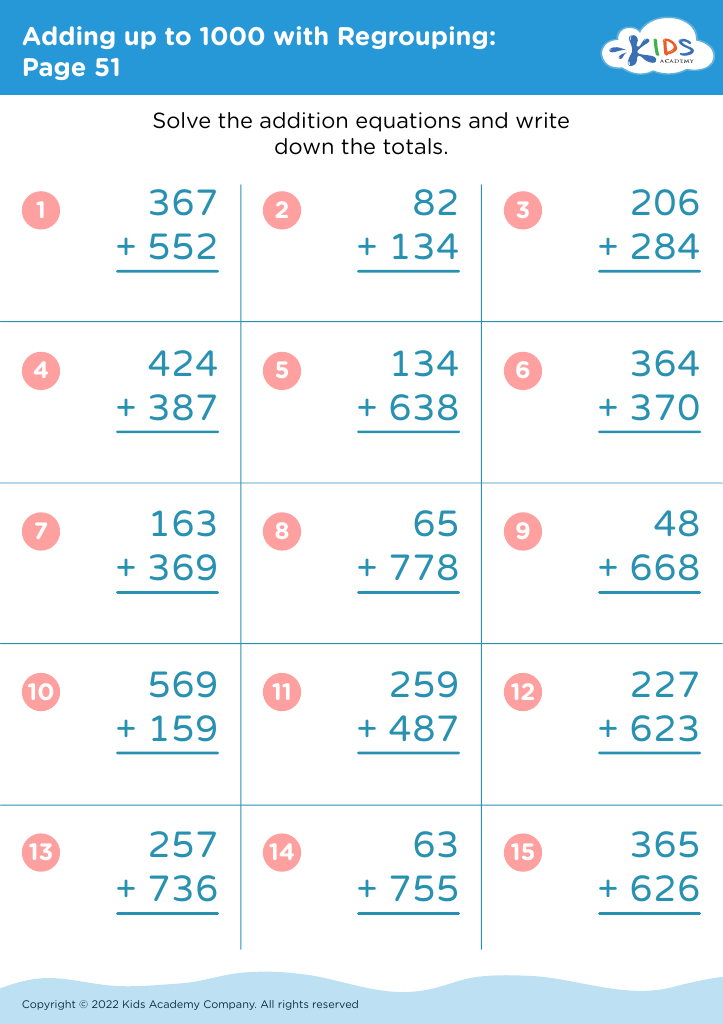
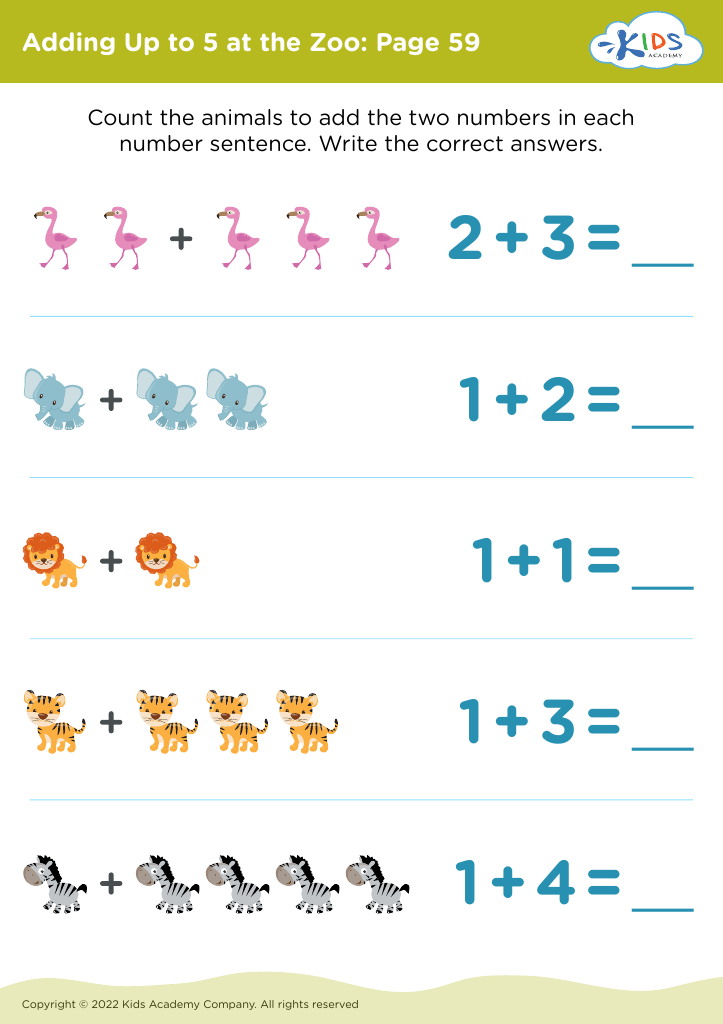
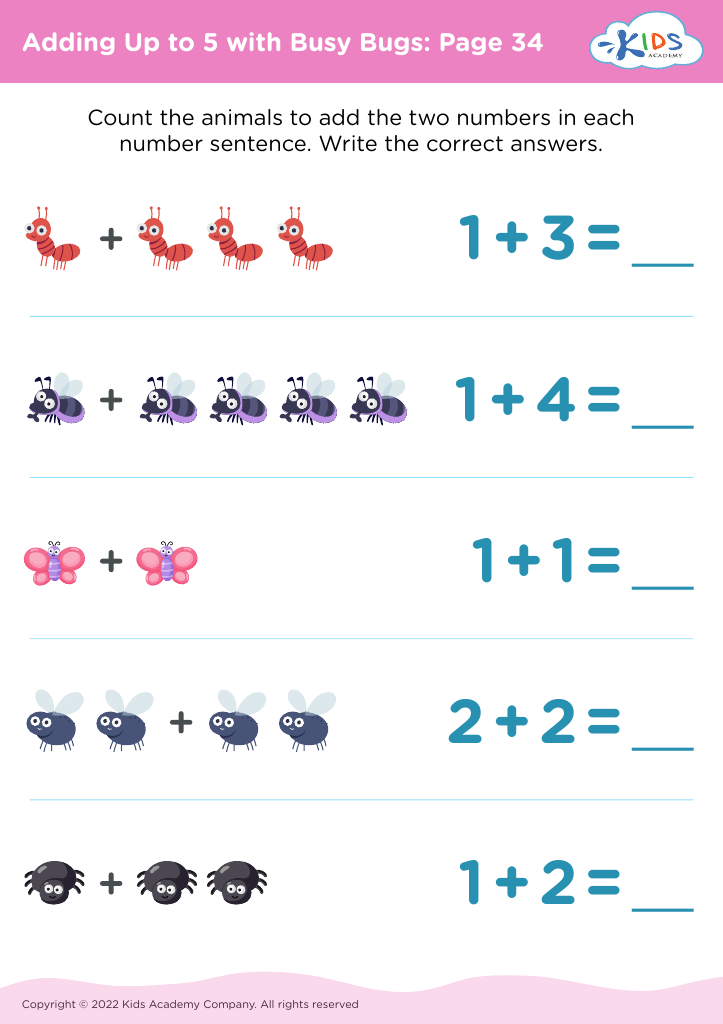
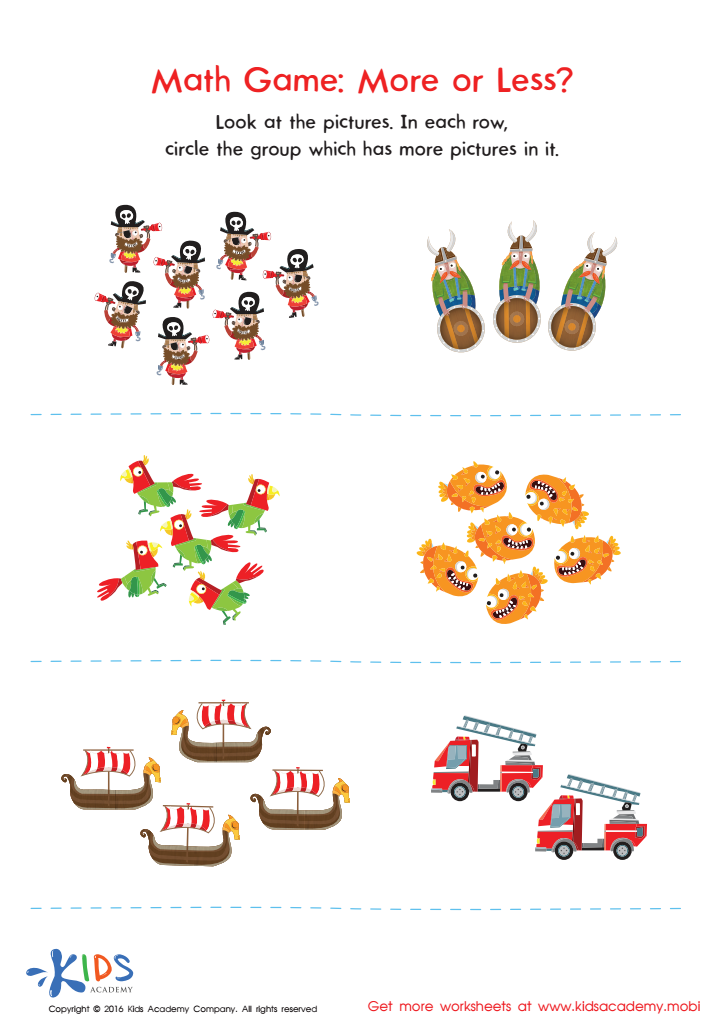
More or Less Worksheet
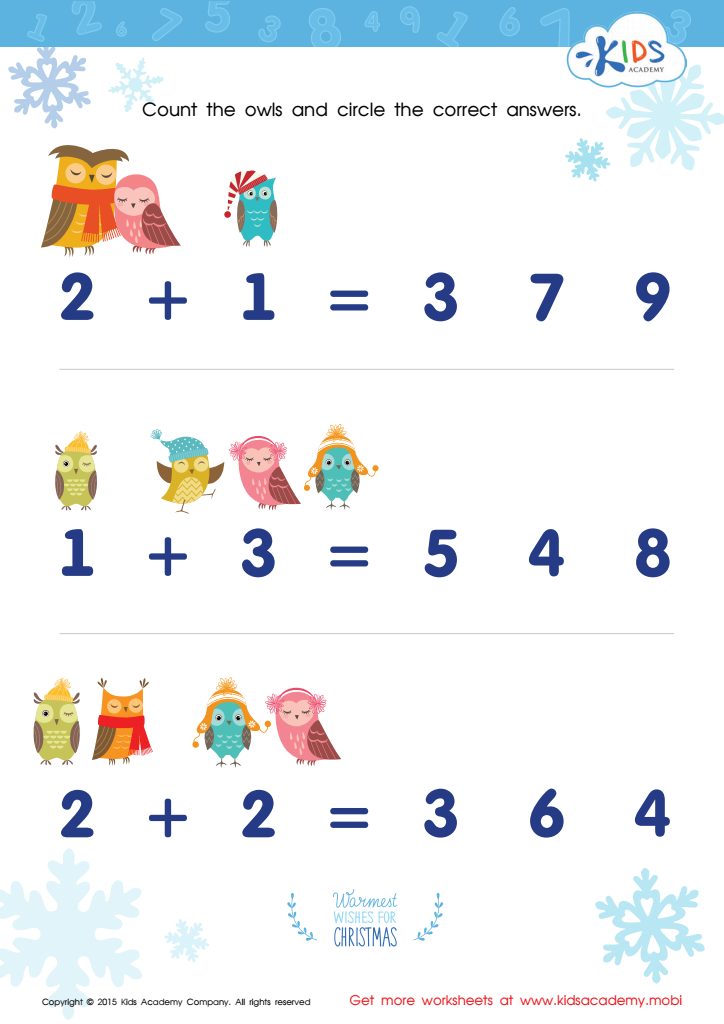
Count Little Owls Worksheet
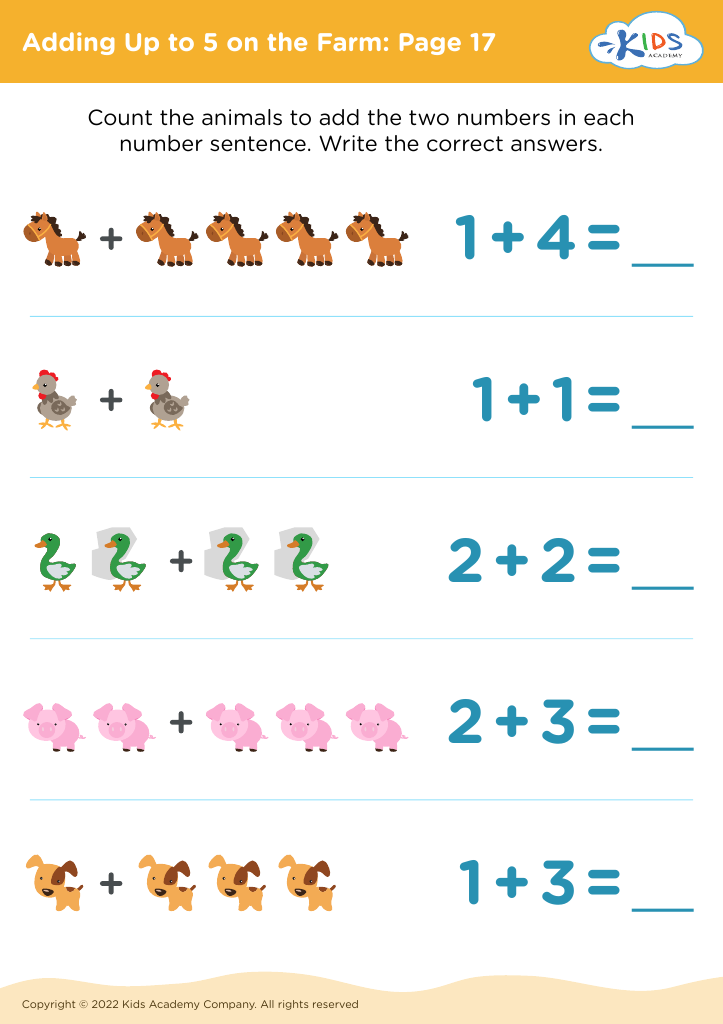
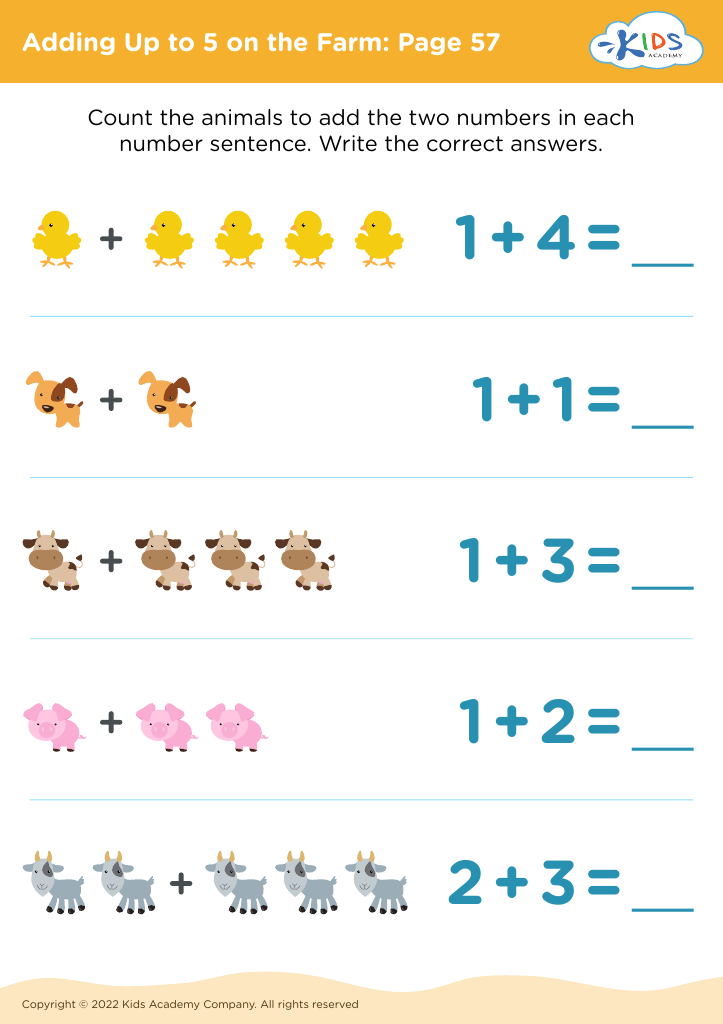








Understanding quantity and the concepts of addition and subtraction is crucial for children aged 3-8, as it lays the foundation for their mathematical development. At this stage, children begin to make sense of the world through numbers, shapes, and patterns. By grasping these fundamental concepts, children develop critical thinking and problem-solving skills that are essential in everyday life.
For parents and teachers, fostering an early understanding of addition and subtraction promotes cognitive growth and enhances memory and reasoning abilities. Encouraging playful exploration through games and activities helps children understand the relationships between quantities and the operations of addition and subtraction. This playful approach not only makes learning enjoyable but also helps children develop a positive attitude towards math.
Moreover, early mastery of these concepts can significantly reduce anxiety and difficulties later in formal education. Children who are confident in their understanding of quantity and basic operations are more likely to engage with more complex mathematical ideas as they progress. Therefore, investing time in nurturing these foundational skills sets the stage for academic success, encourages cooperation and communication, and supports overall emotional and intellectual development in young learners. In essence, foundational math skills are vital for lifelong learning and problem-solving.








