Recognizing shapes Addition Worksheets for Ages 3-8
28 filtered results
-
From - To
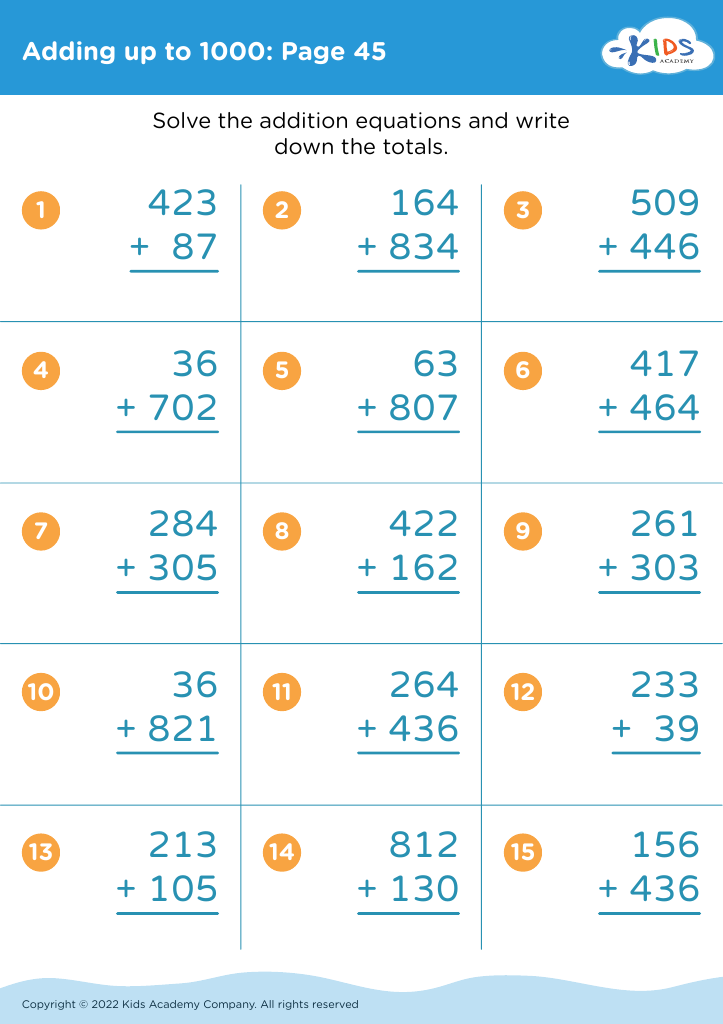
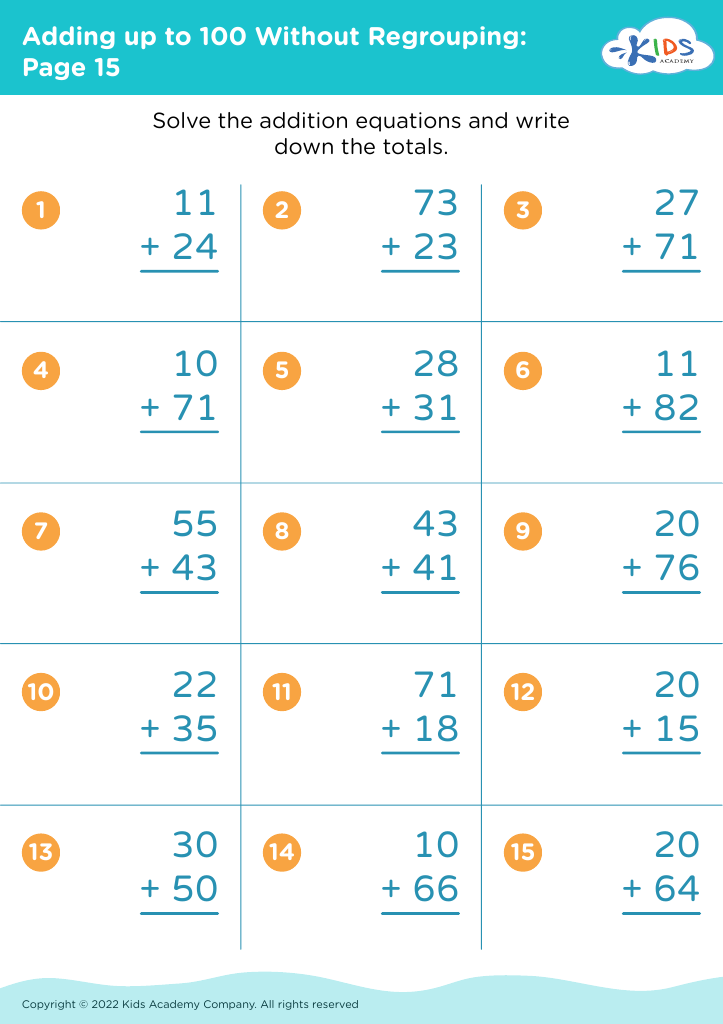
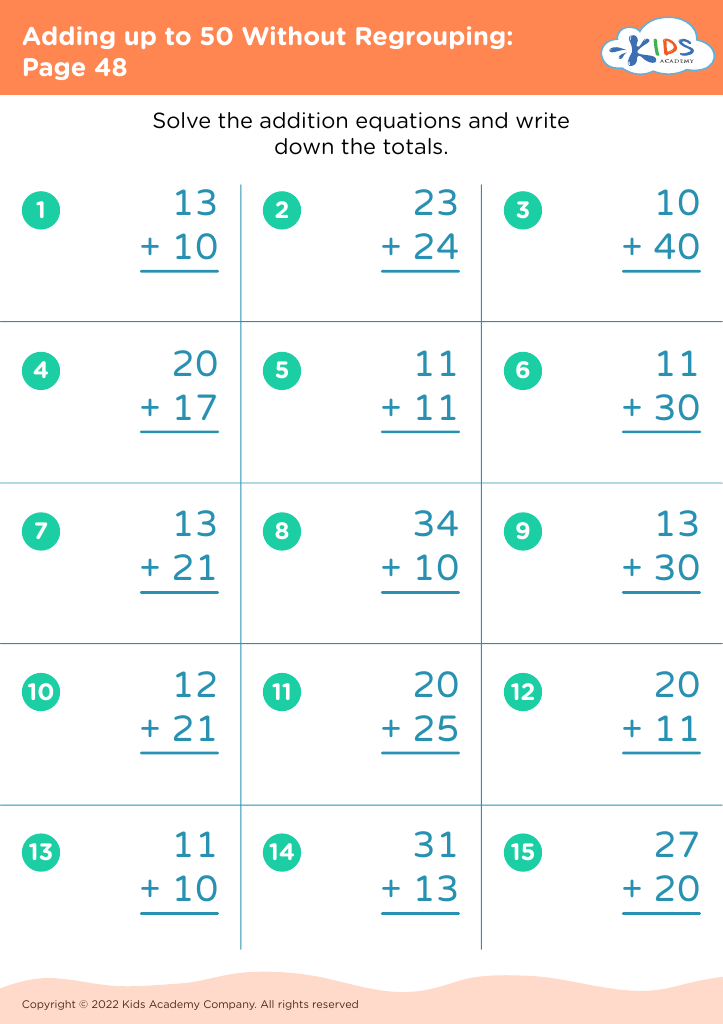
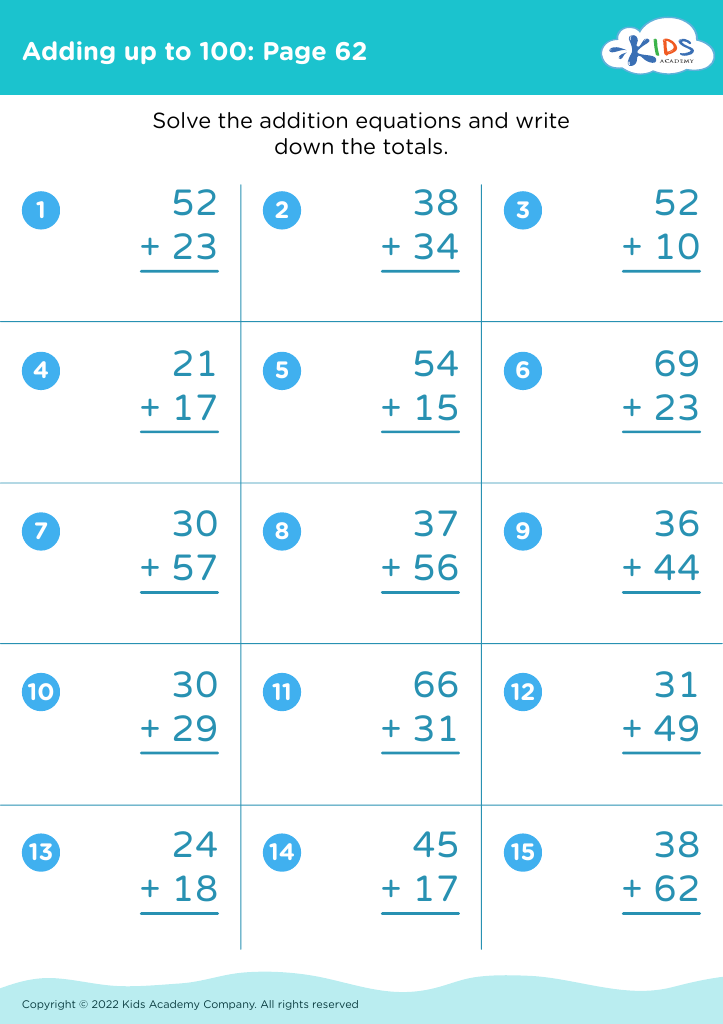
Introduce the joy of learning with our "Recognizing Shapes Addition Worksheets for Ages 3-8" at Kids Academy. These expertly designed worksheets blend shape recognition with basic addition to boost your child's math skills while keeping them engaged and excited. Perfect for preschool to early elementary students, they help young learners master essential mathematics concepts through fun, hands-on activities. Each worksheet combines colorful shapes and addition challenges, promoting cognitive development, fine motor skills, and critical thinking. Equip your child with a strong math foundation and foster a lifelong love of learning with these dynamic, educational resources.








Recognizing shapes and understanding addition are fundamental building blocks for early childhood cognitive development in children ages 3-8. Knowing how to recognize shapes helps children organize and categorize the world around them. This foundational skill enhances spatial awareness, hand-eye coordination, and basic problem-solving abilities, all critical for later success in subjects like geometry and physics.
Addition, meanwhile, is one of the first steps in grasping the concept of numbers and mathematics. It promotes logical thinking and introduces the children to basic math functions, which are essential for everyday tasks and future academic success. Early exposure to adding numbers can boost a child’s confidence and create a positive attitude toward math, reducing math anxiety that can develop in later years.
Further, both recognizing shapes and practicing addition develop fine motor skills. Activities like drawing shapes or using objects to perform addition improve dexterity and precision. Engaging in these practices provides social benefits as well, encouraging cooperative play, sharing, and communication among peers.
Finally, early familiarity with these skills helps in the transition to formal schooling, laying a strong foundation that educators can build on more easily. Therefore, parents and teachers should prioritize these basic concepts to foster an environment where lifelong learning is treated as enjoyable and accessible.








