Counting skills Geometry Worksheets for Ages 3-8
15 filtered results
-
From - To
Enhance your child's mathematical abilities with our engaging Counting Skills Geometry Worksheets, designed specifically for children ages 3 to 8. These worksheets combine the fundamentals of counting with essential geometry concepts, making learning fun and interactive. Each activity promotes critical thinking while helping kids recognize shapes, patterns, and numbers. Our resources are perfect for home or classroom use, encouraging hands-on practice and reinforcing foundational math skills. Whether your child is a beginner or ready for more advanced challenges, our worksheets cater to all learning levels. Download them today to inspire your little learners as they embark on their mathematical journey!
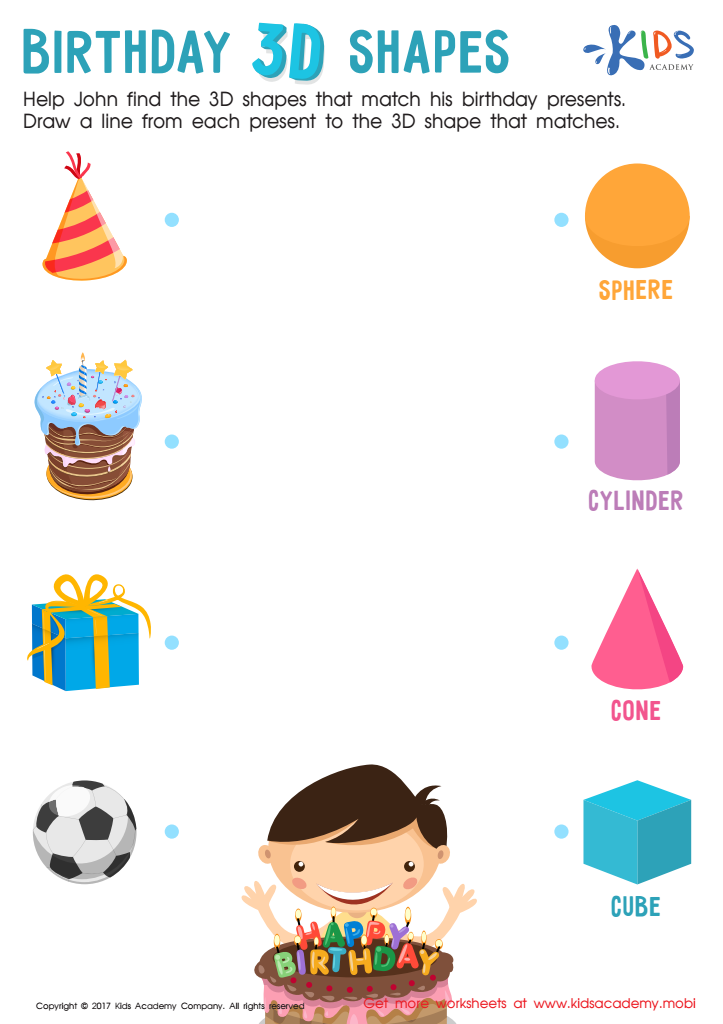
Birthday 3D Shapes Worksheet
 Assign to My Students











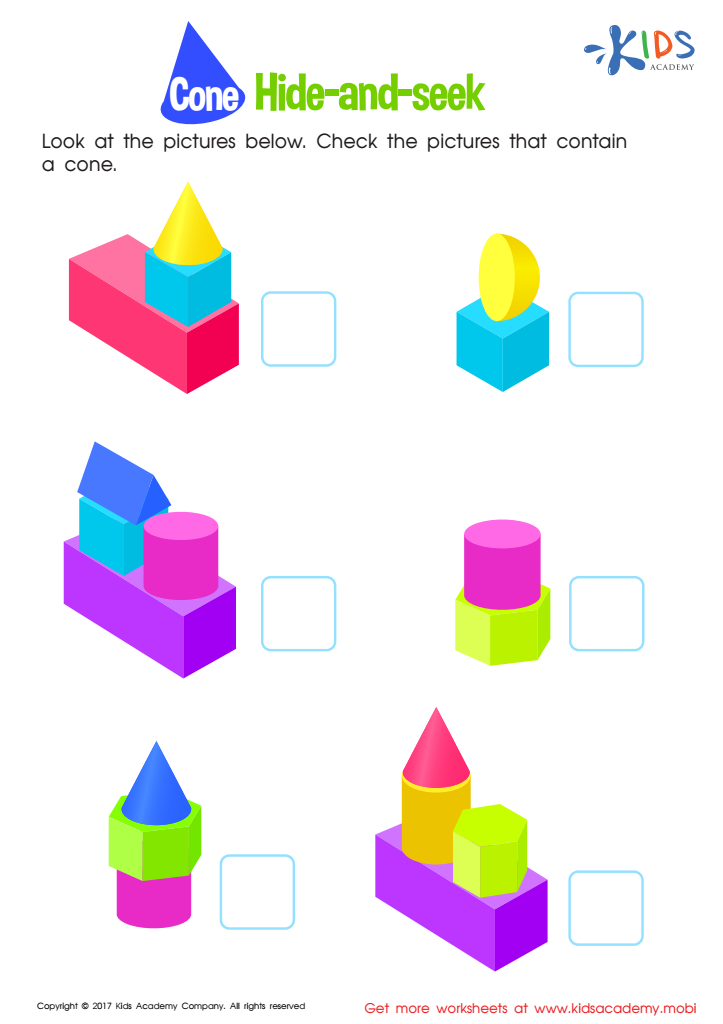
Cone Hide-and-Seek Worksheet
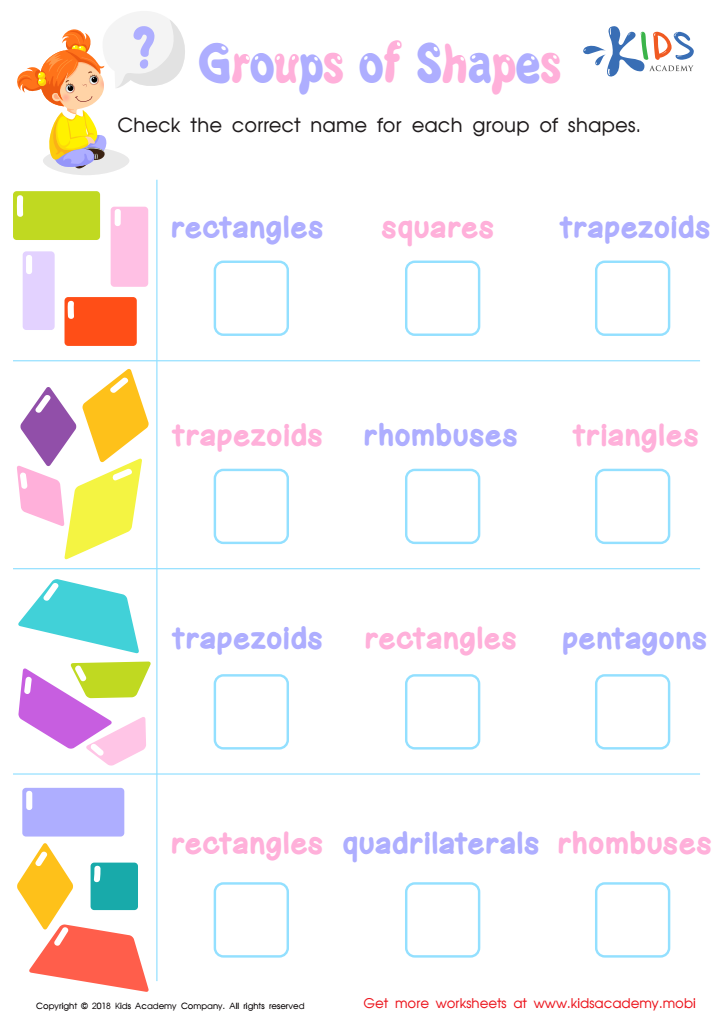
Groups of Shapes Worksheet
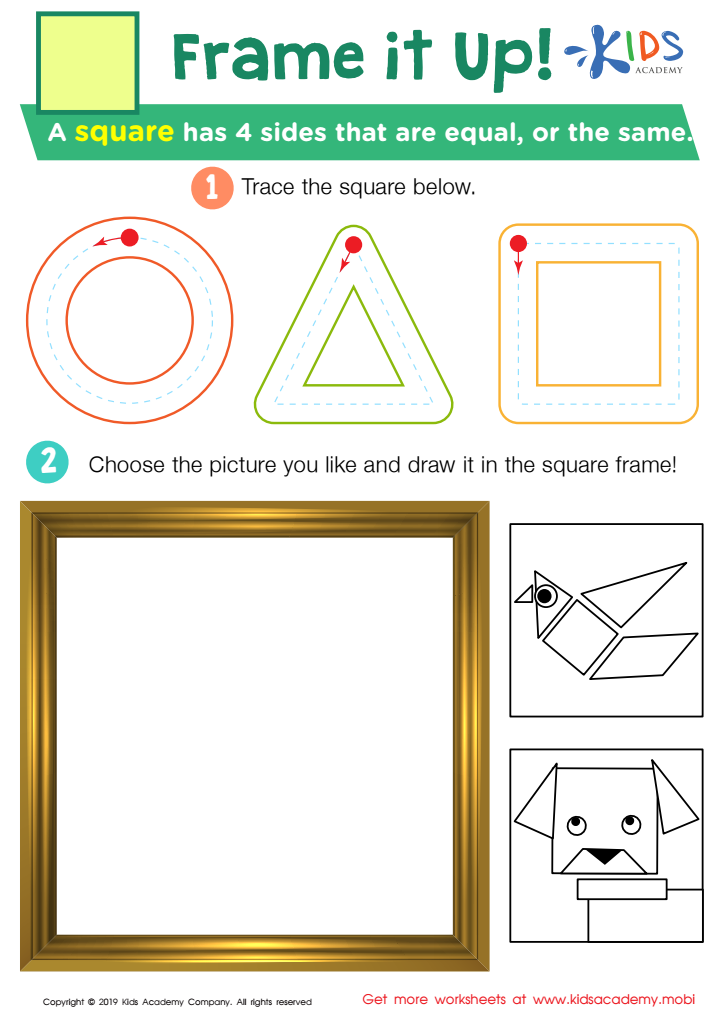
Frame it Up Worksheet
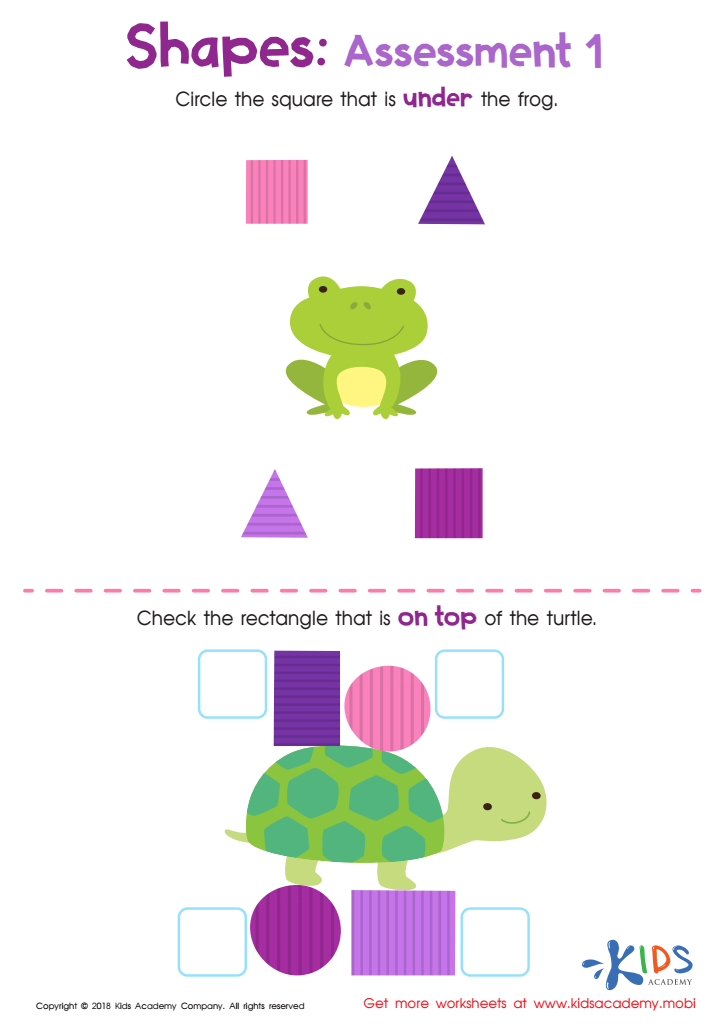
Geometry – Assessment 1 Worksheet
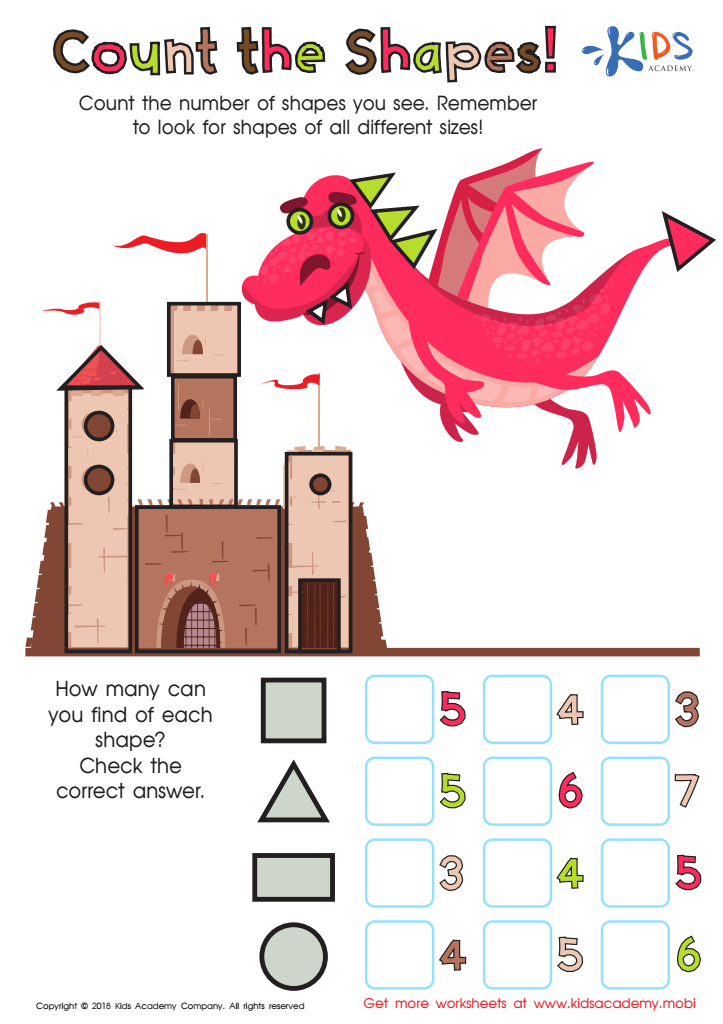
Count the Shapes Worksheet
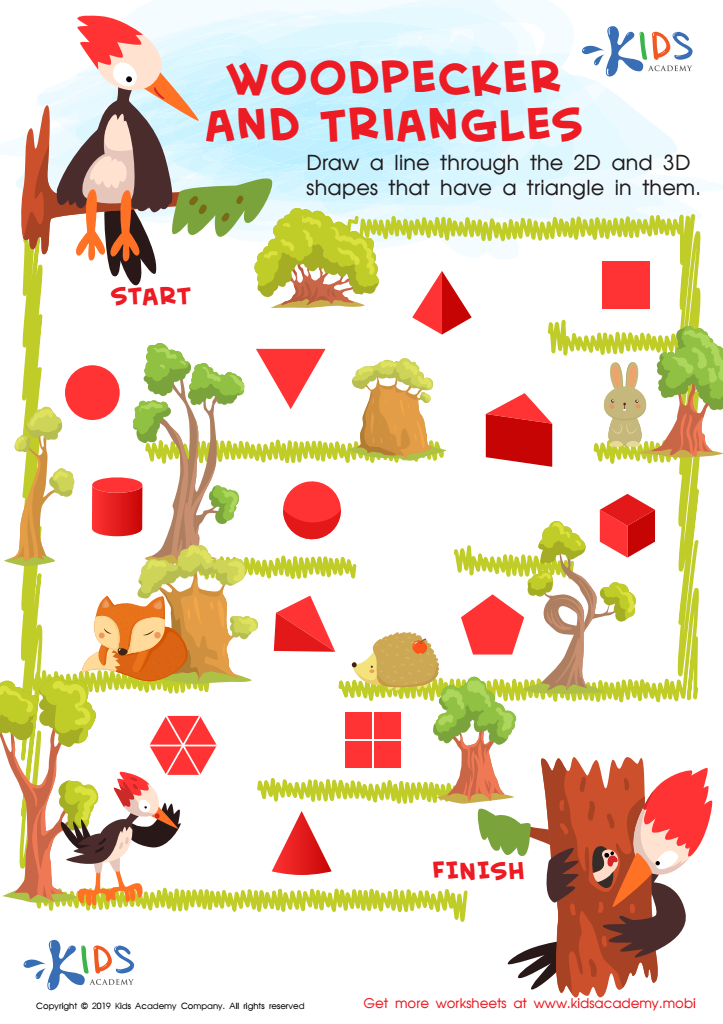
Woodpecker and Triangles Worksheet
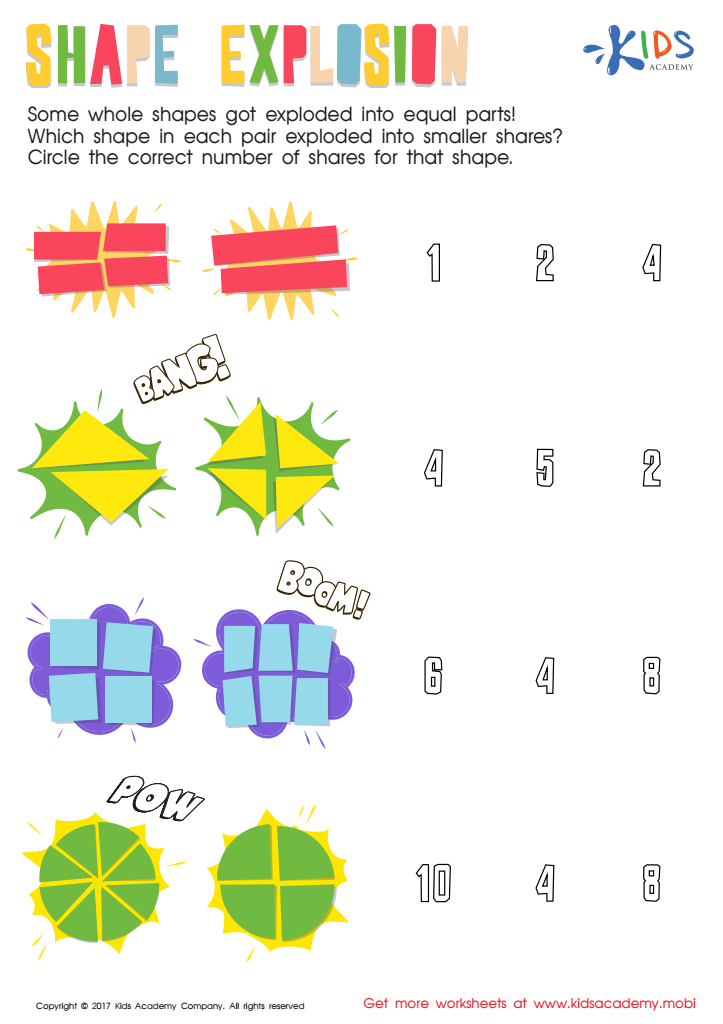
Shape Explosion Worksheet
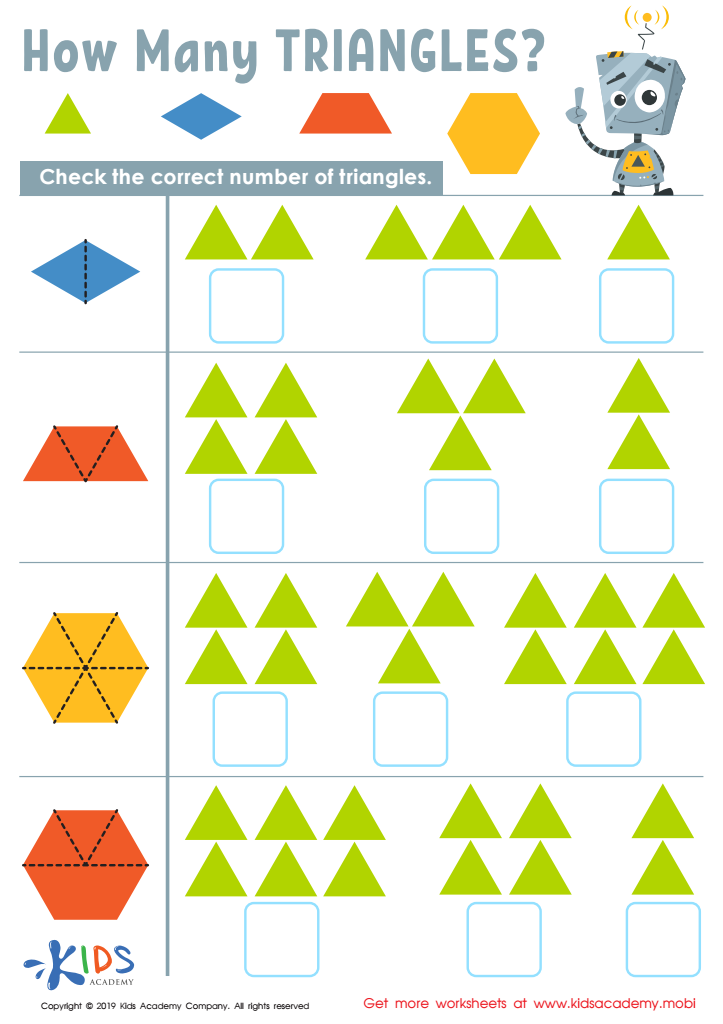
How Many Triangles Worksheet
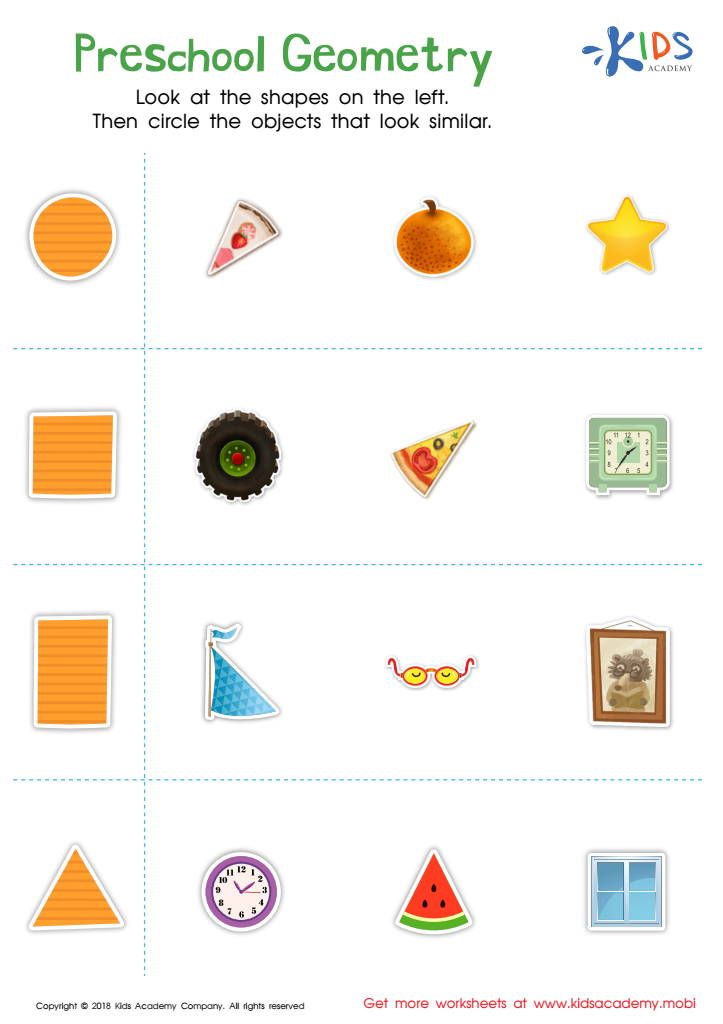
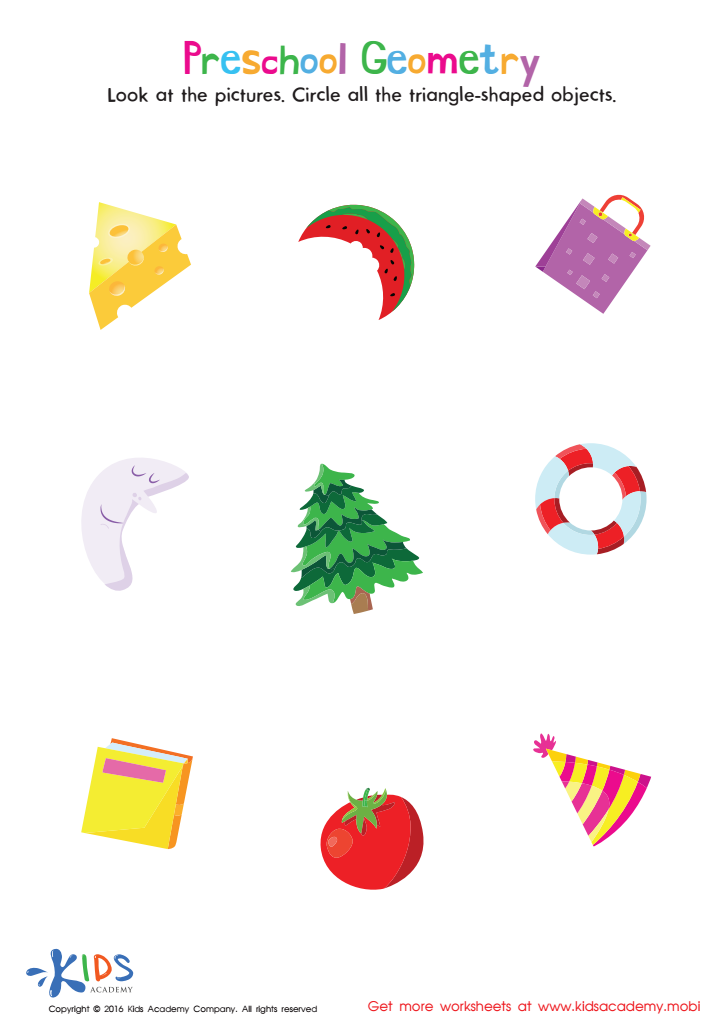
Preschool Geometry Worksheet
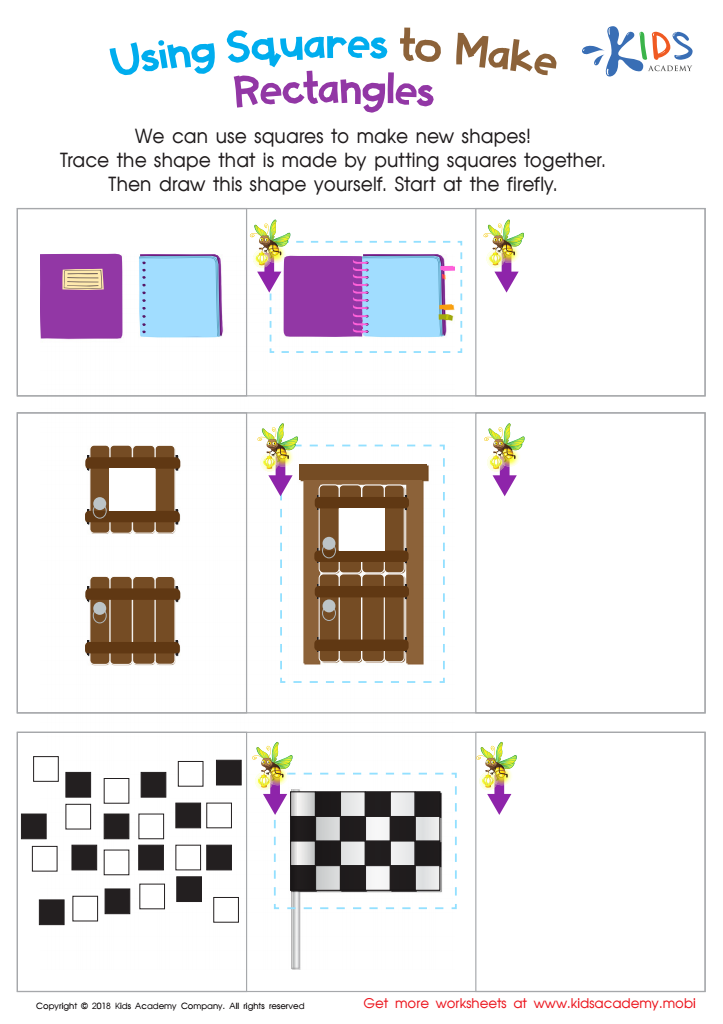
Using Squares to Make Rectangles Worksheet
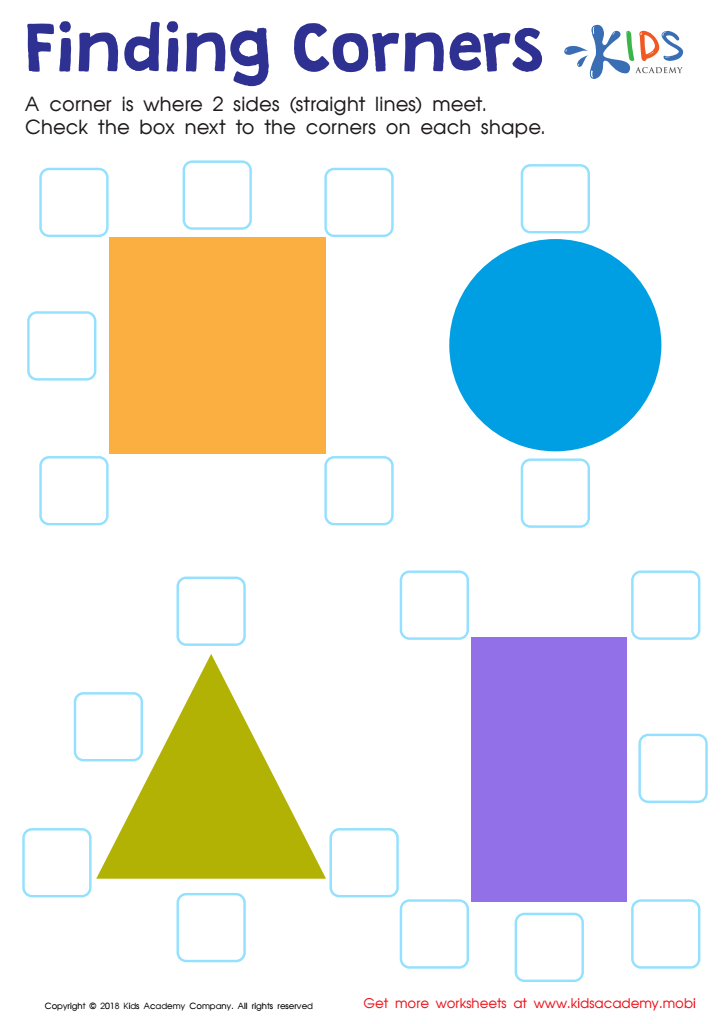
Finding Corners Worksheet
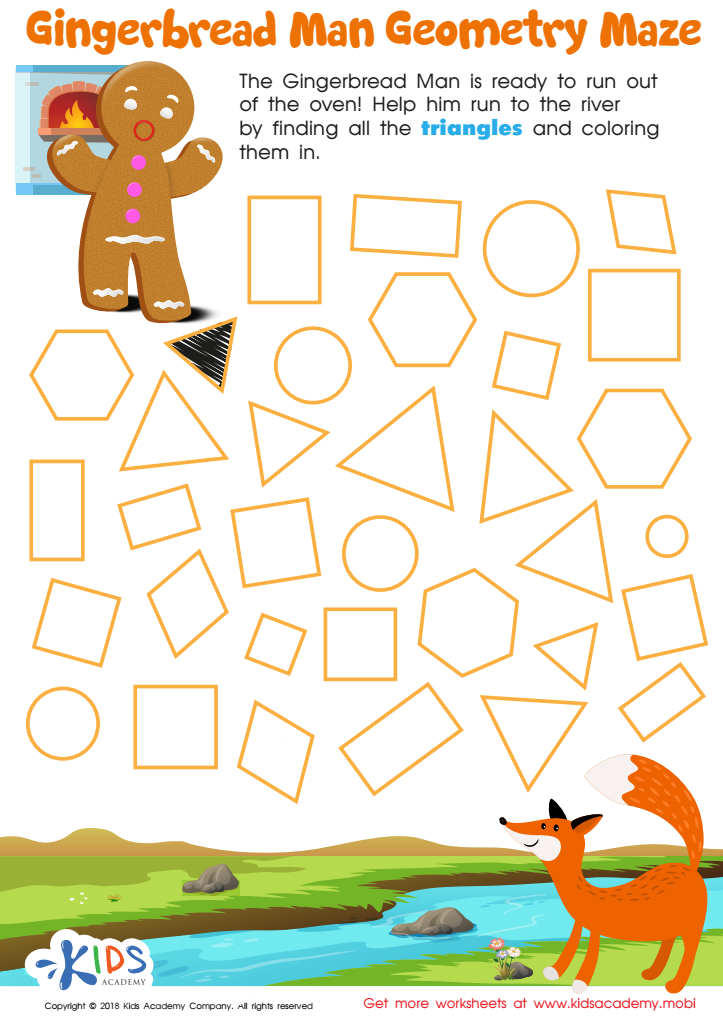
Gingerbread Man Geometry Maze Worksheet
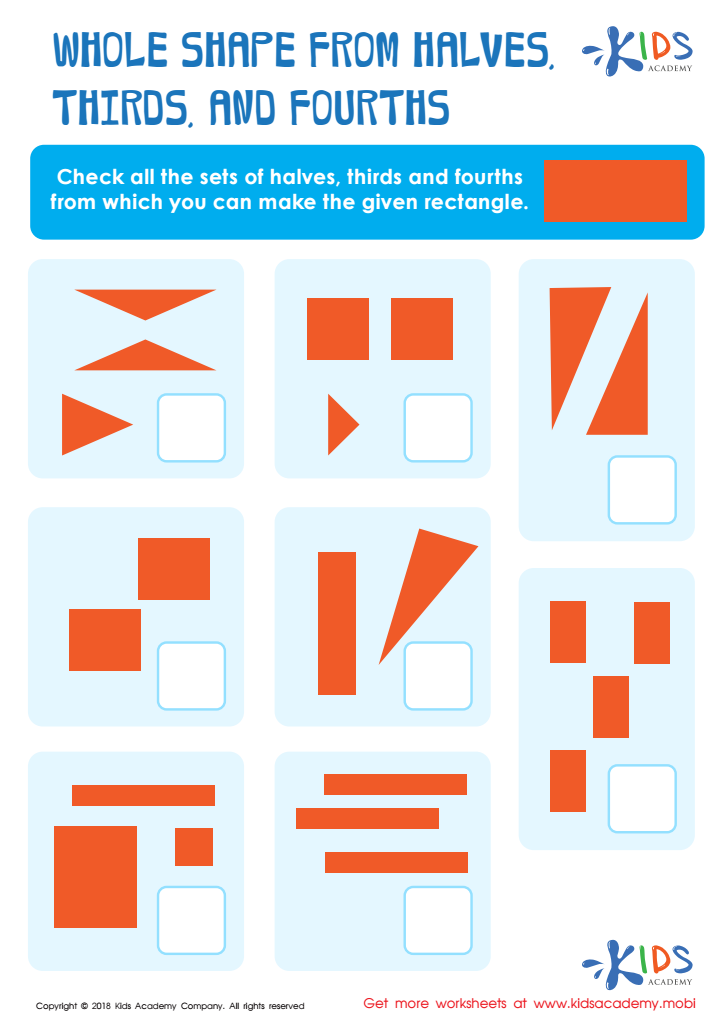
Whole Shape from Halves, Thirds and Fourths Worksheet








Counting skills and geometry are fundamental components of early childhood education, particularly for children aged 3 to 8. Parents and teachers should prioritize these skills as they lay the foundation for mathematical understanding and logical reasoning. Mastering counting helps children comprehend numeracy, which is essential for daily life and academic success. It develops a child's ability to recognize quantities, perform simple arithmetic, and enhances problem-solving skills.
Geometry, on the other hand, introduces children to shapes, spatial awareness, and the concepts of size and measurement. Engaging in geometric activities can enhance critical thinking, as children learn to categorize and compare different objects. Understanding geometric concepts also fosters creativity and encourages exploration, which are vital for cognitive development.
Moreover, having a strong grasp of counting and geometry can boost a child’s confidence and motivation in math. These skills promote curiosity and a love for learning, which are essential traits for lifelong learners. As parents and teachers nurture these abilities through fun and interactive activities, they not only prepare children for academic challenges but also for real-world situations. Investing time in these critical areas directly impacts children's cognitive growth and sets the stage for future success in mathematics and beyond.








