Problem-Solving Skills Geometry Worksheets for Ages 3-8 - Page 2
30 filtered results
-
From - To
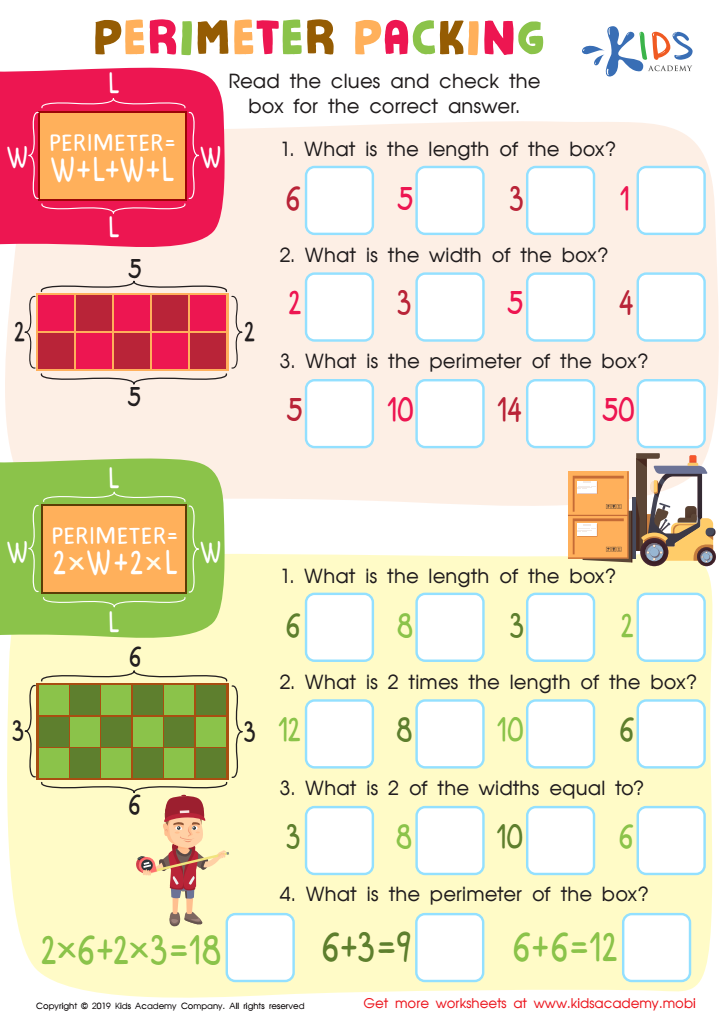
Perimeter Parking Worksheet
 Assign to My Students











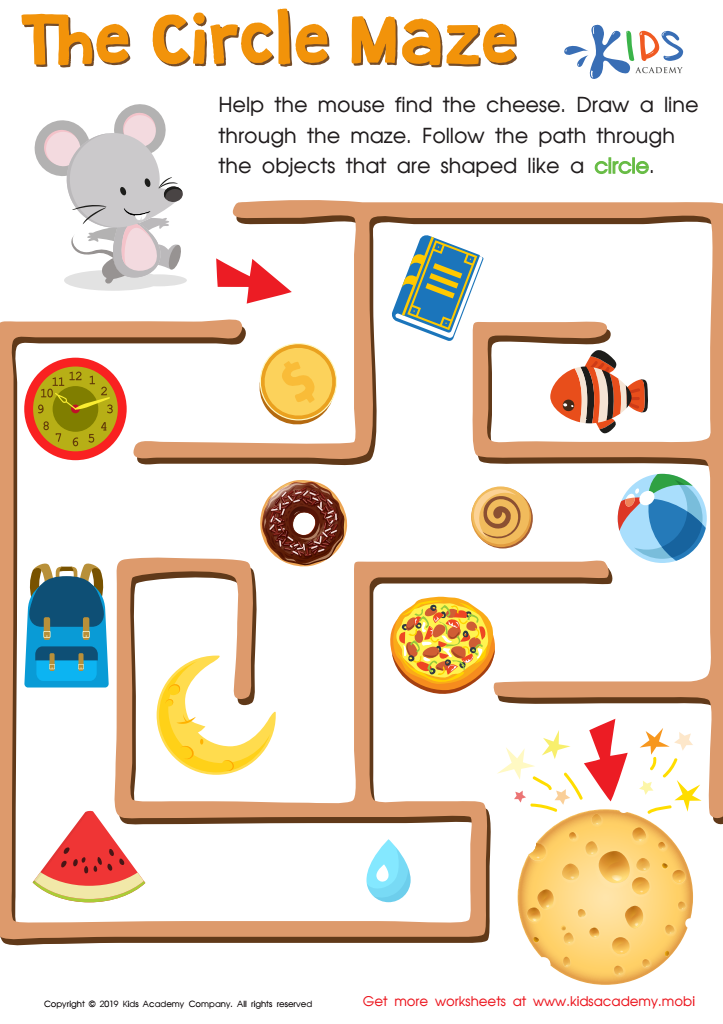
The Circle Maze Worksheet
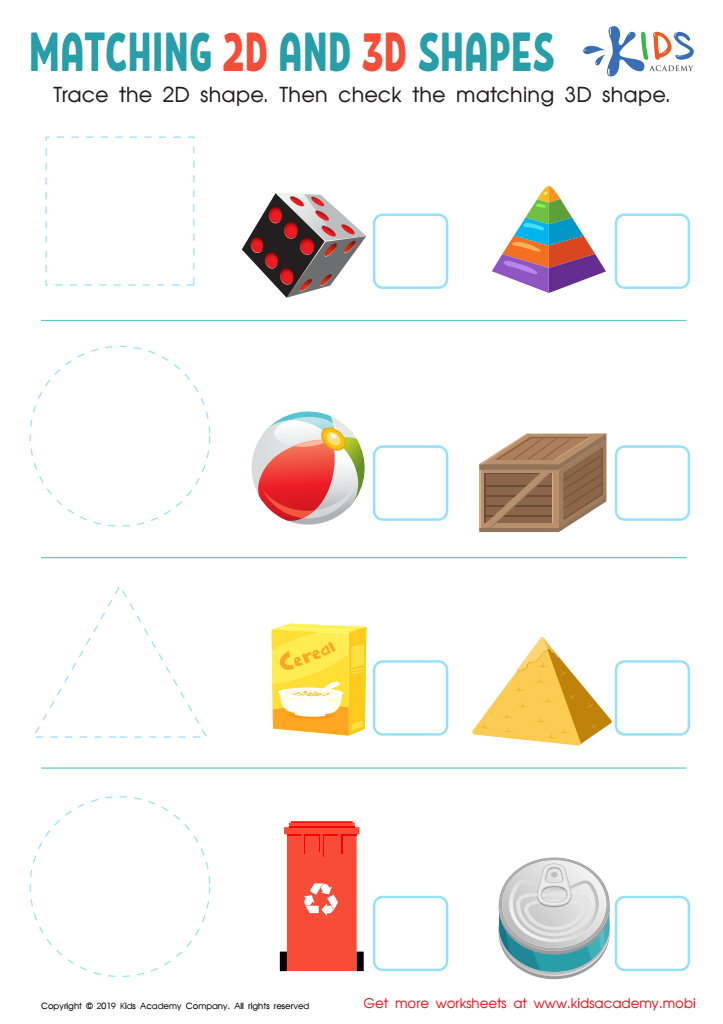
Matching 2D and 3D Shapes Worksheet
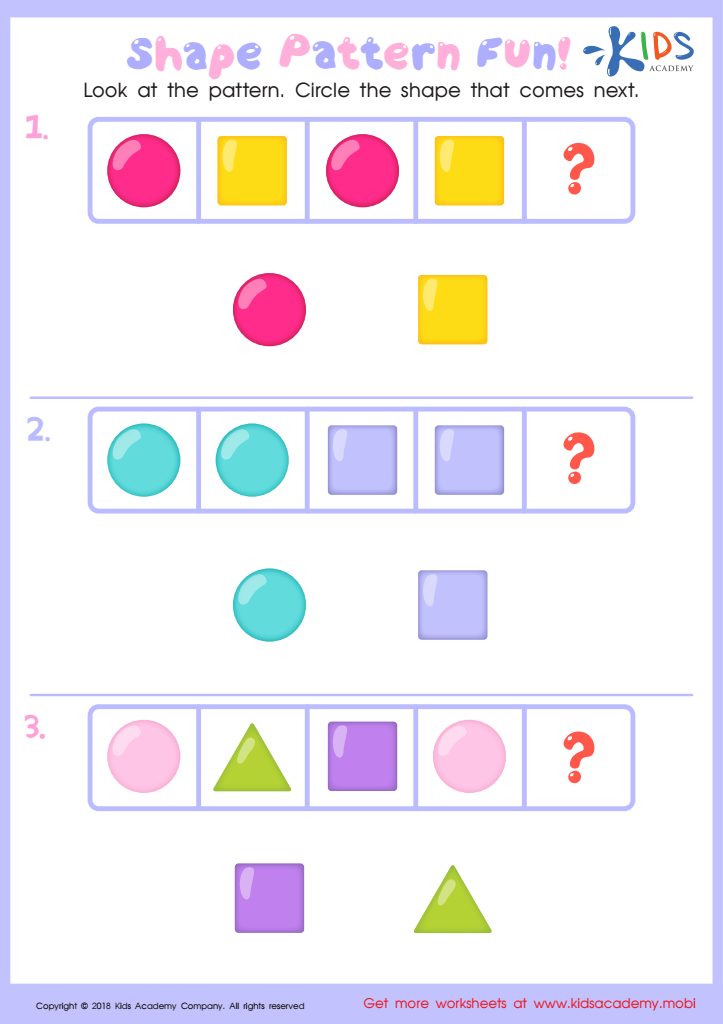
Shape Pattern Fun Worksheet
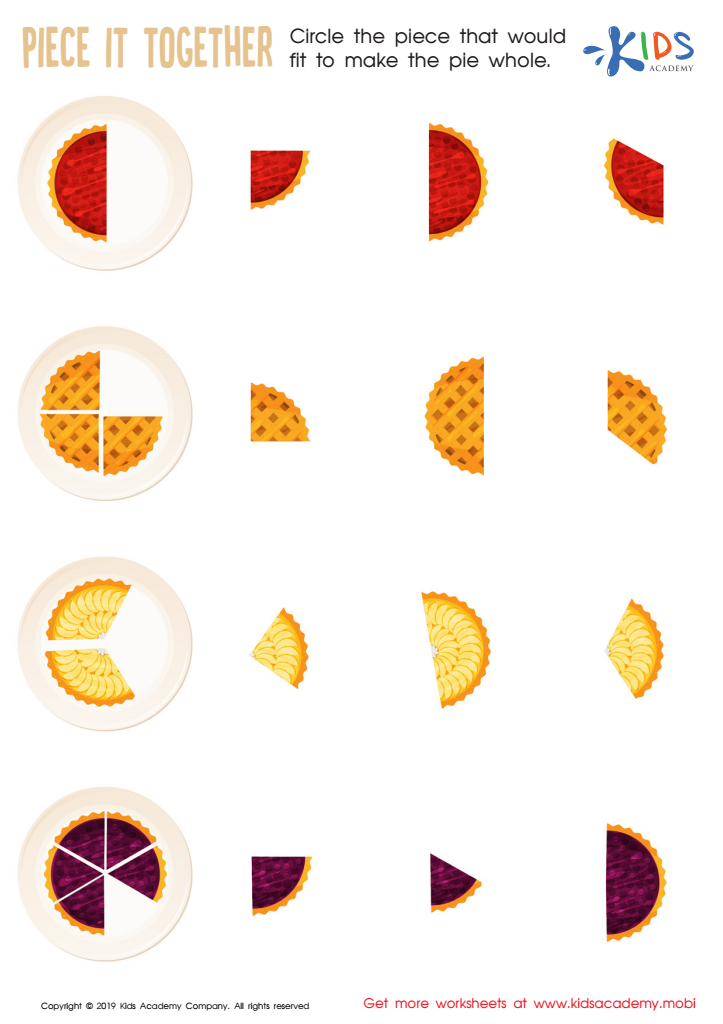
Piece it together Worksheet
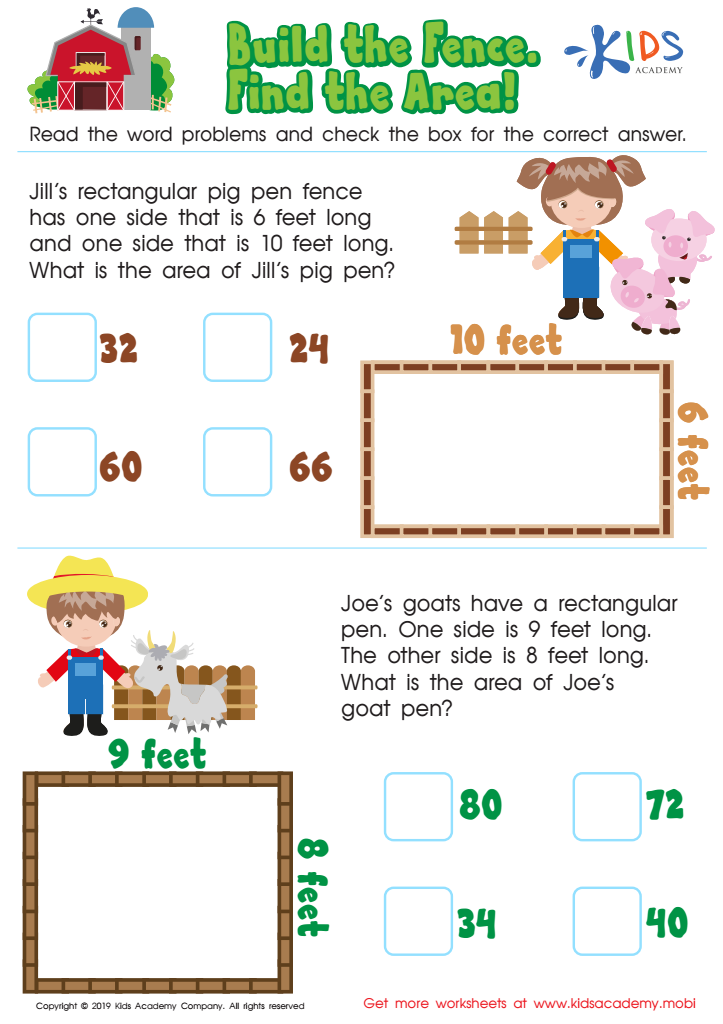
Build the Fence, Find the Area Worksheet








Problem-solving skills in geometry are essential for young children (ages 3-8) as they build a strong foundation for future academic success and everyday life challenges. Early exposure to geometry helps children recognize shapes, patterns, and spatial relationships, which are key components of early mathematics. As children engage with these concepts, they develop critical thinking and reasoning abilities, which are indispensable in solving complex problems.
For parents and teachers, nurturing problem-solving skills in geometry means facilitating an environment where exploration and questioning are encouraged. Hands-on activities, such as building with blocks, drawing, or solving simple puzzles, stimulate cognitive development in exciting, interactive ways. This early engagement in geometry not only enhances mathematical understanding but also supports language development as children learn to describe their thoughts and processes.
Furthermore, problem-solving in geometry fosters creativity and persistence. Children learn that problems can have multiple solutions and that effort and practice can lead to improvement. These experiences lay the groundwork for a growth mindset, an essential attitude for lifelong learning.
By prioritizing problem-solving skills in geometry, parents and teachers equip children with the tools to navigate academic endeavors and everyday tasks with confidence and creativity. These foundational skills help children become adept learners, capable of thinking critically and solving problems efficiently, far beyond the realm of mathematics.








