Animal recognition Numbers Worksheets for Ages 3-8
8 filtered results
-
From - To
Discover our engaging Animal Recognition Numbers Worksheets, designed for children aged 3 to 8. These interactive resources combine fun with learning to help young learners identify numbers while exploring the animal kingdom. Each worksheet features vibrant illustrations and playful activities that encourage number recognition, counting, and linking numbers to animals. Perfect for preschoolers and early graders, these worksheets promote cognitive development and shape a solid foundation in early math skills. Whether at home or in the classroom, our animal-themed worksheets will spark curiosity and enthusiasm in young minds, making learning numbers an enjoyable adventure! Start your journey with animals and numbers today!
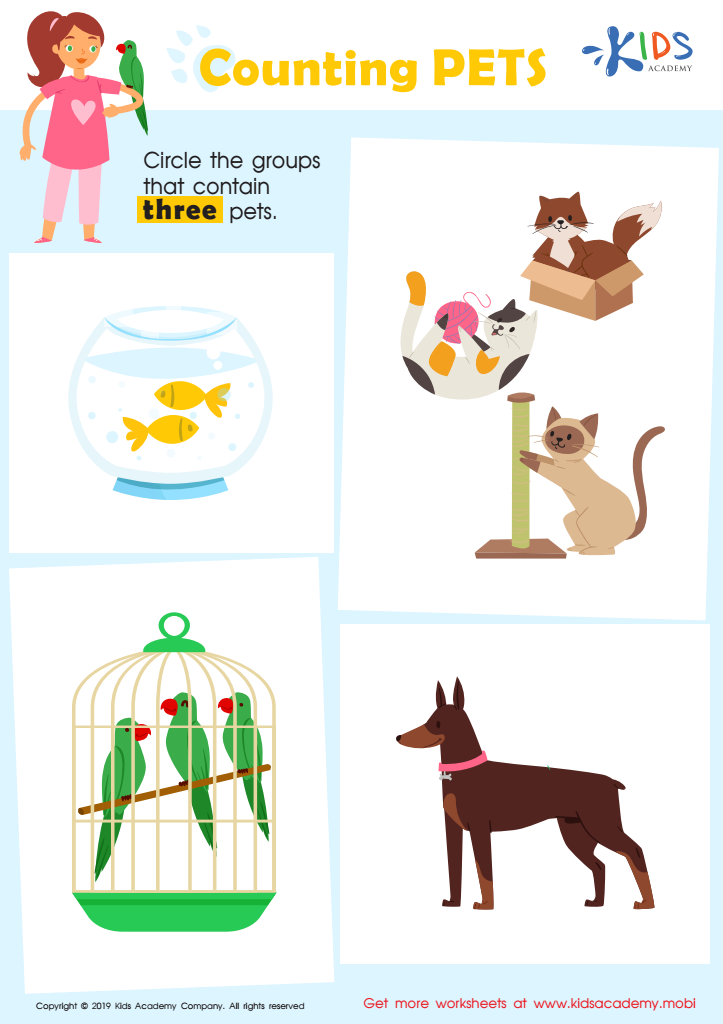
Counting Pets Worksheet
 Assign to My Students
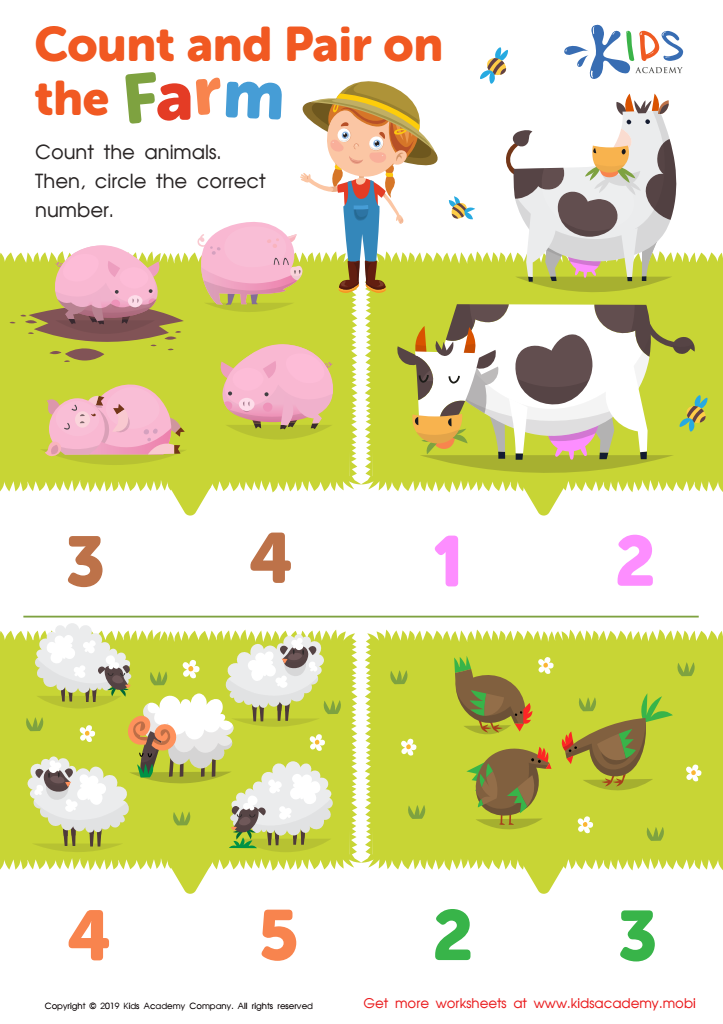
Count and Pair on the Farm Worksheet
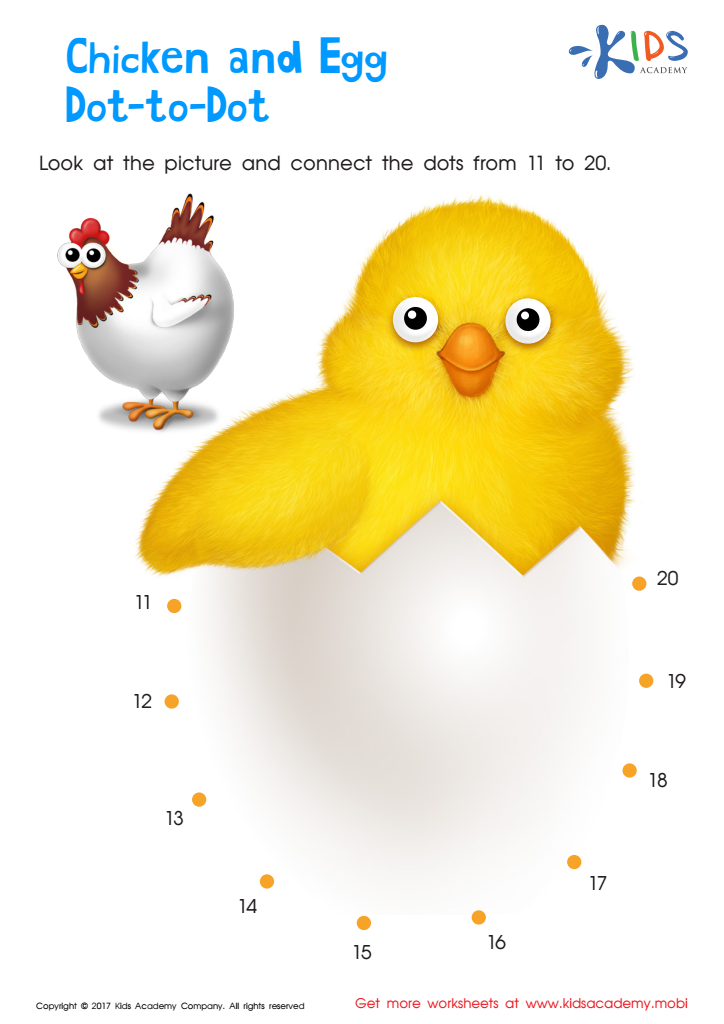
Ordering 11–20: Chicken & Egg Dot–to–dot Worksheet
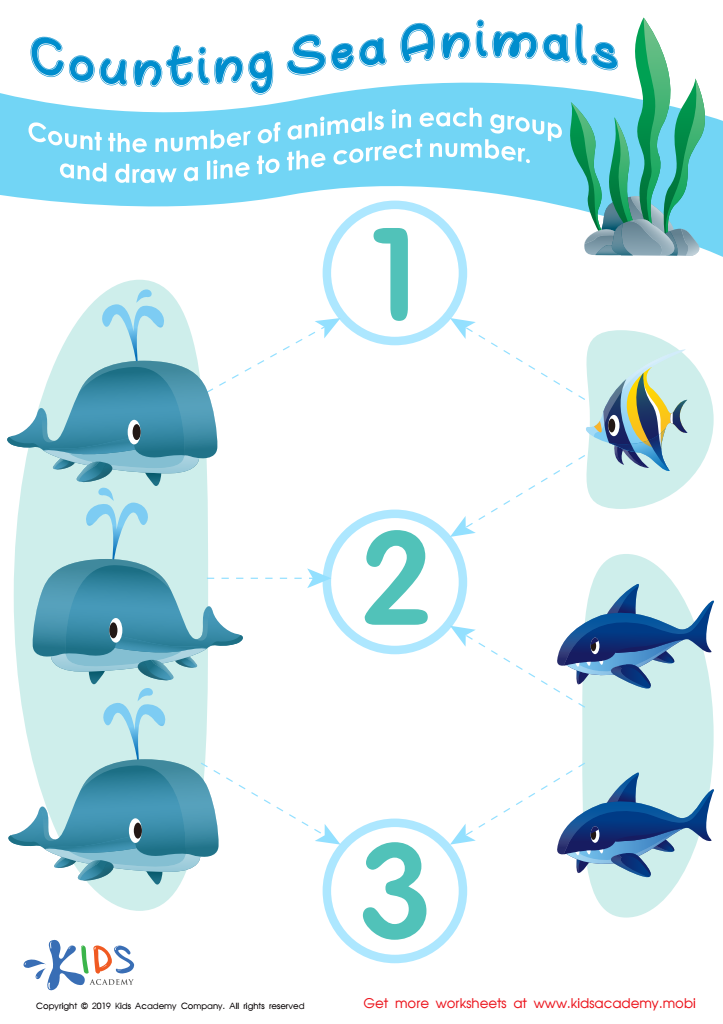
Counting Sea Animals Worksheet
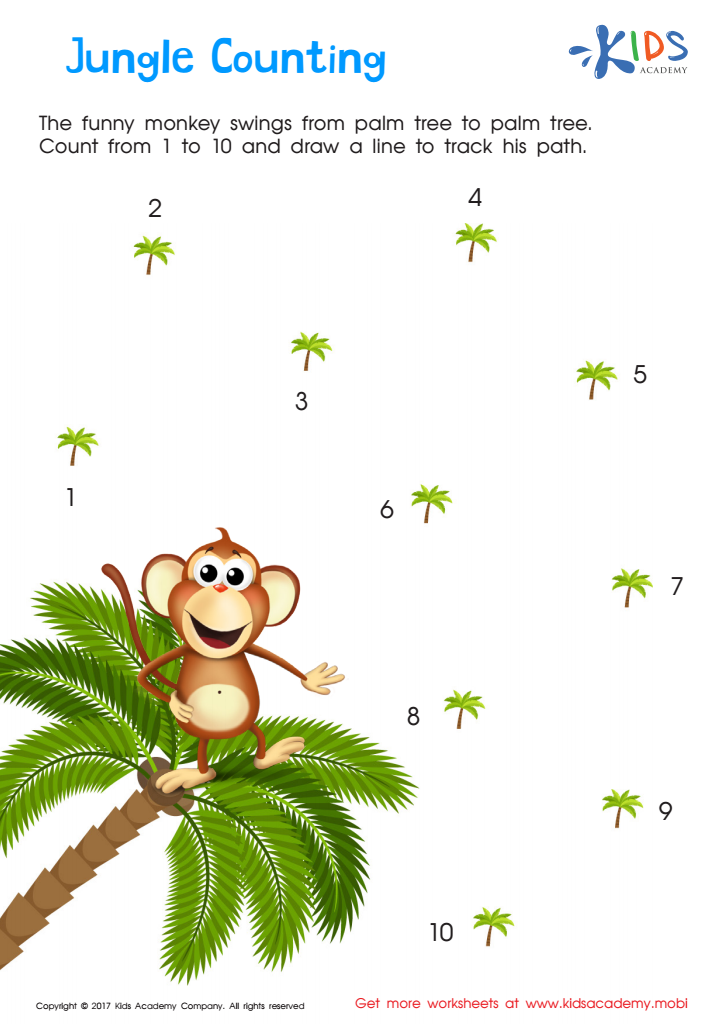
Jungle Counting Connect Dots Worksheet
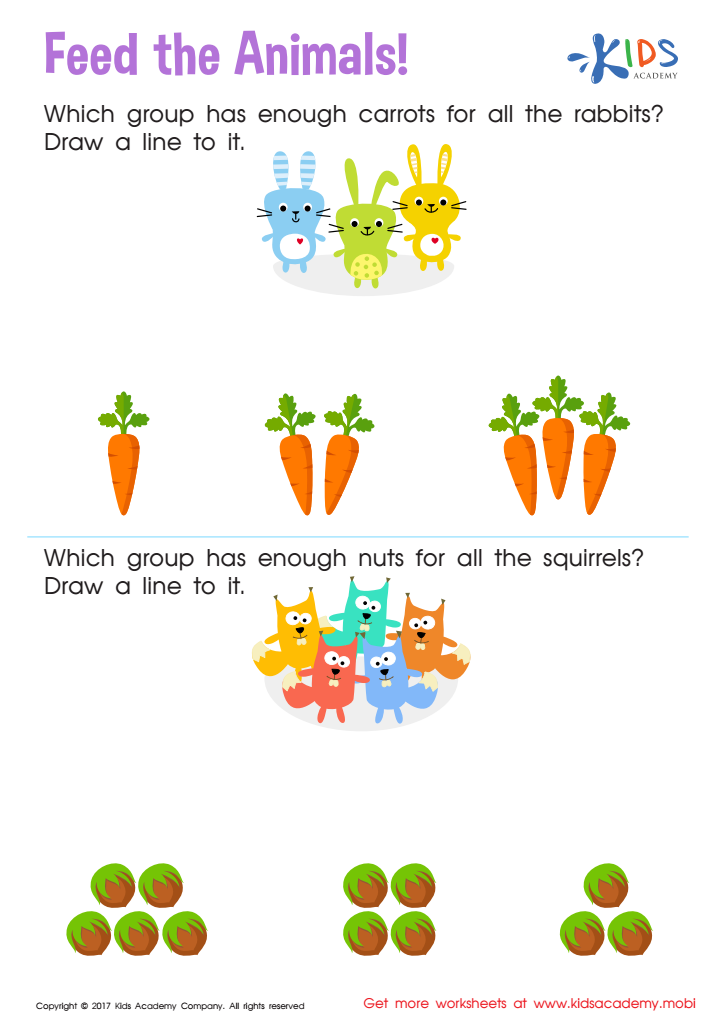
Count and Match: Feed the Animals Worksheet
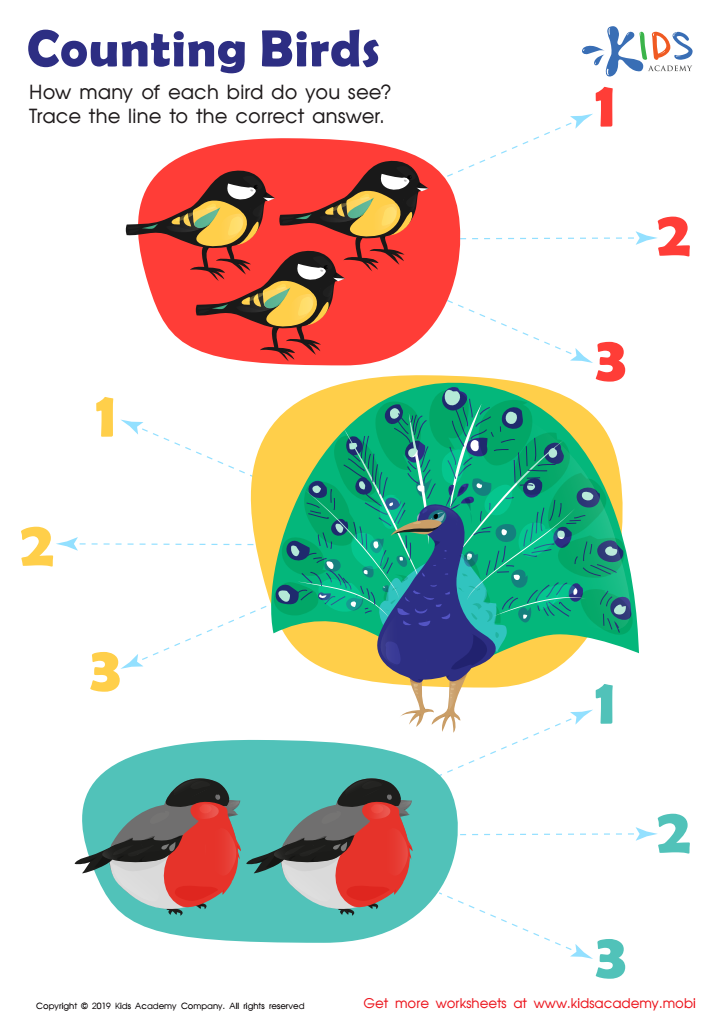
Counting Birds Worksheet
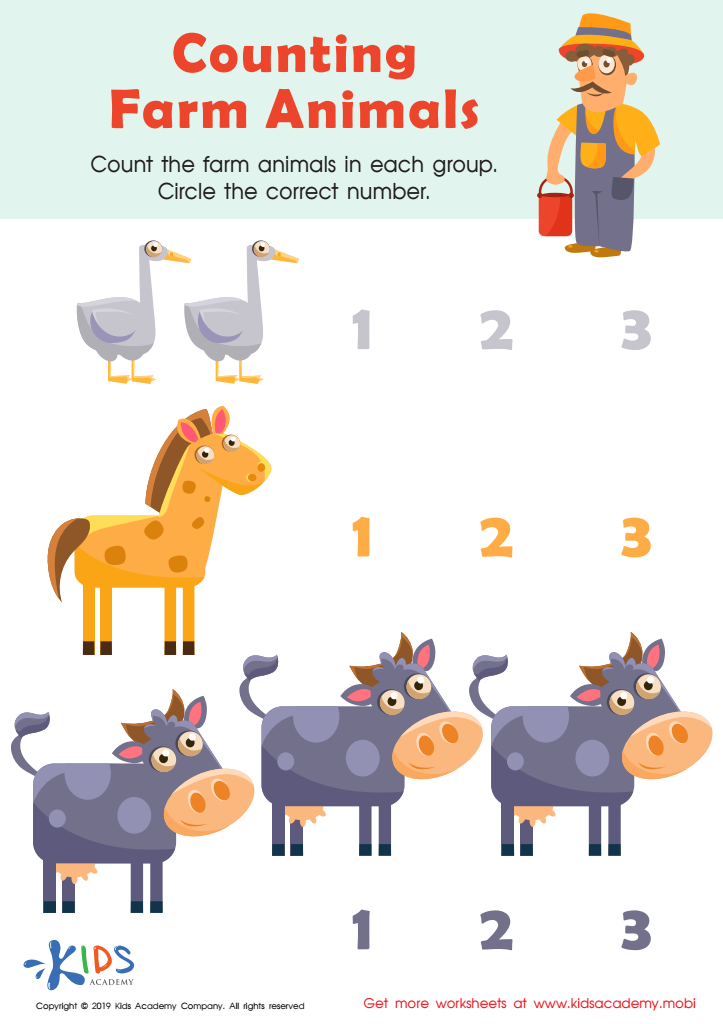
Counting Farm Animals Worksheet






%20(1).jpg)

Animal recognition numbers are an essential learning tool for children aged 3 to 8, serving as a bridge to various educational outcomes. Firstly, these numbers help enhance cognitive development by fostering early math skills like counting, number recognition, and basic arithmetic through engaging animal representations. This makes learning more enjoyable as children connect abstract concepts with familiar animals.
Moreover, integrating animal recognition into education promotes language development. Children learn to name animals, understand their characteristics, and associate them with numbers, broadening their vocabulary and comprehension skills. It also encourages curiosity and exploration, leading to discussions about habitats, behaviors, and conservation.
Additionally, animal recognition numbers can instill empathy and compassion for living creatures early on. When children learn about different animals, they begin to develop an understanding of biodiversity and the importance of protecting wildlife, fostering a sense of responsibility towards the environment.
Ultimately, parents and teachers should value animal recognition numbers as multi-faceted learning tools. They not only facilitate numeric literacy but also promote social, emotional, and environmental awareness. Incorporating these concepts into early education can nurture well-rounded and inquisitive learners who are prepared for more complex subjects in the future.








