Number Recognition Numbers Worksheets for Ages 3-8 - Page 10
229 filtered results
-
From - To
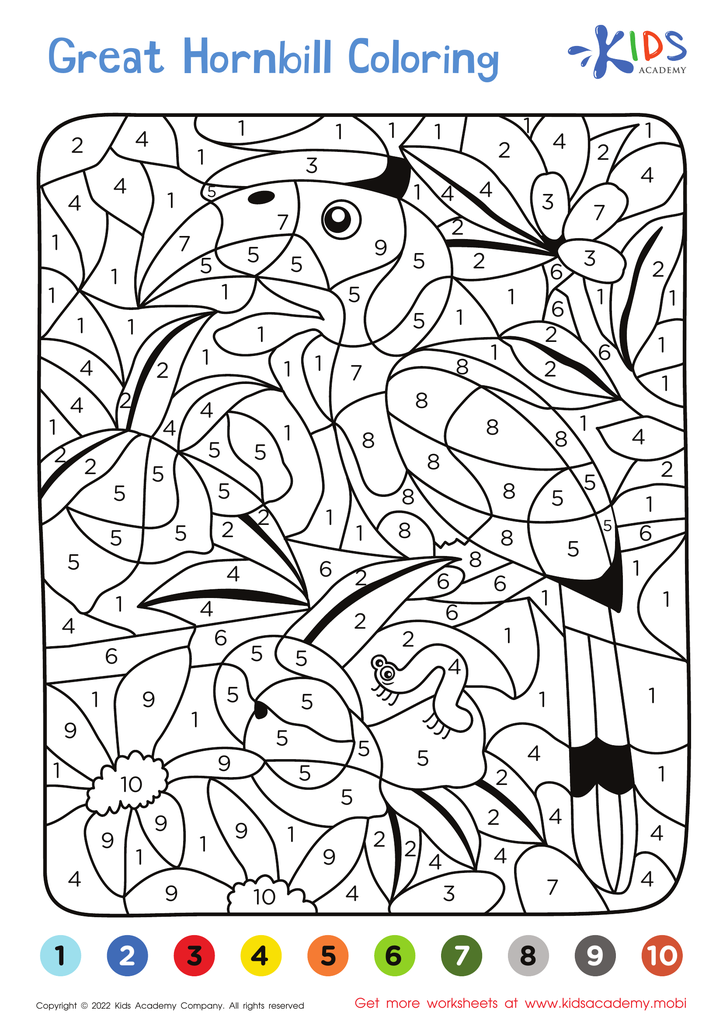
Great Hornbill – Coloring by Numbers
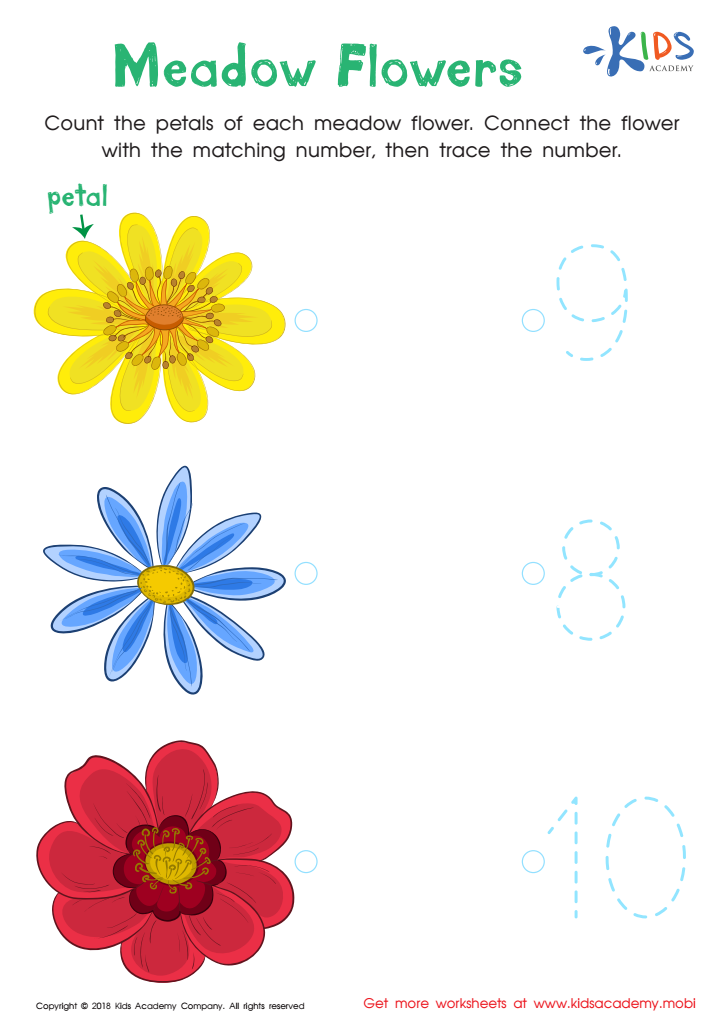
Kindergarten Number Tracing: Medow Flowers Worksheet
 Assign to My Students
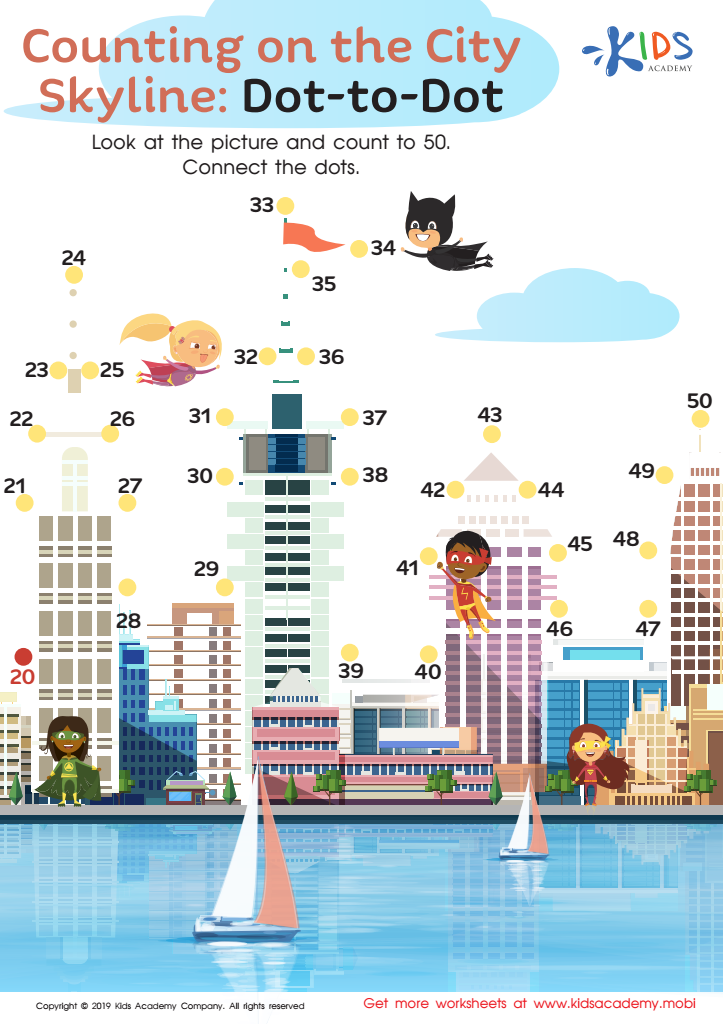
Counting on the City Skyline: Dot-to-Dot Worksheet
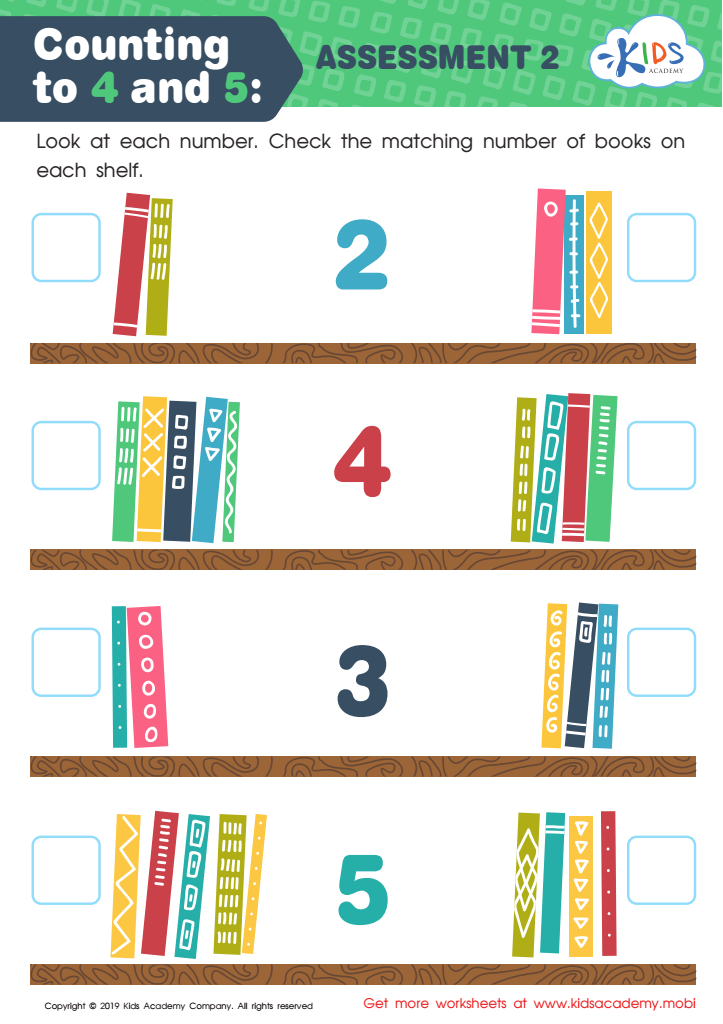
Counting to 4 and 5: Assessment 2 Worksheet
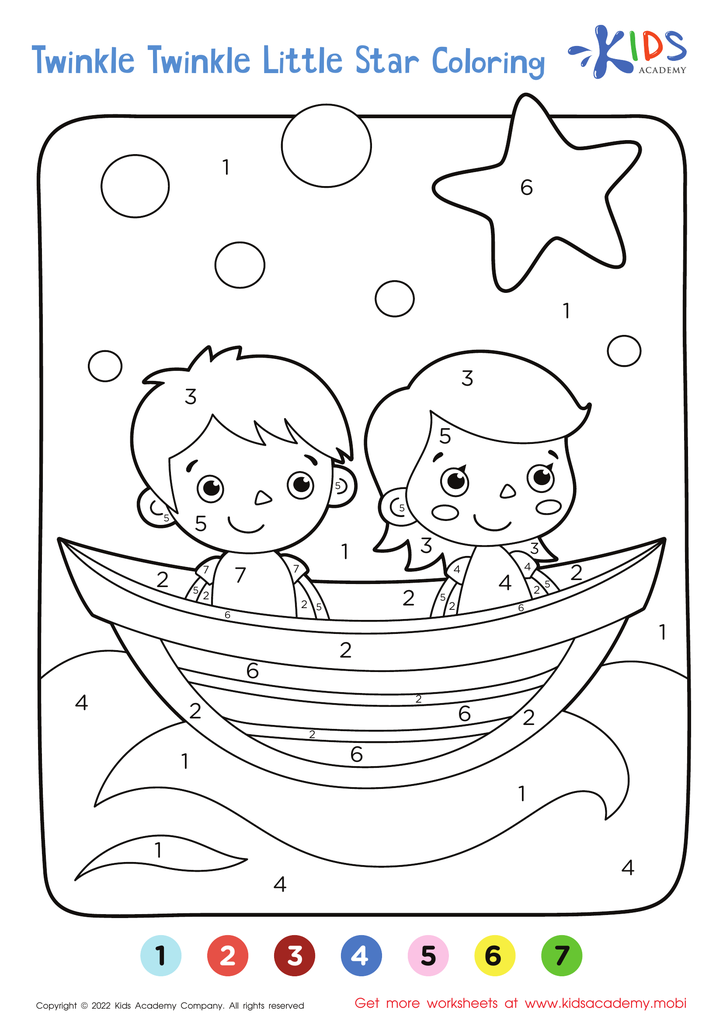
Twinkle, Twinkle, Little Star – Coloring by Numbers
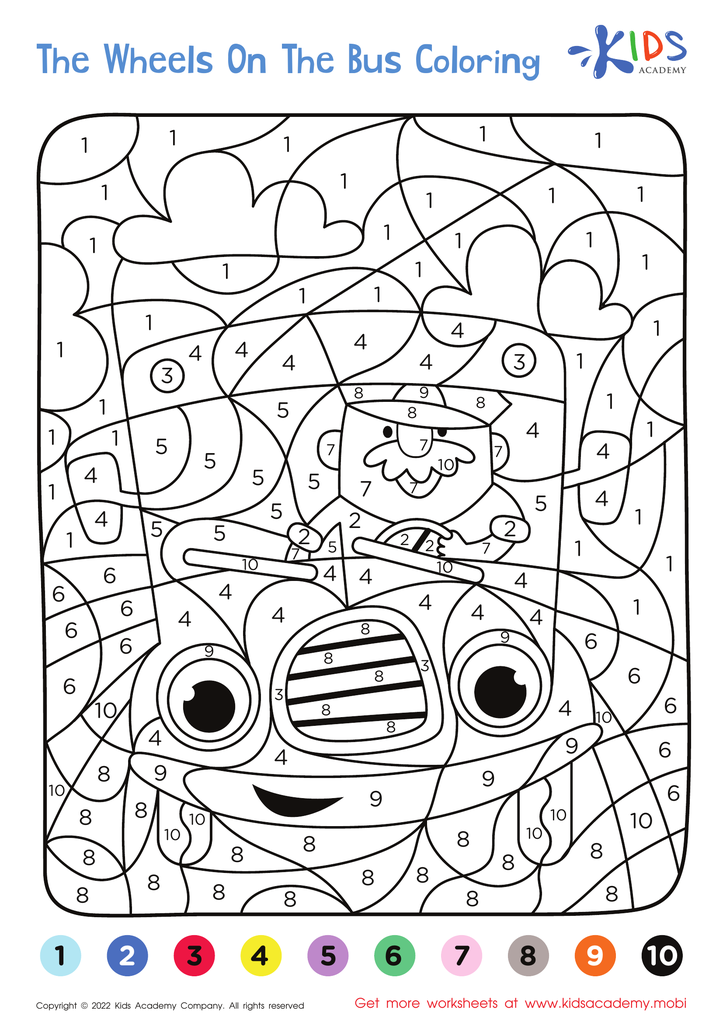
Wheels on the Bus – Coloring by Numbers
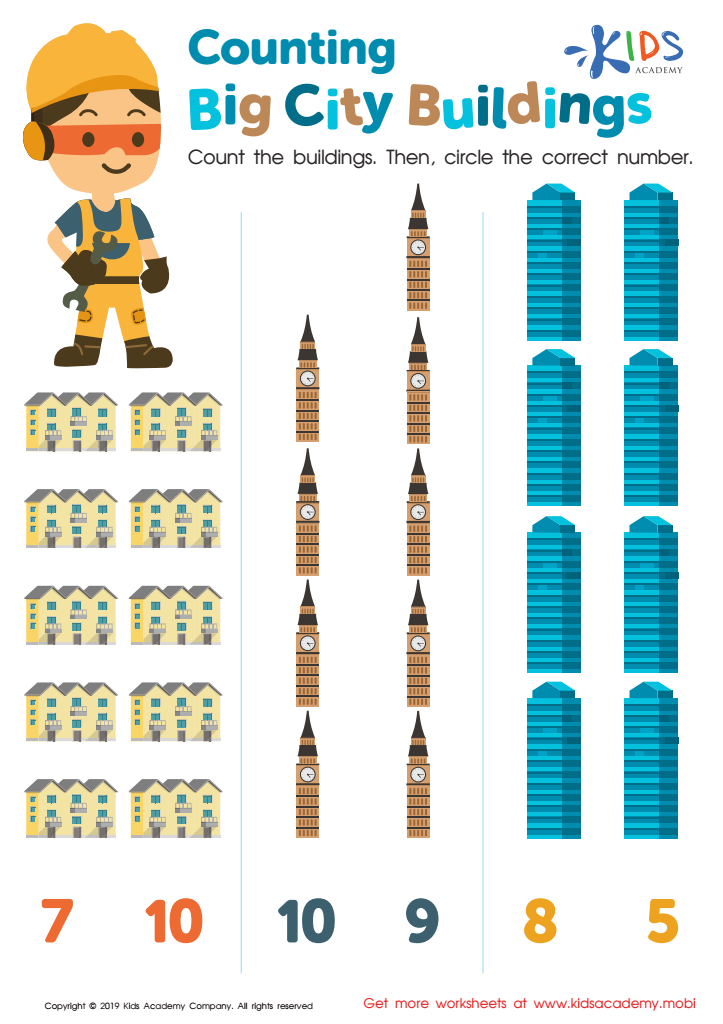
Counting Big City Buildings Worksheet
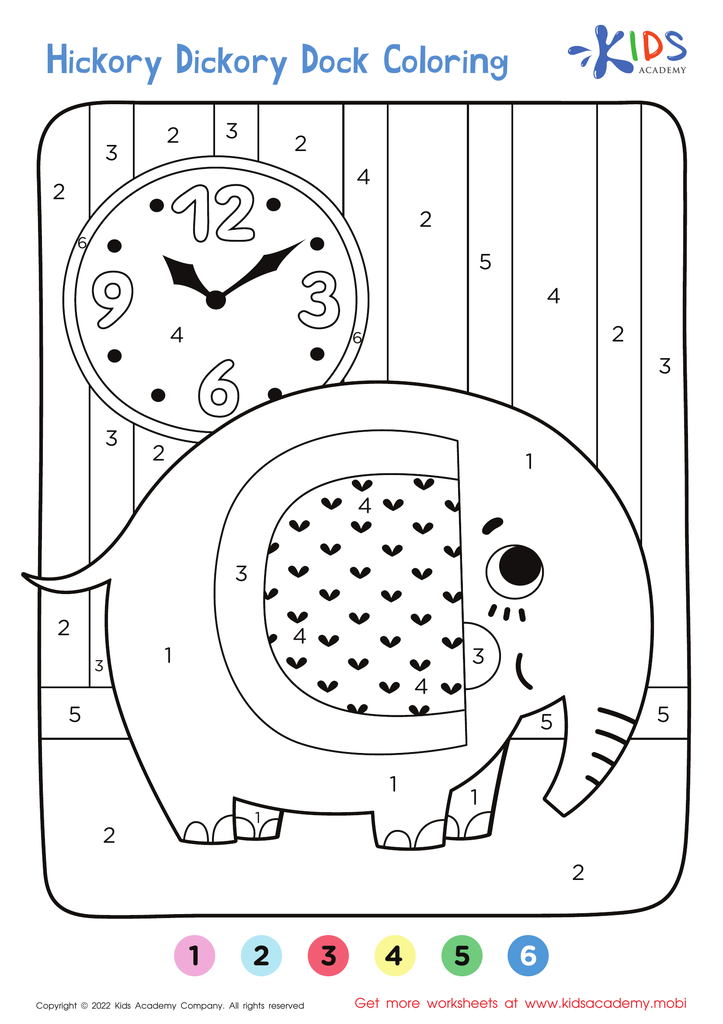
Hickory Dickory Dock – Coloring by Numbers
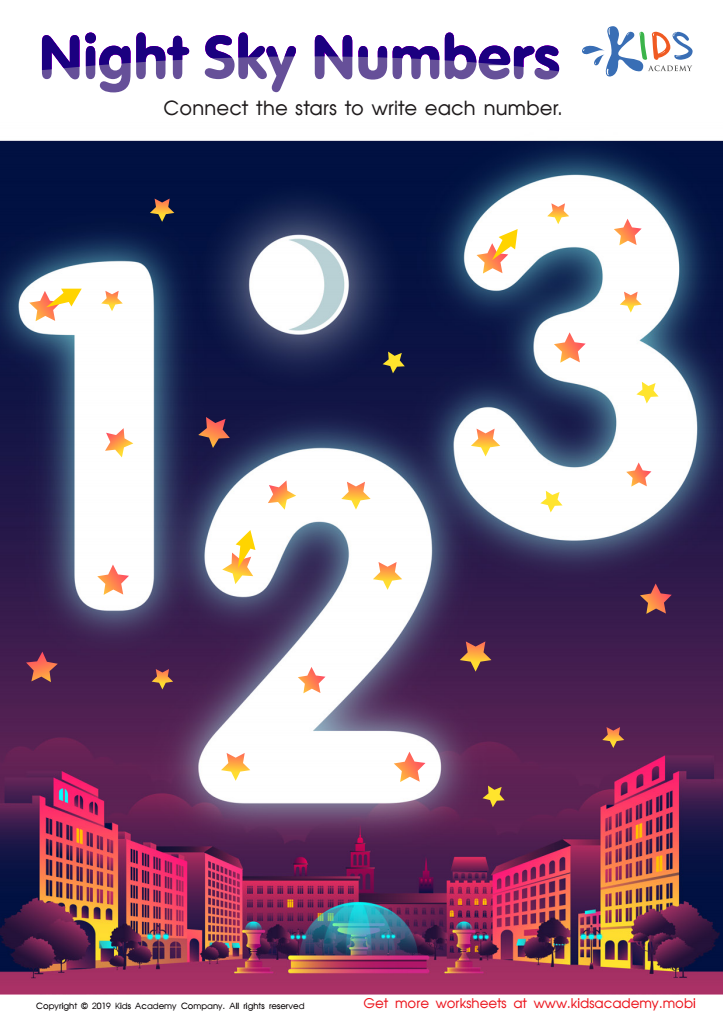
Night Sky Numbers Worksheet
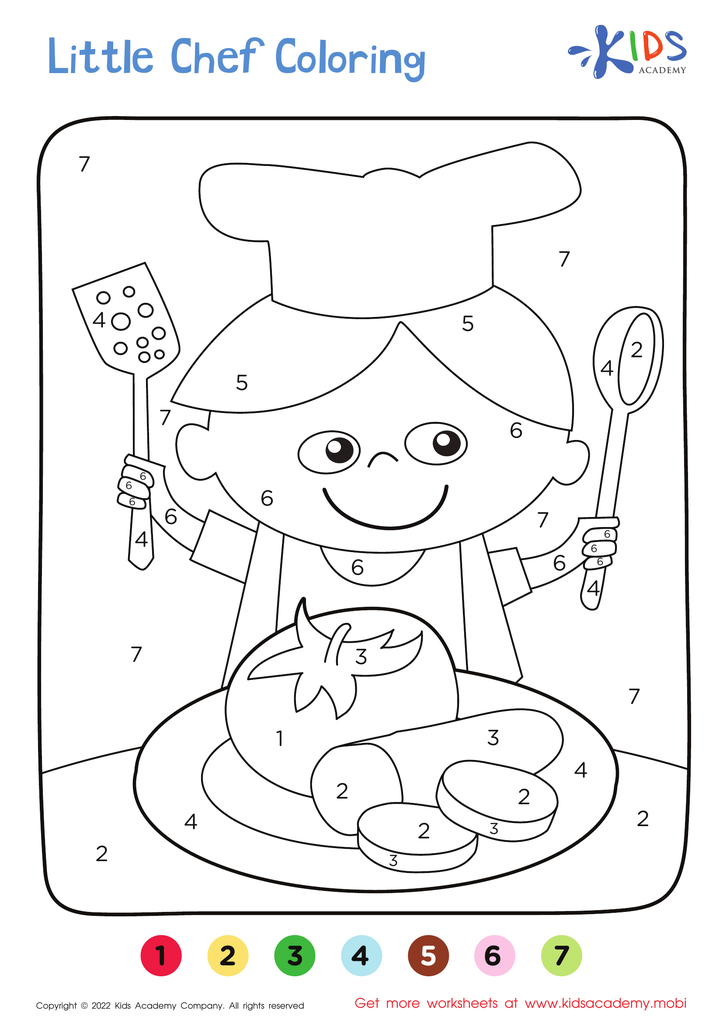
Little Chef – Coloring by Numbers
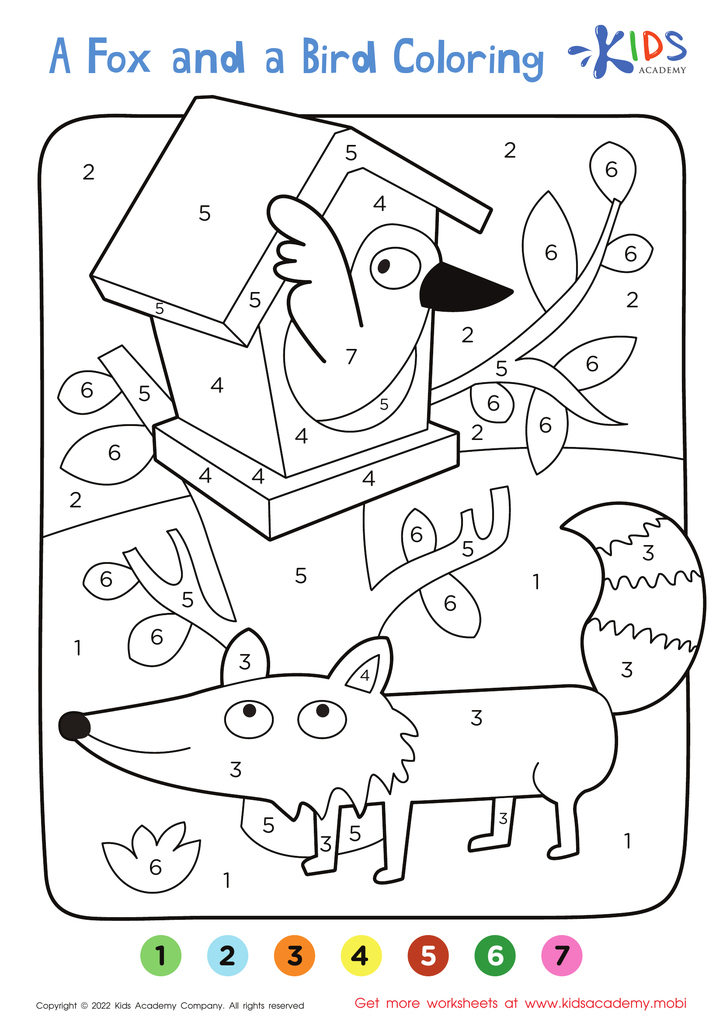
A Fox and a Bird – Coloring by Numbers
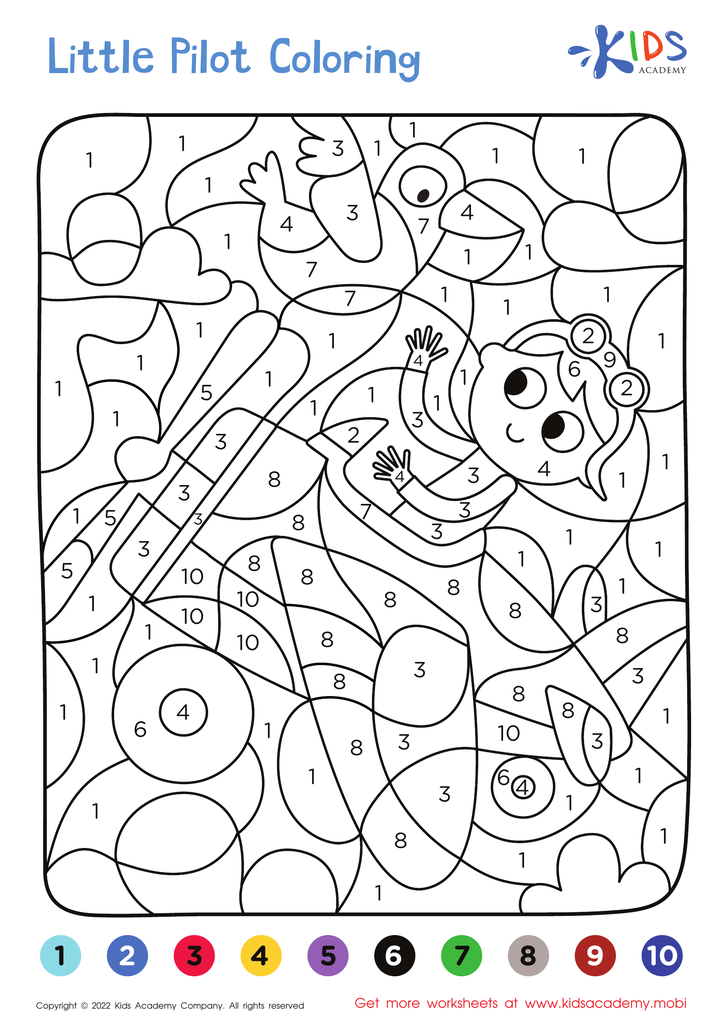
Little Pilot – Coloring by Numbers
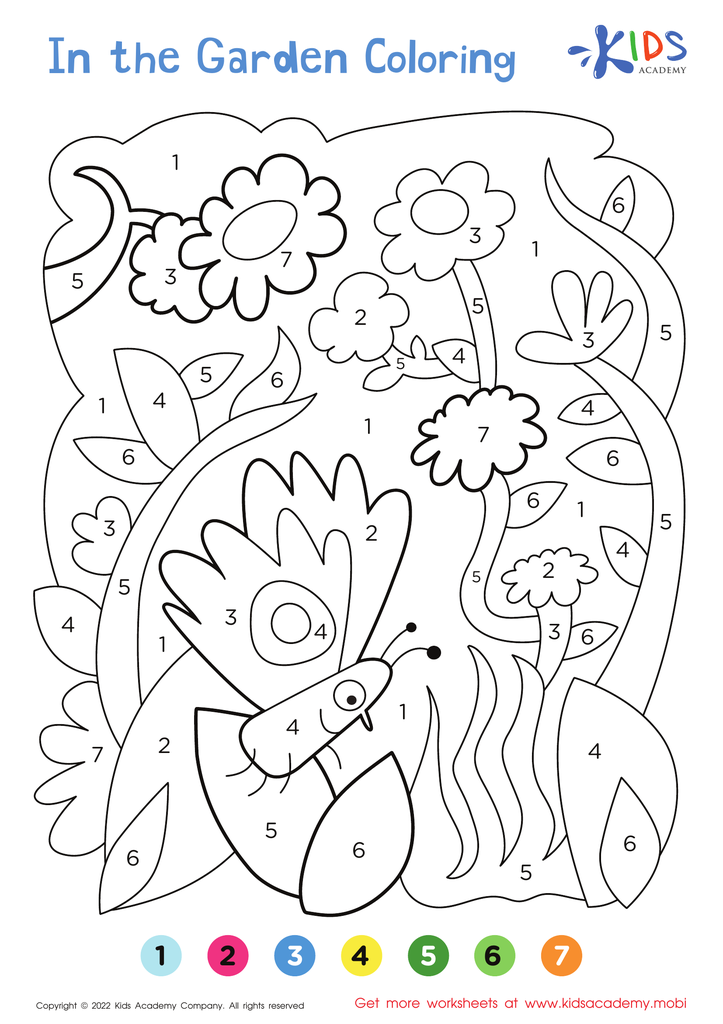
In the Garden – Coloring by Numbers







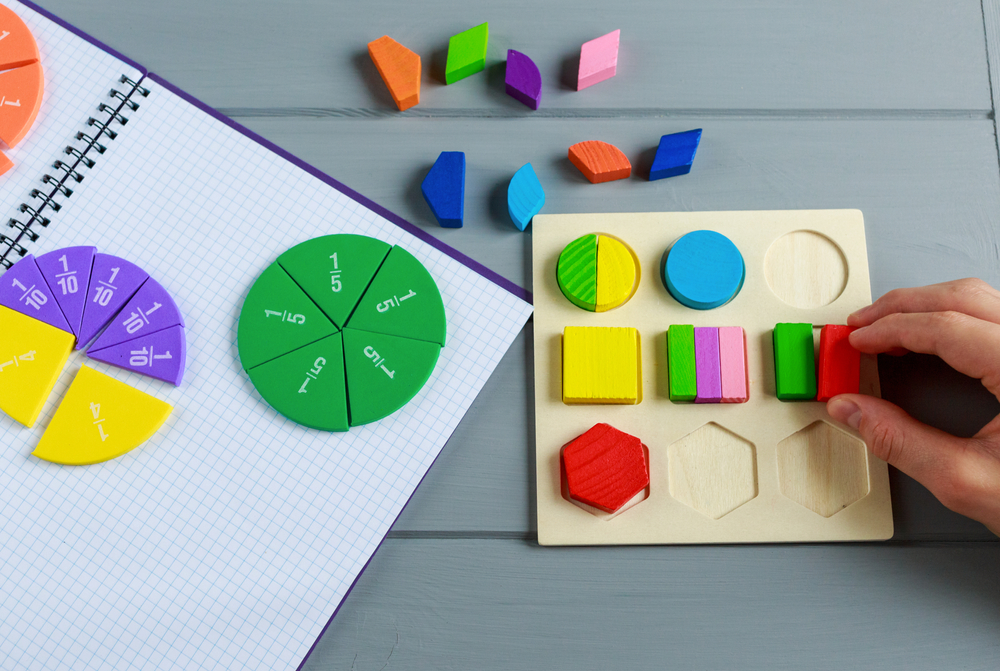
Number recognition for children aged 3-8 is crucial for early mathematical development, forming the foundation for all future arithmetic and problem-solving skills. For parents and teachers, fostering this competence is essential as it aids in the development of a child's cognitive skills, specifically in pattern recognition, memory, and logical thinking.
Understanding numbers helps children relate to the concept of quantities, enabling them to comprehend basic operations like addition and subtraction as they mature. Recognizing numbers also allows them to engage in everyday activities, such as counting objects, understanding time, and eventually grasping monetary value, thus fostering independence.
Moreover, early number recognition contributes significantly to a child's confidence and academic enthusiasm. As young learners find themselves capable of mastering numbers, their self-esteem naturally boosts, encouraging a positive attitude towards learning in general.
Collaboration between parents and teachers reinforces a supportive learning environment both at home and school. Hands-on activities such as counting games, number-based puzzles, and practical experiences like touching objects relative to their numbers, make learning interactive and enjoyable, optimizing the child's engagement and retention.
Overall, paying attention to number recognition in early childhood prepares children for more complex mathematical concepts, nurturing a well-rounded cognitive development critical for their long-term educational success.








