Categorization skills Math Worksheets for Ages 3-8
22 filtered results
-
From - To
Enhance your child's foundational math abilities with our "Categorization Skills Math Worksheets" designed for ages 3-8. These interactive and engaging worksheets, available at Kids Academy, aim to develop essential categorization skills crucial for early learning. Each activity emphasizes sorting, grouping, and organizing objects by various attributes such as shape, size, and color, nurturing critical thinking abilities. Perfect for preschool to early elementary students, these printable resources make learning fun and accessible, providing young learners with a strong start in mathematical reasoning and problem-solving. Download now to aid your child in mastering categorization today!
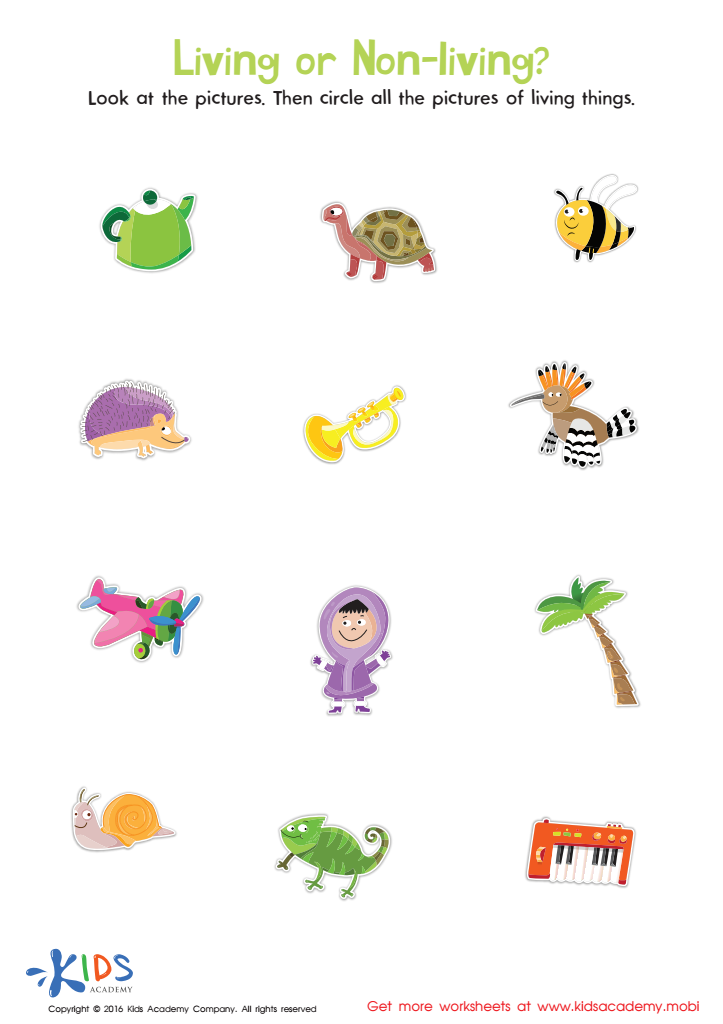
Identifying Living and Non–living Things Sorting Worksheet
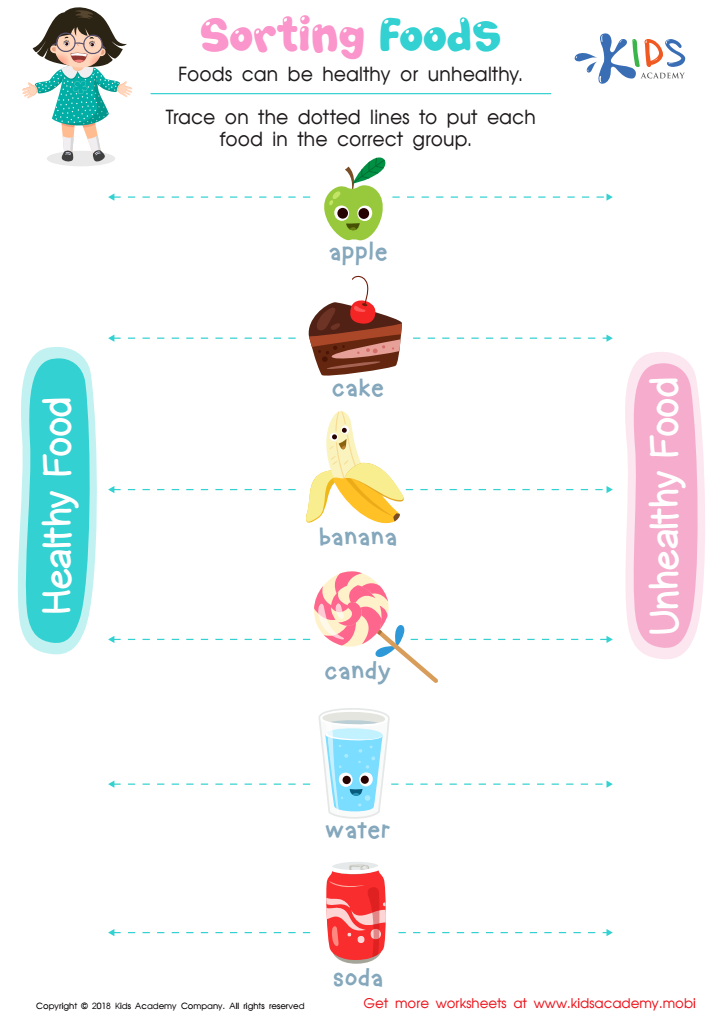
Sorting Food Worksheet
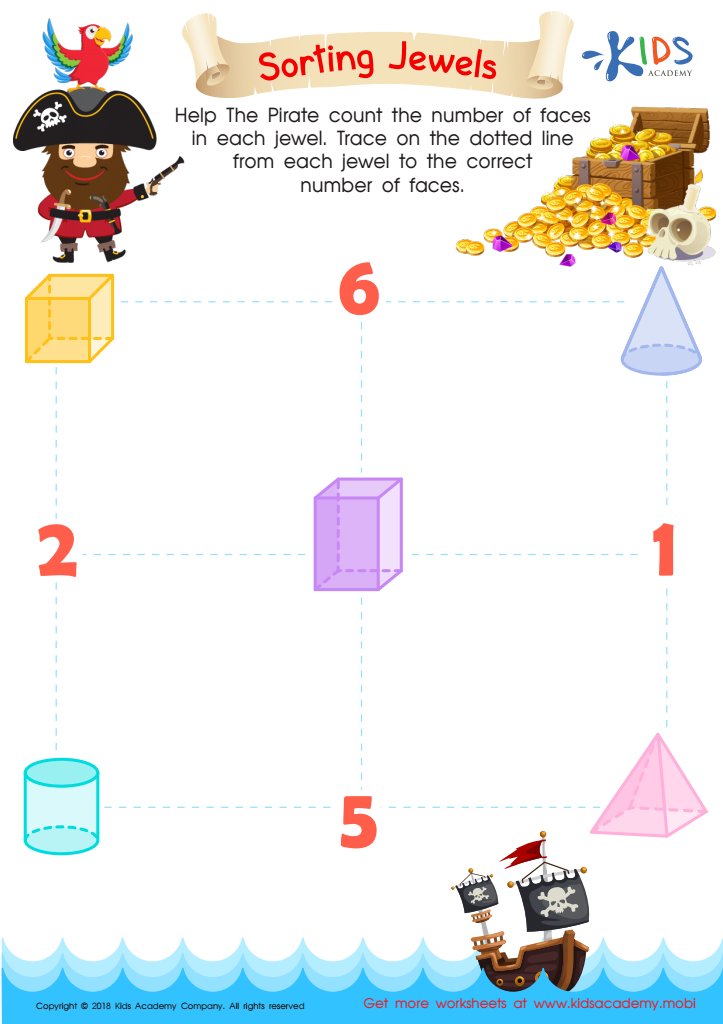
Sorting Jewels Worksheet
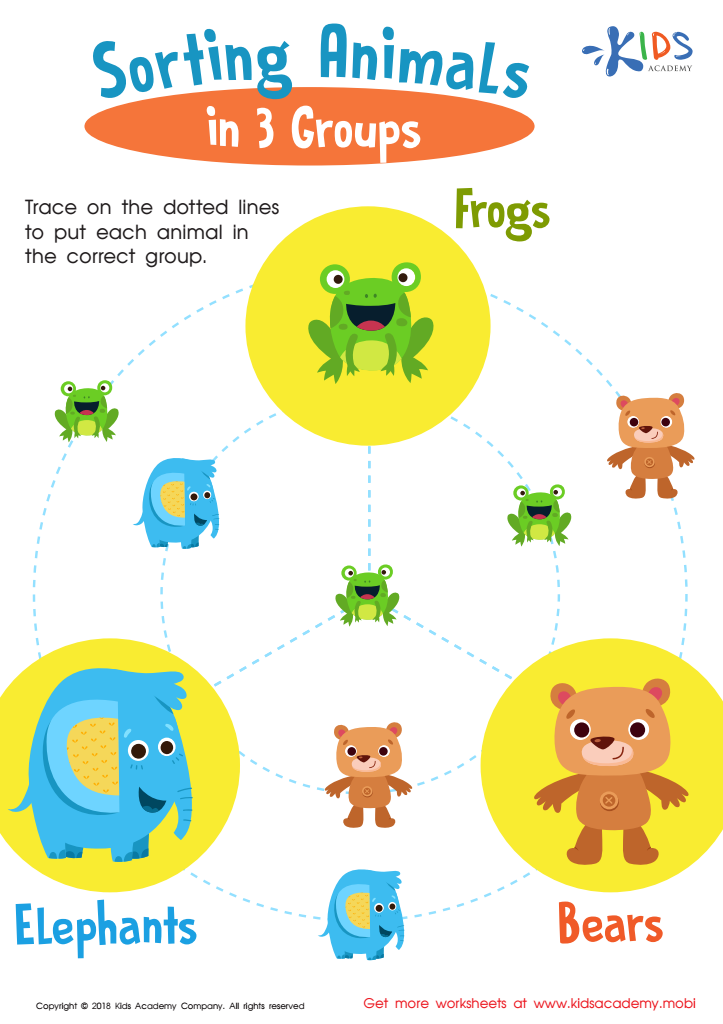
Sorting Animals in 3 Groups Worksheet
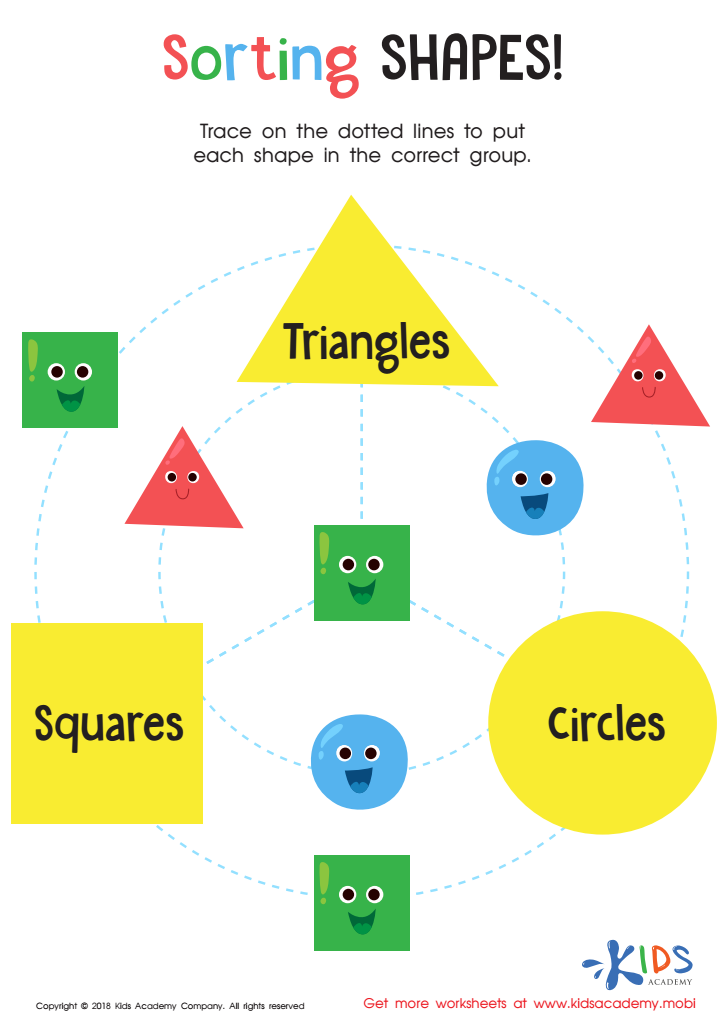
Sorting Shapes - Part 3 Worksheet
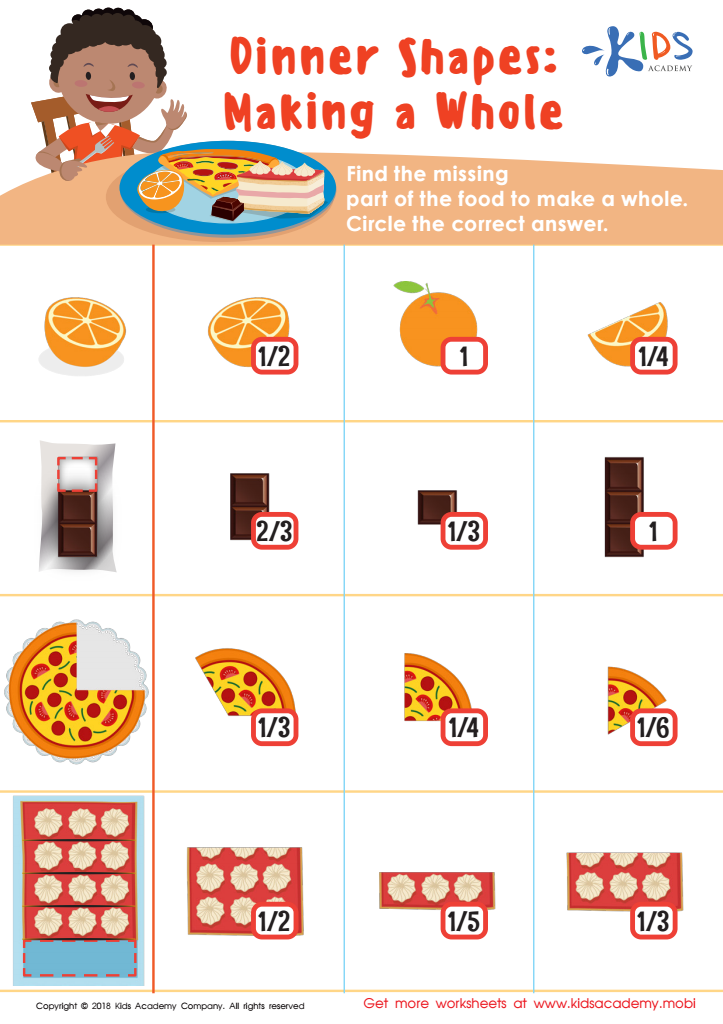
Dinner Shapes: Making a Whole Worksheet
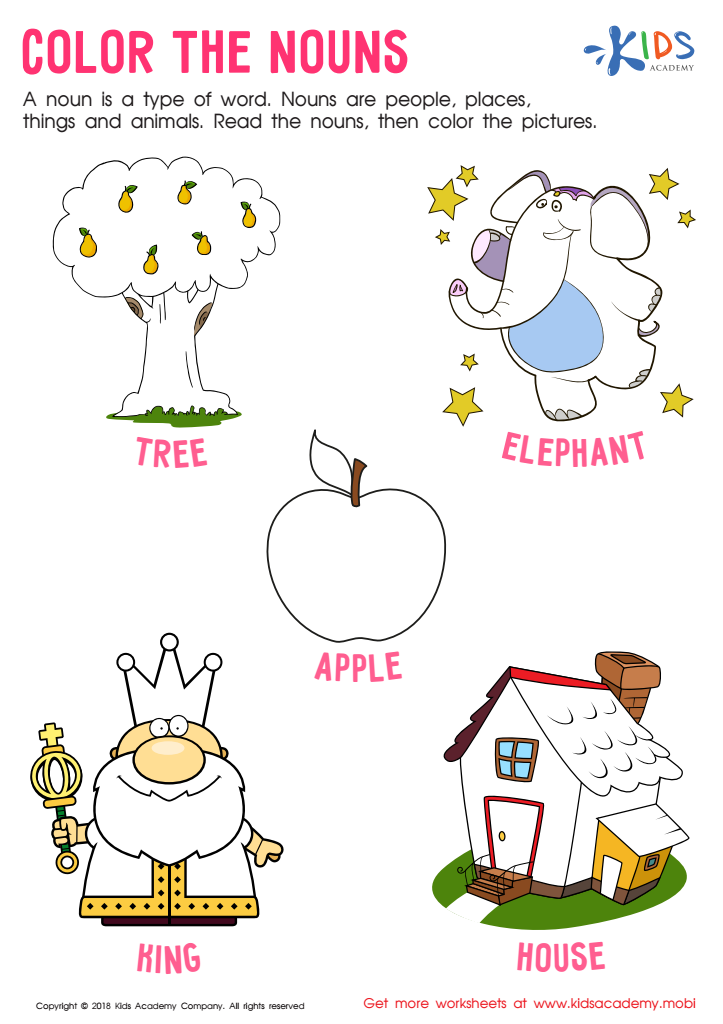
Color the Nouns Worksheet
 Assign to My Students
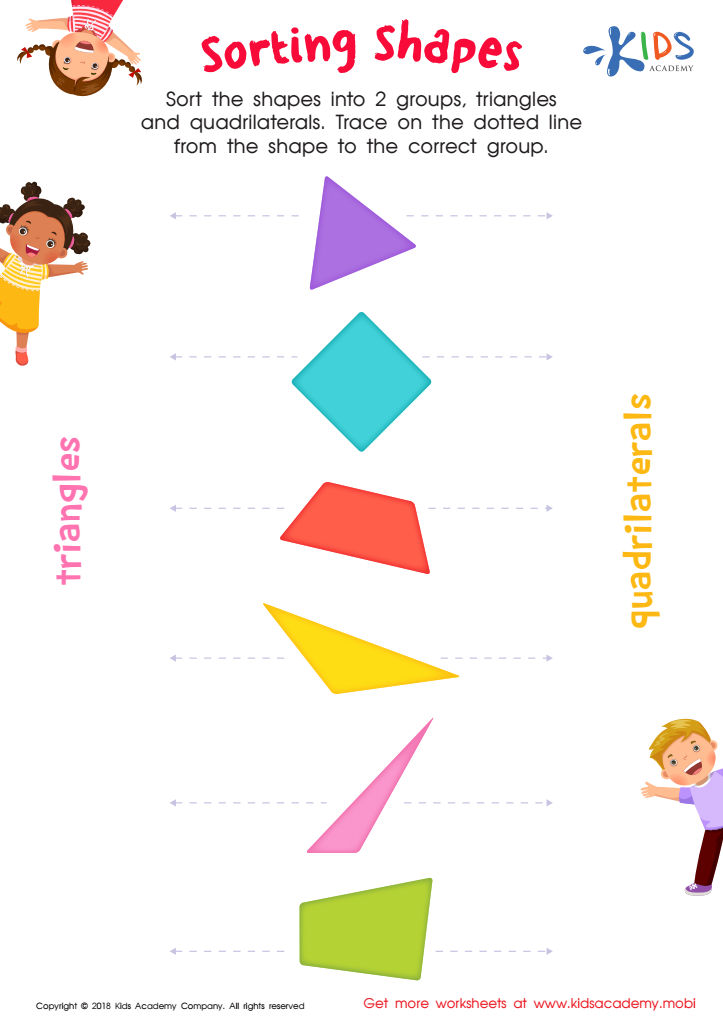
Sorting Shapes Worksheet
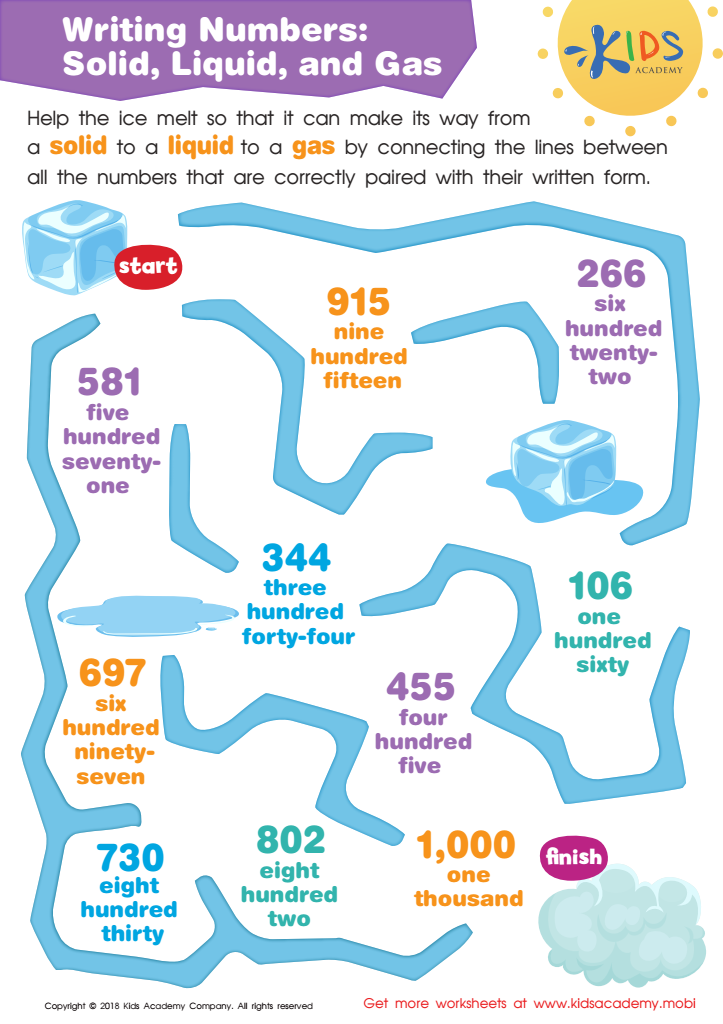
Solid, Liquid, and Gas Writing Numbers Worksheet
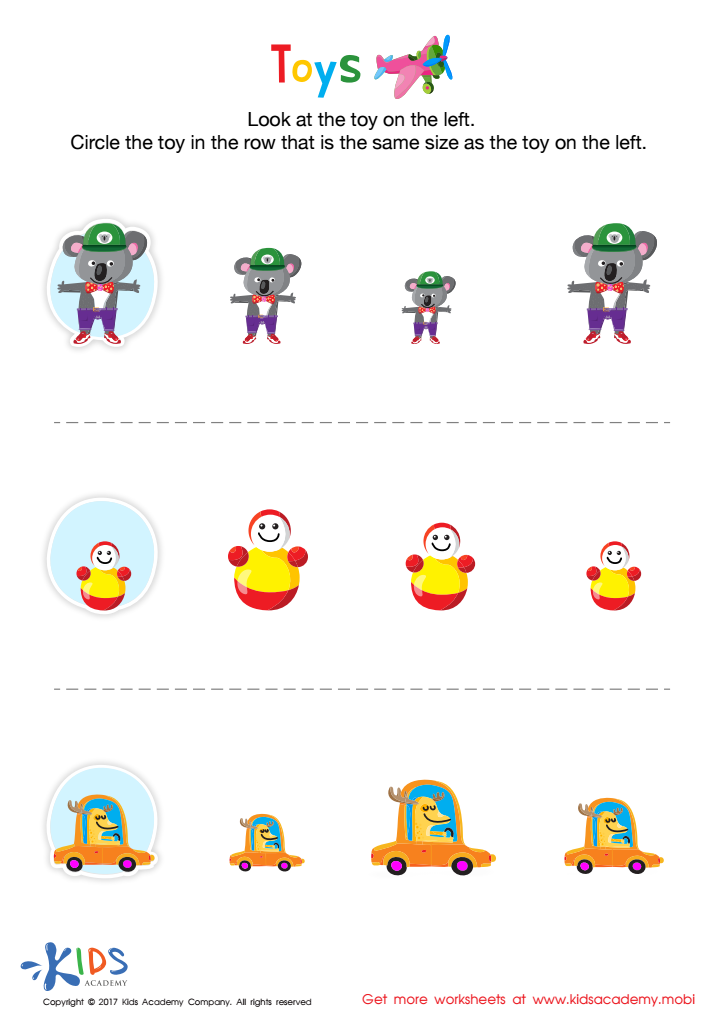
Matching: Classifying Toys by Size Worksheet
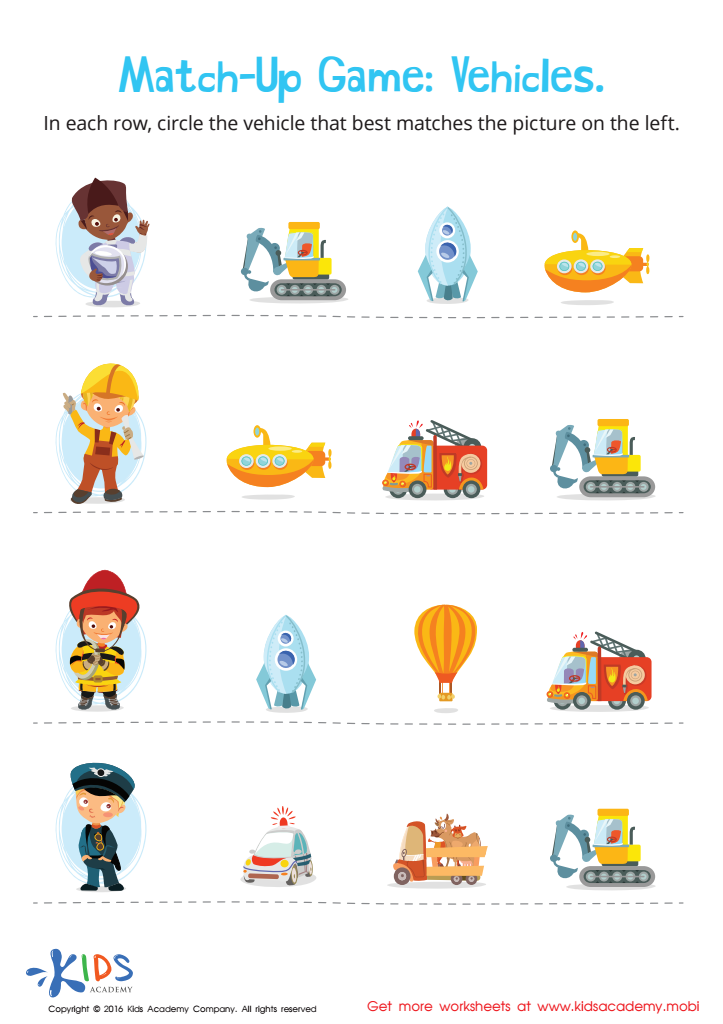
Vehicles Worksheet
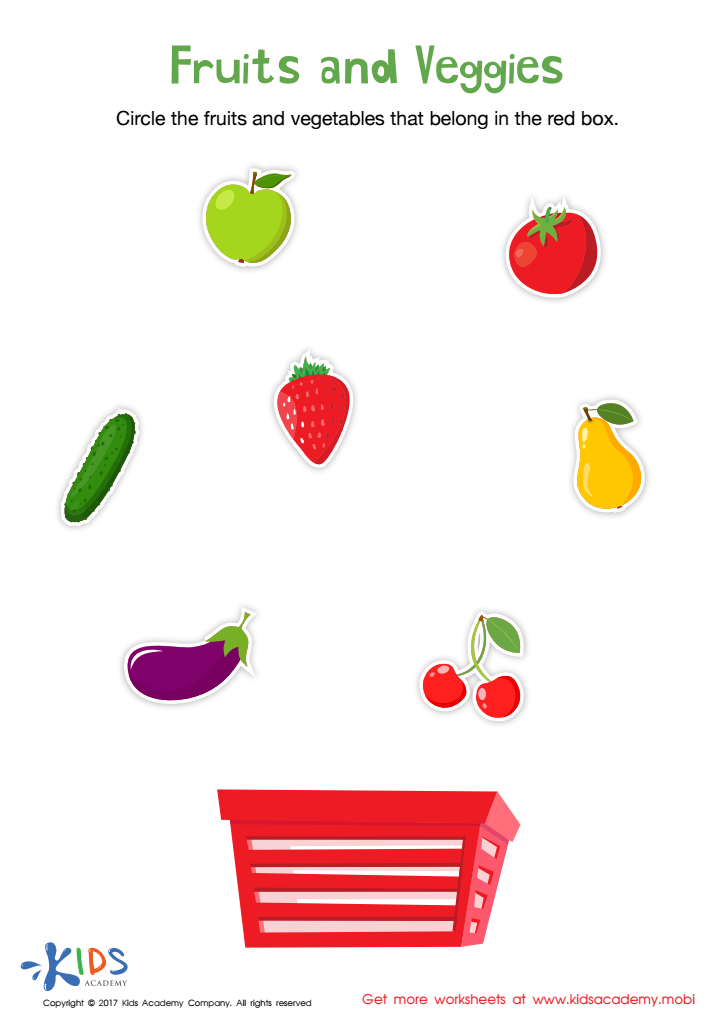
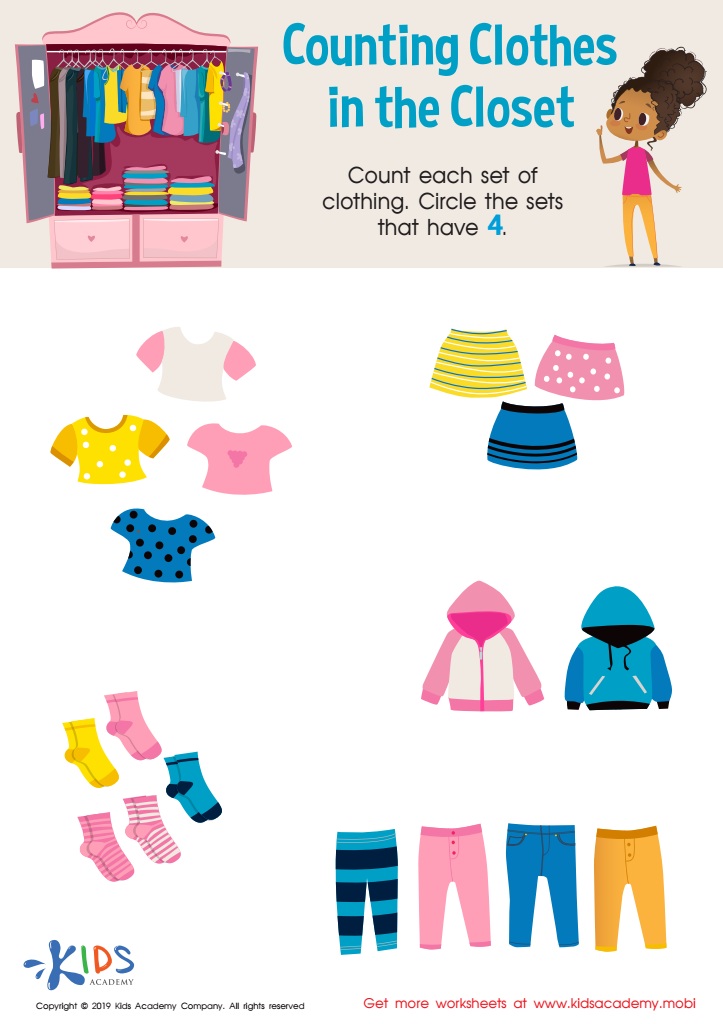
Counting Clothes Worksheet
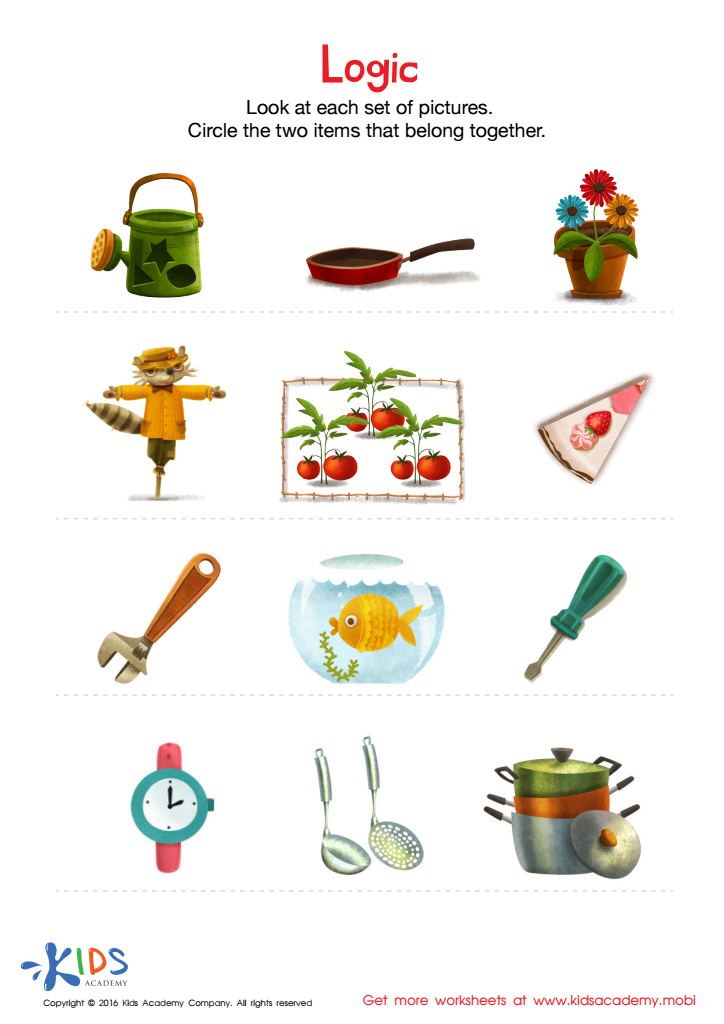
Logic Game Sorting Worksheet
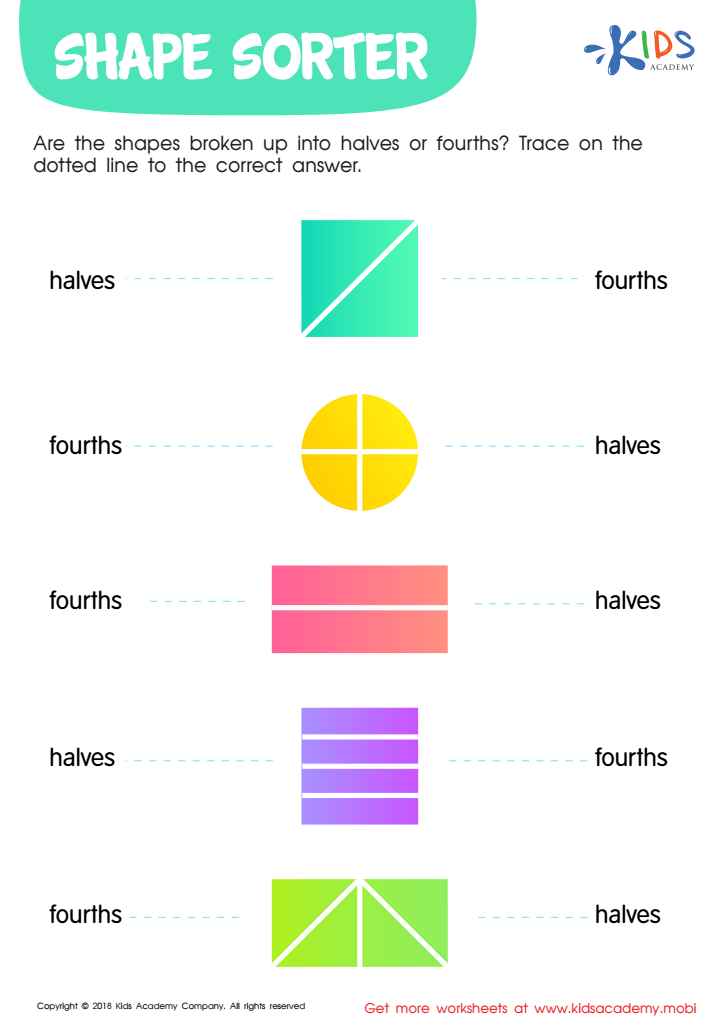
Shape Sorter Worksheet
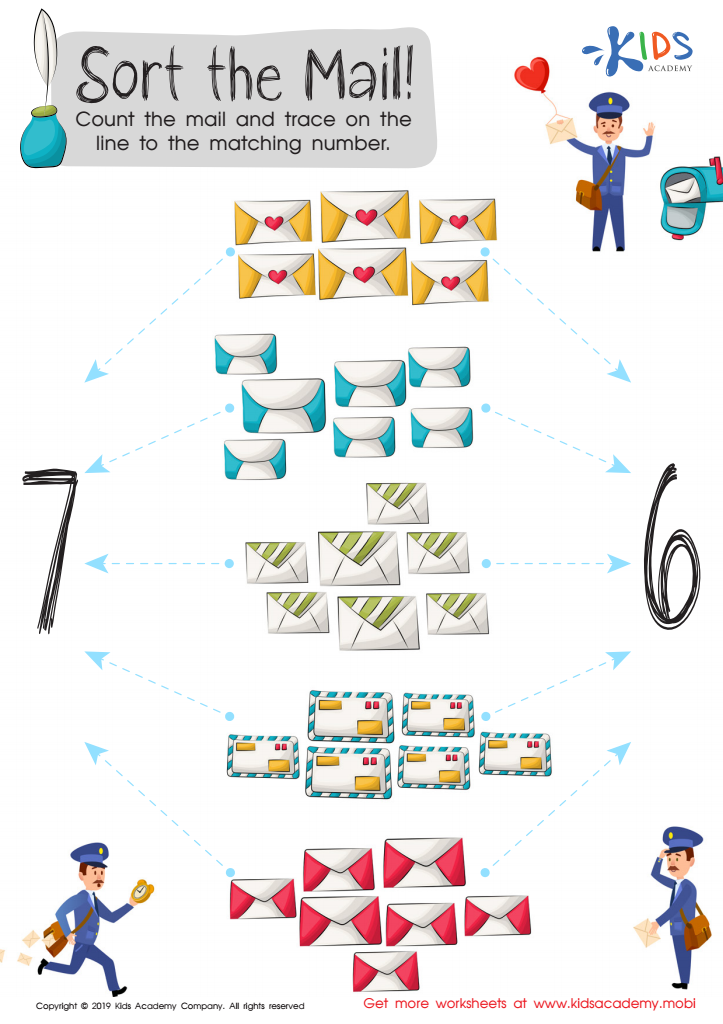
Sort the Mail Worksheet
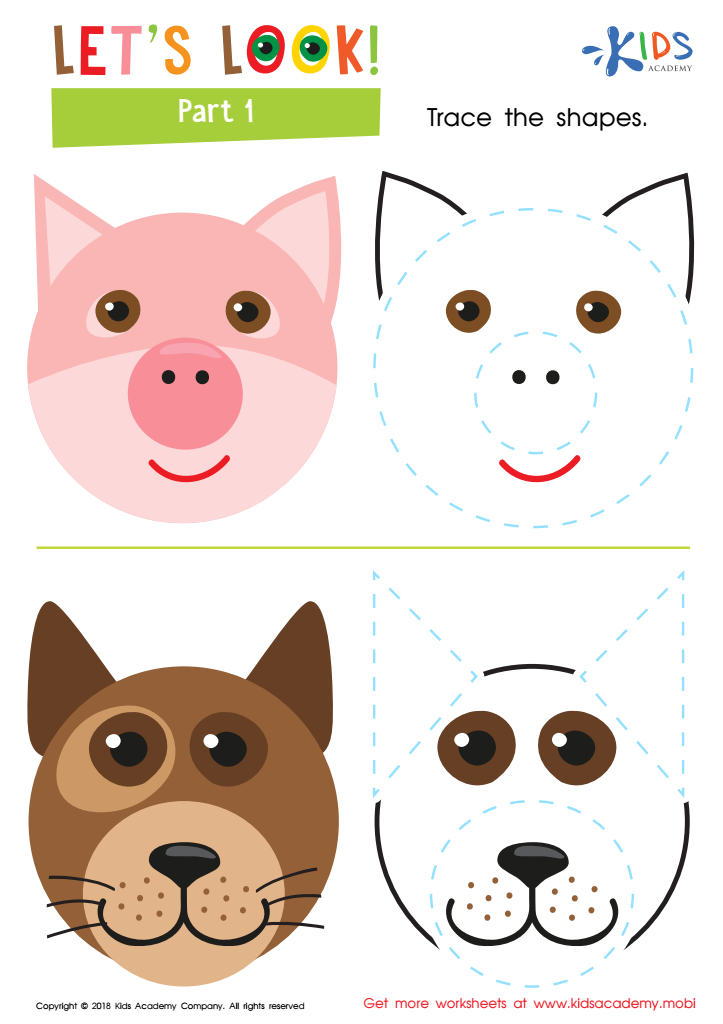
Let's Look! Part 1 Worksheet
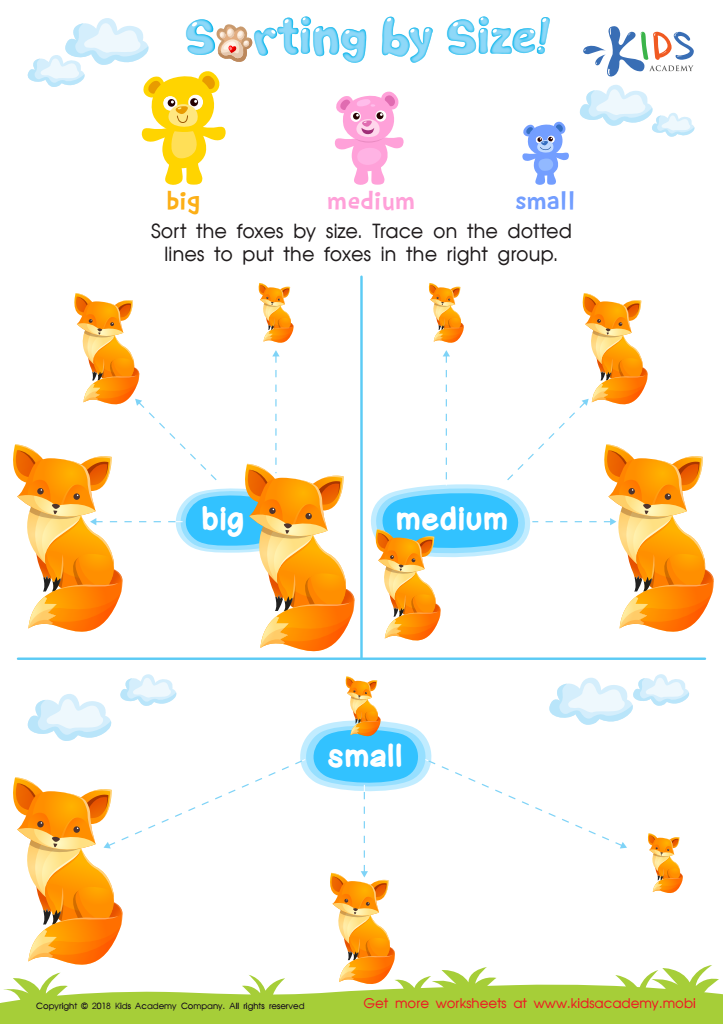
Sorting by Size Worksheet
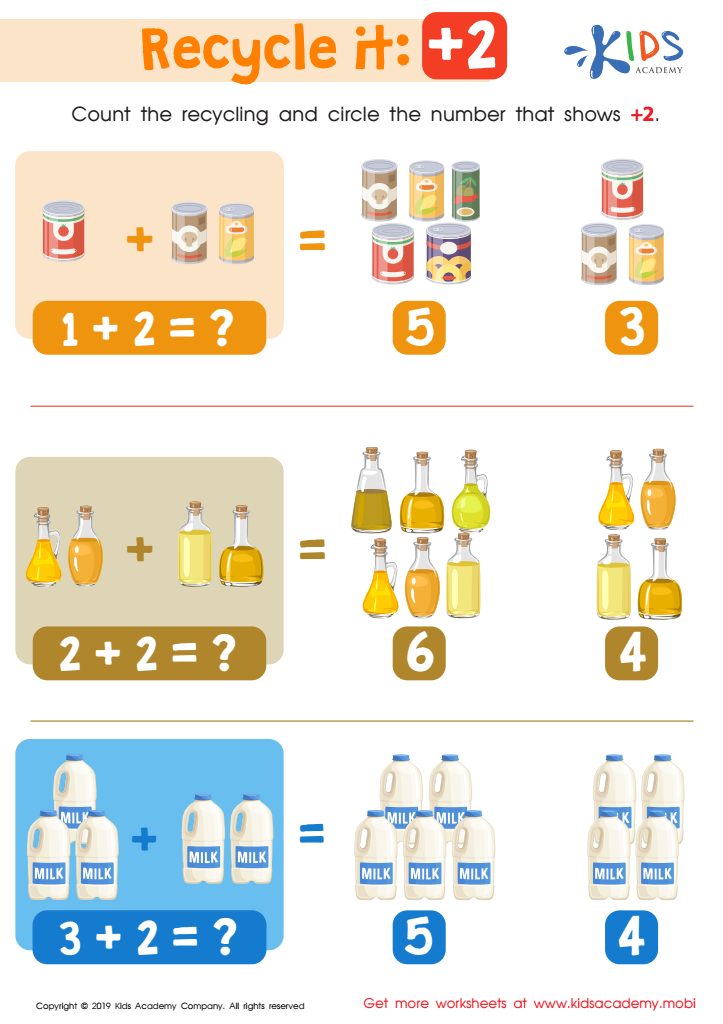
Recycle It: +2 Worksheet
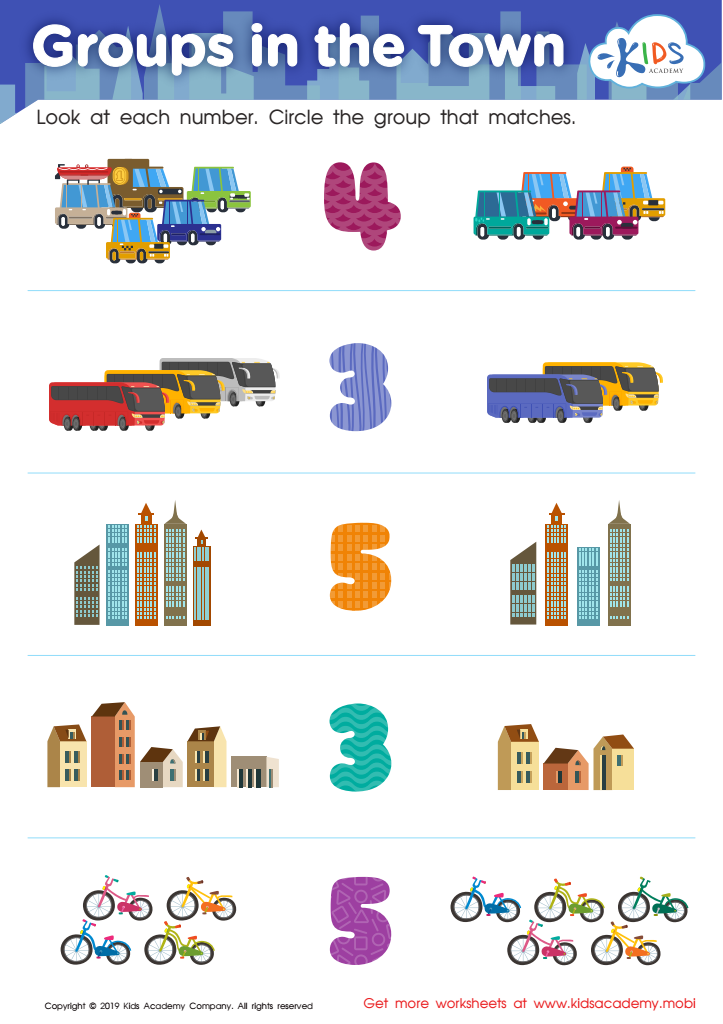
Groups in the Town Worksheet








Categorization skills are essential for young children, ages 3-8, as they form the foundation for more advanced mathematical thinking and everyday problem-solving. Understanding categorization helps children grasp that objects can be grouped based on shared attributes such as size, shape, color, or function. Developing these skills at an early age aids in the comprehension of basic mathematical concepts like sorting, classifying, and organizing information.
For example, when a child sorts blocks by color or groups toys by type, they are not just playing—they are practicing critical thinking and laying the groundwork for recognizing patterns. This recognition is crucial for more complex concepts, such as identifying relationships between numbers, understanding sequences, and making sense of data.
Furthermore, categorization enhances cognitive abilities like attention to detail, memory, and the ability to make connections between different pieces of information. These skills are vital for academic success across all subjects, not just math.
For parents and teachers, fostering categorization skills through activities such as grouping objects, playing matching games, or discussing similarities and differences will provide children with a robust platform for future learning. Engaging in these activities together also supports language development and social interaction, making math a fun and integrated part of their everyday experiences.








