Color Identification Math Worksheets for Ages 3-8 - Page 2
46 filtered results
-
From - To
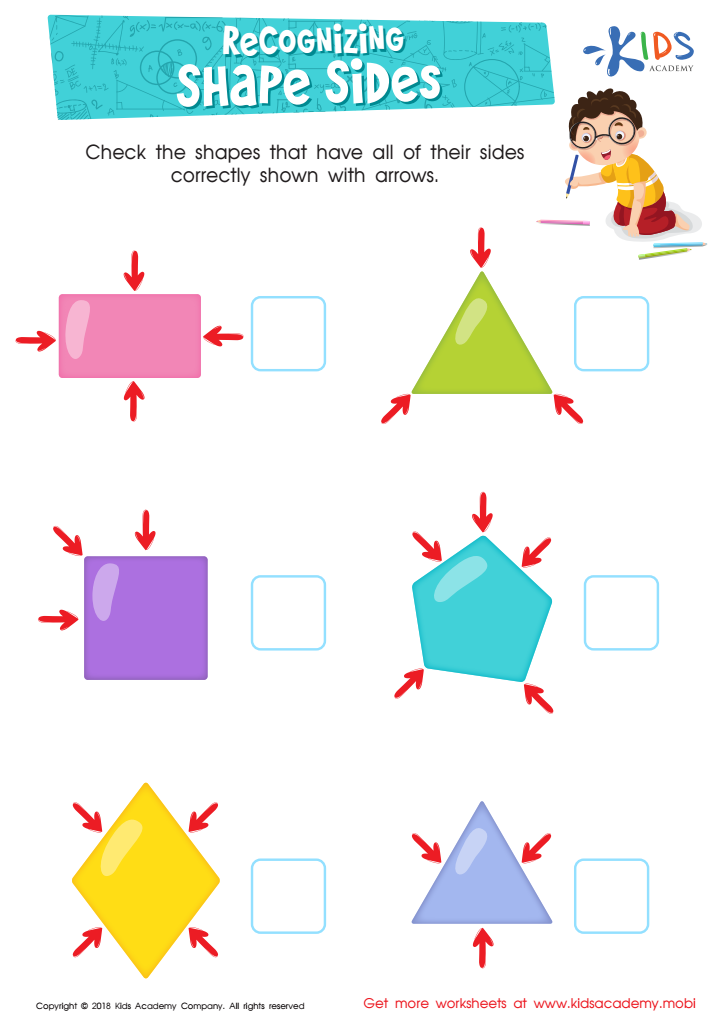
Recognizing Shape Sides Worksheet
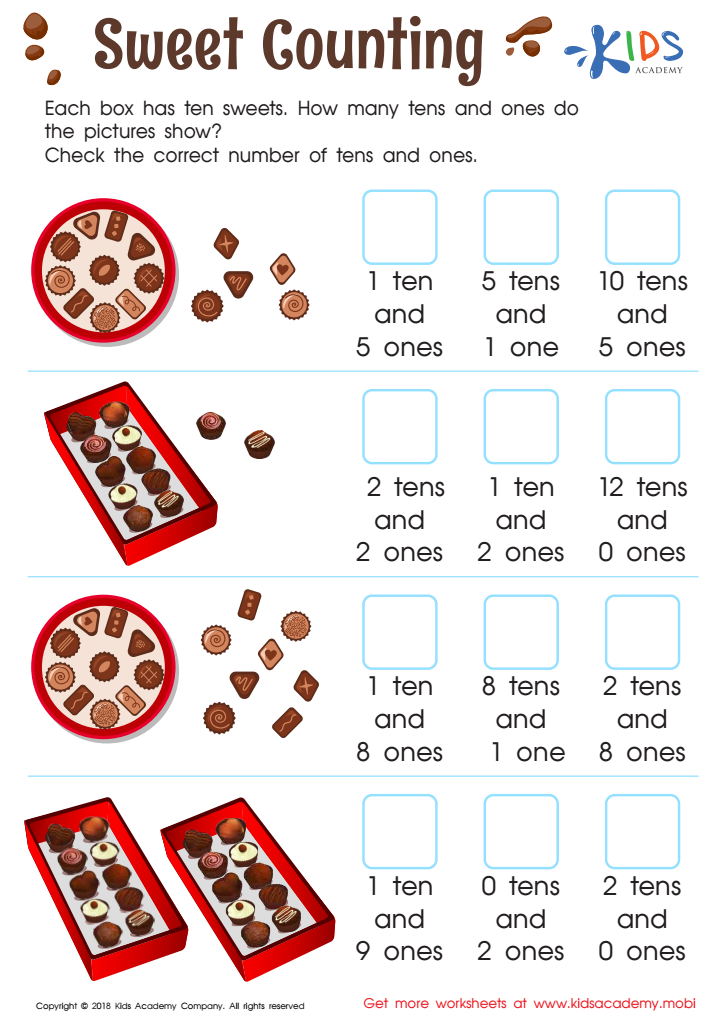
Sweet Counting - Part 2 Worksheet
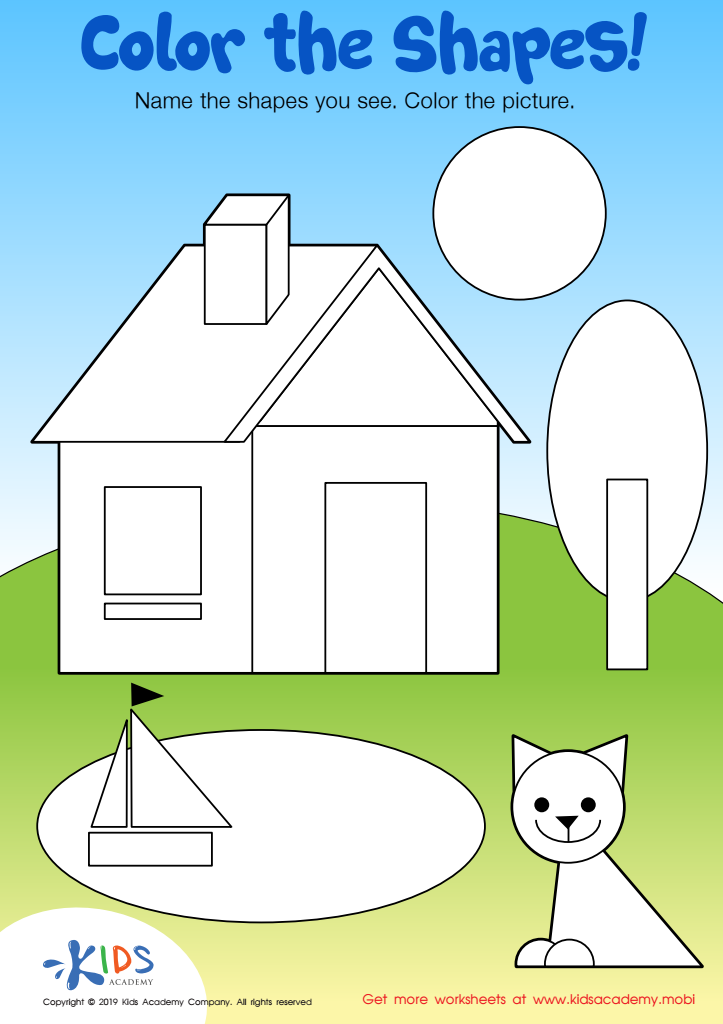
Color the Shapes Worksheet
 Assign to My Students
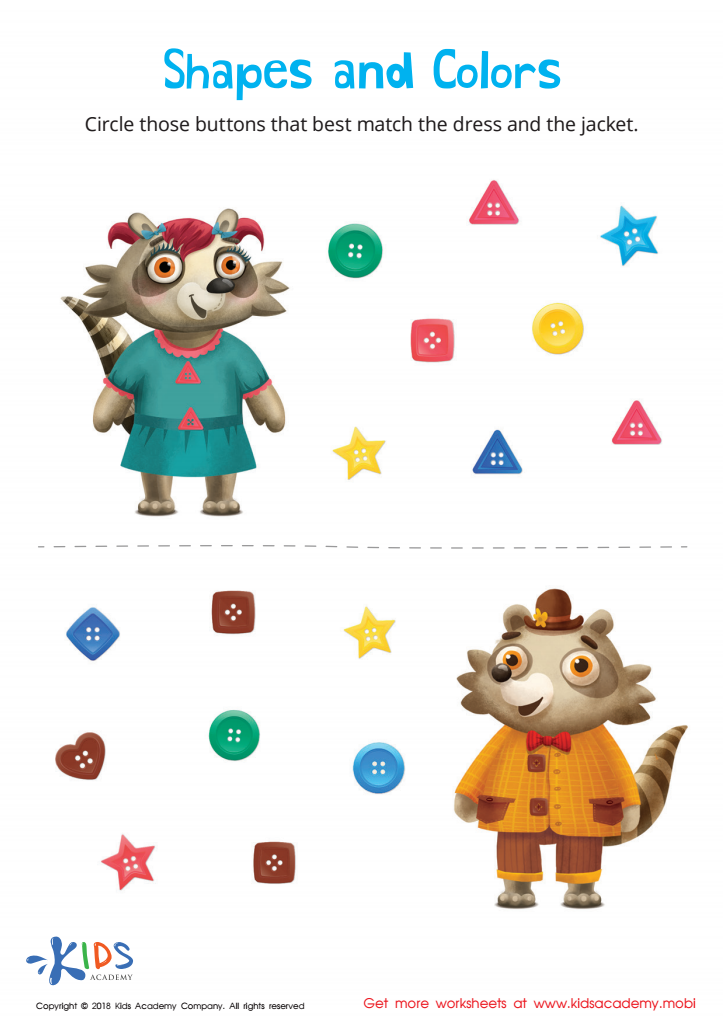
Shapes and Colors Worksheet
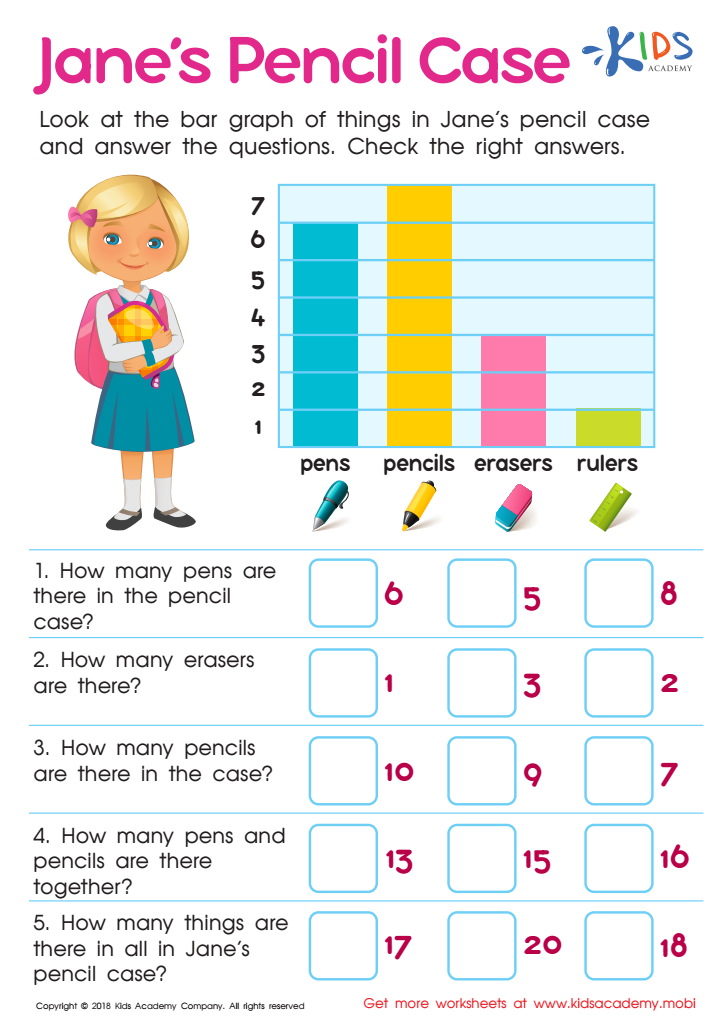
Jane's Pencil Case Worksheet
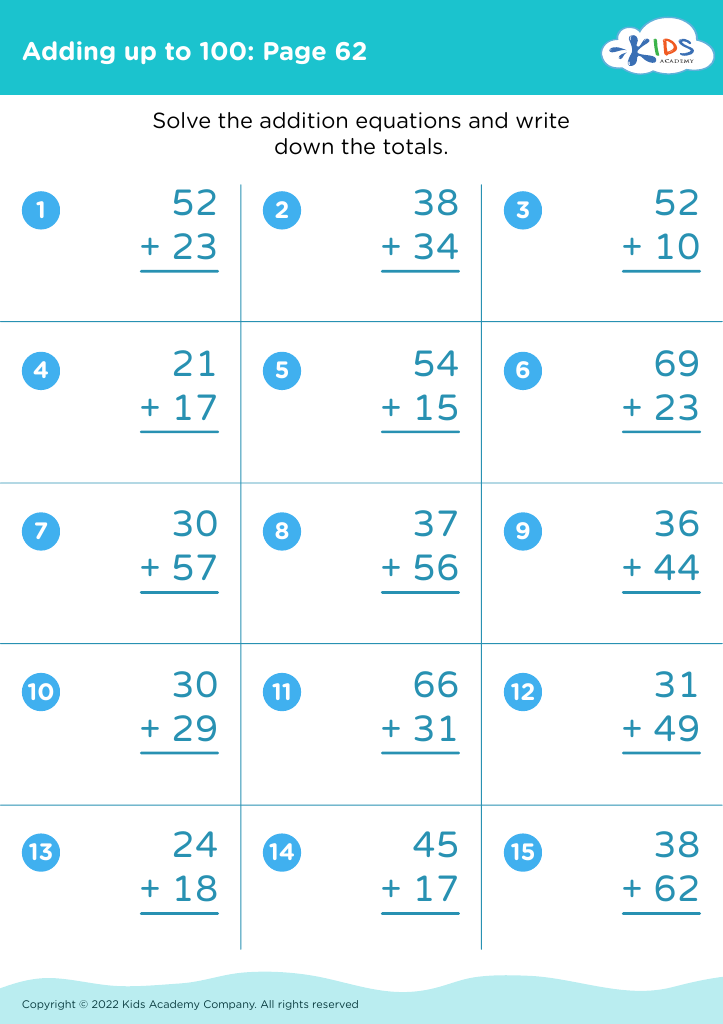
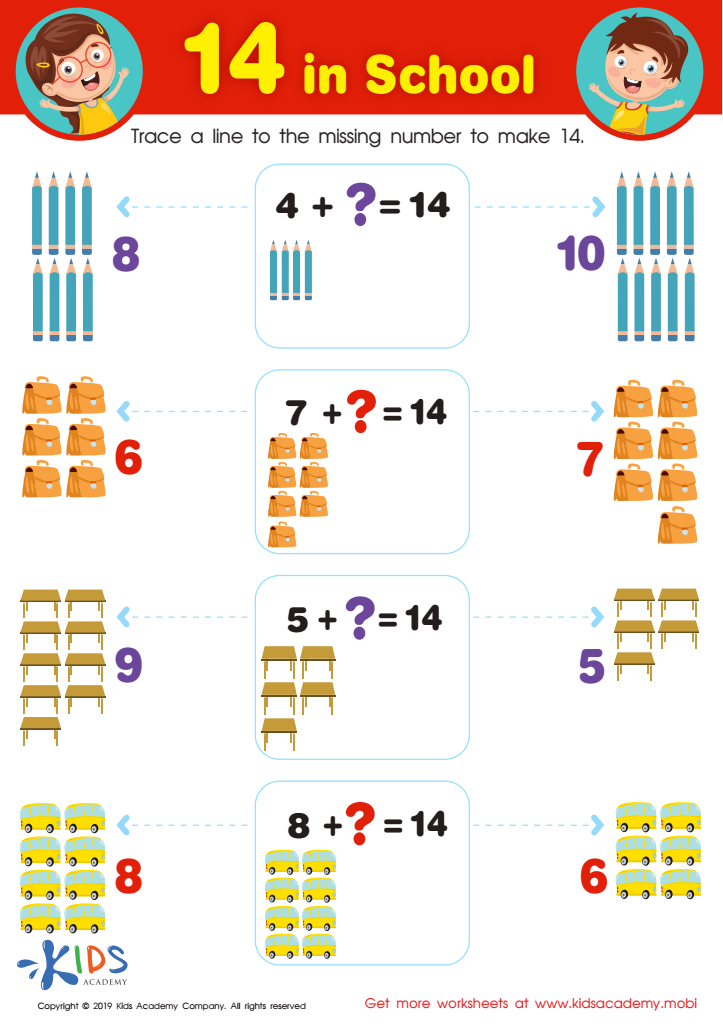
14 in School Worksheet
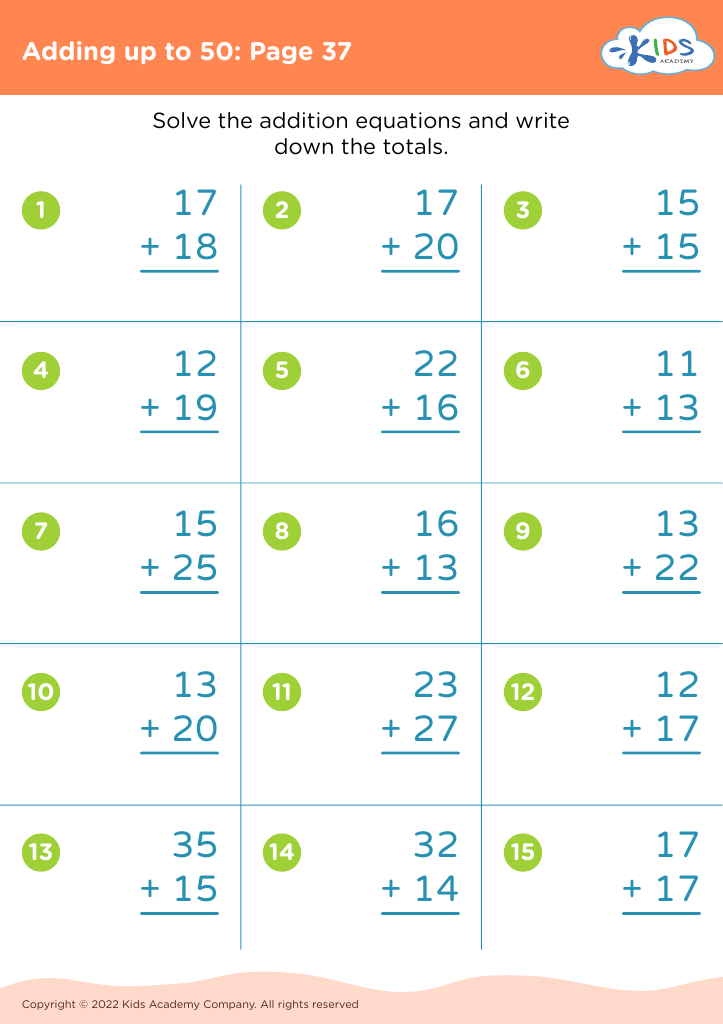
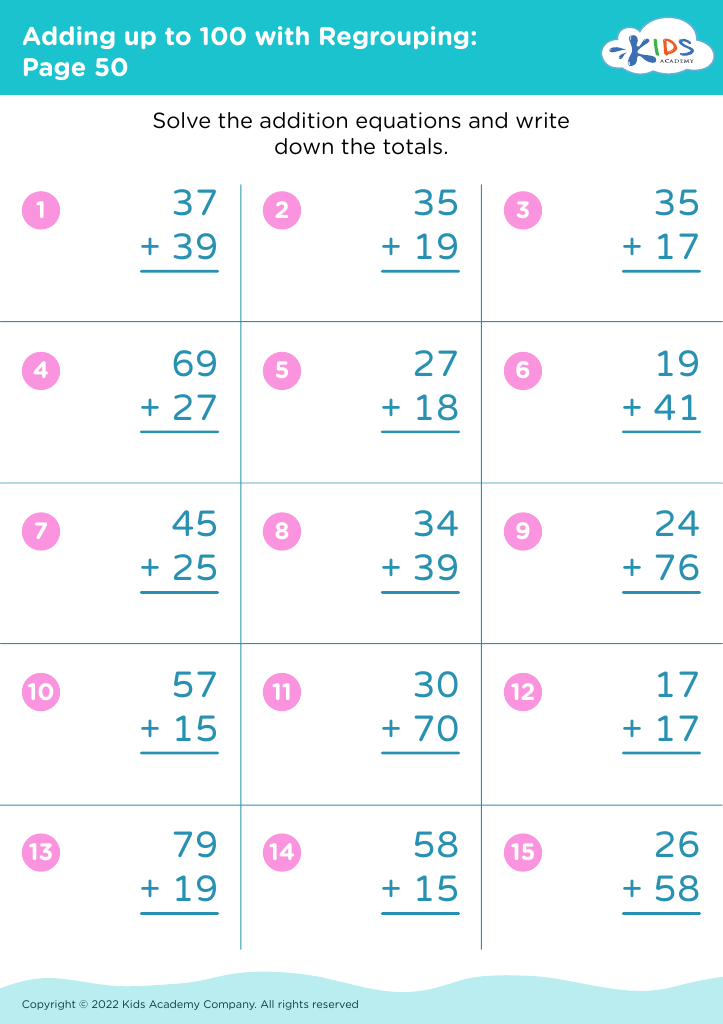
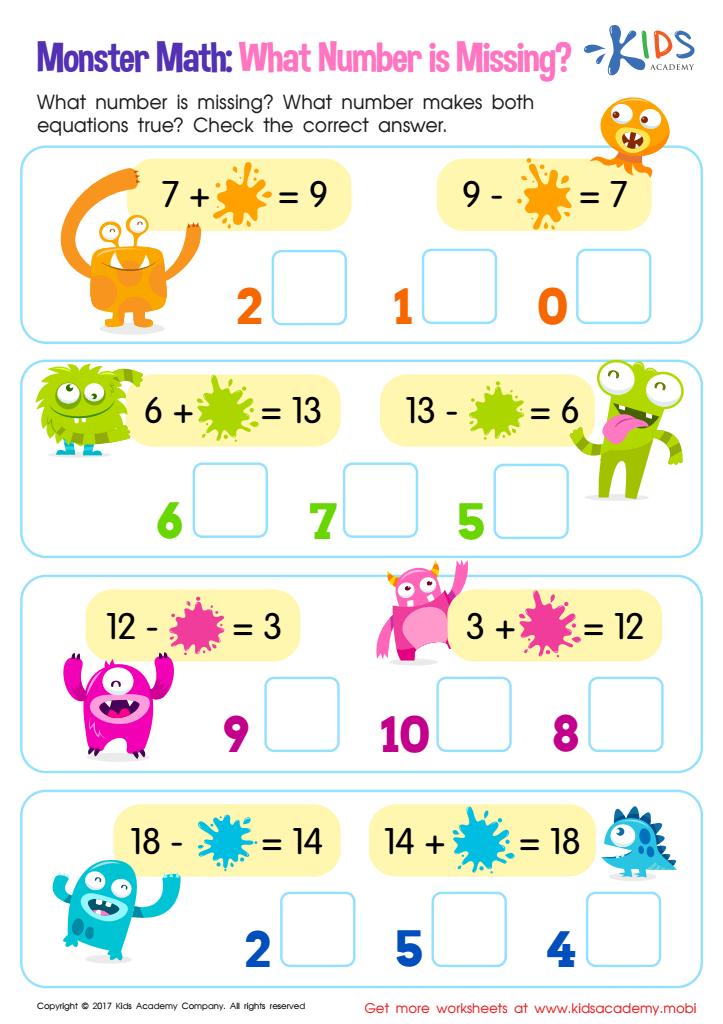
Missing Number: Monster Math Worksheet
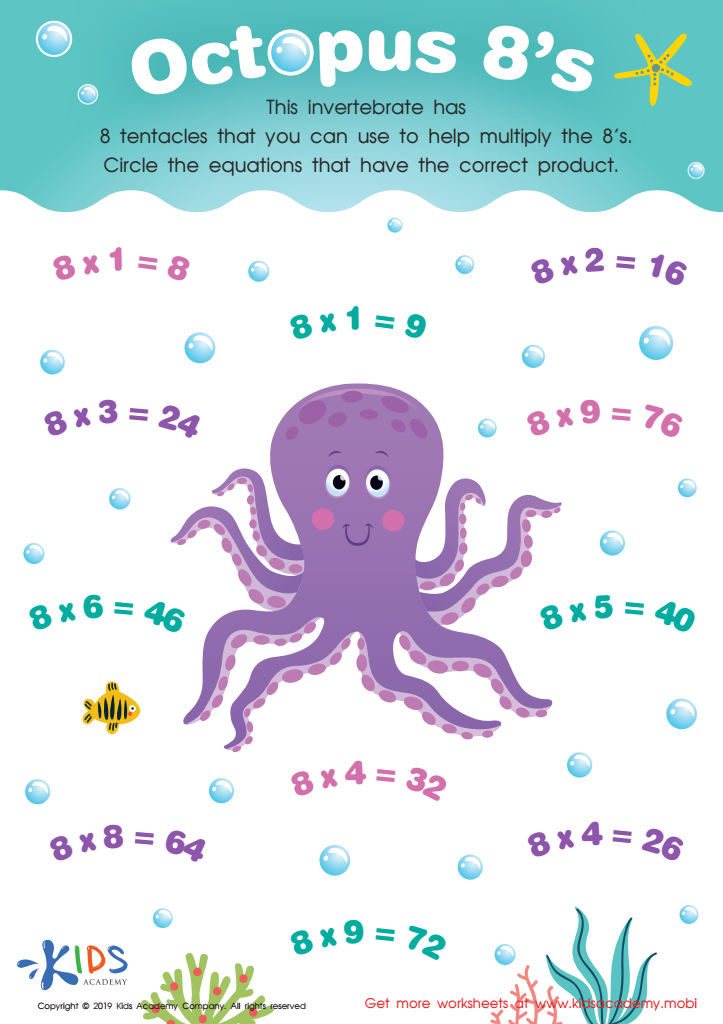
Octopus 8’s Worksheet
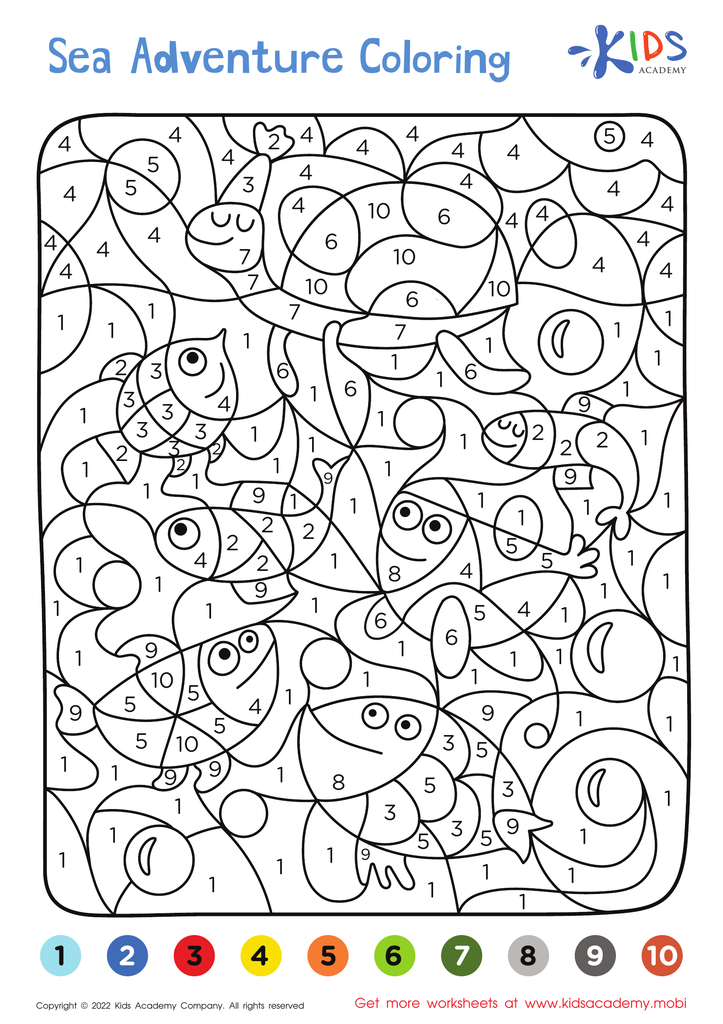
Sea Adventure – Coloring by Numbers
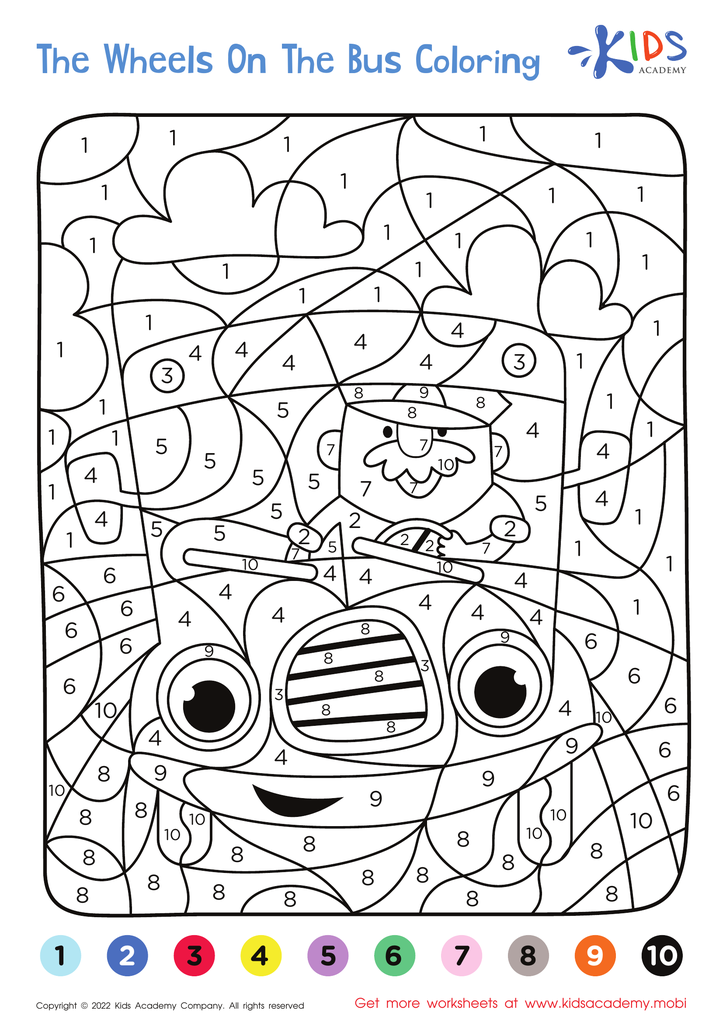
Wheels on the Bus – Coloring by Numbers
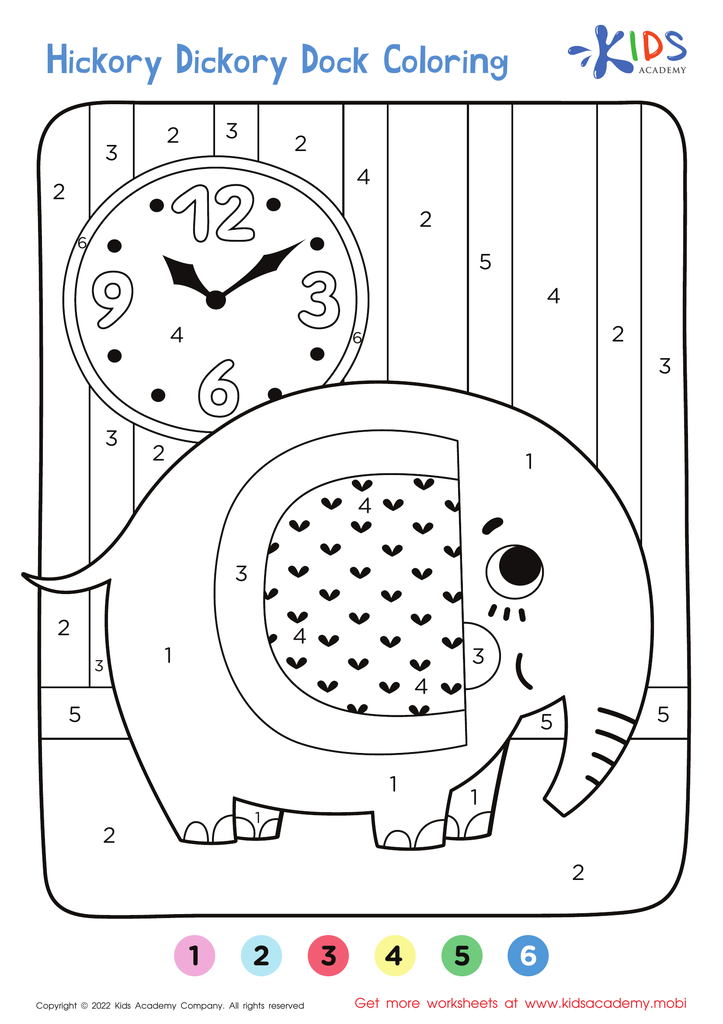
Hickory Dickory Dock – Coloring by Numbers
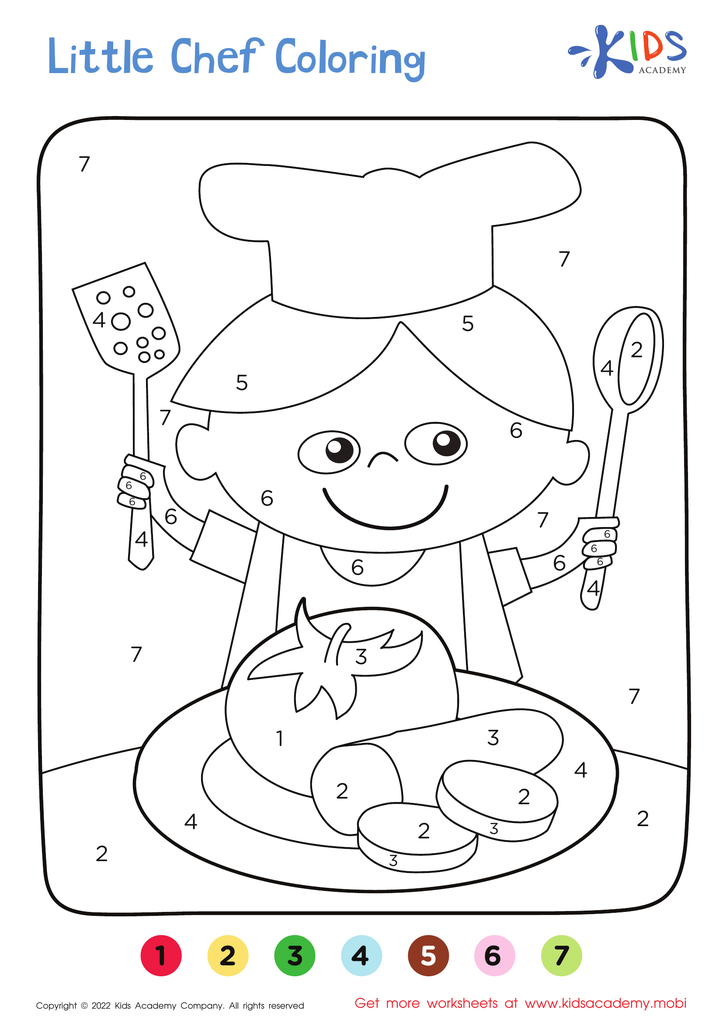
Little Chef – Coloring by Numbers
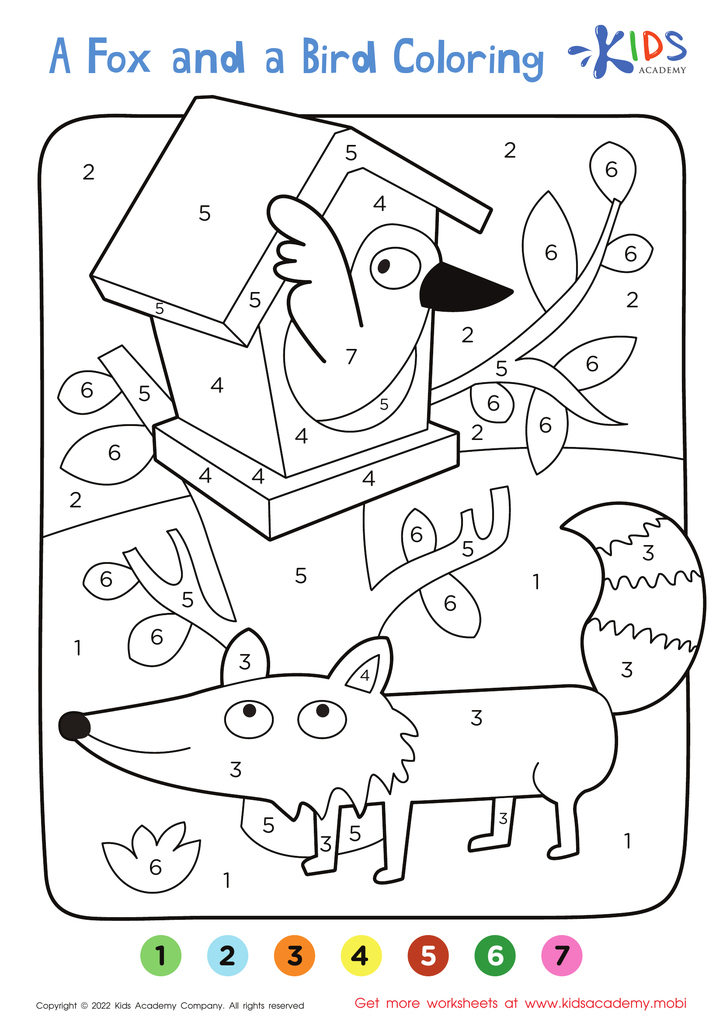
A Fox and a Bird – Coloring by Numbers



.jpg)



Color identification is a fundamental skill that young children, ages 3-8, need to develop early in their educational journey. Parents and teachers should care about this topic because color recognition is closely linked to cognitive and language development. When children learn to identify colors, they enhance their ability to categorize and differentiate objects, which forms the foundation for more complex math skills, such as counting and sorting.
Moreover, engaging in color identification activities promotes creativity and critical thinking. Through art and play, children explore colors, leading to discussions that improve their vocabulary and language skills. Additionally, these activities encourage children to pay attention to details, a key element in problem-solving.
In practical applications, understanding colors can aid in learning patterns, a crucial math concept. For instance, children can practice sequencing and recognizing relationships between objects through color patterns, ultimately supporting their mathematical understanding.
Furthermore, reinforcing the concept of colors at home and in the classroom strengthens the bond between parenting and teaching, creating a holistic learning environment. By valuing color identification, adults can lay a robust foundation for children's future learning and foster a love for exploring the world around them.








