Number Sequencing Math Worksheets for Ages 3-8 - Page 2
42 filtered results
-
From - To
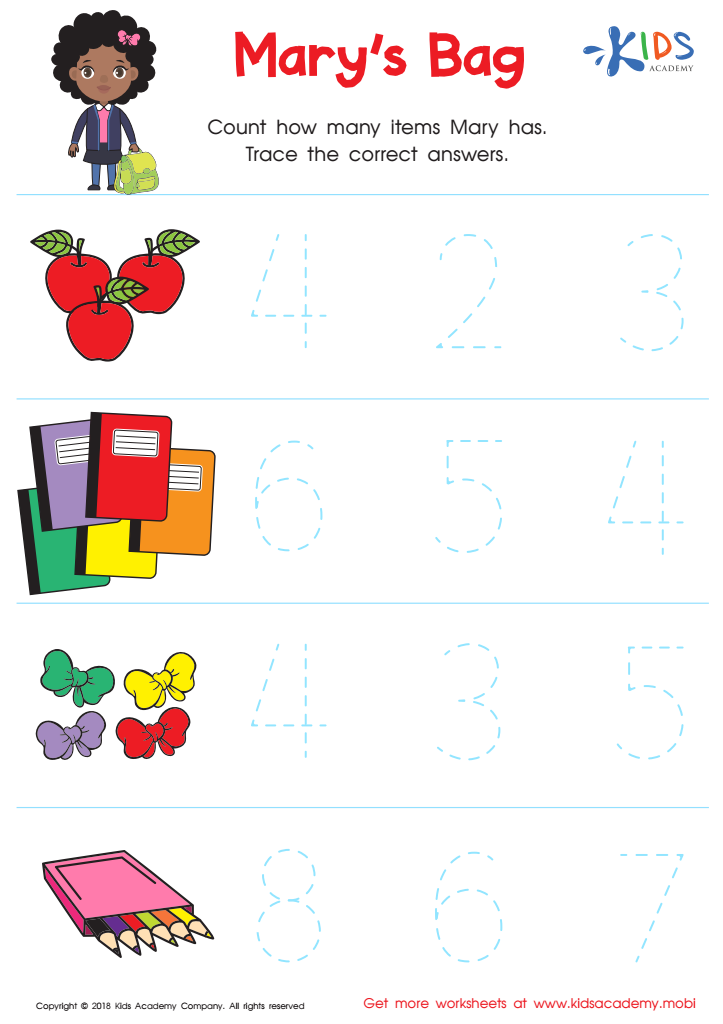
Kindergarten Number Tracing: Mary's Bag Worksheet
 Assign to My Students
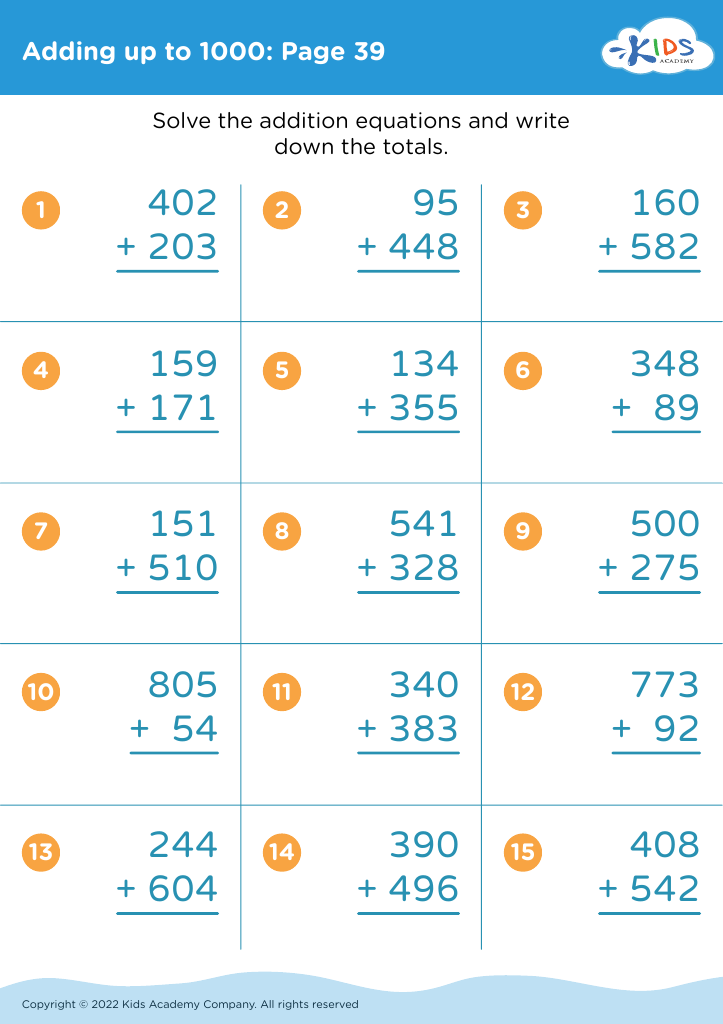
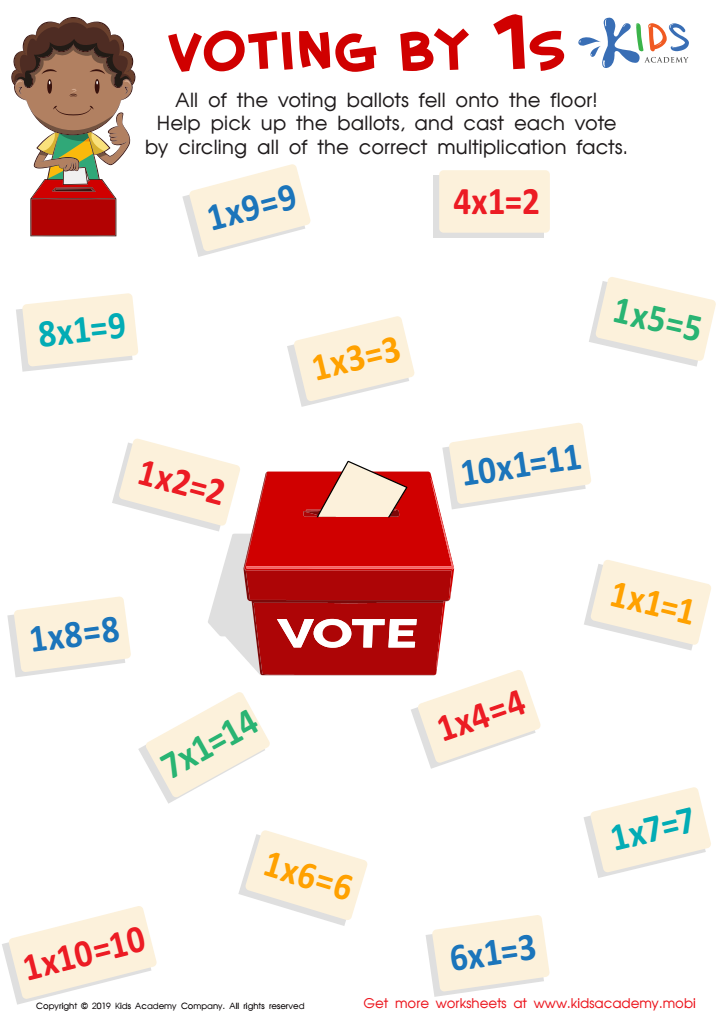
Voting by 1s Worksheet
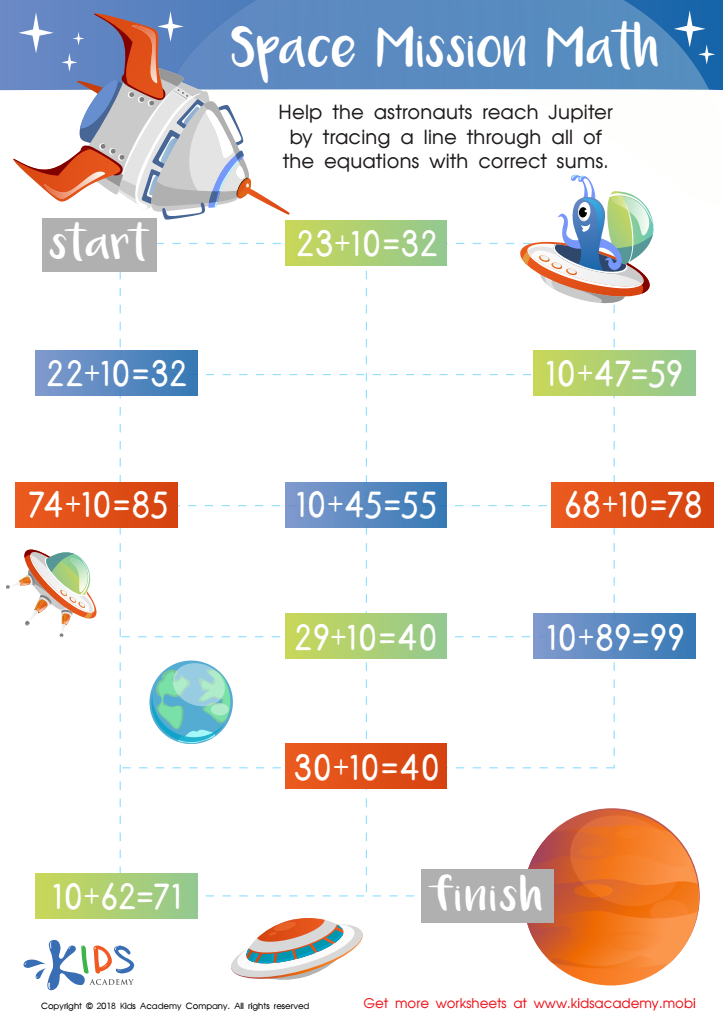
Space Mission Math Worksheet
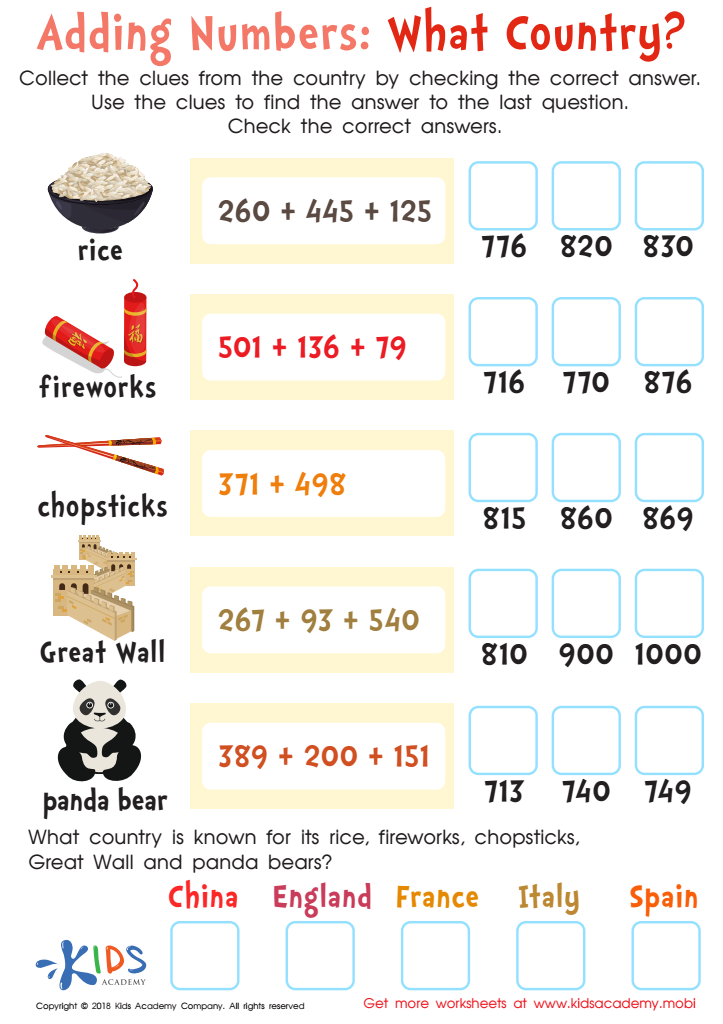
Adding Numbers: What Country Worksheet
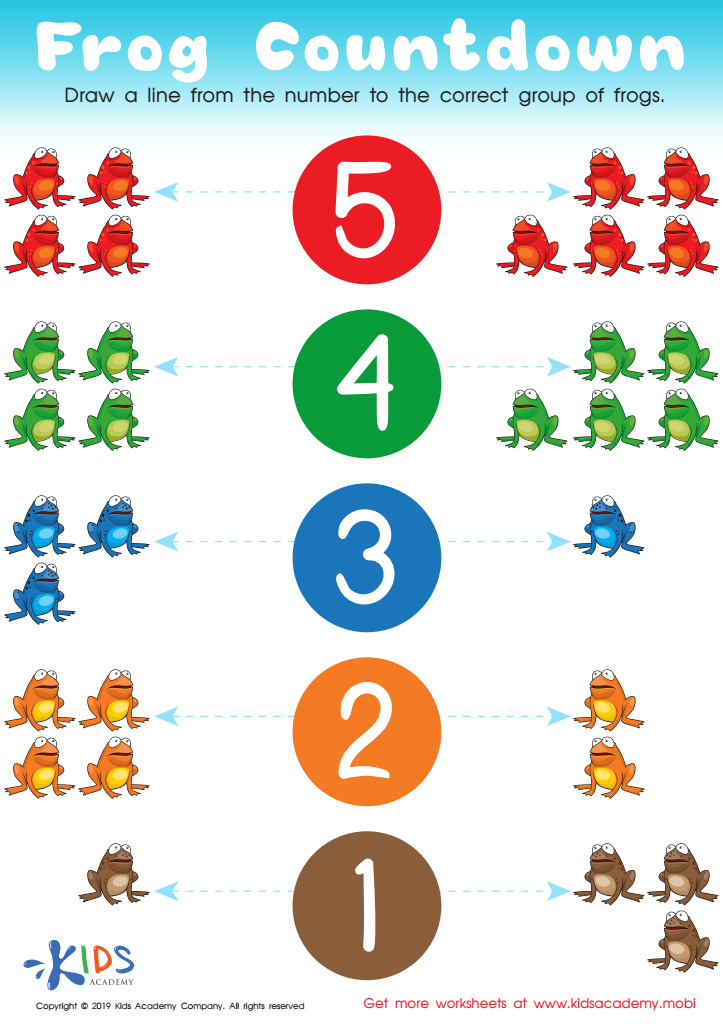
Frog Countdown Worksheet
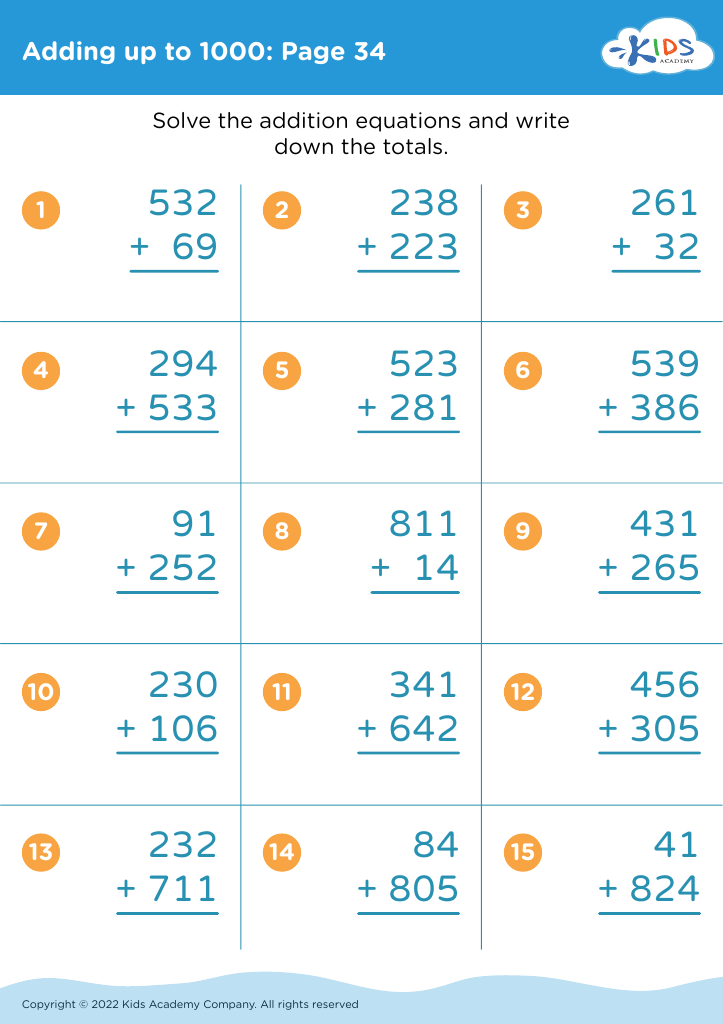
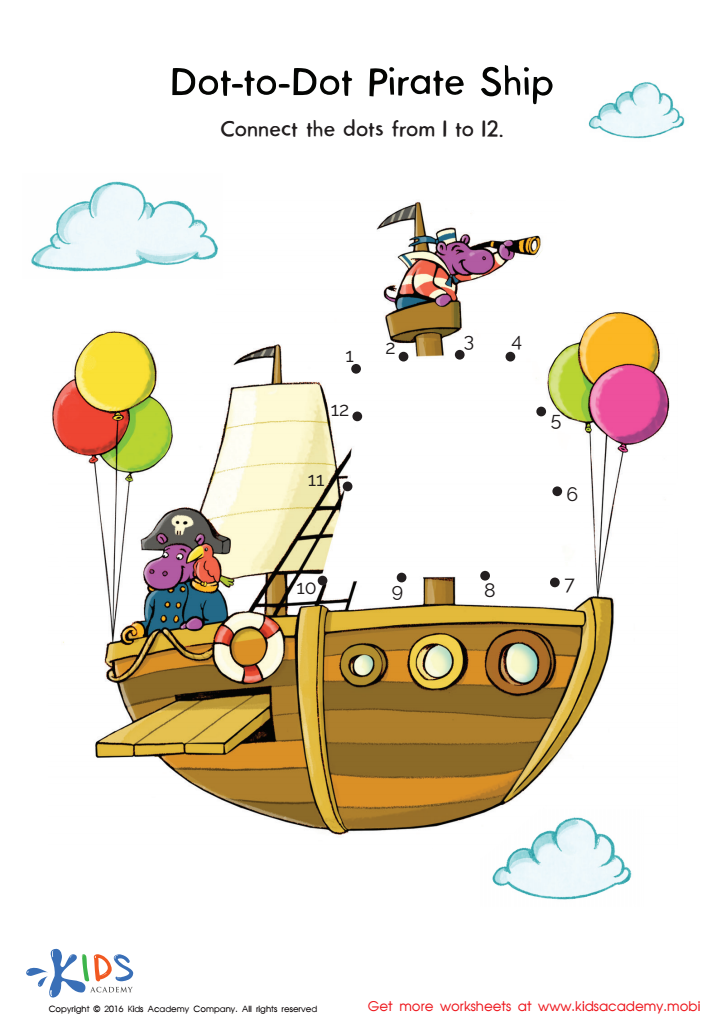
Pirate Ship Connect Dots Worksheet
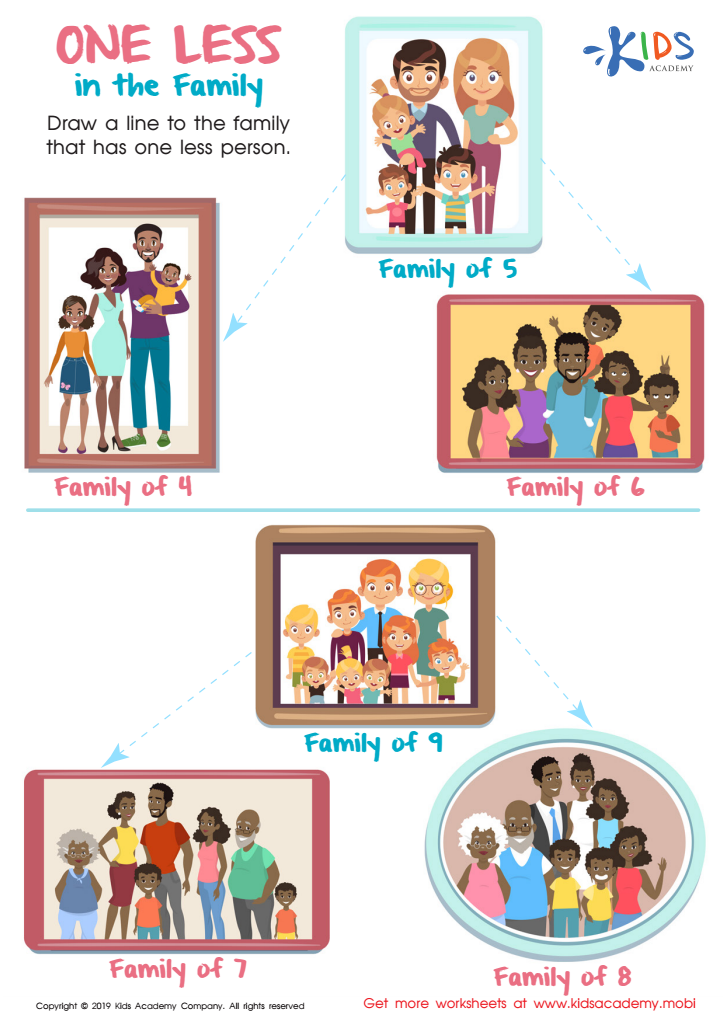
One Less in the Family Worksheet
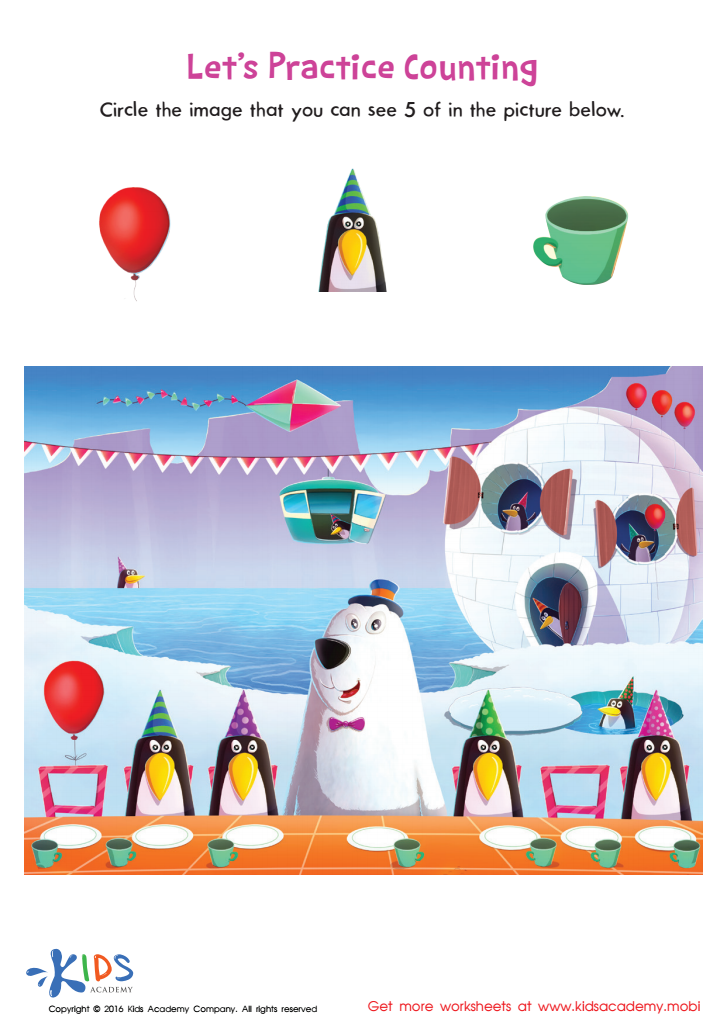
Counting Worksheet: Let's Practice Counting
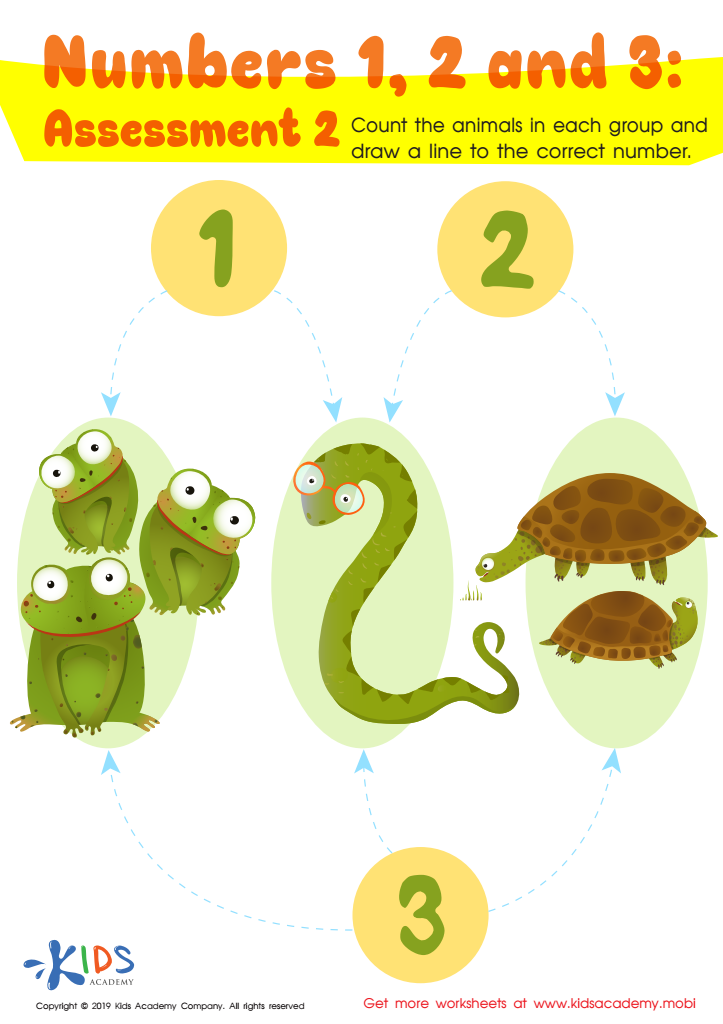
Numbers 1, 2 and 3: Assessment 2 Worksheet
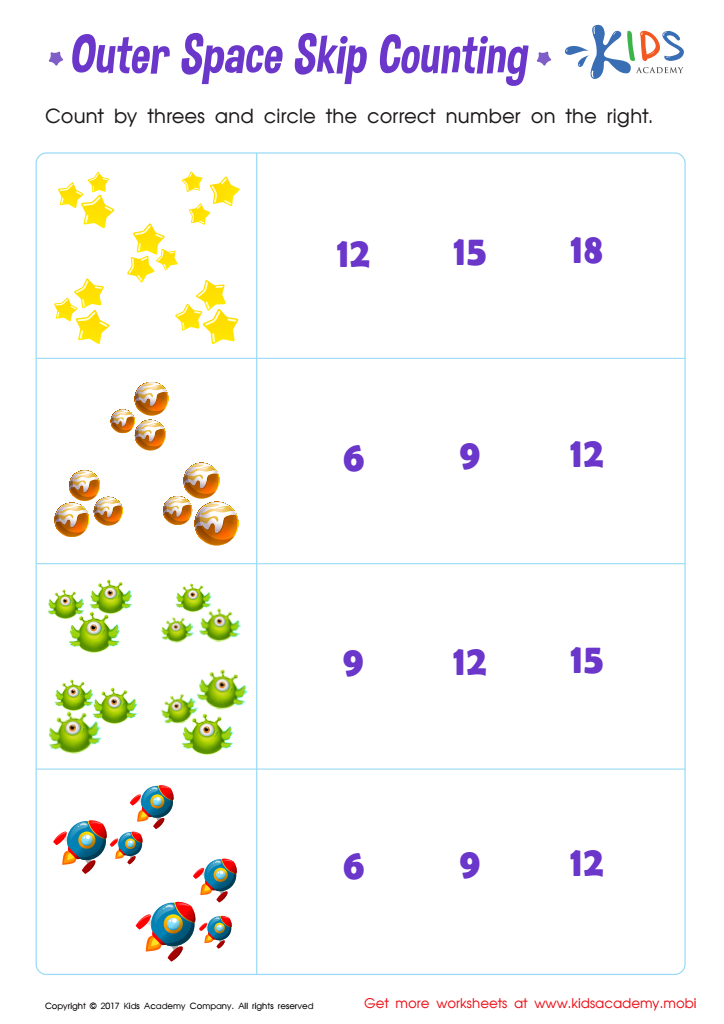
Skip Counting by 3s: Outer Space Skip Counting Printable
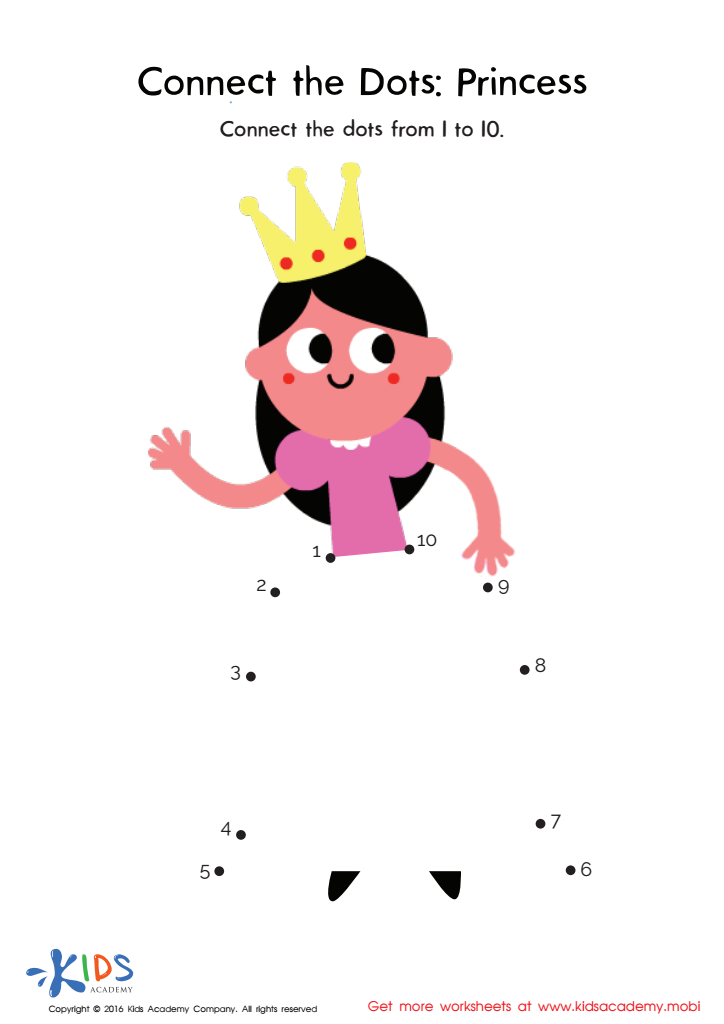
Princess Connect Dots Worksheet
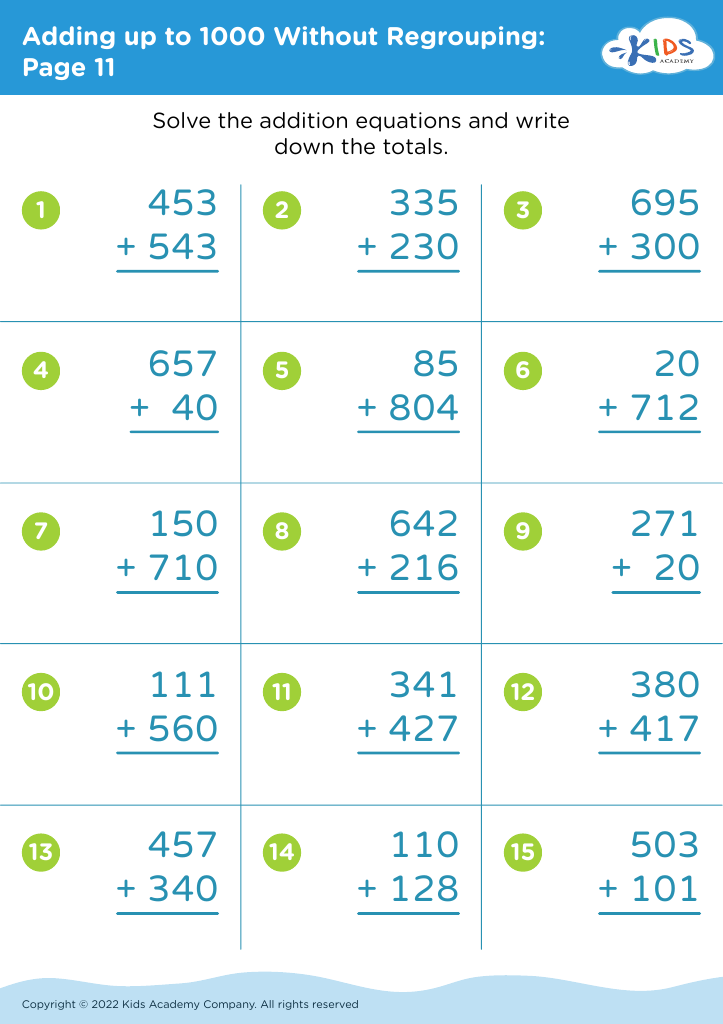
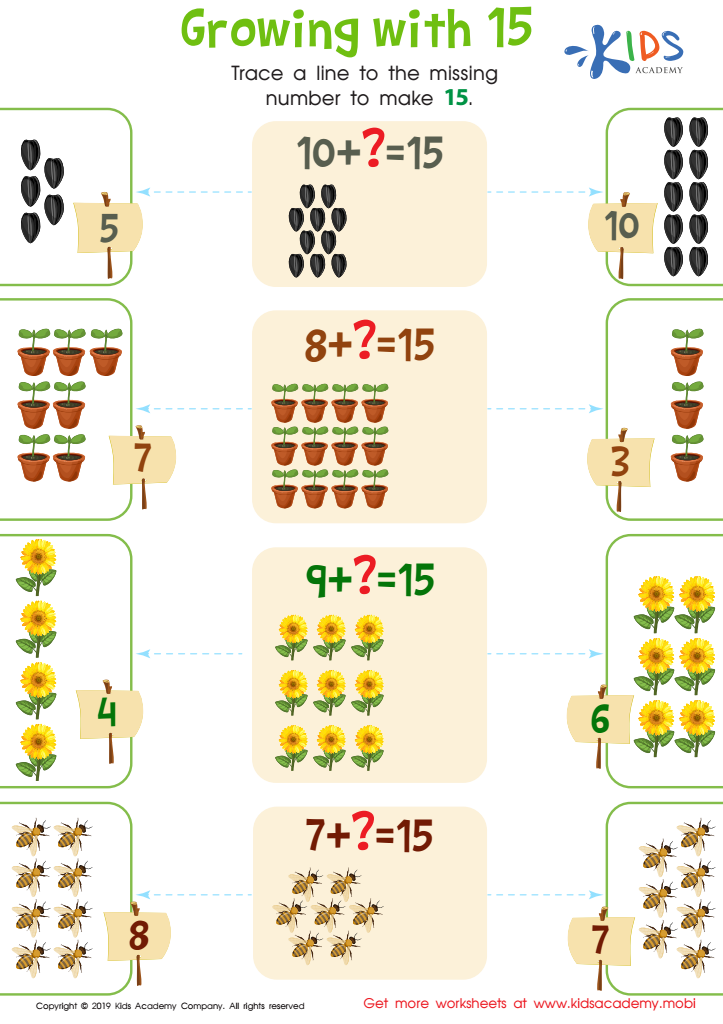
Growing with 15 Worksheet
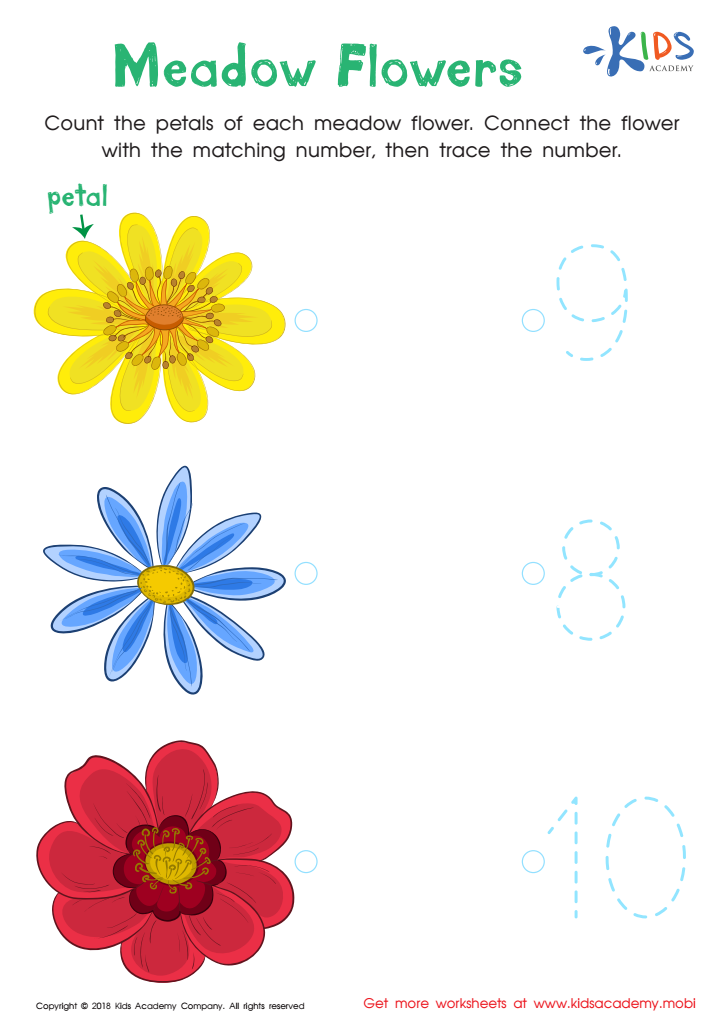
Kindergarten Number Tracing: Medow Flowers Worksheet



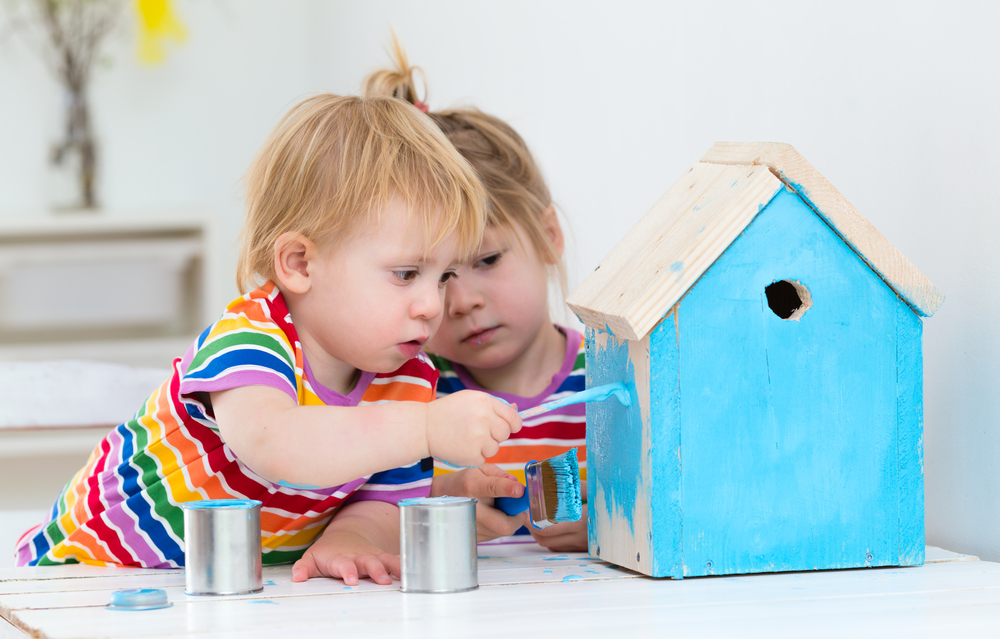




Number sequencing is a fundamental math skill that lays the groundwork for a child's future mathematical understanding. For children aged 3-8, learning to recognize and arrange numbers in a sequence enables them to grasp core concepts like counting, ordering, and basic operations. This skill not only fosters numeracy but also enhances cognitive development, critical thinking, and problem-solving abilities.
For parents and teachers, promoting number sequencing is essential because it directly influences a child's confidence in math. Mastering this sequence helps children develop a sense of numerical patterns, which is crucial when they encounter more complex mathematical operations in later grades. Additionally, number sequencing aids in learning about time, money, and other real-world applications.
Moreover, engaging in number sequencing activities can bond parents and children, creating fun, educational experiences that promote learning. Games, songs, and hands-on activities can make this learning enjoyable and impactful.
In summary, fostering number sequencing from a young age equips children with foundational skills essential for academic success and everyday life, making it a priority for both educators and parents. Understanding this importance cultivates a supportive environment for early mathematical learning, ultimately leading to lifelong skills and confidence in math.








