Spelling practice Math Worksheets for Ages 3-8
9 filtered results
-
From - To
Discover our engaging Spelling Practice Math Worksheets designed specifically for children aged 3-8! Our carefully crafted worksheets integrate essential spelling skills with foundational math concepts, making learning both fun and interactive. These resources promote early literacy and numeracy by providing kids with exciting activities such as word searches, spelling bees, and phonetic games. Perfect for classroom settings or home learning, our worksheets foster critical thinking and boost confidence in young learners. Start your child’s educational journey with these effective tools and watch them flourish in both spelling and math! Visit us to download and explore our extensive collection today!
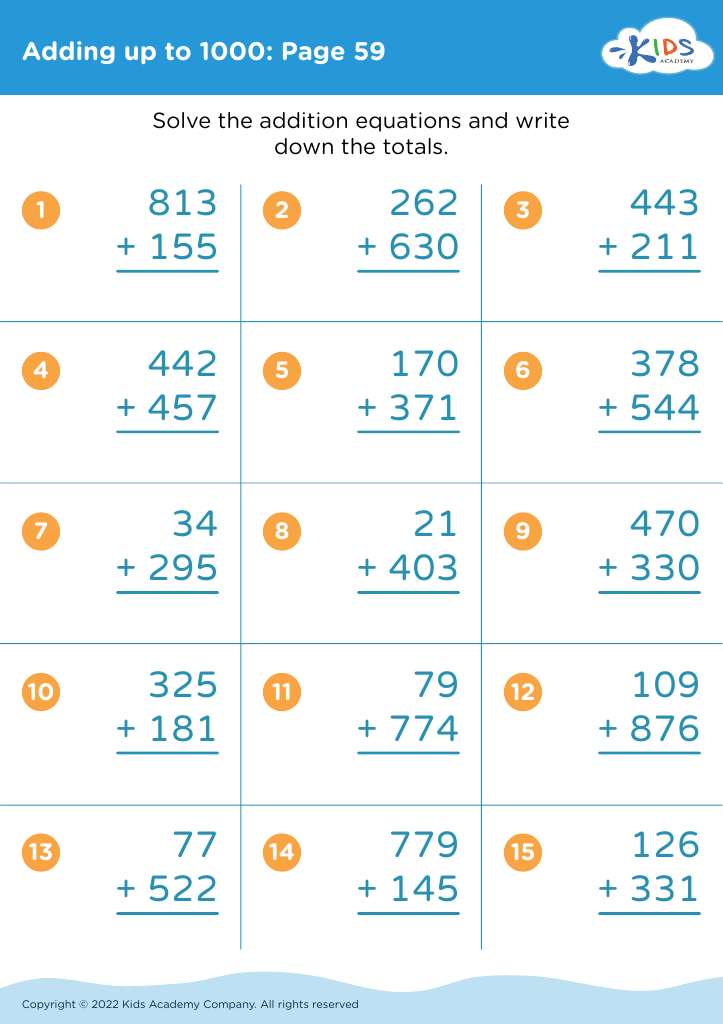
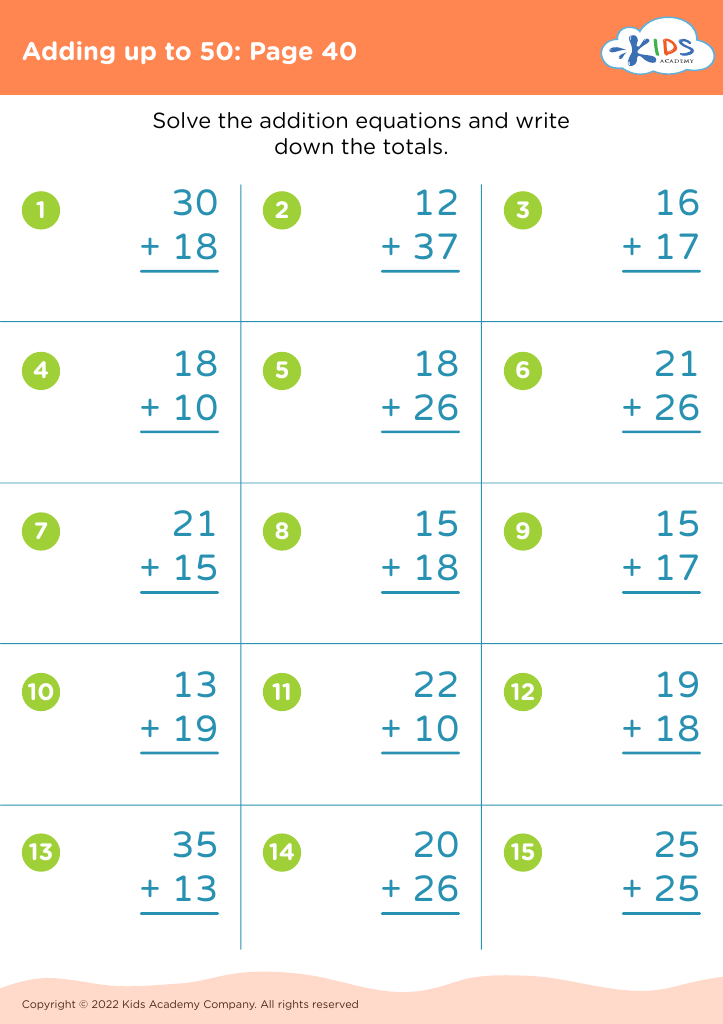
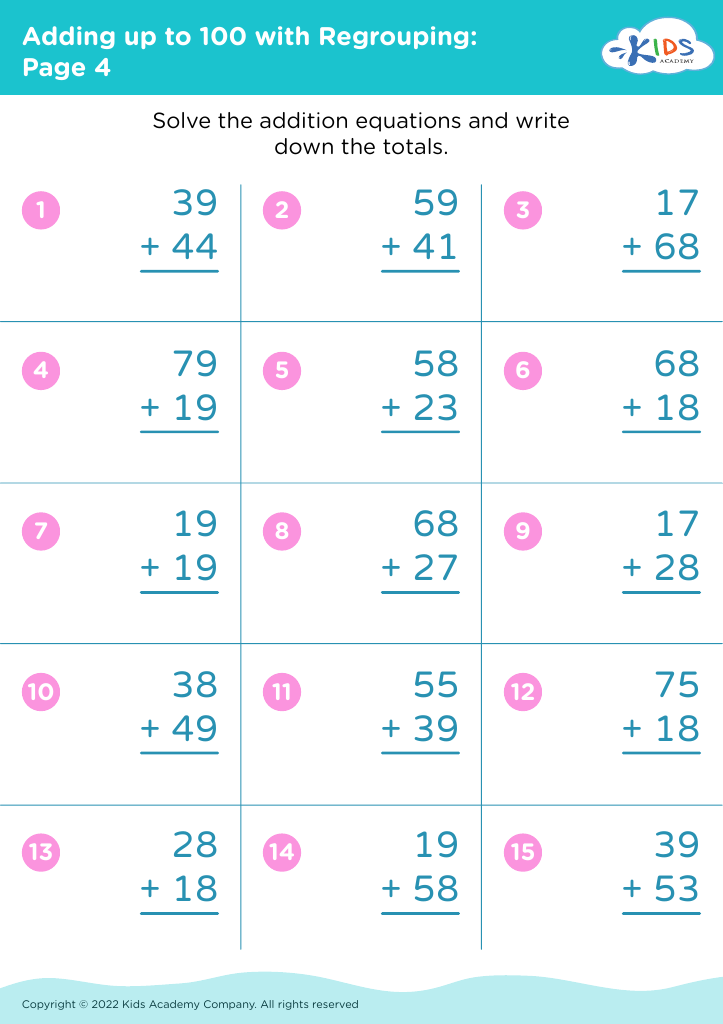
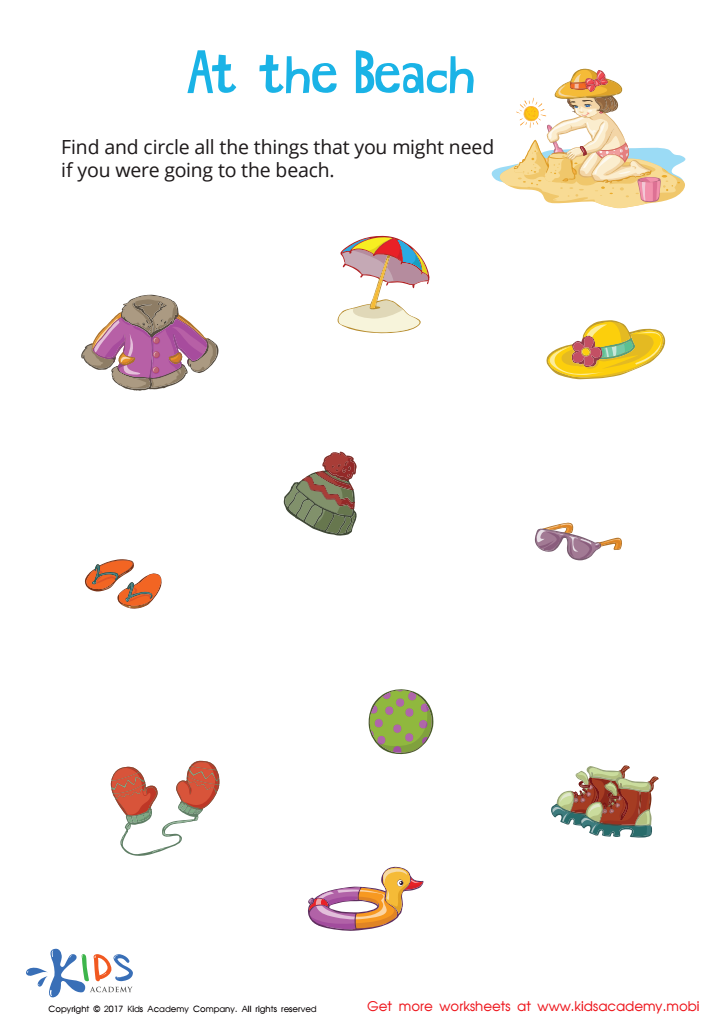
At the Beach Sorting Worksheet
 Assign to My Students
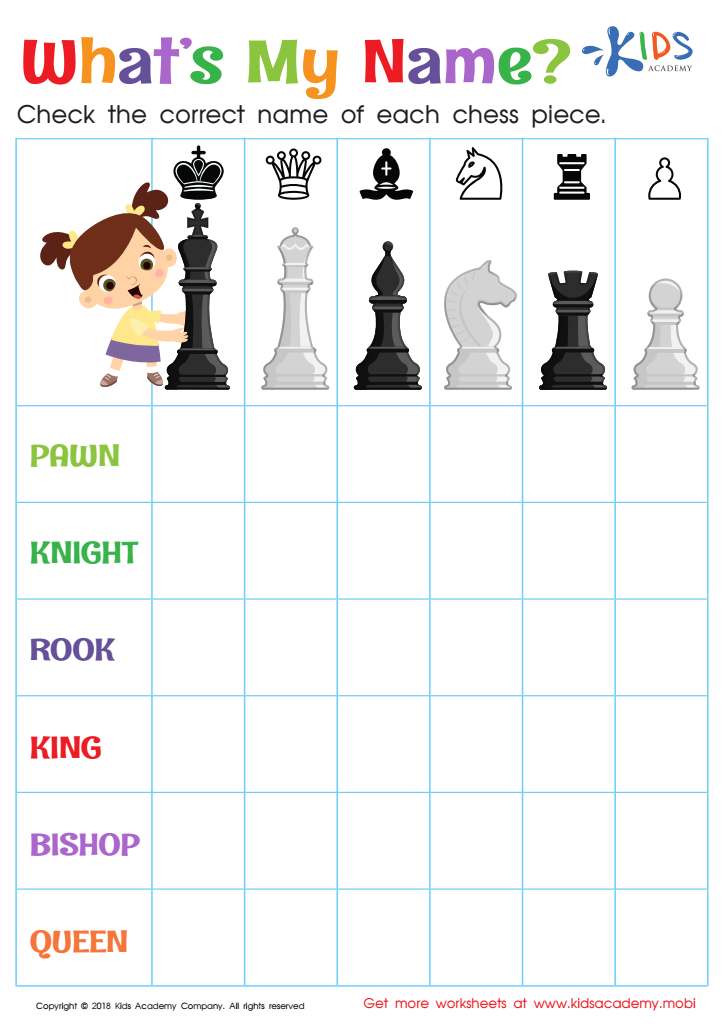
What's My Name? Worksheet
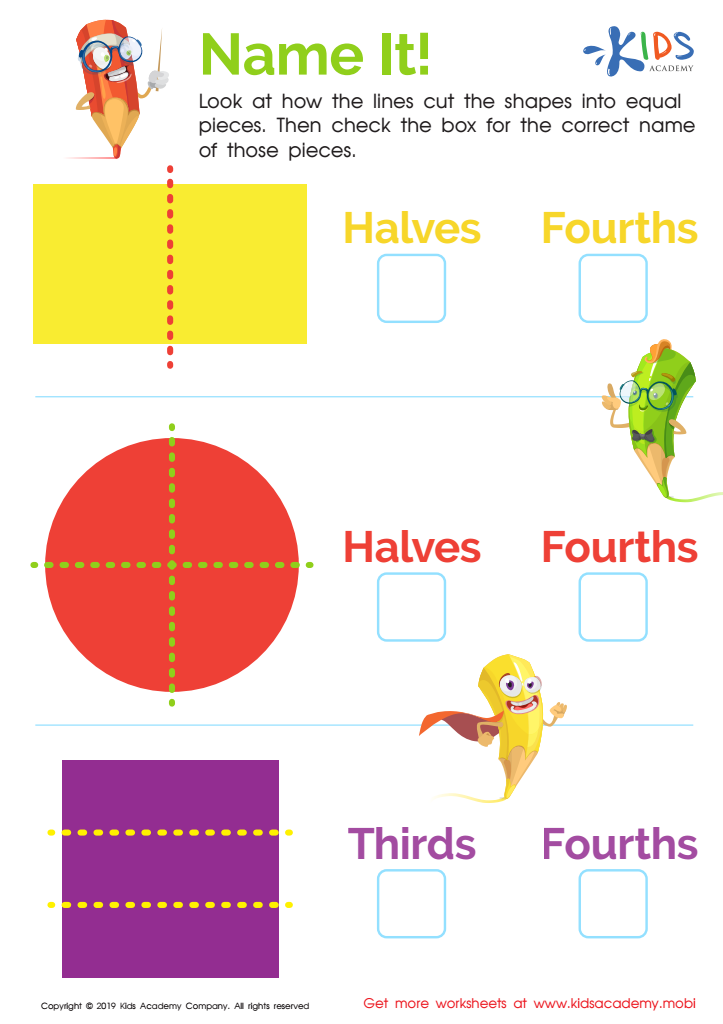
Name It! Worksheet
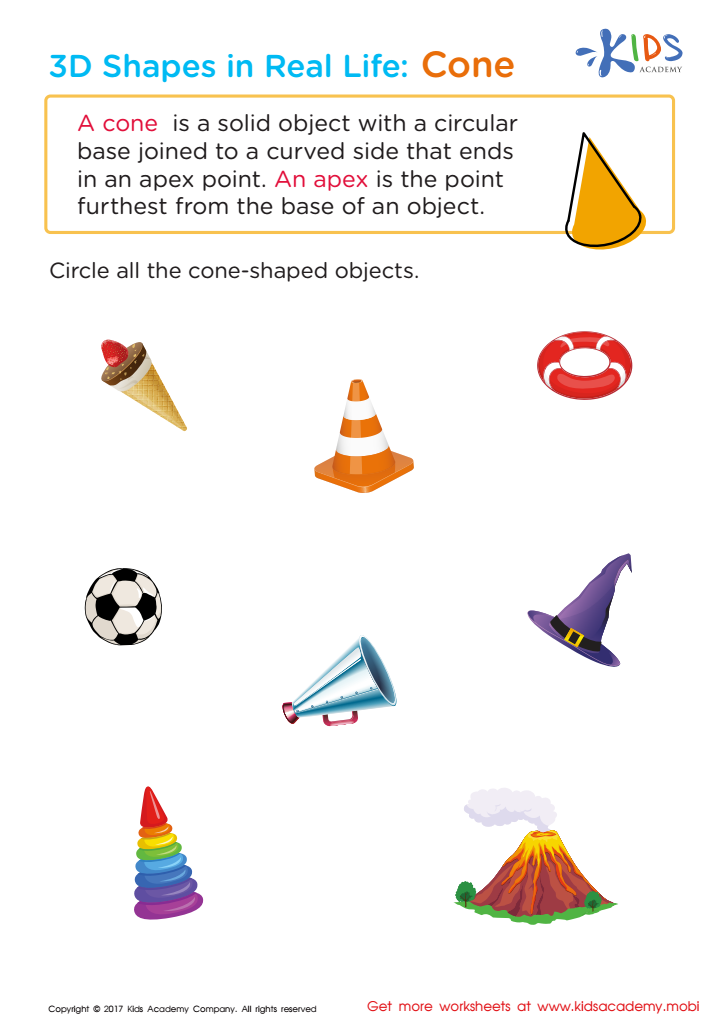
Shapes in Real Life: Cone Worksheet
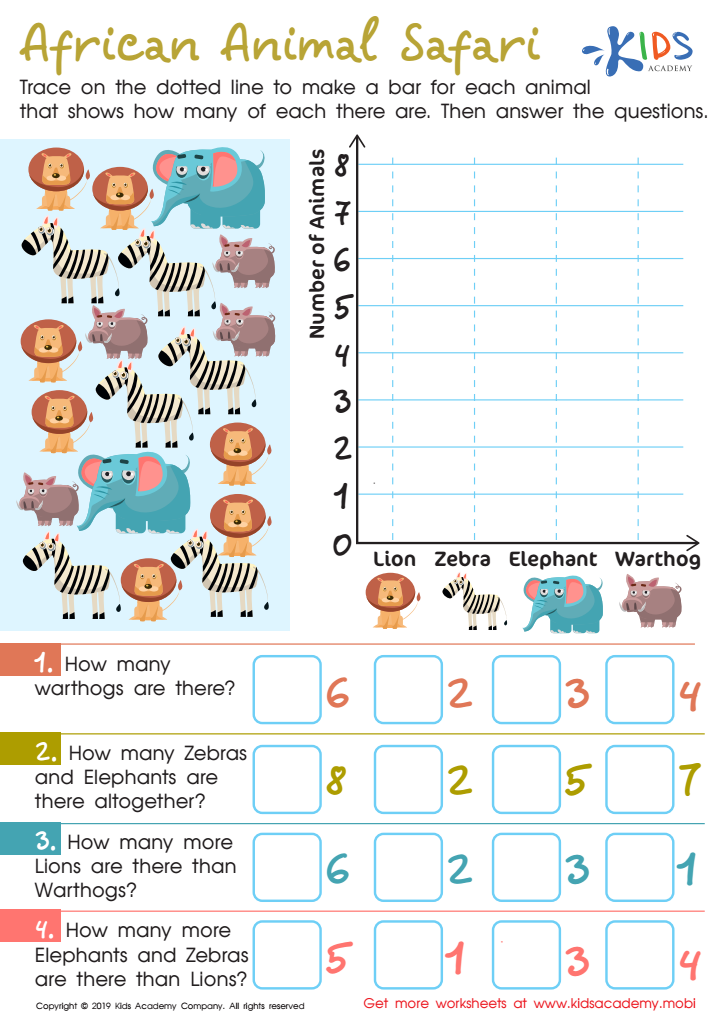
African Animal Safari Worksheet


.jpg)





Spelling practice is an essential component of early education, especially for children aged 3-8, as it lays a foundation for literacy and language development. For parents and educators, fostering strong spelling skills facilitates effective communication and literacy, two pivotal skills that children will rely upon throughout their lives. Engaging in spelling activities enhances vocabulary acquisition and phonetic awareness, crucial elements in reading competency.
Additionally, spelling practice can significantly enhance critical thinking and cognitive skills. When children explore phonemes and word structures, they cultivate analytical skills that extend beyond language arts, influencing their overall academic performance, including mathematics. For instance, mastering mathematical vocabulary enables better comprehension of instructions and word problems.
Moreover, regular spelling practice nurtures a sense of discipline and boosts confidence in young learners. As children achieve spelling milestones, they build a positive self-image and are more motivated to engage in learning activities. This confidence transcends into other subjects, including math, where word problems often require a strong grasp of language. In conclusion, embedding spelling practice within the curriculum is vital for developing well-rounded, capable learners prepared to tackle the complexities of literacy and numeracy simultaneously.








