
Understanding numbers Math Worksheets for Ages 3-8
6 filtered results
Difficulty Level
Grade
Age
-
From - To
Subject
Activity
Standards
Unlock the world of math for young learners with our "Understanding Numbers" Math Worksheets, tailored for ages 3-8. These engaging, printable worksheets are designed to build strong foundational skills in counting, number recognition, and basic arithmetic. Each activity is crafted to make learning fun and interactive, helping children to grasp essential math concepts through colorful and playful exercises. Whether at home or in the classroom, our worksheets serve as a valuable resource to foster early math confidence and competence. Perfect for preschoolers, kindergarteners, and early elementary students, inspire a lifelong love of numbers today!
Favorites
With answer key
Interactive
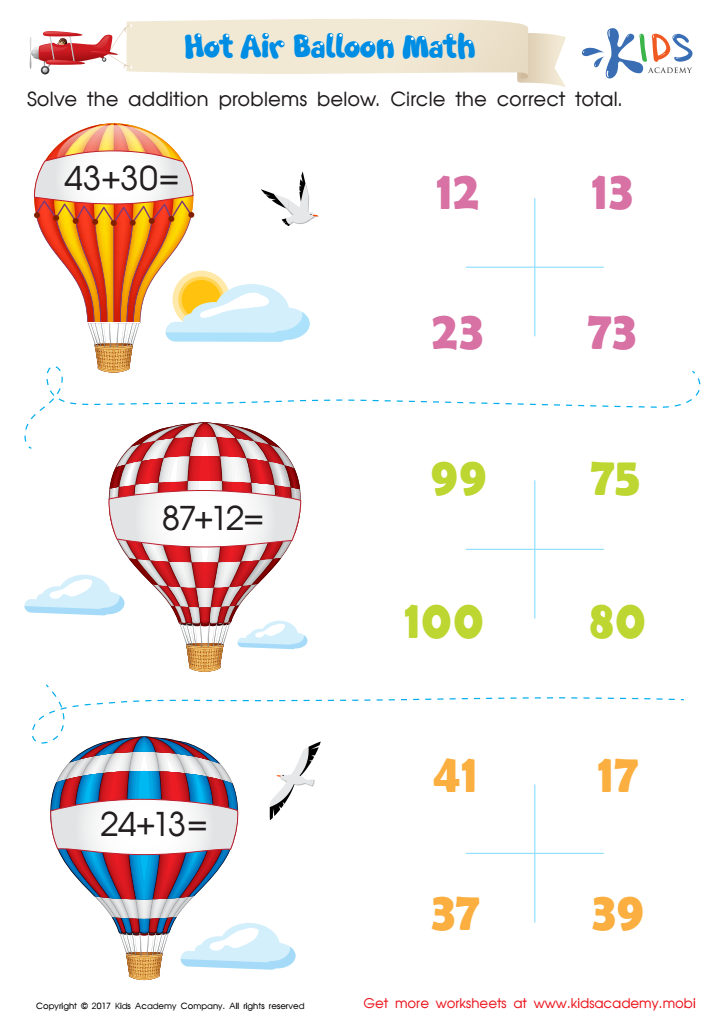
Hot Air Balloon Math Worksheet
It uses engaging pictures and a hot air balloon theme to keep your child interested, and it’s designed to build addition confidence.
 Assign to My Students
Hot Air Balloon Math Worksheet
Worksheet
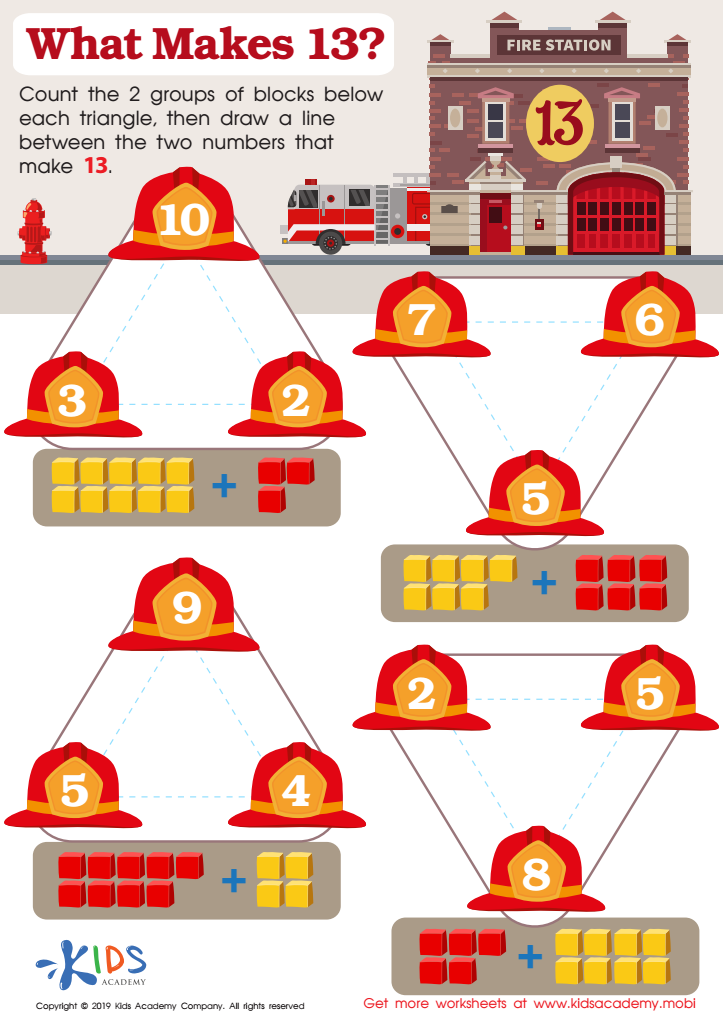
What Makes 13 Worksheet
Help your kids practice maths with this worksheet! With colourful images and simple equations, your kids will be more engaged in learning. Go through the four equations and help them add up the numbers. Then, draw a line between the numbers that make 13. Doing this will aid their learning and understanding.
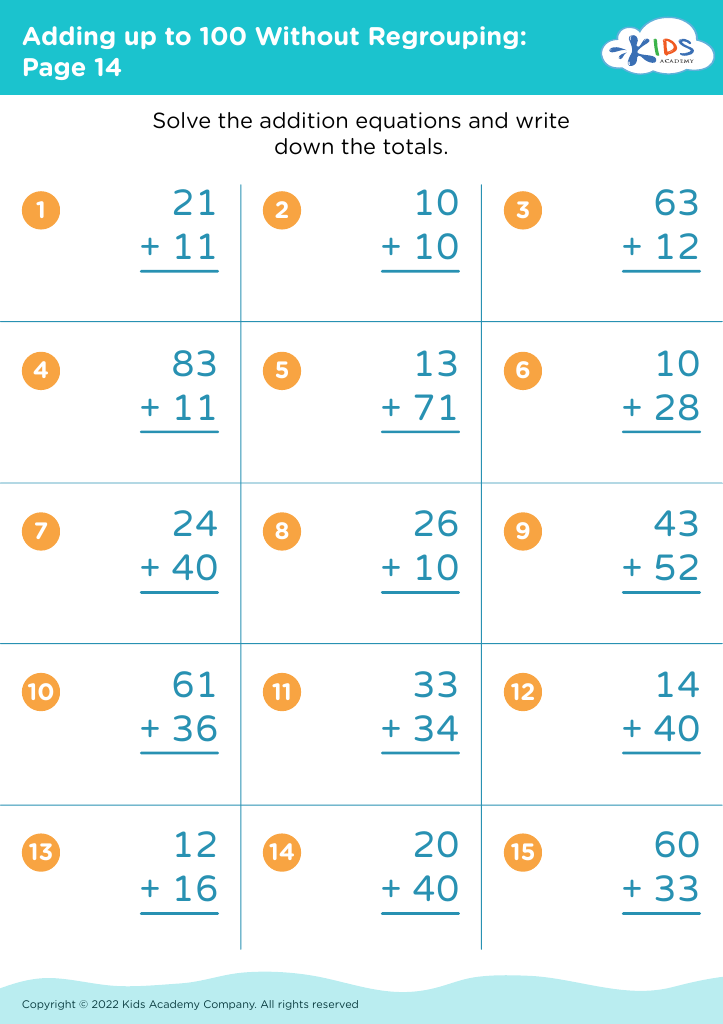
What Makes 13 Worksheet
Worksheet
Join Kids Academy for Free
Who is primarily going to use this learning content?








Understanding numbers is a foundational skill for young children, typically ages 3-8, that supports their overall cognitive development and future academic success. During these early years, children develop critical thinking and problem-solving skills largely through activities that involve numbers and basic math concepts. This period is essential for establishing a positive attitude towards math, as early experiences can shape a child's confidence and interest in the subject.
Research shows that early math skills are one of the strongest predictors of later academic achievement. Competence in fundamental number concepts such as counting, recognizing numbers, and understanding quantities sets the stage for more complex mathematical reasoning. Engaging in number-related activities enhances a child's ability to comprehend patterns, sequence, and spatial relationships, which are crucial for subjects beyond math, including science and reading.
Parents and teachers play a pivotal role by providing opportunities for children to interact with numbers in everyday contexts. Simple activities like counting toys, identifying numbers in the environment, and playing number-oriented games make learning engaging and relevant. By nurturing a solid grasp of numbers at a young age, adults help children build a strong foundation that supports future learning and cultivates an enduring fascination with math.








