Visual perception improvement Math Worksheets for Ages 3-8
14 filtered results
-
From - To
Discover fun and engaging "Visual Perception Improvement Math Worksheets" designed for children ages 3-8. Our expertly crafted worksheets combine essential math skills with visual perception activities to enhance your child's cognitive development and problem-solving abilities. Featuring colorful and interactive exercises, kids will practice counting, matching, patterns, shapes, and more. These worksheets make learning exciting and effective, providing the perfect foundation for early math success. Perfect for parents and educators, our resources are optimized to cater to the developmental needs of young learners, ensuring they stay motivated and confident. Explore our collection today!
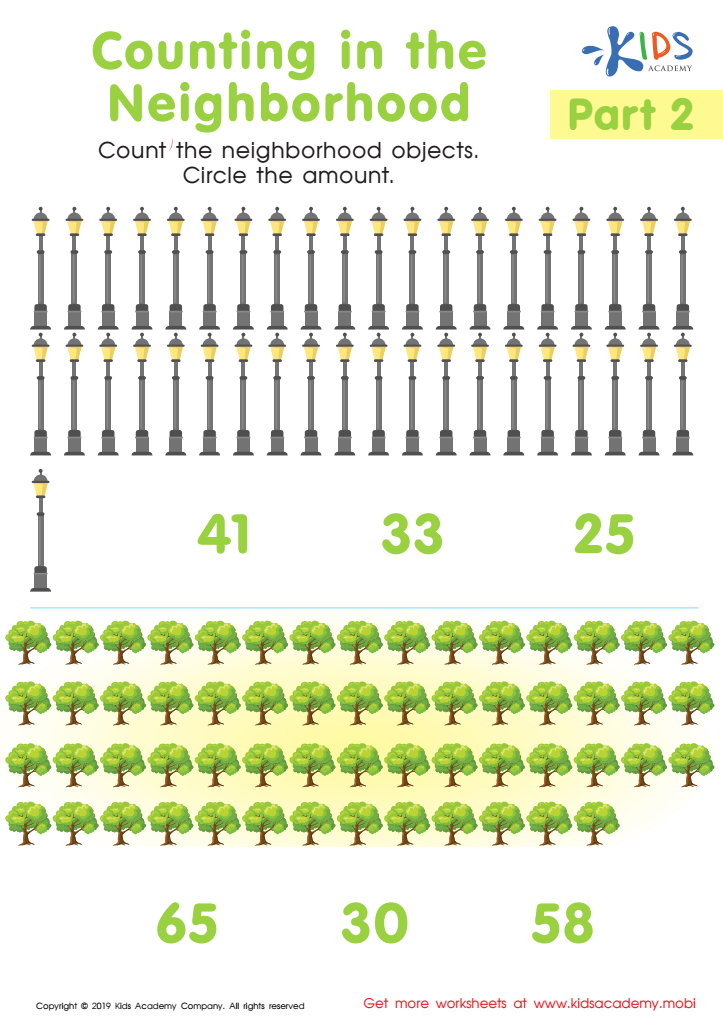
Counting In The Neighborhood Part 2 Worksheet
 Assign to My Students
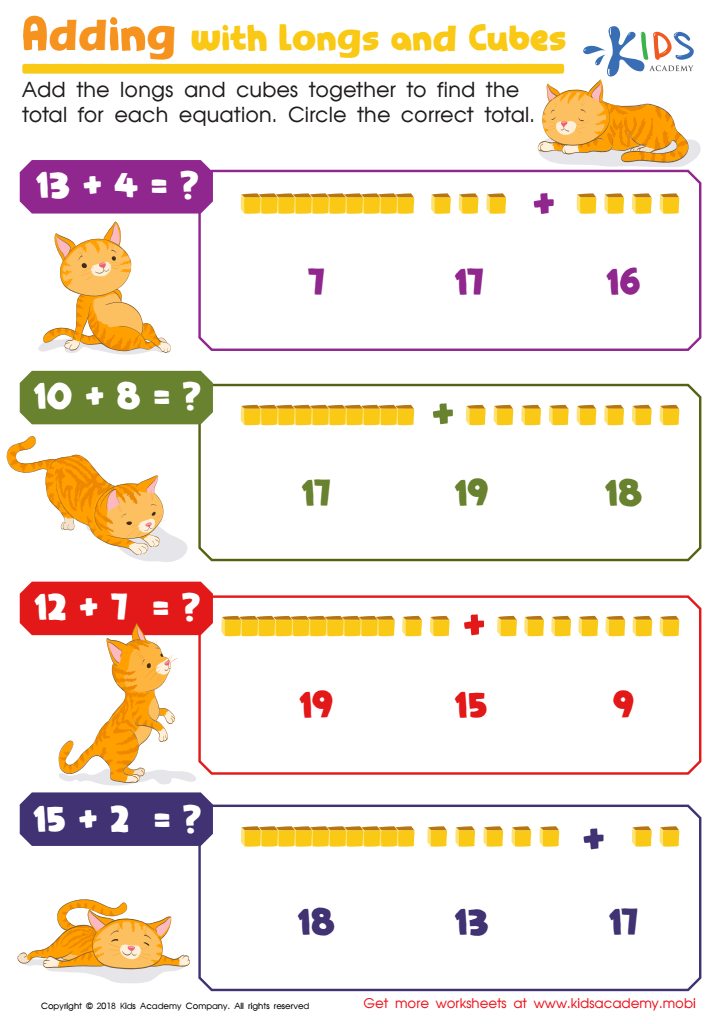
Adding With Longs and Cubes Worksheet
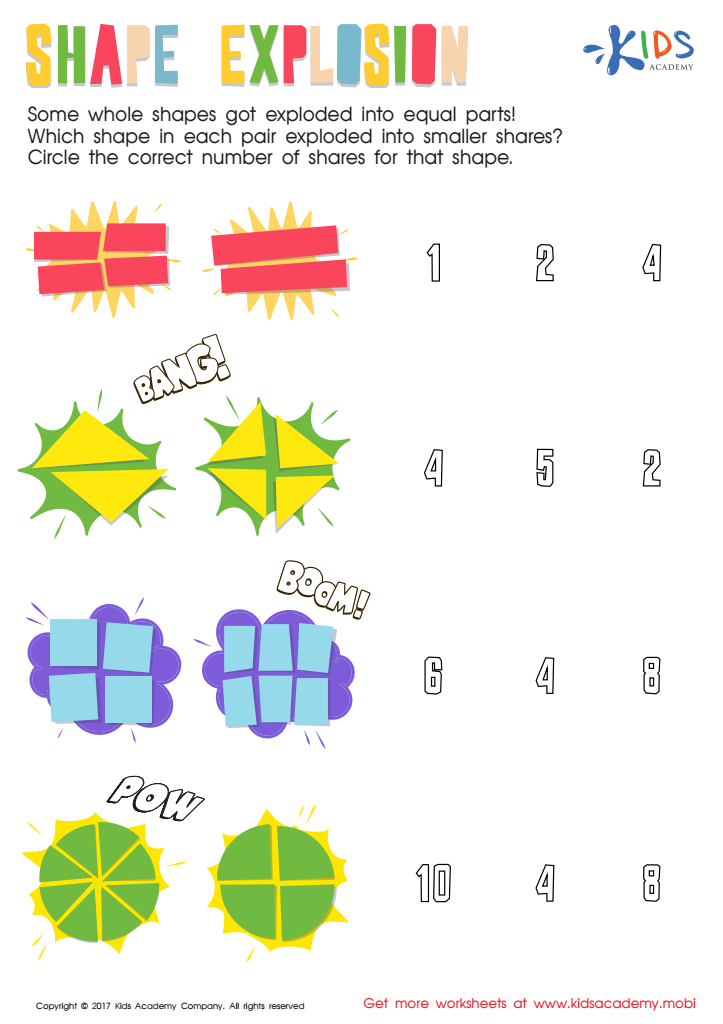
Shape Explosion Worksheet
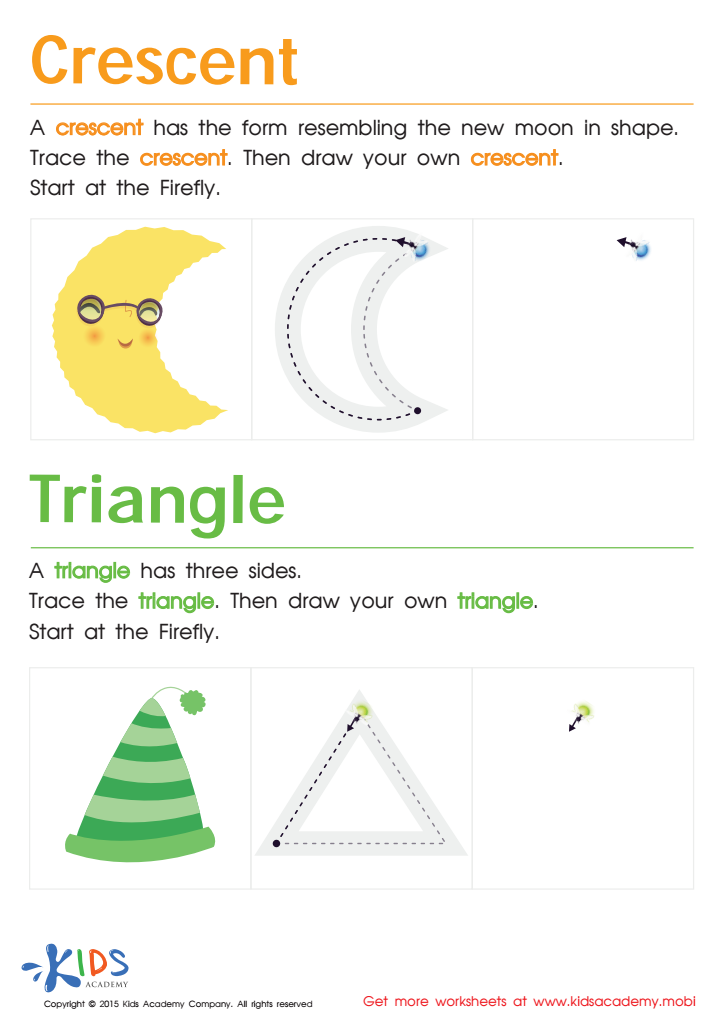
Learning to Draw Crescents And Triangles Worksheet
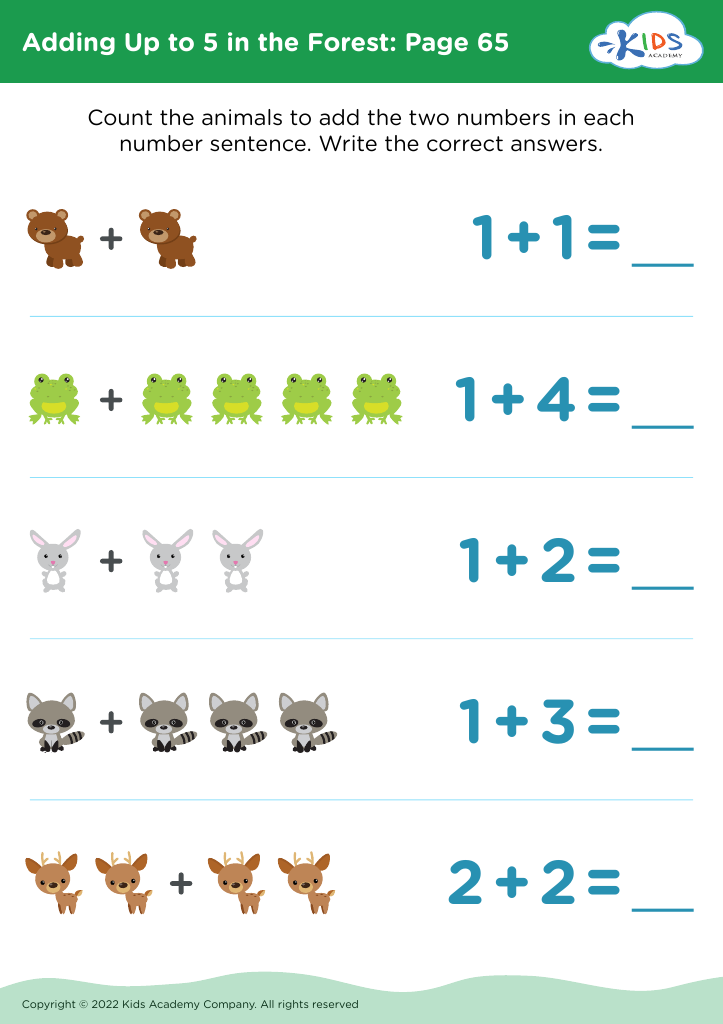
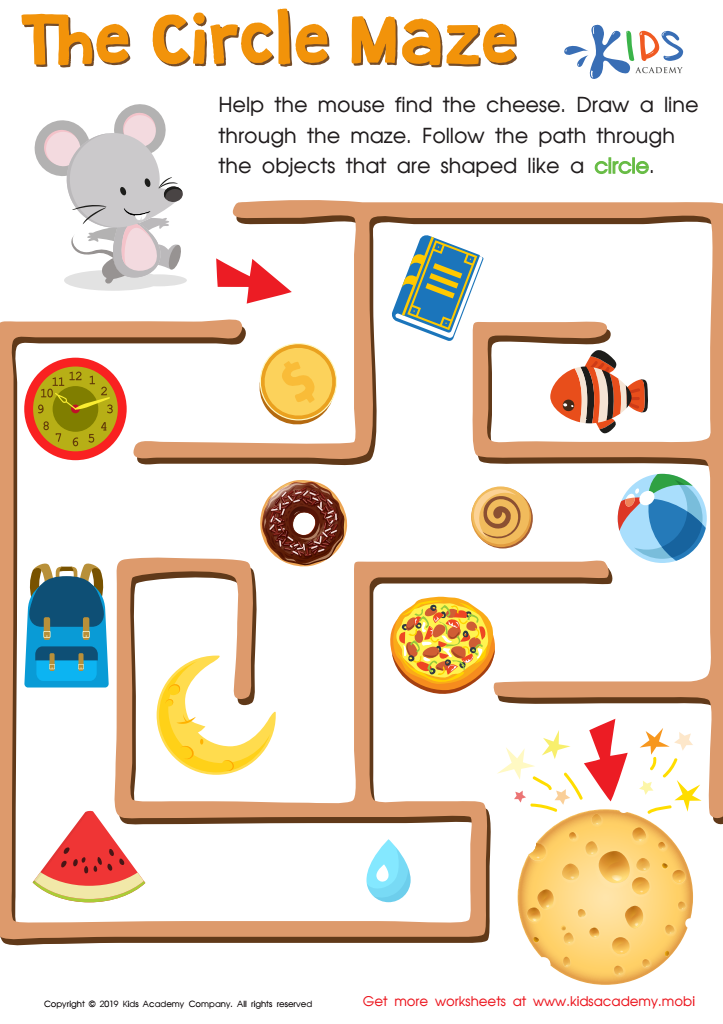
The Circle Maze Worksheet
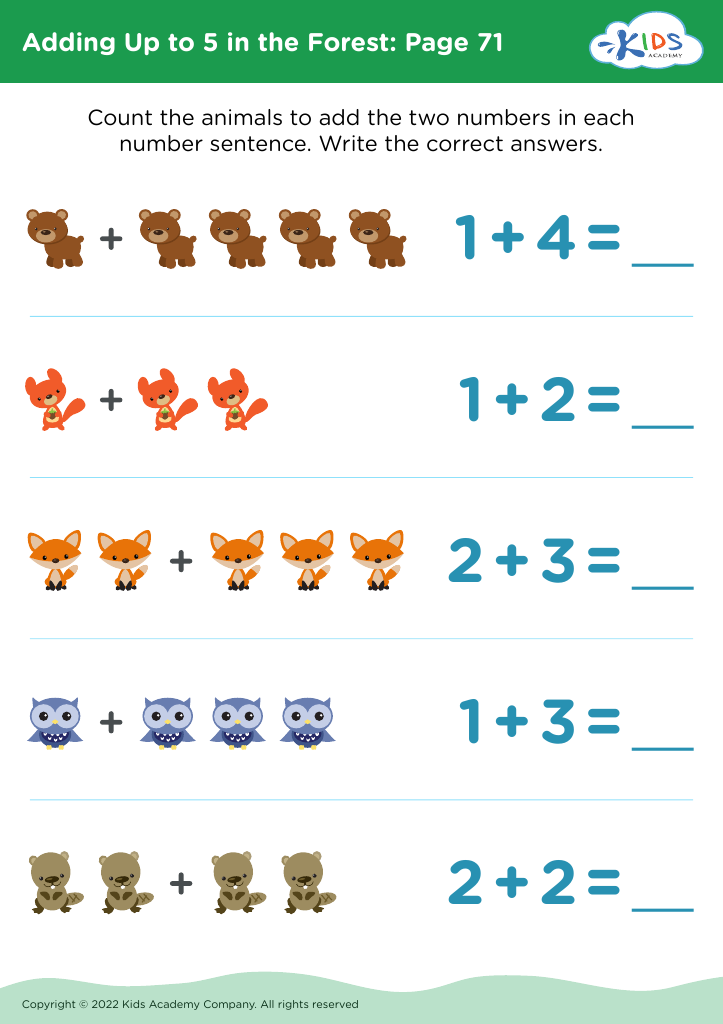
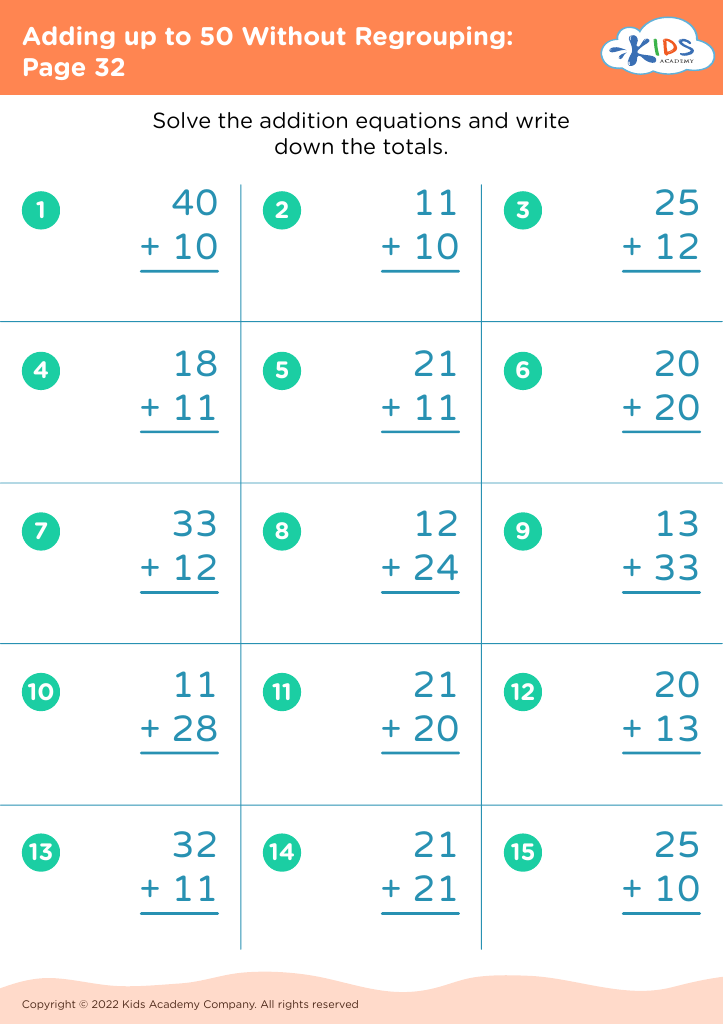
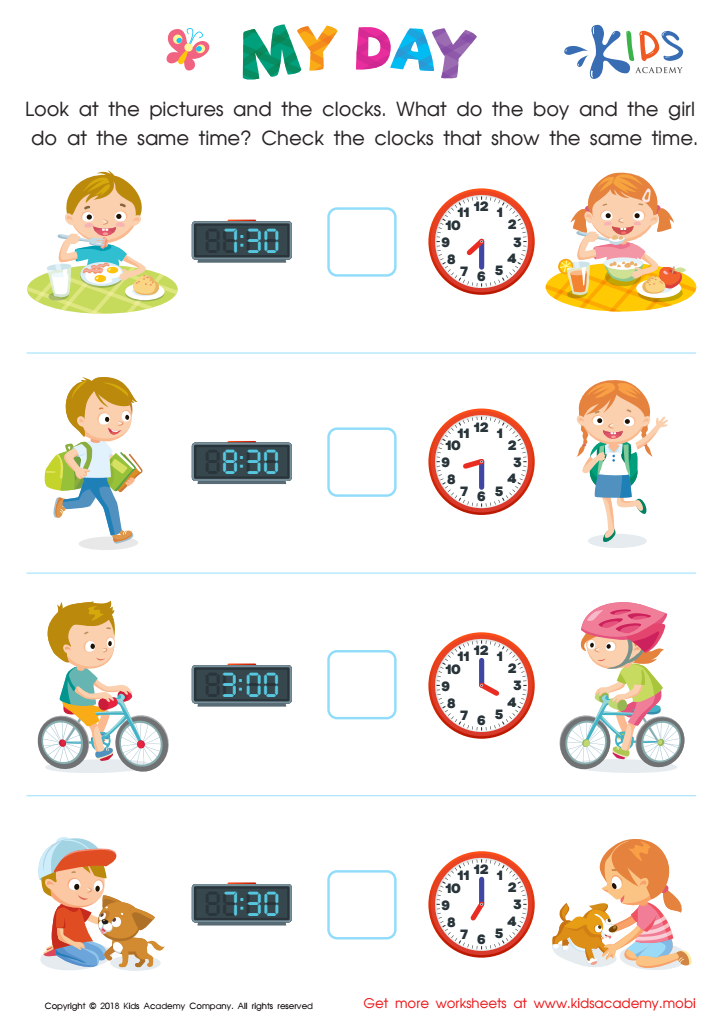
My Day Worksheet
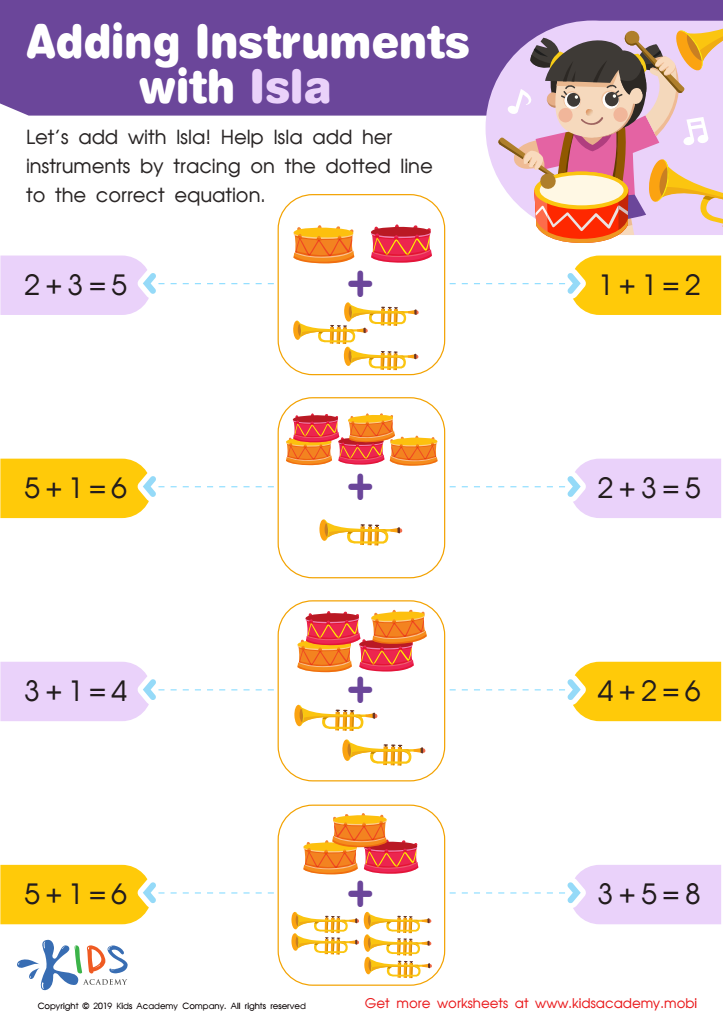
Adding Instruments with Isla Worksheet








Visual perception is crucial in the early developmental stages for children aged 3-8. This ability facilitates the recognition, interpretation, and understanding of visual information from the environment, forming the foundation for essential skills such as reading, writing, and mathematics. In particular, visual perception improvement in math during this period plays a pivotal role in a child's cognitive development and academic success.
When young children engage in visual math activities, such as sorting shapes, recognizing patterns, and identifying differences, they develop key skills such as spatial awareness, problem-solving, and analytical thinking. These skills are not only integral to mathematical comprehension but also extend to other academic areas and daily life tasks. Moreover, a strong visual perception aids in hand-eye coordination, allowing children to better interact with their physical environment and perform activities like drawing and building.
Teachers and parents should care about fostering visual perception in math for young learners as it enhances educational outcomes and builds a strong foundational understanding of numeracy. Interactive, visually stimulating math activities help maintain young children's natural curiosity and engagement, making learning enjoyable. By prioritizing visual math skills, adults can set children on a path toward academic confidence and lifelong learning success. Investing in these early skills ensures that children are well-equipped to handle more complex concepts in the future.








